Articles8 min read

The Letter That Changed How I Teach

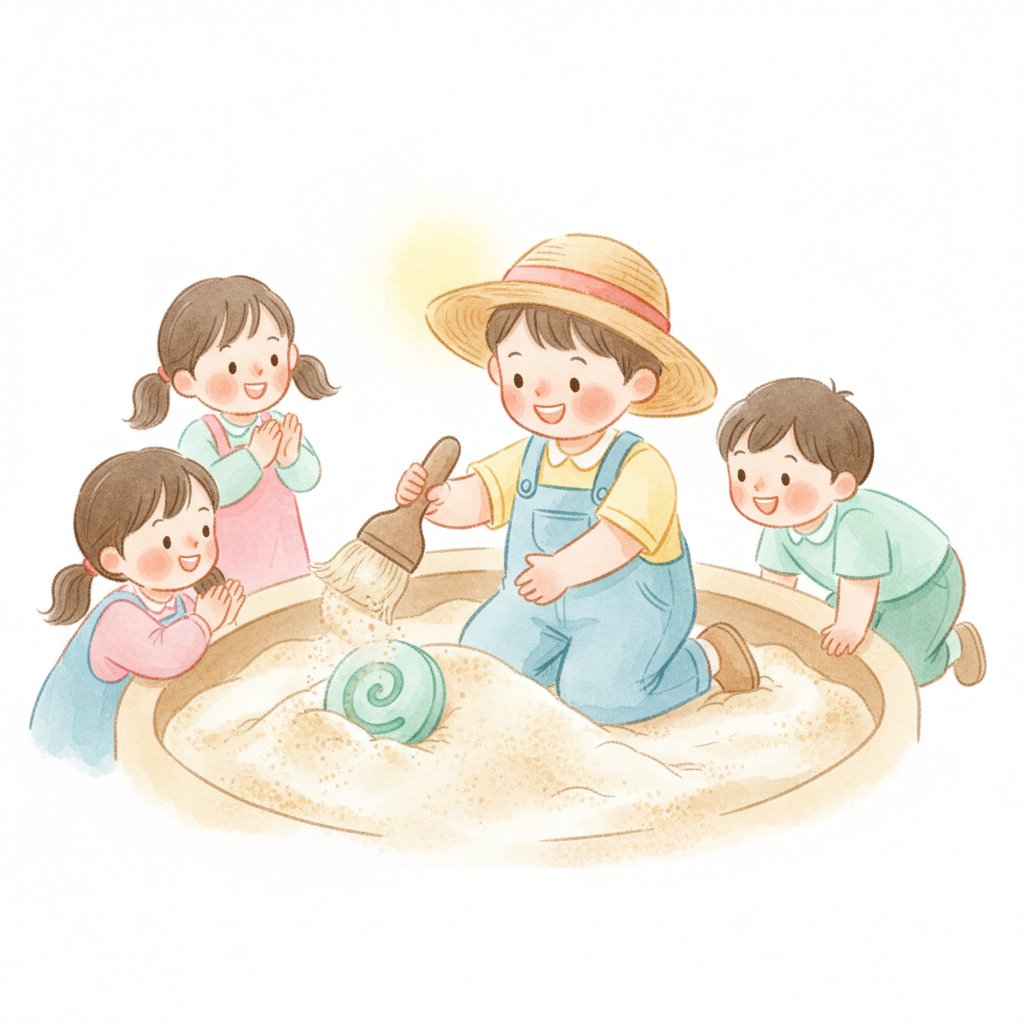
I was doing "letter of the week" the standard way: flash the card, say the sound, trace the worksheet. Most children were compliant but bored. Then I hid letter tiles in a sandbox and told the children they were archaeologists discovering ancient letters. They dug frantically, shouted letter names when they found them, and lined up their discoveries on a "museum shelf." In 20 minutes, every child in the group had identified 8-10 letters correctly — with more enthusiasm than I'd seen in weeks of flashcard drills.

The difference wasn't the letters. It was the context. When letters are embedded in play, movement, and sensory experience, children learn them faster and remember them longer. According to the National Early Literacy Panel, children who learn letters through multisensory activities recognize significantly more letters than children taught through visual-only methods.
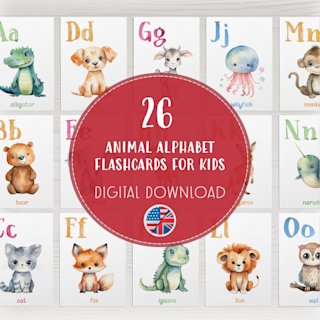
This guide covers 20+ alphabet activities for ages 3-6, organized by learning style: sensory, movement, art, and everyday routines. Pair it with our alphabet flashcards for visual reference and our letter of the week guide for structured weekly plans.
How Children Learn the Alphabet (It's Not A to Z)

Children don't learn letters in alphabetical order. They learn them in this approximate sequence:

  1. Letters in their own name — always first (age 3-4)
  2. Visually distinct letters — O, X, S, Z (easy to recognize, age 3-4)
  3. Letters in familiar words — M for Mom, D for Dad (age 3-4)
  4. Beginning-of-alphabet letters — A, B, C (from the song, age 4)
  5. Remaining letters — gradually, ages 4-6
  6. Confusing pairs last — b/d, p/q, m/w (age 5-7)

What "knowing a letter" means at each level:

LevelWhat the Child Can DoTypical Age
RecognitionPoints to a letter when named3-4
NamingSays the letter name when shown3-4
Sound connectionKnows the sound the letter makes4-5
FormationCan write the letter4-5
ApplicationUses the letter in reading/writing5-6

The critical insight: Letter recognition (knowing what a letter looks like) develops before letter-sound knowledge (knowing what sound it makes). Both develop before letter formation (writing the letter). Teach in that order — don't rush to writing before recognition is solid.

How many letters should a preschooler know? By age 4, most children can recognize 10-18 uppercase letters. By age 5, most recognize all 26 uppercase and many lowercase. By kindergarten entry, recognizing 18+ uppercase letters is a strong predictor of reading success. For more readiness skills, see our kindergarten readiness guide.

Every letter needs a friend — meet the Alphabet Monsters
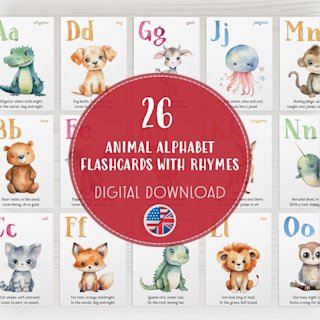
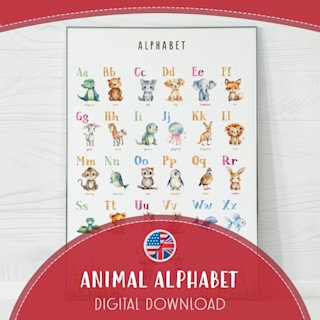
Our Alphabet Monster Flashcards give each letter a character: A is Alligator Monster, B is Bear Monster, C is Caterpillar Monster. When children learn letters as characters with names and personalities, the abstract symbols become concrete friends. 'My favorite monster is D — Dinosaur Monster!' 26 monsters, 26 letters, zero tears.

Sensory Letter Activities (Ages 3-5)

1. Sandbox letter excavation
Materials: Sandbox or sensory bin with sand, plastic letter tiles, paintbrushes.

What to do: Bury letter tiles in sand. Children use paintbrushes to "excavate" letters like archaeologists. When they find one, they brush it off, name it, and place it on their "discovery tray."

Why it works: The drama of excavation creates emotional engagement. Children remember letters they "discovered" more than letters they were shown.

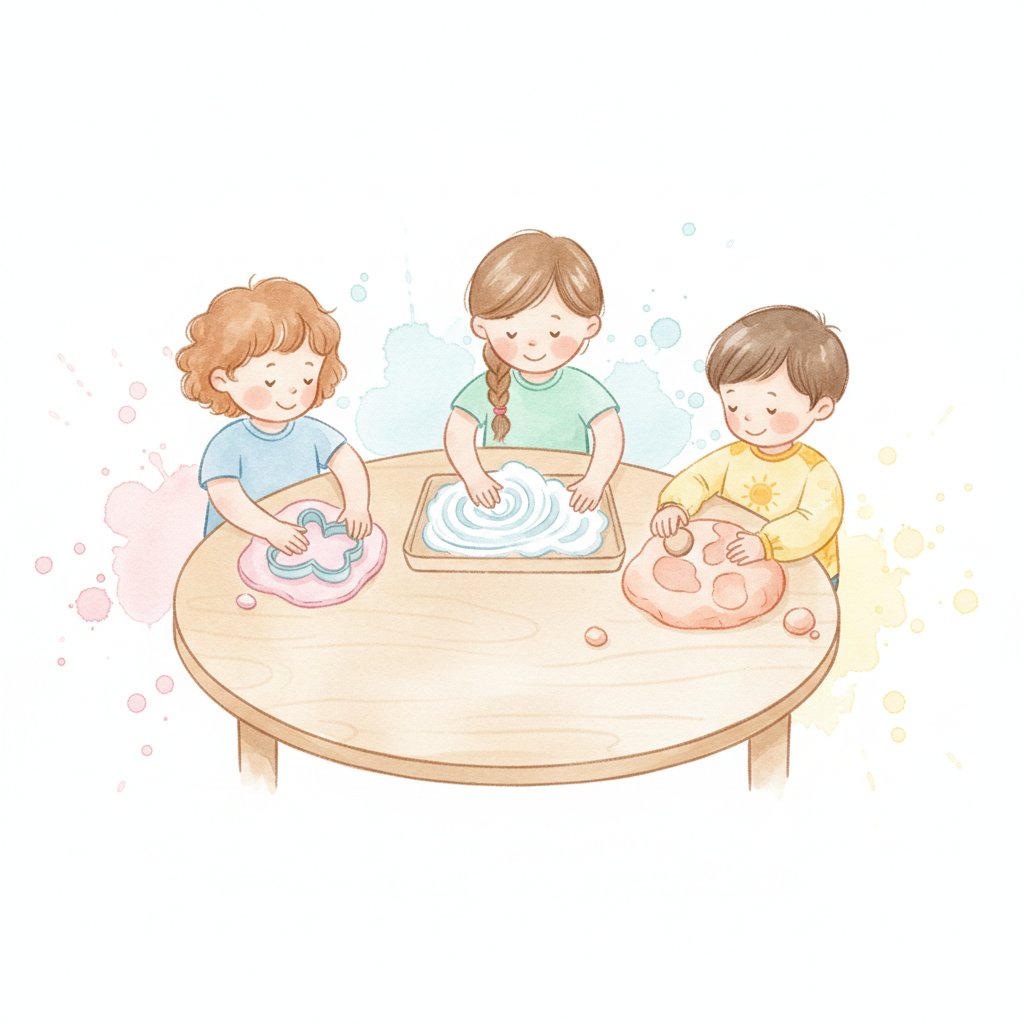
2. Shaving cream letter writing
Materials: Shaving cream, table or tray.

What to do: Spread shaving cream on the table. Children write letters with their index finger. The foam provides satisfying tactile feedback and "erases" with a swipe.

Extend it: Adult says a letter sound; child writes the matching letter. "What letter makes the 'mmm' sound? Write it!"

3. Play dough letter stamping
Materials: Play dough, letter stamps or cookie cutters.

What to do: Children flatten play dough and press letter stamps into it. The impressions are clear and children can see the letter shape from multiple angles.

Why it works: The physical pressure of pressing stamps builds hand strength while the clear letter impressions reinforce visual recognition. Two skills in one activity.

4. Wikki Stix letter forming
Materials: Wikki Stix (bendable wax yarn), letter cards.

What to do: Children place Wikki Stix on top of letter cards, bending them to follow the letter's shape. The wax sticks to the card, creating a tactile letter.

Why it works: The resistance of bending the Stix engages the proprioceptive sense. Children FEEL the curves, lines, and angles of each letter.

5. Water writing on chalkboard
Materials: Chalkboard, small paintbrush, cup of water.

What to do: Children paint letters on the chalkboard with water. The water makes a dark mark that slowly evaporates. No mess, no supplies to replace, infinite practice.

Why it works: The evaporation creates natural rhythm — the letter appears, fades, and is ready for the next attempt. Children practice the same letter repeatedly without any pressure about "getting it right." For more writing activities, see our writing guide.

Movement-Based Alphabet Activities (Ages 3-6)

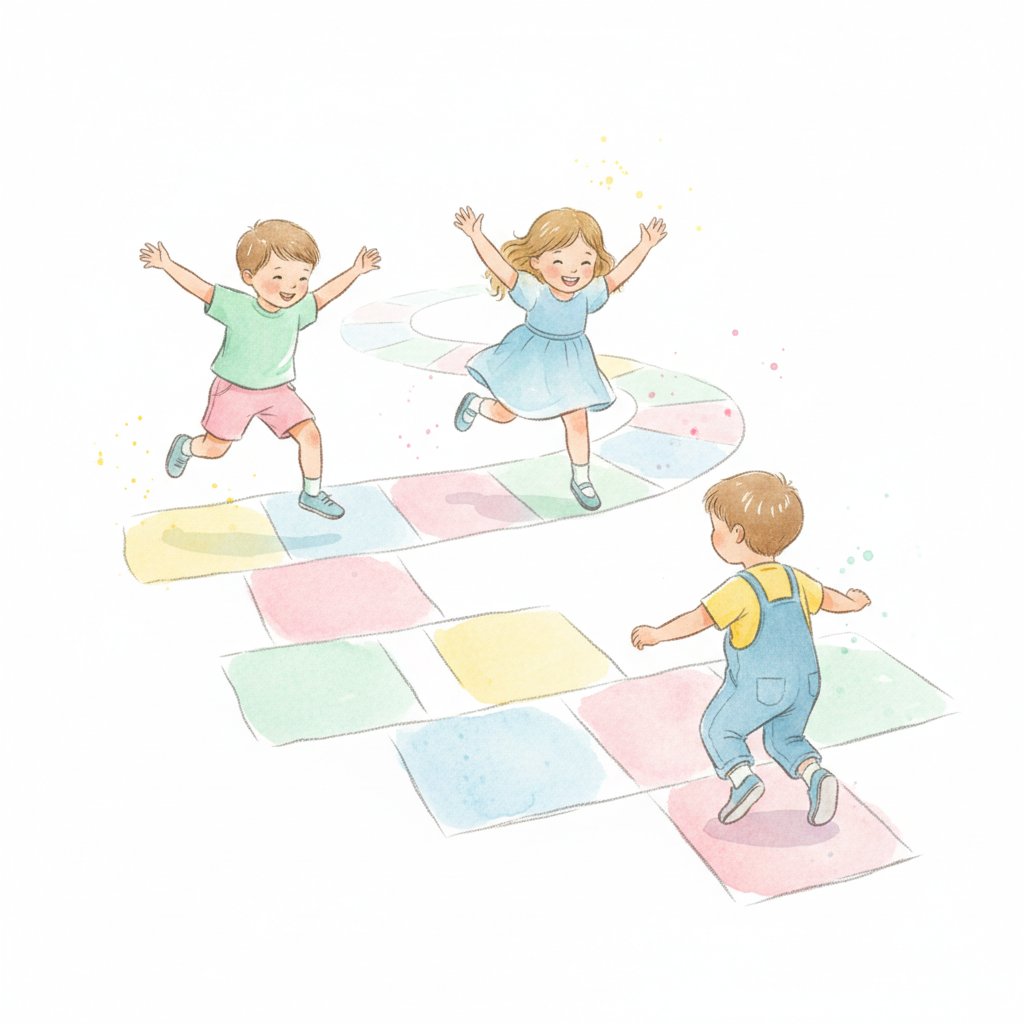
6. Letter hopscotch
Materials: Sidewalk chalk, outdoor space.

What to do: Draw a hopscotch grid with letters instead of numbers. Children hop from letter to letter, naming each one they land on. "L — E — T — T — E — R!"

Extend it: Children hop to spell their name or a simple word. "Hop on the letters that spell CAT!" This connects letter recognition to spelling.

7. Alphabet freeze dance
Materials: Music, letter cards.

What to do: Children dance while music plays. Music stops — hold up a letter card. Children freeze in the shape of that letter. "Make your body look like the letter T!" (arms out, legs together).

Why it works: Forming letter shapes with the whole body creates spatial memory. Children who "become" the letter T understand its shape differently than children who only see it on a card. For more body-based learning, see our gross motor guide.

8. Letter treasure hunt
Materials: Magnetic letters hidden around the room, basket.

What to do: Hide magnetic letters around the room. Children search, find, and bring them to a central basket, naming each letter as they deposit it. "I found P! P goes in the basket!"

Extend it: Sort found letters by color, by uppercase/lowercase, or by letters in the child's name vs. not.

9. Alphabet relay
Materials: Two sets of letter cards, one at each end of the room.

What to do: Children run to the far end, pick up a letter, name it, and run back. "Go get a letter! What did you get? S! Great, go get another one!"

10. Letter basketball toss
Materials: Letter cards, soft ball or beanbag, basket.

What to do: Spread letter cards on the floor near a basket. Child picks a card, names the letter, then gets to toss the ball into the basket. Correct name=toss. Wrong name=try again, then toss.

Why it works: The ball toss is a reward and a brain break. Children are motivated to name letters quickly because they want to throw the ball.

From letter name to letter sound in one card flip
Our Phonics Flashcards show each letter with its most common sound-spelling pattern: A says /a/ as in apple, B says /b/ as in ball. After children learn to recognize the letter shape (the first step), flip the card to connect it to the sound (the second step). 26 cards, 26 letter-to-sound bridges.

Art and Creative Alphabet Activities (Ages 3-6)

11. Letter of the day collage
Materials: Large letter cutout, magazines, scissors, glue.

What to do: Children cut out pictures from magazines that start with today's letter and glue them onto a large letter cutout. For the letter B: bus, banana, ball, balloon, butterfly.

Why it works: Searching for pictures that start with the target letter teaches phonemic awareness (hearing the beginning sound) while the gluing develops fine motor control.

12. Bubble wrap letter painting
Materials: Bubble wrap cut into letter shapes, paint, paper.

What to do: Children dip bubble wrap letters in paint and press onto paper. The textured prints are visually interesting and children handle the letter shape while painting.

13. Nature letters
Materials: Collected natural materials (sticks, leaves, pebbles, flowers).

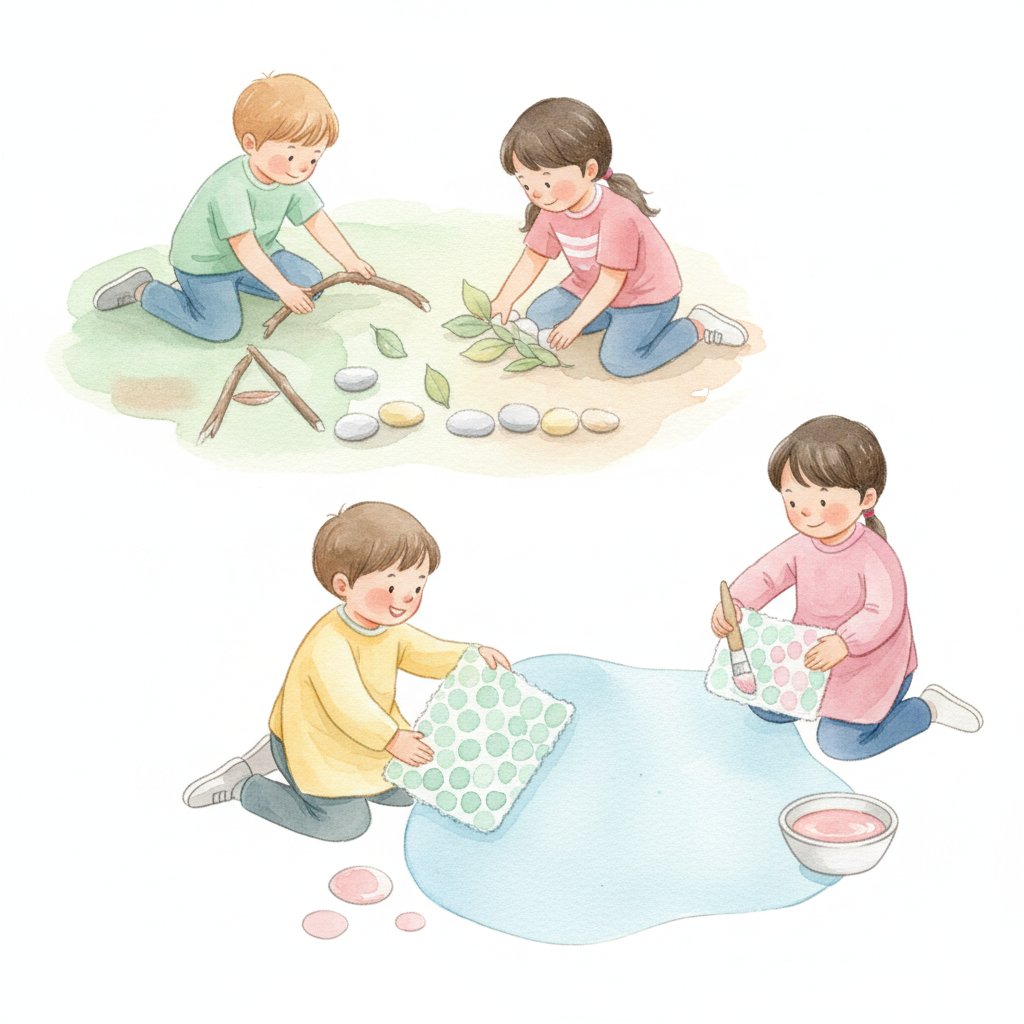
What to do: Children arrange natural materials to form letter shapes on the ground. Sticks for straight lines (I, L, T), curved leaves for curved letters (C, O, S), pebbles to outline letters.

Why it works: Working with natural materials is calming and creative. Children think about letter shapes differently when constructing them from scratch. For more nature-based learning, see our science experiments guide.

14. Alphabet stamps and ink
Materials: Letter stamps, ink pads, paper.

What to do: Children stamp letters to write their name, spell words, or create patterns. The deliberate selection of each stamp forces focus on individual letters.

15. Glitter glue letter tracing
Materials: Paper, glitter glue, letter cards.

What to do: Children trace over large printed letters with glitter glue. When dry, the raised glitter creates a tactile letter card children can trace with their finger repeatedly.

Why it works: The raised texture provides ongoing tactile feedback — children can trace the letter days or weeks after making it, reinforcing the shape through touch.

Everyday Alphabet Routines (Ages 3-6)

16. Environmental alphabet hunt
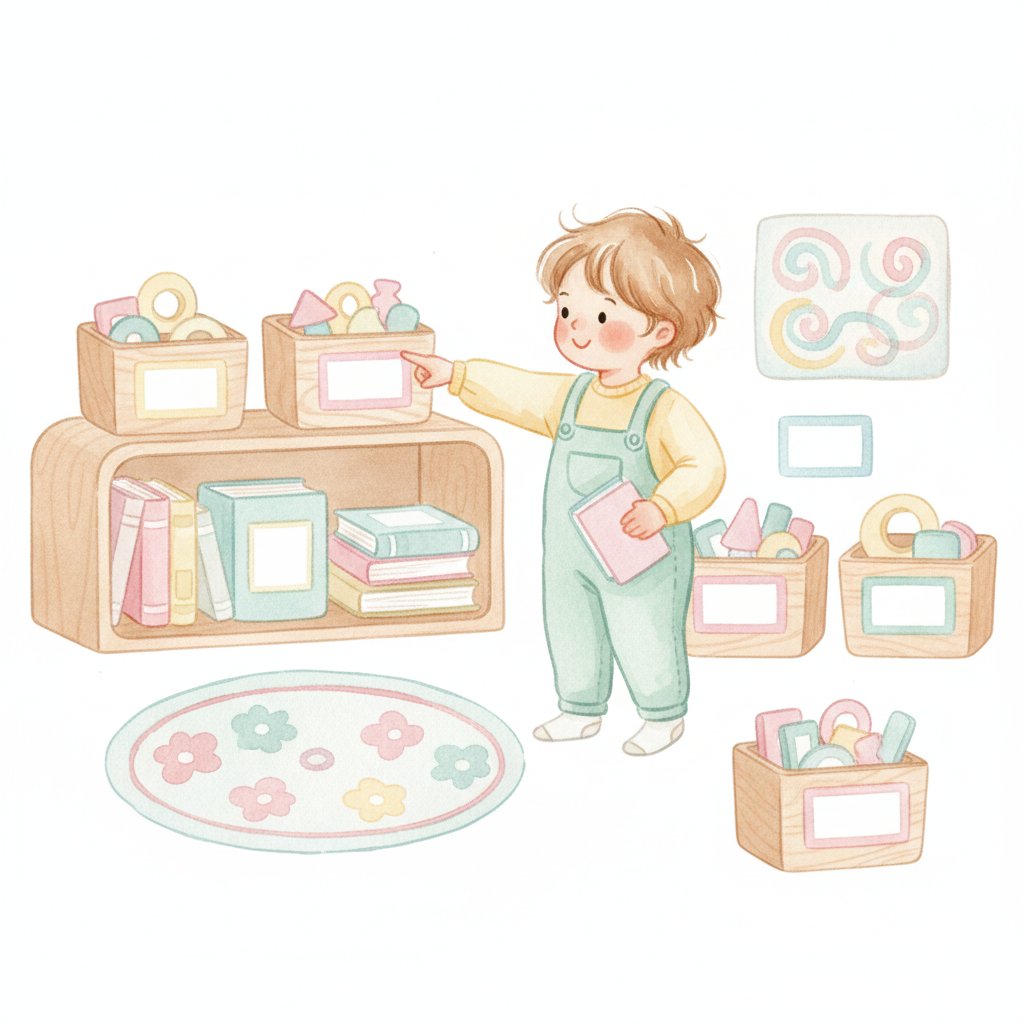
What to do: "Find the letter A somewhere in this room!" Children search for letters on signs, labels, books, containers. "A is on the APPLE juice! B is on the BLOCKS bin!" The environment is full of letters — children just need to be told to look.

Why it works: Environmental print (signs, labels, logos) is the first print most children read. Pointing out letters in the environment teaches that print carries meaning and letters are everywhere.

17. Alphabet snack time
What to do: Serve letter-shaped foods: alphabet cereal, letter crackers, or use cookie cutters to cut sandwiches into letter shapes. "You're eating an A! What sound does A make?"

18. Sign-in letter practice
Materials: Sign-in sheet with children's names.

What to do: Children sign in each morning by finding their name and tracing or writing it. The name is the most meaningful set of letters a child knows — use it daily. For more name-based learning, see our name recognition guide.

19. Alphabet books routine
Materials: A variety of alphabet books.

What to do: Read one alphabet book per day at circle time. Children predict what comes next, identify letters they know, and discover new ones. Rotate through different books to maintain interest.

Recommended alphabet books:

  • "Chicka Chicka Boom Boom" by Bill Martin Jr.
  • "Dr. Seuss's ABC" by Dr. Seuss
  • "Eating the Alphabet" by Lois Ehlert
  • "Alphabet City" by Stephen T. Johnson

20. Letter of the week celebration
What to do: Choose a letter for the week. On Friday, celebrate with a "letter party": eat foods that start with the letter, wear clothes with the letter, do activities featuring the letter. The celebration gives the letter emotional significance.

Why it works: Emotional engagement creates lasting memory. A child who had a "B party" with bananas, balloons, and bean bags will remember the letter B long after the flashcards are put away. For structured letter-of-the-week plans, see our letter of the week guide.

Alphabet posters: the permanent letter reference wall
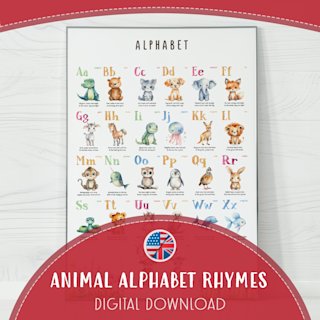
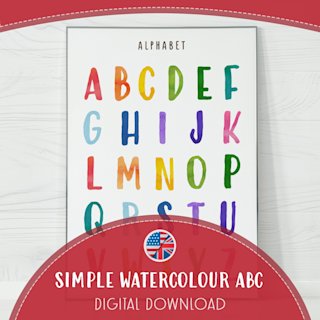
Our Alphabet Poster Set keeps all 26 letters visible at eye level, every day. Children reference the poster independently during writing: 'What does M look like? Let me check the wall.' When letters are always available, children develop self-directed letter-checking habits — they don't need an adult to model every letter. Independence starts with access.
1.Should I teach uppercase or lowercase letters first?
Teach uppercase letters first — they're easier to distinguish visually (fewer confusing pairs) and easier to write (more straight lines). Most children learn all 26 uppercase letters before mastering lowercase. However, children should be exposed to both from the beginning (name tags with both cases, books in both cases). Formal lowercase instruction typically begins in pre-K or kindergarten.
2.How long should alphabet activities take each day?
5-10 minutes of focused alphabet activity is plenty for ages 3-4. For ages 4-5, 10-15 minutes. The key is daily practice, not long sessions. Add informal letter exposure throughout the day (pointing out letters during transitions, reading alphabet books) for a total of 20-30 minutes of daily letter engagement.
3.My child knows letters but not sounds. What should I do?
Letter recognition develops before letter-sound knowledge, so this is normal. Once a child can name 10+ letters reliably, start connecting each letter to its sound. The most effective method: "This is B. B says /b/ as in ball. /b/ /b/ ball." Show the letter, say the sound, give a word. Three connections per letter.
4.Should I use letter-of-the-week or teach all letters at once?
Letter-of-the-week works well for ages 3-4 because it provides depth (7 days per letter, multiple activities). For ages 4-5 who already know some letters, a faster pace (2-3 letters per week) maintains engagement. For children who arrive at pre-K already knowing most letters, focus on sounds, formation, and application rather than recognition.