Articles6 min read

The Bathtub That Taught Physics

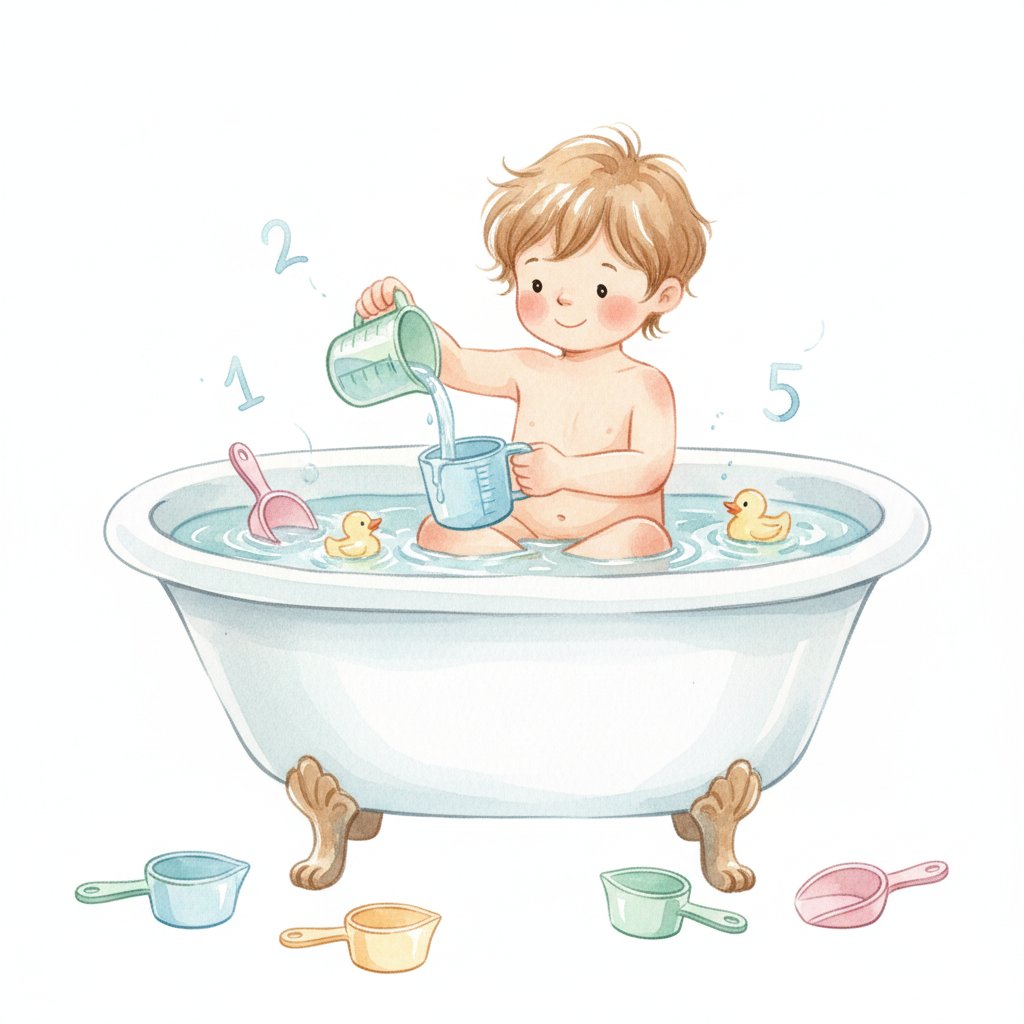
My daughter dropped a metal spoon in the bath. CLUNK — it sank. Then she dropped a plastic cup. It bobbed on the surface. She picked it up and pushed it under — it popped back up. She pushed the spoon under — it stayed on the bottom. "Why does the spoon stay down and the cup comes up?" she asked. She was three years old, and she just discovered density. Not from a textbook, not from a lesson plan — from a spoon and a cup in the bathtub. Bath time is the most UNDERUSED learning opportunity in every home. Children are calm, contained, tactilely engaged, and naturally curious about water. Every bath is a 20-minute science lab.

According to the American Institute for Learning, water play develops scientific thinking (hypothesis, observation, cause and effect), math concepts (volume, measurement, more/less), fine motor skills (pouring, squeezing, scooping), and vocabulary (full, empty, heavy, light, sink, float).
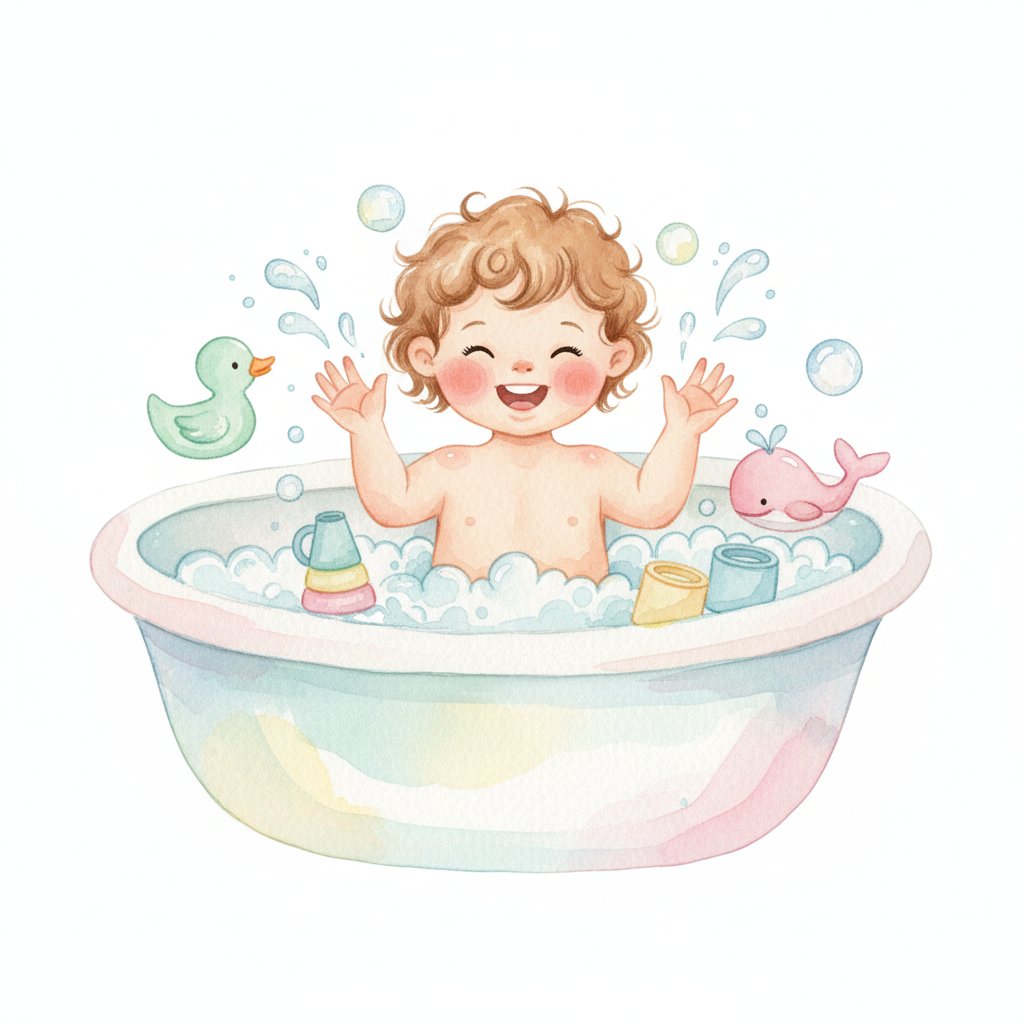
This guide covers 20+ bath time activities for ages 3-6. Pair it with our science experiments guide for more science and our five senses guide for sensory exploration.
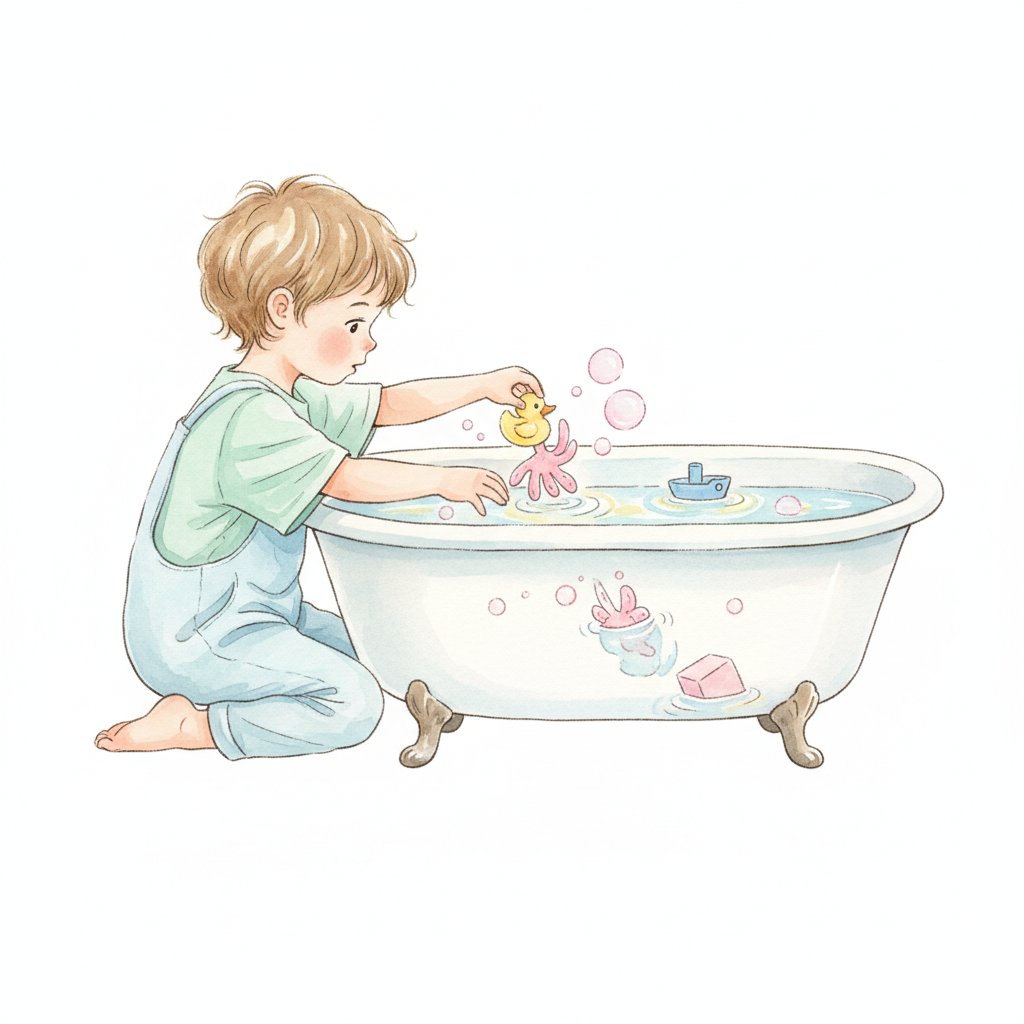
Sink and Float Science (Ages 3-6)

1. Sink or float prediction
Materials: Various bath-safe objects (plastic toys, metal spoon, rubber duck, soap bar, sponge, cup, coin).

What to do: "Before you drop it in, GUESS: will it sink or float? Make a prediction!" Keep a simple chart: "SINK" column and "FLOAT" column. Check marks for correct predictions. The activity teaches the scientific method: predict, test, observe. For more science, see our science guide.

Why it works: Prediction is the core of scientific thinking. "I think it will sink because it's heavy." Then test: "It DID sink! My prediction was right!" Or: "It floated! I was wrong — heavy things don't always sink!" Wrong predictions are MORE valuable than right ones because they teach that science is about testing, not guessing right.

2. Why do things float?
What to do: "Push the rubber duck under water. Feel it push BACK up? That's called BUOYANCY — water pushes things up! Big empty things have more buoyancy because there's air inside. Small heavy things have less buoyancy." The concept teaches density in preschool language.

3. Boat building
Materials: Aluminum foil.

What to do: "Make a boat from foil! Can it float? Now add a toy passenger. Does it still float? Add another. When does it SINK?" The boat teaches weight capacity and engineering. For more building, see our block guide.

4. Ice cube melt
Materials: Ice cubes.

What to do: "Drop an ice cube in the warm bath. Watch it! What happens? It MELTS! Why? Because the water is WARMER than the ice. Heat makes ice turn to water." The melting teaches states of matter through observation.

5. Water displacement
Materials: Large container, measuring tape or marker.

What to do: "Look at the water level. Now get in! The water went UP! Your body pushed the water out of the way. That's called DISPLACEMENT." The classic Eureka moment, in a bathtub.

The bathtub becomes an ocean
Our Ocean Animals Watercolor Art Activity Pack turns bath time into marine biology: 'The bathtub is your OCEAN. These are the animals that live there: a whale, a dolphin, a seahorse, a jellyfish, a starfish, an octopus. Whales are the LARGEST animals on earth — but they FLOAT because they have blubber that makes them buoyant. Octopus have no bones — they SINK and crawl along the bottom.' After painting their ocean animals, children recreate the habitat in the tub. Art meets science meets bath time. Three lessons, one activity pack.

Bath Time Math and Pouring (Ages 3-6)

6. Cup volume comparison
Materials: Cups of different sizes.

What to do: "Fill the small cup. Pour it into the big cup. How many small cups fill the big cup? 3! The big cup holds 3 small cups of water!" The pouring teaches volume and measurement. For more measuring, see our number guide.

7. More and less
Materials: Two containers.

What to do: "Pour water into both cups. Which has MORE? Which has LESS? Now make them EQUAL — the same amount in each!" The comparison teaches quantity vocabulary. For more quantity, see our math guide.

8. Bubble counting
Materials: Bubble bath.

What to do: "Count the bubbles you can grab: 1, 2, 3, 4, 5! Can you grab 10? They keep POPPING! That makes counting harder!" The counting teaches one-to-one correspondence with an ephemeral, fun medium.

9. Bath time fractions
Materials: Clear container, tape.

What to do: Mark a container with tape lines: half, quarter. "Fill it to the HALF line. Now pour out HALF of that — that's a QUARTER!" The fractions introduce division of volume visually. For more fractions, see our math guide.

10. Temperature testing
Materials: Thermometer (bath-safe).

What to do: "Is the water HOT, WARM, or COLD? Let's measure! 90 degrees is just right for a bath. 70 degrees feels cool. 100 degrees is too hot!" The measurement teaches temperature as a number. For more temperature, see our weather guide.

Bath time is weather time
Our Weather Flashcards connect bath time to weather science: 'The steam rising from your warm bath is EVAPORATION — water turning into invisible gas. That is exactly what happens when the sun heats the ocean! The steam hits the cool bathroom mirror and turns into water drops — that is CONDENSATION, the same process that makes clouds! And when the drops get heavy enough, they run down the mirror — that is PRECIPITATION, just like rain falling from clouds!' Your bathroom is a water cycle demonstration. Bath time becomes weather science. Every bath, a meteorology lesson.

Bubble and Foam Play (Ages 3-6)

11. Bubble sculptures
Materials: Bubble bath, hands.

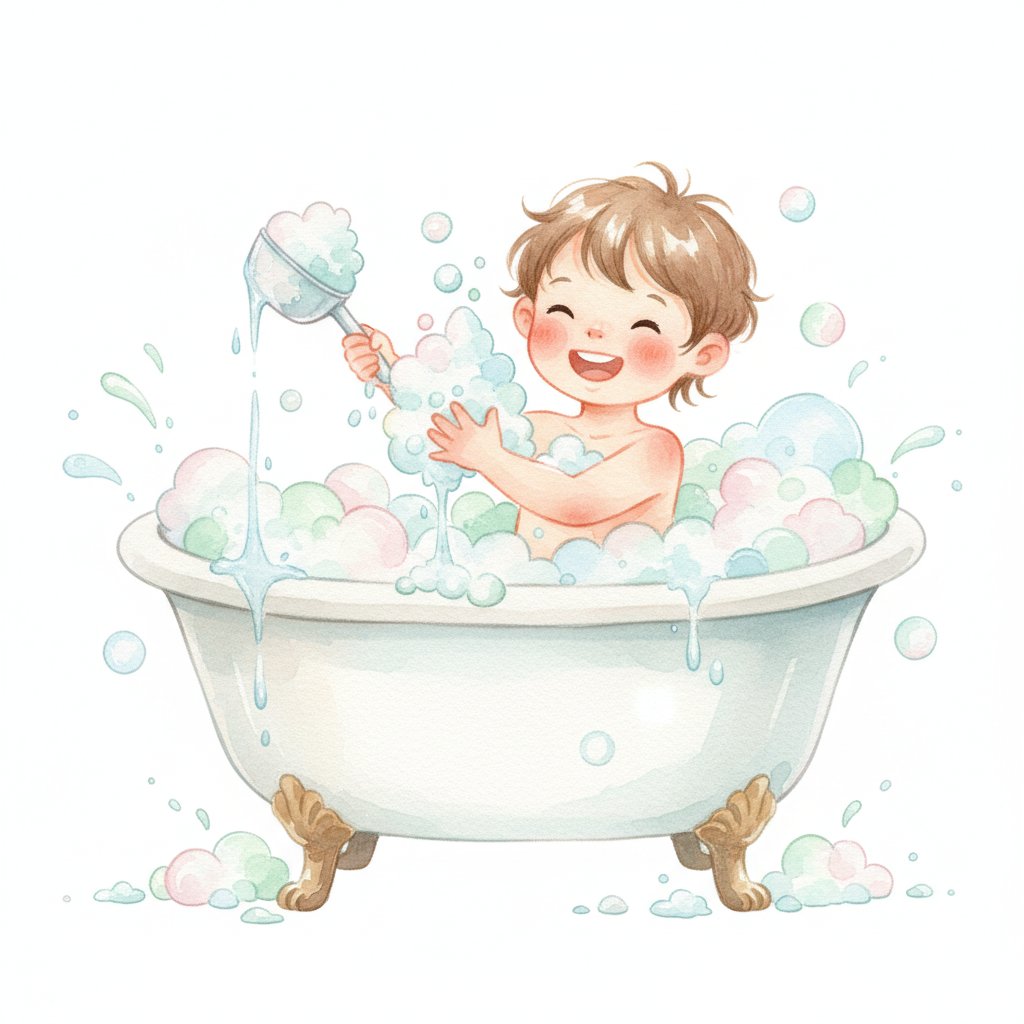
What to do: "Make a bubble beard! A bubble hat! A bubble castle! Scoop the foam and shape it!" The sculpting teaches fine motor skills and 3D shaping. For more sculpting, see our playdough guide.

12. Foam letters
Materials: Foam bath letters.

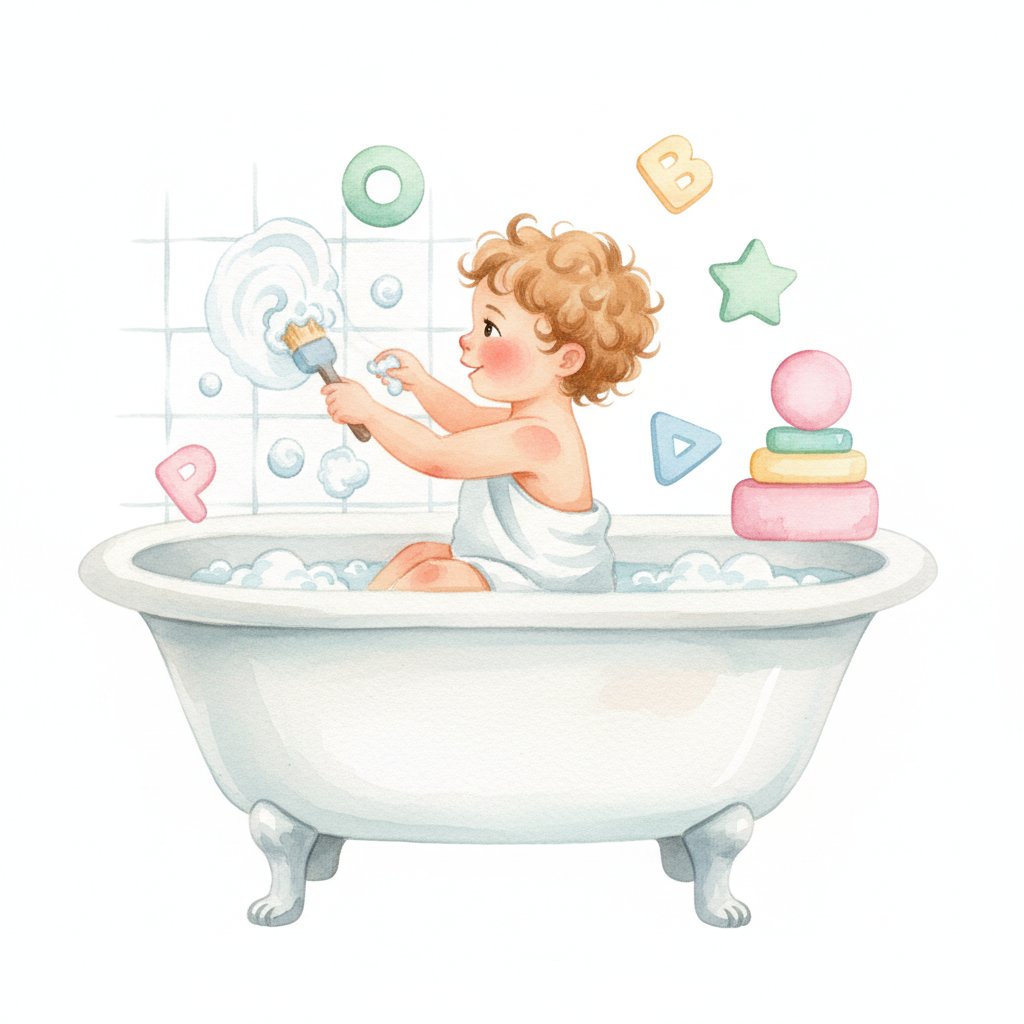
What to do: "Stick the letters on the wall! Spell your NAME! Find the A, the B, the C!" The letter play teaches alphabet recognition in a low-pressure, playful setting. For more letters, see our alphabet guide.

13. Foam numbers and counting
Materials: Foam bath numbers.

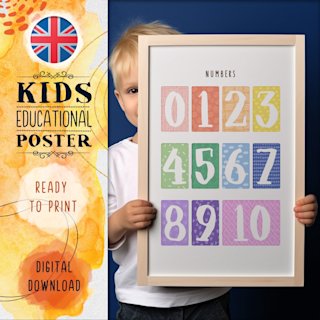
What to do: "Put the numbers in order: 1, 2, 3, 4, 5! Can you count to 10 on the wall? Which number is biggest? Which is smallest?" The number play teaches numeral recognition. For more numbers, see our number guide.

14. Color mixing with bath colors
Materials: Bath color tablets or food coloring (safe amounts).

What to do: "The water is BLUE. Add a RED tablet — what happens? It turns PURPLE! Blue + Yellow=GREEN!" The color mixing teaches color theory through water. For more colors, see our color guide.

15. Shadow puppets on the wall
Materials: Flashlight.

What to do: "Turn off the light. Shine the flashlight. Make shadow puppets on the bathroom wall! A rabbit, a bird, a dog, a T-Rex!" The shadows teach light and dark concepts. For more imagination, see our imagination guide.

Bath Time Learning Extensions (Ages 3-6)

16. Bath time vocabulary
What to do: Teach spatial and water words: full, empty, deep, shallow, pour, splash, drip, flow, soak, rinse, drain, overflow. "The cup is FULL. Pour it out — now it's EMPTY. Fill it AGAIN!" The vocabulary builds academic language through daily routine. For more vocabulary, see our vocabulary guide.

17. Body part washing
Materials: Washcloth.

What to do: "Wash your SHOULDERS. Now your ELBOWS. Now your KNEES. Now your TOES!" The washing teaches body part vocabulary. "What is between your elbow and your hand? Your FOREARM!" For more body parts, see our body parts guide.

18. Bath time songs
What to do: Sing in the bath: "This is the way we wash our hands, wash our hands, wash our hands! This is the way we wash our hands, so early in the evening!" Make up verses for each body part. The singing teaches sequencing and body vocabulary. For more songs, see our music guide.

19. Squeeze and release
Materials: Sponge, squeeze bottle, turkey baster.

What to do: "Squeeze the sponge UNDER water. Let it go — it fills up! Squeeze it ABOVE water. Water comes out!" The squeezing teaches cause and effect and hand strength. For more fine motor, see our fine motor guide.

20. Bath time storytelling
What to do: "The rubber duck is going on an adventure! First it sailed across the bathtub ocean. Then it met a soap bar whale. Then it found a hidden island (your tummy!)" The storytelling teaches narrative skills through bath toys as characters. For more storytelling, see our storytelling guide.

Bath time has a rhythm — just like the week
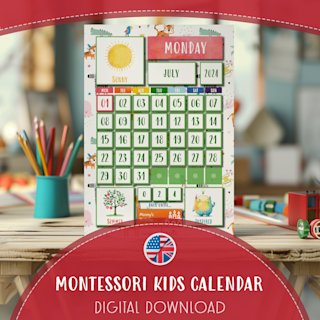
Our Days of the Week Poster connects daily routines to calendar learning: 'Monday — bath night! Tuesday — bath night! Every day has its routine, and bath time is part of the weekly rhythm.' Children learn that Monday comes before Tuesday, and bath time comes after dinner. The poster teaches sequence: 'What day is it? What comes AFTER bath time? Pajamas, story, sleep!' Routine is learning. Calendar time meets bath time in one colorful poster.
1.Is bath time really educational?
Absolutely — water play is one of the most recommended early learning activities by early childhood educators. Bath time naturally teaches science (sink/float, temperature, states of matter), math (volume, more/less, counting), vocabulary (spatial words, body parts, water concepts), fine motor skills (pouring, squeezing, scooping), and routine/sequencing. The key is adding simple materials: cups, foam letters, a few toys. You don't need special educational bath products — everyday items become learning tools.
2.How long should a learning bath time be?
15-25 minutes is ideal. Shorter than 10 minutes and there isn't enough time for exploration. Longer than 30 minutes and the water gets cold and skin gets pruney. Keep it playful — if a child is enjoying an activity, let it continue. If they're ready to get out, don't force more learning. The goal is to make the daily routine slightly more enriching, not to turn bath time into a classroom.
3.What if my child hates bath time?
Make it playful, not obligatory. Add bubbles, toys, and color tablets. Let them bring a favorite waterproof toy. Give them control: "Do you want to wash your arms or your legs first?" Play music. Tell stories. Some children resist baths because they feel cold — warm the bathroom first, use warm towels afterward. If fear is the issue, start with just sitting in an empty tub with toys and gradually add water over several sessions.
4.Are bath crayons and color tablets safe?
Most commercial bath crayons and color tablets are non-toxic and safe for ages 3+. Always check the age rating on the package. For DIY options, a few drops of food coloring in bath water is safe. Test a small amount first if your child has sensitive skin. Always supervise bath activities — water safety comes first, always.