Raising a Bilingual Child When You Only Speak One Language
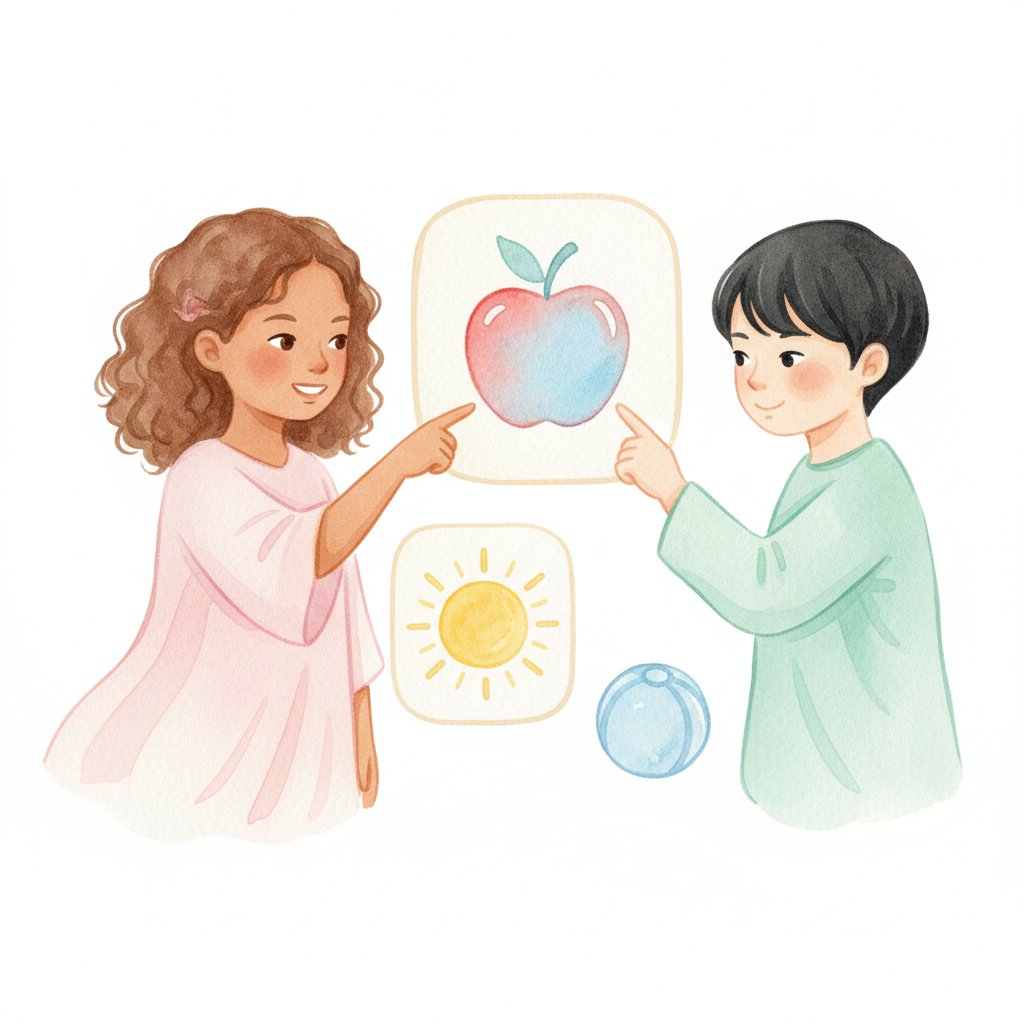
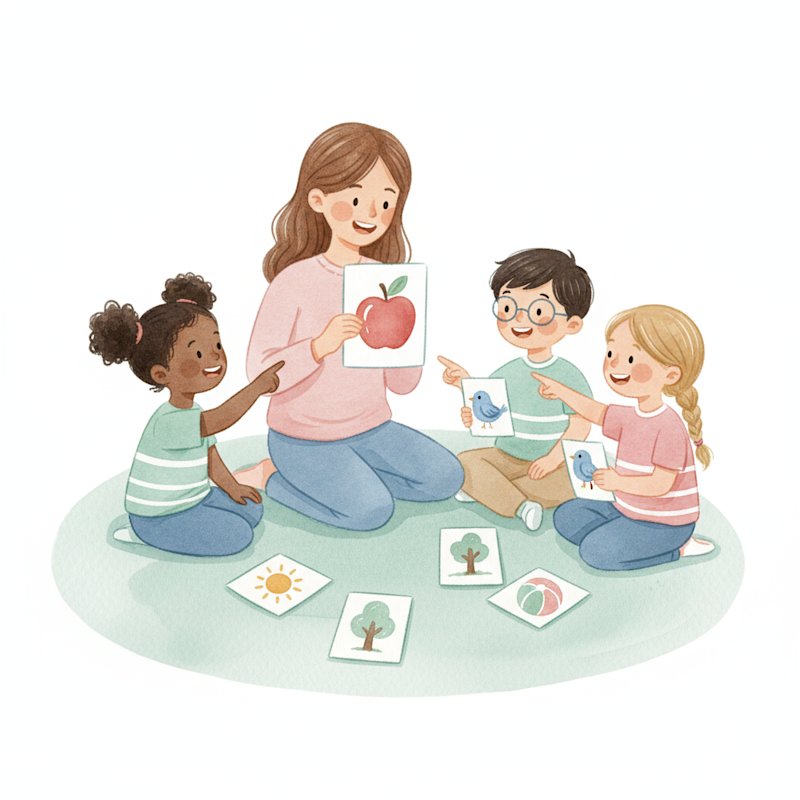
I don't speak Spanish. My daughter's preschool teacher does. Within three months, my daughter was counting to ten, naming colors, and singing "Buenos Dias" every morning — and I was learning alongside her, fumbling through pronunciations while she corrected me with the casual confidence that only a four-year-old can have.
According to research from the Center for Applied Linguistics, children who learn a second language before age 7 achieve native-like pronunciation and grammatical intuition that older learners never fully acquire. Bilingual children also show stronger executive function, better problem-solving, and greater cultural empathy. And the best part: you don't need to be bilingual to raise a bilingual child. You just need activities, consistency, and a willingness to learn together.
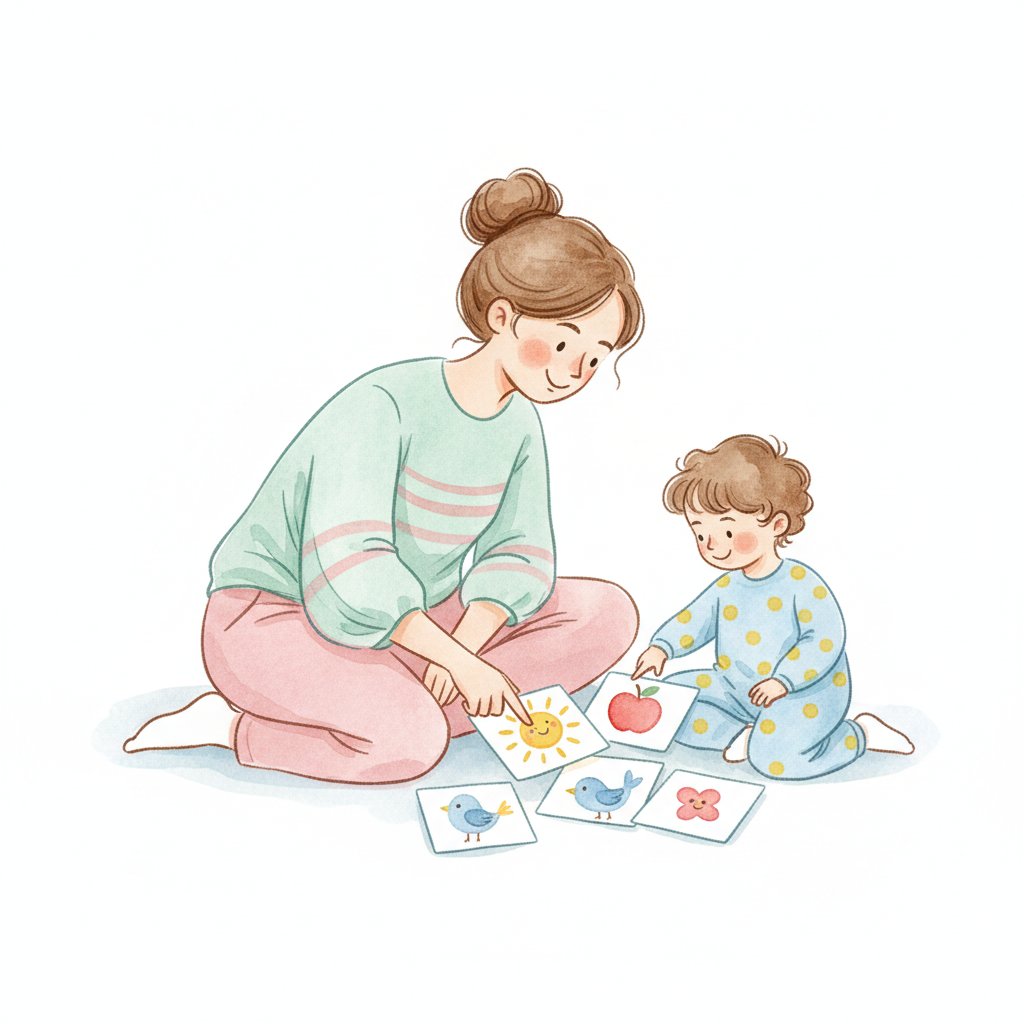
This guide covers 20+ bilingual and ESL activities for ages 3-6, organized by approach: vocabulary building, songs and movement, routines, and literacy. These activities work for families adding a second language at home AND for teachers supporting English Language Learners (ELLs) in the classroom. Pair it with our vocabulary guide for general vocabulary building and our alphabet guide for letter learning.