The Tower That Fell Down (And Why That Was the Best Part)
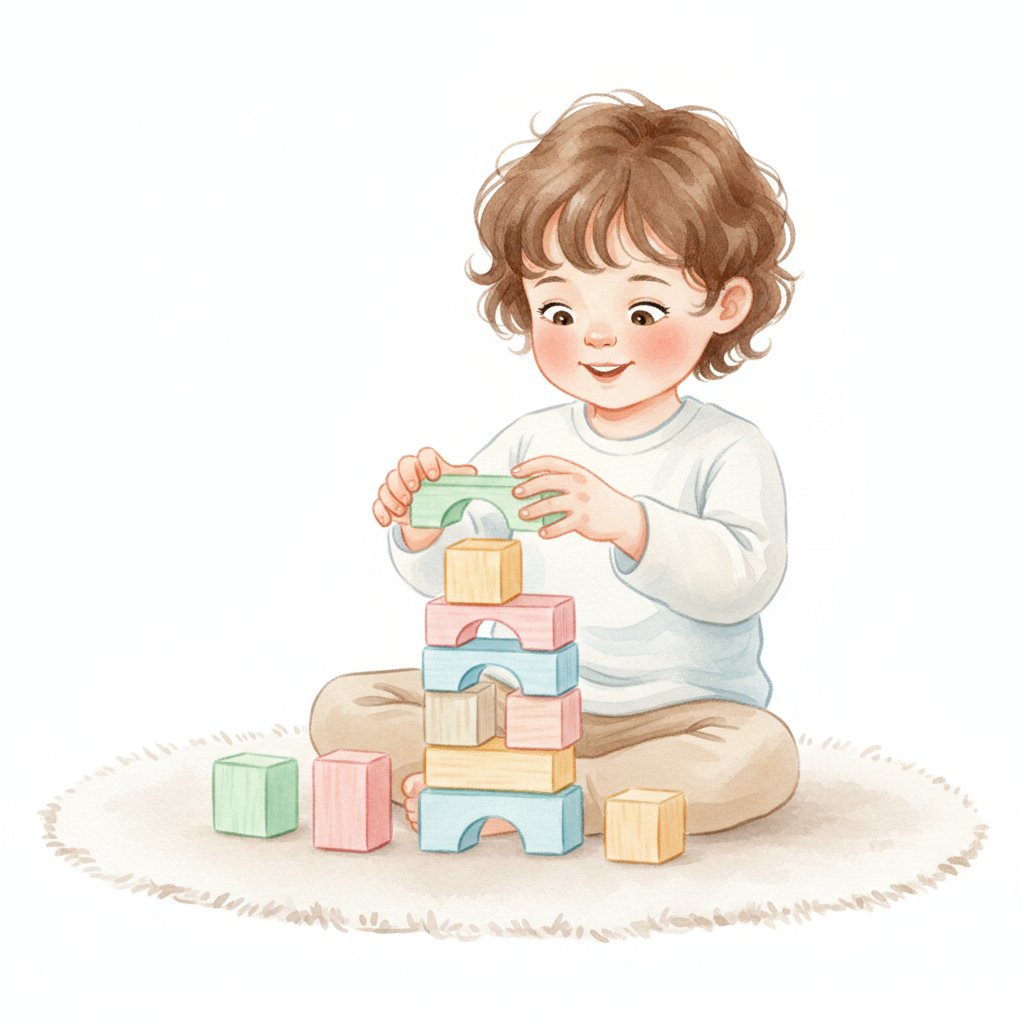
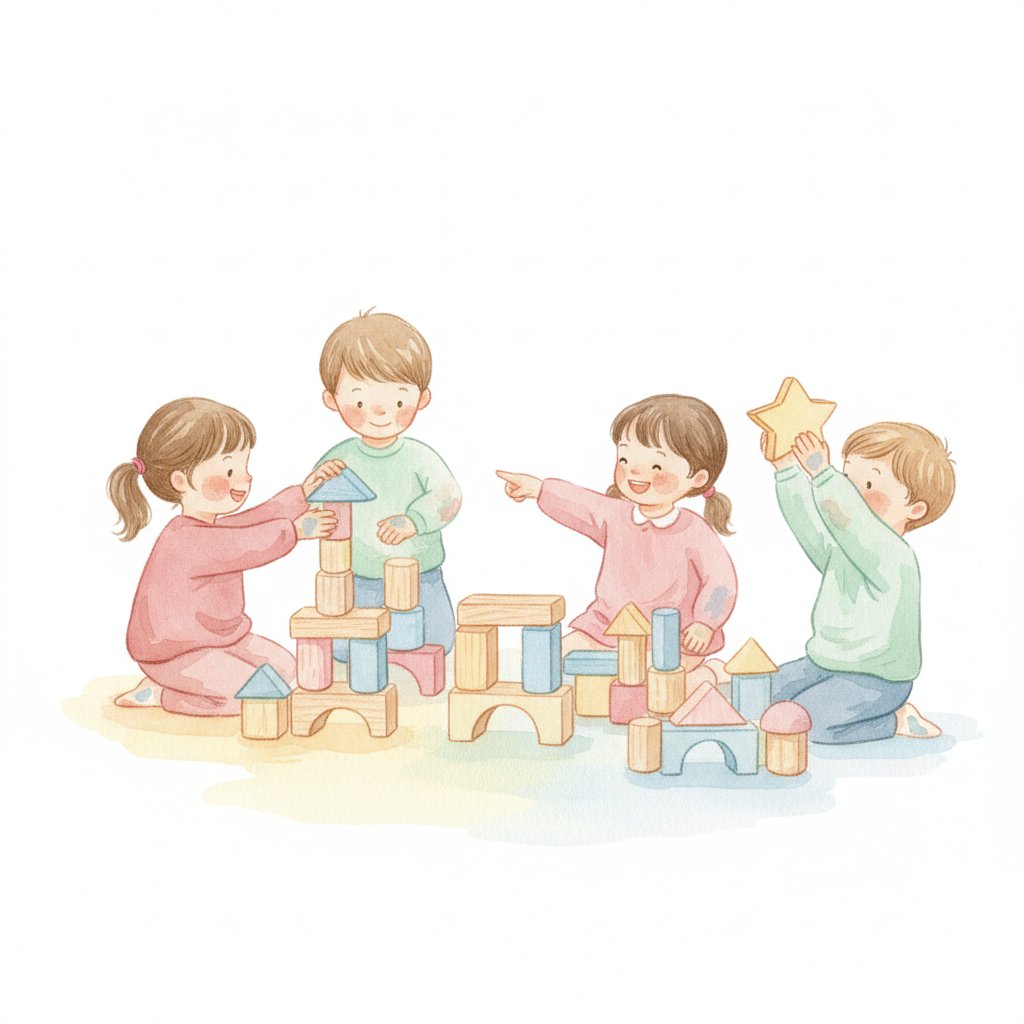
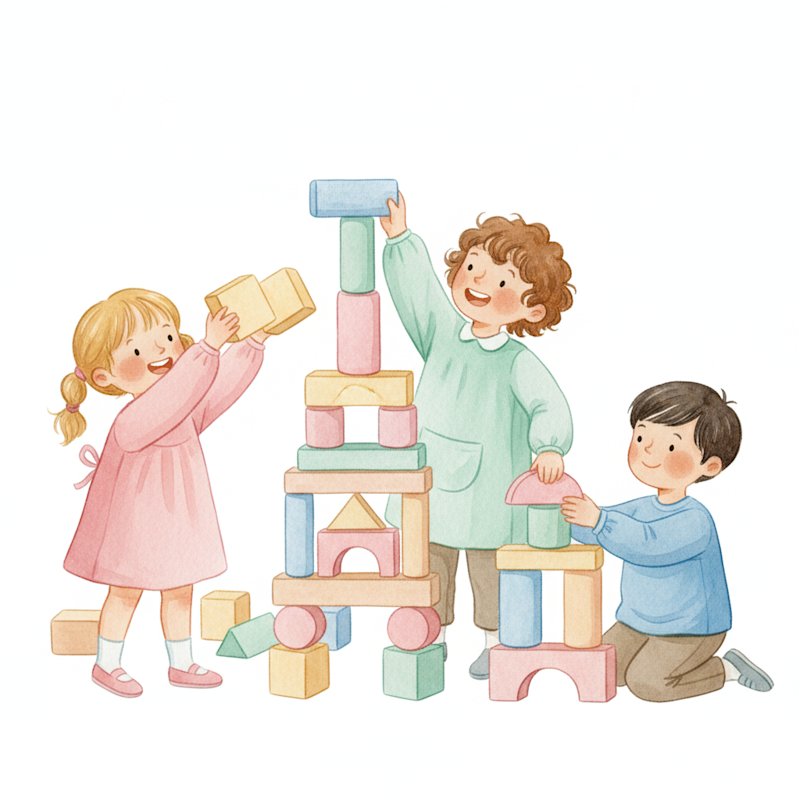
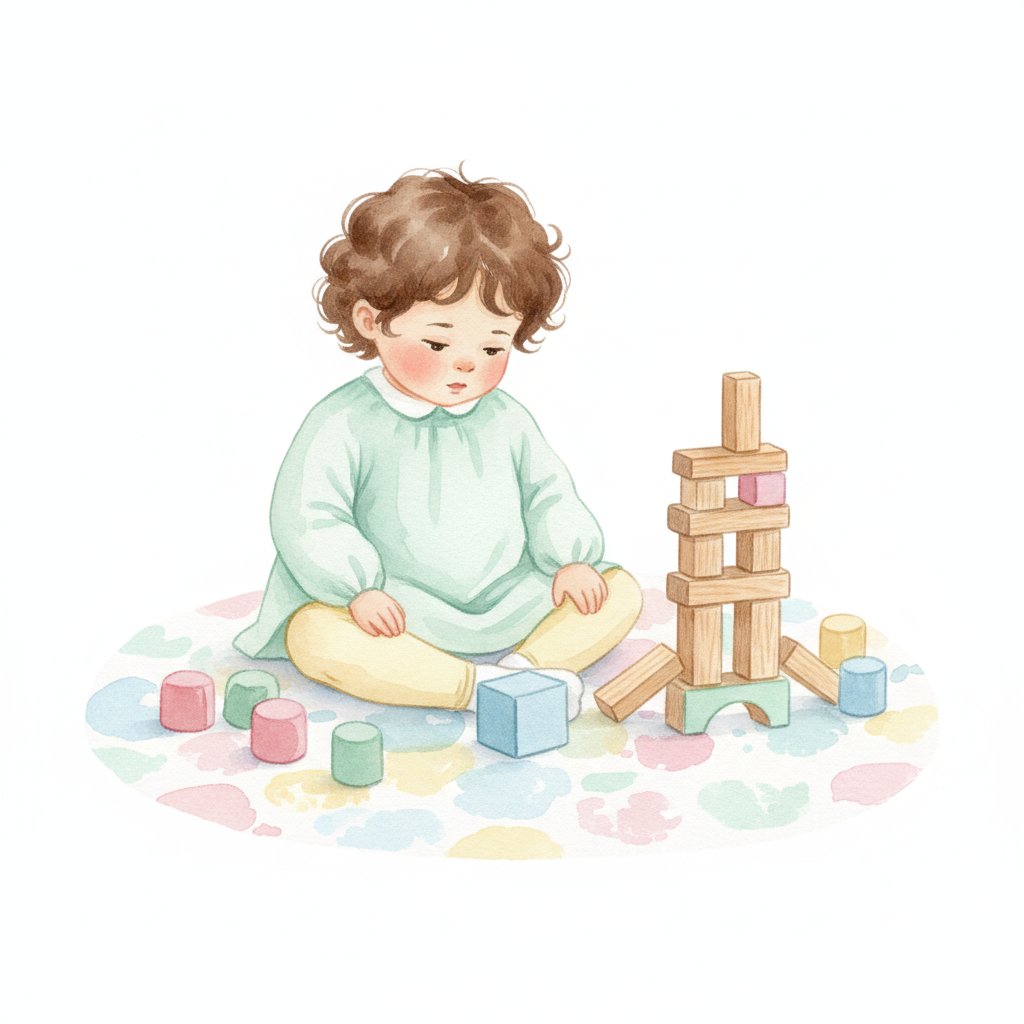
My five-year-old spent twenty minutes building the tallest tower she'd ever made. It was 26 blocks high. She held her breath placing the final block. It stood for three glorious seconds. Then it collapsed in a cascade of wooden blocks that hit the floor like a drumroll. She stared at the wreckage. I held my breath, expecting tears. Instead, she said: "It fell because the bottom was too skinny. Next time I'll make a wider base."
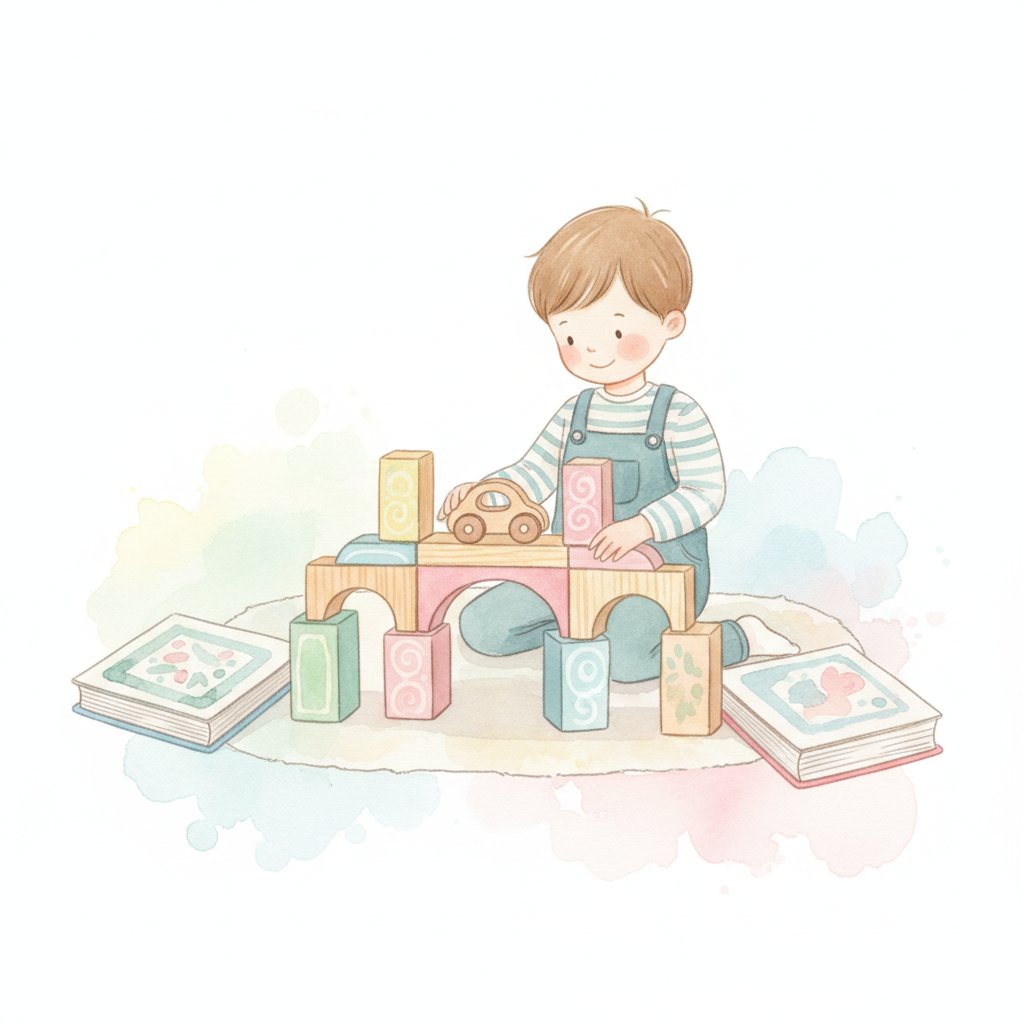
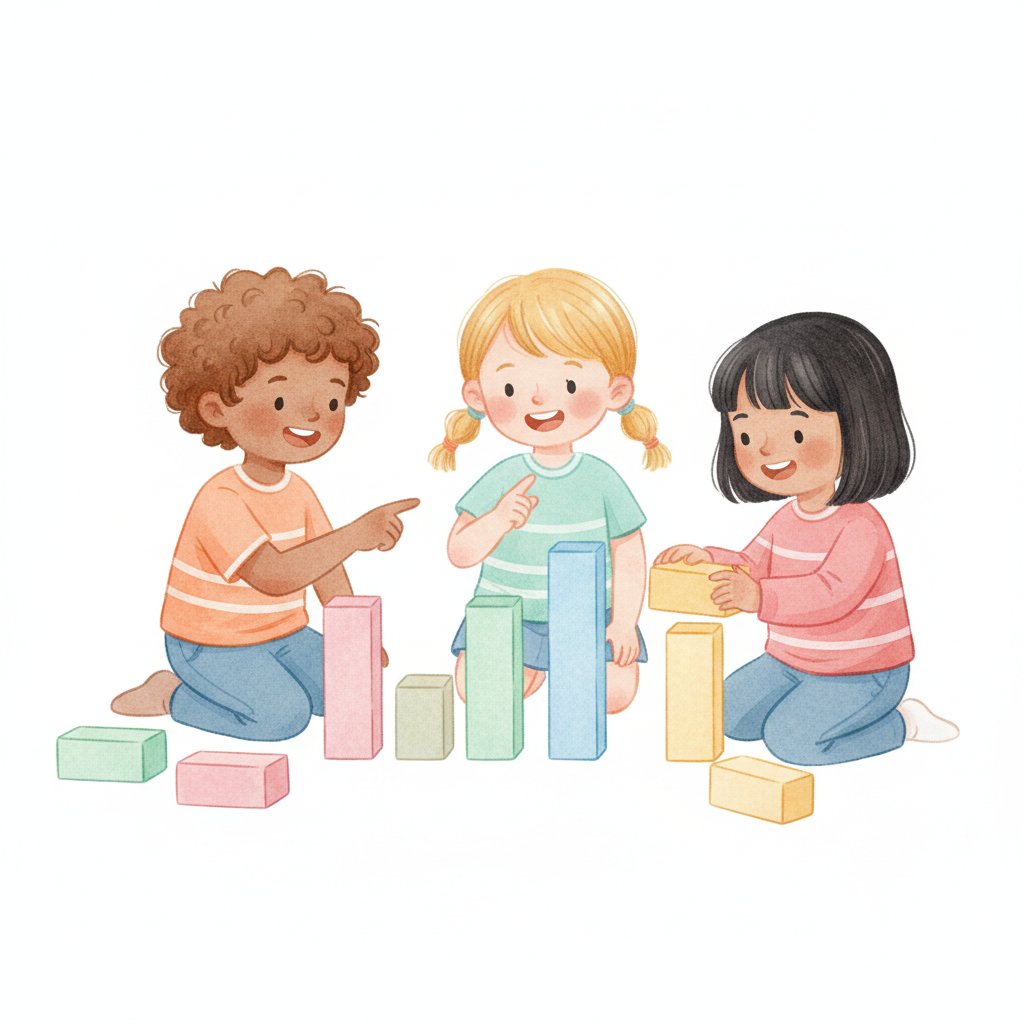
That sentence — "the bottom was too skinny" — was an engineering insight most college students struggle to articulate. Block play teaches physics, math, spatial reasoning, and the engineering design cycle (build → test → fail → redesign) through the most natural activity in the world: stacking things.
Research from the University of Delaware found that preschoolers who spent more time in block play scored significantly higher on math assessments in elementary school, even after controlling for IQ and socioeconomic status. Block play isn't just play — it's early STEM education.
This guide covers 18+ block and building activities for ages 3-6, from simple stacking challenges to collaborative engineering projects.