Articles6 min read

The Game That Taught My Four-Year-Old to Lose
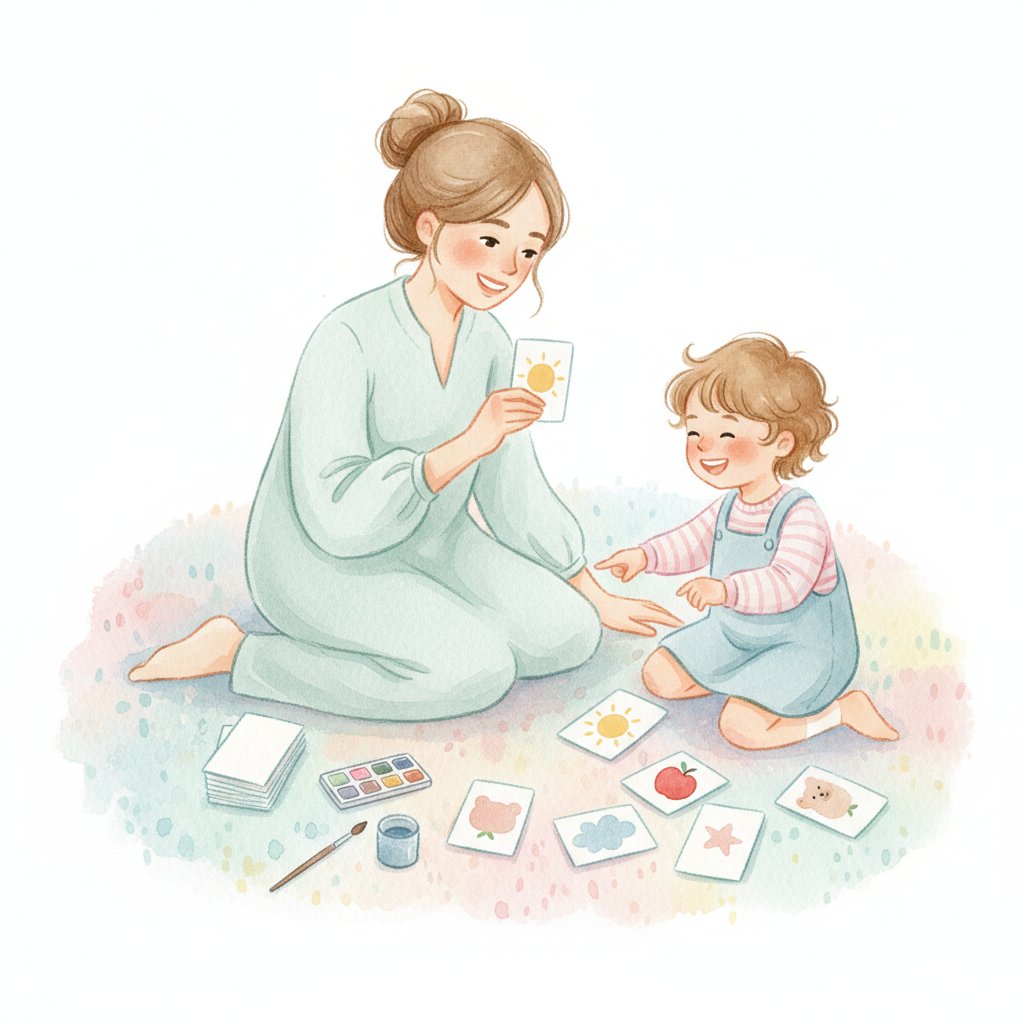
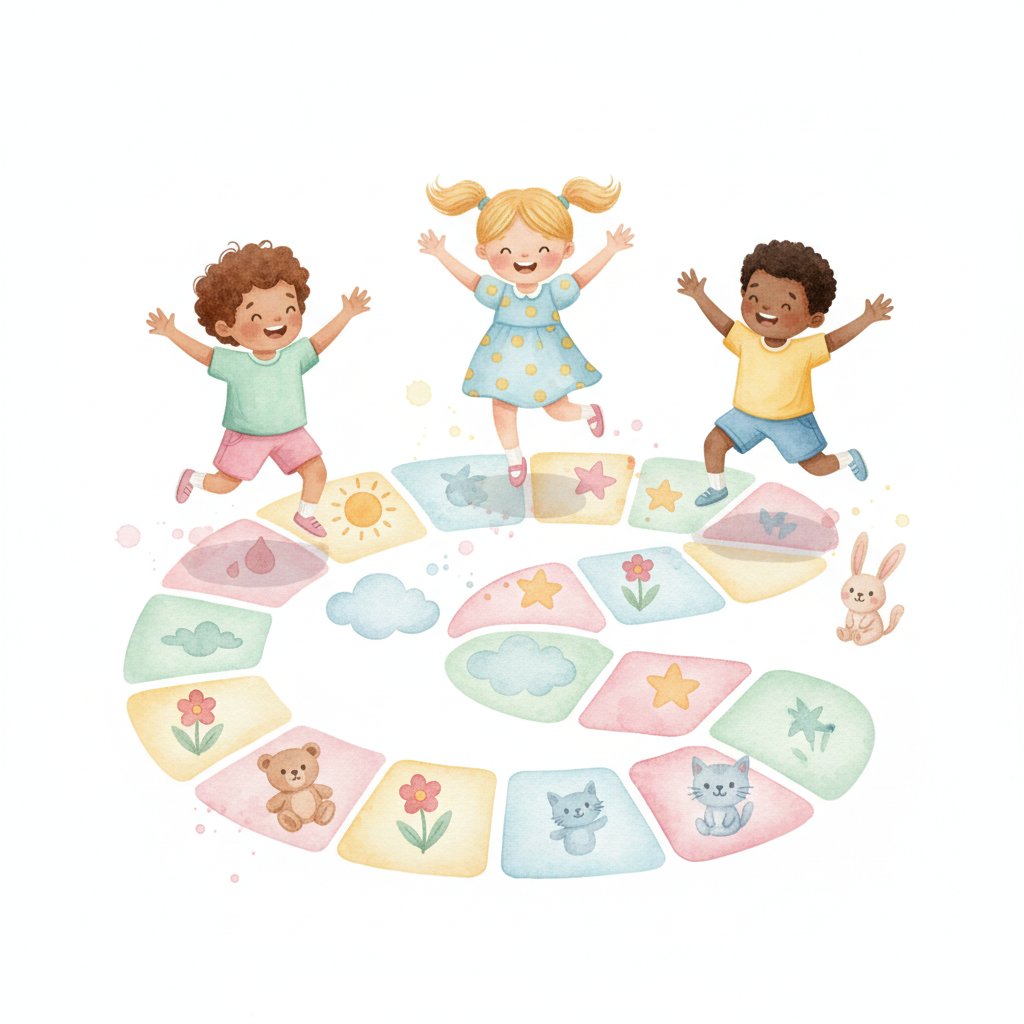
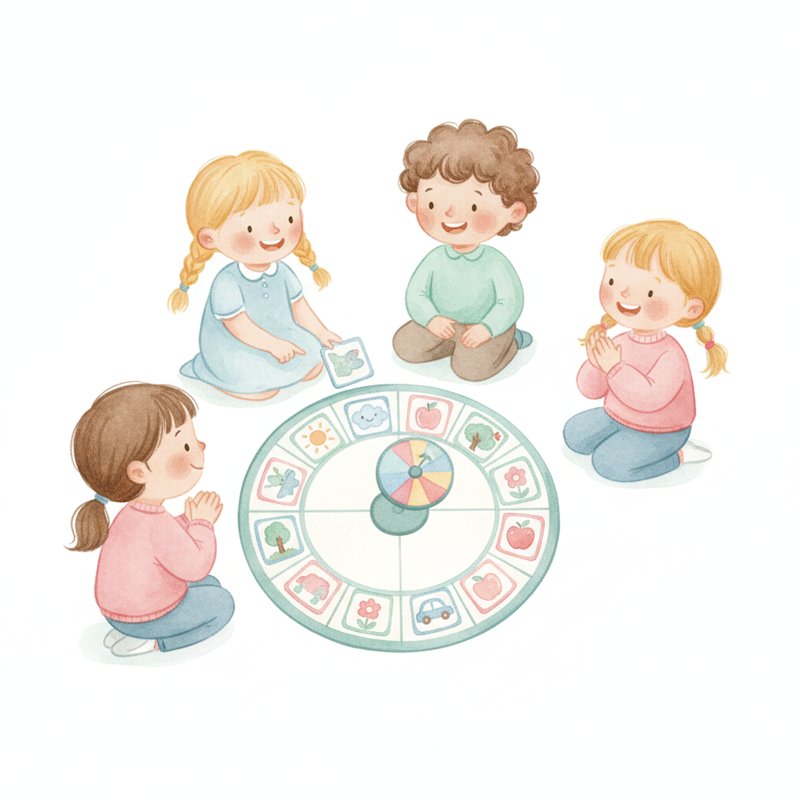
We were playing Candy Land. My daughter was one card from winning when I drew the card that sent ME to the finish line first. Her face crumpled. The tears started. And then — something unexpected. She took a breath and said: "Can we play AGAIN? I want another turn." She didn't win that second game either. But by the third game, she was strategizing: "If I get the red card, I can take the shortcut!" Board games taught her more in 30 minutes than I could teach in a week of lectures: how to wait your turn, how to follow rules, how to win gracefully, and most importantly, how to lose and try again.

Research from the National Association for the Education of Young Children shows that board games build turn-taking, rule-following, strategic thinking, counting, color recognition, and emotional regulation. Children who play board games regularly show stronger math skills, better social competence, and higher frustration tolerance.

This guide covers 20+ board game activities for ages 3-6. Pair it with our social skills guide for cooperation and our group games guide for more group activities.
Classic Board Games Adapted for Preschool (Ages 3-6)

1. Color path racing
Materials: Colored paper path, colored cards.

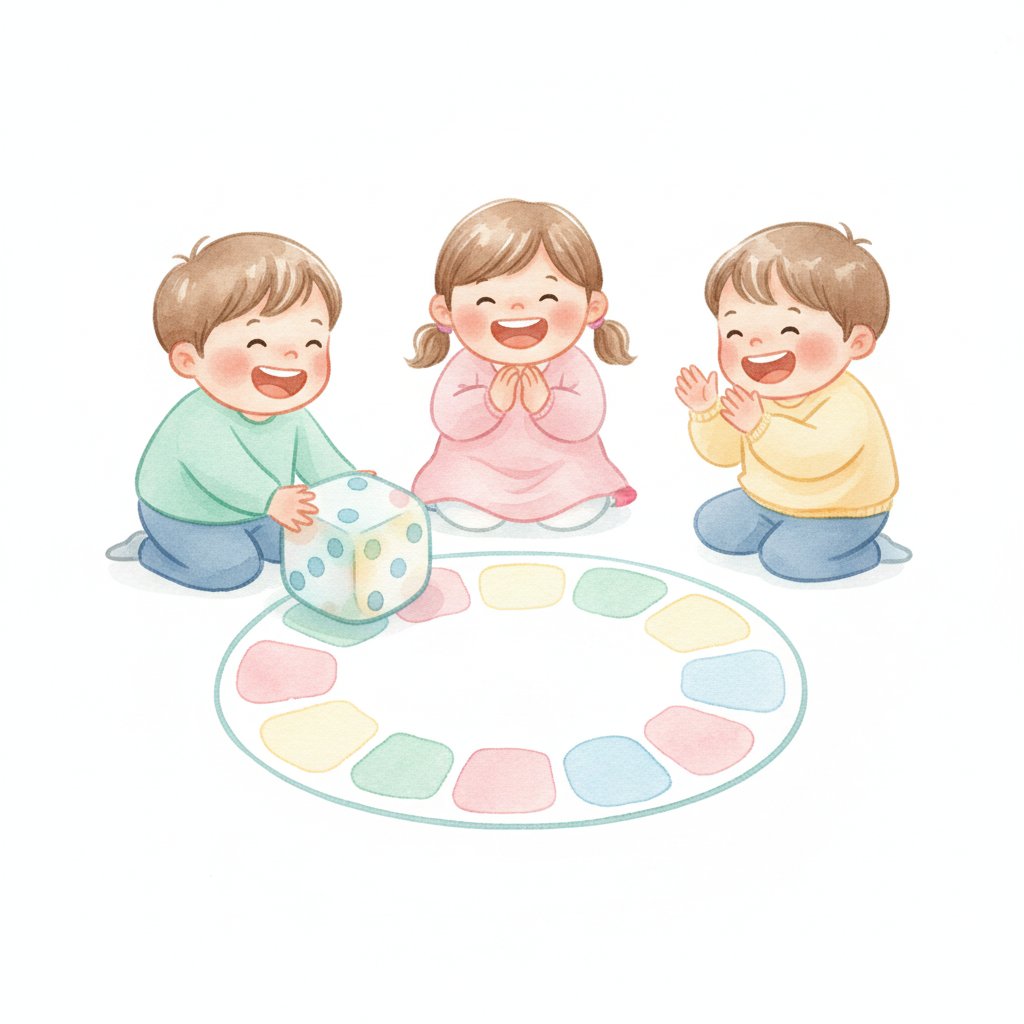
What to do: "Draw a card. Move to the next space that matches your color. First to the end wins!" The racing teaches color matching and one-to-one correspondence. For more colors, see our color guide.

Why it works: Board games are UNIQUELY effective at teaching turn-taking because the rule is EMBEDDED in the structure: "First I go, then you go, then I go." Children don't need to be TOLD to share turns — the game REQUIRES it. The rule is external, not personal, which makes it easier to accept.

2. Counting path game
Materials: Game board with numbered path, die.

What to do: "Roll the die. Count the dots: 1, 2, 3, 4! Move 4 spaces. Count OUT LOUD as you move: 1... 2... 3... 4!" The counting teaches numeral correspondence. For more counting, see our number guide.

3. Memory matching game
Materials: Matching picture cards face down.

What to do: "Turn over 2 cards. Do they match? No? Turn them back over. Yes? Keep the pair!" Memory games teach visual memory, concentration, and patience. For more memory activities, see our memory guide.

4. Shape hop board
Materials: Board with shape spaces.

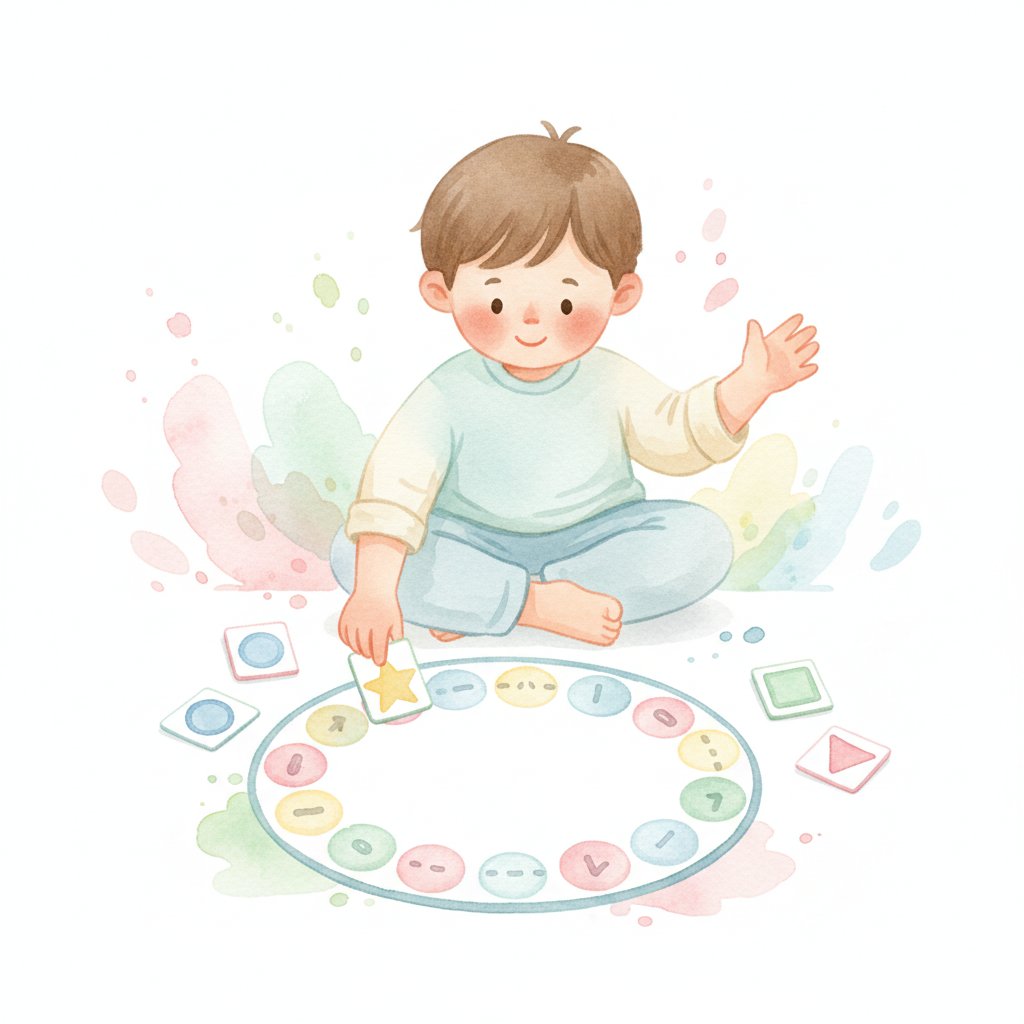
What to do: "Roll and move. LAND on a shape? Name it! Circle, square, triangle, rectangle, star!" The naming teaches shape recognition. For more shapes, see our shape guide.

5. Simple bingo
Materials: Bingo cards with pictures, calling cards.

What to do: "I call a picture. Do you have it? Put a marker on it. Get 3 in a row and call BINGO!" Bingo teaches visual scanning and matching. For more matching, see our matching guide.

Every board game is made of shapes
Our Shapes Flashcards decode the geometry hidden in board games: 'The game board is a RECTANGLE. The spaces are SQUARES. The spinner is a CIRCLE. The path curves like a snake. The dice are CUBES — 6 square faces!' After playing a board game, ask: 'What shapes can you find on this board?' Children start seeing geometry everywhere — in game boards, in cards, in the paths they follow. 12 shapes, 12 ways to see math in play. The flashcards turn shape recognition into a game about games.

Cooperative and DIY Board Games (Ages 3-6)

6. Cooperative rescue game
Materials: Game board, team marker.

What to do: "We ALL move together! We have to get the bear to the cave before the storm comes. EVERYONE rolls, EVERYONE moves, WE win or lose TOGETHER!" Cooperative games eliminate the stress of losing. For more cooperation, see our social skills guide.

7. DIY path game
Materials: Paper, markers, stickers.

What to do: "Design your OWN board game! Draw a path from START to FINISH. Add special spaces: 'Go again!' 'Skip a turn!' 'Move back 2!' Draw the pictures and color it in." Creating the game teaches planning and creativity. For more creativity, see our imagination guide.

8. Story path game
Materials: Game board with story spaces.

What to do: "Land on a picture space? Tell part of a story! 'Once there was a rabbit. The rabbit found a magic carrot. The carrot made the rabbit...'" The story building teaches narrative skills. For more storytelling, see our storytelling guide.

9. Feeling faces game
Materials: Board with emotion spaces.

What to do: "Land on a feeling face! Act it out: HAPPY face, SAD face, ANGRY face, SURPRISED face! Can the other players guess which feeling?" The acting teaches emotional vocabulary. For more feelings, see our feelings guide.

10. Alphabet trail
Materials: Board with letter spaces.

What to do: "Land on a letter? Say its sound! 'B!' 'Buh-buh-B!' Now name something that starts with that letter: 'B is for... BEAR!'" The letter trail teaches phonics through movement. For more phonics, see our phonics guide.

Board games are full of letters
Our Animal Alphabet Flashcards connect board game play to letter learning: 'Land on the A space? A is for ALLIGATOR! B space? B is for BEAR! C space? C is for CAT!' Every space on the alphabet trail is an animal. Every animal is a letter. The flashcards give children a concrete image for each letter sound, so when they land on a space, they don't just see a shape — they see an animal, hear its name, and connect it to the letter. 26 letters, 26 animals, infinite game possibilities.

Movement and Strategy Board Games (Ages 3-6)

11. Action die game
Materials: Die with action pictures (jump, spin, clap, stomp, wave, freeze).

What to do: "Roll the action die! JUMP 3 times! SPIN 2 times! CLAP 5 times!" The actions teach counting AND gross motor skills. For more movement, see our gross motor guide.

12. Pattern path game
Materials: Board with pattern spaces (red-blue-red-blue).

What to do: "The path is a pattern! Red, blue, red, blue. What comes NEXT? If you guess right, move ahead 1 extra space!" The pattern game teaches AB patterning. For more patterns, see our pattern guide.

13. Obstacle board game
Materials: Board with obstacles (river, bridge, mountain, tunnel).

What to do: "You hit a RIVER! You need a BRIDGE card to cross. Do you have one? No? Go around — 3 extra spaces!" The obstacles teach planning and strategy. For more problem-solving, see our problem-solving guide.

14. Category sorting game
Materials: Cards with pictures sorted by category (animals, food, clothes, vehicles).

What to do: "Draw a card. Which CATEGORY does it go in? A cow is an ANIMAL. A banana is FOOD. Sort them correctly to move ahead!" The sorting teaches categorization. For more sorting, see our sorting guide.

15. Direction game
Materials: Board with arrow spaces (forward, backward, left, right).

What to do: "Draw a direction card: Move FORWARD 2 spaces! Go BACKWARD 1 space! Turn LEFT! Turn RIGHT!" The directions teach spatial vocabulary. For more spatial concepts, see our following directions guide.

Board Game Learning Extensions (Ages 3-6)

16. Scorekeeping
Materials: Paper, markers.

What to do: "Keep score with tally marks. I won 2 games, you won 3 games. Who won MORE games? How many MORE?" The scorekeeping teaches data representation and comparison. For more math, see our math guide.

17. Game rules discussion
What to do: "Why do we have rules in games? What would happen if there were NO rules? What if we changed THIS rule — how would the game be different?" The discussion teaches rule reasoning and flexible thinking. For more critical thinking, see our problem-solving guide.

18. Design your own game piece
Materials: Clay, markers, bottle caps.

What to do: "Make your own game piece! Use clay to sculpt it or decorate a bottle cap. This piece represents YOU in the game!" The art teaches personal expression. For more art, see our art guide.

19. Game night routine
What to do: "Every Friday is game night! We pick a game, set it up, play 2 rounds, and clean up together." The routine teaches consistency and family bonding. For more routines, see our daily routines guide.

20. Board game journal
Materials: Notebook.

What to do: "After each game, draw a picture of what happened. 'I rolled a 6! I won! My piece was the red one.'" The journal teaches reflection and recording. For more writing, see our writing guide.

Color is the first strategy children learn
Our Colors Flashcards teach the 12 colors that board games are built on: 'Move to the RED space. Draw a BLUE card. Land on the YELLOW square. The GREEN path is a shortcut!' Children who know their colors play board games more confidently. They don't need to ask 'Which space?' — they KNOW. Color knowledge removes a barrier to game participation and lets children focus on the fun: the strategy, the suspense, the victory. 12 colors, 12 ways to play smarter.
1.At what age can preschoolers start playing board games?
Most children can start simple board games between ages 3 and 4. Start with games that require NO reading: color matching, simple paths, and cooperative games. By age 4-5, children can handle games with dice, counting, and simple strategy. By age 5-6, they can play games with rules like "lose a turn" and "move backward." The key is matching the game's complexity to the child's developmental level — too simple and they're bored, too complex and they're frustrated.
2.How do I handle a child who gets upset about losing?
First, normalize losing: "Sometimes I win, sometimes you win, and that is what makes it FUN. If you always won, the game would be boring!" Play cooperative games where you win or lose TOGETHER. Model good losing: when you lose, say "Good game! That was close! Let's play again!" Praise effort over outcome: "You made such smart moves! You're getting really good at this strategy!" The goal is not to eliminate disappointment — it is to teach that disappointment is survivable.
3.Should I let my child win?
Sometimes, but not always. Letting children win every time teaches them that winning is guaranteed, which makes real losing devastating. Instead: play at your skill level (which means they will naturally win sometimes), occasionally make a "mistake" to keep it close, and focus on the FUN of playing rather than who won. If a child is just learning, you can handicap yourself ("I'll only roll one die and you roll two") to even the odds without obviously throwing the game.
4.What are the best first board games for preschoolers?
Top picks for ages 3-4: Candy Land (color matching), Hi Ho Cherry-O (counting), Don't Break the Ice (fine motor), and any cooperative game. For ages 4-5: Chutes and Ladders (counting, consequences), Zingo (matching), Memory (visual memory), and Uno (color/number matching). For ages 5-6: Guess Who (deduction), Connect 4 (strategy), Trouble (counting), and Checkers (basic strategy). The best game is the one your child WANTS to play again.