Tips for Teaching Body Parts
For Parents
Name body parts during daily routines:
- Bath time: "Let's wash your arms. Now your legs. Let's get behind your ears."
- Getting dressed: "Arms up! Now let's put your legs in the pants. Where are your feet?"
- Meals: "Take a bite with your mouth. Wipe your chin. Use your fingers to hold the spoon."
- Bedtime: "Close your eyes. Relax your shoulders. Let your arms rest."
Use correct names from the start. "Tummy" is fine, but also teach "stomach." "Piggies" is cute for toes, but children should also know "toes." The more accurate vocabulary they hear, the faster they learn.
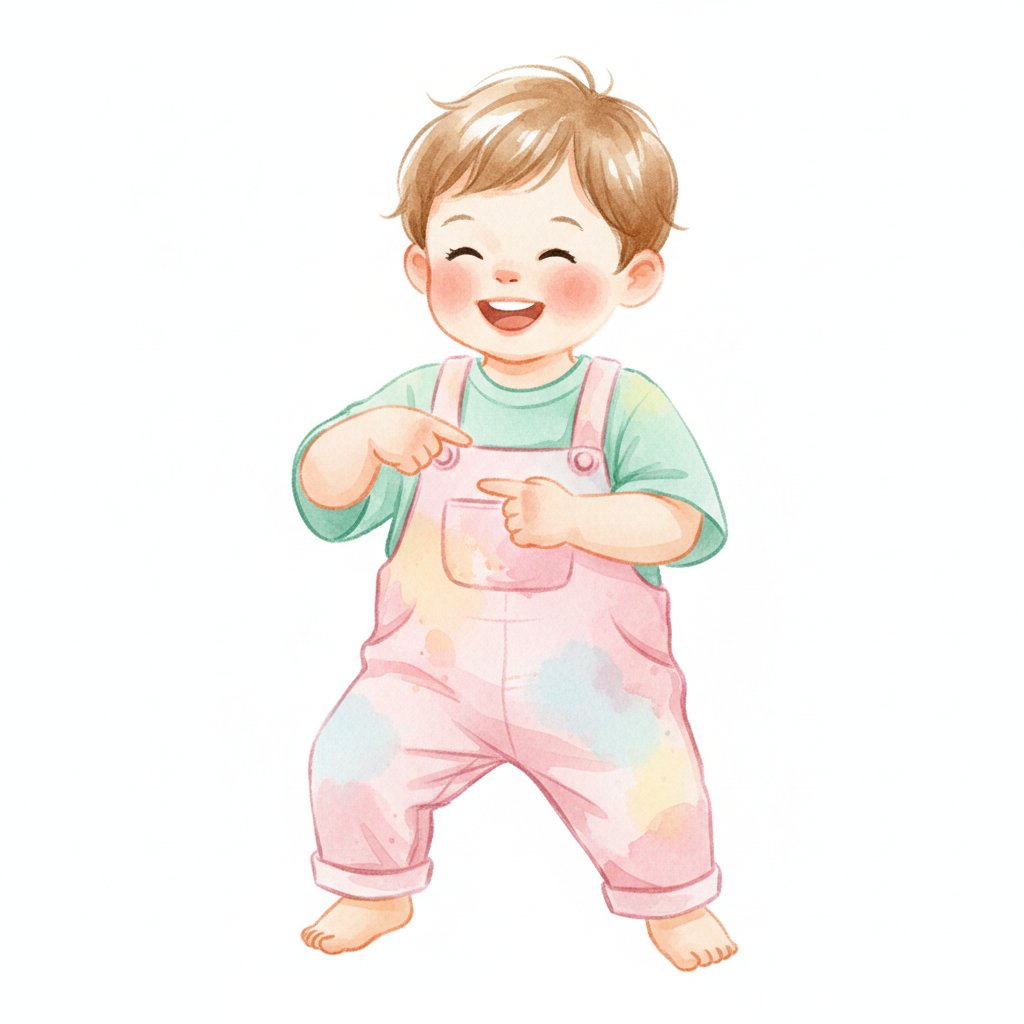
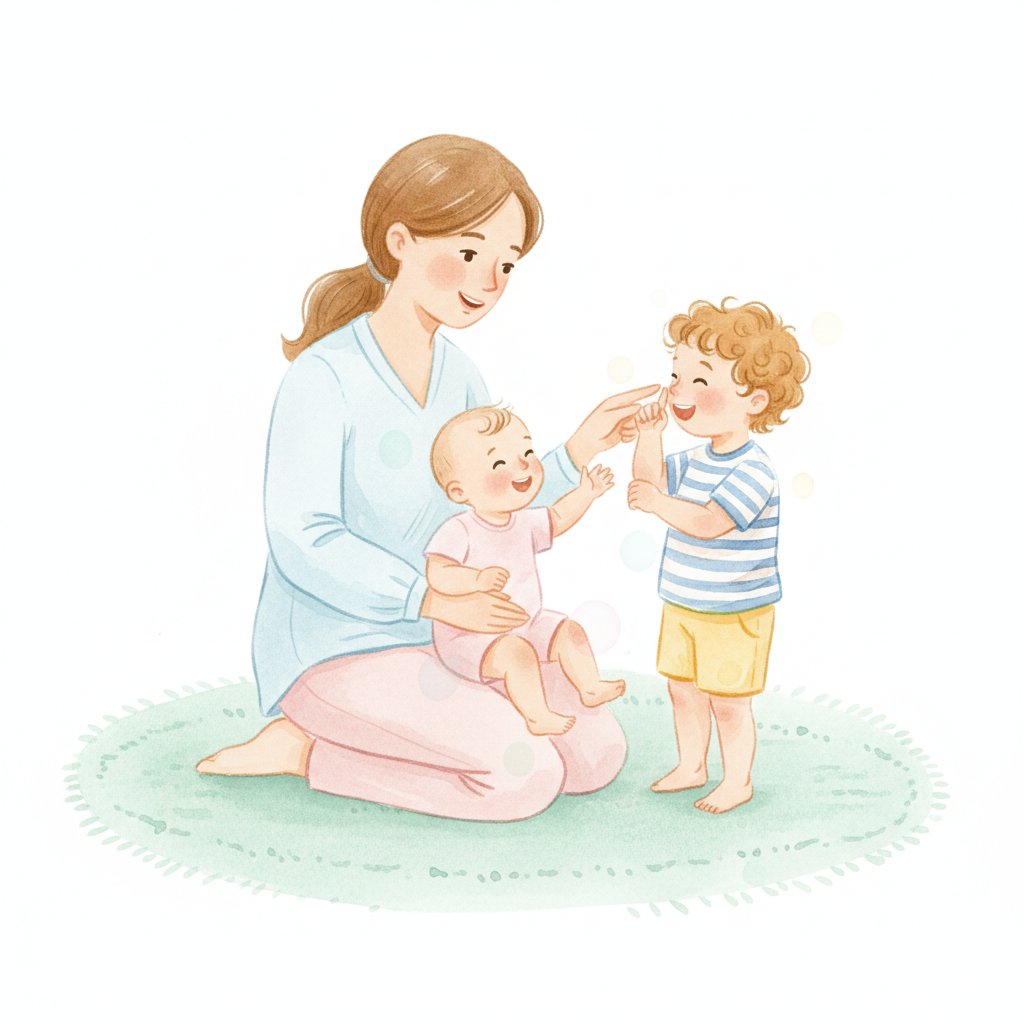
The pointing game for younger toddlers: "Where's your nose? Where are Mommy's eyes? Where's the dog's tail?" Children learn faster when they can point to body parts on themselves, on you, and on animals.
For Classroom Teachers
Body Parts Theme Week:
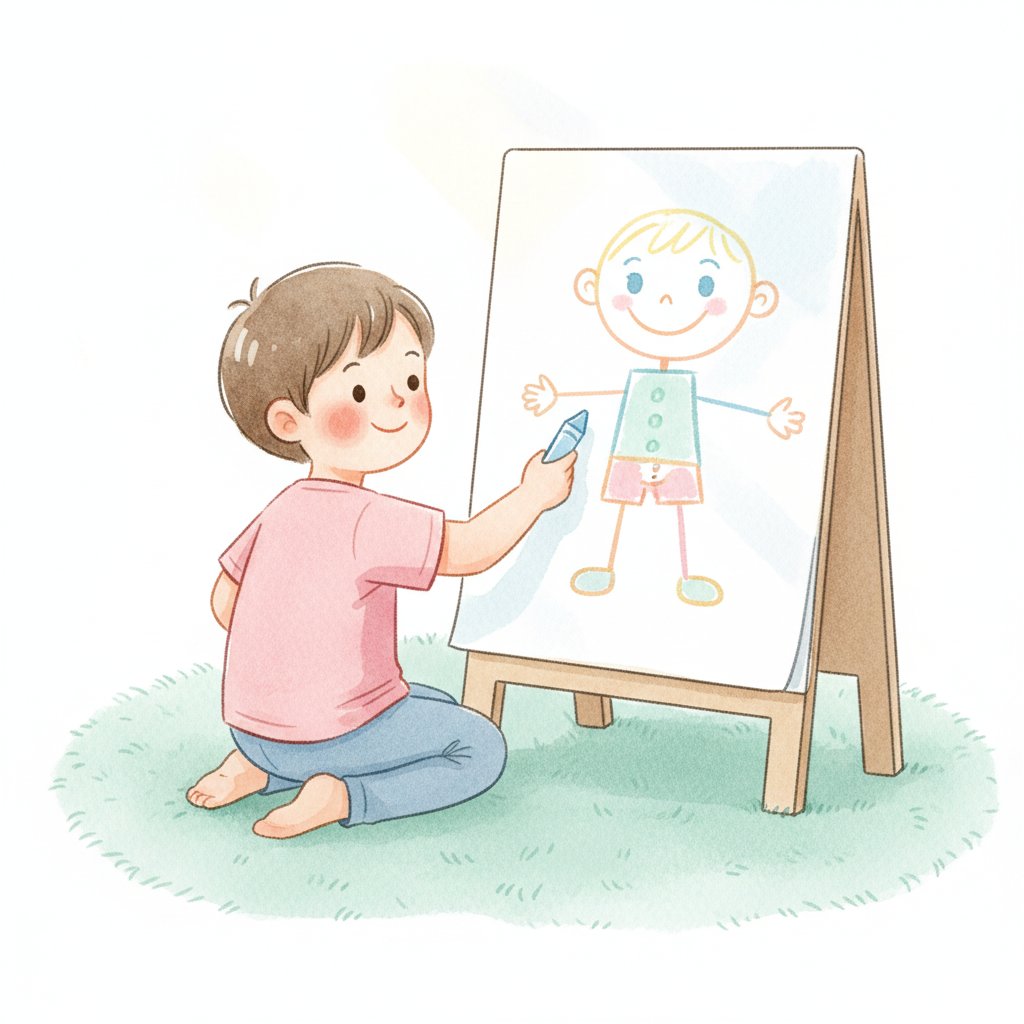
- Monday: Head and face — songs, mirror play, face drawing
- Tuesday: Arms and hands — hand tracing, finger counting, "Simon Says"
- Wednesday: Legs and feet — foot painting, hopping games, "Hokey Pokey"
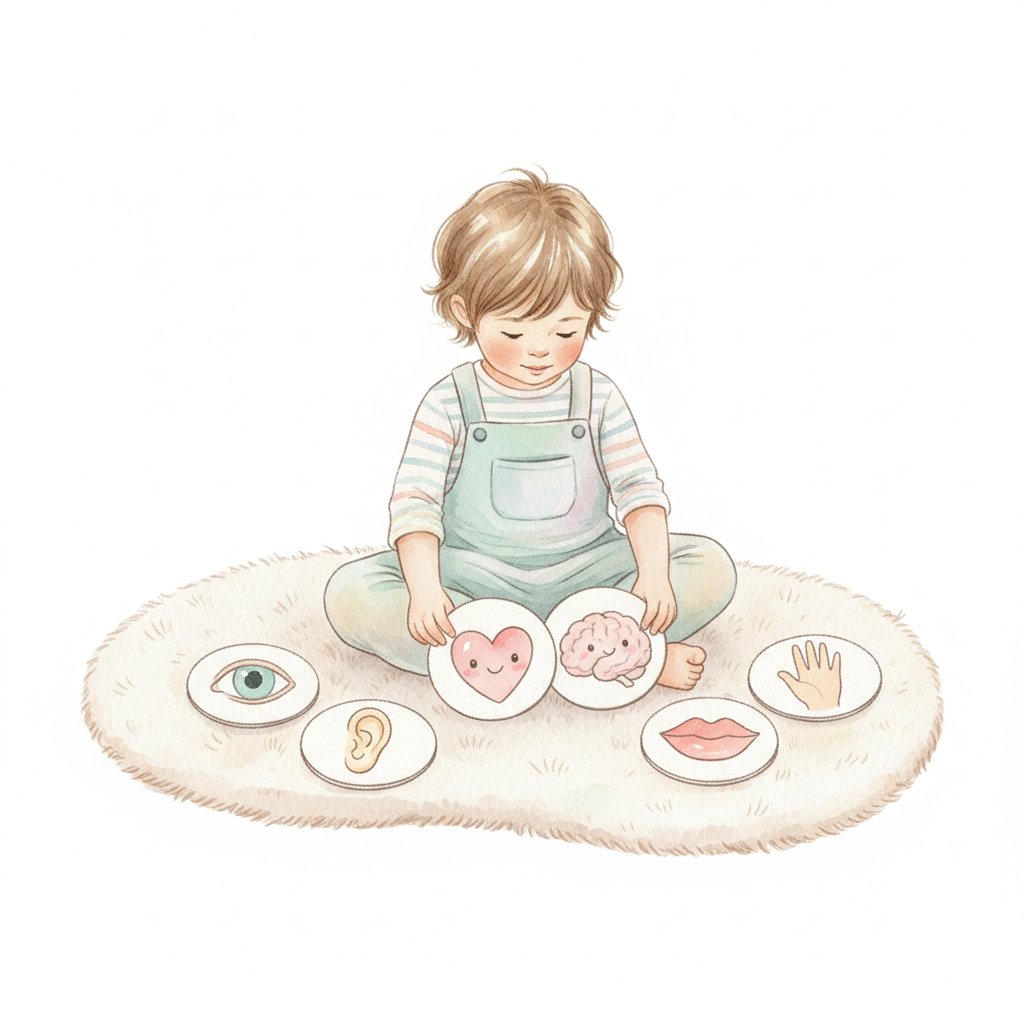
- Thursday: Inside the body — heart, lungs, stomach, brain (age-appropriate)
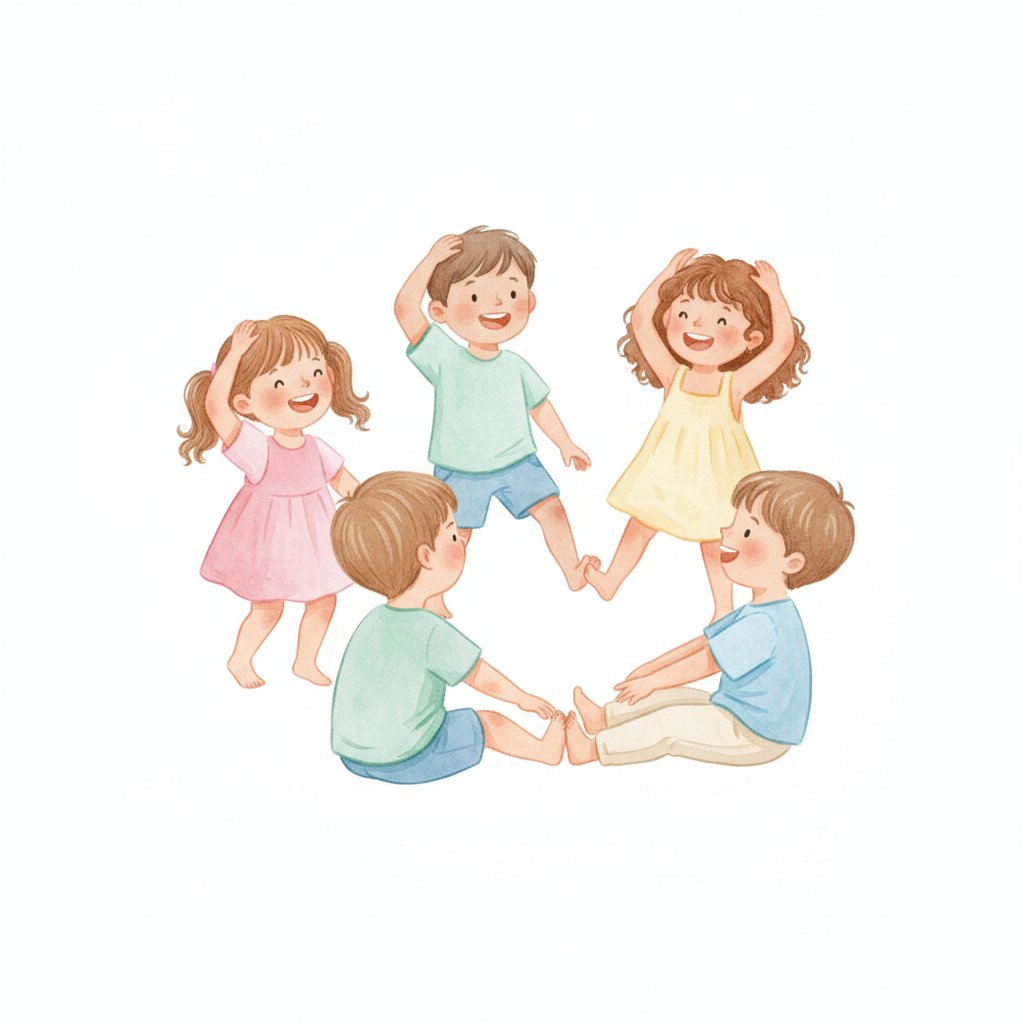
- Friday: Full body review — life-size tracing, body parts bingo, "Head Shoulders Knees and Toes" marathon
Cross-curricular connections:
- Science: Five senses (eyes=seeing, ears=hearing, nose=smelling, tongue=tasting, skin=touching)
- Math: Counting body parts (10 fingers, 10 toes, 2 eyes)
- Art: Self-portraits, body tracing, face collages
- Literacy: Body-related read-alouds (From Head to Toe by Eric Carle, My Body by PBS Kids)
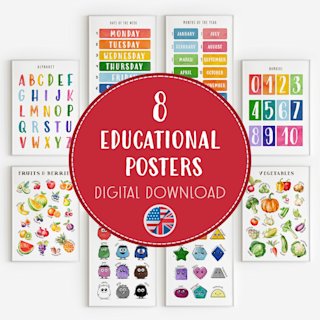
For more classroom themes, see our classroom decor ideas for preschool and classroom poster set guide.
Frequently Asked Questions
At what age should a child know body parts?
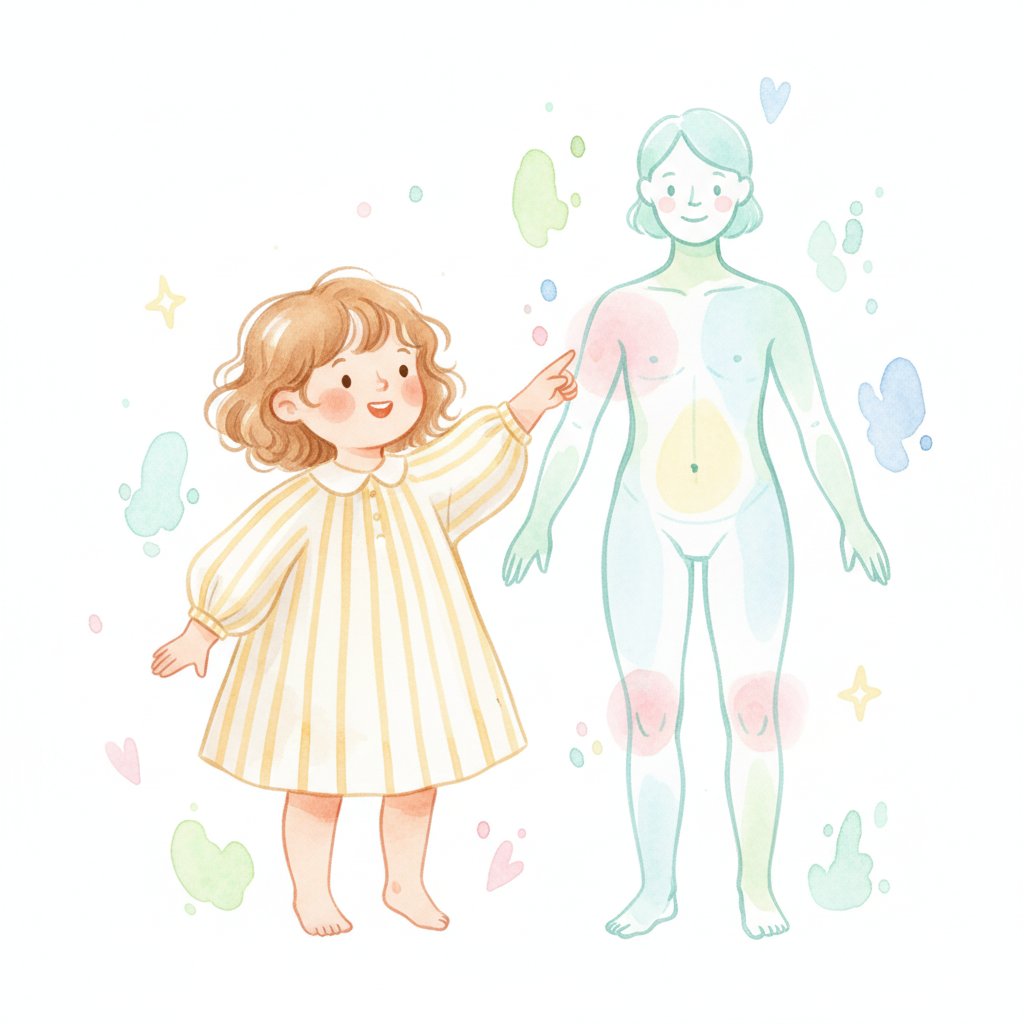
Most children can point to 4-6 body parts when named by 18-24 months. By age 3, they typically name 8-12 parts independently. By kindergarten entry, children should reliably name 15-20 body parts including face, limbs, and major joints.
Should I teach my child anatomical terms or nicknames?
Child development experts consistently recommend teaching correct anatomical names from the start. Children can learn "stomach" just as easily as "tummy" — there's no cognitive advantage to baby talk. For private parts, using correct anatomical terms is a safety recommendation endorsed by the American Academy of Pediatrics and abuse prevention organizations.
What body parts should a preschooler know?
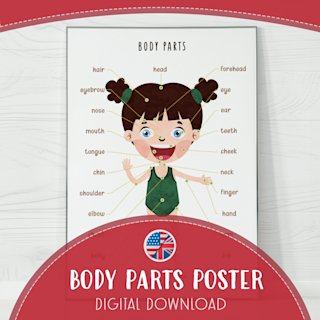
Core set (ages 2-3): head, hair, eyes, ears, nose, mouth, teeth, hands, fingers, feet, toes, tummy, back
Extended set (ages 3-4): chin, cheeks, neck, shoulders, elbows, wrists, knees, ankles, legs, arms
Advanced set (ages 4-5): eyebrows, eyelashes, forehead, hips, chest, heel, thumb, knuckles
My child calls everything "this" instead of naming body parts. Is that normal?
Yes, especially between ages 18-30 months. The transition from pointing to naming is gradual. Keep modeling: "You're pointing to your ear! That's your ear." The names will come with consistent repetition.
How do body parts activities support other learning?
Body parts vocabulary supports:
- Language development: Body words are high-frequency nouns that appear constantly in daily conversation
- Safety: Children who can name body parts can report pain, injury, or uncomfortable situations
- Science: Body awareness is the foundation for human biology, health, and nutrition education
- Math: Counting body parts (2 eyes, 10 fingers) reinforces one-to-one correspondence
- Self-regulation: Children who understand their bodies can better manage physical responses to emotions
For more preschool learning activities, explore our art activities for preschoolers and STEM activities for preschoolers.