Articles6 min read

The Breathing Trick That Stopped a Meltdown
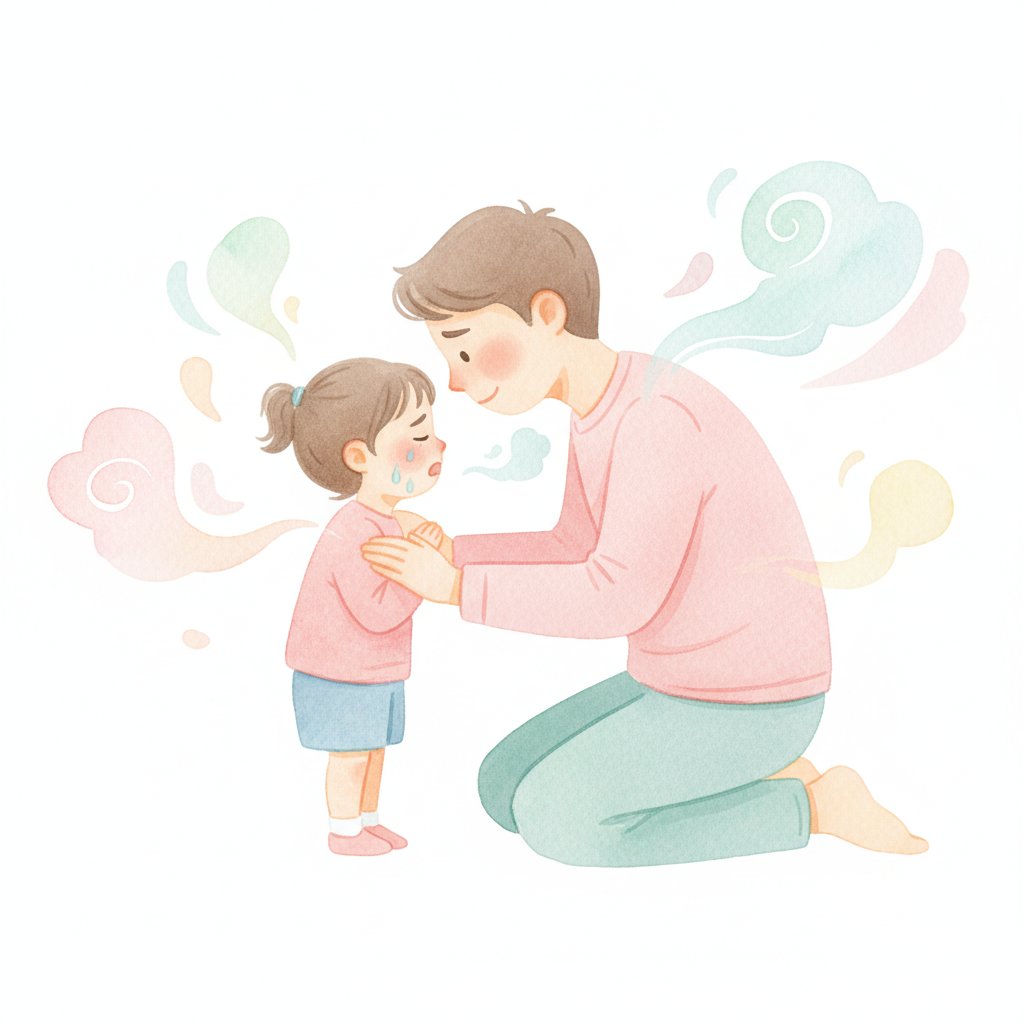
Five-year-old Noah was about to explode. His block tower had fallen, someone had touched his special chair, and his sock felt "weird." The trifecta. His face was red, his fists were clenched, and the scream was building in his chest. I knelt down and said: "Blow out the candle." I held up one finger. He looked at me — furious — and then he BLEW. A long, slow breath. "Again. Blow out ALL the candles." I held up five fingers. He blew five times. By the fourth breath, his shoulders dropped. By the fifth, his face softened. "My sock still feels weird," he said — CALMLY. He didn't need the tower fixed. He needed his body to CALM DOWN so his brain could think. That is the entire purpose of calming strategies: not to eliminate feelings, but to give children TOOLS to ride the wave.

According to the Collaborative for Academic, Social, and Emotional Learning (CASEL), children who learn self-regulation strategies show 11% higher academic achievement, fewer behavior problems, and stronger social relationships. The key: these strategies must be taught during CALM moments, not during meltdowns. Practice when they're happy, use when they're upset.

This guide covers 20+ calming strategies for ages 3-6. Pair it with our self-regulation guide for impulse control and our feelings guide for emotion identification.
Breathing Exercises (Ages 3-6)

1. Blow out the candles
What to do: Hold up 5 fingers. "Each finger is a candle. Blow them out one at a time with a LONG, SLOW breath." The visualization makes breath control concrete. For more self-regulation, see our self-regulation guide.

Why it works: Deep breathing activates the parasympathetic nervous system — the body's "brake pedal." Slow exhales lower heart rate, reduce cortisol, and signal the brain that the body is safe. But preschoolers can't do "diaphragmatic breathing" — they need CONCRETE metaphors. Candles, balloons, and smells give them something to IMAGINE while breathing.

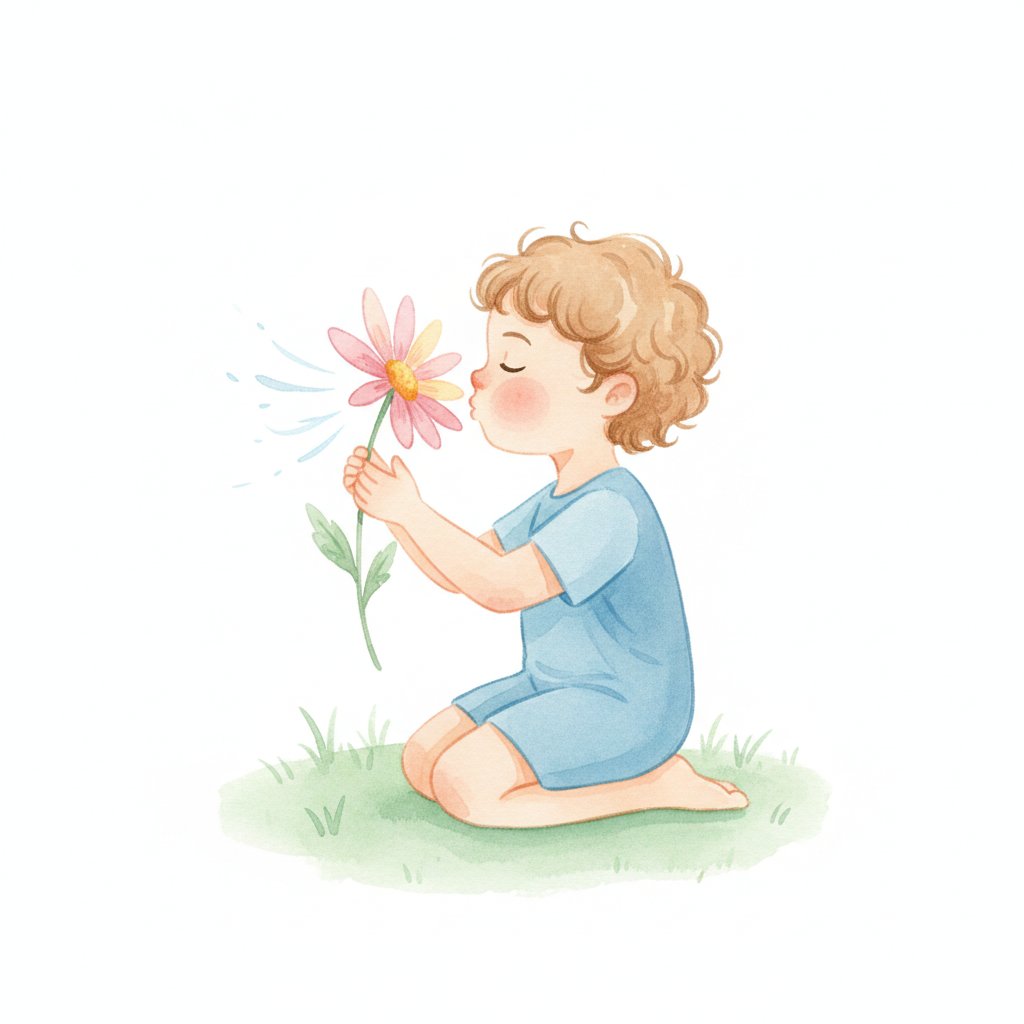
2. Smell the flower, blow out the candle
What to do: "SMELL the flower (breathe in slowly through your nose). BLOW OUT the candle (exhale slowly through your mouth)." Alternate 5 times. The flower-candle pairing teaches the full breathing cycle.

3. Balloon breathing
What to do: "Put your hands on your tummy. Breathe in and make your tummy BIG like a balloon. Breathe out and let the balloon deflate." Children can SEE and FEEL their breath. For more body awareness, see our body parts guide.

4. Feather breathing
Materials: Feather.

What to do: "Hold a feather in front of your mouth. Breathe out SLOWLY — make the feather dance but don't blow it away!" The visual feedback teaches breath control. For more sensory activities, see our sensory guide.

5. Count breathing
What to do: "Breathe in: 1, 2, 3. Breathe out: 1, 2, 3, 4, 5." Make the exhale LONGER than the inhale — that is what triggers the calming response. "Breathe in for 3, out for 5. In for 3, out for 5."

You have to NAME it to TAME it
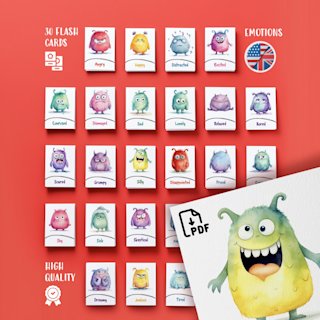
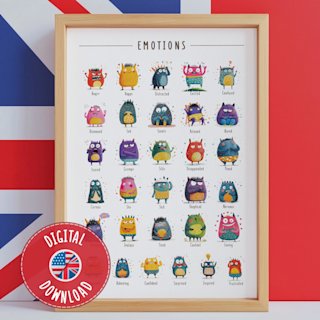
Our Emotions Monster Feelings Flashcards are step one of every calming strategy: 'WHAT are you feeling? Point to the monster that matches. Are you ANGRY? FRUSTRATED? SAD? SCARED?' Research shows that naming an emotion reduces its intensity by up to 50%. The simple act of saying 'I feel ANGRY' activates the prefrontal cortex — the thinking brain — and begins to calm the emotional brain. The flashcards give children the VOCABULARY to name their feelings, which is the FIRST step in calming down. 12 monsters, 12 feelings, 12 pathways to calm.

Calm Down Corner Activities (Ages 3-6)

6. Calm down jar
Materials: Clear jar, water, glitter, glue.

What to do: "Shake the jar. Watch the glitter swirl — that is what your brain looks like when you're upset. Now WATCH. The glitter settles. Your brain settles too." The jar is a visual metaphor for emotional regulation. For more sensory tools, see our sensory guide.

7. Calm down corner setup
Materials: Soft pillow, weighted blanket, calm down jar, feelings chart, sensory toys.

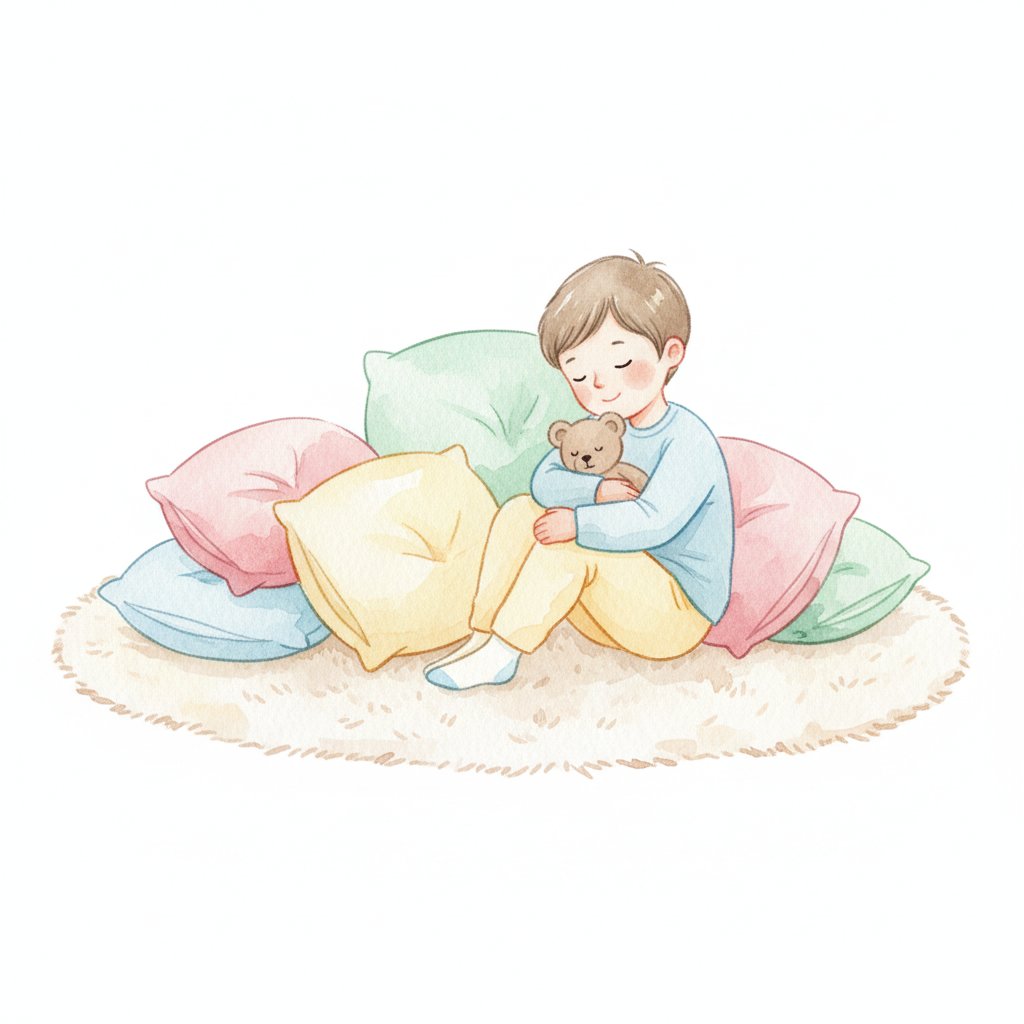
What to do: Create a dedicated space. "This is your calm down spot. When you feel BIG feelings, you can come here. Nobody will bother you. You can stay as long as you need." The space teaches that taking a break is HEALTHY, not punitive. For more classroom management, see our classroom management guide.

8. Weighted blanket time
Materials: Weighted blanket or heavy stuffed animal.

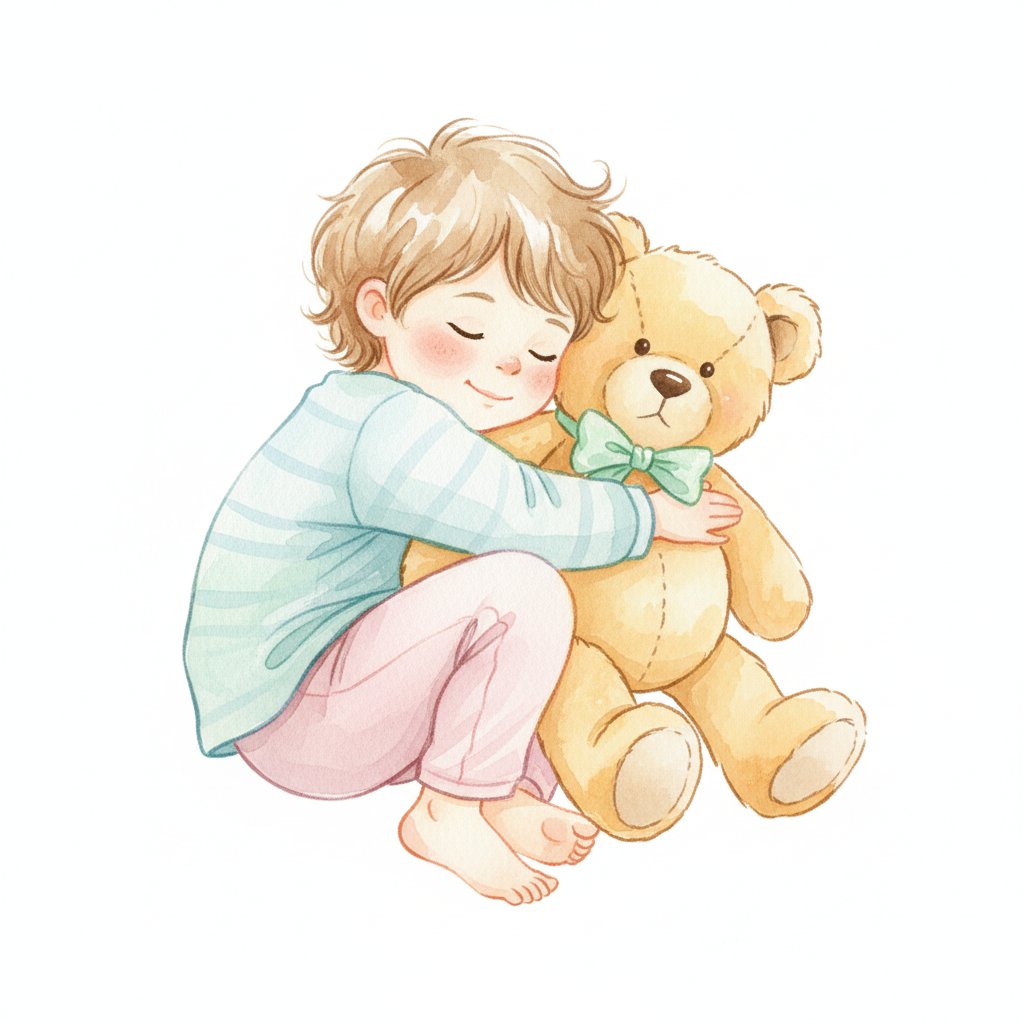
What to do: "Lie down and let the heavy blanket rest on you. Feel it pressing down? That is called DEEP PRESSURE — it tells your body it is safe." Deep pressure stimulates the release of serotonin and reduces anxiety.

9. Feelings chart check-in
Materials: Feelings faces chart.

What to do: "Point to how you feel RIGHT NOW. Point to how you felt BEFORE. Are they different?" The chart teaches emotional awareness and tracking change over time. For more feelings, see our feelings guide.

10. Calm down choice board
Materials: Picture cards of calm down strategies.

What to do: "You're upset. What would help? (Point to options:) Deep breathing? A hug? Squeezing a toy? Listening to music? Drawing? Counting to 10?" The choice board teaches that there are MANY ways to calm down and different strategies work for different people.

Morning routines PREVENT afternoon meltdowns
Our Morning Routine Visual Schedule Cards prevent the number one cause of preschool meltdowns: unpredictability. When children know what is coming next, their anxiety drops and their sense of control rises. 'First breakfast, then get dressed, then brush teeth, then shoes, then go!' Each step is predictable. Each transition is smooth. The cards teach that routines are calming — and children who start the day with a calm routine carry that regulation through the afternoon. Prevention is the most powerful calming strategy. One routine, fewer meltdowns.

Sensory Soothing Activities (Ages 3-6)

11. Squeeze and release
Materials: Stress ball, resistance band.

What to do: "Squeeze as HARD as you can for 5 seconds. Now RELEASE. Feel the difference? Tense and relax your hands, your arms, your shoulders, your face." Progressive muscle relaxation teaches body awareness. For more body activities, see our body parts guide.

12. Texture calming
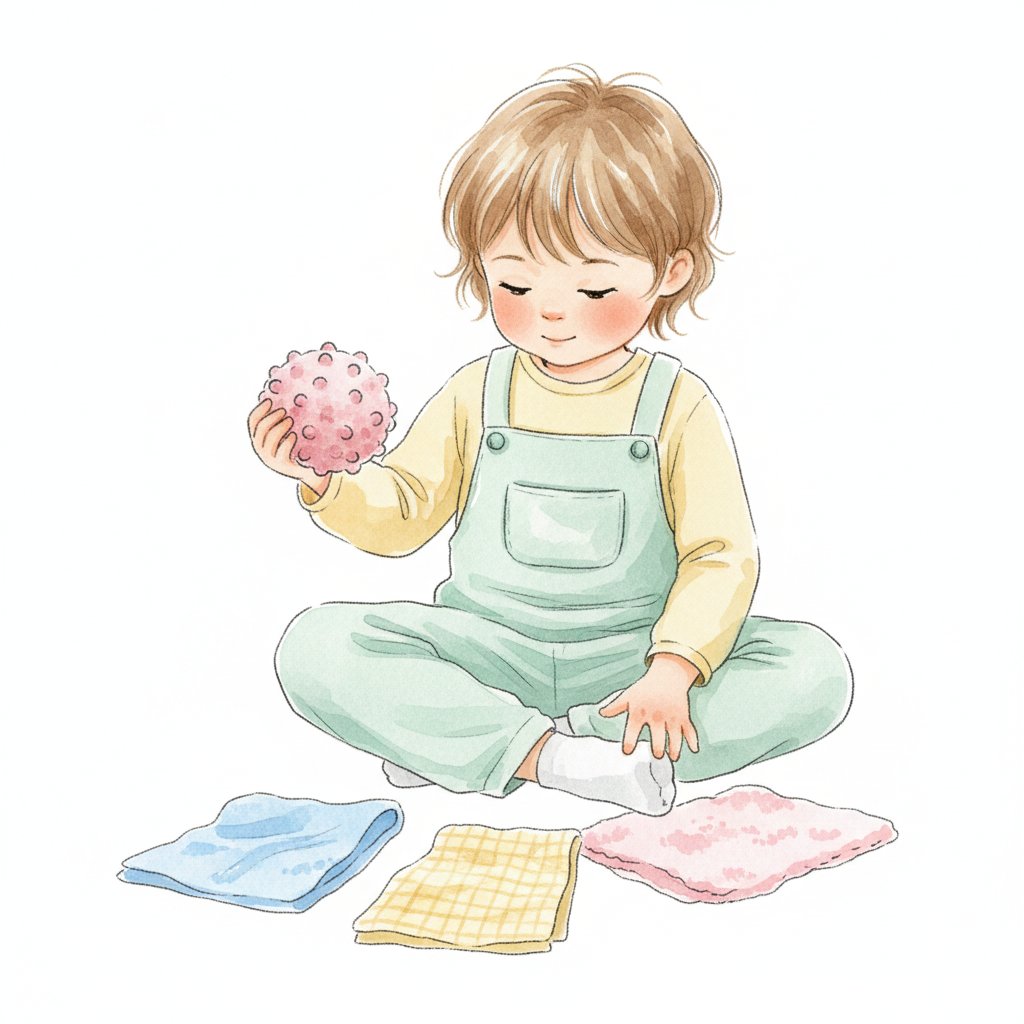
Materials: Soft blanket, velvet, faux fur, smooth stone.

What to do: "Touch each texture. Which one feels CALMING to you? Some people calm down with soft things, others with smooth things." The exploration teaches self-awareness about personal sensory preferences.

13. Playdough squeezing
Materials: Playdough.

What to do: "Squeeze the playdough. POUND it. ROLL it. STRETCH it. Let your hands do what your feelings want to do!" Playdough gives big feelings a physical outlet that is safe and quiet. For more playdough, see our playdough guide.

14. Water play calming
Materials: Bowl of warm water.

What to do: "Put your hands in the warm water. Move them slowly. Watch the ripples. Listen to the water." Water play is inherently calming because it engages multiple senses simultaneously and requires slow, intentional movement.

15. Music listening
Materials: Calming music or nature sounds.

What to do: "Close your eyes. Listen to the music. What instruments do you hear? How does the music make your body feel?" The listening teaches auditory regulation. For more music, see our music guide.

More Calming Strategies (Ages 3-6)

16. Counting to calm
What to do: "Count slowly: 1... 2... 3... 4... 5... 6... 7... 8... 9... 10. Now start over." The counting gives the brain a STRUCTURED task that displaces the emotional spiral. For more counting, see our number guide.

17. Drawing feelings
Materials: Paper, crayons.

What to do: "Draw how you feel. Use colors that match: red for angry, blue for sad, yellow for calm, green for happy." The art gives emotions a physical outlet and makes them visible. For more art, see our art guide.

18. Hug strategy
What to do: "Give yourself a hug: cross your arms and squeeze. Squeeze tight. Hold for 10 seconds. Release." The self-hug provides deep pressure and comfort without needing another person — important for building independent self-soothing.

19. Visualization
What to do: "Close your eyes and imagine your HAPPY PLACE. Where is it? The beach? The park? Your bed? What do you SEE there? What do you HEAR? What do you FEEL?" The guided imagery teaches the brain to access calm memories during stressful moments. For more imagination, see our imagination guide.

20. Calming routine card deck
Materials: Index cards with calming strategies.

What to do: "Pick a card when you need to calm down: 'Take 5 deep breaths. Count to 10 slowly. Get a drink of water. Ask for a hug. Squeeze a stress ball. Draw a picture. Listen to music. Sit in the calm down corner.'" The card deck teaches that calming down is a CHOICE with many options. For more routines, see our morning routine guide.

The wall can teach calm
Our Educational Posters for Kids include calming reminders you see every day: 'Stop, Breathe, Think. I can handle hard things. My feelings are valid. I am safe. I can ask for help.' When calming strategies are on the wall, children see them during calm moments AND during hard moments. The posters become internal scripts: a child who reads 'Stop, Breathe, Think' fifty times eventually HEARS those words automatically when upset. The wall teaches even when you are not talking. Eight posters, eight calming reminders, always visible.
1.When should I teach calming strategies?
During CALM moments, not during meltdowns. Practice breathing, calm down corner visits, and sensory tools when children are happy and relaxed. "Let's practice balloon breathing! It's fun!" Then, when they're upset, you can say: "Remember balloon breathing? Let's do it now." If you only introduce strategies during meltdowns, children associate them with distress instead of relief. Practice daily during calm times.
2.What if my child refuses to use calming strategies?
That is normal — the emotional brain has temporarily shut down the thinking brain, and no strategy can get through. When this happens: stay calm yourself (your regulation is contagious), keep them safe, wait nearby, and offer the strategy when you see the first sign of the wave receding. "Are you ready to try some deep breaths? No? OK, I'll stay here." Never force a strategy. Offer it and let them choose.
3.Should the calm down corner be a punishment?
NEVER. If the calm down corner becomes associated with punishment, children will resist it when they need it most. Frame it positively: "This is your special space to feel better." Model it yourself: "I'm feeling frustrated. I'm going to sit in the calm down corner for a minute and take some deep breaths." When children see YOU use it, they learn it is a tool for EVERYONE, not a timeout for bad behavior.
4.How long should it take for a preschooler to calm down?
Typical meltdown duration for ages 3-5: 5-15 minutes. With consistent strategy practice, this decreases over weeks and months. The goal is not zero meltdowns — that is developmentally impossible. The goal is that children increasingly use strategies INDEPENDENTLY. At first, you will guide every step. Over time, you will hear: "I need my calm down jar" or "I'm going to take deep breaths." That independence is the goal.