Articles7 min read

The Dark Is Not Scary When You Have a Flashlight
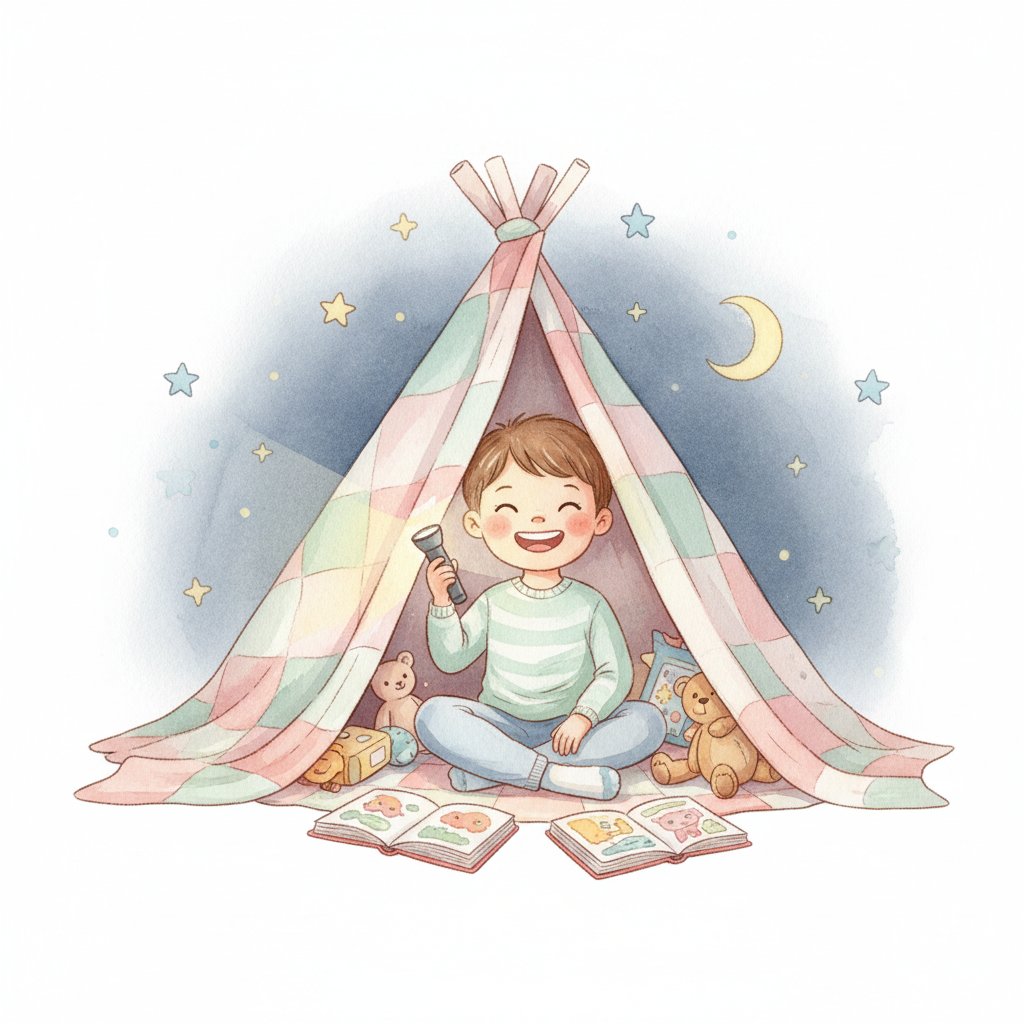
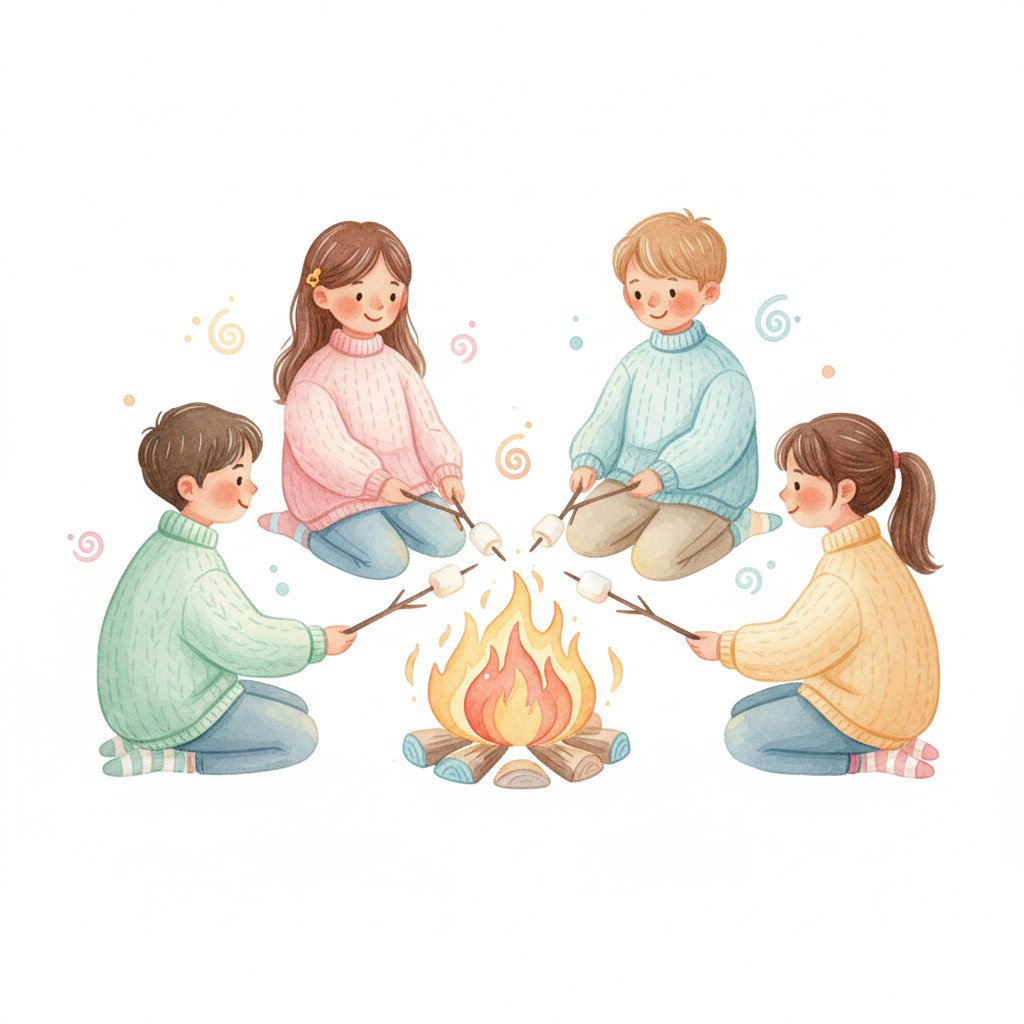
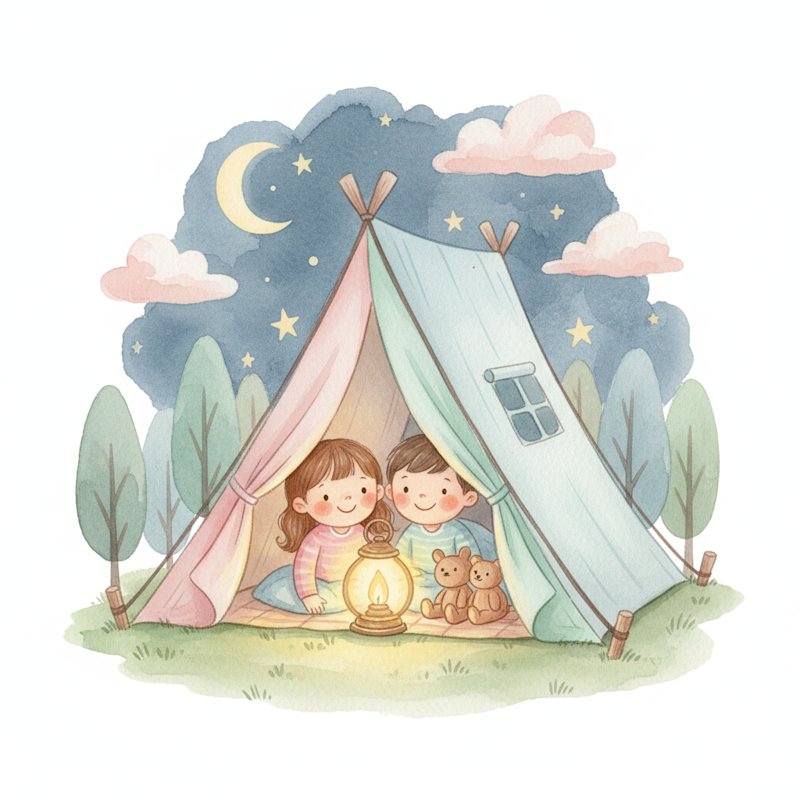
"Who wants to go camping?" I asked. Every hand shot up. I turned off the classroom lights, set up a tent in the corner, scattered paper stars on the ceiling with tape, and handed every child a flashlight. "Our tent is set up. The stars are out. What should we do first?" "TELL A SCARY STORY!" someone yelled. "Not scary — a FUNNY story," said another. "I want to look at the STARS," said a third. In the next 45 minutes, we told stories by flashlight, identified constellations (well, we made them up), sang camp songs, made shadow puppets on the tent wall, sorted nocturnal animals from daytime animals, and cooked s'mores (real ones, with a microwave). At pickup, four-year-old Jordan told her mom: "The dark is not scary. It is where the STARS live." That is the entire purpose of camping activities: help children discover that darkness is not something to fear — it is a different world to explore.

According to the Child Mind Institute, dark-themed activities in a safe environment help children overcome nyctophobia (fear of the dark), develop imagination through shadow and light play, learn about the natural world (stars, nocturnal animals), practice bravery in a controlled setting, and build comfort with the bedtime routine. Camping play teaches that the dark is full of wonders, not dangers.

This guide covers 20+ camping and nighttime activities for ages 3-6. Pair it with our science guide for more exploration and our storytelling guide for campfire tales.
Indoor Camping Setup (Ages 3-6)

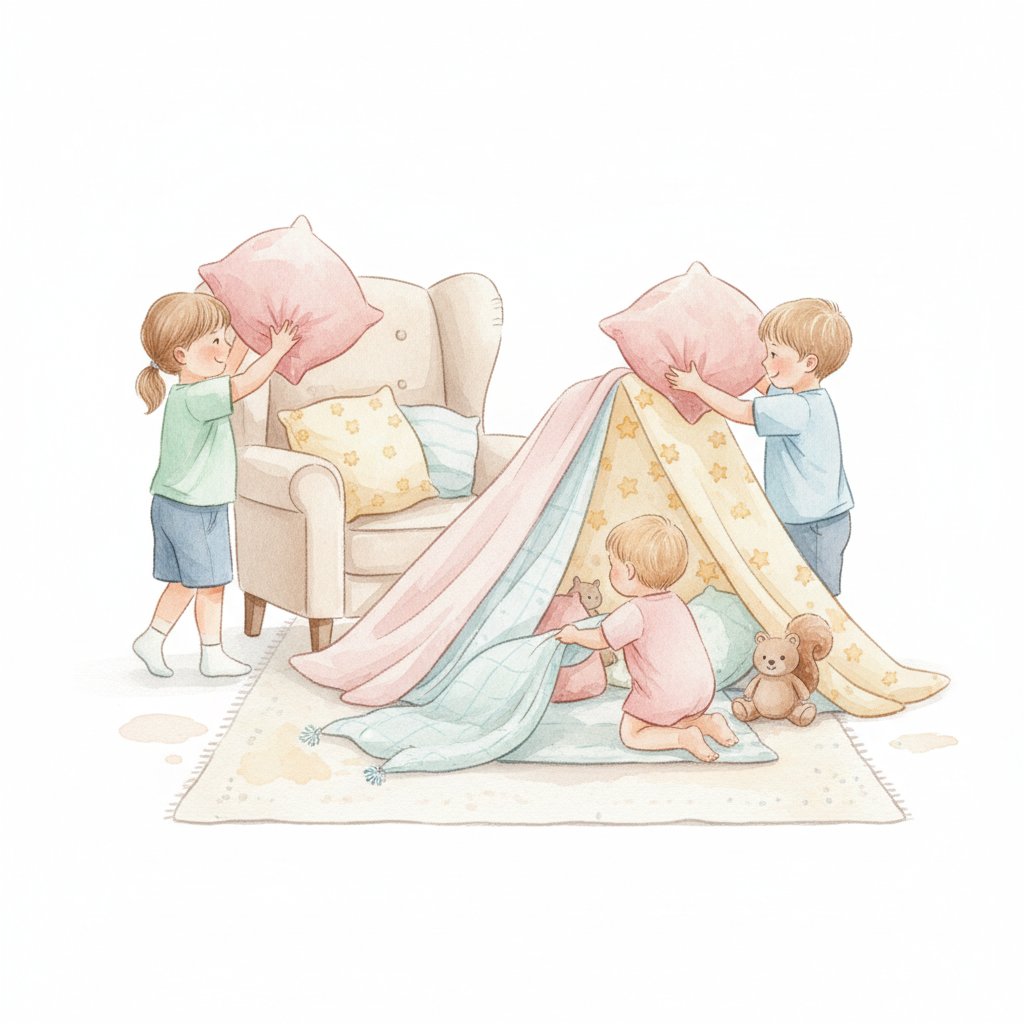
1. Blanket fort tent
Materials: Blankets, chairs, clothespins.

What to do: "Drape blankets over chairs to make a tent. Crawl inside with flashlights and sleeping bags. This is our CAMPSITE!" The fort teaches spatial planning and cooperative building. For more building, see our blocks guide.

Why it works: Camping activities work because they create a SENSE OF ADVENTURE within the safety of the classroom or home. The tent is a boundary between the ordinary world and a special world where different rules apply: you use flashlights instead of overhead lights, you sit on the floor instead of chairs, you tell stories instead of reading books. This novelty activates curiosity and creativity. The darkness is not scary because the children CHOSE it — they built the tent, they turned off the lights, they are in CONTROL. Control transforms fear into fascination.

2. Star ceiling
Materials: Star stickers or paper stars, tape.

What to do: "Stick stars on the ceiling or drape them from string. Turn off the lights and look up. Can you find shapes in the stars? That one looks like a BEAR!" The star ceiling teaches pattern recognition and imagination. For more patterns, see our pattern guide.

3. Campfire circle
Materials: Paper towel rolls (logs), tissue paper (flames), flashlight.

What to do: "Stack the logs and tissue paper flames in the center. Shine the flashlight through the tissue paper to make it GLOW. Sit in a circle around the campfire." The campfire teaches gathering and community. For more community, see our circle time guide.

4. Sleeping bag roll
Materials: Blankets.

What to do: "Roll out your sleeping bag (blanket). Lie down and look at the stars. This is how campers sleep — under the OPEN SKY!" The sleeping bag setup teaches the camping routine. For more routines, see our routine guide.

5. Backpack packing
Materials: Backpack, items to pack.

What to do: "What does a camper NEED? A flashlight, water, a snack, a map, a compass, and a warm jacket. Pack your backpack!" The packing teaches planning and needs-vs-wants. For more planning, see our problem-solving guide.

Which animals are awake when we are sleeping?
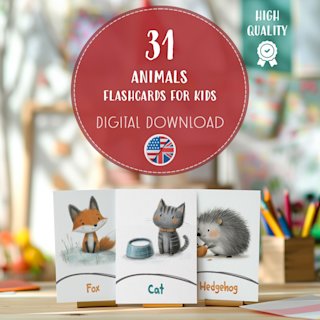
Our Safari Animals Flashcards become a nocturnal sort: 'Some safari animals sleep during the day and wake up at NIGHT. Lions? They can be awake at night! Elephants? They sleep standing up for just a few hours! Hippos? They come out at NIGHT to eat!' Sort the cards: ANIMALS AWAKE DURING THE DAY vs. ANIMALS AWAKE AT NIGHT. Then play: 'Close your eyes. I am going to make a safari animal sound. If it is a NOCTURNAL animal, wake up and prowl! If it is a DAYTIME animal, stay asleep!' The flashcards teach that the animal world does not stop when the sun goes down. Twelve animals, two shifts, one 24-hour safari.

Flashlight and Shadow Activities (Ages 3-6)

6. Flashlight tag
Materials: Flashlights, dark room.

What to do: "Shine your flashlight on the wall. Can you catch my light? Can you make your light touch the ceiling, the floor, and the door?" The flashlight tag teaches visual tracking and spatial awareness. For more spatial, see our spatial guide.

7. Shadow puppets
Materials: Flashlight, hands, paper cutouts.

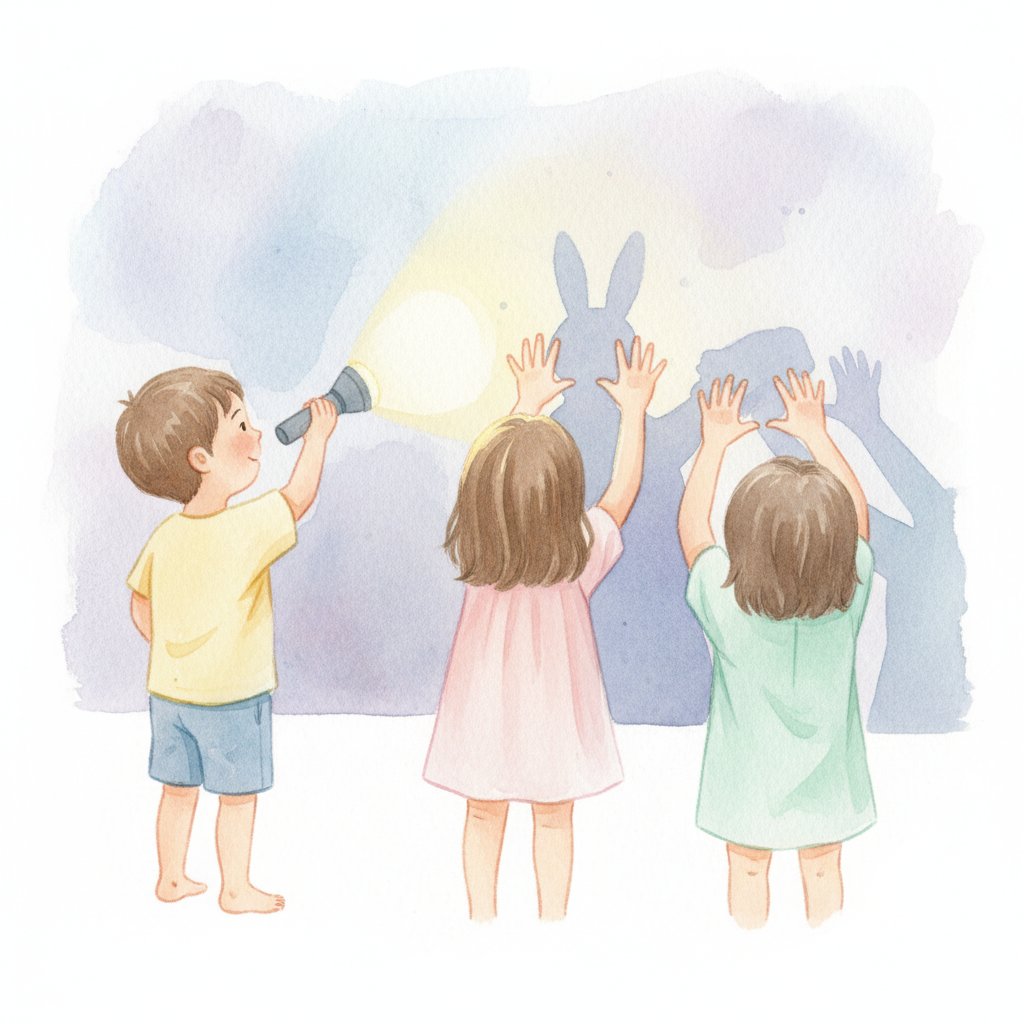
What to do: "Shine the flashlight on the wall. Make a bunny with your hand. Make the bunny EAT a carrot. Make it JUMP!" The shadow puppets teach light and shadow physics. For more shadows, see our shadow guide.

8. Shadow guessing
Materials: Flashlight, objects.

What to do: "I am going to hold something in front of the flashlight so you only see its SHADOW. What is it? A scissor? A cup? A toy dinosaur?" The shadow guessing teaches visual deduction. For more guessing, see our investigation guide.

9. Light and dark painting
Materials: Black paper, white paint, white paper, black paint.

What to do: "Paint a NIGHTTIME picture on black paper with white paint. Now paint a DAYTIME picture on white paper with black paint. How are they different?" The contrast painting teaches light and dark concepts. For more art, see our art guide.

10. Glow-in-the-dark hunt
Materials: Glow sticks, dark room.

What to do: "I hid glow sticks around the room. Turn off the lights and find them! Count how many you find." The glow hunt teaches counting in an exciting context. For more counting, see our number guide.

How do you feel in the dark?
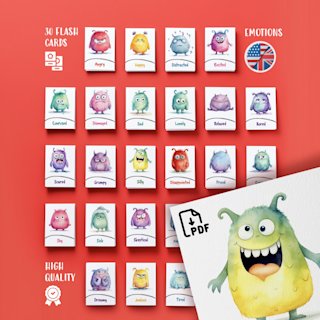
Our Emotions Flashcards become a bravery check-in: 'Before we turn off the lights, pick the card that shows how you feel RIGHT NOW. Nervous? Excited? Scared? Curious? All of those feelings are OK. Now we turn off the lights... and check again. How do you feel NOW? Still scared? A little less? Brave? The cards help children NAME what they feel instead of just reacting. After camping, pick the card AGAIN. Most children move from NERVOUS to PROUD. That change is visible on the cards: before-dark card on the left, after-dark card on the right. The gap between them is GROWN BRAVERY. Twelve emotions, before and after, a measurable courage chart.

Stargazing and Night Science (Ages 3-6)

11. Make a constellation
Materials: Star stickers, black paper.

What to do: "Put stars on black paper. Connect them with a white crayon. You just made a CONSTELLATION! What is its name? What is the story behind it?" The constellation teaches spatial connection and mythology. For more stories, see our storytelling guide.

12. Moon phases
Materials: Oreo cookies.

What to do: "Twist the Oreo apart. The white filling is the MOON. Scrape some away to make a crescent. Scrape more for a half moon. Scrape almost all for a sliver. EAT the full moon!" The moon phases teach astronomy through cookies. For more food learning, see our cooking guide.

13. Night sounds
Materials: Audio clips of nighttime sounds.

What to do: "Close your eyes. Listen. What do you hear? Crickets? An owl? Frogs? Wind? These are the sounds of NIGHTTIME." The night sounds teach auditory discrimination and nature awareness. For more listening, see our listening guide.

14. Nocturnal animal sort
Materials: Animal pictures, day/night sorting mat.

What to do: "Sort the animals: who is awake during the DAY and who is awake at NIGHT? Owls, bats, and fireflies are NOCTURNAL. Birds, squirrels, and butterflies are DIURNAL." The sort teaches animal classification. For more sorting, see our sorting guide.

15. Bat facts
Materials: Books about bats.

What to do: "Bats are NOT scary! They eat MOSQUITOES. They sleep UPSIDE DOWN. They find food using ECHOLOCATION — they listen for echoes! Can you find something with your ears closed, using only sound?" The bat lesson teaches that feared animals are fascinating. For more animals, see our animals guide.

More Camping Activities (Ages 3-6)

16. Campfire storytelling
Materials: Flashlight, tent.

What to do: "Sit around the campfire. I will start a story and pass the flashlight. Whoever holds the flashlight adds the next sentence. The flashlight is the TALKING STICK." The campfire story teaches collaborative narrative. For more stories, see our storytelling guide.

17. S'mores making
Materials: Graham crackers, chocolate, marshmallows, microwave.

What to do: "Stack: cracker, chocolate, marshmallow, cracker. Microwave 15 seconds. Watch the marshmallow GROW! Count to 15." The s'mores teach sequencing and patience. For more cooking, see our cooking guide.

18. Nature trail walk
Materials: Nature checklist.

What to do: "Walk outside like a nature explorer. Find: a LEAF, a ROCK, a STICK, a FLOWER, and something you have never NOTICED before." The nature walk teaches outdoor observation. For more nature, see our outdoor guide.

19. Compass introduction
Materials: Compass or cardinal direction cards.

What to do: "North, South, East, West. The sun rises in the EAST and sets in the WEST. Face the window — which direction is that?" The compass teaches cardinal directions. For more directions, see our directions guide.

20. Bedtime routine camping
Materials: Sleeping bags, bedtime story.

What to do: "Camping bedtime: brush teeth, get in sleeping bag, flashlight story, lullaby, lights out. Who can fall asleep first? (Nobody — but the routine is the point!)" The bedtime routine teaches sleep preparation. For more routines, see our routine guide.

A camping adventure every day of the week
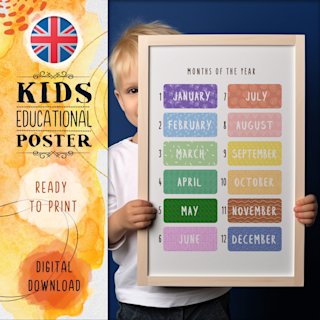
Our Days of the Week Poster becomes a camping schedule: 'MONDAY — set up the tent and pack backpacks. TUESDAY — flashlight games and shadow puppets. WEDNESDAY — stargazing and constellation making. THURSDAY — campfire cooking and s'mores. FRIDAY — nature walk and animal tracking. SATURDAY — campfire stories and sing-along. SUNDAY — pack up and share favorite memories.' Each day gets a camping activity. The poster structures the week; the camping theme makes every day an ADVENTURE. Children learn the days not by memorizing names but by ASSOCIATING each day with a specific camping experience. Monday is tent day. Tuesday is flashlight day. Seven days, seven adventures, one camping week.
1.Is it safe to do dark-room activities with preschoolers?
Yes, with preparation: (1) Explain BEFORE turning off lights: "We are going to make it dark so we can use flashlights." (2) Give EVERY child their own flashlight before turning off lights — having control of light reduces fear. (3) Keep the room not fully dark: crack a door or use a nightlight so there is always an exit visible. (4) Allow children to sit OUTSIDE the tent if they are uncomfortable. (5) Stop immediately if any child becomes genuinely distressed. The goal is gentle exposure, not forced bravery. Most children who are scared at first become the biggest fans by the end.
2.Can I do camping activities without a real tent?
Absolutely. A blanket fort is often MORE magical than a real tent because children BUILT it themselves. Other options: a large cardboard box (appliance box from a store), a parachute draped over chairs, a table with a sheet over it (the simplest tent), or even a designated corner of the room called "the campsite." The tent is just a boundary that signals "this area is special." The magic comes from the activities, not the structure.
3.How do camping activities help with bedtime struggles?
Children who are afraid of the dark often struggle at bedtime. Camping activities help by: (1) Making the dark ASSOCIATED with fun, not fear. (2) Giving children practice with flashlights and glow sticks — tools they can use in their bedroom. (3) Teaching about stars, moon, and nighttime as NATURAL and beautiful. (4) Creating a positive bedtime routine through camping role-play. After camping week, try: "At bedtime, you can use your flashlight for 5 minutes to look at stars on your ceiling before lights out." The flashlight becomes a transitional comfort object.
4.What science do children learn from camping activities?
Camping is a science UNIT in disguise: (1) ASTRONOMY — stars, constellations, moon phases. (2) BIOLOGY — nocturnal vs. diurnal animals, bat echolocation. (3) PHYSICS — light, shadow, reflection, refraction. (4) EARTH SCIENCE — sunrise/sunset directions, compass navigation. (5) ECOLOGY — nature observation, animal tracking. A week of camping activities covers more science standards than a month of textbook lessons, and children do not even know they are learning — they think they are just having an adventure.