Once Upon a Time in Our Classroom
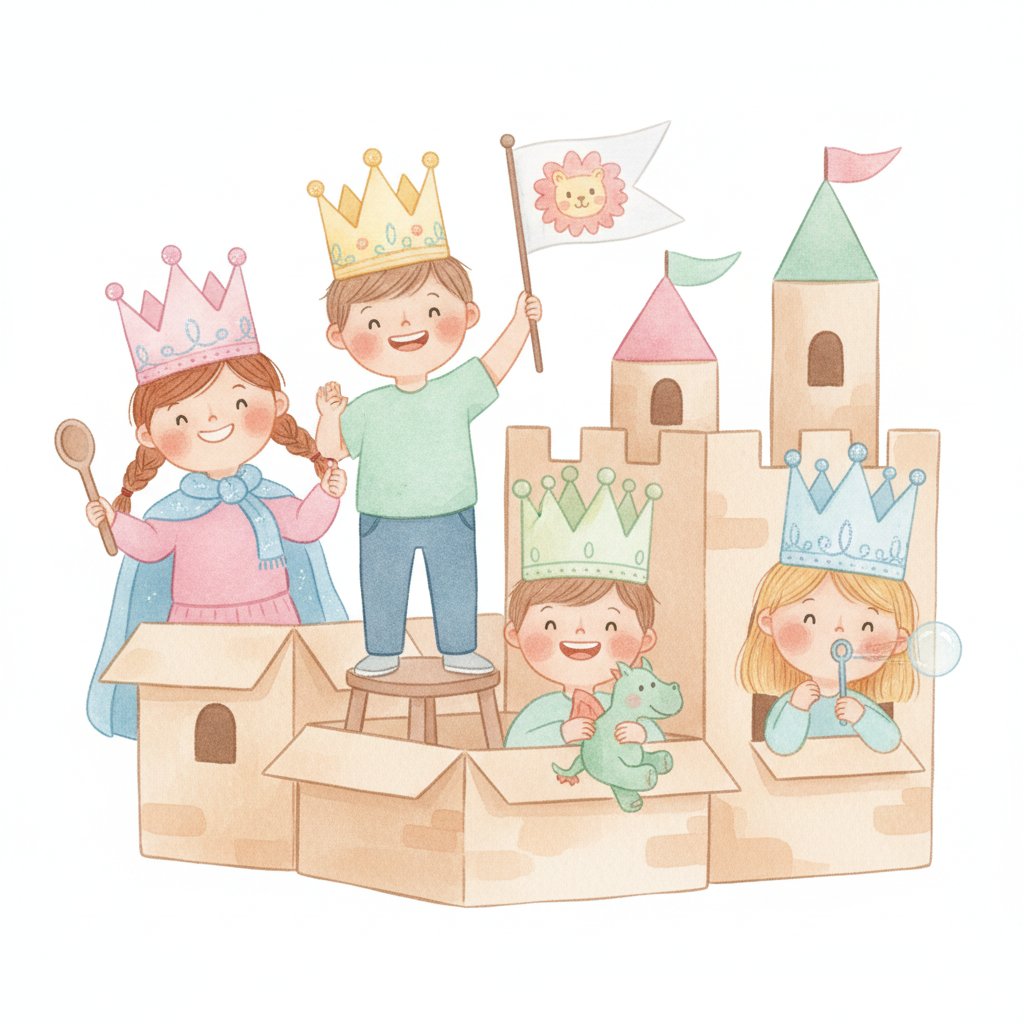
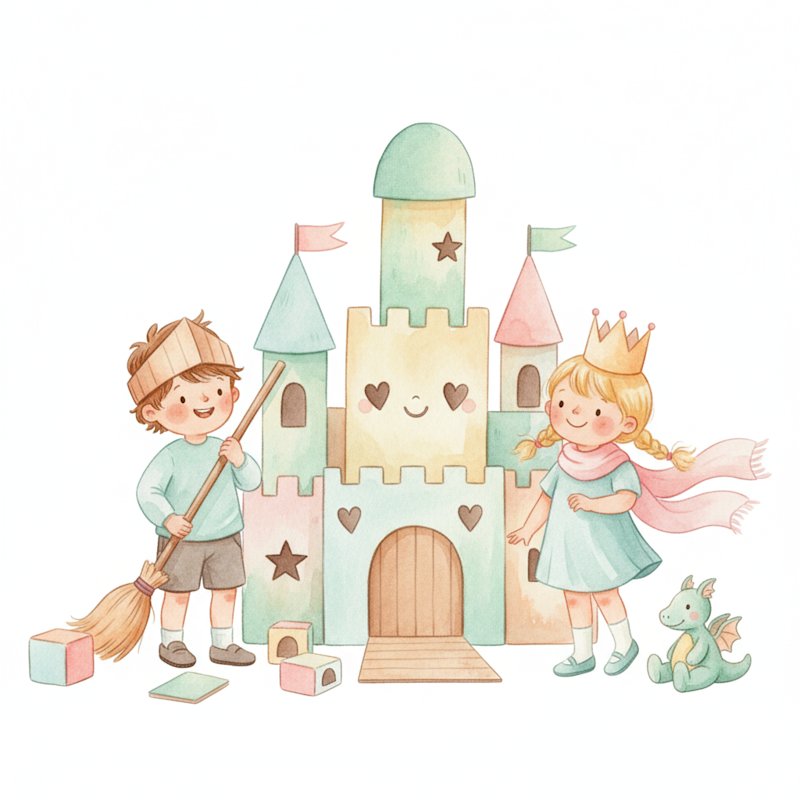
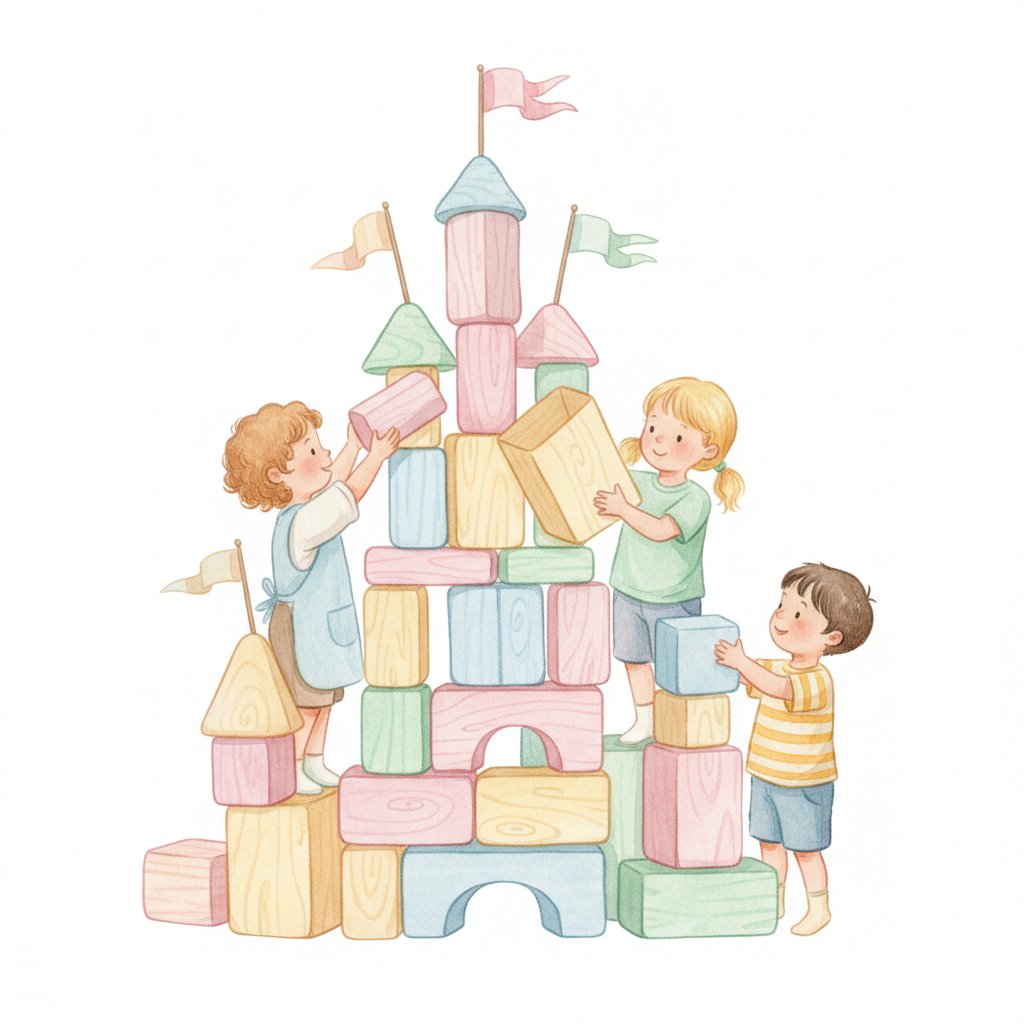
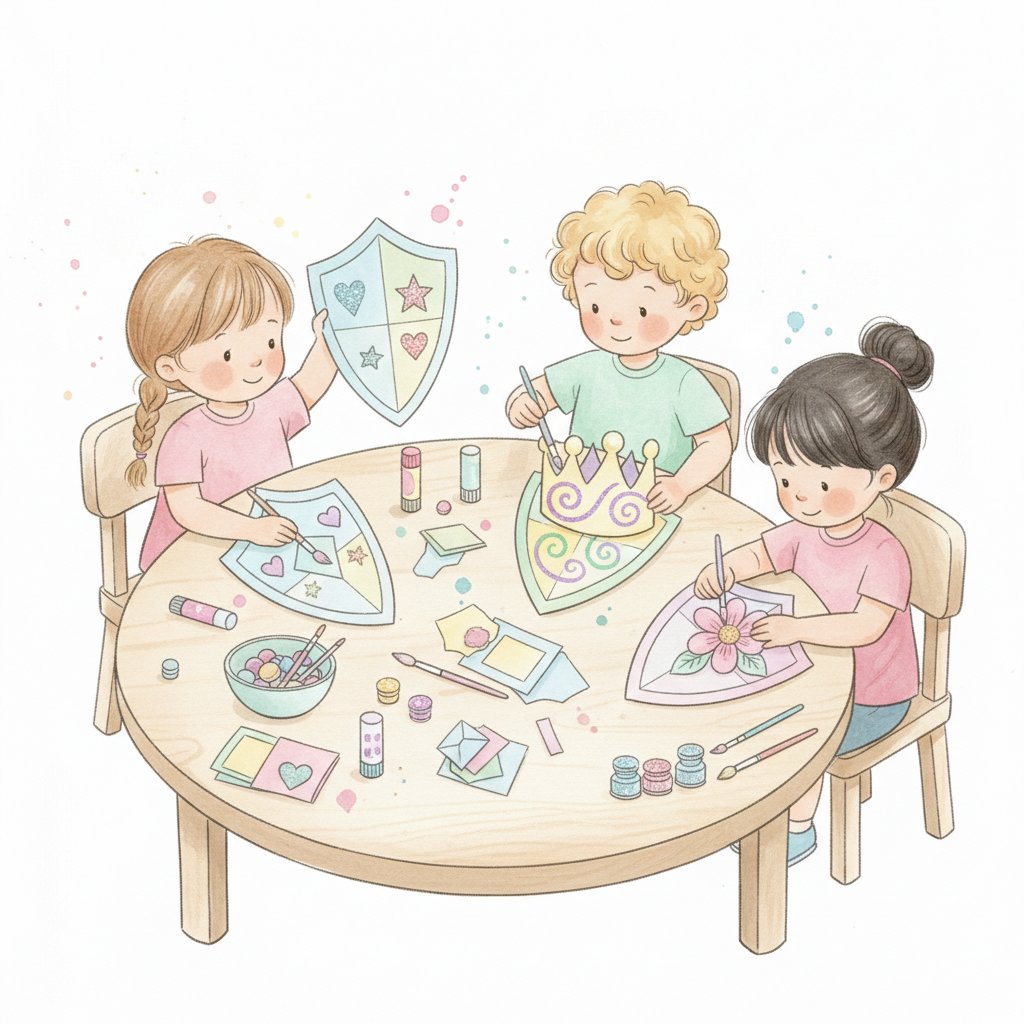
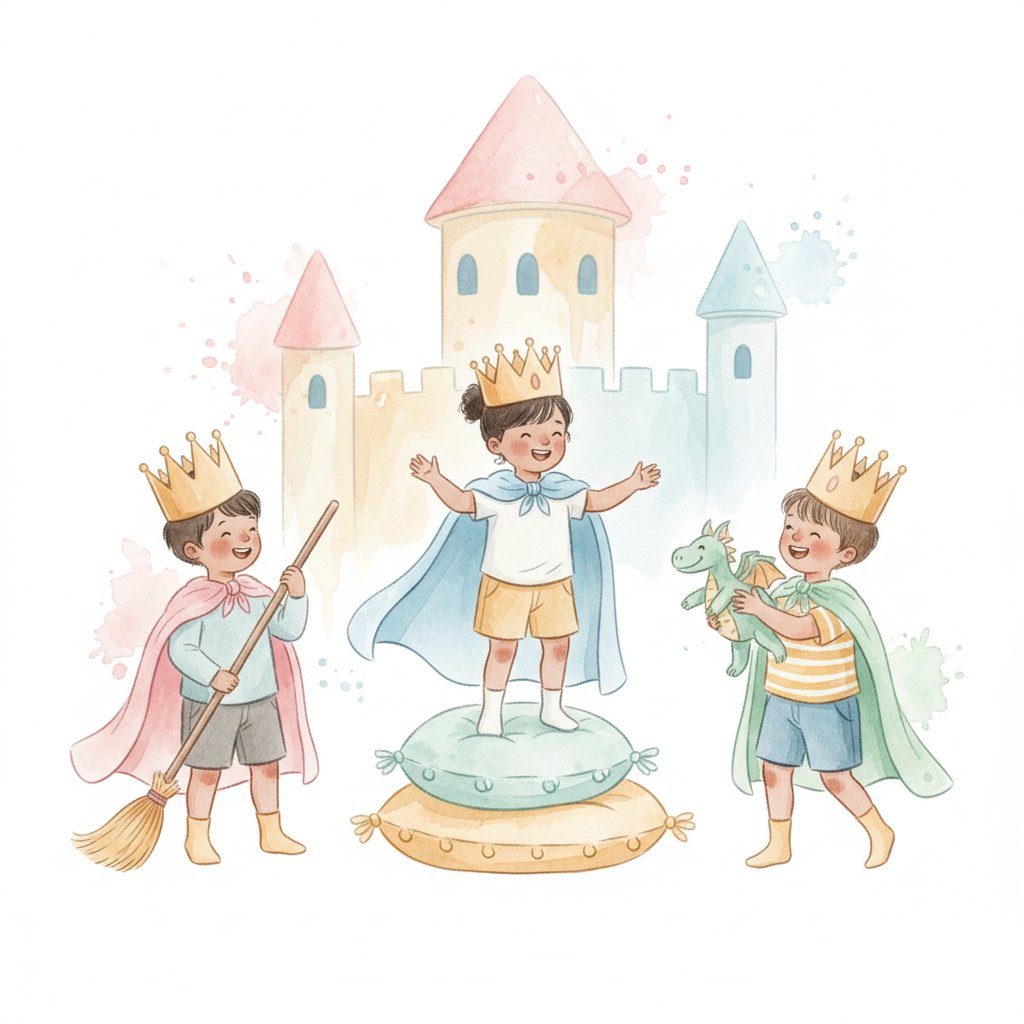
"I hereby declare this block area the KINGDOM of Sunshine Castle!" announced five-year-old Sofia, wearing a paper crown she had decorated with jewels (foil squares). Around her, the block area had been transformed: tall towers of wooden blocks formed the castle walls, a blue towel was the moat, stuffed animals were the royal pets, and four other children were putting on their own crowns and shields. "I am the QUEEN," said Mia. "I am the KNIGHT," said Leo, holding a shield made from a paper plate. "I am the DRAGON," whispered Tyler from behind a green blanket, waiting for his cue. "And I am the ROYAL BUILDER," said Marcus, already adding a second tower. For the next hour, they built, defended, attacked, negotiated, traded roles, rebuilt collapsed walls, held a royal banquet (with play food), and wrote royal decrees ("Everyone shares the toys — by order of the Queen"). It was history, engineering, storytelling, social skills, writing, and art — all happening simultaneously in a kingdom they built from blocks and imagination.
According to the National Association for the Education of Young Children, castle and medieval play supports engineering thinking (building structures), narrative development (creating stories), social role-play (kings, queens, knights, dragons), creative expression (crafting costumes), and collaborative problem-solving (defending the castle together).
This guide covers 20+ castle, knight, and medieval activities for ages 3-6. Pair it with our fairy tales guide for story connections and our blocks guide for building techniques.
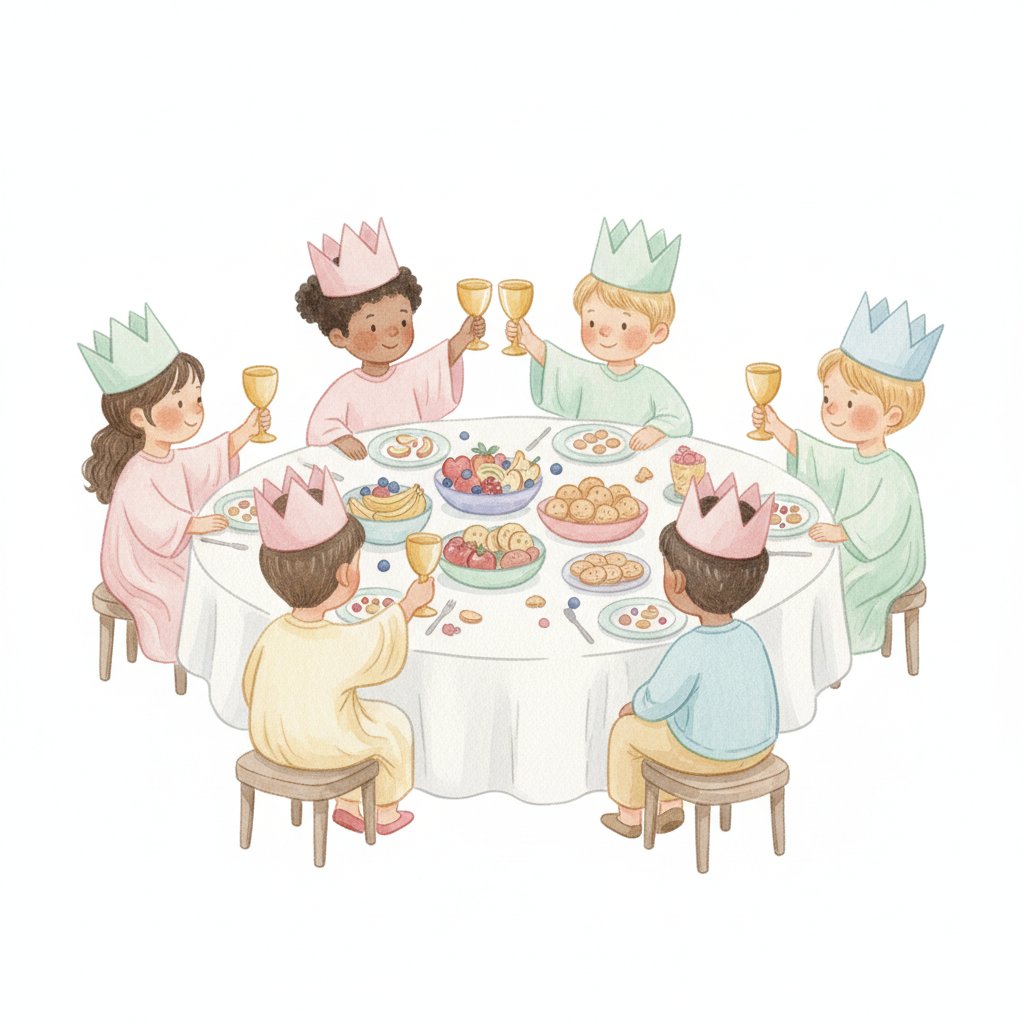 *Materials:* Play food, table, tablecloth.