Articles11 min read

Circle Time Activities for Preschool: 20+ Ideas for Morning Meeting That Actually Work

Stop searching Pinterest and start teaching. These circle time activities for preschool are classroom-ready with clear instructions, learning objectives, and variations — covering circle time, centers, outdoor play, and quiet independent work.

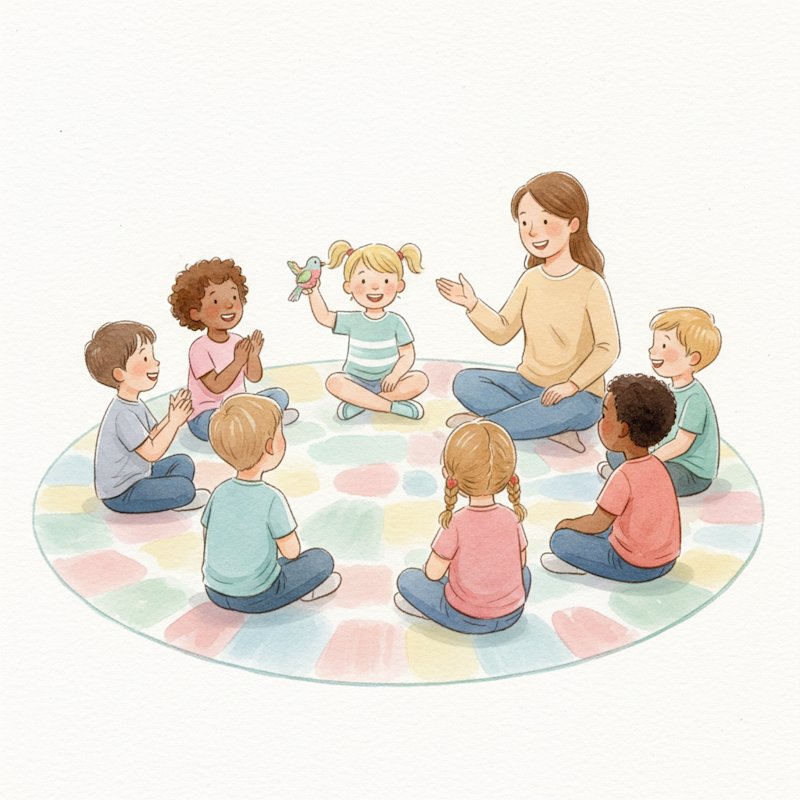
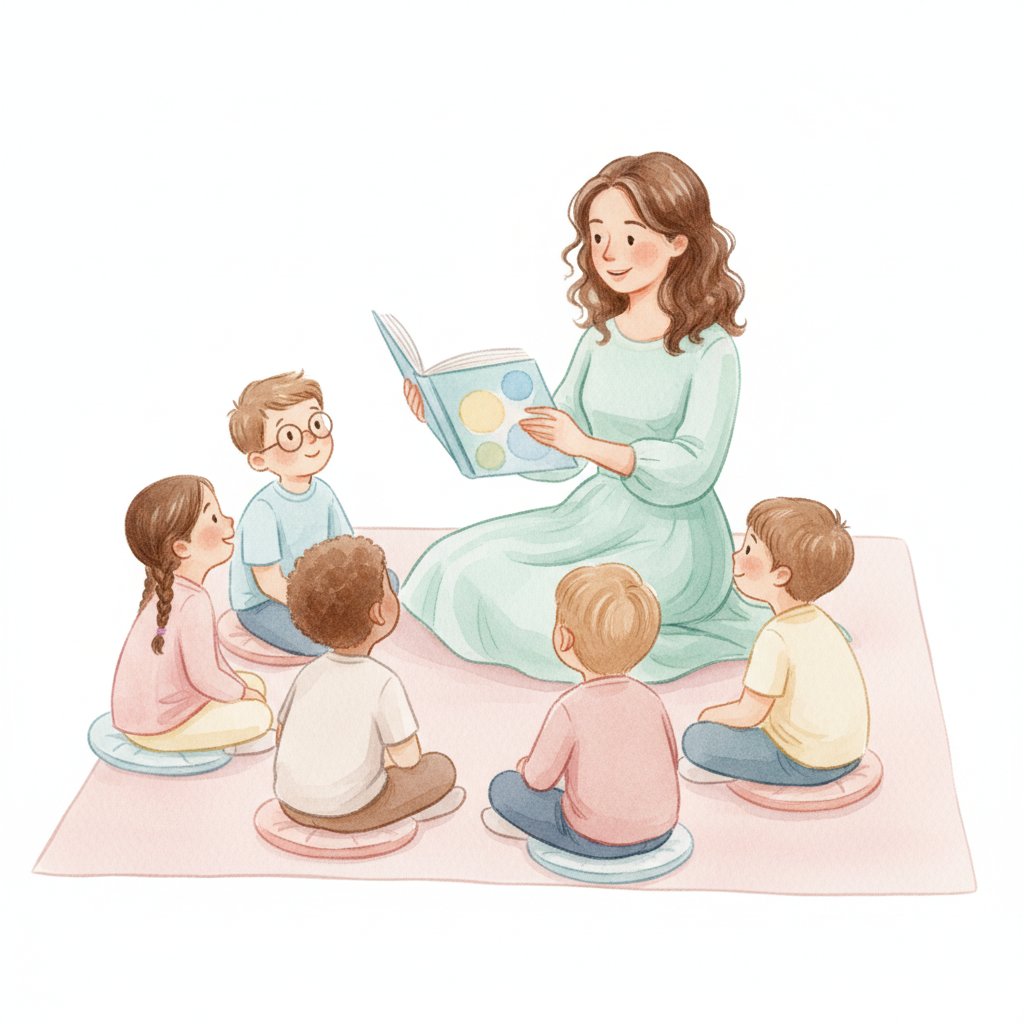
cheerful young children sitting in a circle on a colorful rug for morning meeting

The Morning My Circle Time Fell Apart — and What I Learned

a teacher gently gathering wiggly preschoolers into a friendly circle on the rug

It was a Tuesday in November. I had twelve three-year-olds sitting on the rug, a carefully planned 20-minute circle time sequence, and exactly four minutes before the whole thing unraveled. By minute five, someone was licking the calendar. By minute eight, three children had wandered to the block corner. By minute twelve, I was singing "The Wheels on the Bus" to an audience of two.

That day taught me what every experienced preschool teacher knows: circle time doesn't fail because the activities are bad. It fails because the activities are too long, too similar, or too abstract for the age group sitting in front of you. A three-year-old's attention span is 5-8 minutes for a single activity. A four-year-old can stretch to 10. The secret isn't one amazing activity — it's a sequence of short, varied, interactive segments that build momentum.

The National Association for the Education of Young Children recommends that group time be "flexible, engaging, and responsive to children's needs" — which means reading the room and switching activities before children tune out, not after.

This guide covers 20+ circle time activities organized by type, with timing guidance for each segment. For setting up your classroom to support circle time, see our classroom decor ideas for preschool. For the daily schedule that contains circle time, see our kindergarten daily schedule printable.

The Circle Time Formula That Works

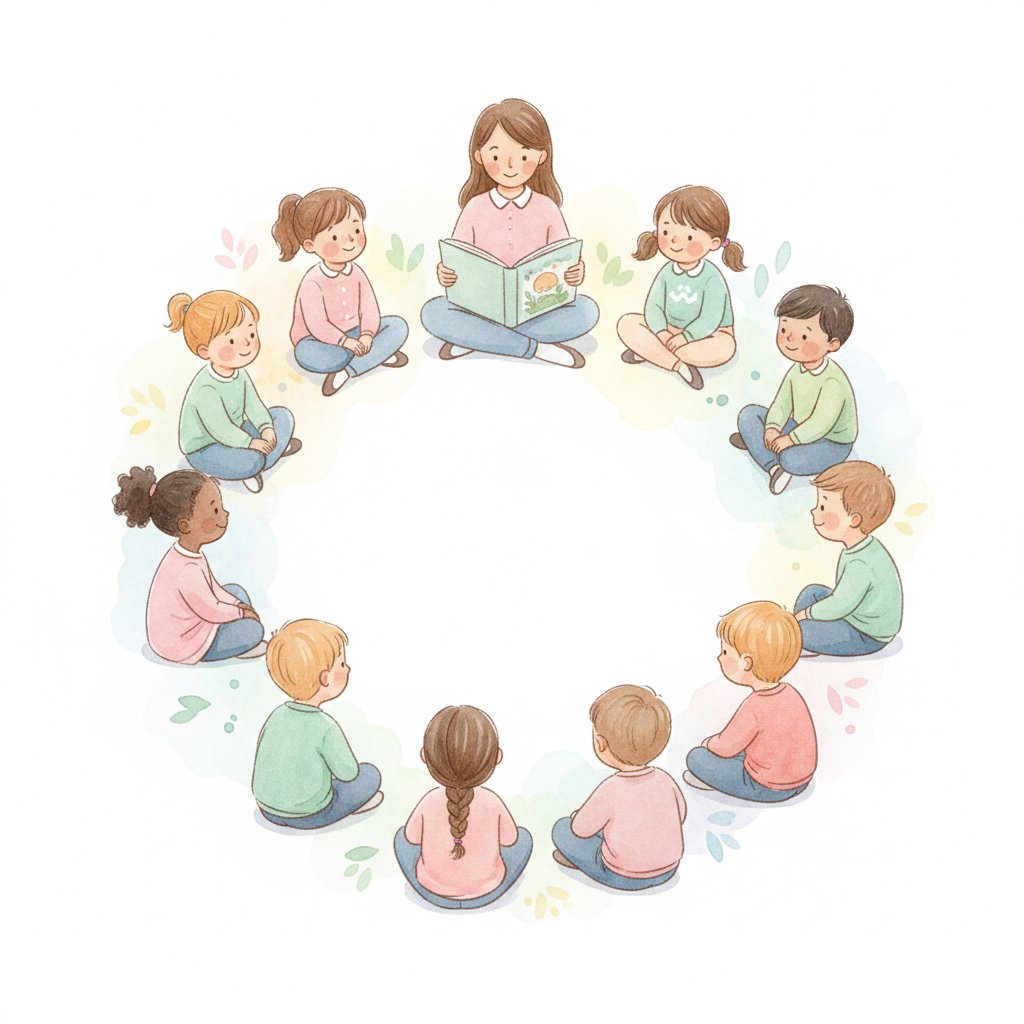
young children sitting calmly in a circle smiling at their teacher

After years of trial and error (and many licked calendars), here's the structure that consistently works for ages 3-5:

SegmentDurationPurposeExample
Welcome Song2 minTransition, gather attention"Good Morning" song
Calendar & Weather3-4 minTime concepts, observationDay of the week, weather check
Movement Activity3 minGet wiggles outAction song, finger play
Core Learning5-8 minTarget skillFlashcard game, counting, phonics
Story or Discussion5 minLanguage, comprehensionRead-aloud or group discussion
Closing Song2 minTransition out"See You Later" song

Total: 20-25 minutes for ages 4-5. For age 3, cap at 15 minutes by shortening each segment.

Key principles:

  • Alternate active and passive. Song → calendar (sitting) → movement (standing) → learning (sitting) → story (sitting) → closing (standing). Never let them sit still for more than 5 minutes at a stretch.
  • Front-load the fun. Start with something energetic. Don't save the best for last.
  • Read the room. If children are wiggly at minute 3, skip to the movement activity. If they're captivated by a story, let it run longer and cut the closing song.

For help planning your full day, see our kindergarten readiness checklist.

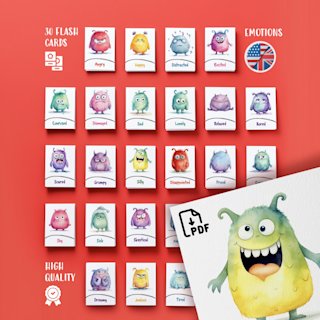
The flashcard set that makes circle time interactive
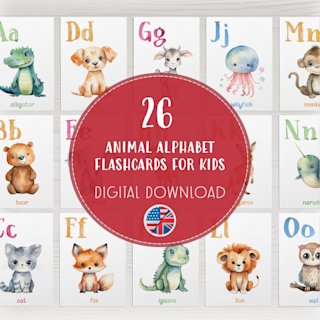
Our Alphabet Monster Flashcards are perfect for the 'Show and Tell' segment — each card features a friendly monster illustration that children love to identify and talk about. Hold one up at circle time and watch 12 preschoolers lean forward simultaneously.

Welcome and Gathering Activities

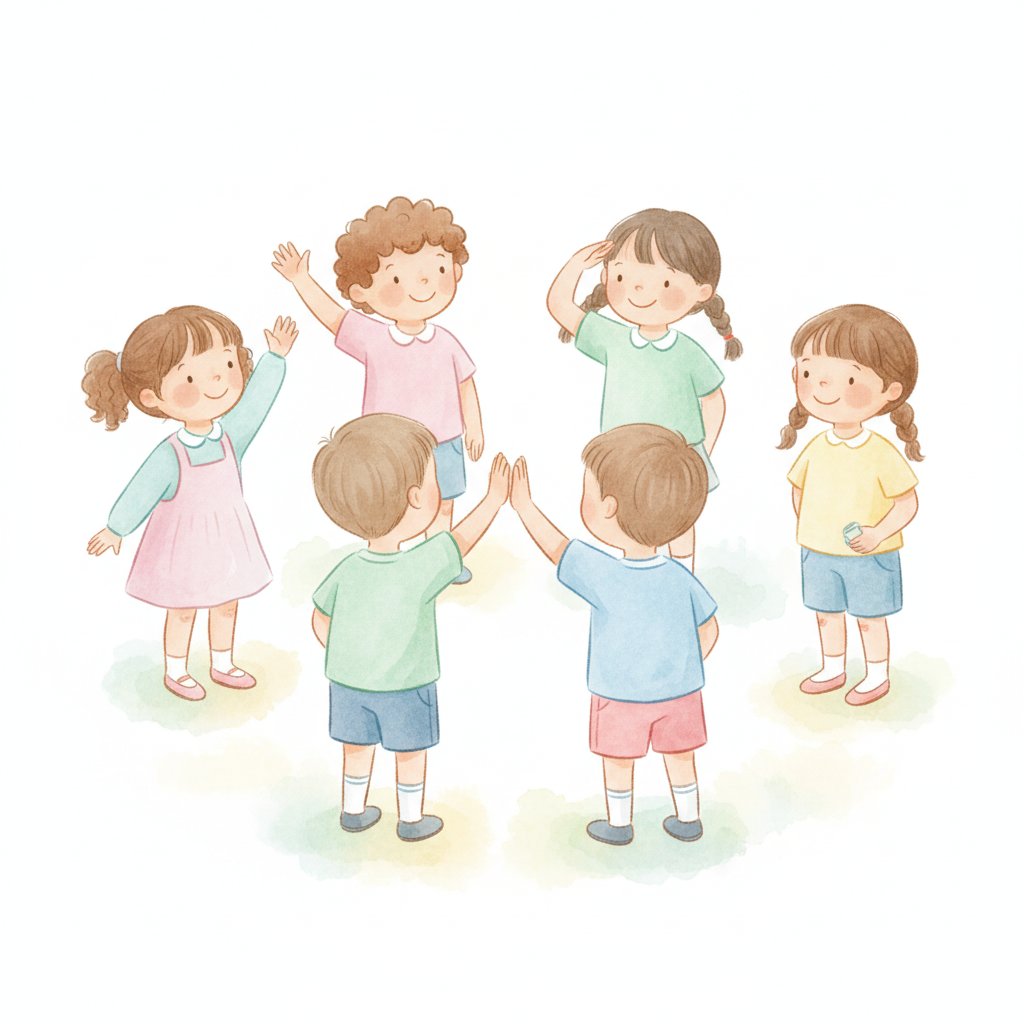
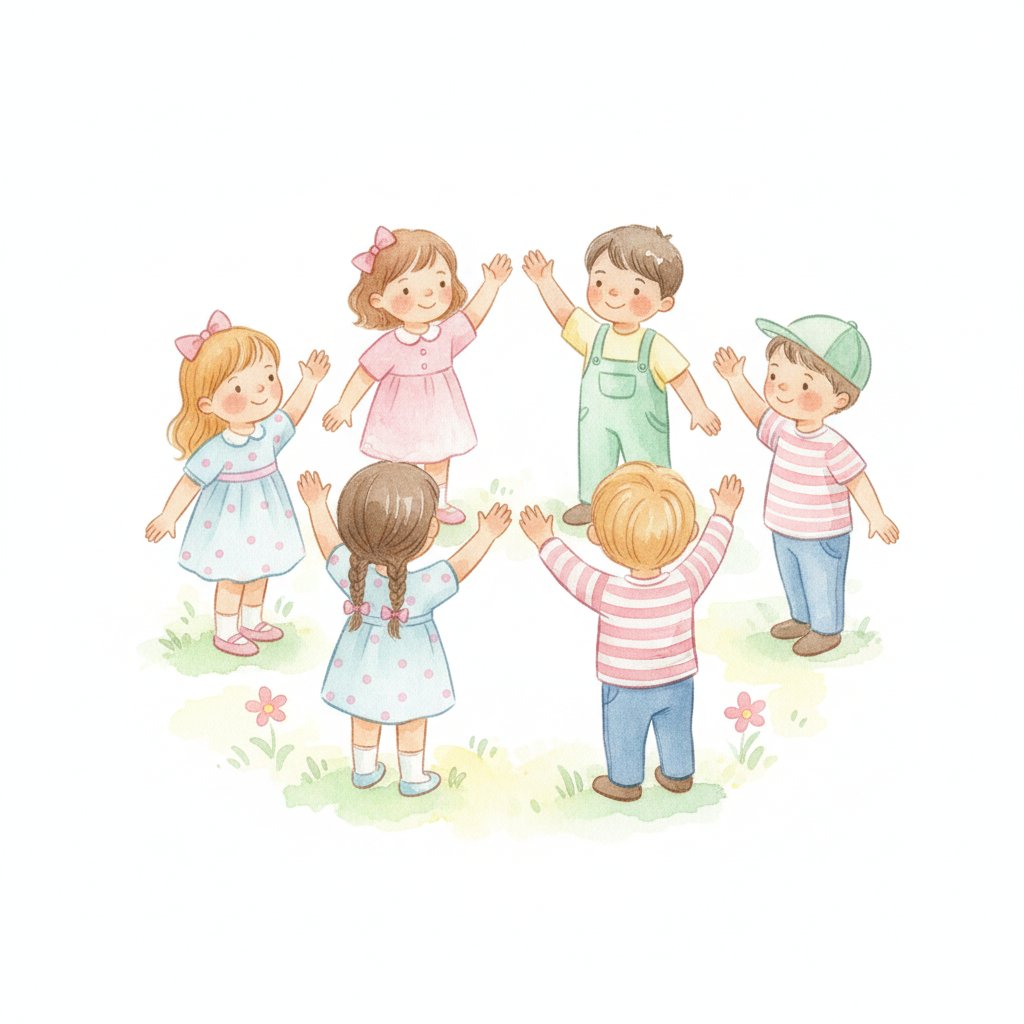
preschoolers waving and greeting each other in a warm morning circle

1. Name Rolling Ball (Ages 2+)

Children sit in a circle. The teacher rolls a ball to one child, who says their name and something they like: "I'm Emma and I like dinosaurs!" Then that child rolls to someone else. For younger children, just the name is enough.

Skills: Name recognition, turn-taking, social connection
Time: 3-5 minutes

2. "Who's Here Today?" Chart (Ages 3+)

Each child has a name card on a "Who's Here?" / "Who's Home?" chart. During welcome, each child moves their name to "Who's Here" and the group counts how many friends are present. A daily attendance ritual that builds name recognition, counting, and belonging.

Skills: Name recognition, counting, community building
Time: 2-3 minutes

3. Good Morning Handshake (Ages 3+)

Go around the circle. Each child chooses a greeting for the teacher: handshake, fist bump, high-five, elbow tap, or wave. The variety keeps it fresh, and the one-on-one attention starts each child's day with connection.

Skills: Social skills, choice-making
Time: 3-4 minutes

4. Welcome Song with Names (Ages 2+)

Sing to a simple tune (try "The Farmer in the Dell"):

Good morning to [name], good morning to [name],
Good morning dear [name], we're glad you're here today!

Go around the circle until every child has been sung to. Children love hearing their name in a song.

Skills: Name recognition, group singing
Time: 3-5 minutes

Calendar and Weather Activities

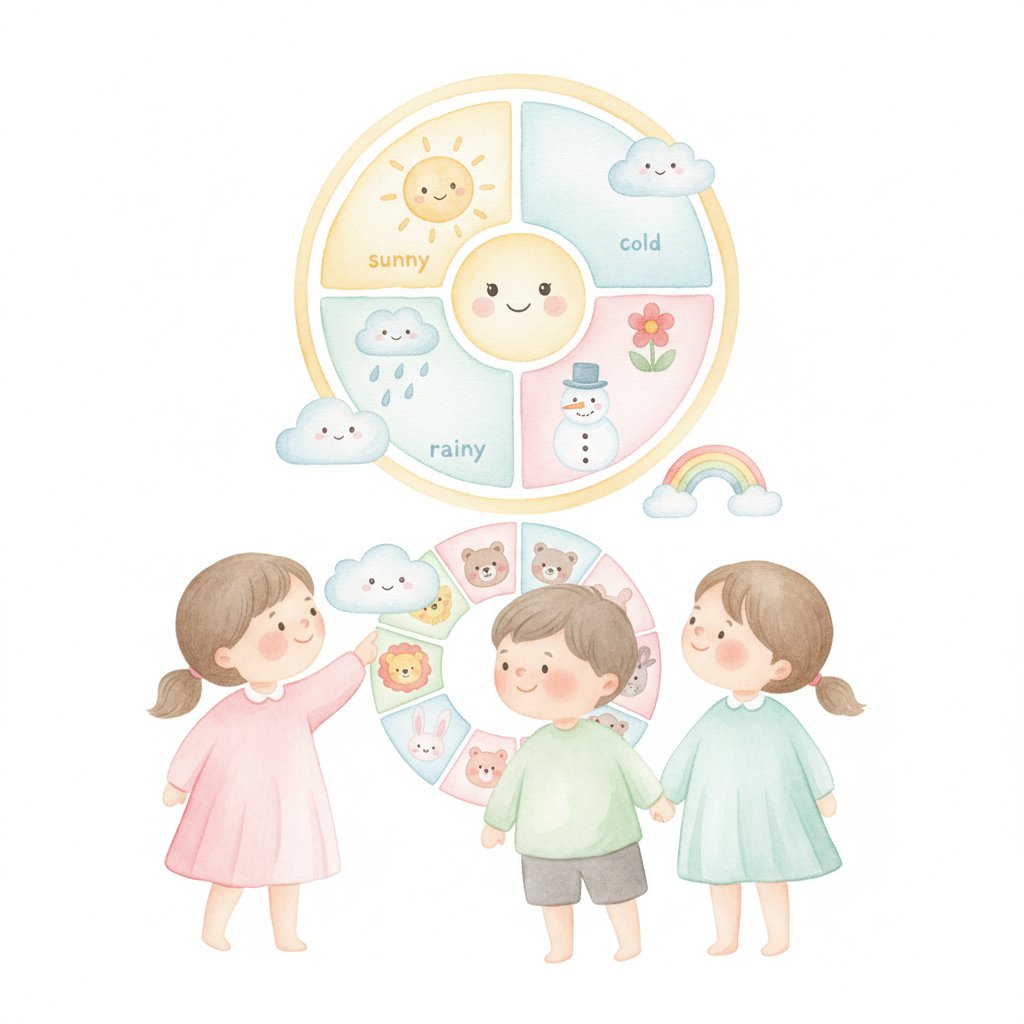
children looking at a friendly weather and calendar display together

5. Interactive Calendar Routine (Ages 3+)

The daily calendar check-in is the backbone of most circle times. A structured routine:

  1. "What day is it today?" (child moves marker to today)
  2. "What was yesterday? What will tomorrow be?"
  3. "How many days until [special event]?" (count together)
  4. "What's the weather today?" (child places weather card)
  5. "What should we wear for this weather?" (practical connection)

Skills: Time concepts, counting, weather vocabulary, planning
Time: 3-4 minutes

{% product-block %}
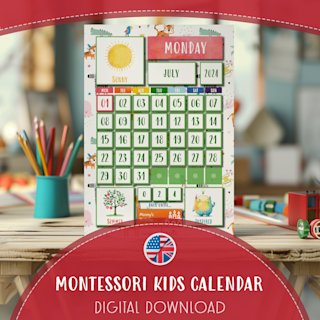
A visual calendar at child height makes the abstract concept of time concrete. Our Days of the Week Poster gives children a permanent reference for the weekly sequence — hang it next to your calendar area and the daily check-in becomes a routine children can run independently by mid-year.
{% end-product-block %}

6. Weather Window Check (Ages 3+)

Before placing the weather card, a designated "weather helper" walks to the window (or goes outside for 30 seconds) and reports back. "It's cloudy and windy!" The physical act of checking — rather than the teacher just telling — builds observation skills and gives the weather helper a meaningful job.

Skills: Observation, weather vocabulary, responsibility
Time: 2 minutes

7. Temperature Graph (Ages 4+)

Keep a weekly temperature chart. Each day, color in a bar for the temperature range (cold/cool/warm/hot). At the end of the week, discuss patterns: "Was it hotter this week or last week? Which day was the coldest?" Introduces data collection and graphing.

Skills: Data collection, comparison, graphing
Time: 2 minutes daily, 5 minutes Friday review

For more time-concept activities, see our days of the week activities guide.

Weather check + feelings check=one complete morning routine
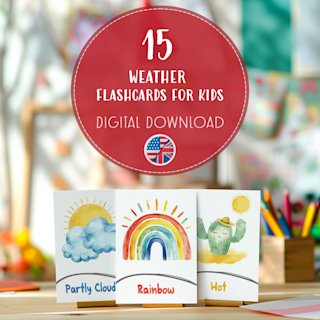
Our Weather Flashcards cover 12 conditions from sunny to snowy — give the weather helper a stack and let them match today's conditions to the right card. Add our Feelings Poster nearby and children can check in emotionally at the same time.

Movement and Action Activities

8. Action Dice (Ages 3+)

Create a large dice with actions on each face: jump, spin, touch your toes, march in place, stretch up high, make a funny face. A child rolls and the whole group does the action. Fast, physical, and unpredictable — exactly what circle time needs at the midpoint.

Skills: Following directions, gross motor, self-regulation
Time: 2-3 minutes

9. Freeze Dance (Ages 2+)

Play upbeat music for 20 seconds. Children dance in place (or around the circle). Music stops — everyone freezes. Repeat 4-5 times. The simplest, most reliable wiggles-buster in existence.

Skills: Listening, impulse control, joy
Time: 2-3 minutes

10. Animal Walk Around the Circle (Ages 3+)

Children stand and walk in a circle. The teacher calls: "Walk like a cat! Now like an elephant! Now like a penguin!" Each animal walk uses different body mechanics, building body awareness and motor planning.

Skills: Gross motor, imagination, animal vocabulary
Time: 2-3 minutes

11. Stretch and Count (Ages 3+)

Combine stretching with counting: "Reach up high and count to 5! Touch your toes and count to 5! Stretch to the side and count to 5!" Dual-purpose — movement and counting practice.

Skills: Counting, body awareness, calm energy
Time: 2 minutes

Core Learning Activities (5-8 Minutes)

a teacher reading a picture book to attentive seated preschoolers

12. Flashcard "Show and Tell" (Ages 3+)

Hold up a flashcard. Children identify it and share one thing about it. "It's an elephant!" "Elephants are big." "I saw an elephant at the zoo." One card=one minute of rich language practice.

Skills: Vocabulary, expressive language, background knowledge
Time: 3-5 minutes

For a full library of flashcard games, see our flashcard games for preschoolers guide.

13. Mystery Bag (Ages 3+)

Place a familiar object in a bag. Children take turns feeling the bag (without looking) and guessing what's inside. "It feels round! It's bumpy!" After guesses, reveal the object and discuss. Theme it to the week's topic — a seashell for ocean week, a leaf for fall.

Skills: Descriptive language, deductive reasoning, tactile perception
Time: 3-5 minutes

14. Sound of the Week (Ages 4+)

Introduce a letter sound at the start of the week. Each circle time, children brainstorm words that start with that sound. Track the words on a chart — by Friday, you'll have 15-20 words. "Who can think of a word that starts with M?"

Skills: Phonemic awareness, vocabulary, letter-sound correspondence
Time: 3 minutes

For more phonics activities, see our how to teach phonics with flashcards guide.

15. Counting Around the Circle (Ages 3+)

Go around the circle, each child saying the next number. "One... two... three..." How high can the group count without a mistake? Track the record on the wall. Children love beating their own score.

Skills: Counting, number sequence, group collaboration
Time: 2-3 minutes

For more math ideas, see our counting activities for preschoolers.

16. "I'm Thinking Of..." Game (Ages 4+)

"I'm thinking of something in this room that is red." Children guess. "I'm thinking of an animal that lives on a farm." Children guess. Build descriptive language and categorization through a simple guessing game.

Skills: Descriptive language, categorization, listening
Time: 3-5 minutes

Build a complete circle time wall with one printable set
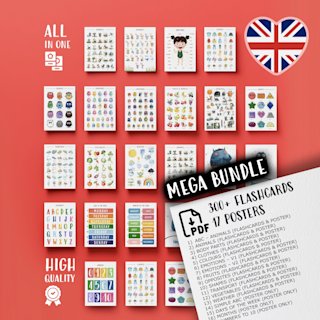
Our 8 Educational Posters Set includes the alphabet, numbers, colors, shapes, days of the week, emotions, the human body, and classroom rules — everything you need for your calendar area and circle time reference wall in one download.

Closing and Transition Activities

young children doing a gentle goodbye song with a calm wave

17. Goodbye Song (Ages 2+)

A consistent closing song signals that circle time is ending. Try "See You Later" to the tune of "Frère Jacques":

See you later, see you later,
Goodbye friend, goodbye friend!
We had fun together, we had fun together,
Come again, come again!

Time: 1-2 minutes

18. Quiet Walk Transition (Ages 3+)

After closing, children transition to the next activity one at a time. The teacher whispers a direction to each child: "Walk like a mouse to the art table." "Tip-toe to the snack area." The whispering and animal walks keep energy calm during transition.

Time: 2-3 minutes

19. "Today We Learned" Recap (Ages 4+)

Go around the circle. Each child shares one thing they learned or liked: "I liked the elephant card!" "I learned that tomorrow is Wednesday!" Brief recap reinforces learning and gives you informal assessment data.

Time: 3-4 minutes

20. Pass the Smiley Face (Ages 3+)

Pass a smiley face ball or card around the circle. When a child holds it, they share something that made them smile today, then pass it on. Closes circle time on a positive, reflective note. For more on emotions, see our feelings chart for kids guide.

Time: 3-5 minutes

Tips for Circle Time Success
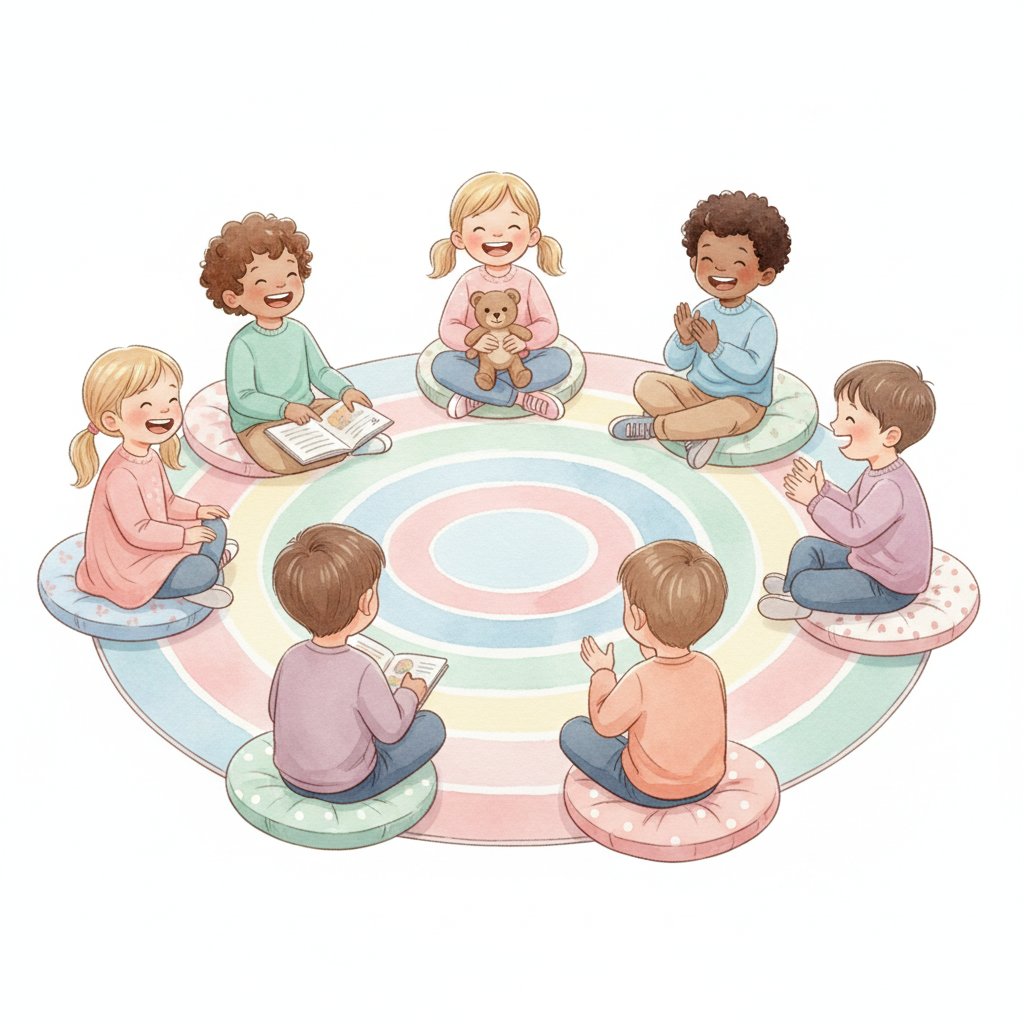
a cozy circle-time rug with cushions and happy seated children

Preventing the Most Common Problems

Problem: Children won't sit still.
Solution: They shouldn't have to sit still for more than 3-4 minutes at a time. Build movement into every 5-minute block. If your circle time is 20 minutes of sitting, that's the problem — not the children.

Problem: One child dominates every discussion.
Solution: Use structured turn-taking. "Let's hear from someone who hasn't spoken yet." Give the quiet child a specific job (calendar helper, weather checker) that requires participation without speaking to the whole group.

Problem: Circle time runs too long.
Solution: Set a visual timer that children can see. When the timer shows 5 minutes left, wrap up regardless of where you are. Better to end with children wanting more than to drag it out until they're checking out.

Problem: Children keep interrupting.
Solution: Use a "talking piece" — only the person holding it speaks. A stuffed animal, a special stone, anything tangible. Children as young as 3 can understand and respect this system.

Adapting for Different Ages

Ages 2-3: Keep it to 10-12 minutes. More singing, less talking. Lots of repetition — do the same welcome song every single day. Skip calendar math; focus on names, body parts, and animal sounds.

Ages 3-4: 15-20 minutes. Add calendar and weather. Introduce one learning game per circle time. Begin group discussions with simple questions.

Ages 4-5: 20-25 minutes. Full calendar routine, counting, phonics, and a story or discussion. Children can lead segments — "who wants to be the calendar helper today?"

For more classroom management strategies, see our complete teacher's guide to SEL and classroom organization printables.

Frequently Asked Questions
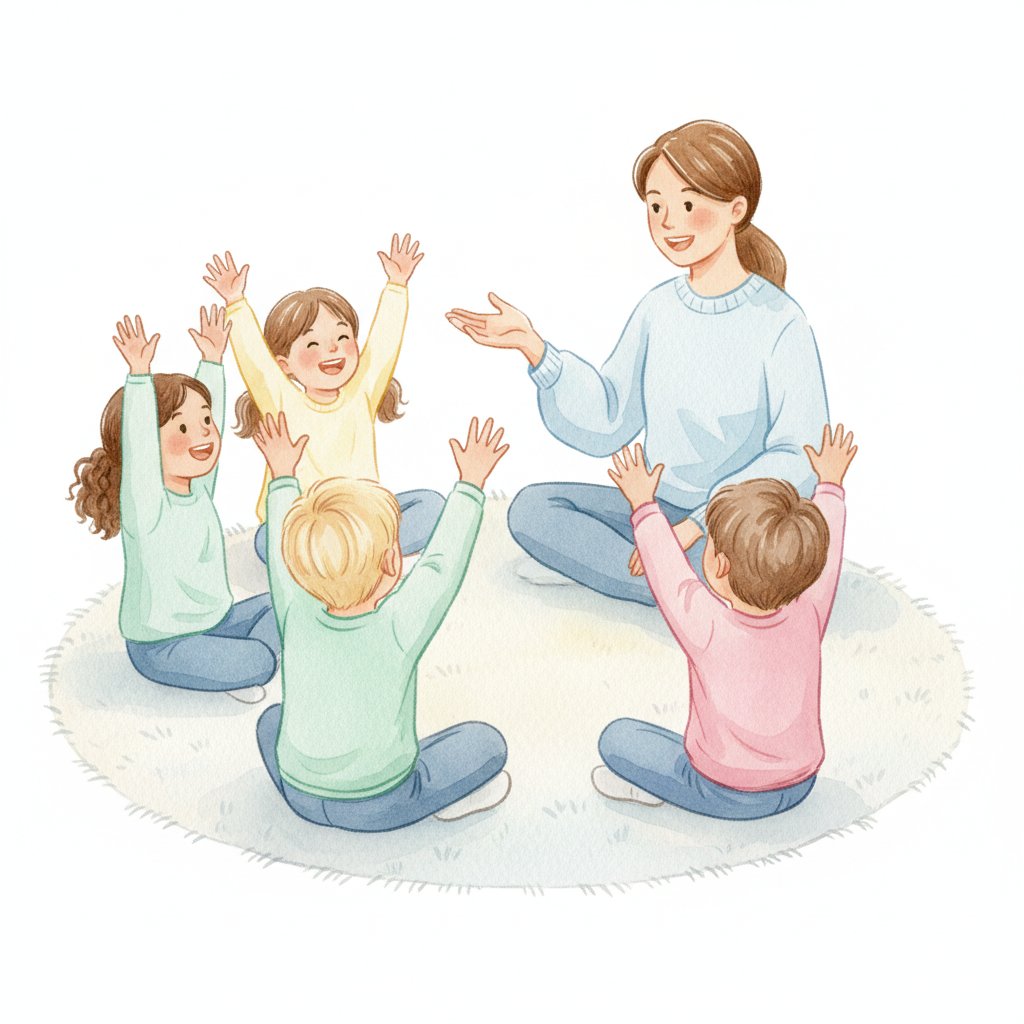
preschoolers raising hands eagerly during a cheerful circle time

How long should preschool circle time be?

Age 2-3: 10-12 minutes maximum. Age 3-4: 15-20 minutes. Age 4-5: 20-25 minutes. These are ceilings, not targets — if children are engaged, you can run shorter. If they're checking out, you've gone too long regardless of the clock.

What's the best time of day for circle time?

Morning (within the first 30 minutes of the day) is standard in most preschools because children are fresh and it establishes the day's rhythm. A second, shorter afternoon circle (5-10 minutes) works for recap and transition.

How do I handle a child who refuses to join circle time?

Don't force it. Invite them, create a welcoming space, but let them observe from the edge. Most children join within a few days once they see the routine is fun and predictable. Forcing participation creates a negative association that's hard to undo.

Should circle time be the same every day?

Same structure, varied content. The order of segments should be predictable (welcome → calendar → movement → learning → closing), but the specific songs, games, and flashcards should rotate. Predictability creates safety; variety creates interest.

Can I do circle time at home?

Absolutely. A 5-10 minute "morning meeting" at home with a calendar, a song, and a quick activity is incredibly effective for homeschooling families or parents who want to build routine. You don't need a circle of chairs — the couch works fine.

For more preschool learning activities, explore our art activities for preschoolers and STEM activities for preschoolers.