Articles8 min read

The Year I Stopped Saying 'Stop'
My first year teaching preschool, I said "stop" approximately 400 times per day. Stop running. Stop yelling. Stop hitting. Stop throwing. By October, I was exhausted and the children were immune. Then my mentor teacher said something I'll never forget: "Children don't need you to stop their behavior. They need you to START the behavior you want."

She was right. I replaced "stop running" with "walk like a turtle." I replaced "stop yelling" with "use your whisper voice." I replaced "stop hitting" with "gentle hands." Within a week, my classroom was calmer. Not because I was more controlling, but because I was more specific. Children want to cooperate — they just need to know what cooperation looks like.

According to the Center on the Social and Emotional Foundations for Early Learning (CSEFEL), proactive classroom management strategies reduce challenging behaviors by 60-80% compared to reactive approaches. This guide covers 20+ classroom management activities organized by purpose: attention getters, transition strategies, calming techniques, and behavior support. Pair it with our self-regulation guide for individual behavior support and our circle time guide for group management.

Attention Getters and Call-and-Response (Ages 3-6)

1. Call-and-response chants
What to do: Teach call-and-response patterns the whole class knows:

  • Teacher: "1, 2, 3, eyes on me!" / Children: "1, 2, eyes on you!"
  • Teacher: "Hocus pocus!" / Children: "Everybody focus!"
  • Teacher: "Ready to rock?" / Children: "Ready to roll!"
  • Teacher: "Macaroni and cheese!" / Children: "Everybody freeze!"

The rhyme makes the response automatic and the pattern makes it playful. For more group games, see our group games guide.

Why it works: Attention getters replace the energy-draining "please quiet down" loop with a single, predictable cue. Children respond because the call-and-response is a GAME, not a command. The playful framing preserves the teacher-child relationship while achieving the management goal.

2. Clapping patterns
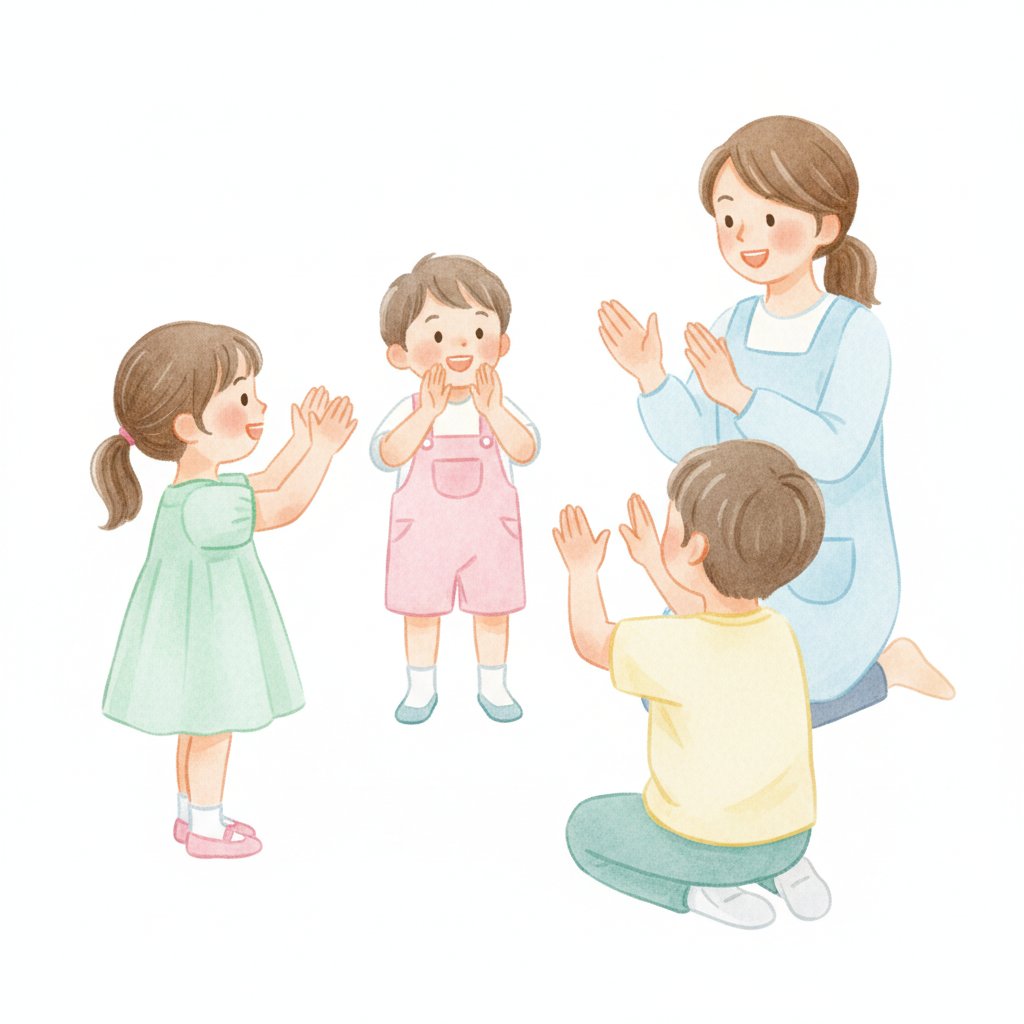
What to do: Teacher claps a rhythm. Children repeat it. Vary the pattern: slow-fast, loud-soft, simple-complex. The listening and repeating requires focus, and the physical response (clapping) uses energy constructively.

3. "If you can hear my voice..."
What to do: Teacher whispers: "If you can hear my voice, touch your nose." (Some children touch their nose.) "If you can hear my voice, touch your shoulders." (More children respond.) "If you can hear my voice, put your hands in your lap." (By now everyone is listening and responding.) The whisper naturally draws attention without raising volume.

4. Bell chime listening
Materials: A small chime or singing bowl.

What to do: Ring the chime. "Listen until you can't hear it anymore. Raise your hand when the sound disappears." The focused listening brings the group to silence naturally. It takes 10-20 seconds and works every time.

5. Body parts freeze
What to do: "Touch your head! Touch your elbows! Touch your knees! FREEZE!" The sequence of commands followed by a freeze brings attention through physical engagement. For more body parts, see our body parts guide.

Morning feelings check-in: the behavior management tool you didn't know you needed
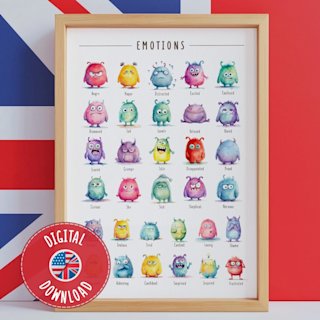
Our Emotions Monster Feelings Flashcards become a morning check-in system: as children arrive, they place their name next to the monster that matches how they feel. 'Some friends are HAPPY today! Some are TIRED! Some are NERVOUS!' Teachers can see at a glance who needs extra support. The SCARED monster next to three names means morning transitions need gentleness today. The ANGRY monster means a conflict resolution circle might be needed. 12 emotions, instant classroom climate data, proactive behavior support.

Transition Strategies (Ages 3-6)

6. Transition songs
What to do: Create specific songs for specific transitions: a clean-up song, a line-up song, a circle-time song, a hand-washing song. The song becomes the signal — when children hear it, they know what to do without a verbal command.

  • Clean-up: "Clean up, clean up, everybody everywhere! Clean up, clean up, everybody do your share!"
  • Line-up: "I'm a little choo-choo train, chugging down the lane. When I stop, you stop, then we go again!"
  • Hand-washing: "Wash, wash, wash your hands, wash them nice and clean!"

For more transitions, see our transition activities guide.

7. Five-minute warning system
Materials: Visual timer (sand timer or digital).

What to do: Before every transition: "Five more minutes! Then it's time to clean up." Show the timer. "Two more minutes!" "One more minute!" The advance warnings give children time to mentally prepare for the change, which reduces resistance. For more time concepts, see our days of the week guide.

8. Mystery walker
What to do: Before walking in the hallway: "I'm watching a MYSTERY WALKER. I won't tell you who it is. If the mystery walker walks quietly in the hallway, the whole class gets a surprise!" Every child walks quietly because they might be the mystery walker. The gamification turns hallway behavior into a positive challenge.

9. Transition job cards
Materials: Job cards with pictures.

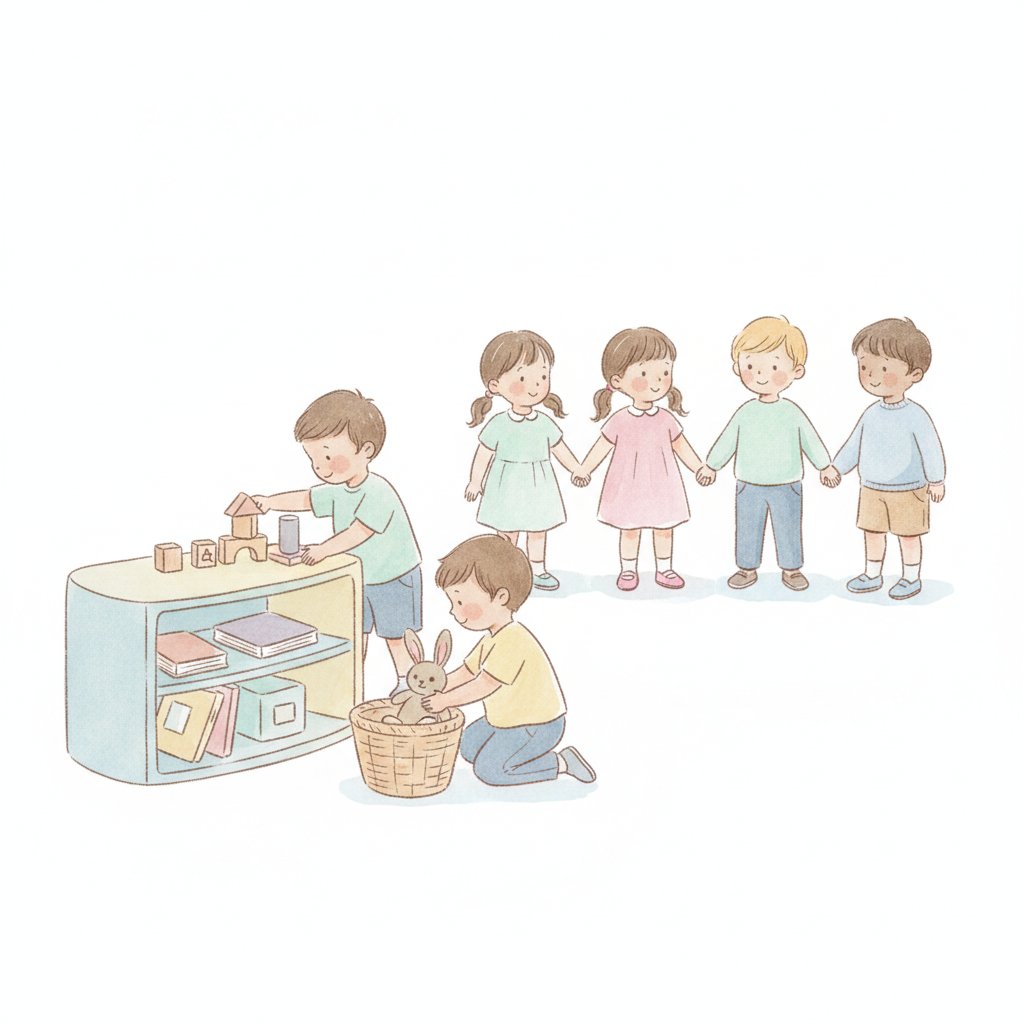
What to do: Assign transition helpers: "Jamal is the line leader today! Sofia is the caboose! Marcus is the door holder! Luna is the light switcher!" The jobs give children ownership of transitions and create a sense of responsibility. Rotate jobs weekly. For more routine ideas, see our morning routine guide.

10. Animal walks transition
What to do: Instead of "walk to the carpet," say: "Walk to the carpet like a TIGER — silent and sneaky! Walk like a PENGUIN — waddle, waddle! Walk like a BUTTERFLY — tiptoe, tiptoe!" The imagination transforms a boring transition into a movement game. For more movement, see our gross motor guide.

The first 15 minutes set the tone for the whole day
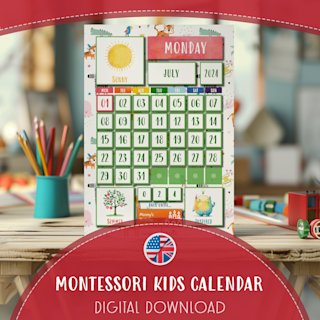
Our Morning Routine Visual Schedule Cards create a predictable arrival sequence that eliminates morning chaos: hang up backpack, sign in, check the schedule, choose a morning activity. Post the cards at the entrance. Children follow them independently — no reminding, no repeating, no managing. The visual schedule replaces the teacher's voice with a card. Children read the card, not the room. Mornings go from noisy confusion to quiet independence in days.

Calming Techniques and Quiet Strategies (Ages 3-6)

11. Breathing buddies
Materials: Small stuffed animals.

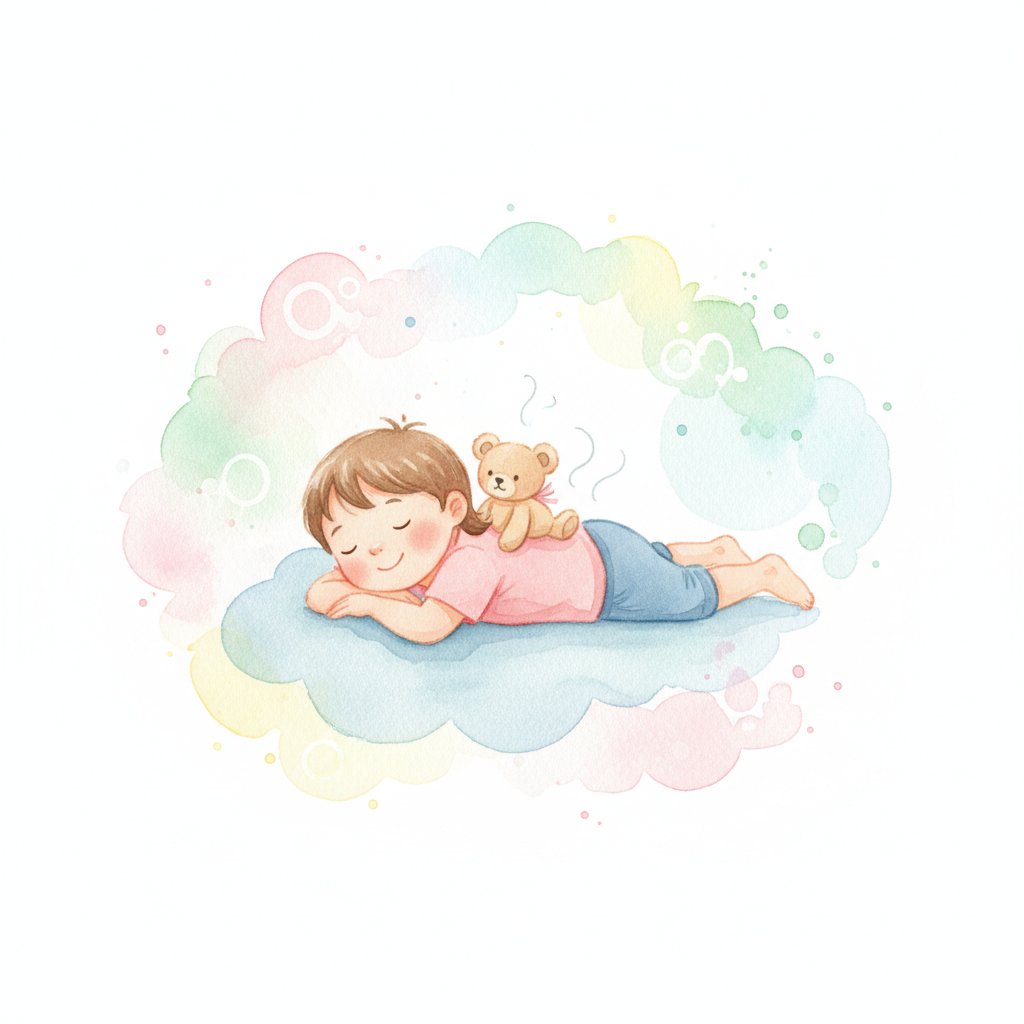
What to do: Children lie on their backs with a stuffed animal on their belly. "Breathe in slowly — watch your buddy go UP. Breathe out slowly — watch your buddy go DOWN. Make your buddy go up and down slowly like a boat on gentle waves." The visual feedback makes deep breathing concrete and fun. For more self-regulation, see our self-regulation guide.

Why it works: Young children can't abstractly "take deep breaths" — but they CAN make their stuffed animal go up and down. The stuffed animal transforms a cognitive instruction into a physical game. The breathing is real, the calming is real, but the experience is play.

12. Turtle technique
What to do: Teach the "turtle" self-regulation strategy: "When you feel upset, go into your shell. Tuck your head in, pull your arms close, take three deep breaths, and then come out when you're ready." The physical posture (tucked in) naturally calms the nervous system, and the metaphor gives children a concrete strategy.

13. Quiet corner
Materials: Small area with soft materials, sensory items, feeling cards.

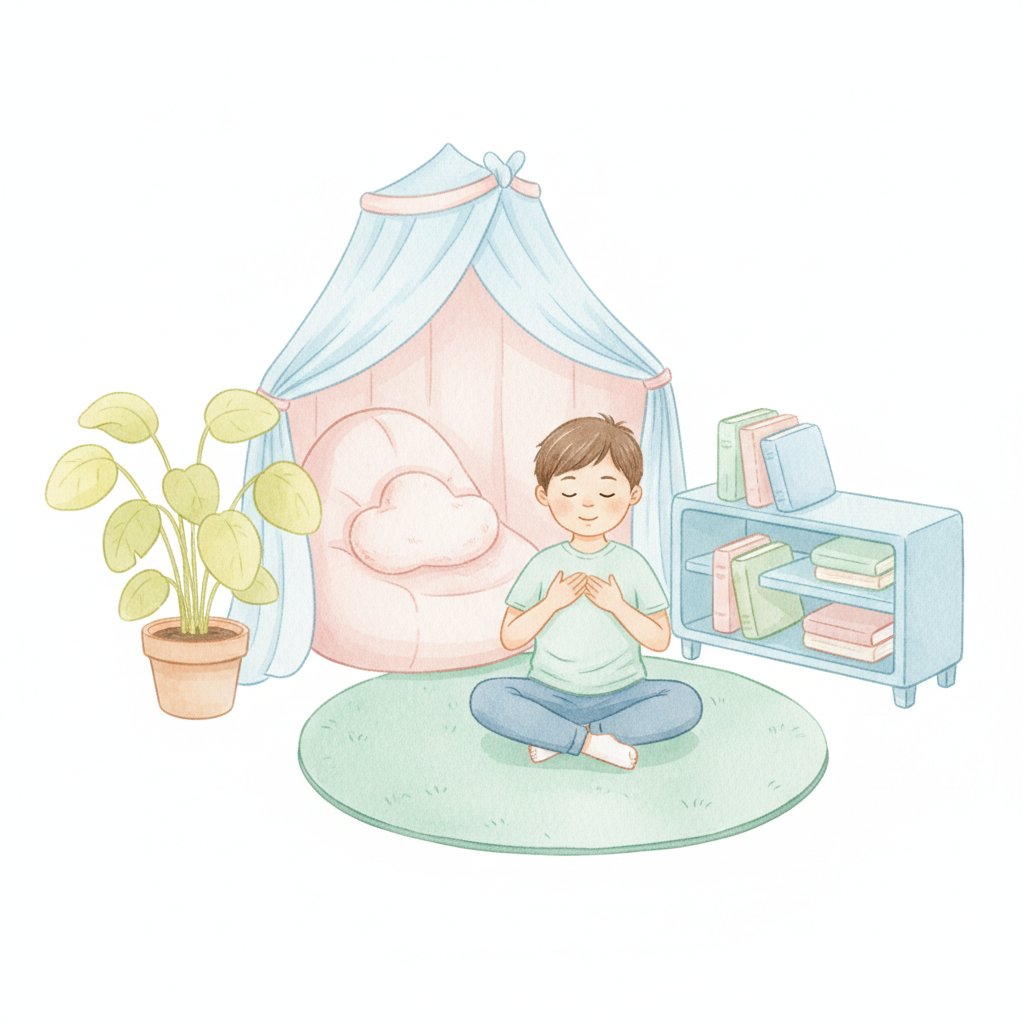
What to do: Create a designated quiet space where children can go when they need a break. Stock it with: pillows, a calm-down jar (glitter in water), feeling cards, a timer, a stuffed animal. "This is a place you can go when you need to calm your body. You can stay as long as you need. Come back when you're ready." The space teaches children that taking a break is a healthy strategy, not a punishment.

14. Counting calm-down
What to do: "Let's count to 10 together. 1... 2... 3..." Count slowly together. The shared counting does three things: (1) gives the child something to focus on besides the feeling, (2) provides a structured interaction with a caring adult, (3) creates a time buffer between the trigger and the reaction.

15. Progressive muscle relaxation for kids
What to do: "Squeeze your hands into tight fists — squeeze, squeeze, squeeze — NOW LET GO! Squeeze your shoulders up to your ears — squeeze, squeeze — NOW LET GO! Squeeze your face all tight — NOW LET GO!" The squeeze-and-release pattern physically relaxes muscles and teaches body awareness. For more body awareness, see our body parts guide.

Positive Behavior Support Activities (Ages 3-6)

16. Behavior expectation modeling
What to do: DON'T tell children the rule. SHOW them. "Watch how I walk in the classroom. (Walk slowly, quietly.) Now watch how I DON'T walk. (Run, bump into things.) Which way is better? Show me the good way!" The contrast between correct and incorrect modeling is more powerful than any lecture. Children are visual learners — they need to SEE the expectation.

Why it works: The brain learns behaviors through observation and imitation, not through verbal instruction alone. When children watch you demonstrate the expected behavior (and its opposite), they create a clear mental model of what to do. The "show me" follow-up converts observation into practice.

17. Catch them being good
What to do: Specifically narrate positive behavior: "I see Maria sharing her crayons with Jayden. That's KINDNESS!" "I notice that everyone cleaned up without being asked. That's RESPONSIBILITY!" The specific narration teaches children exactly which behaviors are valued — and the public recognition motivates others to do the same. For more kindness activities, see our kindness guide.

18. Problem-solving peace table
Materials: Small table, two chairs, a "talking piece."

What to do: When two children have a conflict, guide them to the peace table. Each child holds the talking piece and states their perspective: "I was playing with that truck." "But I wanted a turn!" Then ask: "What could you do that works for BOTH of you?" The structured format teaches conflict resolution as a skill. For more social skills, see our social skills guide.

19. Visual classroom rules
Materials: Poster with simple rules and pictures.

What to do: Create 4-5 simple rules with pictures: gentle hands, walking feet, listening ears, kind words. Review them daily at circle time. "What does 'gentle hands' look like? Show me!" The visual rules provide a reference point that children can check independently.

20. Choice board
Materials: Board with activity choices.

What to do: When a child is off-task or disruptive, redirect to the choice board: "It looks like you need something different to do. Would you like to read a book, do a puzzle, or draw at the art table?" The choice gives the child autonomy (they choose) while the teacher controls the options (all are appropriate). For more choice-based learning, see our quiet time guide.

Weather watch: a daily classroom ritual
Our Weather Flashcards create a daily classroom management ritual that teaches science AND builds community: at circle time, the weather helper selects today's card and posts it on the weather chart. 'Today is SUNNY and WARM! What should we wear outside?' The ritual gives one child a leadership role, teaches weather vocabulary, builds observation skills, and creates a predictable routine that anchors the morning. Weather check=science + responsibility + community + routine. One activity, four learning outcomes.
1.How do I manage a preschool classroom without using timeouts?
Replace timeouts with "time-ins": stay with the child and help them regulate. "I can see you're upset. Let's take some deep breaths together." The goal is to teach self-regulation, not to punish dysregulation. A child in timeout learns that big feelings lead to isolation. A child in a "time-in" learns that big feelings are manageable with support. Over time, they internalize the calming strategies and use them independently.
2.What is the most effective attention getter for preschool?
The one you use consistently. Any attention getter works if (1) you teach it explicitly on day one, (2) you use it the same way every time, and (3) you wait for full compliance before moving on. Inconsistency is the enemy of attention getters. Pick 2-3 and rotate them — children respond to variety within a predictable framework.
3.How do I handle a child who consistently disrupts circle time?
First, check your circle time length — many teachers run circles that are too long for the age group (5-7 minutes max for 3-year-olds, 10-12 for 5-year-olds). Give the child a fidget tool or a special job (hold the puppet, turn pages). Position them near you. If the behavior continues, create an alternative activity nearby: "You can listen from the cozy corner." The goal is inclusion with support, not exclusion through removal.
4.How can I get children to clean up without nagging?
Make clean-up a game, not a chore: "Can we clean up before the song ends?" "Who can find THREE blue things to put away?" "Let's play 'freeze clean-up' — clean up until I say freeze!" The gamification transforms a duty into a challenge. Also: make sure everything has a labeled, pictured home. Children can't put things away if they don't know where they go.