Articles8 min read

Complete Classroom Poster Set Guide for Teachers

Your essential guide to choosing the best classroom poster set teachers printable resources for every subject and grade level.

Complete Classroom Poster Set Guide for Teachers

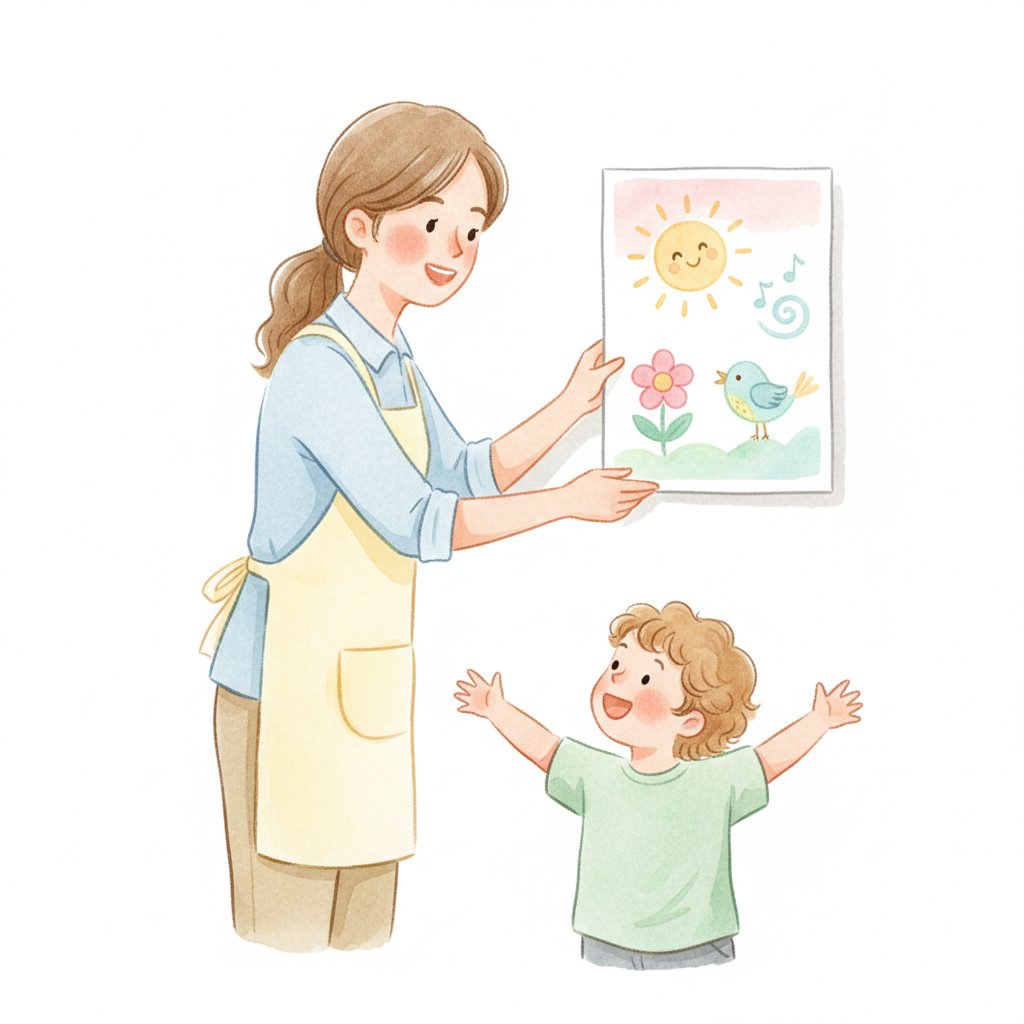
The right classroom posters do more than brighten your walls — they create a rich learning environment that supports academic growth, emotional development, and student engagement every day. But finding the perfect classroom poster set teachers printable solution can feel overwhelming when you're staring at hundreds of options online.

Whether you're setting up your first classroom, refreshing your space for a new term, or looking for subject-specific visual aids that support your curriculum, this guide covers everything you need to know. We'll walk through what makes a great poster set, which subjects benefit most from visual displays, how to choose age-appropriate designs, and where to find high-quality resources that won't stretch your teacher budget.

The best part? Printable poster sets give you instant access, unlimited printing, and the freedom to resize and adapt materials to fit your unique classroom space — no waiting for shipping, no settling for generic designs that don't match your teaching style.
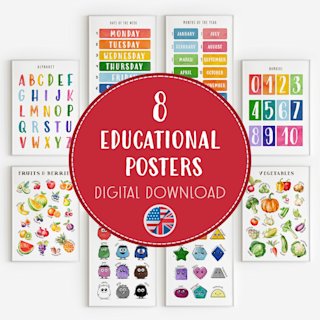
Why Classroom Poster Sets Matter

Research shows that well-designed classroom displays boost student learning. A study by the University of Salford found that the physical learning environment accounts for up to 16% of the variation in student progress over a year.

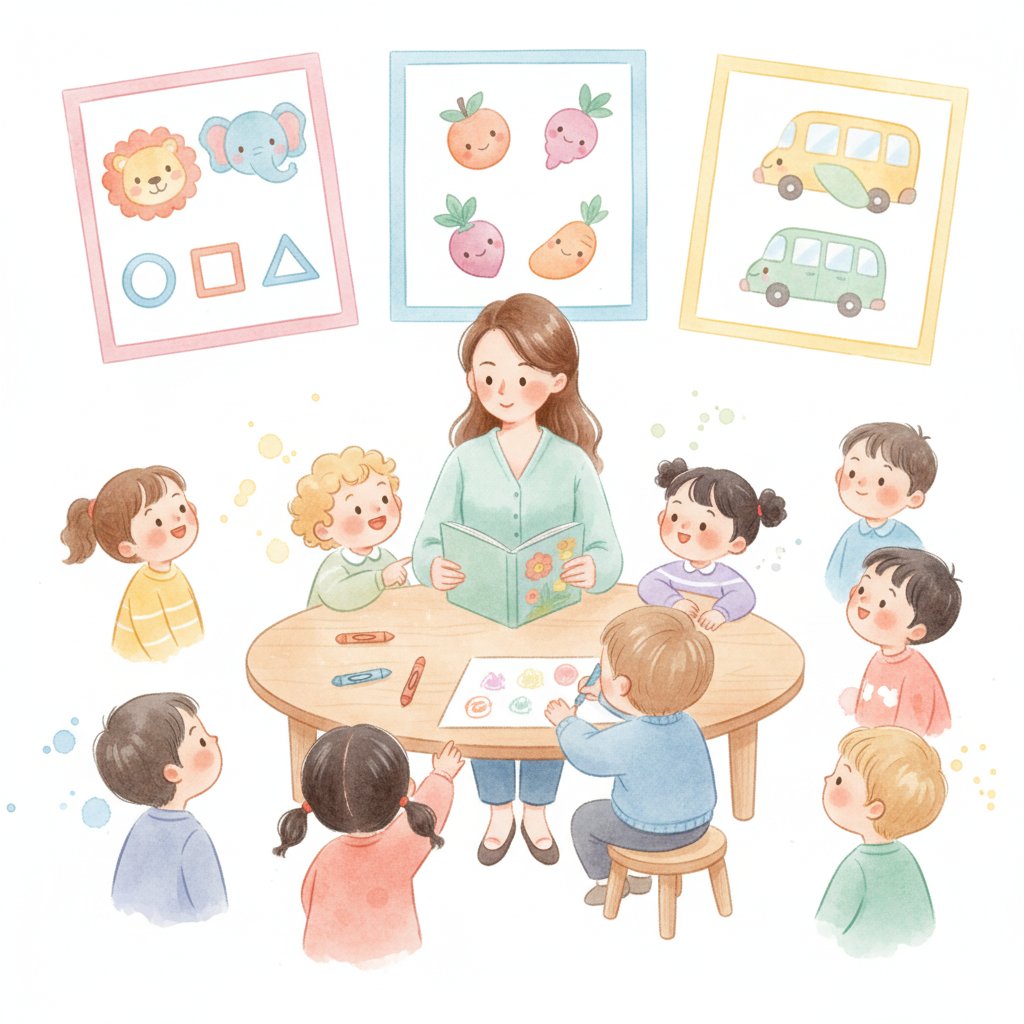
Think of posters as silent teaching assistants. While you're working with a small group at the reading table, the alphabet poster on the wall helps another student remember the letter "b." The emotions poster near the calm-down corner gives a frustrated child the vocabulary to name what they're feeling. For children starting school for the first time, walking into a thoughtfully decorated room eases anxiety and builds excitement.

Beyond academics, posters set the emotional tone of your classroom. Warm, colourful displays tell students "this space was prepared for you" and create a sense of belonging and community. They signal that this is a place where learning is celebrated and every emotion is acknowledged.

Essential Poster Types Every Classroom Needs

A truly effective classroom poster set covers multiple learning domains. Here are the essential categories.

Social-Emotional Learning (SEL) Posters

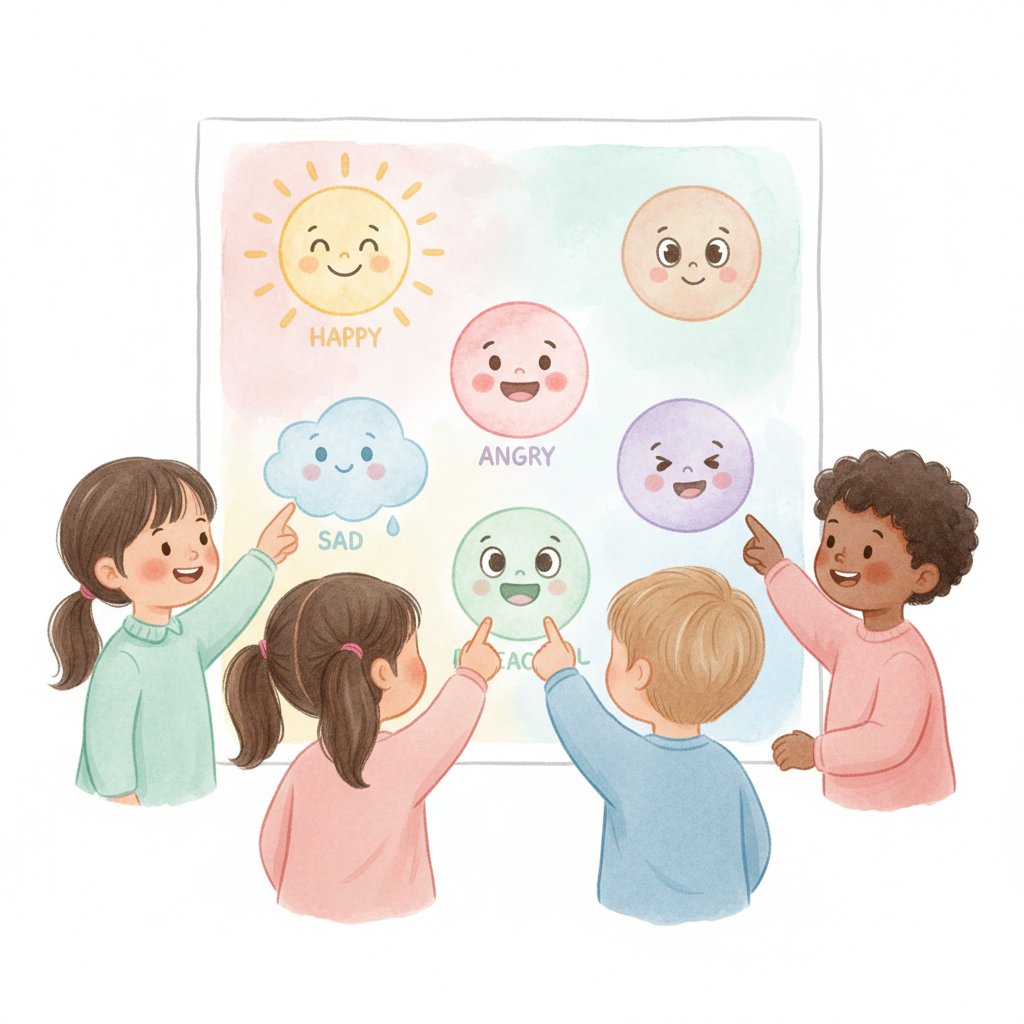
SEL posters are among the most impactful displays you can choose. When children see visual reminders of emotions, coping strategies, and social skills at their eye level, they develop emotional literacy more quickly. Look for sets with emotion wheels, calm-down strategy cards, growth mindset messages, and kindness reminders.

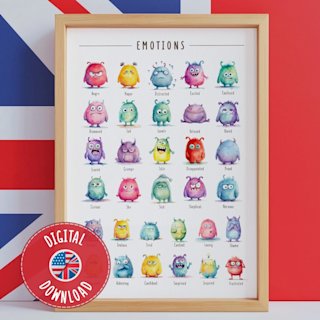
Our Emotions & Feelings collection features friendly watercolour monster characters that make emotional learning approachable and fun for young children.

Alphabet and Phonics Posters

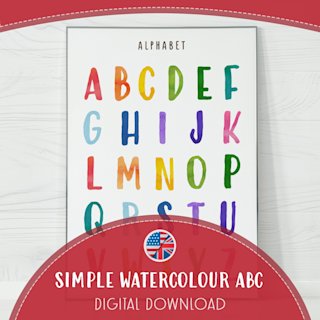
A cornerstone of early years classrooms, alphabet posters reinforce letter recognition and phonics sounds. Display them at children's eye level near writing centres where they'll be referenced during independent work.

Number and Maths Posters

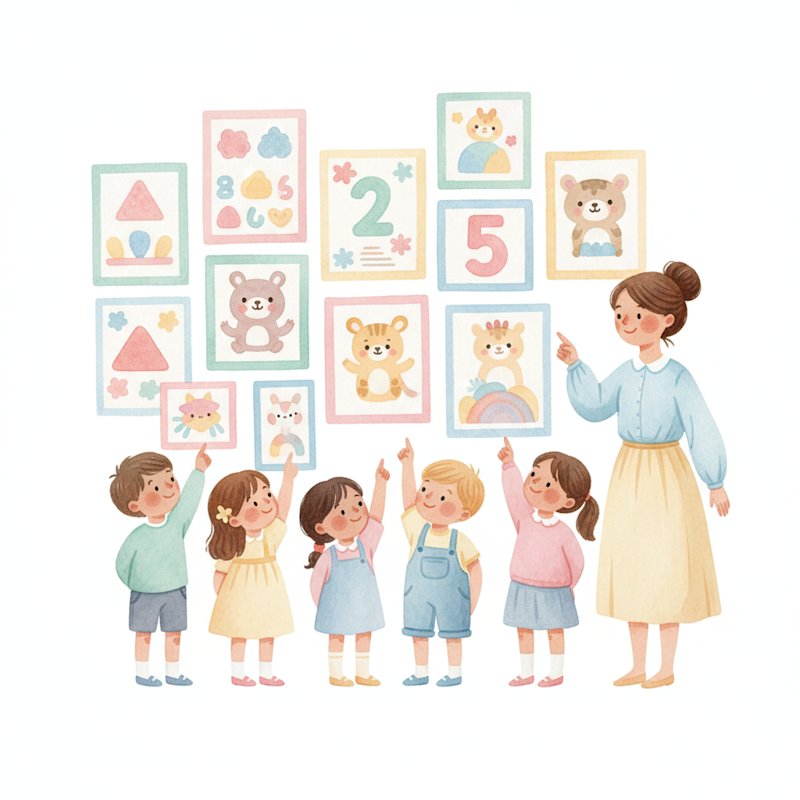
Number lines, hundred charts, and counting posters give children visual anchors for mathematical thinking. For younger learners, posters combining numerals with quantities build number sense from the ground up.

Classroom Rules and Routines

Positively-framed visual reminders of expectations help children self-regulate without constant verbal reminders. "We use kind words" works far better than "No mean words." Display routine posters at transition points — near the door for morning arrivals, above sinks for handwashing reminders, and at the carpet area for circle time expectations.

Choosing Posters by Grade Level

Pre-K and Reception (Ages 4–5)

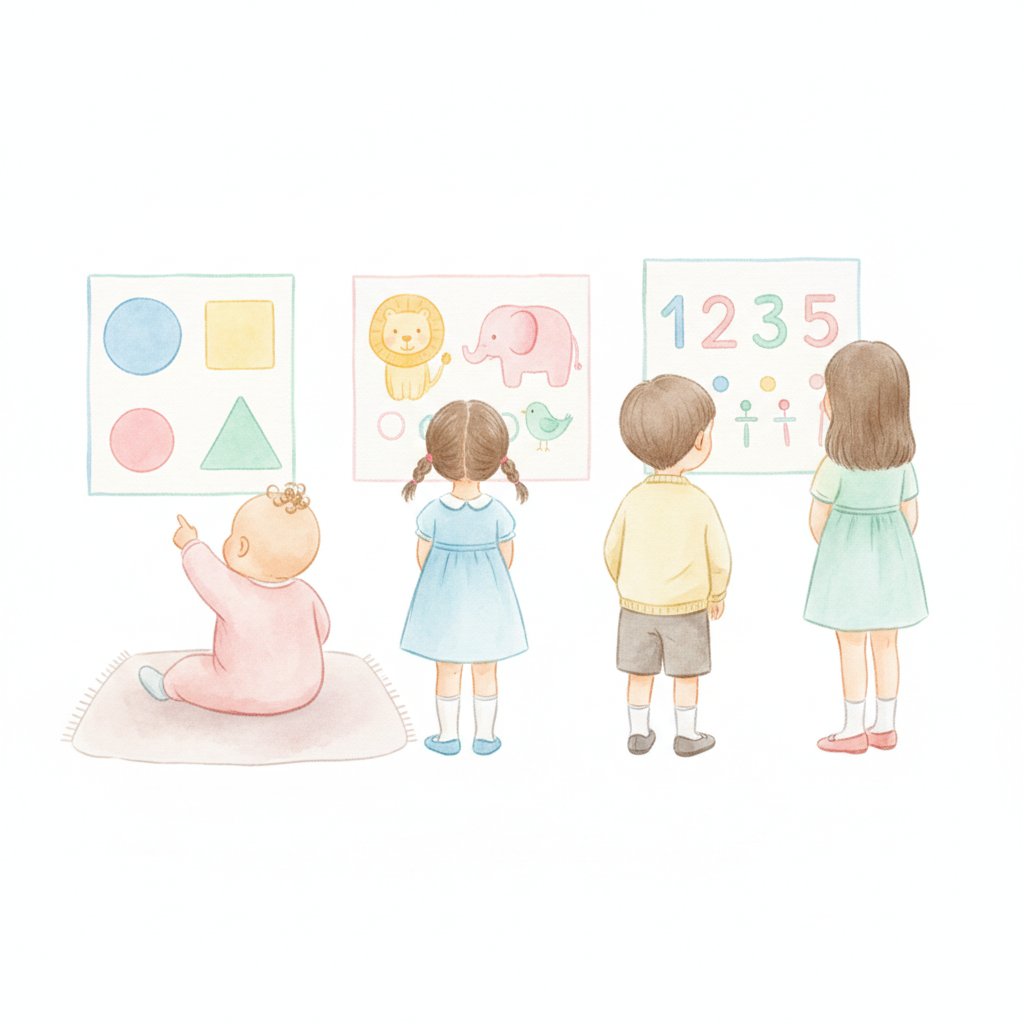
Bold, simple visuals with minimal text. Focus on basic emotions (happy, sad, angry, scared, calm), alphabet with pictures, numbers 0–10, colours, shapes, and daily routine visual schedules. Choose friendly characters and warm colours.

Years 1–2 (Ages 5–7)

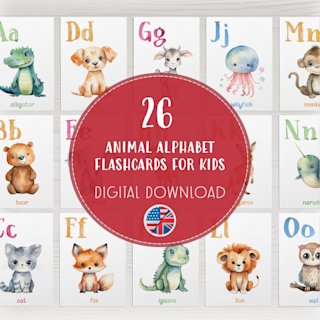
Children are reading now, so include more text: phonics sound charts, sight word walls, number bonds, expanded emotion vocabulary, and writing process reminders. This age group benefits from printable learning cards displayed alongside posters for hands-on interaction.

Years 3–5 (Ages 7–11)

Older pupils need reference materials rather than decorative displays: multiplication tables, grammar guides, science topic posters, complex emotions and coping strategies, and world maps. Involve students in choosing which posters to display — ownership increases engagement.

Themed Classroom Poster Sets

A themed approach creates visual harmony. Here are popular themes that work beautifully with printable poster sets.

Nature and Growth

Forest greens and earthy tones create a calm, grounded atmosphere. Pair growth mindset posters with tree and plant imagery to reinforce the message that learning is a growing process. Create a "Reading Garden" corner with leaf-shaped book recommendation cards and a reading growth chart poster, or a "Feelings Forest" with emotion characters nestled among illustrated trees. This theme works particularly well for classrooms that value calm, reflective learning environments.

Animal Friends

Friendly animal characters make learning approachable. Use emotion animals where each feeling is represented by a different creature, a "Number Zoo" counting wall, or an "Alphabet Safari" letter display.

Monster SEL Theme

Quirky, colourful monster characters remove the intimidation from emotional learning. Children relate to friendly monsters expressing big feelings — making this theme especially effective for classroom posters and wall art. Create a "Feelings Monster Corner" with emotion posters and a "Calm Monster Strategy Station."

Seasonal Poster Rotation Guide

Refreshing displays throughout the year maintains student interest and aligns posters with your current topics.

Autumn Term: Classroom rules, morning routines, growth mindset, harvest vocabulary, emotions and friendship displays.

Spring Term: Fresh-start goals, science topics (life cycles, weather), expanded maths references, resilience and perseverance posters.

Summer Term: Revision and topic summary posters, transition support displays, outdoor learning vocabulary, and celebration of achievements.

Printable sets make seasonal rotation affordable — simply print new sets each term rather than buying expensive pre-laminated versions. Store used posters in labelled folders for reuse next year.

Free vs. Paid Printable Poster Sets

When Free Works

You need a quick single poster for a specific lesson, you're supplementing an existing display with one or two additions, or you want to try a style before committing to a full set. Free posters vary enormously in quality — many are created as marketing tools rather than educational resources, so design quality and pedagogical accuracy can be inconsistent. Always check that facts, spellings, and age-level appropriateness meet your standards.

When Paid Sets Are Worth It

You need a coordinated set with consistent style and formatting, high-resolution artwork that looks professional when printed at poster size, comprehensive coverage across multiple topics, and you value your time. A single quality set covering emotions, alphabet, numbers, and routines often costs less than the printing and laminating materials you'd spend organising a patchwork of free downloads.

What to Look for in Any Set

  • Resolution: At least 300 DPI for crisp poster-size printing
  • Font readability: Clear, child-friendly fonts at appropriate sizes
  • Content accuracy: Double-check facts, spellings, and age-appropriateness
  • Licence terms: Confirm you can print multiple copies for your classroom

Printing and Display Tips

Paper and Printing

Use 200gsm cardstock for durability. Set your printer to best quality for text-heavy posters. Always test-print one page first to check colours and sizing before printing the full set. Most printable posters work at A4 or US Letter size and can scale to A3 for larger displays.

Laminating

Lamination extends poster life from one term to several years. Budget alternatives include dry-erase pockets or clear contact paper. Sometimes printing multiple replacement copies is cheaper than laminating if you're using your own printer.

Display Strategy

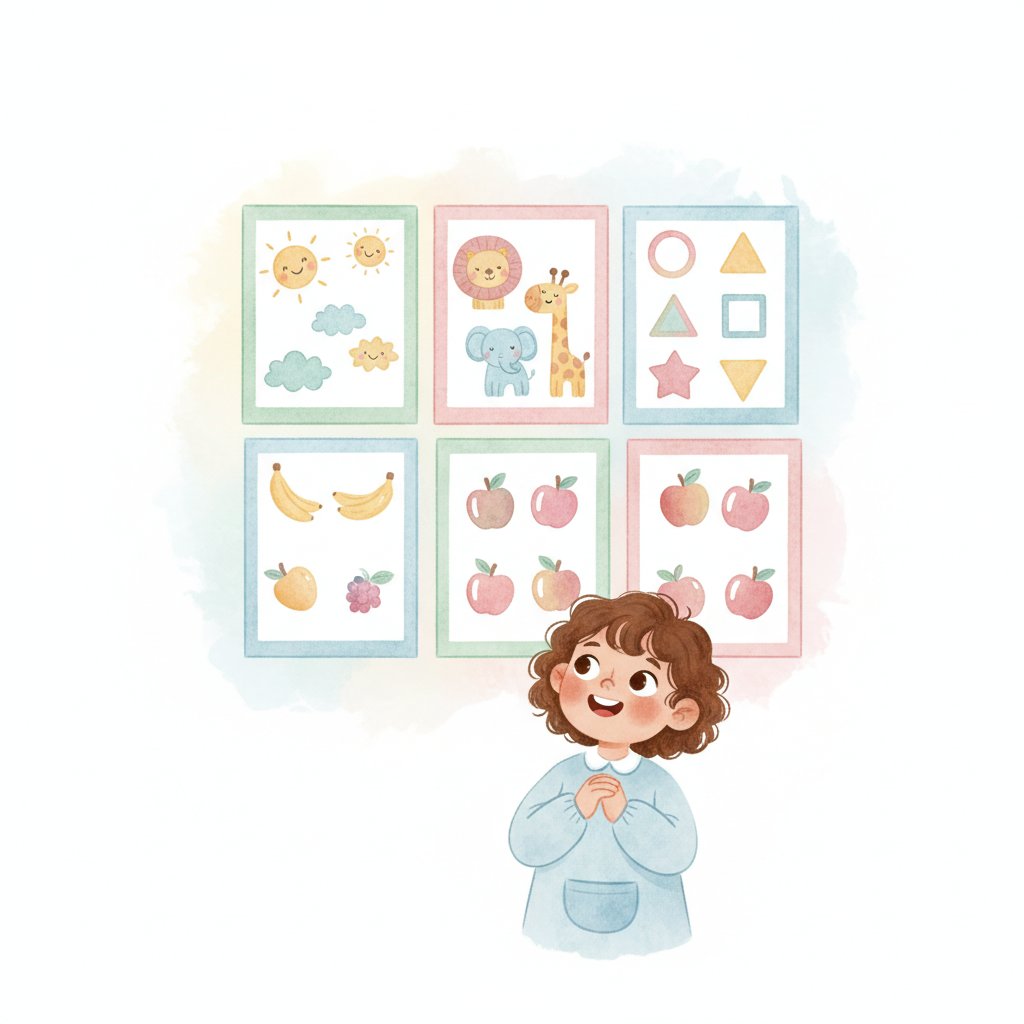
Place posters at children's eye level, not adult eye level. Position alphabet posters near writing areas, number posters near maths stations, and emotion posters near calm-down corners. A few well-placed posters are more effective than visual clutter on every wall.

Building Your Complete Classroom Poster Kit

Start with this 20-poster foundation:

SEL (6 posters): Emotion chart, calm-down strategies, growth mindset, kindness reminder, feelings check-in, problem-solving steps.

Literacy (5 posters): Alphabet with phonics, sight words, writing process, punctuation guide, story elements.

Maths (5 posters): Number line or hundred chart, 2D/3D shapes, counting with quantities, addition/subtraction strategies, multiplication reference.

Classroom Management (4 posters): Rules (positively framed), daily schedule, voice levels, hygiene reminder.

Once your foundation is in place, add topic-specific posters as your curriculum demands: science topics, geography references, history timelines, art techniques, and foreign language vocabulary. Build gradually rather than trying to create the perfect classroom in one shopping trip.

Frequently Asked Questions

What size should classroom posters be?

Most printable posters are designed at A4 or US Letter size. For more impact, print at A3 or tabloid size. Many teachers arrange four A4 posters as a larger composite display.

How many posters should I display?

Aim for 15–25 posters across all walls, spaced to avoid clutter. Younger classrooms benefit from fewer, larger posters (10–15). Older student rooms can accommodate more reference-style displays (20–25).

What makes a good SEL poster set for young children?

Friendly, relatable characters, clear emotion labels, diverse vocabulary beyond "happy" and "sad," and practical strategies children can actually use. Look for warm, inviting designs — not clinical or abstract.

Are printable sets as good as store-bought?

Quality printable sets offer the same content with the added advantages of instant delivery, unlimited reprints, and customisable sizing. Laminate your printables for similar durability to store-bought versions.

Creating Your Ideal Learning Environment

The right classroom poster set teachers printable resources transform your teaching space into an engaging, supportive learning environment. By choosing quality posters covering social-emotional learning, core academics, and classroom management — and displaying them thoughtfully with seasonal rotation — you create a space where every child feels welcomed and inspired to learn.

Start with the 20-poster foundation, build gradually as your curriculum evolves, and refresh your displays throughout the year. Printable resources make this process affordable and flexible, giving you the freedom to create a classroom that truly reflects your teaching style and your students' needs.

Remember: the best classroom displays aren't the most expensive or the most elaborate. They're the ones children actually use, reference, and connect with throughout their school day. Choose quality, display with intention, and watch your posters become silent teaching partners that support learning all year long.

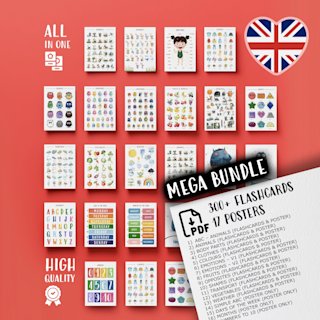
Ready to get started? Explore our Emotions & Feelings collection, browse Posters & Wall Art for classroom decor, or discover printable flashcards and learning cards to build your complete classroom resource kit.