Articles6 min read

Articles6 min read

Why Classroom Posters Matter

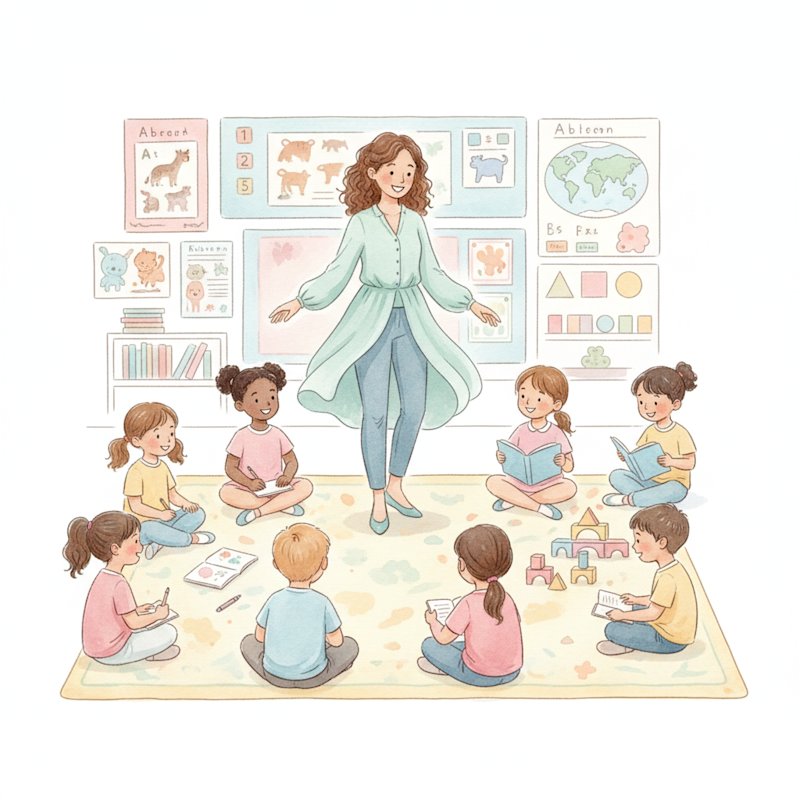
Walk into any effective K–5 classroom and you will see walls covered with purposeful displays. Classroom posters for teachers are not just decoration — they are silent teaching assistants that reinforce concepts, support routines, and create an environment where learning happens naturally.

Research consistently shows that well-designed classroom displays improve student engagement and retention. Children reference wall posters dozens of times per day, often without realizing it. A number line poster helps with math. An alphabet strip supports reading. A feelings chart builds emotional vocabulary.
This guide covers every type of classroom poster, how to use them effectively, and free printable options you can download and use today.

For help planning which posters to put where, our classroom decor ideas for preschool guide covers room layout and learning zones. If you teach older grades, see our complete SEL guide for elementary classrooms for social-emotional display ideas.
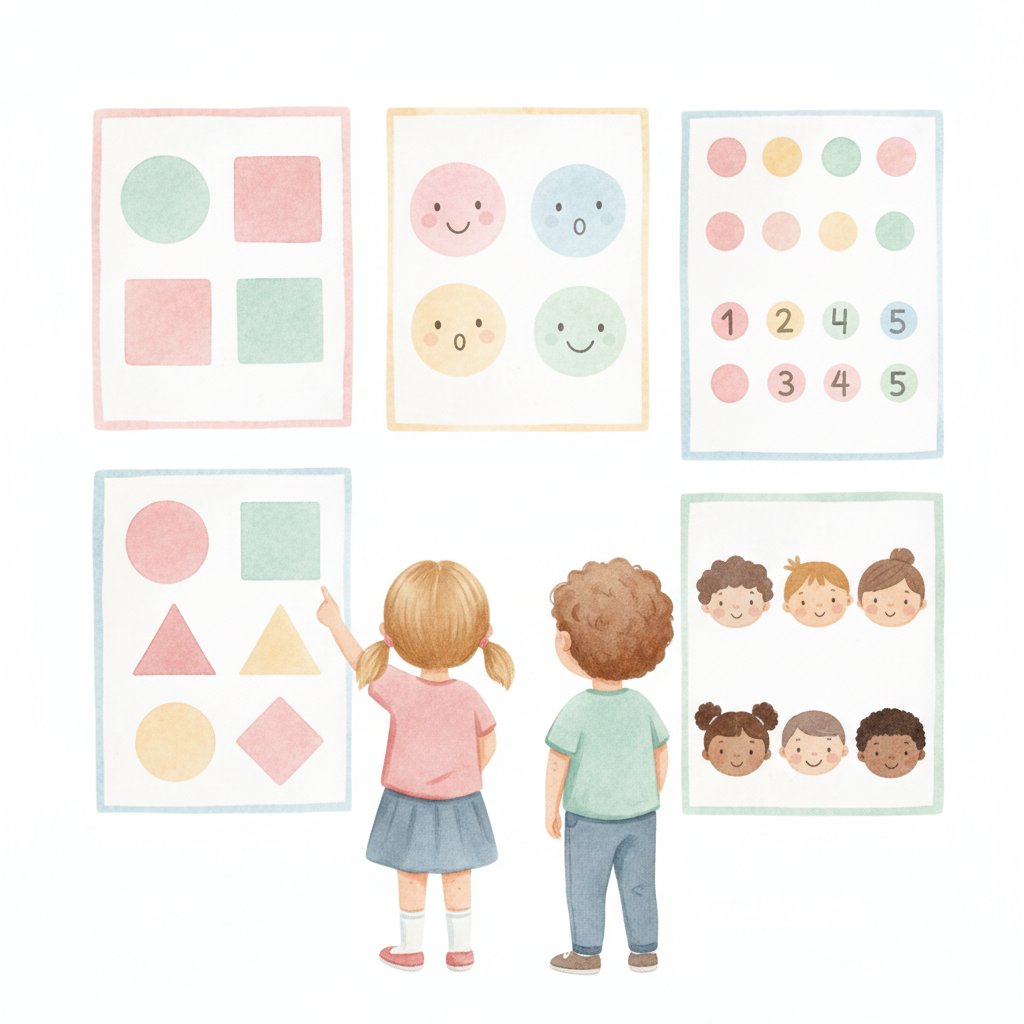
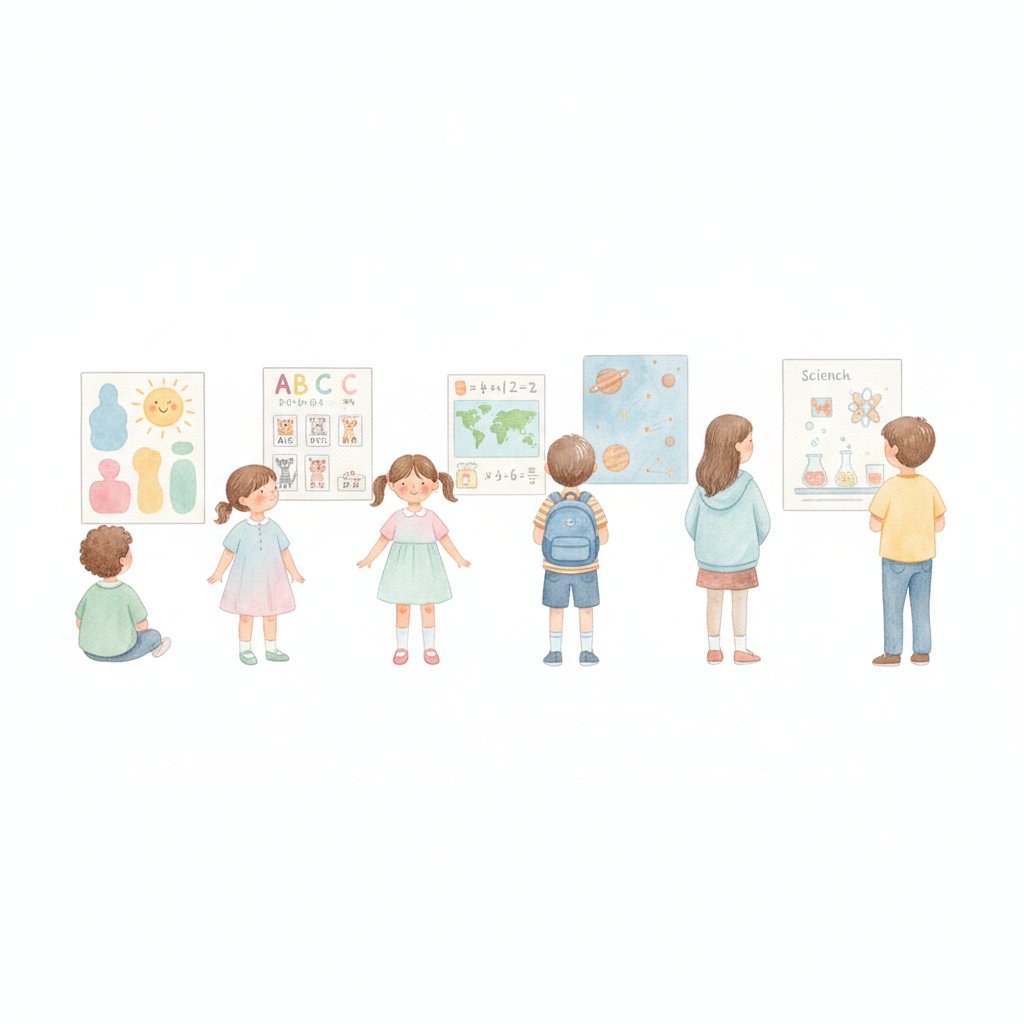
Types of Classroom Posters

Academic Posters

  • Alphabet posters — Letter recognition, phonics, handwriting reference. Essential for K–1. See our alphabet posters for preschool guide.
  • Number posters — Counting, number recognition, number words. See our number posters for classroom guide.
  • Color and shape posters — Color identification, 2D and 3D shapes. Our color posters for preschool guide covers these.
  • Sight word walls — High-frequency words organized by level. Builds reading fluency.
  • Word walls — Subject-specific vocabulary organized thematically.

Social-Emotional Posters

  • Feelings charts — Emotion faces with labels. Children point to how they feel.
  • Calm-down strategy posters — Breathing exercises, counting techniques, safe space reminders.
  • Growth mindset posters — "Mistakes help me learn" and similar messages.
  • Classroom rules and expectations — Visual reminders of behavior standards.

Organization and Routines

  • Daily schedule — Visual timetable with pictures and times.
  • Classroom jobs chart — Who does what, rotated weekly.
  • Voice level chart — 0 (silent) to 4 (outside voice) with descriptions.
  • Line-up and transition cues — Visual prompts for smooth movement.

Subject-Specific Posters

  • Science — Life cycles, parts of a plant, weather chart, solar system
  • Math — Number bonds, addition/subtraction strategies, fractions, time
  • Reading — Reading strategies, story elements, genre types
  • Writing — Writing process steps, sentence starters, punctuation marks

Posters by Grade Level

Preschool and Pre-K (Ages 3–4)

Focus on foundational concepts with bright, simple visuals:

  • Alphabet with pictures (A is for Apple)
  • Numbers 1–10 with counting dots
  • Colors with real objects (red apple, blue sky)
  • Basic shapes (circle, square, triangle, rectangle)
  • Feelings faces (happy, sad, angry, scared, surprised)
  • Daily schedule with photos

Wall coverage: Keep 30–50% of wall space open. Too many visuals overwhelm young children.

Kindergarten (Ages 5–6)

Add academic content alongside the basics:

  • Alphabet with handwriting lines
  • Numbers 1–20 with ten frames
  • Sight words (first 50)
  • Calendar and weather
  • Classroom rules with illustrations
  • Classroom decor ideas for preschool work great for kindergarten too

Wall coverage: 50–70% of wall space used. Children should be able to reference posters from their seats.

Grades 1–3 (Ages 6–8)

Replace foundational posters with content that supports curriculum:

  • Word wall with grade-level vocabulary
  • Math strategies (addition, subtraction, place value)
  • Writing process poster
  • Reading strategies (predict, question, summarize)
  • Growth mindset quotes
  • SEL activities for elementary poster references

Wall coverage: 60–80%. Children actively use wall displays as learning tools.

Grades 4–5 (Ages 9–10)

Shift to reference materials and thinking frameworks:

  • Math reference (multiplication, fractions, geometry)
  • Science vocabulary and diagrams
  • Writing rubrics and checklists
  • Research and note-taking strategies
  • Collaborative norms and discussion guidelines

Best Practices for Using Classroom Posters

Placement

  • Eye-level for students — Posters children need to reference should be at their eye level, not adult eye level
  • Near related activities — Put the number line near the math center, the alphabet near the reading nook
  • Leave white space — A cluttered wall is harder to scan than a curated one
  • Rotate seasonally — Swap displays every 6–8 weeks to keep the environment fresh

Design Principles

  • One concept per poster — Do not cram multiple ideas onto one page
  • Clear, readable fonts — Avoid decorative fonts that are hard to read from a distance
  • High contrast — Dark text on light backgrounds works best
  • Consistent color coding — Use the same colors for the same concepts across all posters (e.g., vowels always red)
  • Real photos when possible — Especially for science and vocabulary

Interactive Displays

The best classroom posters are not static. Make them interactive:

  • Velcro attachable pieces — Children add words to the word wall, dates to the calendar
  • Dry-erase surfaces — Laminate posters so students can write on them
  • Clothespin clips — Students clip their name to their answer choice on a chart
  • Sticky note responses — "What I learned today" boards where students post notes

Printing Classroom Posters

Size Guide

  • Full page (8.5×11") — Individual reference cards, desk displays, small group tools
  • Tabloid (11×17") — Standard poster size, visible from desks. Most versatile.
  • Large format (18×24" or 24×36") — Wall displays visible across the room. Best for alphabet lines, number lines, and rules.
  • Banner (11×whatever length) — Alphabet strips, number lines, daily schedules that span a wall

Paper and Finishing

  • Cardstock (65–80 lb) — Durable enough for standard use
  • Lamination (3–5 mil) — Essential for posters children will touch or write on
  • Poster print shops — For large format prints, local print shops often cost less than home ink for big sizes

Cost-Saving Tips

  • Print at school if your school has a color printer
  • Share sets with grade-level teammates — each person prints different posters
  • Use black-and-white versions for coloring activities — students personalize them
  • Laminate once, use for years

Connecting Decor to Emotional Learning

Classroom posters do more than teach academics. The right displays support emotional development and classroom community.

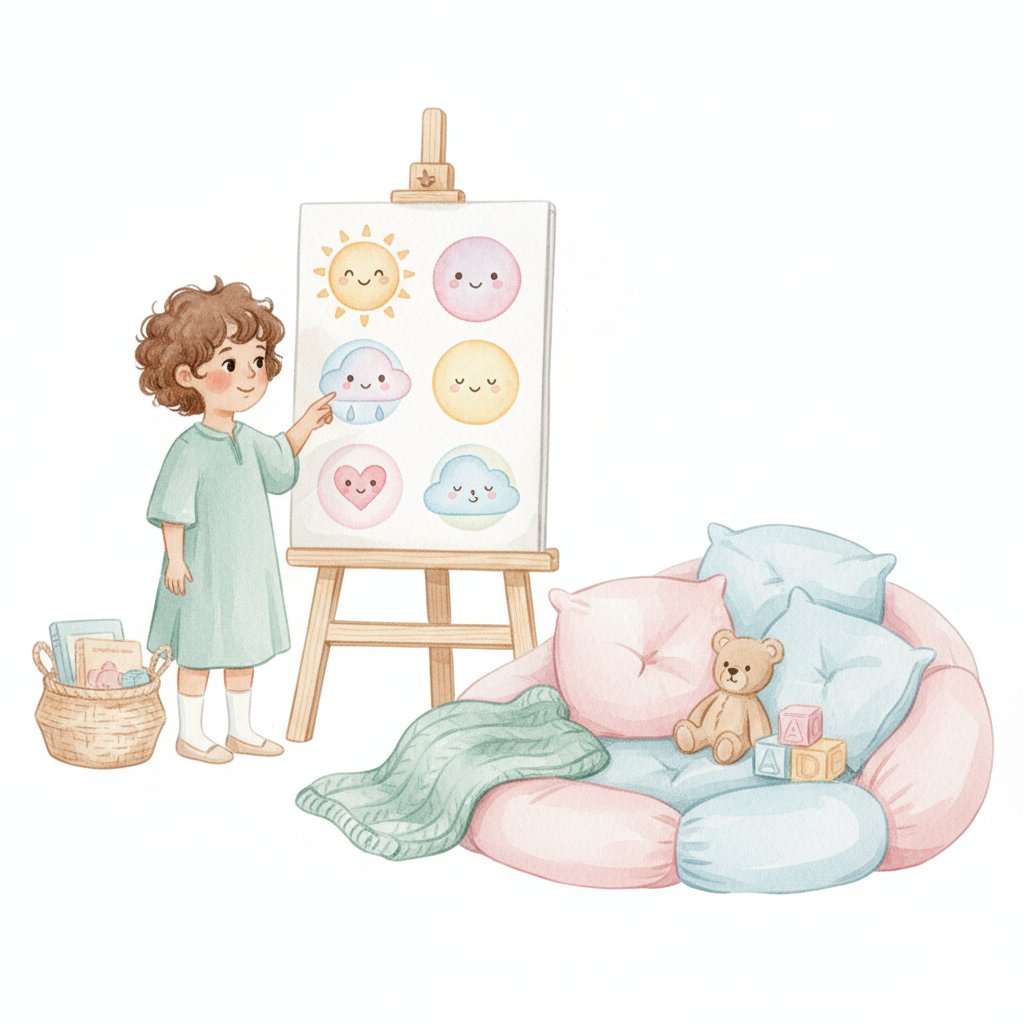
A feelings chart on the wall gives every child a way to communicate their emotional state — even those who cannot yet express it in words. Our printable feelings chart for kids and Monster Feelings Flashcards serve this purpose perfectly: 20 watercolor monsters representing different emotions that children can point to, name, and discuss.

Pair emotional displays with:

  • A calm-down corner poster showing breathing exercises
  • A classroom expectations chart co-created with students
  • A "kindness tracker" wall where students note acts of kindness
  • Growth mindset phrases displayed at eye level

These emotional and behavioral displays create a psychologically safe classroom where children feel seen and supported.

For more ways to build emotional literacy through visuals, see our classroom feelings chart activities guide.

Build Your Classroom Display Toolkit

Classroom posters for teachers are a small investment with outsized impact. A well-placed alphabet poster teaches letter sounds all year. A feelings chart prevents behavioral escalations. A math strategy poster builds independence during work time.

Start with the essentials — alphabet, numbers, and a feelings chart — then add subject-specific posters as your curriculum demands. Rotate displays every few months to keep the space fresh without overwhelming your students.

Pair your poster strategy with active learning activities from our kindergarten readiness checklist for parents and beginning reading activities for kids.

More Resources