Articles8 min read

The Five-Minute Clean Up That Actually Took Five Minutes

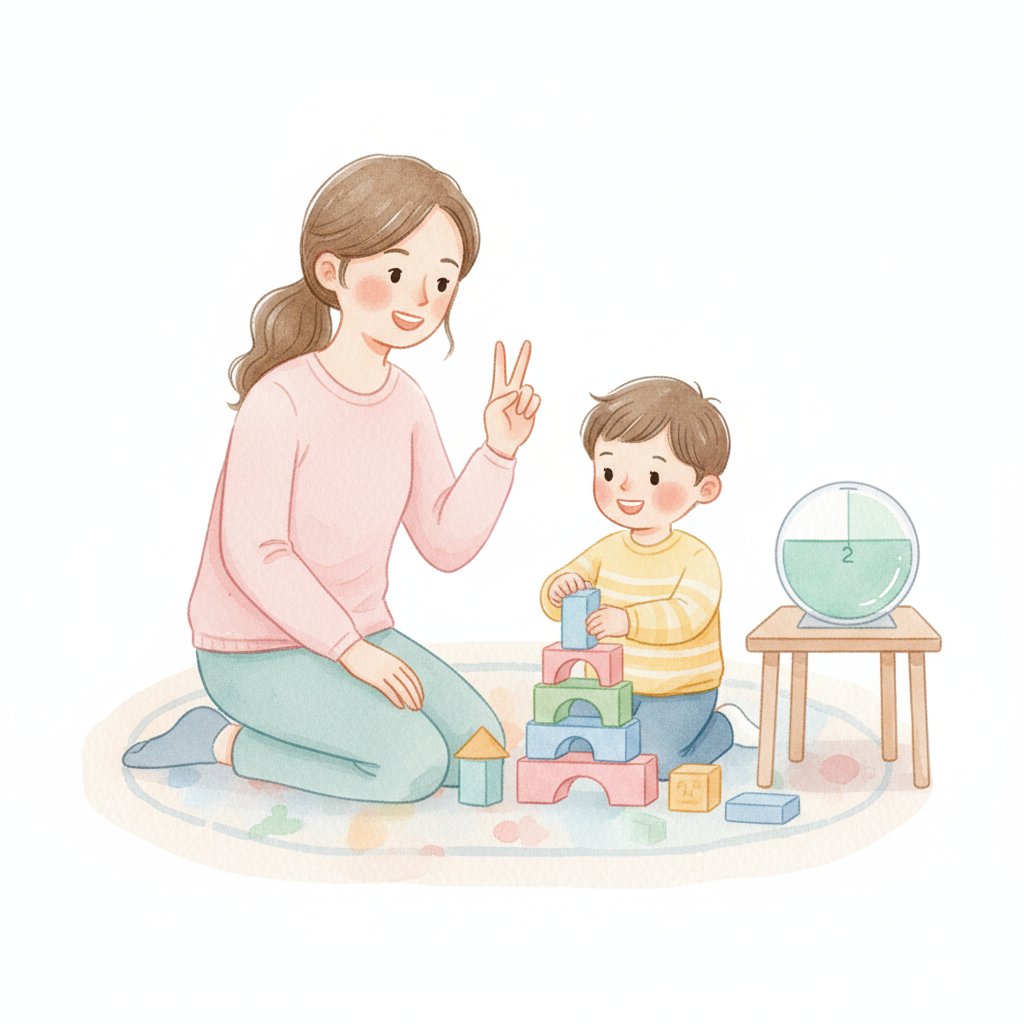
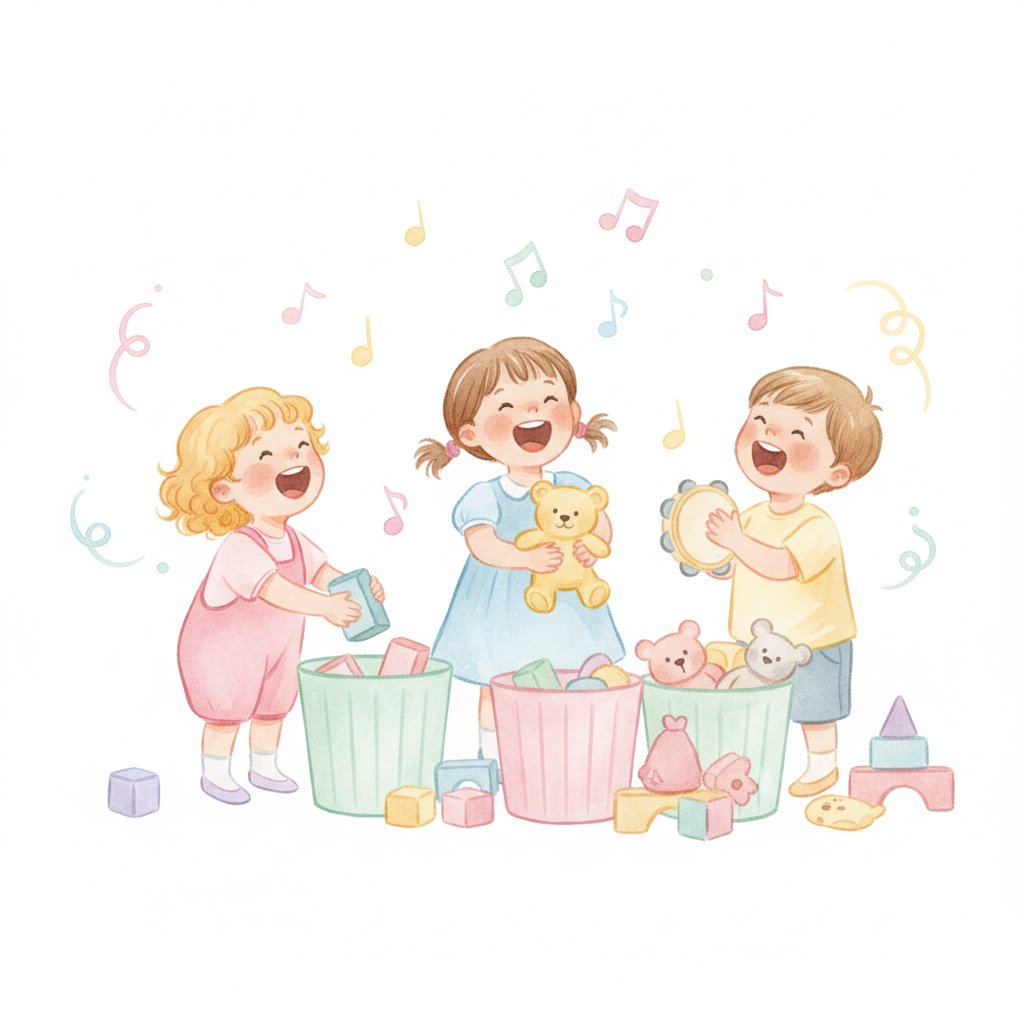
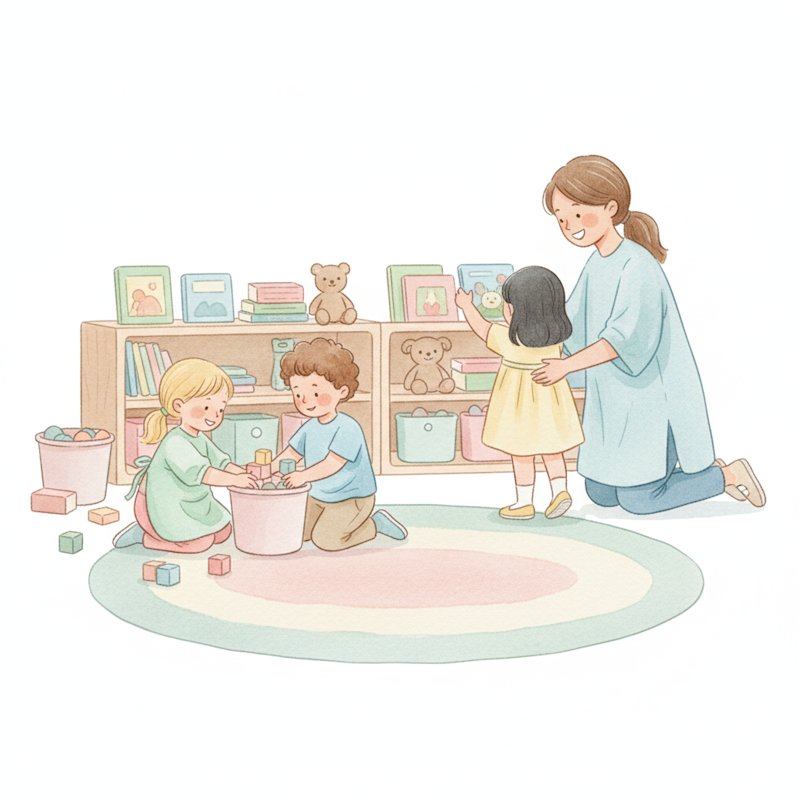
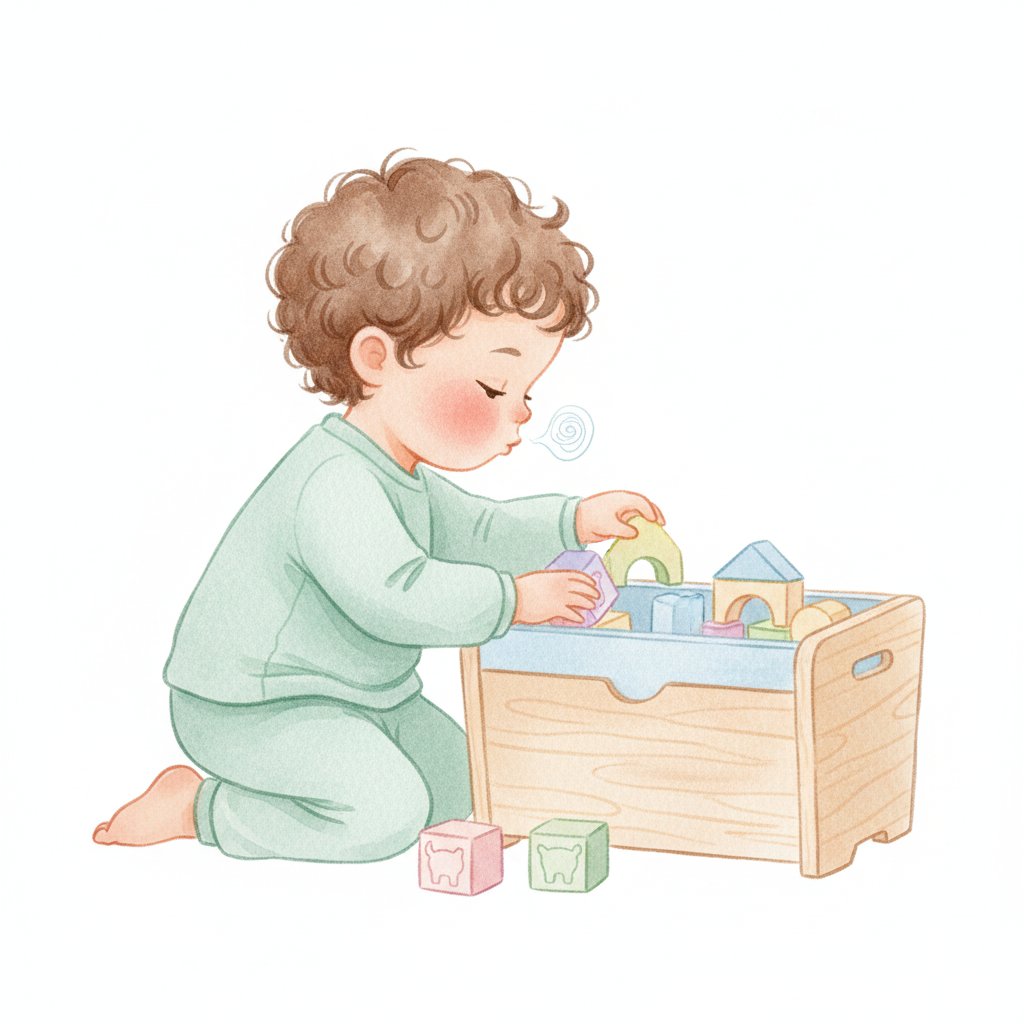
"Clean up time!" I used to say it like a threat. My three-year-old heard it like one. She'd freeze, whine, or flat-out refuse. Toys stayed on the floor. I'd end up cleaning while she watched. Then her preschool teacher told me her secret: "We never say 'clean up.' We say 'the toys are going to sleep — let's tuck them in.'" My daughter's eyes lit up. She tucked every block into its bin with a whispered "goodnight."

I had been asking her to do a chore. Her teacher invited her to play a game.
Transitions — moving from one activity to another — are the hardest part of the preschool day, whether at home or in a classroom. Research published in Early Childhood Education Journal shows that poorly managed transitions are the primary trigger for challenging behaviors in preschool settings. Conversely, classrooms with structured, playful transition routines have 40% fewer behavioral incidents.

This guide covers clean up activities, transition games, and visual routines that make shifting from play to work, from active to quiet, and from chaos to order actually fun. Pair it with our circle time activities for morning meeting management and our quiet time activities for calming transitions.
Why Transitions Are Hard (and How to Make Them Easier)

Why children resist transitions:

  1. They don't want to stop what they're doing. Play is intrinsically motivating. Cleaning up is not. The shift from high-interest to low-interest is inherently aversive.
  2. They don't understand time. "In five minutes" means nothing to a 3-year-old. Time is abstract. What's concrete? "When the timer beeps" or "when the song ends."
  3. They feel powerless. Being told to stop what you're doing and start something else is a loss of autonomy. Children resist to reclaim control.
  4. The next activity is unclear. "Clean up and then we'll do something" is vague. "Clean up and then we'll have snack time" is specific and motivating.

The four keys to successful transitions:

KeyStrategyExample
WarnGive advance notice"Two more minutes of play, then clean up"
SignalUse a consistent cueA specific song, a chime, a visual timer
StructureGive specific instructions"Put the blocks in the blue bin, books on the shelf"
MotivateMake it playful"Can you clean up before the song ends?"

The magic ratio: Give children 2-3 minutes of warning before every transition. Not "clean up now" but "clean up in 2 minutes." The advance warning reduces resistance by giving children time to mentally prepare for the shift.

Clean Up Songs That Work

Songs are the most effective clean up tool because they provide a clear start signal, a time frame (the song's length), and a playful frame that replaces the chore mentality.

1. The Classic Clean Up Song

"Clean up, clean up, everybody everywhere. Clean up, clean up, everybody do your share."

Simple, familiar, and effective because every preschooler knows it. The shared knowledge creates group momentum: when one child starts singing, others join.

Time: 1-2 minutes of singing

2. The Toy Lullaby

"Time for toys to go to bed, time to rest each sleepy head. Tuck them in and say goodnight, everything will be all right."

Sing in a whisper. Children match your volume. The quiet singing slows the energy of the room. This works especially well before nap time or quiet time.

Time: 1-2 minutes

3. Color Clean Up

"Let's clean up something RED! Find something red and put it away! Now something BLUE! Find something blue!" Children race to find items of each color, sorting by color as they clean. The game frame makes tidying feel like a scavenger hunt.

For more color activities, see our color activities guide.

Time: 2-3 minutes

4. Beat the Song

Play a specific song (2-3 minutes long). Challenge children to finish cleaning before the song ends. Track success: "Yesterday we finished with 10 seconds left! Can we beat that today?" Self-competition is motivating and avoids the shame of comparison.

Materials: Music player
Time: 2-3 minutes

5. The Countdown

"10... pick up 10 things! 9... pick up 9 things! 8... 7... 6..." Children race to pick up the target number before the countdown reaches zero. The numbers provide both a time frame and a specific quantity goal.

Time: 2 minutes

Visual schedule: children see what comes next
Our Classroom Rules Poster gives children a visual anchor for classroom expectations, including 'We clean up our mess.' When children can see the rule on the wall — not just hear it — compliance improves. Post it at eye level near the play area as a non-verbal reminder during clean up time.
Feelings check after transitions: how did that feel?
Our Feelings Poster Set helps children process the emotions that come with transitions. After clean up time, check in: 'How did you feel about stopping play? Was it hard? Are you feeling frustrated?' Naming the emotion validates the experience and teaches that it's okay to have big feelings about small changes.
Weather check-in: what's your internal forecast?
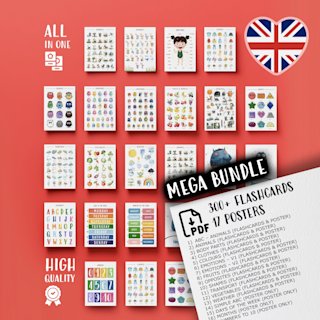
Our Weather Flashcards are a creative transition tool: 'Are you feeling sunny or stormy right now?' Children point to the card that matches their mood after a transition. A 'stormy' answer opens the door: 'I understand. Transitions can feel stormy. Let's take a breath together.'

Transition Games Between Activities

6. The Bubble Walk

"Let's walk to the circle, but we're inside a bubble! Don't pop it — walk slowly with your arms out." Children move carefully to the next activity, focused on their invisible bubble. The slow, deliberate movement is the opposite of the chaotic stampede that transitions usually become.

Time: 1-2 minutes

7. Animal Parade

"Everyone line up! We're going to snack time, but we're going as ANIMALS. I'll call an animal — move like that animal!" Cat → children creep silently. Bird → arms flapping. Elephant → big slow steps with arm-trunk swinging. The game makes the transition itself the activity.

Time: 2-3 minutes

8. The Invisible Line

Use painter's tape to create a path from the play area to the next location. "Walk on the line — don't step off!" Children focus on staying on the line, which keeps them moving in an orderly way without feeling "managed."

Materials: Painter's tape
Time: 1-2 minutes

9. Mystery Move

Before transitioning, whisper a "mystery move" to each child: "Your move is HOPPING." "Yours is TIP-TOEING." "Yours is MARCHING." When you say "go!" each child moves to the next activity using their secret move. They love having a special, individual instruction.

Time: 1-2 minutes

10. Train Time

"All aboard! I'm the engine, you're the cars! Chugga-chugga-choo-choo!" Children line up holding the shirt of the person in front. The train "stops at stations" (the bathroom, the cubbies, the snack table) before reaching the final destination. The group format prevents stragglers.

Time: 2-3 minutes

Visual Routine Systems

Visual schedules give children a roadmap for the day. When children can see what comes next, transitions become predictable rather than surprising — and predictability reduces anxiety and resistance.

11. Picture Schedule Board

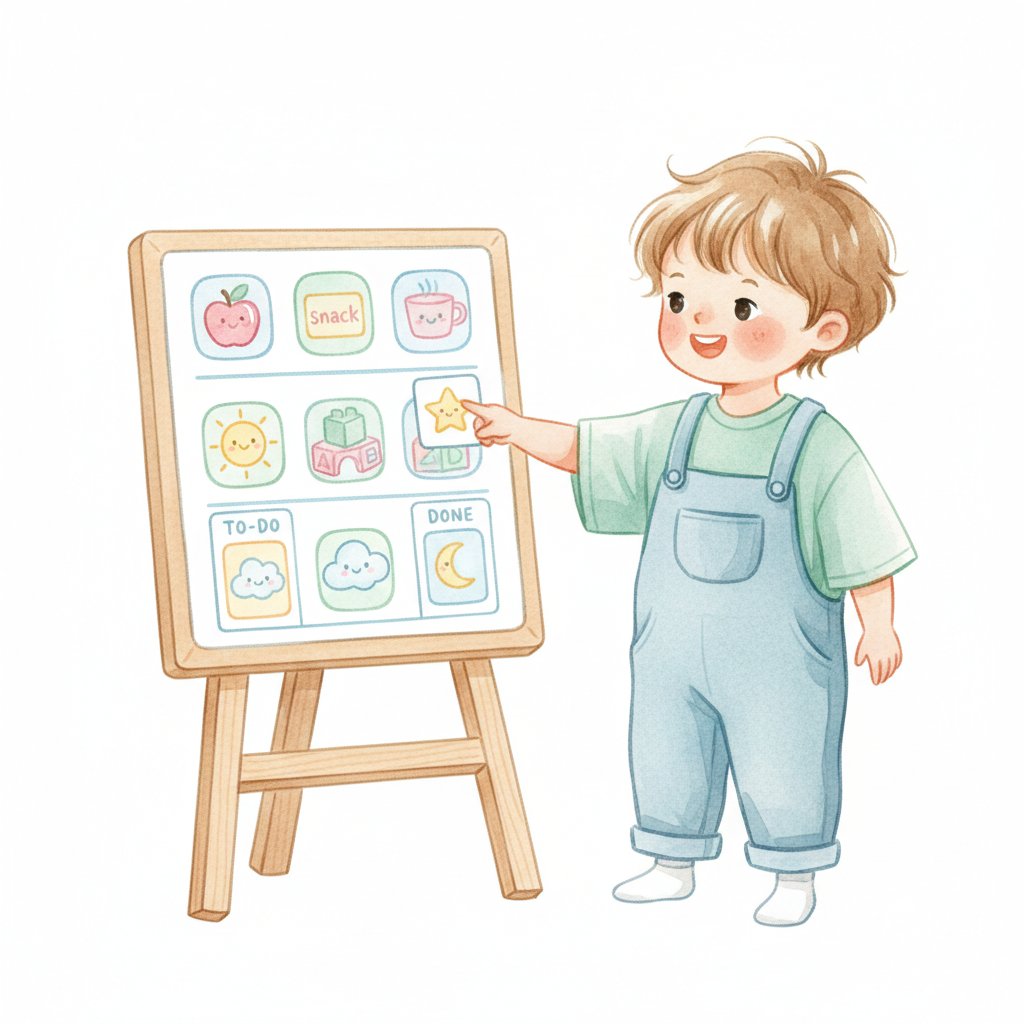
Create a simple schedule with pictures for each part of the day: circle time, snack, outdoor play, centers, lunch, rest, free play, home. Attach with Velcro. At each transition, remove the current card and point to the next one: "Outdoor play is done! What comes next? Snack time!"

Materials: Cards with pictures, Velcro, poster board
Time: Ongoing — 30 seconds per transition

12. First/Then Board

For children who find full schedules overwhelming, use a simple two-step board: "FIRST clean up, THEN snack." The visual shows that the non-preferred activity leads to a preferred one. This is especially effective for children with autism or ADHD who need concrete, immediate motivation.

Materials: Two cards, a board divided into "first" and "then"
Time: 10 seconds per transition

13. Timer Visuals

Use a visual timer (sand timer, time timer, or a digital countdown). Children can SEE time passing rather than being told abstractly. "When the red disappears, it's clean up time." The visual countdown makes time tangible.

Materials: Visual timer
Time: Ongoing

14. Clean Up Checklist

For older preschoolers (4-5), create a picture checklist of clean up tasks:

  • Books on the shelf
  • Blocks in the bin
  • Art supplies in the caddy
  • Chairs pushed in

Children check off each task. The checklist turns an overwhelming "clean everything" into manageable, specific steps.

Materials: Laminated checklist, dry-erase marker
Time: 3-5 minutes

Classroom Clean Up Routines

15. Job Chart Rotation

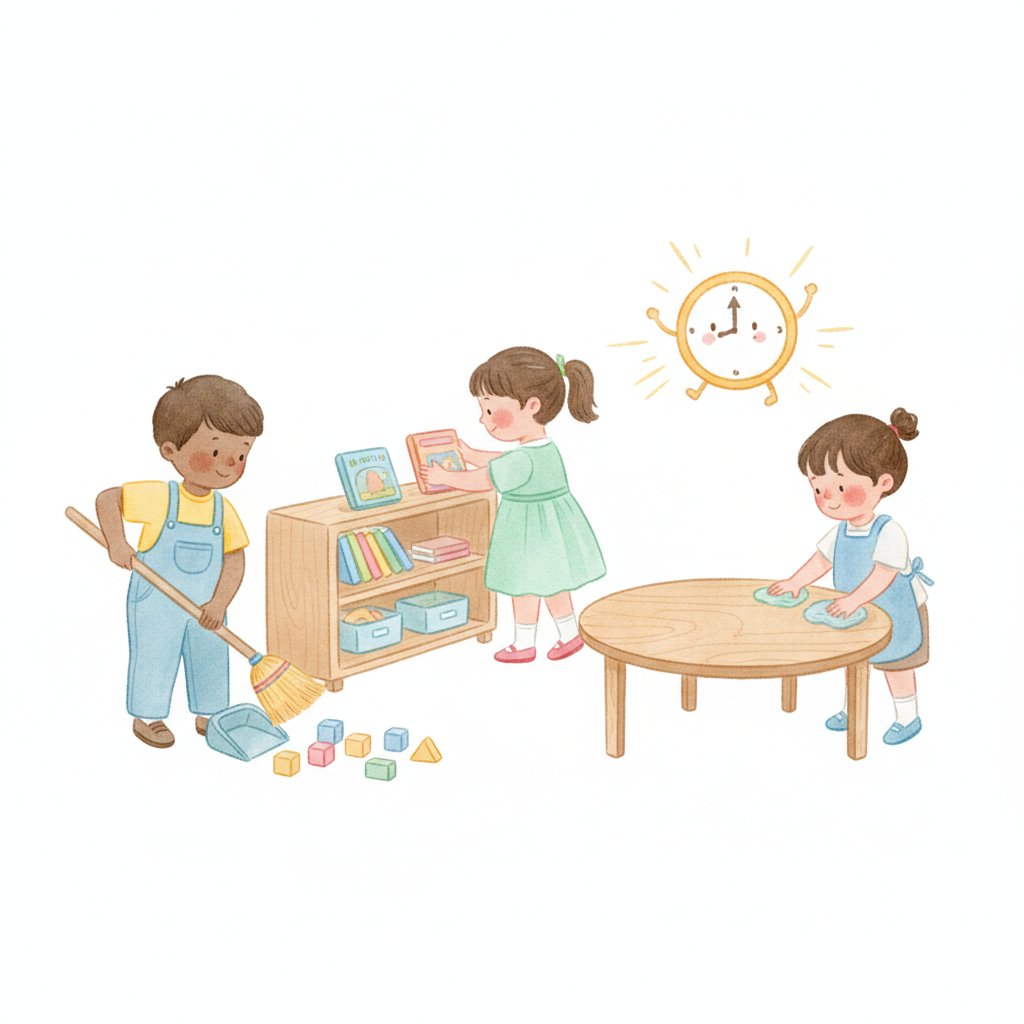
Assign specific clean up jobs that rotate weekly: block manager, book shelver, art supply organizer, floor sweeper (with a small broom), table wiper. Children take pride in their specific role. "I'm the block manager this week!" Jobs give ownership and reduce the "not my mess" mentality.

Time: Ongoing — 5 minutes per clean up

16. The Clean Up Timer Challenge

Set a timer for 5 minutes. "Can we beat the timer?" Track results on a chart: Monday=4:30, Tuesday=4:15, etc. Children see their improvement and feel collective accomplishment. The chart becomes a visual record of getting better at something together.

Materials: Timer, chart
Time: 5 minutes

17. "1-2-3, Look at Me" Attention Getter

Before any transition, get attention first. "1-2-3, look at me!" Children freeze and look. Then give the instruction: "In 2 minutes, we're cleaning up." The sequence (attention → warning → transition) prevents the common mistake of giving instructions to children who aren't listening.

Time: 10 seconds

Frequently Asked Questions

My child refuses to clean up. What do I do?

First, check your instruction. "Clean your room" is overwhelming. "Put the dinosaurs in the blue bin" is specific and achievable. Break the task into tiny steps and celebrate each one. "You put the dinosaurs away! Now let's do the books."

Should I help or let them do it alone?

Both. Work alongside them initially: "I'll do the books, you do the blocks." Gradually reduce your help as they build the habit. The goal is independence, but independence is the end of a progression, not the starting point.

What if transitions cause meltdowns?

Give more warning time. Some children need 5-minute, 3-minute, and 1-minute warnings before a transition. Use visual timers so they can see it coming. And always acknowledge the feeling: "I know you don't want to stop playing. It's hard to stop something fun. We'll play again after snack."

How do I handle a child who cleans up too slowly?

Avoid rushing — "hurry up" increases anxiety and decreases performance. Instead, make it playful: "I wonder if you can put away 5 blocks before I count to 10!" Gamifying speed is more effective than demanding it.

For more classroom management ideas, see our classroom organization printables and circle time guide.