Articles7 min read

The Bridge That Held 20 Blocks

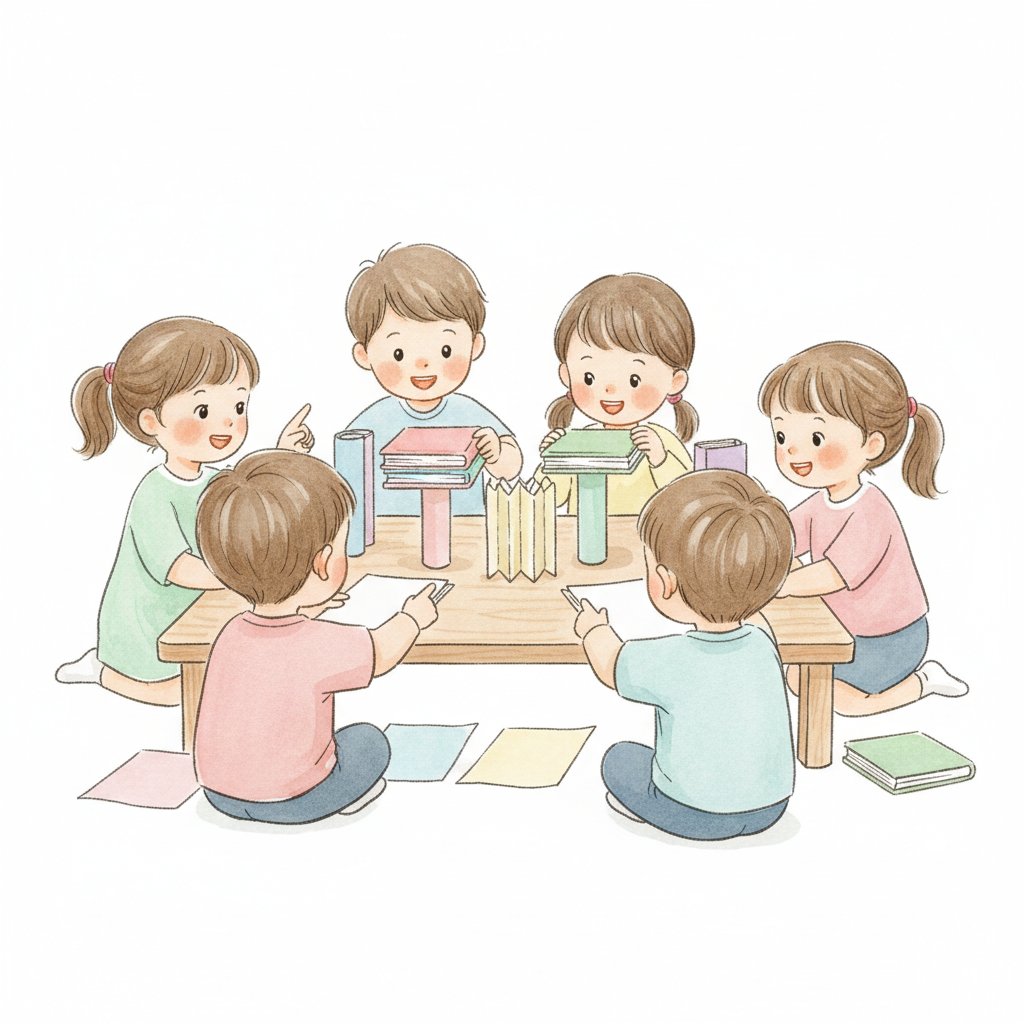
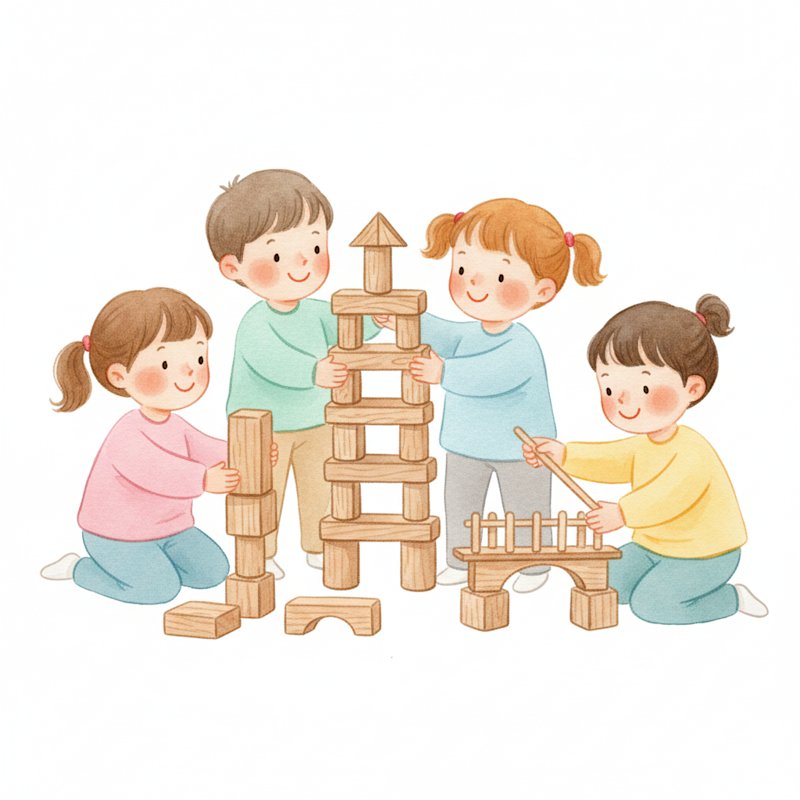
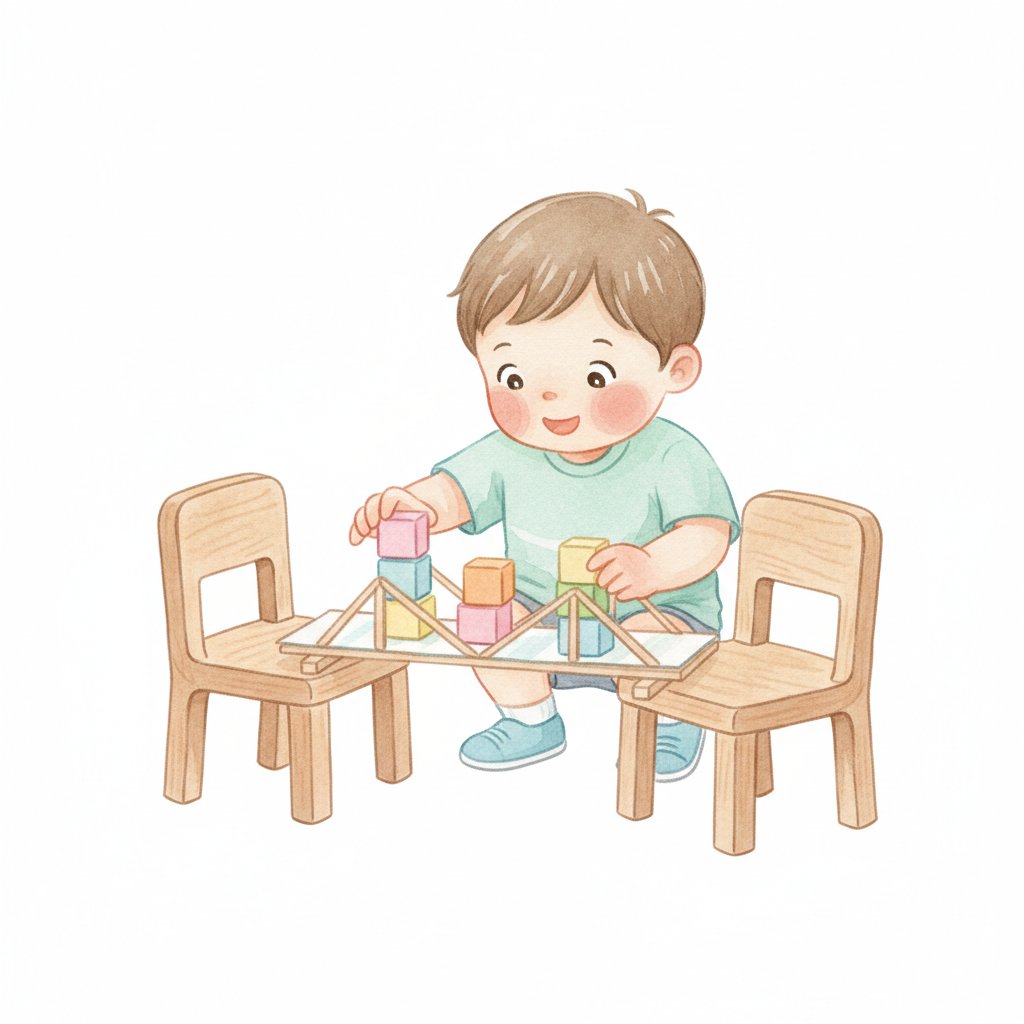
"Your challenge: build a bridge between two chairs that can hold 5 blocks." I gave five-year-olds paper, tape, string, cardboard tubes, and craft sticks. Most children laid a single piece of paper across the gap. It sagged. "The paper is too WEAK," said Leo. He folded the paper into an accordion shape and tried again. It held 2 blocks before buckling. "It needs to be STRONGER." He taped craft sticks underneath. Now it held 5. "Can it hold 10?" He added more sticks. 10 blocks. "15?" More reinforcement. 15 blocks. "20?" He added a second layer and it held 20 blocks before collapsing. "MY BRIDGE HELD 20 BLOCKS!" he announced. In 25 minutes, Leo had: identified a problem, tested a solution, observed failure, revised the design, tested again, improved, and reached a goal. That is the entire engineering design process, lived through a bridge made of paper and sticks.

According to Engineering is Elementary, preschool engineering activities teach the design process (ask, imagine, plan, create, test, improve), perseverance through failure, problem-solving with constraints, collaboration and communication, and the understanding that designs can always be improved. Engineering is not about being right the first time — it is about TRYING, FAILING, and TRYING AGAIN.
This guide covers 20+ construction and engineering activities for ages 3-6. Pair it with our blocks guide for foundational building and our science guide for more STEM.
Structure Challenges (Ages 3-6)

1. Tallest tower
Materials: Blocks, measuring tape.

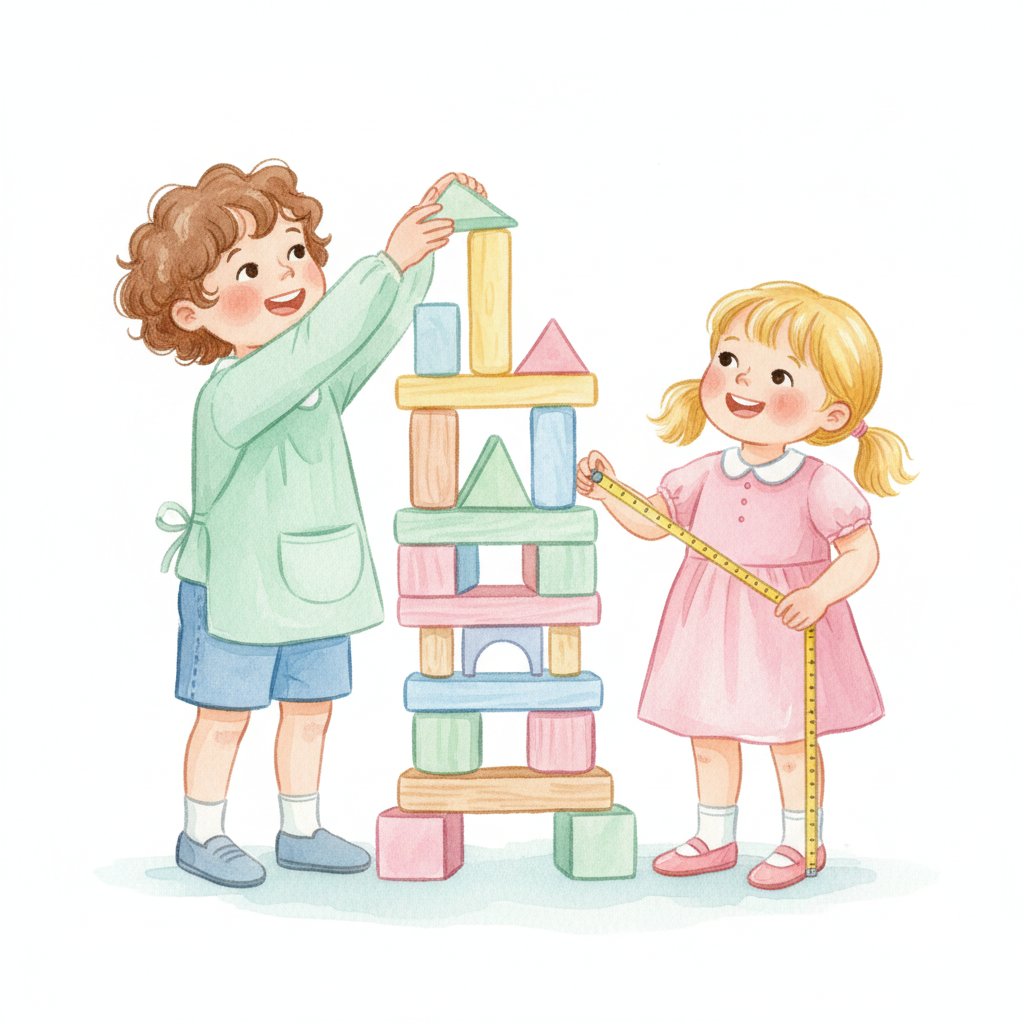
What to do: "Build the TALLEST tower you can. When you are done, we will measure it. Can you beat your record?" The tower teaches height, balance, and stability. For more building, see our blocks guide.

Why it works: Engineering challenges work because they have a CLEAR GOAL (build the tallest tower), CONSTRAINTS (only use these materials), and an element of TESTING (will it hold?). The goal gives direction. The constraints force creativity. The testing creates suspense. When the tower falls, it is not failure — it is DATA. "Why did it fall? The base was too SMALL. Let me make the base WIDER." Every collapse teaches something that leads to a better design. This is the heart of engineering: learn from failure, improve, try again.

2. Bridge challenge
Materials: Paper, tape, craft sticks, string, blocks for weight.

What to do: "Build a bridge between these two chairs. Test it: how many blocks can it hold? Improve it: make it hold MORE blocks!" The bridge teaches structural engineering basics. For more physics, see our science guide.

3. House for a toy
Materials: Cardboard boxes, tape, scissors.

What to do: "Build a house for your stuffed animal. It needs: a door the animal can fit through, a roof, and walls. Can the wolf (a fan) blow it down?" The house teaches design for a specific user. For more design, see our art guide.

4. Wall challenge
Materials: Blocks or LEGO bricks.

What to do: "Build a wall that is 10 blocks long and 5 blocks high. It must stand on its own for 10 seconds. Ready... GO!" The wall teaches structural stability. For more stability, see our blocks guide.

5. Maze building
Materials: Blocks, masking tape on floor, or LEGO bricks.

What to do: "Build a maze on the floor. Your friend has to guide a toy car through it without touching the walls!" The maze teaches spatial reasoning and pathfinding. For more spatial skills, see our map guide.

Triangles make the strongest bridges
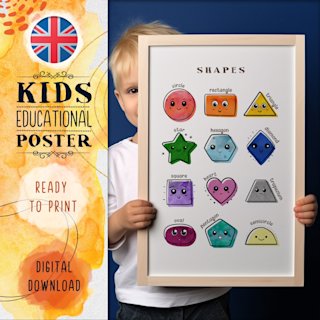
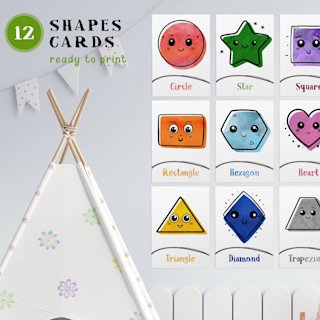
Our Shapes Flashcards become engineering blueprints: 'Look at the TRIANGLE card. Engineers use triangles to make bridges STRONG because triangles do not bend like squares do. Build a bridge using only TRIANGLE shapes made from craft sticks. Now build one using SQUARES. Which holds more weight? The triangle bridge wins!' Each flashcard becomes a structural element: triangles for strength, rectangles for platforms, arches for support. Children learn that shapes are not just abstract ideas on cards — they are the BUILDING BLOCKS of real structures. The card shows the shape; the bridge shows the POWER of that shape. Twelve shapes, twelve structures, one engineering lab.

Vehicle and Motion Challenges (Ages 3-6)

6. Ramp design
Materials: Cardboard, books (for height), toy cars.

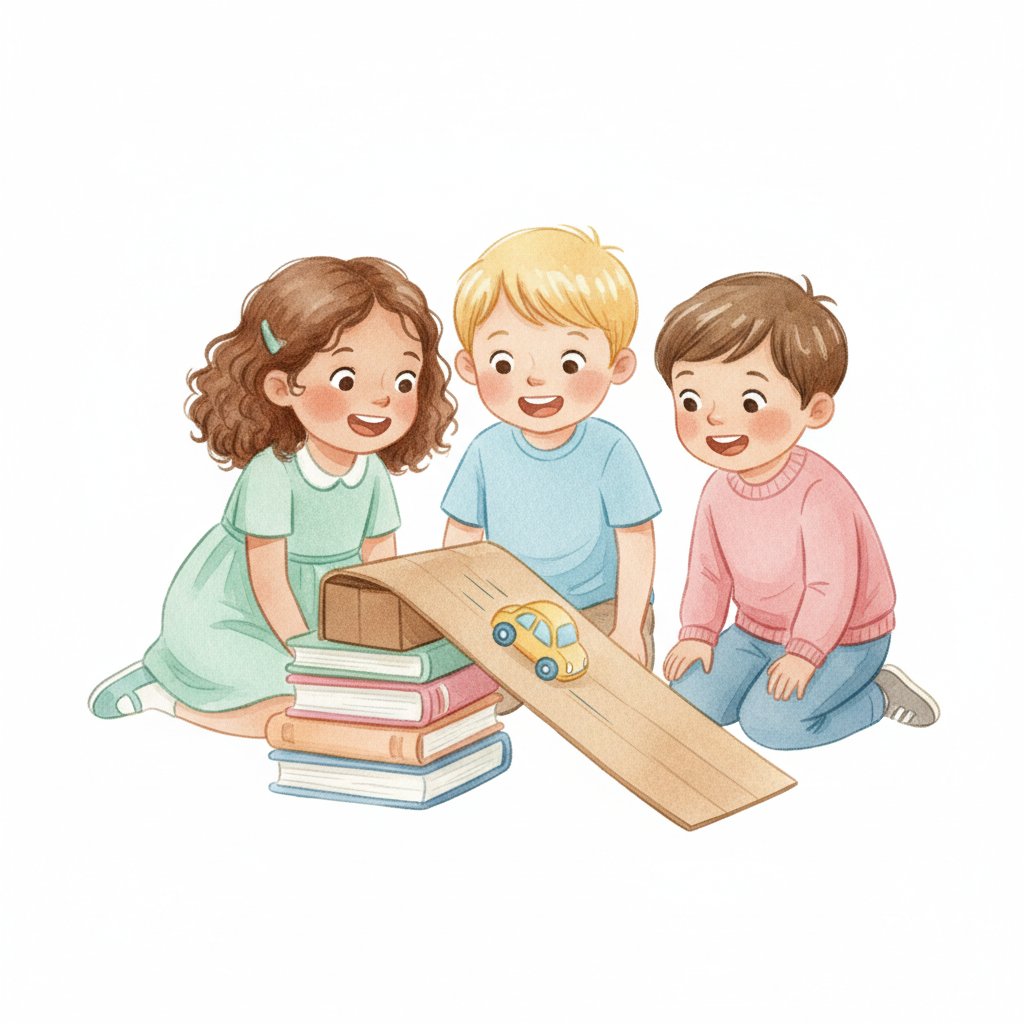
What to do: "Build a ramp using cardboard and books. Which height makes the car go the FARTHEST? Test 1 book, 3 books, 5 books." The ramp teaches gravity, friction, and angles. For more motion, see our outdoor guide.

7. Boat building
Materials: Aluminum foil, tub of water, pennies.

What to do: "Build a boat from foil. Float it. How many pennies can it carry before it SINKS? Redesign it to hold MORE pennies!" The boat teaches buoyancy and waterproofing. For more water, see our science guide.

8. Car launcher
Materials: Rubber bands, craft sticks, toy car.

What to do: "Build a rubber-band launcher for your toy car. Pull back, release, and MEASURE how far it goes. Change the rubber band — does a thicker one launch farther?" The launcher teaches stored energy and measurement. For more measurement, see our measurement guide.

9. Parachute design
Materials: Plastic bag, string, small toy.

What to do: "Make a parachute for the toy: tie string to the corners of the plastic and attach the toy. Drop it from a height. Does it fall SLOWLY? Make the parachute BIGGER — does it fall slower?" The parachute teaches air resistance. For more air, see our science guide.

10. Marble run
Materials: Cardboard tubes, tape, marbles.

What to do: "Build a marble run on the wall using tubes and tape. The marble must travel from the TOP to a cup at the BOTTOM without falling off. Add curves, drops, and spirals!" The marble run teaches gravity and path design. For more paths, see our map guide.

Build the perfect farm habitat
Our Farm Animals Flashcards become habitat engineering specs: 'The COW needs a BARN with a door wide enough to walk through and a hay bed. The CHICKEN needs a COOP with a perch to roost on and nesting boxes. The HORSE needs a STABLE with a water trough and a fenced yard. The PIG needs a PEN with a mud wallow.' Each animal card is a building SPECIFICATION. The child reads the card (or listens to the requirement), then builds the habitat using blocks, cardboard, and craft materials. The cow must FIT through the door. The chicken must have a perch. The engineering is REAL because the user (the animal) has REAL NEEDS. Twelve animals, twelve habitats, one farm to build.

Material and Design Challenges (Ages 3-6)

11. Paper chain challenge
Materials: Paper strips, glue or tape.

What to do: "Make the LONGEST paper chain you can in 10 minutes. How many links? Can you make it longer next time?" The chain teaches repetition, measurement, and iteration. For more measurement, see our measurement guide.

12. Windproof tower
Materials: Blocks, fan.

What to do: "Build a tower that can survive the WIND (a fan on low). If it falls, redesign it to be stronger. Try wider base, shorter height, or heavier bottom." The wind test teaches stability under force. For more wind, see our weather guide.

13. Egg drop (simplified)
Materials: Raw egg, padding materials.

What to do: "Wrap the egg in materials you think will protect it. Drop it from knee height. Did it break? Try DIFFERENT materials and drop from HIGHER." The egg drop teaches impact protection. Use hard-boiled eggs for less mess with younger children. For more science, see our science guide.

14. Waterproof test
Materials: Different materials, spray bottle, paper towel.

What to do: "Cover a paper towel with: wax paper, cloth, plastic wrap, tin foil, and newspaper. Spray water on each. Which keeps the towel DRYEST? That material is the most WATERPROOF." The waterproof test teaches material properties. For more materials, see our texture guide.

15. Strongest column
Materials: Paper (flat, folded, rolled into tube).

What to do: "Make three columns: flat paper, folded paper, and a paper tube. Stack books on each. Which holds the MOST books? The SHAPE makes it strong!" The column test teaches that shape affects strength. For more shapes, see our shape guide.

More Engineering Activities (Ages 3-6)

16. Recycled robots
Materials: Boxes, bottles, lids, tape, markers.

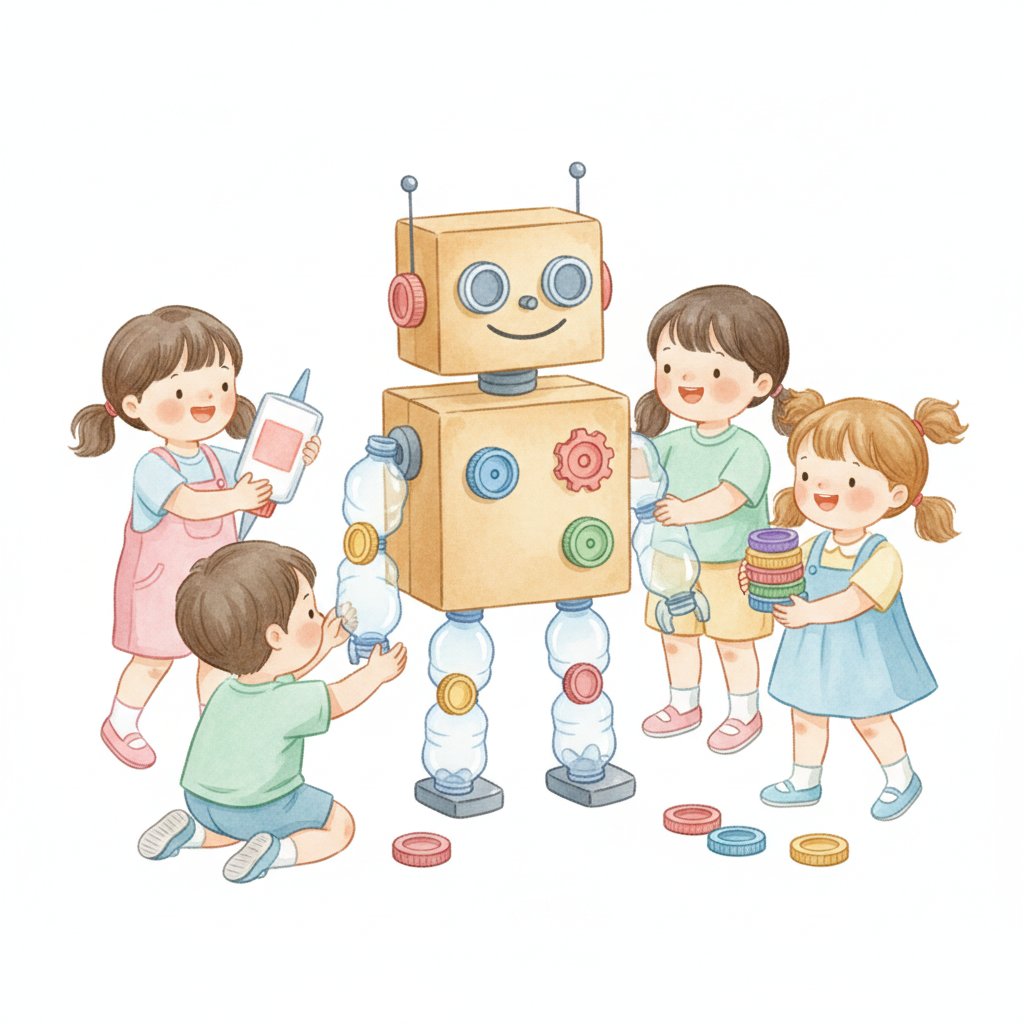
What to do: "Build a robot from recyclables. It needs: a head, a body, arms, and legs. What does your robot DO?" The robot teaches planning and assembly from parts. For more recycling, see our recycling guide.

17. Musical instrument engineering
Materials: Rubber bands, boxes, beans, cans.

What to do: "Build an instrument: a rubber band guitar, a bean shaker, or a drum. Make it produce a SOUND that you like!" The instrument engineering teaches sound production through design. For more music, see our music guide.

18. Bird feeder design
Materials: Milk carton, string, birdseed.

What to do: "Design a bird feeder that: holds seed, has a perch, and does not let rain in. Hang it outside and watch: do birds come?" The bird feeder teaches design for a real user (birds). For more animals, see our animals guide.

19. Pipe system
Materials: PVC pipes and connectors (or paper tubes and tape).

What to do: "Build a pipe system that carries water (or a marble) from a high point to a low point. No leaks allowed!" The pipe system teaches fluid dynamics and connections. For more connections, see our science guide.

20. Engineering journal
Materials: Notebook.

What to do: "After every build, draw what you made in your engineering journal. Write or dictate: What worked? What failed? What would you change? Engineers ALWAYS document their work." The journal teaches reflection and the documentation habit. For more writing, see our writing guide.

The engineering process on your wall
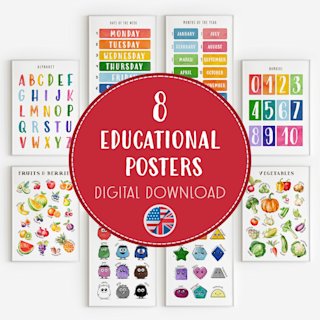
Our Educational Posters become engineering process guides: 'Poster 1: ASK — What is the problem? Poster 2: IMAGINE — What could work? Poster 3: PLAN — Draw your idea. Poster 4: CREATE — Build it. Poster 5: TEST — Does it work? Poster 6: IMPROVE — Make it better.' Hang the posters in order around the building area. Before every challenge, children walk the poster path: read the question, think, plan, build, test, improve. The posters are not decoration — they are a PROCESS that children internalize through repetition. After 10 challenges, children no longer need the posters. The process is in their HEAD. Eight posters, six steps, one engineering mindset.
1.Can 3-year-olds really do engineering?
Yes — if you define engineering as "solving problems by building things." A 3-year-old stacking blocks to reach a toy on a shelf is engineering. A 3-year-old taping two tubes together to make a telescope is engineering. The PROCESS is the same at every age: identify a problem, try a solution, see if it works, improve it. The complexity increases with age, but the engineering mindset starts at 3. Keep challenges simple: "Build something tall" rather than "Build a cantilever bridge."
2.What materials do I need for preschool engineering?
You do not need expensive STEM kits. These household and classroom materials are enough: cardboard tubes, masking tape, craft sticks, rubber bands, paper, aluminum foil, string, blocks, LEGO bricks, recycled containers, playdough, straws, paper clips, and scissors. Children will build incredible things with tape and cardboard tubes. The CONSTRAINT of limited materials actually INCREASES creativity. Add a fan for wind testing and a tub of water for float testing and you have a full engineering lab for under 20 dollars.
3.How do I handle frustration when designs fail?
Reframe failure as DATA: "Your tower fell! That is great — now you KNOW that a skinny base does not work. What will you try differently?" Never rescue children by building it for them. Instead, ask: "What part failed? What could make that part stronger? What do REAL engineers do when their design fails?" Normalize failure by sharing famous examples: "The first airplane crashed. The first light bulb broke. They tried AGAIN." The most important engineering skill is not building — it is REBUILDING after failure.
4.How does engineering connect to other subjects?
Engineering connects to EVERYTHING: (1) MATH — measuring towers, counting blocks, comparing weights, estimating distances. (2) SCIENCE — gravity, friction, buoyancy, materials, forces. (3) ART — designing structures that are both functional and beautiful. (4) LITERACY — drawing plans, writing labels, documenting in engineering journals. (5) SOCIAL SKILLS — collaborating on group builds, sharing materials, giving feedback. Engineering is not a separate subject — it is where all subjects COME TOGETHER to solve real problems.