Articles7 min read

The Stethoscope That Made Fear Disappear

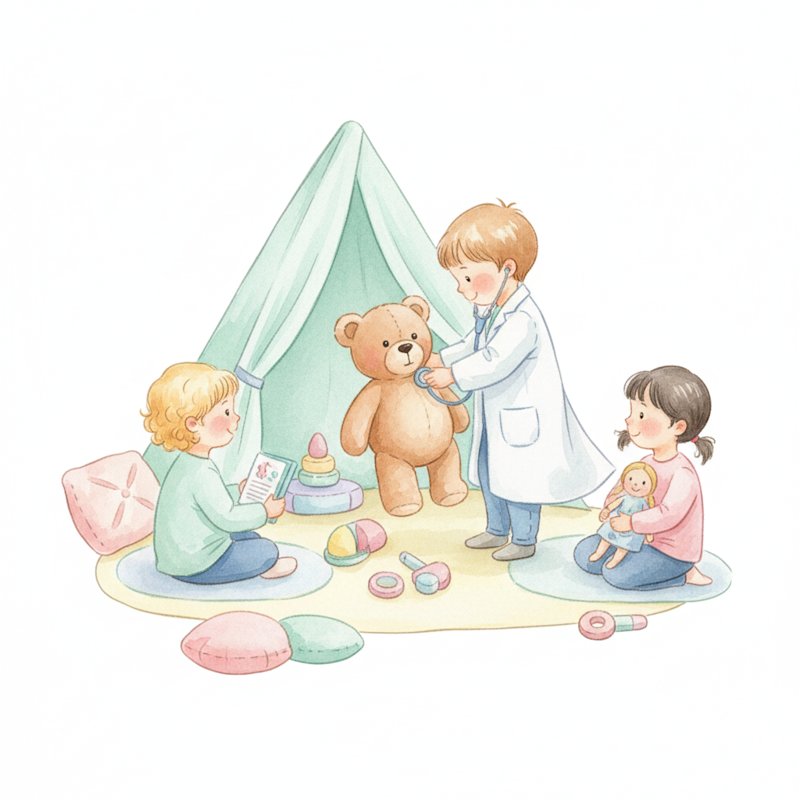
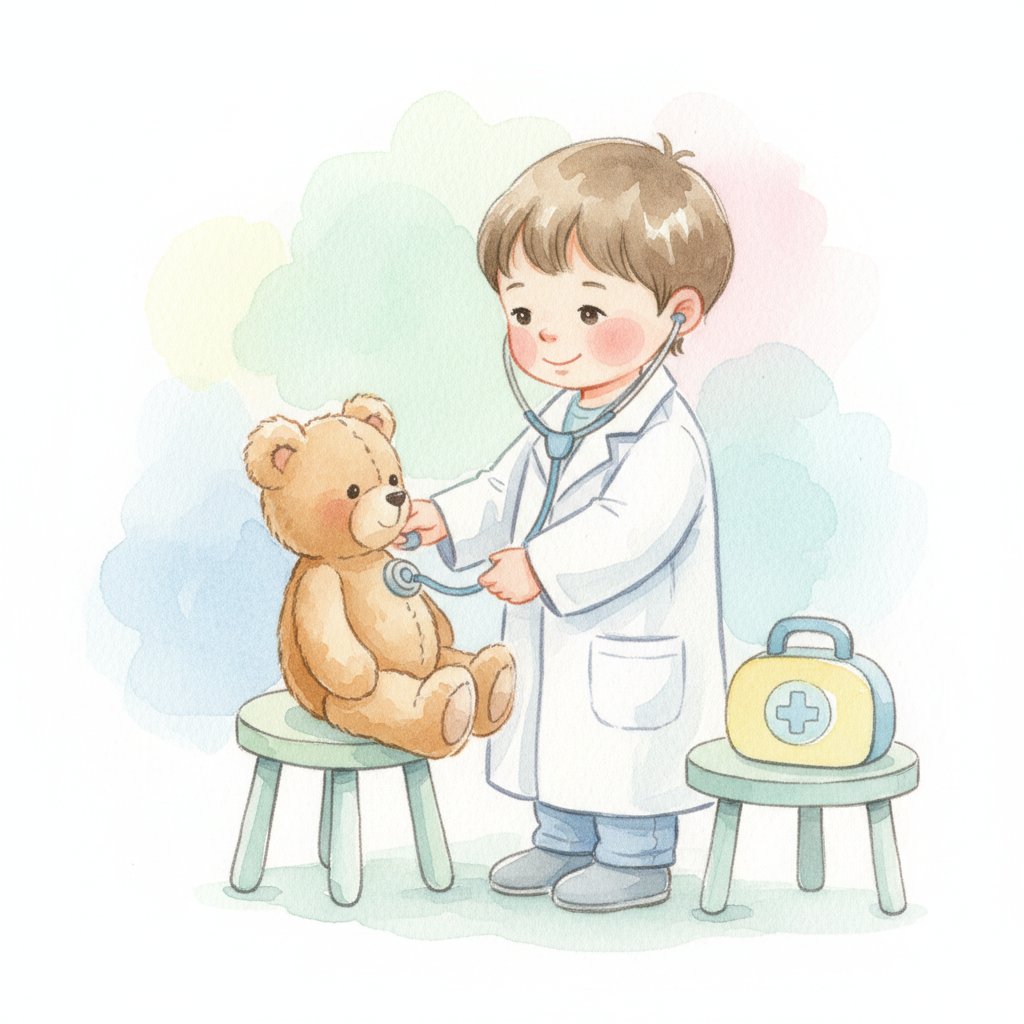
Four-year-old Sophia was terrified of her upcoming doctor visit. She clung to her mother and cried at the mention of "shots." So we set up a doctor's office in the dramatic play area: a toy stethoscope, a blood pressure cuff made from a paper towel roll, a reflex hammer made from a chopstick, bandages from masking tape, a clipboard for "charts," and a waiting room with chairs and magazines. Sophia put on a white coat (her dad's old button-down) and became DOCTOR Sophia. She listened to her teddy bear's heart: "Thump thump. He's healthy!" She gave him a shot: "Just a little pinch. You're SO brave!" She checked his ears: "Looks good! No dinosaurs in there!" By the time her real appointment came, she had "treated" 15 patients and understood exactly what would happen. She sat on the exam table and said to the real doctor: "I do this too. Let me show you." Fear replaced by MASTERY — that is the power of doctor play.

According to the American Academy of Pediatrics, doctor role-play reduces medical anxiety, builds health vocabulary, teaches body awareness, develops empathy for others who are sick, and helps children process their own medical experiences. Play is how children make the frightening familiar.
This guide covers 20+ doctor and hospital activities for ages 3-6. Pair it with our body parts guide for anatomy and our community helpers guide for career exploration.
Doctor Role-Play Activities (Ages 3-6)

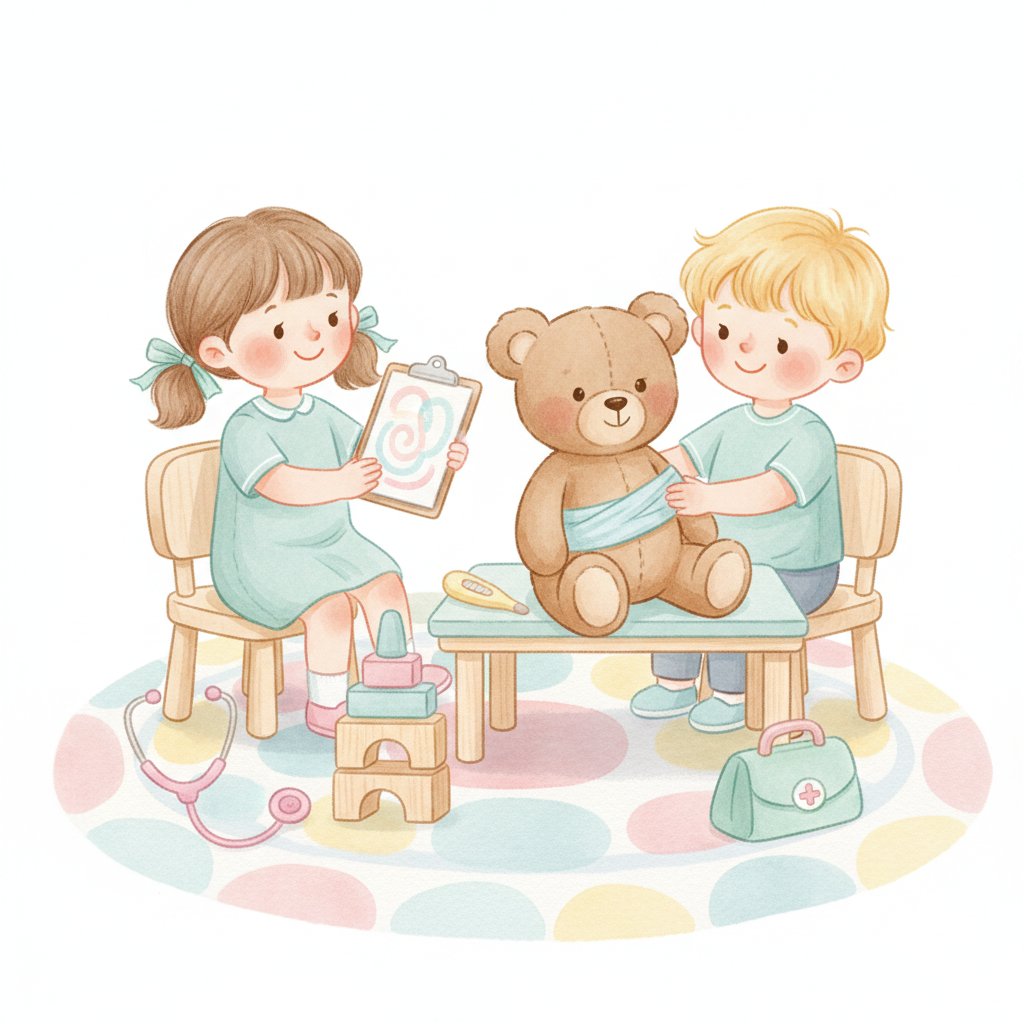
1. Doctor's office setup
Materials: White shirt, toy stethoscope, clipboard, bandages, thermometer.

What to do: "Welcome to the doctor's office! Here's your waiting room, your exam table, your tools, and your chart. The patients are waiting!" The setup teaches medical vocabulary through immersive play. For more role-play, see our pretend play guide.

Why it works: Doctor play works because it gives children CONTROL over an experience where they normally have none. At the real doctor, they are small, confused, and powerless. In the play doctor's office, they are in charge: they decide what happens, they use the tools, they give the shots. This role reversal transforms fear into confidence. Research shows that children who engage in medical play before a real procedure show 50% less anxiety and recover faster.

2. Stuffed animal checkup
Materials: Stuffed animals, doctor kit.

What to do: "Your bear is here for a checkup. Listen to his heart. Check his ears. Look in his mouth. Is he healthy? Does he need medicine?" The checkup teaches examination vocabulary and empathy. For more animal learning, see our pets guide.

3. Make your own stethoscope
Materials: Paper towel roll, funnel, tape.

What to do: "Tape the funnel to the paper towel roll. Put the funnel on your friend's chest and the roll to your ear. Can you hear their heartbeat?" The DIY stethoscope teaches how real tools work. For more DIY, see our science guide.

4. Bandage art
Materials: Bandages or masking tape, paper, markers.

What to do: "Put bandages on the paper person wherever they got hurt. Draw a story: 'He fell off his bike and scraped his knee. She touched a hot stove and burned her finger.'" The bandage art teaches injury awareness and first-aid vocabulary. For more art, see our art guide.

5. Prescription writing
Materials: Paper, markers, stickers.

What to do: "Write a prescription for your patient: 'Take two hugs and one story. Rest for 10 minutes. Come back if you still feel sick.'" The prescription writing teaches symbolic communication and caring language. For more writing, see our writing guide.

Know your body like a doctor does
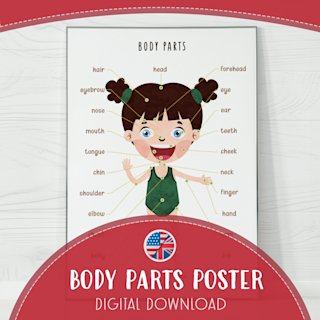
Our Human Body Poster becomes the doctor's office anatomy chart: 'Patients come in with a stomachache — let me check my body poster. The stomach is RIGHT HERE, below the lungs and above the intestines. Lungs are in the chest — let me listen with my stethoscope. The heart is BETWEEN the lungs, on the left side — that is the THUMP THUMP sound!' The poster gives the play doctor real anatomical vocabulary: skull, ribs, spine, muscles, stomach, intestines, lungs, heart, brain. Every checkup becomes a lesson in where body parts are and what they do. One poster, twenty body parts, one expert doctor.

Hospital and Health Activities (Ages 3-6)

6. Hospital ward play
Materials: Cots or mats, blankets, dolls.

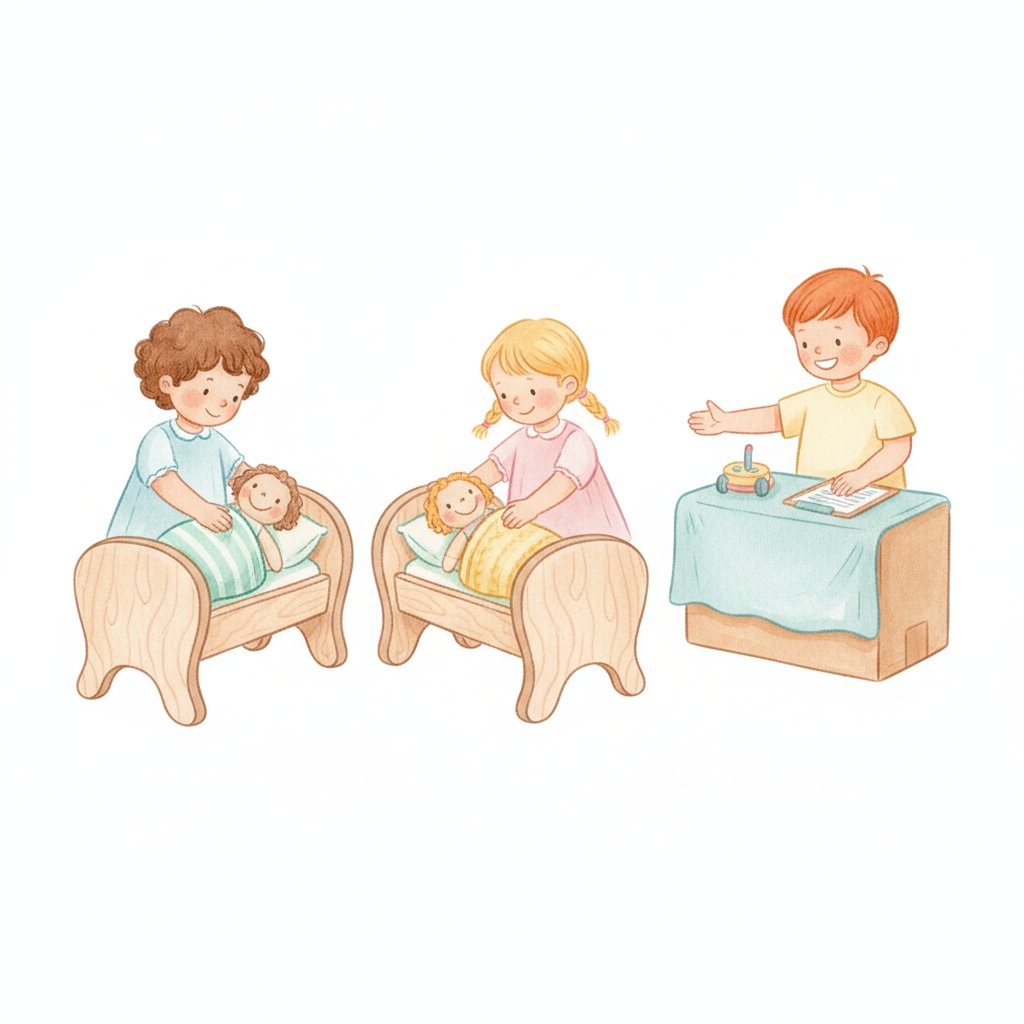
What to do: "Set up the hospital: reception desk, waiting room, exam rooms, and a ward for patients who need to stay overnight. Who is the receptionist? The nurse? The doctor? The patient?" The ward teaches hospital structure and roles. For more community roles, see our community helpers guide.

7. X-ray craft
Materials: Black paper, white chalk, Q-tips.

What to do: "Draw the OUTLINE of your hand on black paper. Glue Q-tips inside as BONES. That is what your hand looks like on an x-ray!" The x-ray craft teaches skeletal awareness. For more body, see our body parts guide.

8. Healthy vs. unhealthy sort
Materials: Food pictures, two baskets.

What to do: "Sort the foods: things that make your body STRONG go in the healthy basket. Things that are sometimes-treats go in the other basket." The sort teaches nutrition through the doctor lens. For more nutrition, see our nutrition guide.

9. Germ experiment
Materials: Glitter, hand lotion.

What to do: "Put lotion on your hands, then dip them in glitter. The glitter is GERMS. Now shake hands with a friend. Did the germs spread? Wash your hands with soap. Did the germs come off?" The experiment teaches hand-washing through visible "germs." For more hygiene, see our health guide.

10. Feel-better kit
Materials: Small box, bandages, tissue, tea bag, note card.

What to do: "Make a feel-better kit for someone who is sick: bandages for booboos, tissue for sniffles, tea for a sore throat, and a card that says 'I hope you feel better!' Who needs one?" The kit teaches empathy and caring. For more empathy, see our kindness guide.

How do you feel at the doctor?
Our Emotions Flashcards help children name how they feel about doctor visits: 'SCARED — the needle looks sharp. BRAVE — I am doing this even though I am scared. RELIEVED — it is over and it was not so bad. HAPPY — the doctor said I am growing well. PROUD — I did not cry.' Each card gives a NAME to the feeling, which is the first step to managing it. Children who can label their emotions feel less overwhelmed. The flashcards make the invisible visible: this is what scared looks like, this is what brave looks like, this is what proud looks like. Twelve emotions, one doctor visit, a vocabulary for courage.

Body Science and Doctor Tools (Ages 3-6)

11. Heart rate experiment
Materials: Timer.

What to do: "Sit quietly for one minute. Now feel your heartbeat on your wrist. How fast is it? Now run in place for one minute. Feel again. It is FASTER! Why? Because your muscles needed more blood to run!" The experiment teaches cardiovascular awareness. For more body, see our body parts guide.

12. Lung capacity test
Materials: Balloon.

What to do: "Take a deep breath and blow into the balloon all at once. How big is it? That is how much air your lungs can hold!" The lung test teaches respiratory awareness. For more breathing, see our calming guide.

13. Reflex test
Materials: Soft tap on knee.

What to do: "Sit with your legs dangling. Tap just below your kneecap. Did your leg KICK? That is a REFLEX — your body moved without you deciding to move it!" The reflex test teaches involuntary body responses. For more science, see our science guide.

14. Vision test
Materials: Eye chart (make one with shapes).

What to do: "Cover one eye. What shape do you see on the top row? Bottom row? Can you see the tiny ones? Your EYES are how you see — take care of them!" The vision test teaches eye health awareness.

15. Height and weight measurement
Materials: Measuring tape, scale.

What to do: "Stand against the wall — how tall are you? Stand on the scale — how much do you weigh? Let's write it in your chart! Next time, we will see how much you have GROWN." The measurement teaches tracking growth over time. For more measurement, see our measurement guide.

More Health Activities (Ages 3-6)

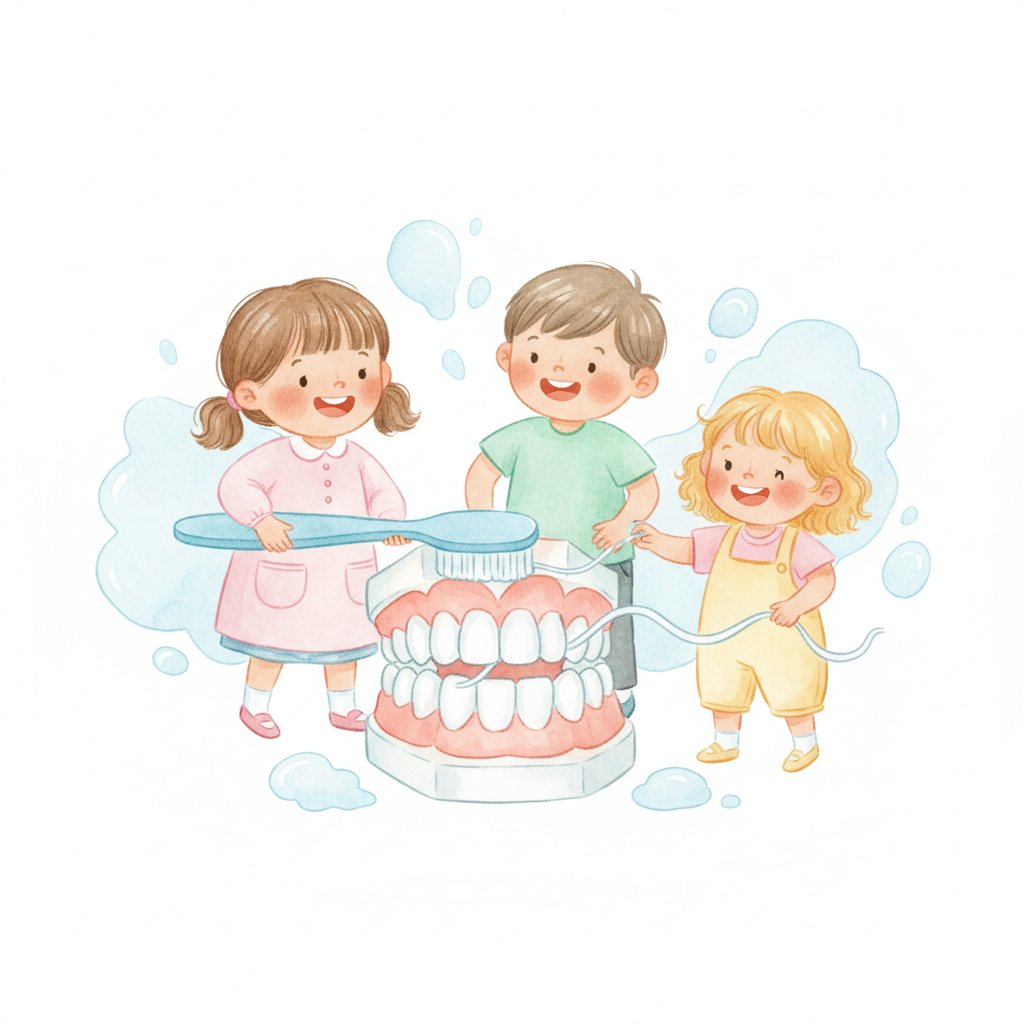
16. Dental health station
Materials: Large teeth model (clay), toothbrush, floss.

What to do: "Brush the clay teeth in circles. Floss between the teeth. Why? Because germs hide BETWEEN teeth where the brush cannot reach!" The dental station teaches oral hygiene. For more dental, see our teeth guide.

17. Sleep routine chart
Materials: Paper, markers.

What to do: "Draw what you do before bed: brush teeth, pajamas, story, lights out. Doctors say children need 10-12 hours of sleep to grow! Are you getting enough?" The sleep chart teaches healthy sleep habits. For more routines, see our routine guide.

18. Sneeze catcher
Materials: Tissue.

What to do: "Sneeze into your HAND — germs everywhere! Sneeze into your ELBOW — germs caught! Which is better? Always sneeze into your elbow or a tissue!" The sneeze demo teaches respiratory etiquette.

19. Sun safety
Materials: Sunscreen, hat.

What to do: "Put sunscreen on the bear. Put the hat on the bear. The sun can hurt your skin — these protect it! When should you wear sunscreen? EVERY TIME you go outside." The sun safety teaches skin protection. For more outdoor, see our outdoor guide.

20. Thank-you card for the doctor
Materials: Paper, crayons.

What to do: "Make a card for your real doctor. Draw what they do: listen to hearts, give shots, check ears, help you grow. Say thank you!" The card teaches gratitude and processes the experience. For more writing, see our writing guide.

Morning routines ARE health routines
Our Morning Routine Visual Schedule Cards connect daily habits to health: 'Card 1: Wake up — your body rested and grew all night! Card 2: Brush teeth — fighting germs that cause cavities. Card 3: Wash face — cleaning away sleep germs. Card 4: Eat breakfast — fueling your body for the day. Card 5: Get dressed — protecting your skin with clothes.' Each card is a health behavior in disguise. The routine is not just getting ready — it is a health checklist. Doctors say these five habits prevent more illness than any medicine. Seven cards, seven healthy habits, one routine.
1.How do I help a child who is afraid of the doctor?
Three strategies: (1) PLAY doctor at home for weeks before the visit. Let the child be the doctor with stuffed animals. Familiarity reduces fear. (2) READ books about going to the doctor. Knowledge replaces the unknown. (3) TELL the truth about what will happen — never lie about shots. Say: "There will be a quick pinch, and then it is over. You can squeeze my hand as hard as you want." Children who are prepared cry LESS and recover FASTER than children who are surprised.
2.What should I include in a doctor dramatic play area?
Essentials: white coat or button-down shirt, toy stethoscope, blood pressure cuff (can be made from a paper towel roll with a ball attached), thermometer, bandages (real or masking tape), clipboard with "patient charts" (paper on a clipboard), a "waiting room" with chairs, cotton balls, Q-tips, tongue depressors (craft sticks), a small flashlight for checking ears, and a phone for "calling the pharmacy." Add a waiting room sign, an "open/closed" sign, and appointment cards.
3.How do doctor activities support STEM learning?
Doctor play is applied STEM: Science — understanding how the body works (heart pumps blood, lungs breathe air, brain sends signals). Technology — using tools (stethoscope, thermometer, scale). Engineering — designing bandages, making splints, building models. Math — measuring height and weight, counting heartbeats, timing breathing. Medical play is one of the most natural STEM contexts because children are inherently curious about their own bodies.
4.Should I include real medical supplies?
Safe real supplies: cotton balls, Q-tips, craft sticks (tongue depressors), bandages, medical tape (paper tape), and empty medicine bottles (thoroughly washed). NEVER include: needles, scissors, glass thermometers, or any sharp/dangerous items. The line between real and pretend is blurry for young children, so keep it safe while maintaining the authentic feel that makes dramatic play meaningful.