Why Emotion Flashcards Belong in Every Classroom
I watched a four-year-old named Marcus slam his fists on the table during free play. When his teacher asked what happened, he said, "I'm mad." But he wasn't just mad — he was frustrated because a classmate took the block he'd been saving, disappointed that his tower fell, and embarrassed that everyone looked at him. He had one word for three different feelings, and that one word ("mad") didn't help him or his teacher figure out what to do next.
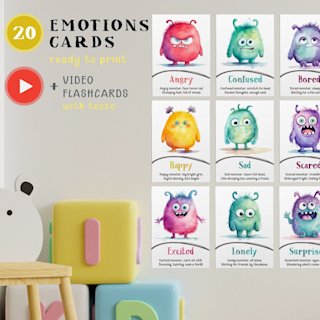
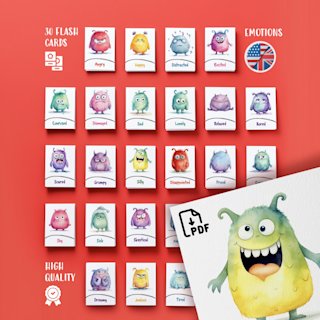
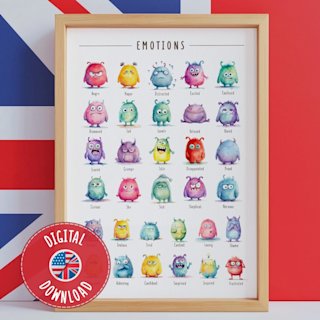
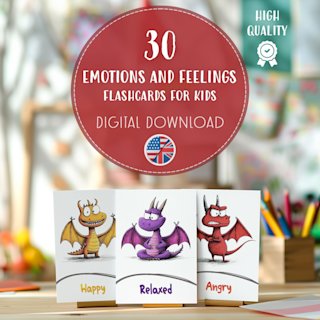
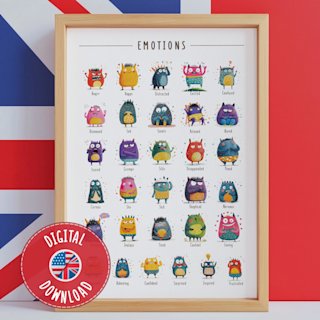
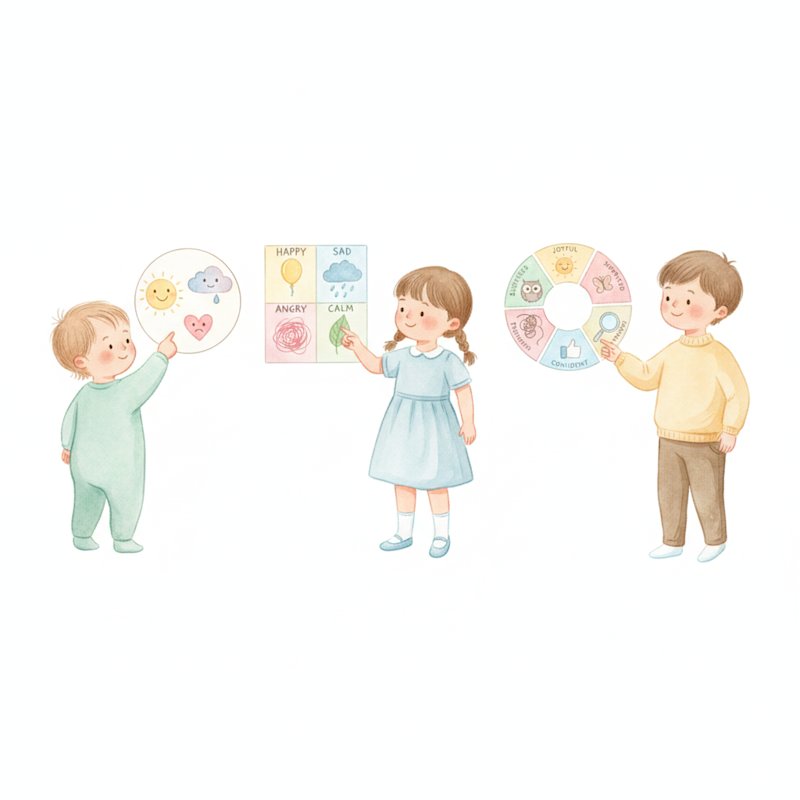
Emotion flashcards solve this problem by giving children a visual vocabulary for what they feel. When a child can point to a card that shows "frustrated" versus "disappointed" versus "embarrassed," they move from reactive behaviour to self-awareness. Research from the Collaborative for Academic, Social, and Emotional Learning (CASEL) consistently shows that children who can label their emotions have better self-regulation, fewer behavioural incidents, and stronger peer relationships.
This guide provides classroom-ready activities using printable emotion flashcards — from daily check-ins and matching games to conflict resolution and creative storytelling. Every activity works with free printable materials you can use immediately.
For a complete social-emotional learning resource, pair these flashcard activities with our feelings chart for kids and our complete teacher's guide to SEL in the elementary classroom.