The Jar That Taught Number Sense
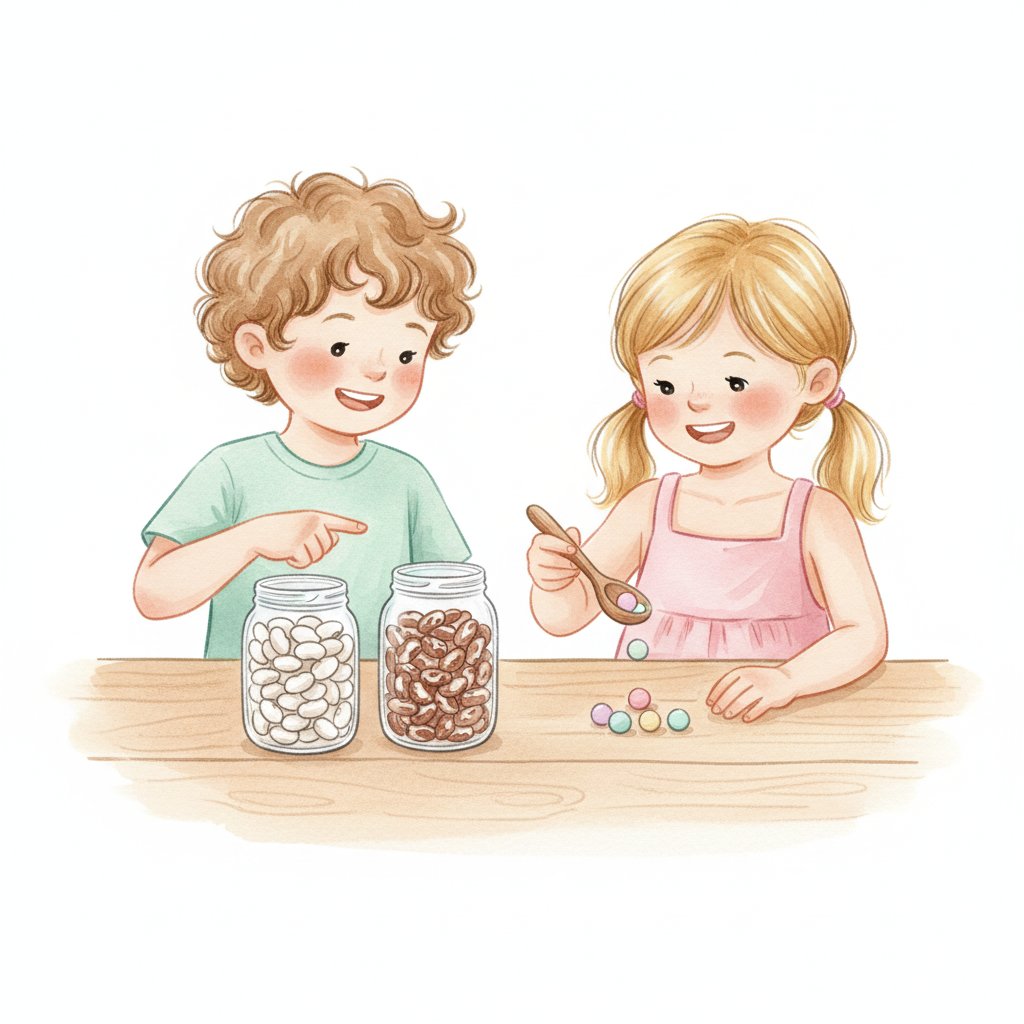
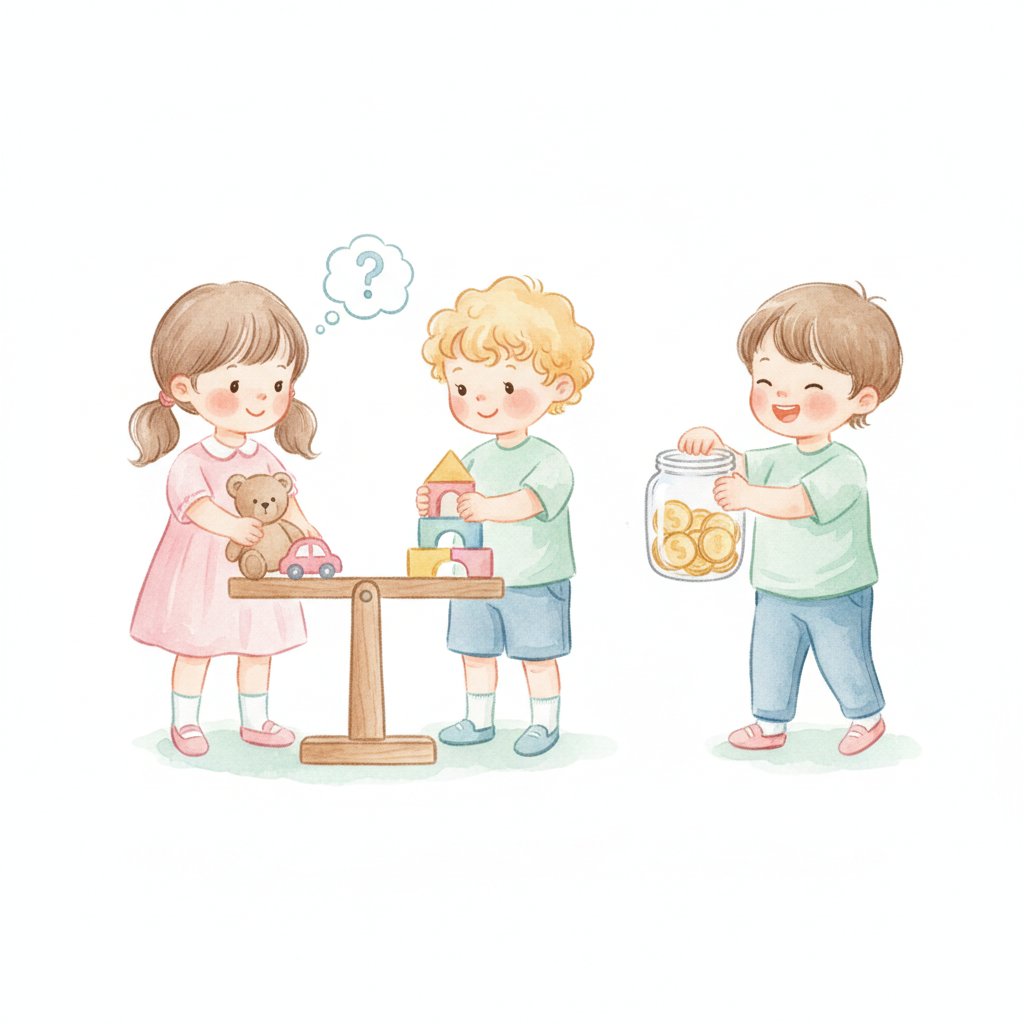
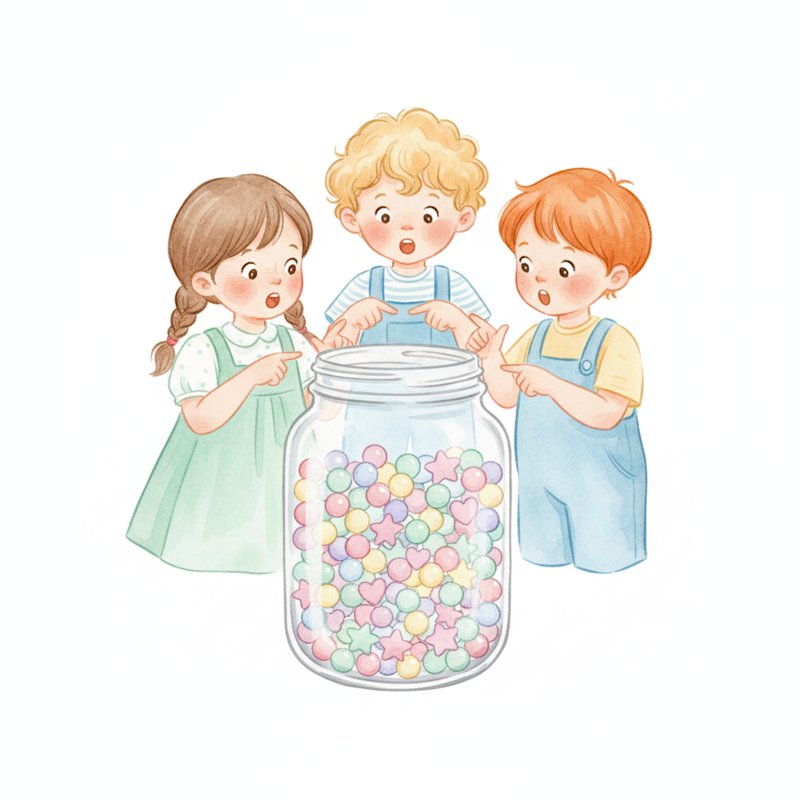
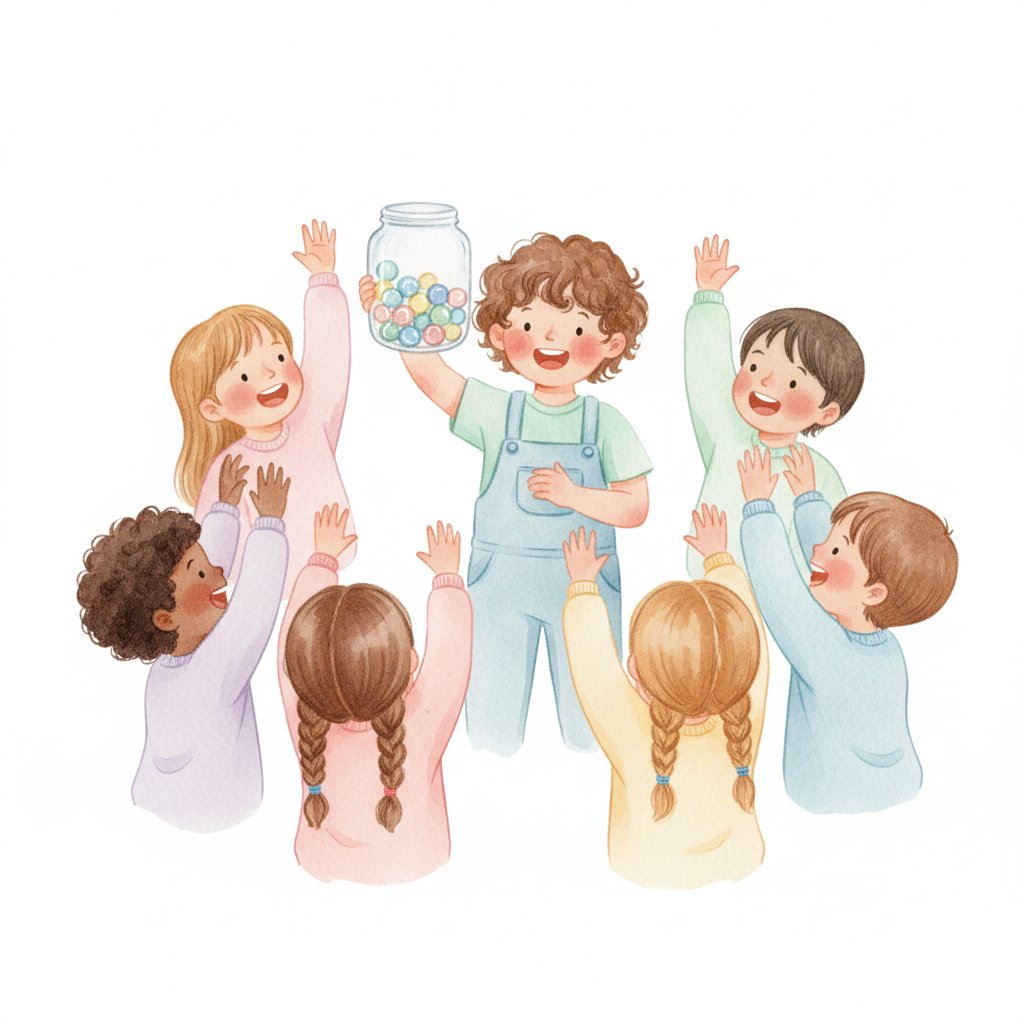
I held up a jar full of marbles. "How many marbles are in this jar? Don't count — just GUESS." "A hundred!" said Leo. "Five," said Mia. "A million!" said Aiden. I wrote every guess on the board. Then we counted together: 23. "Who was closest?" Mia at 5 or Aiden at a million? "Mia!" The next day, a different jar: "Remember yesterday there were 23 in a jar THIS big. Today's jar is TWICE as big. How many do you think?" "Fifty!" said Leo. He had used yesterday's information to make a better guess. THAT is estimation — not random guessing, but REASONED guessing based on what you already know. And it is one of the most important number skills a child can develop.
According to the National Council of Teachers of Mathematics, estimation activities teach number sense (understanding quantity), reasoning (using known information to predict), self-correction (comparing estimates to actual counts), and confidence (accepting that being close is valuable). Children who estimate regularly develop stronger number sense than those who only count precisely.
This guide covers 20+ estimation and prediction activities for ages 3-6. Pair it with our number guide for counting and our science guide for hypothesis testing.