Articles7 min read

The Night We Put Away Our Phones

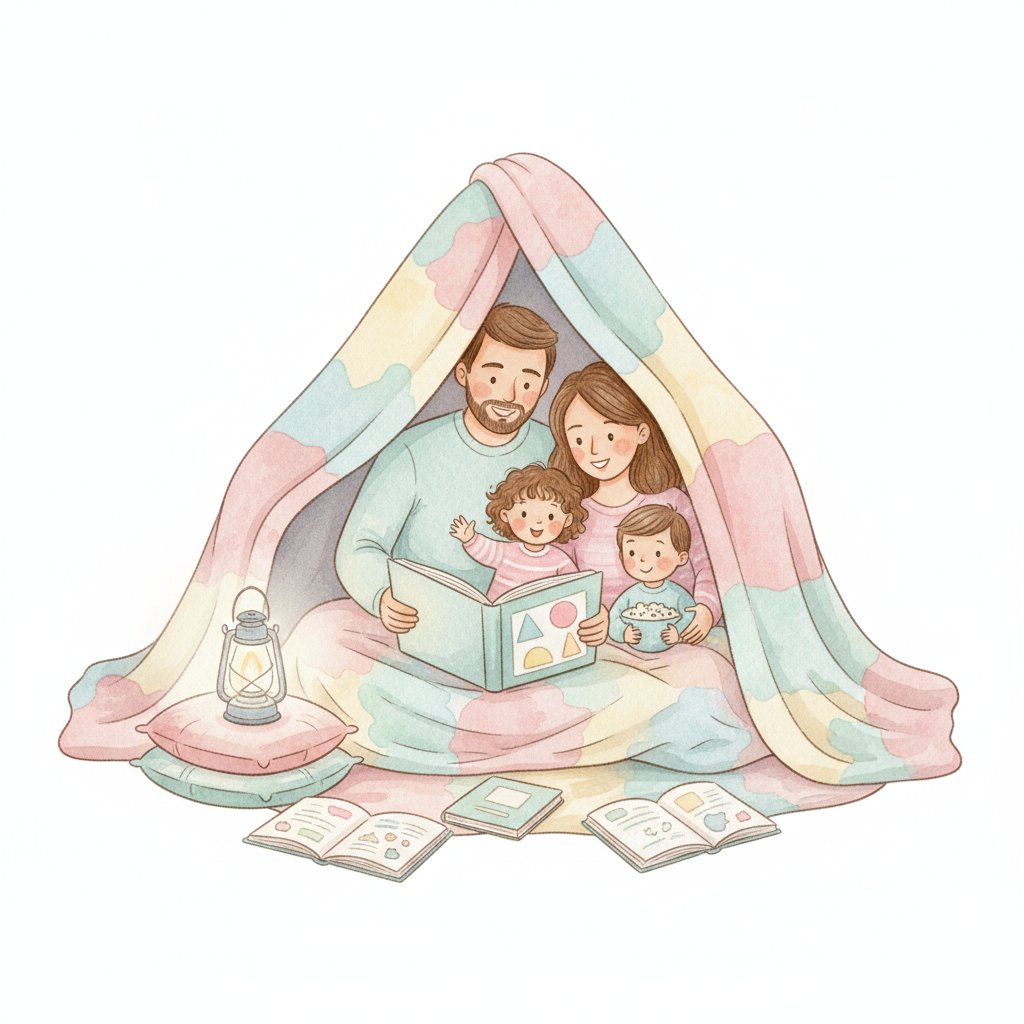
One Friday evening, my partner and I put our phones in a drawer and committed to two hours of family time. No screens, no chores, no distractions. Our preschooler chose the activities: we built a blanket fort, read three books inside it, made up a story about a dragon who lived in a fort, ate popcorn, and laughed more than we had all week. At bedtime she said, "This was the best day EVER." It wasn't the best day. It was just two hours. But those two hours of undivided attention felt like a whole day to her.

According to research from the Child Development Institute, children who experience regular, device-free family activities show stronger attachment, better emotional regulation, higher self-esteem, and improved social skills. The key variable is not the activity itself but the quality of attention — children can tell the difference between a parent who is present and a parent who is nearby but distracted.
This guide covers 20+ family activities for ages 3-6, organized by setting: everyday moments, weekend projects, family traditions, and bedtime routines. Pair it with our imagination guide for creative play ideas and our storytelling guide for narrative activities.

Everyday Family Activities (Ages 3-6)

1. Kitchen helper time
Materials: Simple cooking tasks.

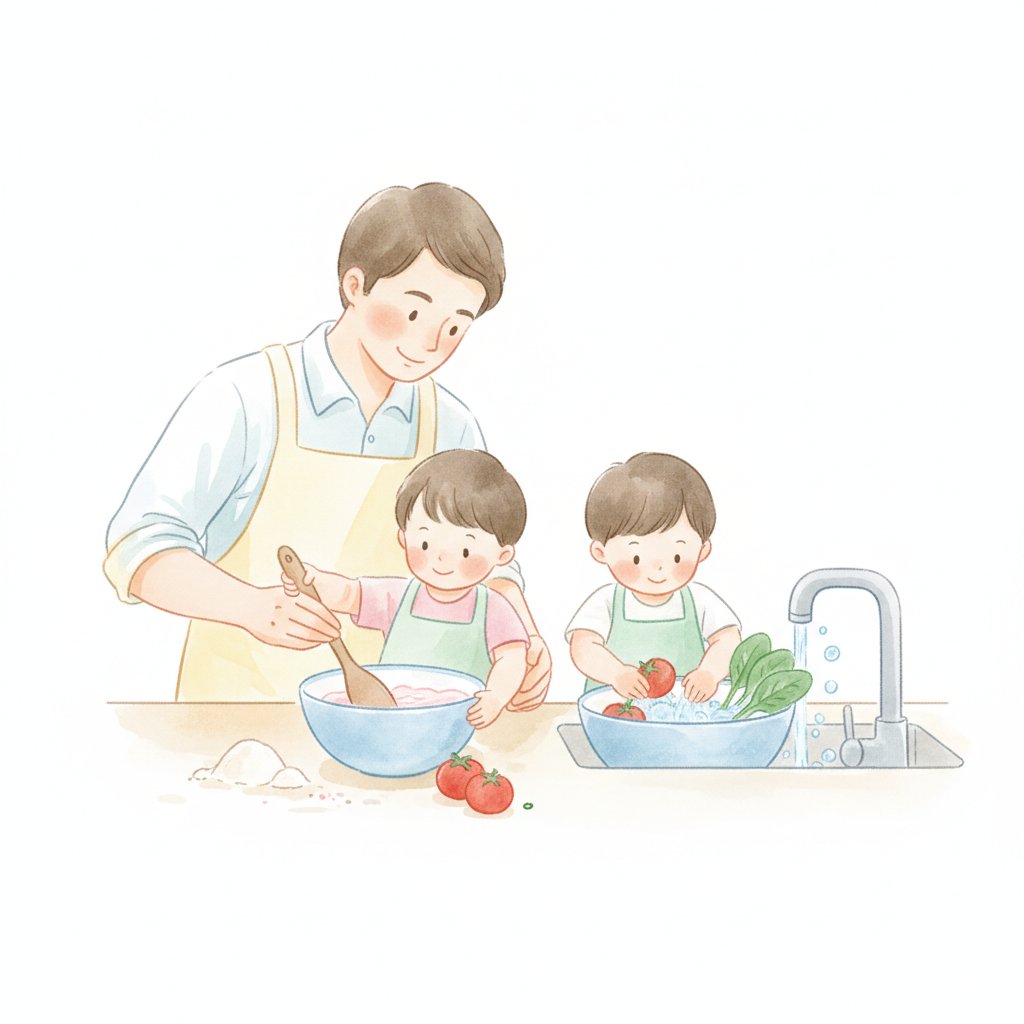
What to do: Invite your child to help with ONE meal per day: stirring, pouring, washing vegetables, tearing lettuce, cracking eggs into a separate bowl. "You're my kitchen helper today! Can you stir this while I measure?" The shared task builds confidence, teaches life skills, and creates daily together-time. For more cooking ideas, see our cooking guide.

Why it works: Children don't need elaborate activities — they need to be INCLUDED in real life. Kitchen helper time says: "You matter. You're capable. I want your company." The task is real (dinner gets made), the learning is real (measuring, following steps, safety), and the connection is real (shared purpose).

2. Car conversation games
What to do: Turn car rides into connection time: "I spy something RED." "Let's name all the animals we can think of!" "What would you do if you were invisible for a day?" The car is a captive audience — use it for conversation, not silence or screens. For more games, see our listening guide.

3. Mailbox check together
What to do: Check the mail together every day. "Let's see what came! A letter for Daddy! A magazine! Junk mail — what should we recycle?" The daily ritual creates a moment of shared anticipation and teaches environmental print awareness.

4. "Tell me about your day" with props
Materials: Small toys or drawings.

What to do: At dinner, each family member shares their day using a prop: "The bear will tell about MY day! First the bear went to work (hold bear up). Then the bear came home and PLAYED with you!" The prop makes sharing playful and reduces the pressure of direct questions. For more storytelling, see our storytelling guide.

5. bedtime recap ritual
What to do: Each night, ask: "What was the best part of today? What was the hardest part? What are you grateful for?" Share your own answers too. "The best part of my day was reading with you." The ritual ends the day with gratitude and connection. For more routines, see our quiet time guide.

The 10-minute morning that changes everything
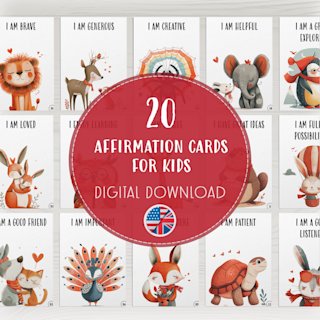
Our Morning Routine Visual Schedule Cards create a stress-free family morning: wake up, bathroom, get dressed, eat breakfast, brush teeth, go! Children follow the visual cards independently — no nagging, no reminding, no yelling across the house. The 10 minutes you save on managing becomes 10 minutes of actual connection: a hug at the breakfast table, a song during teeth brushing, a high-five at the door. Peaceful mornings lead to connected days.

Weekend Family Projects (Ages 3-6)

6. Blanket fort building
Materials: Blankets, chairs, clips, pillows.

What to do: Build a blanket fort together — let your child be the architect. "Where should the entrance be? What should we put inside?" Once built, use it for reading, eating snacks, telling stories, or just being cozy. The building develops spatial reasoning; the playing develops imagination. For more building, see our block activities guide.

7. Family art gallery
Materials: Art supplies, wall space.

What to do: Everyone makes art for 20 minutes. Then hang all pieces in a "gallery." Walk through together: "Tell me about your painting! I love how you used blue here. What were you thinking about when you made this?" The gallery celebrates everyone's creativity and teaches art appreciation. For more art, see our art activities guide.

8. Backyard nature hunt
Materials: Bag, magnifying glass.

What to do: "Let's find 10 things in the yard!" Collect leaves, rocks, sticks, flowers, seeds. Come inside and examine everything: "This leaf has veins! This rock is smooth but this one is rough! This seed has wings!" The hunt combines physical activity with science observation. For more nature play, see our outdoor play guide.

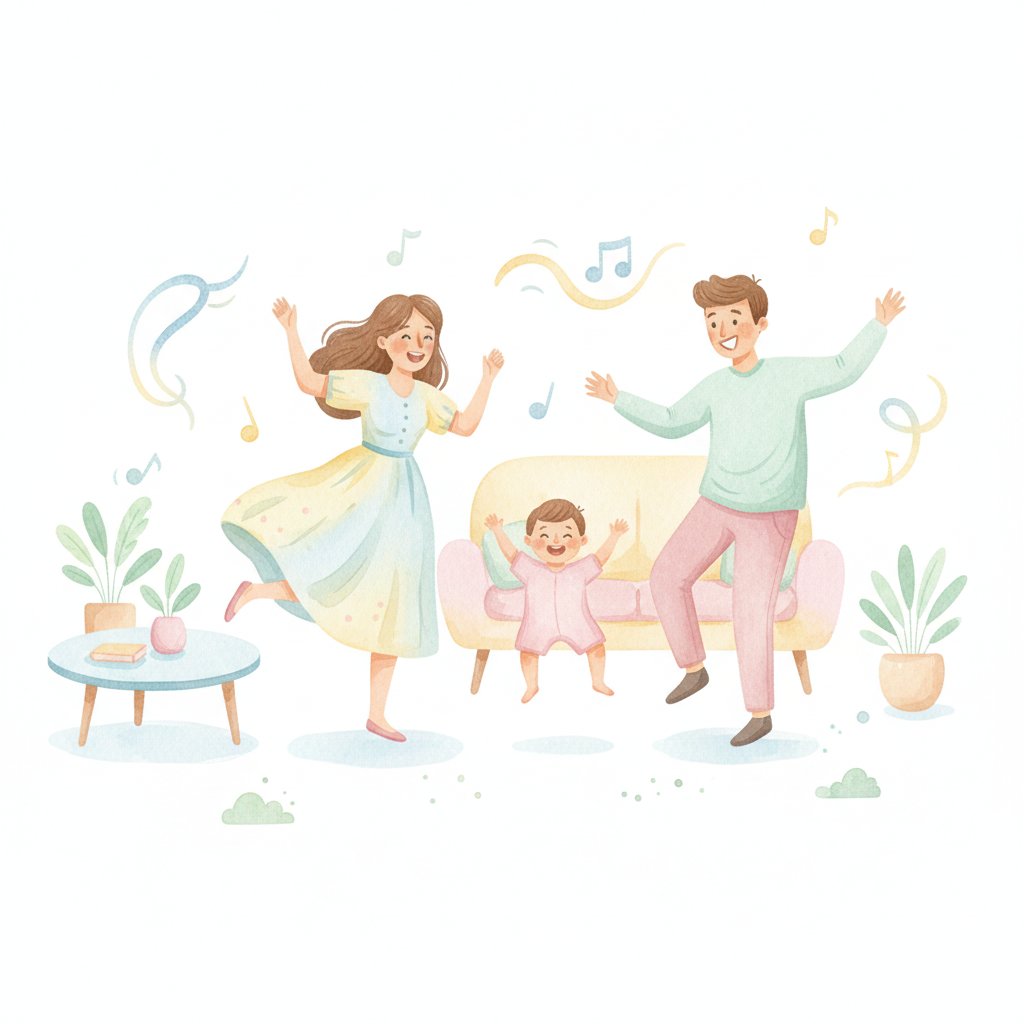
9. Family dance party
Materials: Music player.

What to do: Clear the floor. Put on music everyone likes. DANCE. "Everyone freeze when the music stops!" "Dance like a robot! Now like a jellyfish! Now like a chicken!" The unstructured physical play is joyful, silly, and connecting. For more movement, see our gross motor guide.

10. Family board game night
Materials: Simple board games (Candy Land, Hi Ho Cherry-O, Zingo).

What to do: Play a board game together. Let your child experience winning AND losing. "You won this time! Good game! Next time maybe I'll win — or maybe you will again!" The game teaches turn-taking, rule-following, and emotional resilience (losing gracefully). For more cooperative play, see our group games guide.

Family feelings dinner: one card, one conversation
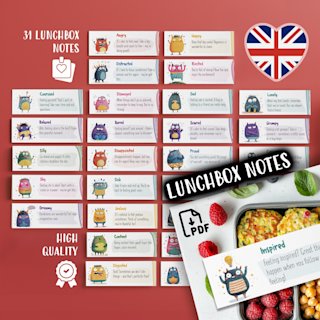
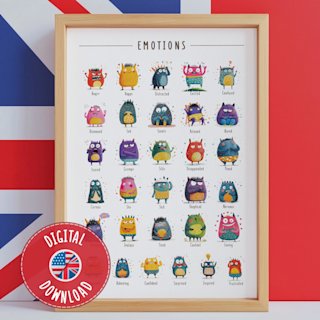
Our Emotions Monster Feelings Flashcards become a family dinner ritual: each person draws a card and shares a time they felt that emotion today. 'I drew the FRUSTRATED monster. I felt frustrated when my computer was slow. How about you?' Children learn that adults have feelings too — big ones, small ones, all kinds. The cards give everyone permission to share. 12 monsters, 12 conversations, one closer family.

Family Traditions and Rituals (Ages 3-6)

11. Special day breakfast
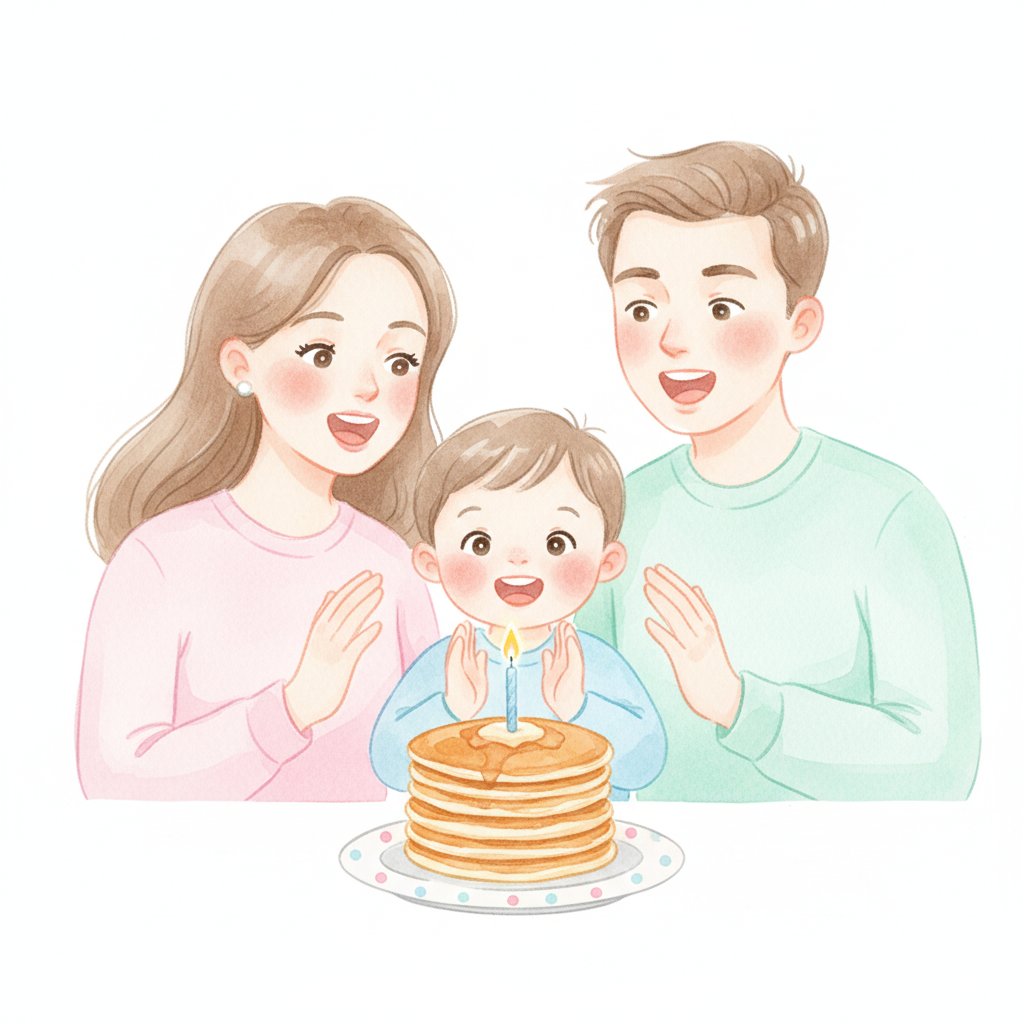
What to do: Create a birthday and celebration tradition: pancakes with a candle, a special plate, a song. "It's your special day! You get the RED plate!" The tradition creates anticipation and belonging. Children remember traditions more than gifts.

Why it work: Traditions are the glue of family identity. They tell children: "In our family, we do THIS. This is who we are." The predictability of traditions provides security, and the specialness creates memories. Children as young as 3 can remember and anticipate family traditions.

12. Weekly family meeting
What to do: Hold a 5-minute family meeting: "What did we love about this week? What was hard? What do we want to do next week?" Everyone shares (even the 3-year-old). The meeting teaches communication, reflection, and collaborative planning. For more group activities, see our circle time guide.

13. Photo memory book
Materials: Photos, album or binder.

What to do: Print photos from family activities and create a memory book together. "Remember when we built the fort? Look at your face! You were SO happy!" Review the book regularly. The shared memories strengthen family narrative and identity.

14. Seasonal traditions
What to do: Create one tradition per season: spring picnic, summer ice cream outing, fall leaf walk, winter hot chocolate and stories. "Every fall we walk through the leaves at the park!" The seasonal rhythm gives children something to look forward to throughout the year. For more seasonal ideas, see our seasonal guide.

15. Gratitude tree
Materials: Paper tree on wall, paper leaves.

What to do: Each family member adds a leaf to the tree with something they're grateful for: "I'm grateful for my teddy bear." "I'm grateful for family movie night." The tree grows over time and becomes a visual representation of family gratitude.

Bedtime Connection Rituals (Ages 3-6)

16. Three books, three songs
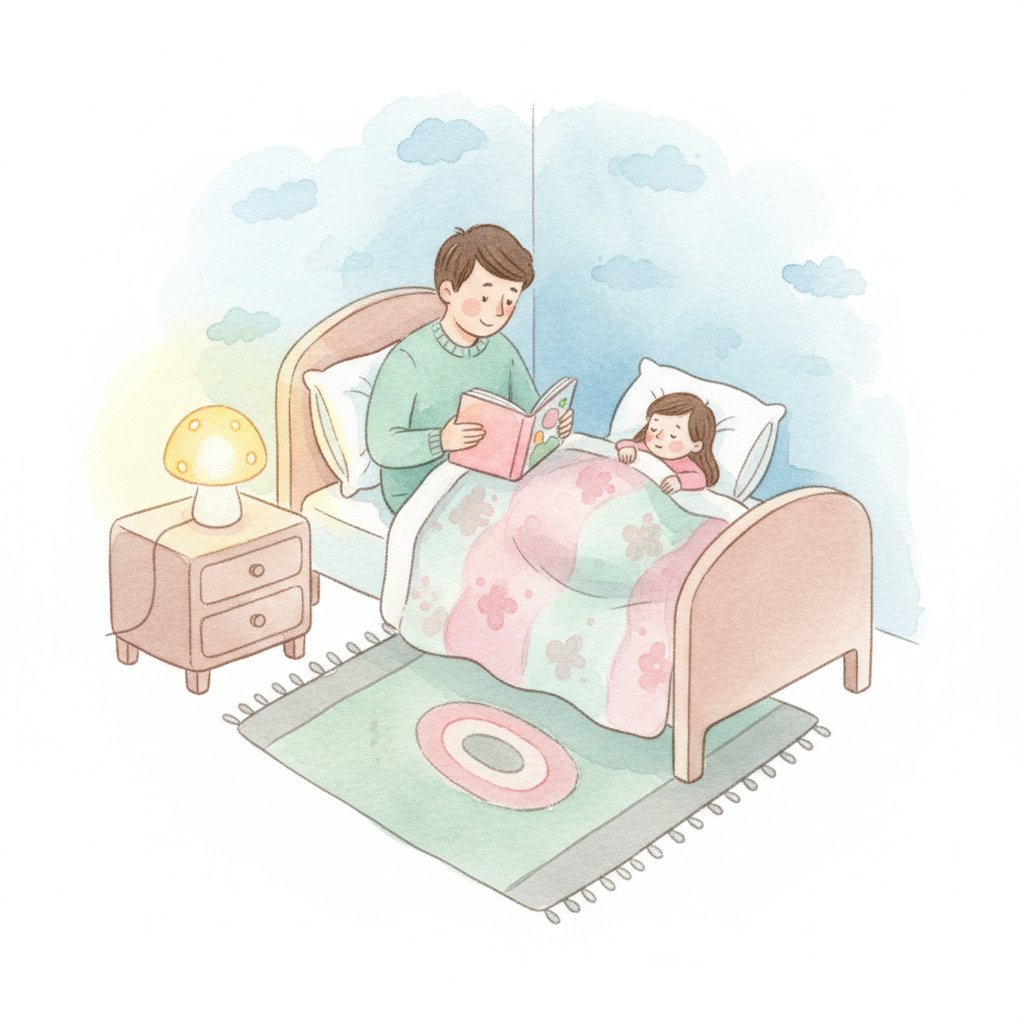
What to do: Create a bedtime sequence: three books, then three songs. Your child chooses the books. You choose the songs. The predictable structure helps children transition to sleep because they know exactly what happens and when it ends. "Two more songs, then sleep." For more reading, see our storytelling guide.

17. Best-worst-hope
What to do: At bedtime, share three things: "What was the BEST part of today? What was the WORST part? What do you HOPE happens tomorrow?" Answer for yourself too. The structure gives children language for positive and negative experiences and teaches that both are valid.

18. Back drawing game
What to do: Trace letters, shapes, or pictures on your child's back. "What letter am I drawing? A! What shape is this? A heart!" The sensory activity is calming and connecting. The tactile input helps children settle for sleep. For more shapes, see our shape guide.

19. "I love you because..."
What to do: Each night, tell your child one specific thing: "I love you because today you shared your toy with your sister." "I love you because you tried the broccoli even though you weren't sure." The specificity teaches children that they are loved for WHO THEY ARE and WHAT THEY DO — not just generically.

20. Tomorrow's adventure preview
What to do: Before sleep, preview tomorrow: "Tomorrow is Saturday! We're going to the park, making pancakes, and visiting Grandma. What are you most excited about?" The preview gives children something to look forward to and reduces morning resistance because they already know the plan. For more routine support, see our days of the week guide.

Our week, our way: family scheduling that preschoolers understand
Our Days of the Week Poster becomes a family planning tool: post it in the kitchen and add magnets or stickers for recurring events. Monday: dance class. Wednesday: library. Friday: pizza night. Saturday: park. Sunday: pancakes. Children can SEE the week coming and FEEL the predictability. 'How many days until park day? Let's count: today is Tuesday, so Wednesday, Thursday, Friday, SATURDAY!' The poster teaches days of the week, patience, and planning. One poster, seven days, one organized family.
1.How much family time does a preschooler actually need?
Quality matters more than quantity. Research suggests that 15-30 minutes of fully present, device-free time daily is more beneficial than hours of partially-attentive proximity. Put your phone in another room. Make eye contact. Follow your child's lead. 20 minutes of genuine attention is worth more than 3 hours of being nearby while scrolling.
2.What if our family schedule is too busy for daily activities?
Focus on micro-moments: the 3-minute car ride conversation, the 5-minute bedtime recap, the 2-minute kitchen helper task. Connection doesn't require a planned activity — it requires presence. If your weekdays are packed, establish one weekend tradition (Saturday pancakes, Sunday park) that never gets cancelled. The consistency matters more than the duration.
3.How do I include a preschooler in activities with older siblings?
Give the preschooler a meaningful role: the "materials manager" who hands out supplies, the "timer" who announces transitions, the "judge" who votes on the best result. The role gives them belonging without requiring skill-level parity. Avoid making the preschooler a spectator — if they can't participate fully, they can contribute meaningfully.
4.My child prefers screen time to family activities. What do I do?
Make family activities MORE engaging than screens: be silly, be physical, be surprising. Children choose screens when real life is boring. If the alternative to a tablet is "sit and talk," the tablet wins. If the alternative is "let's build a blanket fort and have a dance party inside," the fort wins. Be the thing they want to choose — then they'll choose you.