Articles7 min read

The Day We Named Our Feelings Out Loud

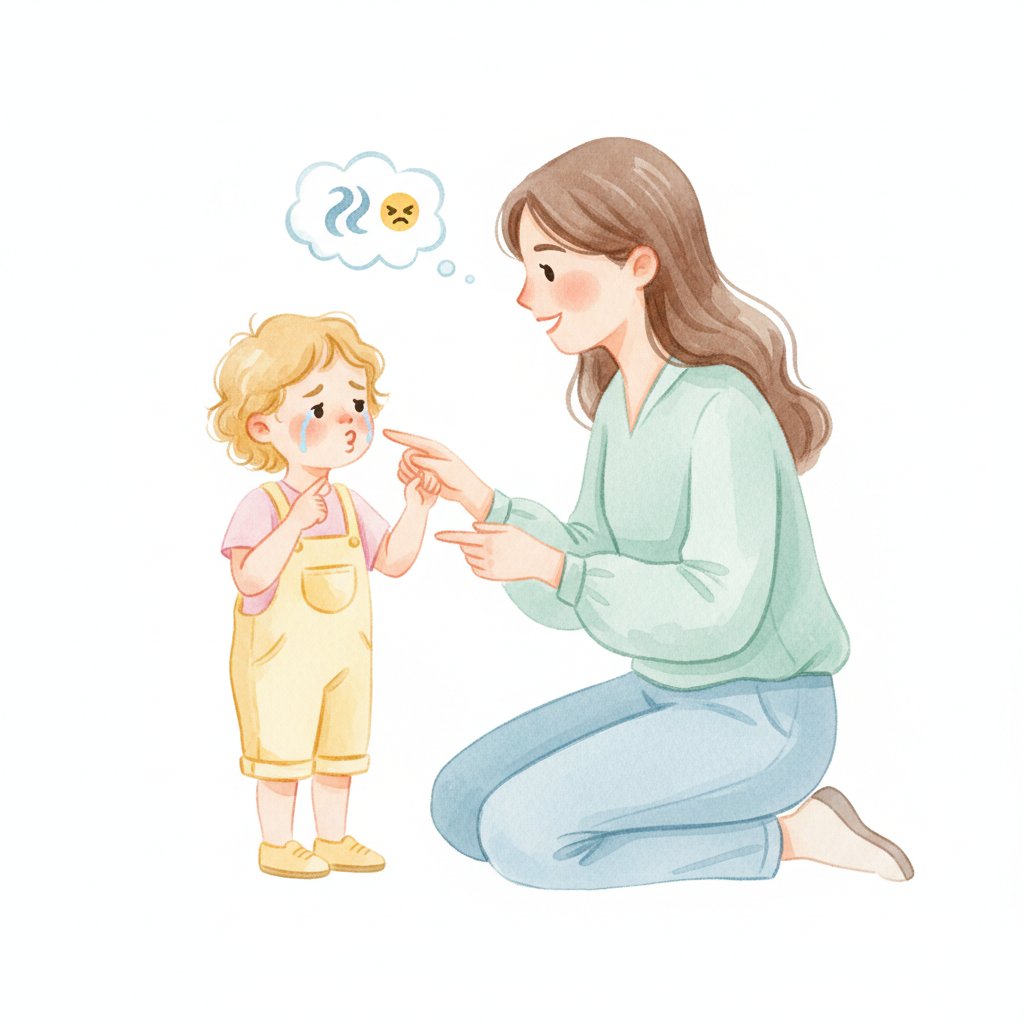
Four-year-old Marcus threw his blocks across the room. Instead of sending him to time-out, I knelt down and said: "Your face looks mad. Your fists are tight. Are you feeling FRUSTRATED?" He froze. "YES," he whispered. "I'm FRUSTRATED because my tower fell down THREE TIMES." In that moment I realized: he didn't need punishment. He needed WORDS. Once he could name the feeling, it became manageable. "Frustrated is when something doesn't work the way you want it to. That's a hard feeling. What can we do when we're frustrated?" He thought for a second and said: "Take a deep breath and try again." He had the strategy all along — he just needed to get past the feeling to access it.

Research from the Yale Center for Emotional Intelligence shows that children who can accurately label their emotions demonstrate 30% better self-regulation and 25% stronger social skills than peers who lack emotional vocabulary. The bridge between feeling and managing is NAMING. You can't regulate what you can't identify.
This guide covers 20+ feelings activities for ages 3-6. Pair it with our self-regulation guide for calming strategies and our social skills guide for peer interactions.
Emotion Identification Activities (Ages 3-6)

1. Feelings check-in chart
Materials: Chart with emotion faces, name tags.

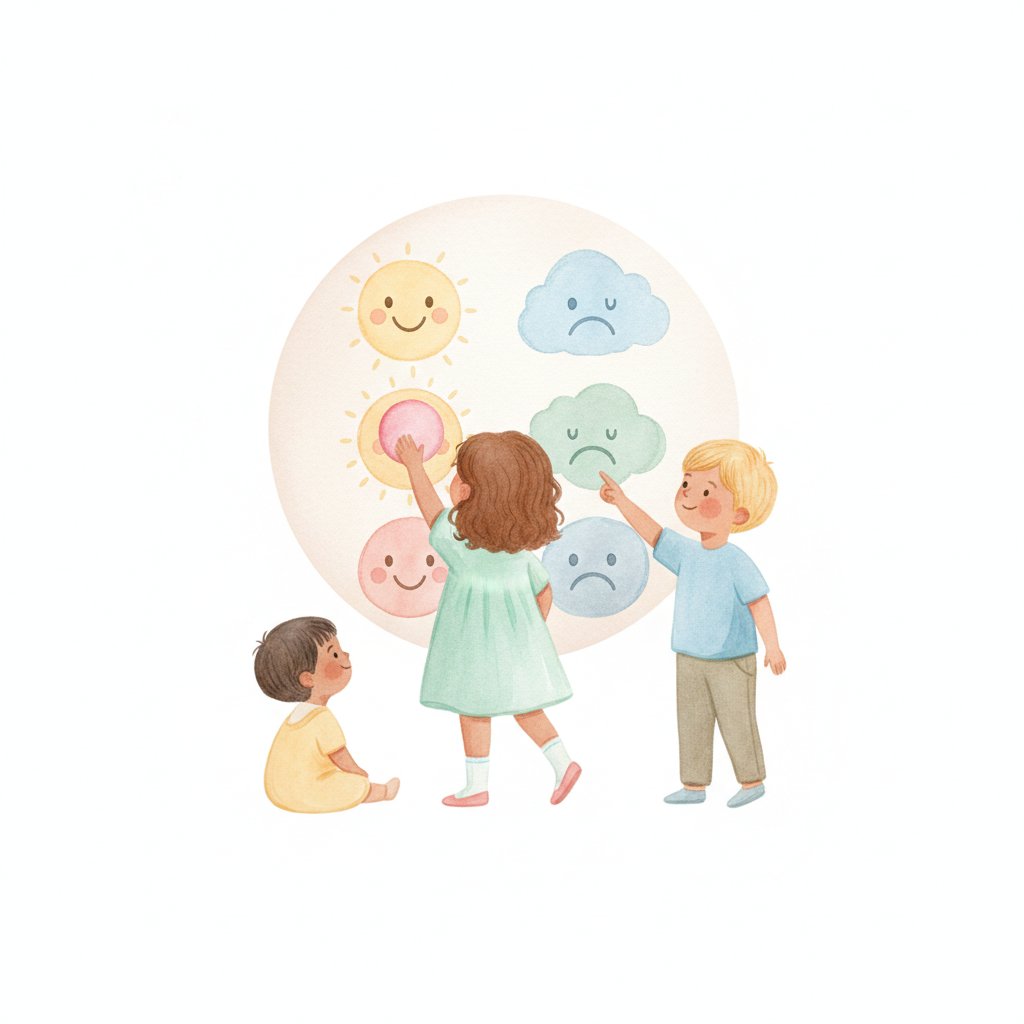
What to do: Every morning, children place their name next to how they feel: "Happy, Sad, Mad, Scared, Excited, Calm." "Marcus, you put your name by 'mad.' What made you feel mad this morning?" The daily check-in makes feelings normal to talk about. For more morning routines, see our morning routine guide.

Why it works: Many children don't know what they're feeling — they just know something is happening inside. The chart gives them a MENU: "Look at these faces. Which one matches how you feel inside?" The visual removes the pressure of generating the word from scratch. They just have to MATCH. And matching is a skill they already have.

2. Feelings charades
What to do: "Act out a feeling WITHOUT talking! Show HAPPY. Show SAD. Show ANGRY. Show SCARED. Show SURPRISED. Show EXCITED." Children guess: "You're looking sad! Your shoulders are down and your mouth is frowning!" The charades teach body language awareness. For more dramatic play, see our dramatic play guide.

3. Mirror faces
Materials: Mirror.

What to do: "Look in the mirror. Make a HAPPY face. What does your face do? Your mouth goes UP. Your eyes crinkle. Now make a MAD face. What changes? Your eyebrows go DOWN. Your mouth gets tight. Your face TELLS people how you feel!" The mirror activity teaches self-awareness of facial expressions.

4. Story feelings
Materials: Books with emotional content.

What to do: Read a story and pause: "How do you think the character feels right now? Why? What happened that made them feel that way? Have you ever felt that way?" The questions connect literary characters to personal experience. For more storytelling, see our storytelling guide.

5. Feelings vocabulary building
What to do: Move beyond happy/sad/mad. Teach nuanced words: "FRUSTRATED is when you're mad because something isn't working. DISAPPOINTED is when you're sad because something didn't happen. ANXIOUS is when you're scared but you're not sure why. PROUD is when you're happy because YOU did something great." The vocabulary expansion gives children precision. For more vocabulary, see our vocabulary guide.

12 monsters, 12 feelings, zero confusion
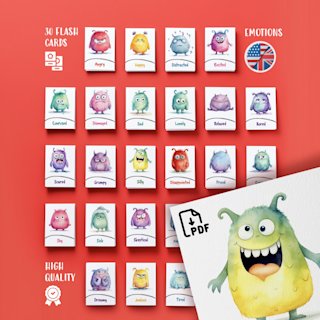
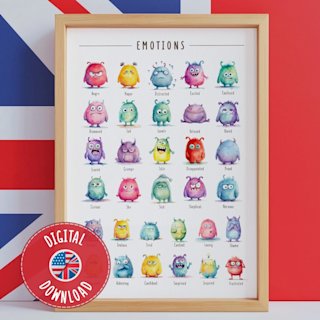
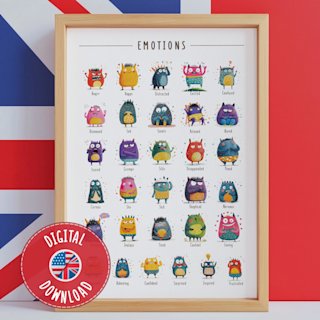
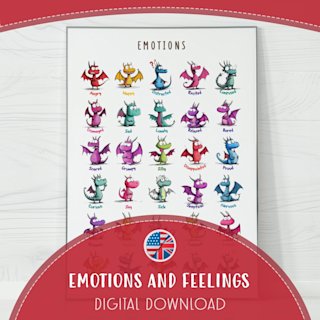
Our Emotions Monster Feelings Flashcards give every feeling a face and a name. HAPPY Monster has a huge grin. SAD Monster has droopy eyes. ANGRY Monster has steam coming from its ears. SCARED Monster is hiding behind its hands. Children POINT to the monster that matches how they feel — no words needed for the first step. 'You picked the SAD Monster. Tell me about it.' The monsters make feelings visible, tangible, and safe to talk about. 12 emotions, 12 monsters, 12 ways to say how you feel without saying a word.

Emotional Regulation Activities (Ages 3-6)

6. Mood meter
Materials: Large chart: Y-axis (low energy to high energy), X-axis (unpleasant to pleasant).

What to do: "Where are you on the mood meter right now? High energy and pleasant — that's EXCITED! Low energy and unpleasant — that's TIRED. High energy and unpleasant — that's ANGRY! Low energy and pleasant — that's CALM." The meter teaches that feelings have TWO dimensions: energy and pleasantness. For more regulation, see our self-regulation guide.

7. Breathing buddies
Materials: Stuffed animals.

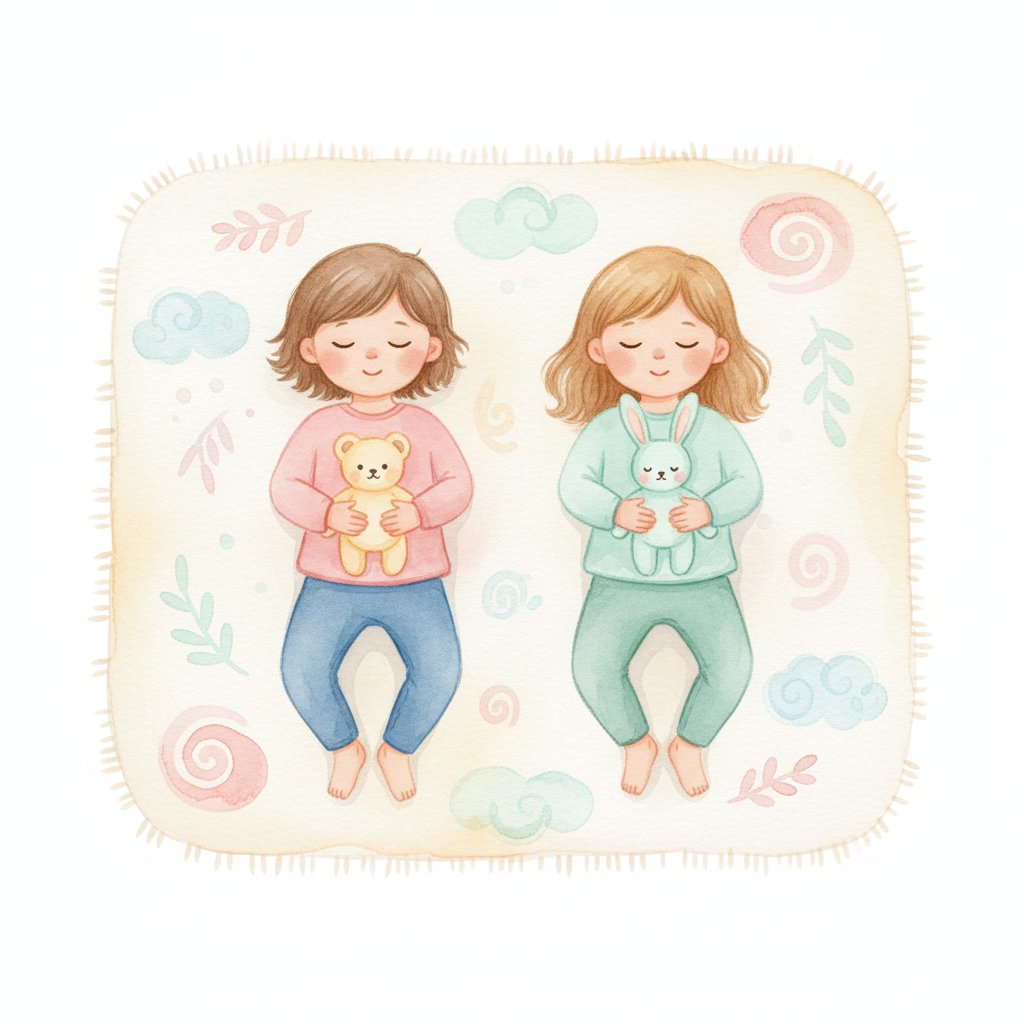
What to do: "Lie on your back. Put your stuffed animal on your belly. Breathe in slowly — watch your buddy go UP. Breathe out slowly — watch your buddy go DOWN." The breathing teaches self-calming through a visual, physical activity. For more calm-down, see our quiet time guide.

8. Feelings thermometer
Materials: Drawing of a thermometer (green, yellow, red zones).

What to do: "Green zone: calm and ready to learn. Yellow zone: wiggly, silly, or annoyed — getting wound up. Red zone: angry, out of control, can't think clearly. What zone are you in? What zone do you need to be in to solve this problem? How do you get from red back to green?" The thermometer teaches emotional self-monitoring.

9. Calm-down jar
Materials: Jar with water, glitter, and glue.

What to do: "When you're feeling big feelings, shake the jar. Watch the glitter settle. When the glitter is calm, your feelings can be calm too." The jar provides a visual focus during emotional moments. For more sensory calming, see our sensory guide.

10. Feelings-choice wheel
Materials: Paper wheel with coping strategies.

What to do: "When you have a big feeling, spin the wheel: Take 3 breaths. Get a drink. Hug a stuffed animal. Tell a teacher. Draw a picture. Jump 5 times." The wheel teaches that there are MANY ways to handle feelings — and children can choose what works for them.

Morning feelings set the tone for the whole day
Our Morning Routine Visual Schedule Cards include a feelings check-in step: 'How do you feel this morning? Point to the face that matches. Happy? Tired? Excited? Worried?' The morning check-in catches big feelings BEFORE they become big problems. A child who starts the day anxious can get support right away instead of falling apart at snack time. The cards make emotional awareness part of the daily routine — as normal as brushing teeth and putting on shoes. Routine plus emotional check-in equals a child who knows their feelings matter.

Empathy and Social Feelings Activities (Ages 3-6)

11. Reading faces game
Materials: Photos of children showing different emotions.

What to do: "Look at this face. How does this child feel? What happened to make them feel this way? What could you say to help?" The reading teaches empathy: noticing, interpreting, and responding to others' emotions. For more social skills, see our social skills guide.

12. "How would you feel?" scenarios
What to do: Present scenarios: "If someone shared their snack with you, how would you feel? If someone said you can't play, how would you feel? If you fell down and someone helped you up, how would you feel?" The scenarios teach perspective-taking. For more perspective activities, see our kindness guide.

13. Feelings in music
Materials: Music player, various songs.

What to do: Play different music: "How does this song make you feel? Does it feel happy? Sad? Excited? Scared?" Children move to the music based on the feeling: "Dance happy for this song! Move slowly and gently for this sad song." The activity teaches that feelings exist in art, not just in people. For more music, see our music guide.

14. Fix-the-feeling role-play
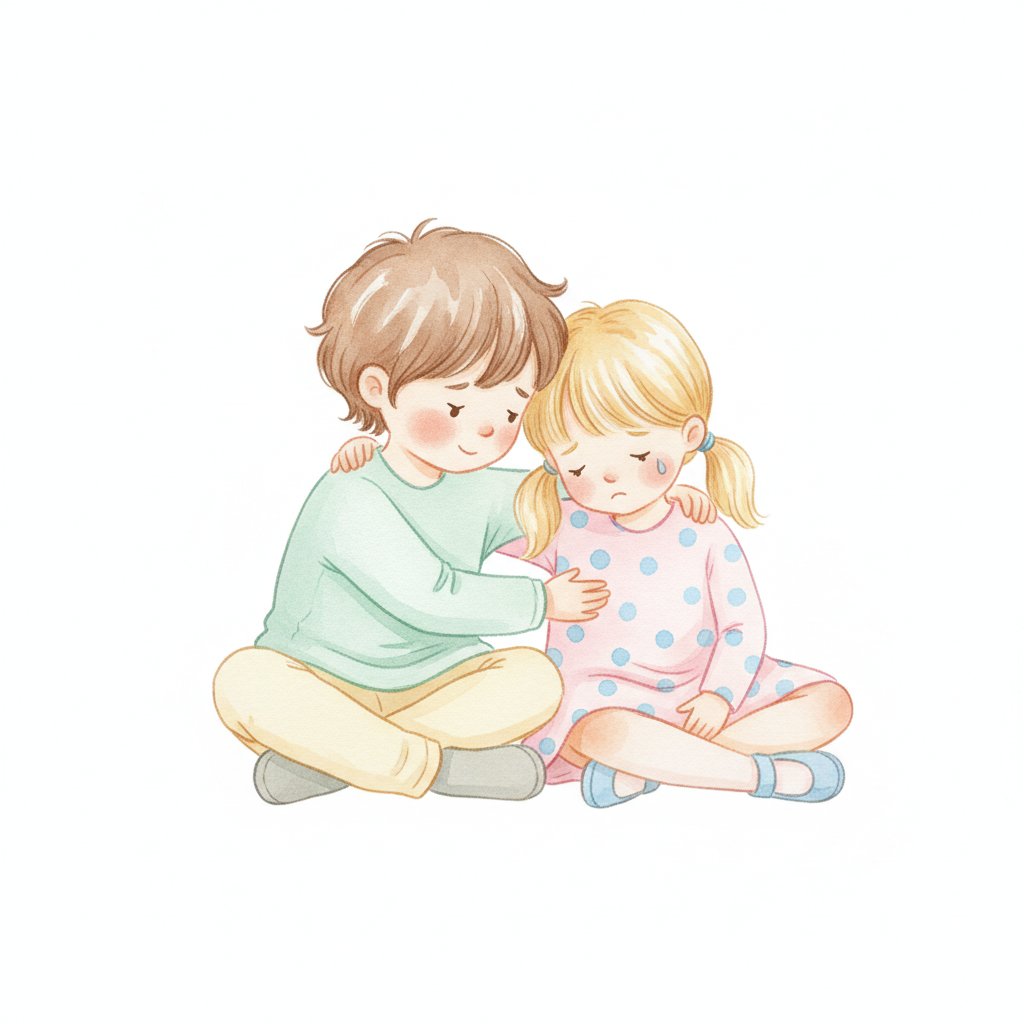
What to do: "Your friend is crying because they dropped their ice cream. What do you do?" Role-play comforting: "I'm sorry your ice cream fell. That's disappointing. Do you want a hug?" The role-play teaches active empathy — not just noticing feelings but responding to them. For more role-play, see our dramatic play guide.

15. Compliment circle
What to do: Sit in a circle. "Say something kind to the person next to you. 'I like your drawing. You're a good friend. You make me laugh.'" The receiver responds: "Thank you! That makes me feel HAPPY!" The circle teaches that kind words create positive feelings. For more group activities, see our group games guide.

Feelings Learning Extensions (Ages 3-6)

16. Feelings journal
Materials: Notebook, crayons.

What to do: "Draw how you felt today. What happened? What did you do about it?" Children draw and dictate. The journal teaches reflection: "Yesterday I was mad. I took 3 breaths. Then I felt calm." For more writing, see our writing guide.

17. Feelings memory game
Materials: Pairs of emotion face cards.

What to do: Play memory with emotion cards. When a match is found: "You found two HAPPY faces! Tell me something that makes you happy." The game teaches emotion recognition through a familiar format. For more memory games, see our matching guide.

18. Feelings art
Materials: Paint in various colors.

What to do: "Paint how ANGER feels. What colors? Red! Black! Sharp lines! Now paint how CALM feels. What colors? Blue! Green! Soft curves!" The art teaches that feelings have visual qualities. For more art, see our art guide.

19. Feelings count
What to do: "How many times did you feel happy today? How many times did you feel frustrated? Let's count on our chart." The counting teaches that we have MANY feelings in one day — and that's normal. For more counting, see our number guide.

20. Feelings alphabet
What to do: "A is for ANGRY. B is for BRAVE. C is for CALM. D is for DISAPPOINTED. E is for EXCITED. F is for FRUSTRATED." Create a feelings alphabet book. The alphabet connection teaches emotional vocabulary through letter learning. For more alphabet, see our alphabet guide.

Feelings live in the body
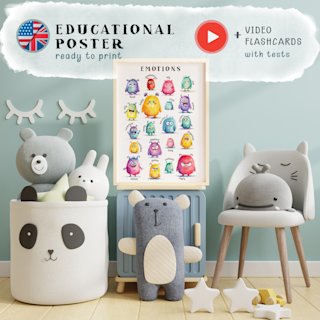
Our 8 Educational Posters include the human body poster — and feelings live IN the body. 'When you're SCARED, your heart beats FAST. When you're ANGRY, your muscles get TIGHT. When you're CALM, your breathing is SLOW and your body is RELAXED.' Children learn to scan their bodies: 'My fists are tight — I must be mad! My stomach feels funny — I must be nervous!' Body awareness is the first step to emotional regulation. You can't manage what you can't feel. The poster shows them WHERE to look.
1.My preschooler has tantrums daily. Is this a feelings problem?
Daily tantrums at ages 3-4 are developmentally normal — the prefrontal cortex (which manages emotions) is still developing. The question isn't "why are there tantrums?" but "can my child RECOVER from tantrums?" If recovery takes more than 10-15 minutes, or if tantrums involve self-harm or harming others, consult your pediatrician. Otherwise, focus on naming feelings, teaching calm-down strategies, and staying calm yourself. You are their regulation model.
2.How do I help a child who says they feel 'nothing' or 'fine'?
"Fine" usually means "I don't have the word for what I'm feeling." Offer a menu: "Are you calm, tired, bored, content, or something else?" Sometimes children genuinely don't feel much — and that's OK too. "Feeling calm is a feeling! It means your body is peaceful." The goal isn't to make every moment emotional — it's to give them words for when emotions DO show up.
3.Should I correct children when they misidentify feelings?
Gently expand, don't correct. If a child says "I'm mad" but they're actually disappointed: "It sounds like you might be feeling disappointed — you were hoping to go to the park and now it's raining. Disappointed is when something you wanted doesn't happen. Is that how it feels?" Offer the word without saying they're wrong. Over time, their vocabulary will grow.
4.How do feelings activities work in a multilingual classroom?
Teach feeling words in all languages represented in the class. "In English we say HAPPY. In Spanish we say FELIZ. In Mandarin we say GAO XING." Children love learning emotion words in multiple languages. Use pictures and facial expressions as the universal bridge — a smile means happy in every language. For more multilingual activities, see our bilingual guide.