The Handshake Test That Changed My Teaching
A kindergarten teacher once told me her easiest screening tool: she shakes each new student's hand. A firm, coordinated grip tells her the child has the hand strength and control for pencil work. A limp or awkward grip tells her fine motor skills need support before writing instruction can succeed.
Fine motor skills — the small, precise movements of the hands and fingers — are the physical foundation for writing, drawing, buttoning, zipping, and using scissors. According to the American Occupational Therapy Association, children who enter kindergarten with weak fine motor skills struggle significantly with handwriting, which affects their academic confidence and performance across all subjects.
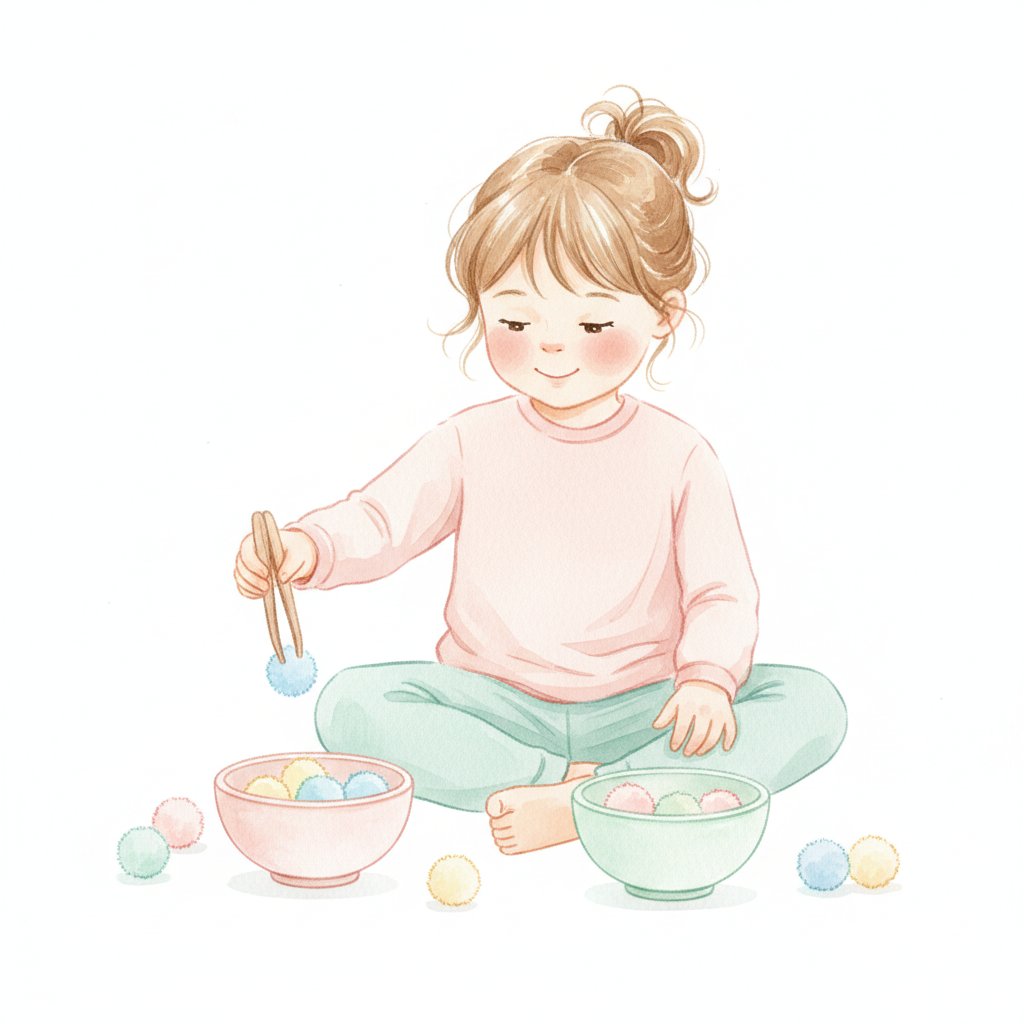
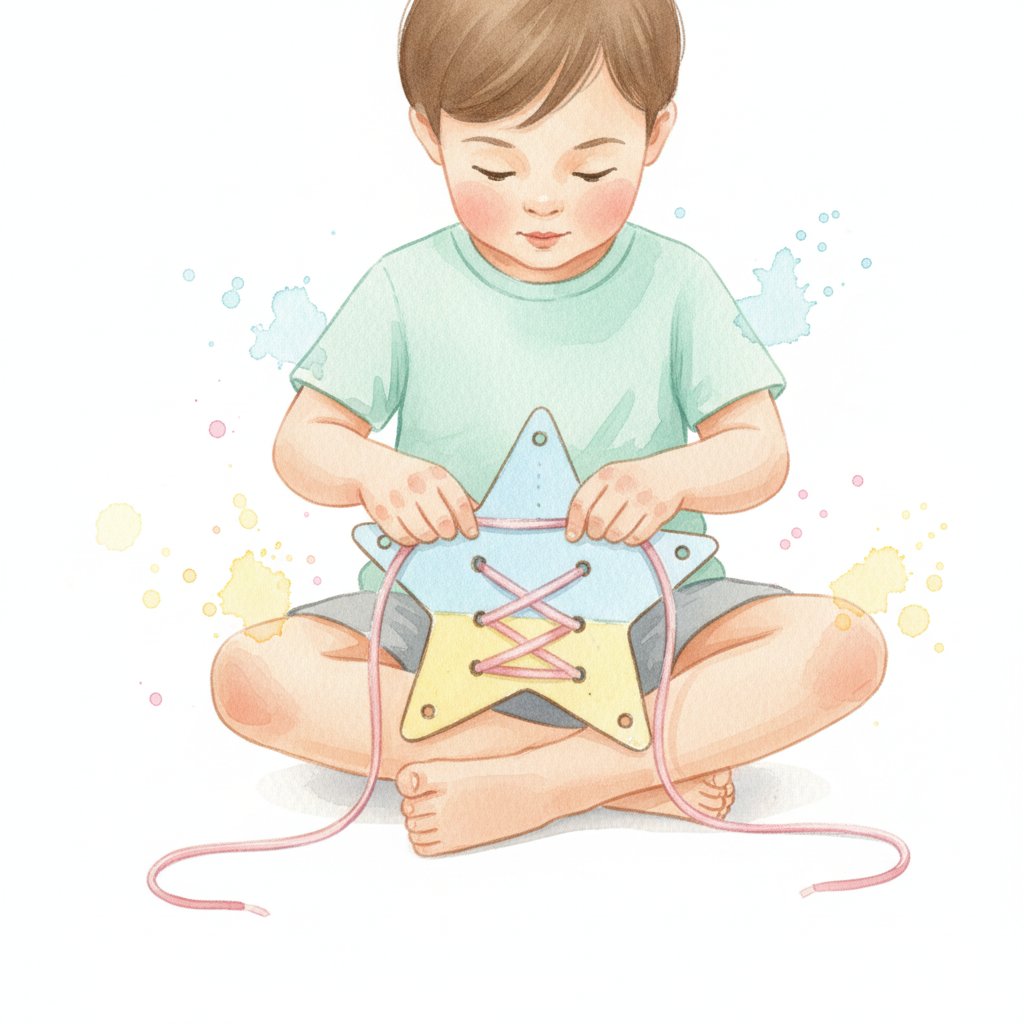
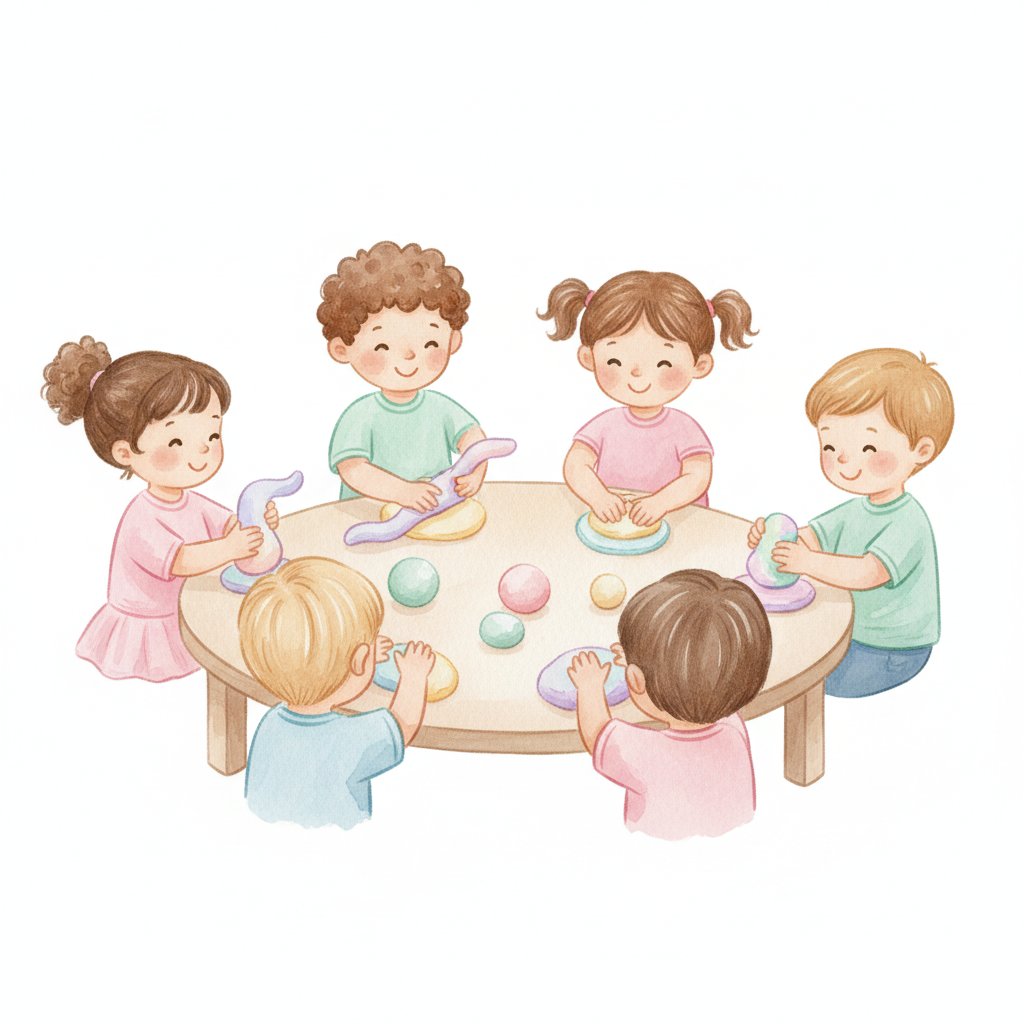
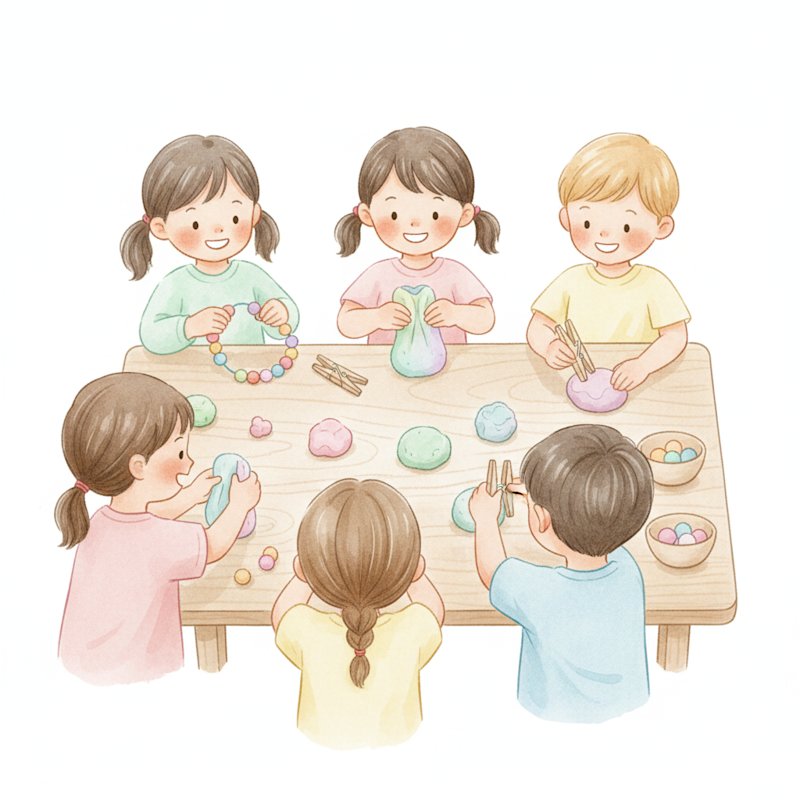
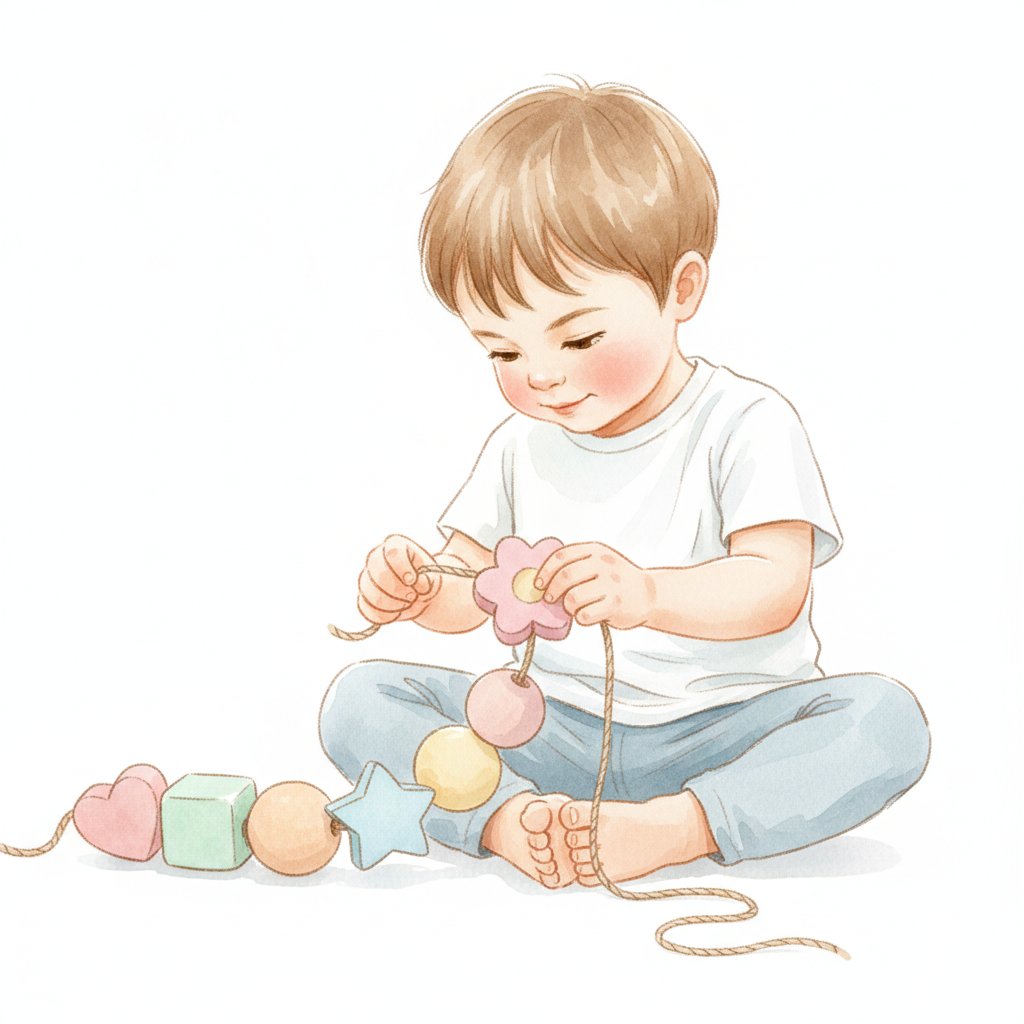
The good news: fine motor skills develop through play, not drill. The activities in this guide build hand strength, pincer grasp (thumb-index finger pinch), bilateral coordination (two hands working together), and hand-eye coordination — all through engaging, age-appropriate play.
Pair it with our writing activities for pencil skills, our scissor skills for cutting practice, and our art activities for creative hand work.
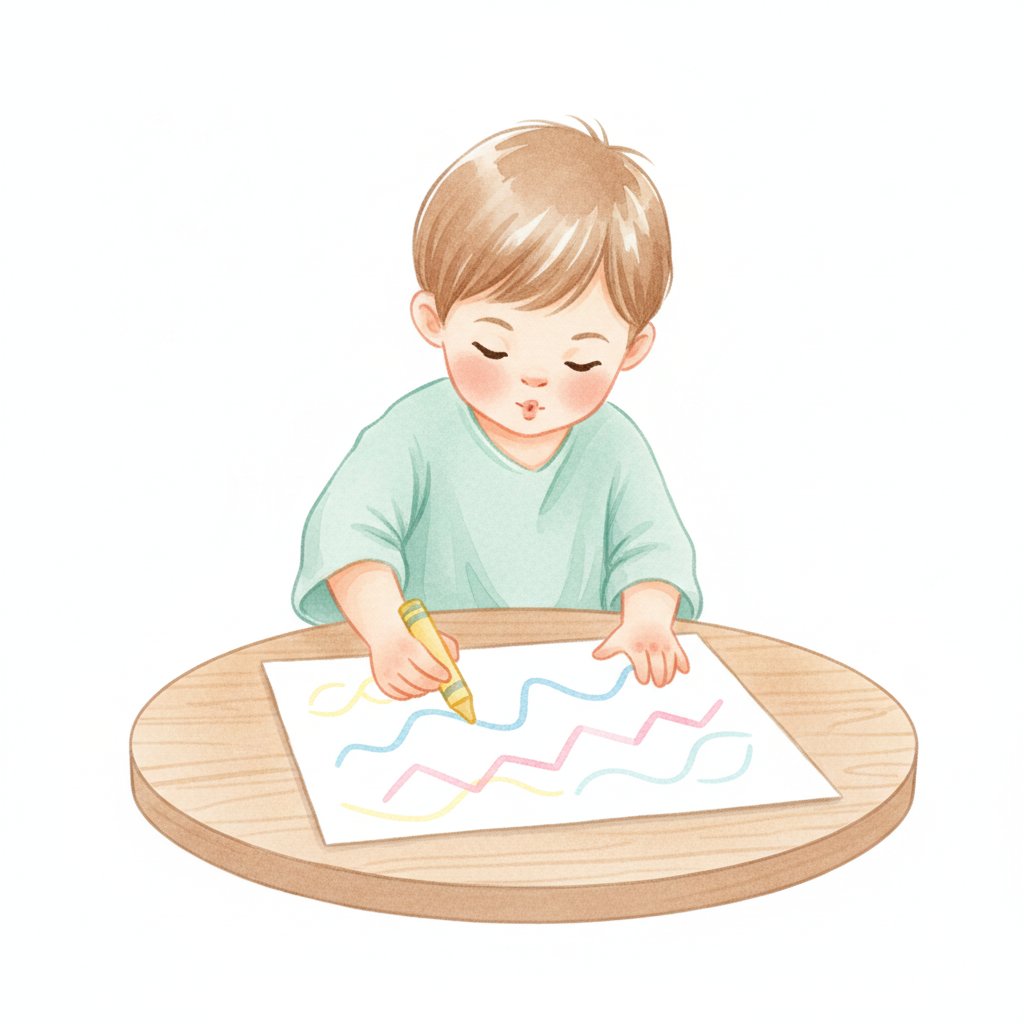
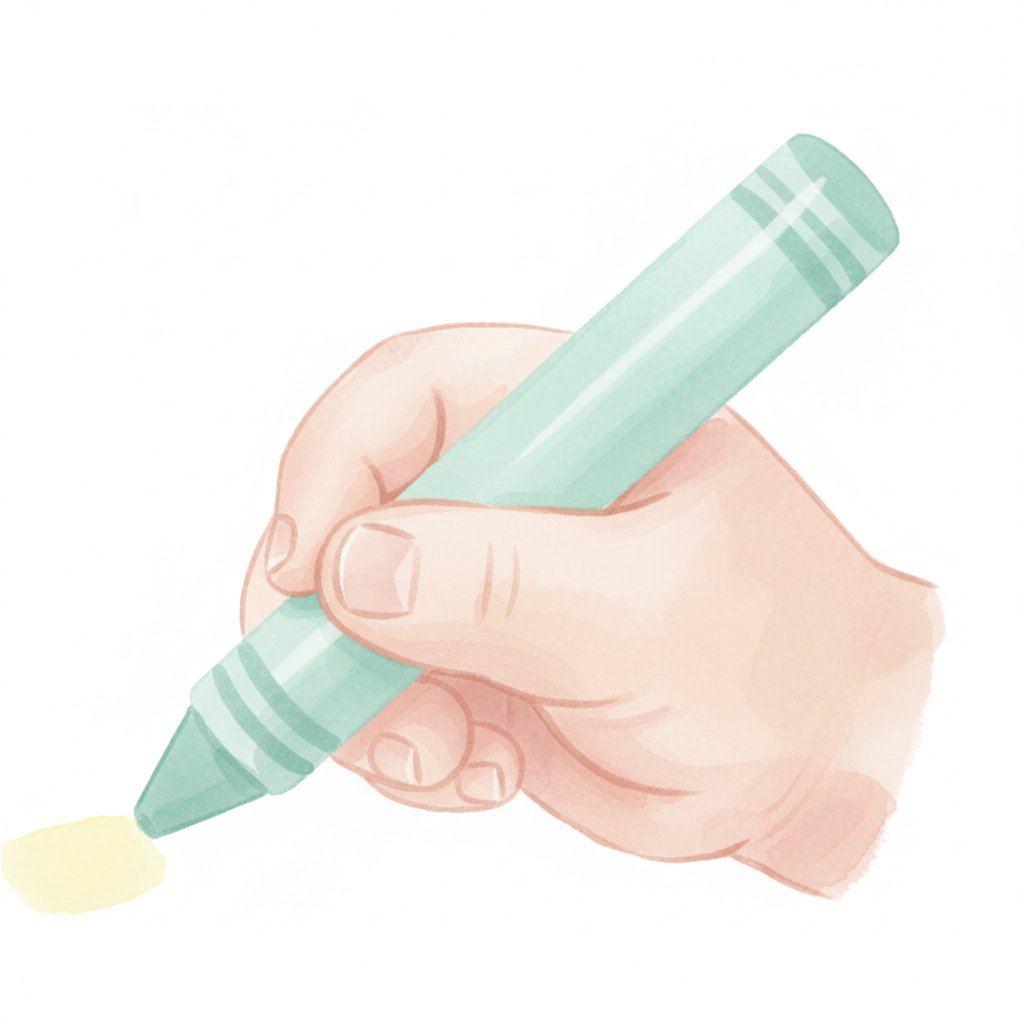
 - Use a tripod grip on a crayon (emerging)