Why Fine Motor Skills Matter
Fine motor skills are the small movements children make with their hands and fingers — grasping, pinching, twisting, threading, and drawing. These skills are the foundation for writing, buttoning clothes, using scissors, and feeding themselves.
For activities that build on these foundations, see our scissor skills activities for preschool kids and kindergarten readiness checklist for parents.
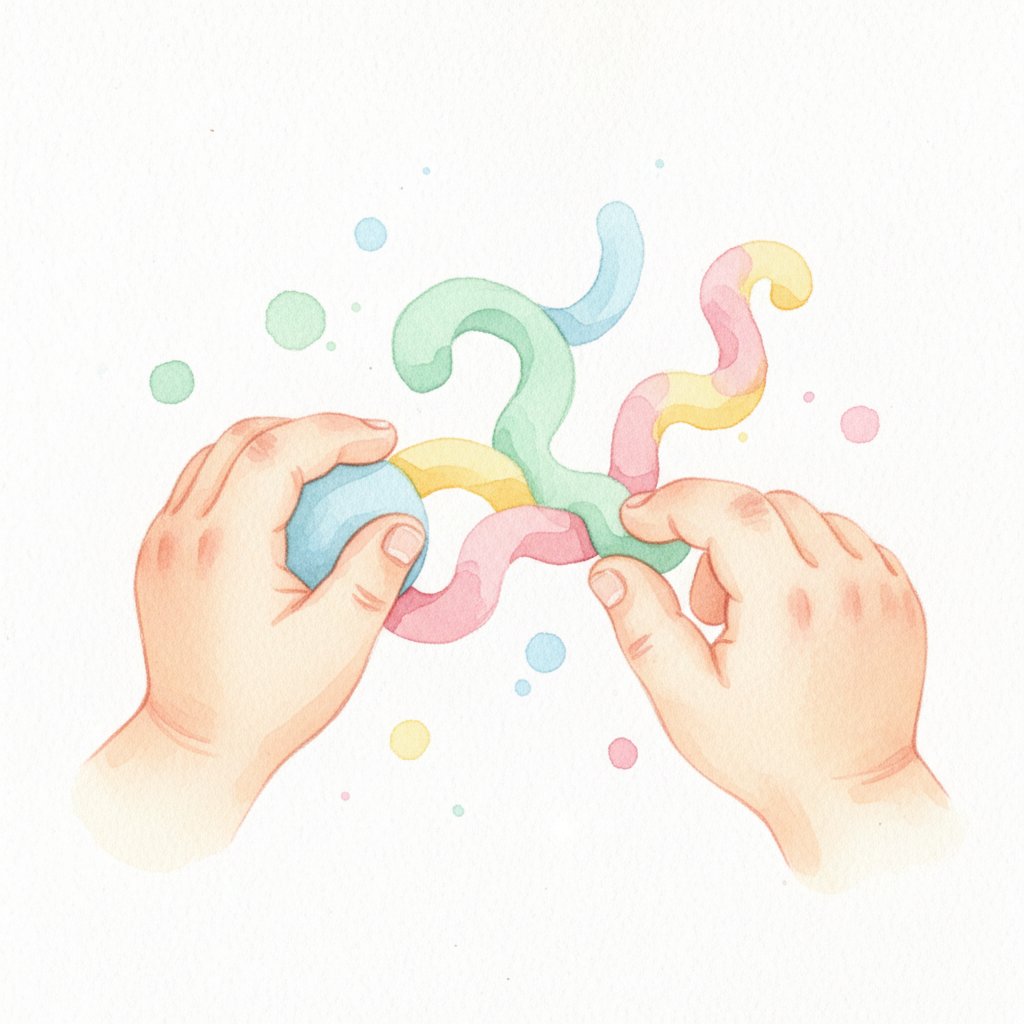 [The American Academy of Pediatrics](https://www.healthychildren.org/) notes that fine motor development follows a predictable timeline, but children need regular practice to stay on track. Activities that strengthen hand muscles and improve coordination directly prepare children for handwriting.
 If your child is ready for more structured pre-writing work, our sensory play ideas for toddlers and preschoolers includes tactile activities that build hand strength alongside cognitive skills.
Fine Motor Milestones by Age
Age 3:
- Copies a circle
- Snips with scissors
- Strings large beads
- Uses a fork independently
Age 4:
- Copies a square and some letters
- Cuts along a straight line
- Draws a person with 3+ body parts
- Buttons and unbuttons large buttons
Age 5:
- Copies triangles and diamonds
- Writes first name
- Cuts along curved lines
- Ties shoes (with practice)
Age 6:
- Writes letters and numbers legibly
- Colors within lines
- Uses scissors precisely
- Ties shoes independently
If your child is behind on several milestones, talk to your pediatrician. Early support makes a big difference.
12 Fine Motor Activities by Difficulty
Easy (Ages 2-3)
1. Play-Doh Squeeze and Roll
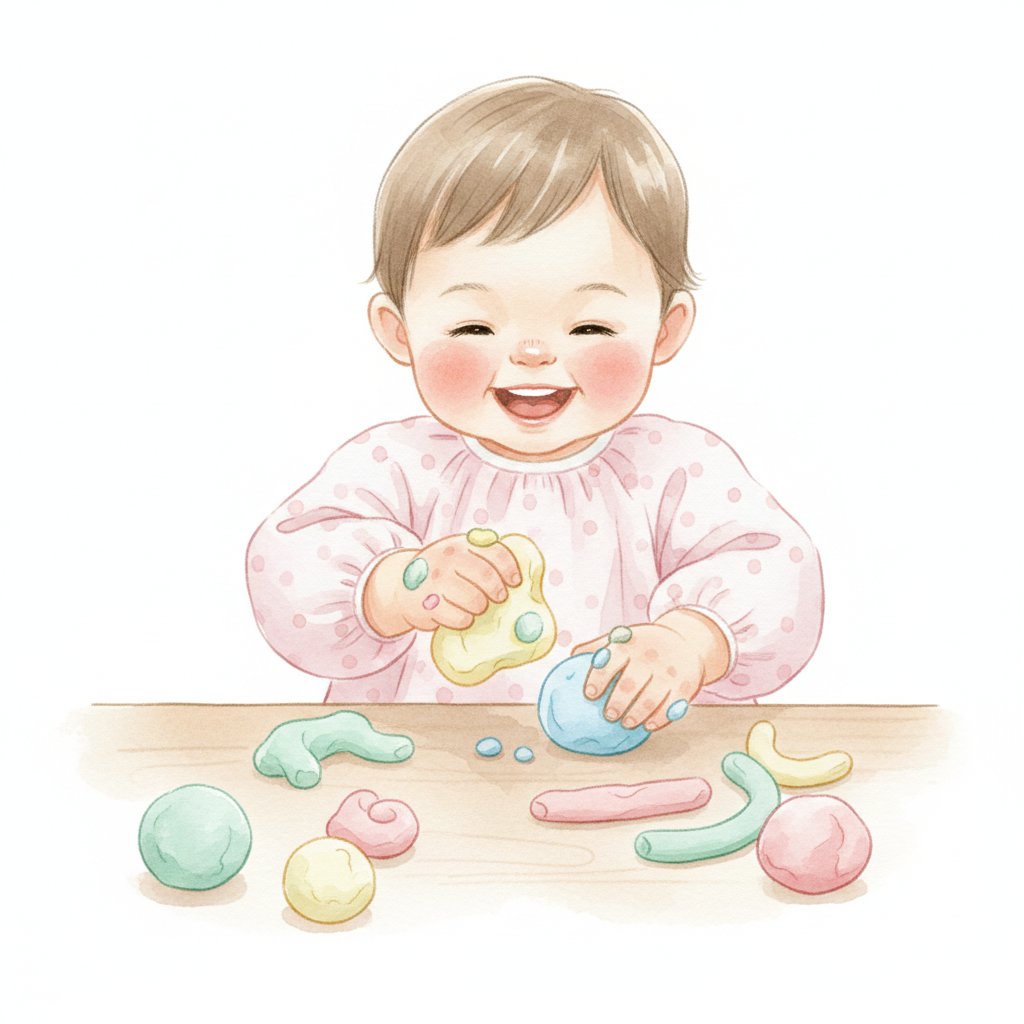 Give your child Play-Doh and show them how to squeeze, roll balls, and flatten pancakes. Each motion builds different hand muscles.
 2. Clothespin Drop
Clip clothespins around the edge of a container. Your child pinches each one off and drops it inside. Simple but effective for pincer grip.
3. Sticky Note Pull
Stick small pieces of tape or sticky notes on a wall or table. Your child peels each one off. The pulling motion strengthens fingers.
Medium (Ages 3-4)
4. Bead Stringing
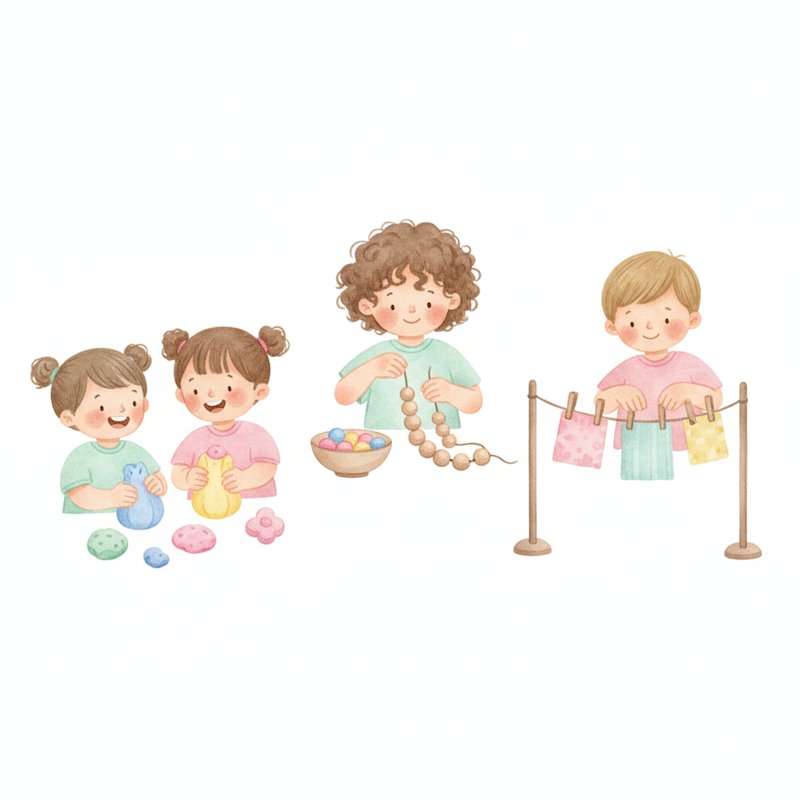
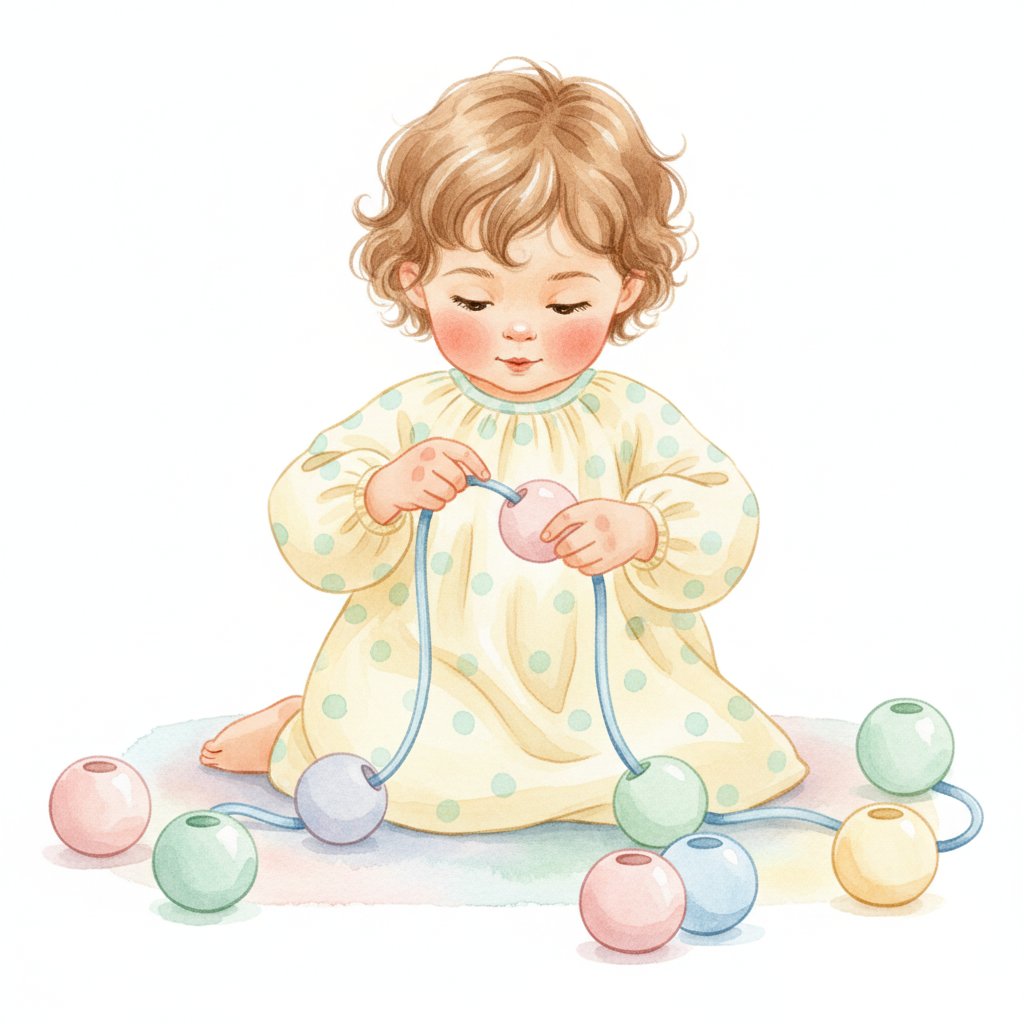 Thread large wooden beads onto a shoelace or pipe cleaner. Start with beads that have large holes, then move to smaller ones. This builds bilateral coordination (using both hands together).
 5. Scissor Snipping
Give your child safety scissors and strips of paper. Start with snipping (single cuts), then progress to cutting along a straight line. See our teaching number recognition guide for number-shaped cutting practice.
6. Tweezer Transfer
Use kitchen tweezers to pick up small objects (pom-poms, beans, cotton balls) and move them between containers. Great for thumb-index coordination.
7. Sticker Picking
Peel and stick small stickers onto a page. The peeling motion is surprisingly challenging for small fingers and builds precision.
Harder (Ages 4-5)
8. Hole Punch Art
Use a hand-held hole punch on construction paper. The squeezing motion builds grip strength. Save the punched circles for gluing projects.
9. Tracing with Tracing Paper
Place tracing paper over shape flashcards and trace the shapes. This develops pencil control without the pressure of drawing from memory. For more shape-based learning, try our Shape Activities for Preschoolers — 20+ fun games that also build fine motor skills.
10. Pipette Painting
Fill cups with watered-down paint. Use a pipette or medicine dropper to transfer paint onto paper. The squeezing builds finger strength and control.
11. LEGO Building
Following instructions to build number patterns or simple structures. Pushing bricks together and pulling them apart is resistance training for fingers.
Advanced (Ages 5-6)
12. Weaving and Lacing Cards
Thread a shoelace through lacing cards in a pattern. This requires planning, bilateral coordination, and steady hand movements — all critical for handwriting.
How Flashcards Support Fine Motor Development
Using flashcards builds fine motor skills in ways you might not expect:
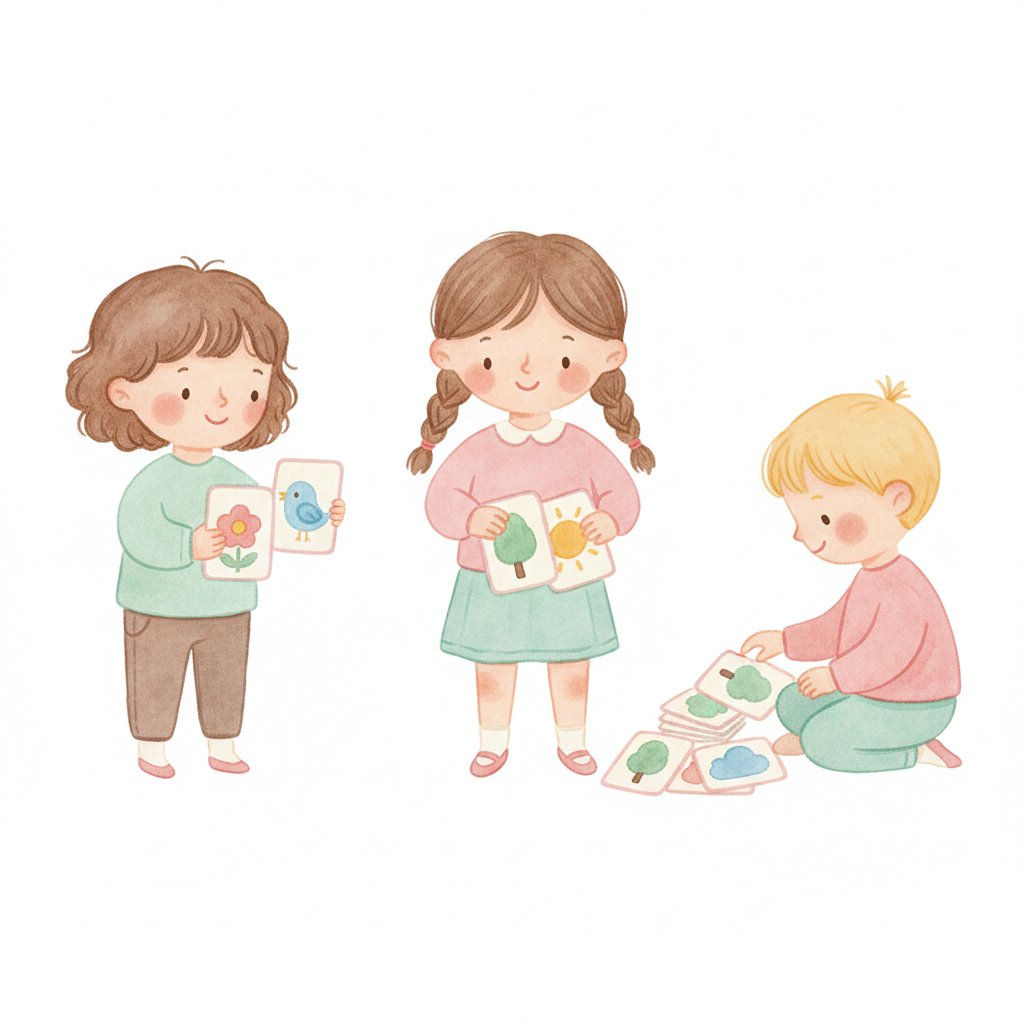
- Grasping practice — Holding and flipping cards strengthens pincer grip
- Sorting and arranging — Placing cards in order develops hand-eye coordination
- Pointing and matching — Quick, precise finger movements improve dexterity
- Tracing activities — Tracing letters or shapes on flashcards builds pencil control
Our Printable Flashcards for Kids guide includes tips for printing on cardstock — the heavier weight gives children more resistance to grip, which strengthens hands naturally.
Pre-Writing Strokes to Practice
Before children write letters, they need to master these strokes in order:
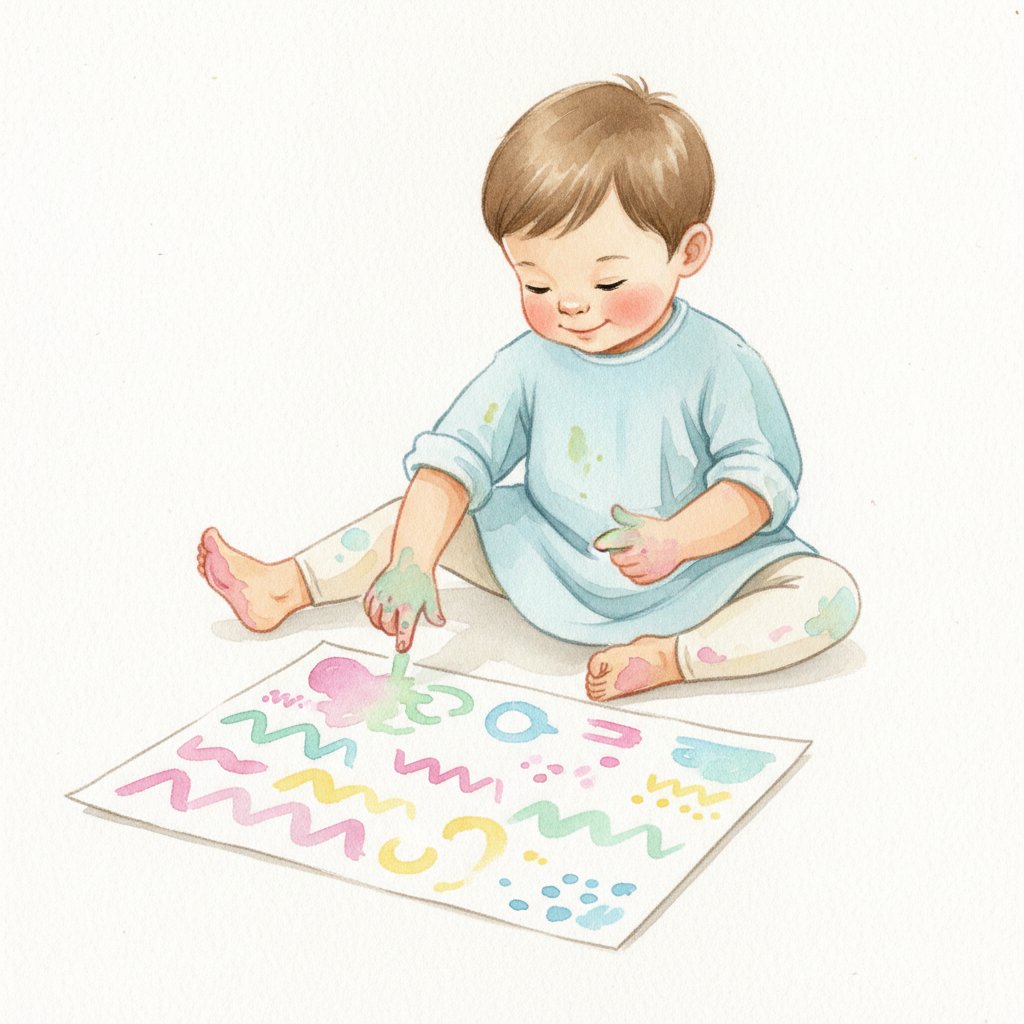
- Vertical lines (|) — age 2½
- Horizontal lines (—) — age 3
- Circle (O) — age 3
- Cross (+) — age 4
- Square (□) — age 4
- Diagonal lines (/ ) — age 4½
- Triangle (△) — age 5
- X shape — age 5
Practice these with finger painting, sand tracing, or dry-erase markers on laminated shape flashcards. Don't rush to letters — strokes come first.
When to Be Concerned
Talk to your pediatrician if your child:
- Avoids all fine motor activities
- Can't hold a crayon by age 3
- Doesn't draw shapes by age 4
- Struggles significantly with buttons or utensils
- Shows a strong hand preference before age 2 (may indicate a problem with the other hand)
Most children develop at their own pace. The activities above are fun, low-pressure ways to build skills through play.
Looking for learning tools? Our Monster Feelings Flashcards help kids identify emotions — and the physical act of holding, sorting, and flipping cards naturally builds fine motor strength.
More learning & activity guides:
- Shape Flashcards for Kids
- Number Flashcards for Kids
- Printable Flashcards for Kids
- Counting Activities for Preschoolers
- Math Readiness for Kindergarten
- Teaching Number Recognition
- Phonics Flashcards for Kids
- Self-Regulation Strategies for Kids
- SEL Activities for Elementary