Articles6 min read

The Blindfold Test That Changed Circle Time

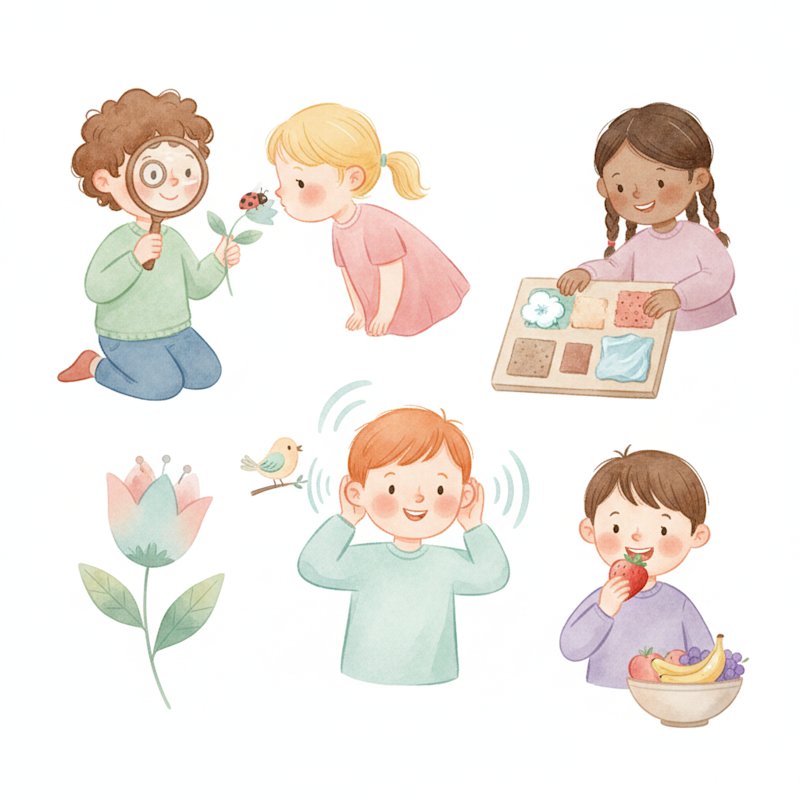
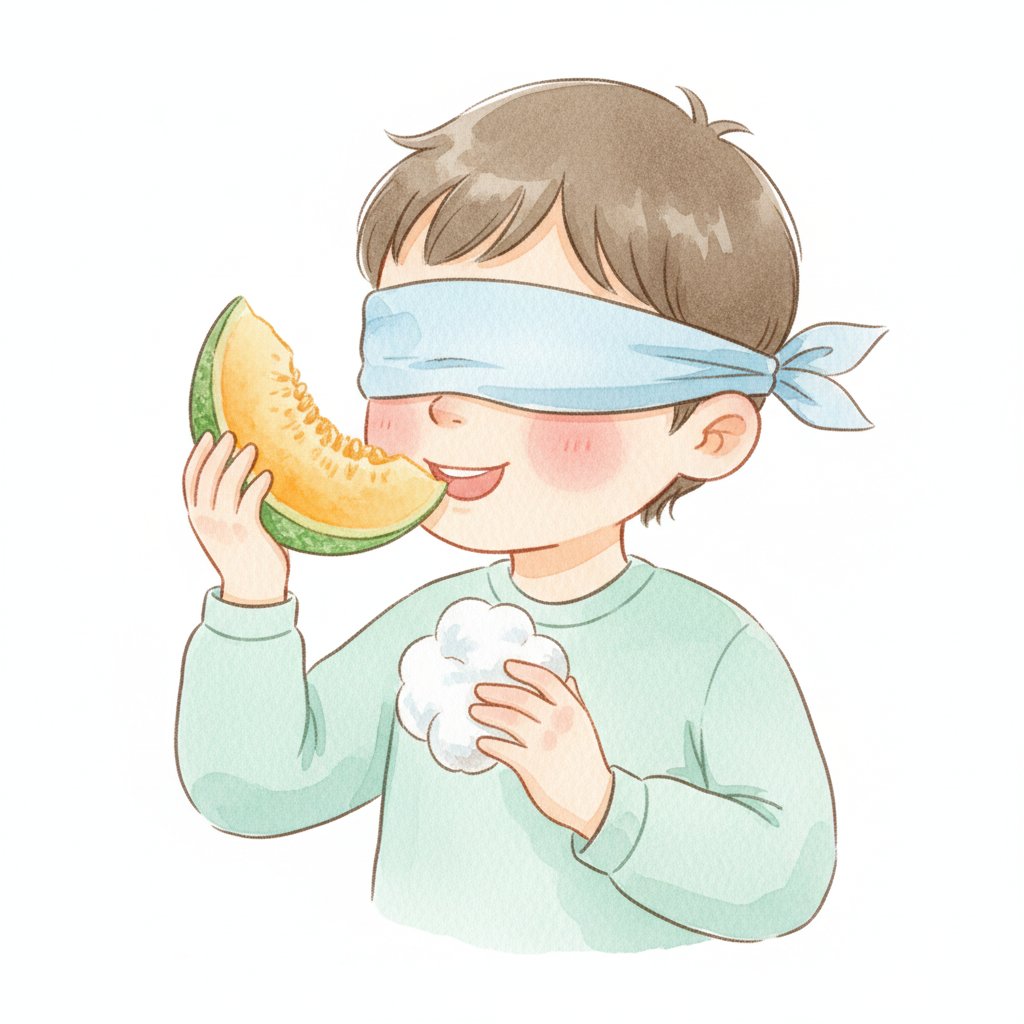
I blindfolded four-year-old Emma and placed an orange slice in front of her nose. "What is it?" She sniffed. "ORANGE!" I placed a cotton ball on her cheek. "What is it?" She giggled. "A cloud! No — it's SOFT. Cotton!" Then I gave her a bell to ring. "What do you hear?" "A BELL!" I took off the blindfold. "You used THREE senses: smell, touch, and hearing — all without your eyes!" She stared at me, astonished. "My nose can TELL me things?!" Yes. Your nose, your ears, your fingers, your tongue — they're all information-gathering tools. The five senses aren't just biology — they're the interface between your child and the entire world.

Research in early childhood education consistently shows that sensory-based learning produces stronger memory retention, deeper understanding, and more engaged learners. When children TOUCH, SMELL, TASTE, HEAR, and SEE a concept, they learn it 5x more effectively than through visual instruction alone.
This guide covers 20+ five senses activities for ages 3-6. Pair it with our sensory guide for more tactile learning and our science experiments guide for hands-on science.
Sight Activities (Ages 3-6)

1. I spy with colors
What to do: "I spy with my little eye something... RED!" Children search. "The fire truck!" "I spy something... CIRCULAR!" "The clock!" The classic game trains visual discrimination and attention. For more color activities, see our color guide.

Why it works: Visual discrimination — the ability to see differences and similarities — is the SAME skill used for letter recognition (distinguishing b from d), number recognition (6 from 9), and pattern recognition. I Spy trains this skill through play.

2. Magnifying glass explorer
Materials: Magnifying glasses, various objects.

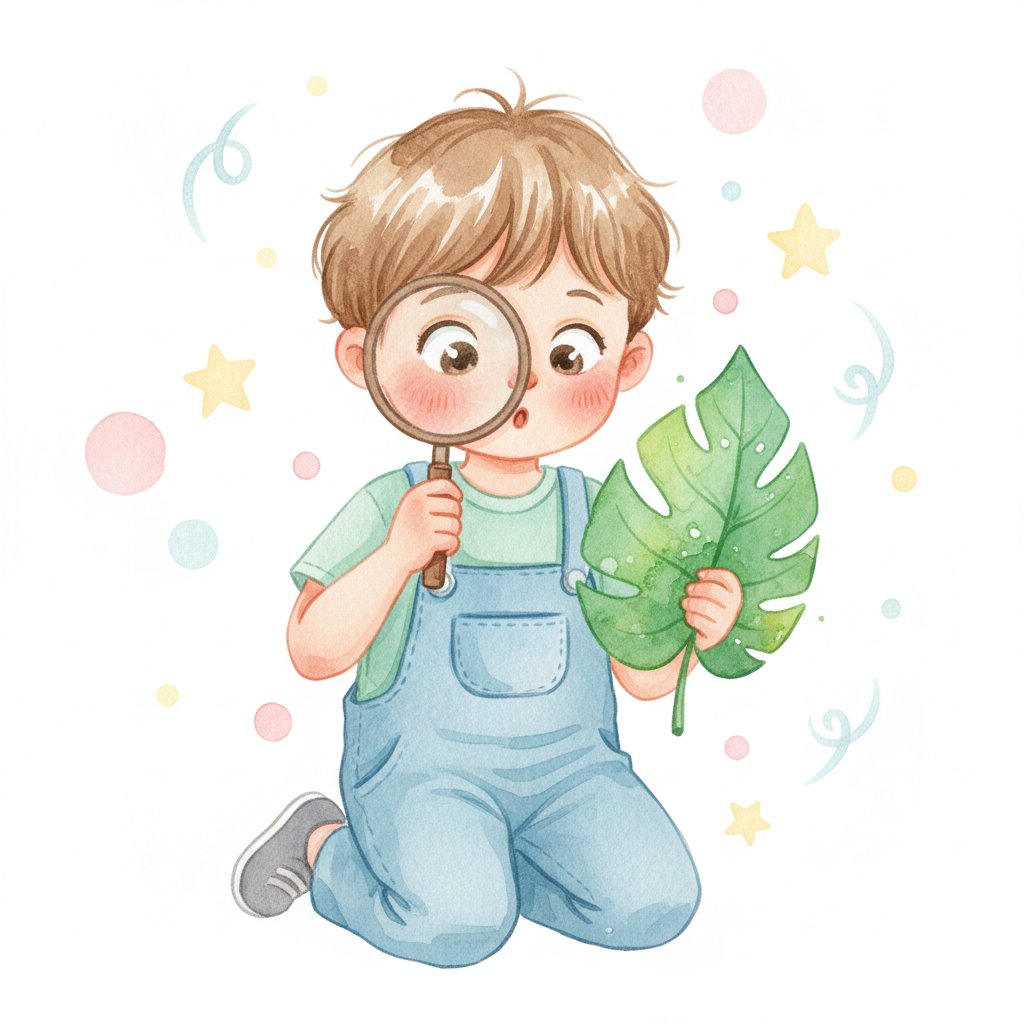
What to do: "Look at this leaf through the magnifying glass. What do you see that you couldn't see before?" Children discover veins, tiny bugs, texture patterns. "Look at your fingerprint! Every fingerprint is DIFFERENT — unique to you!" The exploration trains detail observation. For more science, see our science guide.

3. Color scavenger hunt
What to do: "Find something RED and bring it here! Now something BLUE! Now something YELLOW!" The hunt trains color recognition and visual search skills. For more scavenging, see our outdoor guide.

4. Shadow tracing
Materials: Objects, flashlight, paper.

What to do: "Shine the flashlight on this toy. Look at its SHADOW on the paper! Trace it!" Children trace shadows and compare them to the objects. "Does the shadow look the same as the object? What is different?" The tracing teaches light and dark concepts.

5. Kaleidoscope tubes
Materials: Paper towel tubes, colorful tissue paper, tape.

What to do: "Cover one end of the tube with tissue paper. Look through it — everything is PINK! Change the color — now it's BLUE!" The color filtering teaches that what we see depends on what the light passes through.

Your eyes are shape detectors
Our Shapes Flashcards train the visual sense: 'Look at this CIRCLE. What makes it a circle? It is ROUND — no corners, no straight lines. Now look at this SQUARE. What makes it a square? Four STRAIGHT lines, four CORNERS, all the same size.' Children practice VISUAL DISCRIMINATION — seeing the differences between shapes. This is the same skill they use to tell b from d, 6 from 9, and + from x. The flashcards are visual sense training disguised as a shape game. 12 shapes, 12 visual puzzles, 12 exercises for the eyes.

Hearing Activities (Ages 3-6)

6. Sound matching
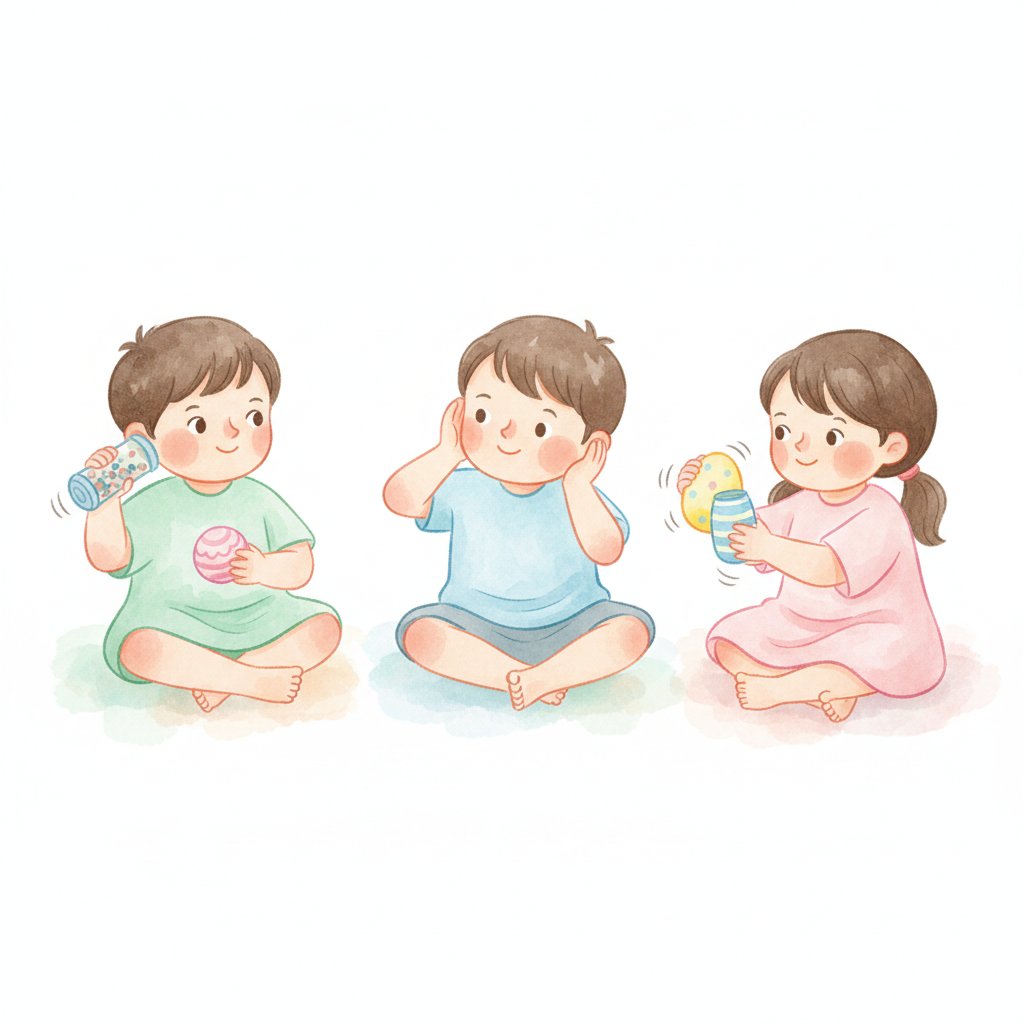
Materials: Pairs of containers with different fillings (rice, beans, sand, bells, water).

What to do: "Shake this container. Now shake these others. Find the one that sounds the SAME!" The matching trains auditory discrimination. For more listening, see our listening guide.

7. Sound walk
What to do: "Close your eyes for 30 seconds. Listen. What do you hear?" Go outside: "A bird! A car! The wind! Footsteps!" Children learn to focus on auditory information instead of visual. For more outdoor activities, see our outdoor guide.

8. Homemade instruments
Materials: Boxes, rubber bands, cans, dried beans.

What to do: "Make a guitar: stretch rubber bands over a box. Make a shaker: put beans in a sealed can. Make a drum: turn over a bowl." Each instrument produces a different sound. "Which is loudest? Which is softest? Which sounds HIGH? Which sounds LOW?" For more music, see our music guide.

9. Animal sounds bingo
Materials: Animal pictures, sound recordings.

What to do: "Listen to this sound: MOOO! Which animal makes that sound?" Children match the sound to the picture. "What about this: OINK OINK!" The bingo trains sound-picture association. For more animals, see our farm animals guide.

10. Silence game
What to do: "Everyone be completely SILENT for 10 seconds. Listen to the silence. What can you hear in the silence? The clock? Your breathing? The hum of the lights?" The silence game teaches that silence is NOT the absence of sound — it reveals sounds we normally ignore. For more self-regulation, see our self-regulation guide.

Weather is something you HEAR as much as see
Our Weather Flashcards teach weather through multiple senses: 'RAIN sounds like tapping on the window. WIND sounds like whoooosh through trees. THUNDER sounds like BOOM! A sunny day sounds like... BIRDS singing! A snowy day sounds like... SILENCE!' Children close their eyes and listen: 'Which weather can you hear right now? What does it sound like?' The flashcards connect weather vocabulary to real sensory experience. See the weather card, hear the weather sound, learn the weather word. Three senses, one lesson.

Touch, Smell, and Taste Activities (Ages 3-6)

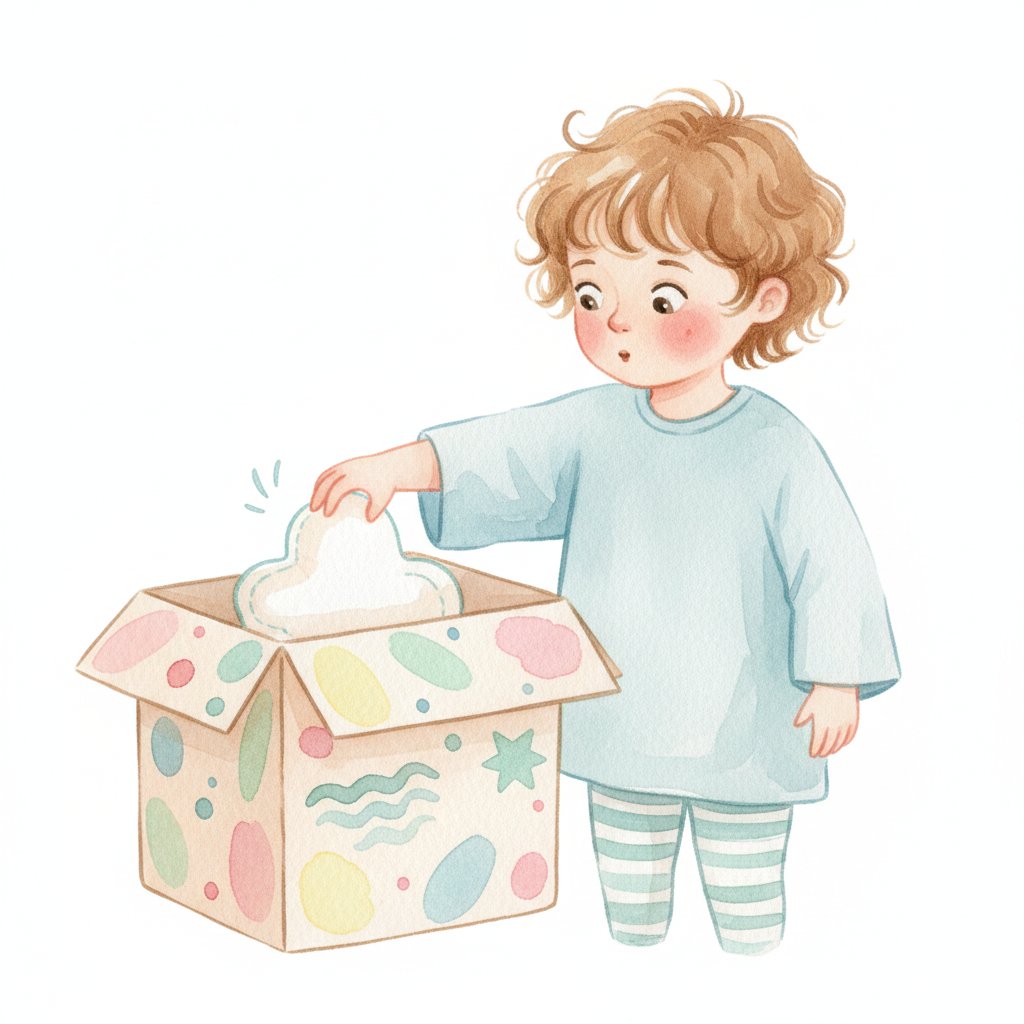
11. Mystery touch box
Materials: Box with a hole, various objects.

What to do: "Reach into the box and feel what is inside. Don't look! Describe what you feel: is it hard or soft? Smooth or rough? Big or small? What do you THINK it is?" The mystery trains tactile perception and descriptive language. For more tactile learning, see our sensory guide.

12. Texture walk
Materials: Textured materials (sandpaper, velvet, bubble wrap, foil, carpet, sponge).

What to do: "Walk barefoot on each texture! How does the sandpaper feel? ROUGH! The velvet? SOFT! The bubble wrap? POPPY! The foil? COLD and SMOOTH!" The walk teaches texture vocabulary through direct experience. For more body awareness, see our body parts guide.

13. Smell jars
Materials: Small containers with cotton balls soaked in different scents (vanilla, lemon, cinnamon, vinegar, mint, coffee).

What to do: "Close your eyes and smell. What is this?" Children identify scents. "Vanilla! Lemon! Eww — vinegar!" The jars train olfactory discrimination. Sort into "good smells" and "bad smells" — discuss how people disagree!

14. Taste test
Materials: Small samples of sweet (honey), sour (lemon), salty (cracker), bitter (dark chocolate).

What to do: "Taste this. Is it SWEET, SOUR, SALTY, or BITTER?" Children taste each and sort. "The lemon makes your face do THIS (demonstrate sour face)!" The test teaches the four basic tastes. For more food activities, see our cooking guide.

15. Temperature exploration
Materials: Warm water, room temperature water, cold water, ice.

What to do: "Touch each container. Which is WARM? Which is COLD? Which is in between?" The temperature teaches that touch detects heat as well as texture. For more temperature, see our science guide.

Multi-Sense Activities (Ages 3-6)

16. Sense-station rotation
Materials: 5 stations — one per sense.

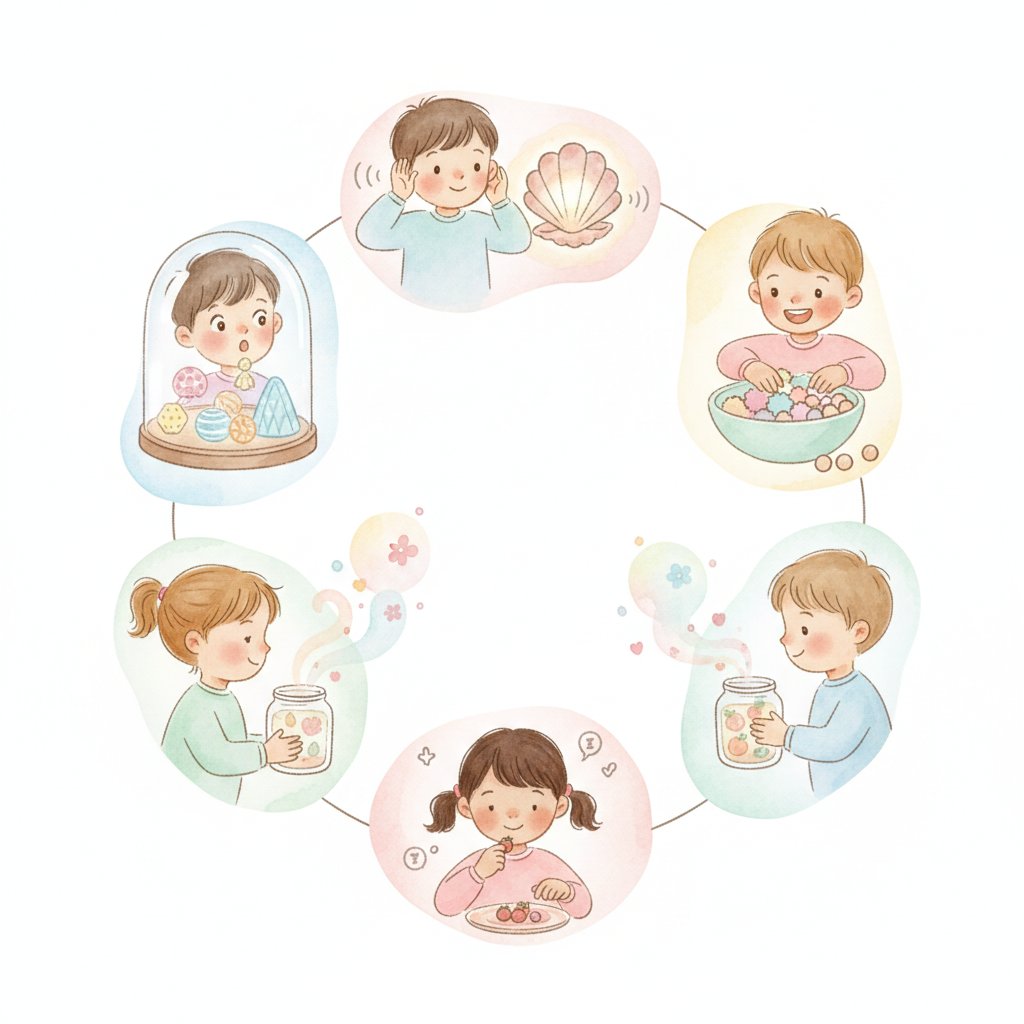
What to do: "Station 1: LOOK at the kaleidoscope (sight). Station 2: SHAKE the sound containers (hearing). Station 3: FEEL the mystery objects (touch). Station 4: SMELL the scent jars (smell). Station 5: TASTE the flavor samples (taste). Rotate every 5 minutes!" The rotation teaches all five senses in one session. For more stations, see our circle time guide.

17. Popcorn five senses
Materials: Popcorn kernels, popcorn popper.

What to do: "Before popping: LOOK at the kernels (sight). FEEL them (touch). Now watch them pop — what do you HEAR? (hearing) What do you SMELL? (smell) Now TASTE! (taste)" Popcorn is the perfect five-senses food because it engages every sense. For more food activities, see our nutrition guide.

18. Nature five senses walk
What to do: "On our walk today, use ALL five senses! What do you SEE? (Trees, birds, clouds) What do you HEAR? (Wind, birds, cars) What do you FEEL? (Bark, leaves, grass) What do you SMELL? (Flowers, dirt, rain) What can you TASTE? (Ask first! Only safe plants.)" The walk integrates all senses in the real world. For more nature, see our earth day guide.

19. Five senses sorting
Materials: Picture cards of things we see, hear, touch, smell, taste.

What to do: "Sort these pictures: which sense do you use for each? A bell — HEARING. A flower — SMELLING. An apple — TASTING. A blanket — TOUCHING. A rainbow — SEEING." The sorting teaches sense-function matching. For more sorting, see our sorting guide.

20. My senses book
Materials: Paper, crayons, magazines.

What to do: "Make a book with 5 pages: My Eyes See, My Ears Hear, My Hands Feel, My Nose Smells, My Tongue Tastes. Draw or glue pictures on each page." The book personalizes the learning. For more writing, see our writing guide.

Your senses tell you how you FEEL
Our Emotions Monster Feelings Flashcards connect senses to emotions: 'When you HEAR a loud noise, you might feel SCARED. When you TASTE chocolate, you might feel HAPPY. When you SMELL something bad, you might feel DISGUSTED. When you TOUCH something soft, you might feel CALM. When you SEE someone smiling, you might feel JOYFUL.' Children learn that senses and feelings are CONNECTED — what we perceive through our senses affects how we feel emotionally. 12 monsters, 12 feelings, dozens of sense-feeling connections to discover.
1.At what age should I teach the five senses?
Start as early as age 2 with simple identification: "What do you see? What do you hear?" By age 3-4, children can name all five senses and match them to body parts (eyes=see, ears=hear, etc.). By age 5-6, children can explain HOW each sense works and describe how senses work together. The five senses are one of the most accessible science topics for preschoolers because they experience them every moment.
2.Are taste tests safe for preschoolers?
Yes, with precautions: use only familiar, safe foods. Avoid common allergens (nuts, dairy if allergies exist). Cut pieces small to prevent choking. Always ask parents about food allergies first. Good taste test items: lemon (sour), honey (sweet), saltine cracker (salty), dark chocolate (bitter), crackers with a tiny bit of jam (sweet and sour). Never force a child to taste something they don't want to.
3.How do five senses activities help with reading?
Reading requires integrating MULTIPLE senses: visual (seeing letters), auditory (hearing sounds), and eventually kinesthetic (the physical act of writing). Multi-sensory learning is the gold standard for literacy instruction. When children practice using all their senses, they're building the neural pathways that make reading possible. Sound discrimination activities directly support phonological awareness — the #1 predictor of reading success.
4.Can I do five senses activities without special materials?
Absolutely — most five senses activities use everyday items. Sound matching: fill empty containers with rice, beans, or coins. Touch: use items from around the classroom. Smell: use spices from the kitchen. Sight: I Spy requires nothing. Taste: use snack time foods. Nature walks are free. The best five senses activities use what you already have.