Articles12 min read

20 Free Printable Phonics Games for Kindergarten to 2nd Grade

Download free printable phonics games organized by skill level — from CVC words to vowel teams — perfect for K-2 literacy centers, small groups, and home practice.

20 Free Printable Phonics Games for Kindergarten to 2nd Grade

Teaching children to read is one of the most rewarding parts of early education — and phonics games make it genuinely fun. When kids play with sounds, manipulate letters, and race to build words, they absorb the building blocks of reading without even realising they're learning. But finding quality, ready-to-use phonics games printable free resources that are actually organised by skill level? That can feel like searching for a needle in a haystack.

This guide solves that problem. We've curated 20 free printable phonics games arranged in a clear progression — starting with simple CVC words for kindergarteners, moving through consonant blends and digraphs for first graders, and finishing with vowel teams and long vowel patterns for second grade. Each game is designed to be printed, prepped in minutes, and played repeatedly.

Whether you're setting up literacy centers, planning small-group instruction, or looking for meaningful at-home practice, you'll find games here that fit your needs. Plus, we'll show you how to combine phonics printables with hands-on activities like sensory bins and art projects to reach every type of learner.

Why Phonics Games Make Learning to Read Fun

Phonics instruction works. The National Reading Panel's landmark report confirmed that systematic phonics teaching significantly improves children's word recognition, spelling, and reading comprehension. But there's a catch — drills and worksheets alone can drain the joy out of learning to read.

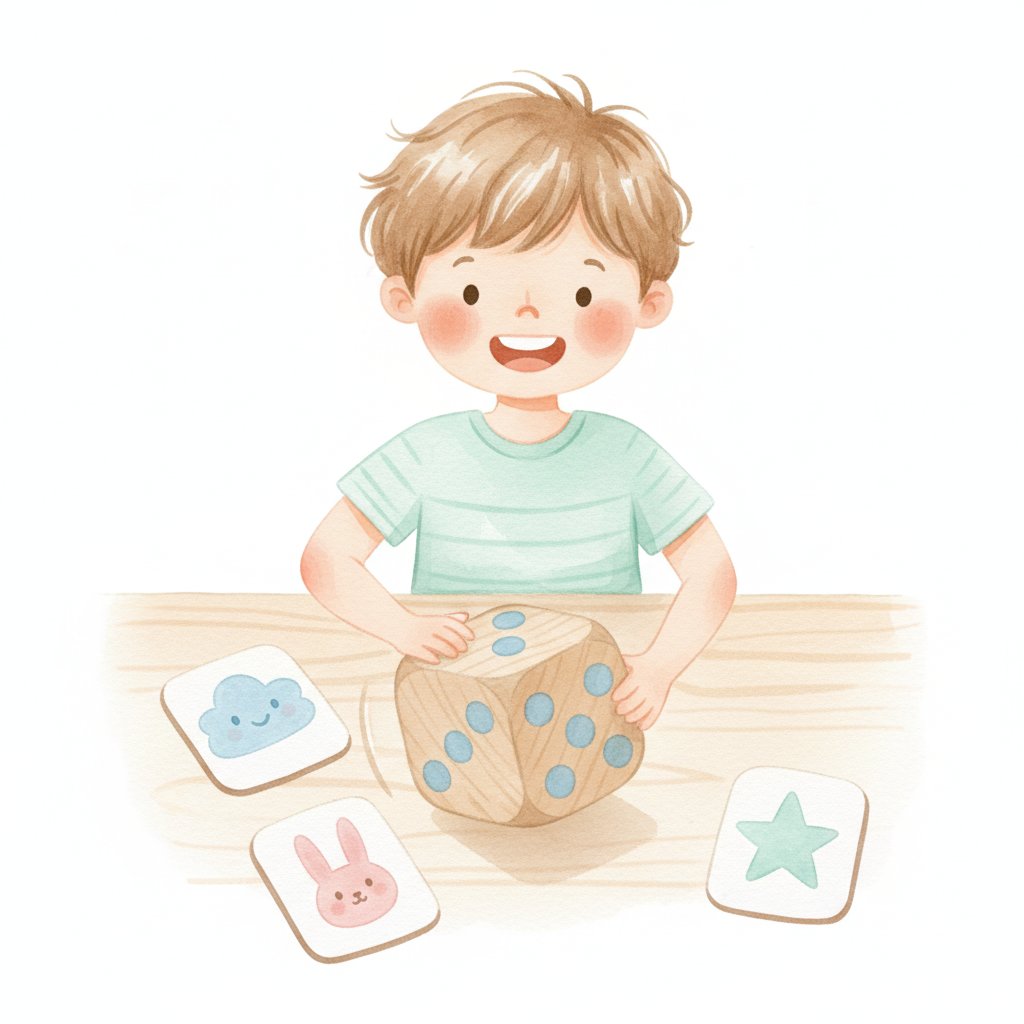
Games change everything. When a child rolls a dice to move along a board, draws a card to build a word, or races a timer to sort sounds, their brain releases dopamine. That chemical reward strengthens memory and motivation. The same child who groans at a phonics worksheet will happily play a word-building game five times in a row — getting five times the practice.

Games also provide natural differentiation. Struggling readers can work with simpler words while advanced readers tackle the same game format with more complex patterns. Multi-sensory engagement — touching cards, moving pieces, saying sounds aloud — reinforces learning through multiple pathways in the brain. This is especially powerful for children who don't respond well to purely auditory or visual instruction.

The printable format adds another advantage: you can print as many copies as you need, adapt materials for different groups, and replace worn-out pieces instantly. No expensive kits, no shipping waits, no one-size-fits-all limitations.

Printable Phonics Games by Skill Level

Effective phonics instruction follows a clear sequence. Children need to master each stage before moving on — rushing ahead creates gaps that show up later as reading difficulties. The games below are organised into three skill bands, each building on the previous one.
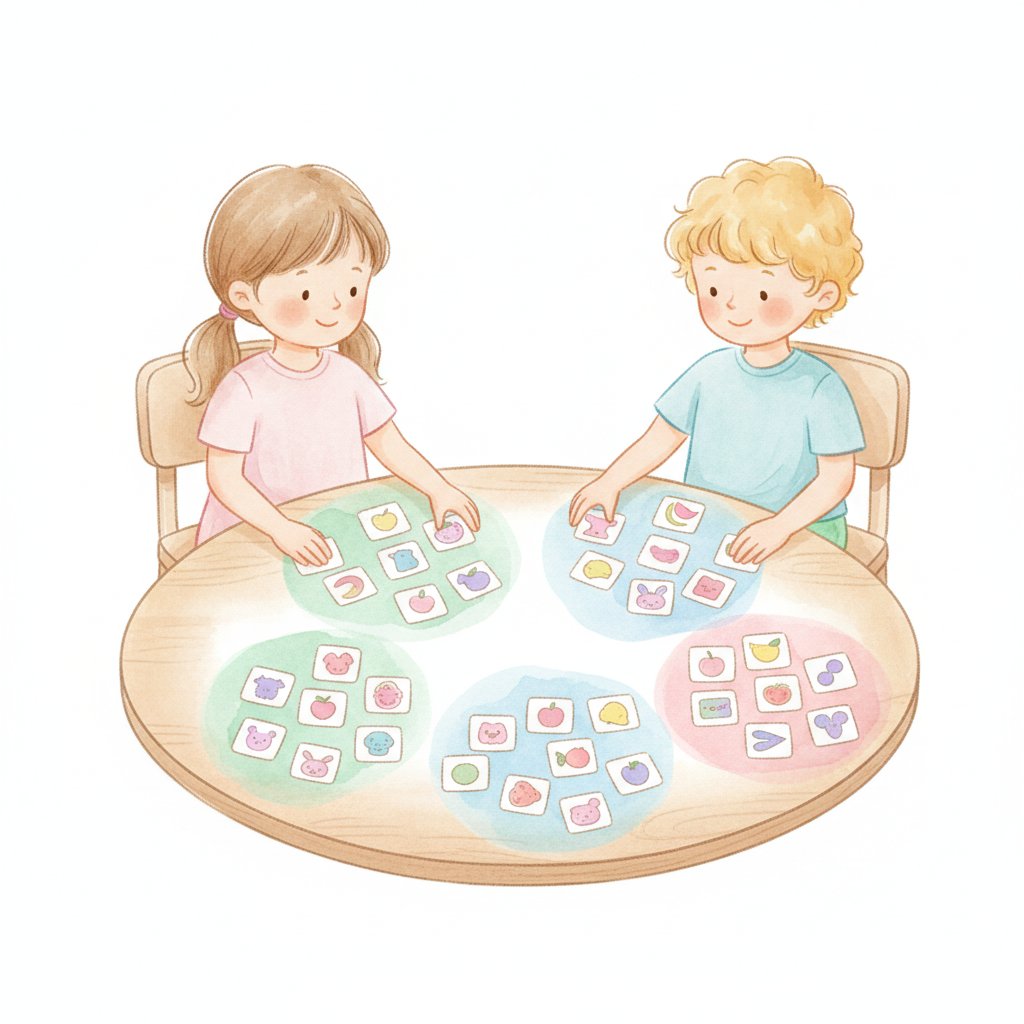
CVC Word Games (Kindergarten)

CVC words — consonant-vowel-consonant patterns like "cat," "pig," and "sun" — are the foundation of early decoding. Once children know their letter sounds, CVC games give them the thrilling experience of reading their first real words.

1. CVC Word Board Game
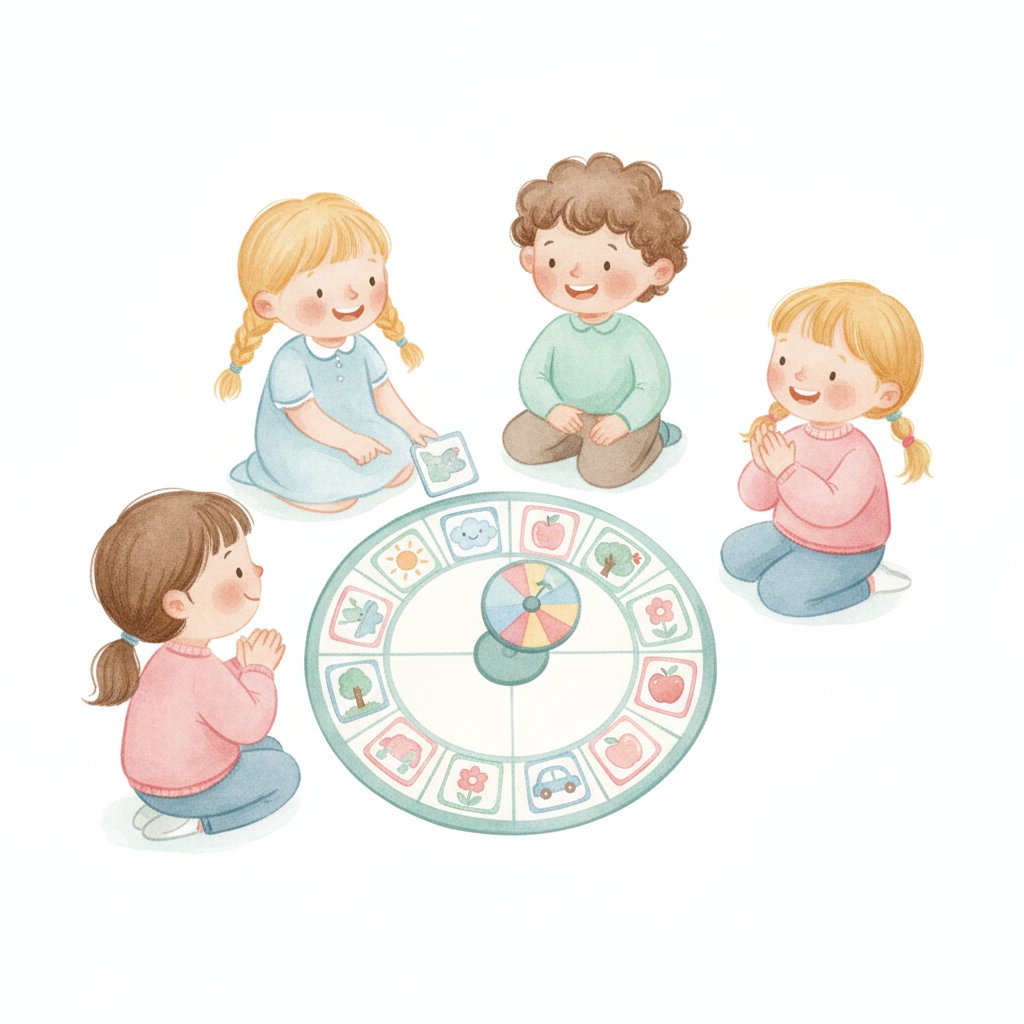
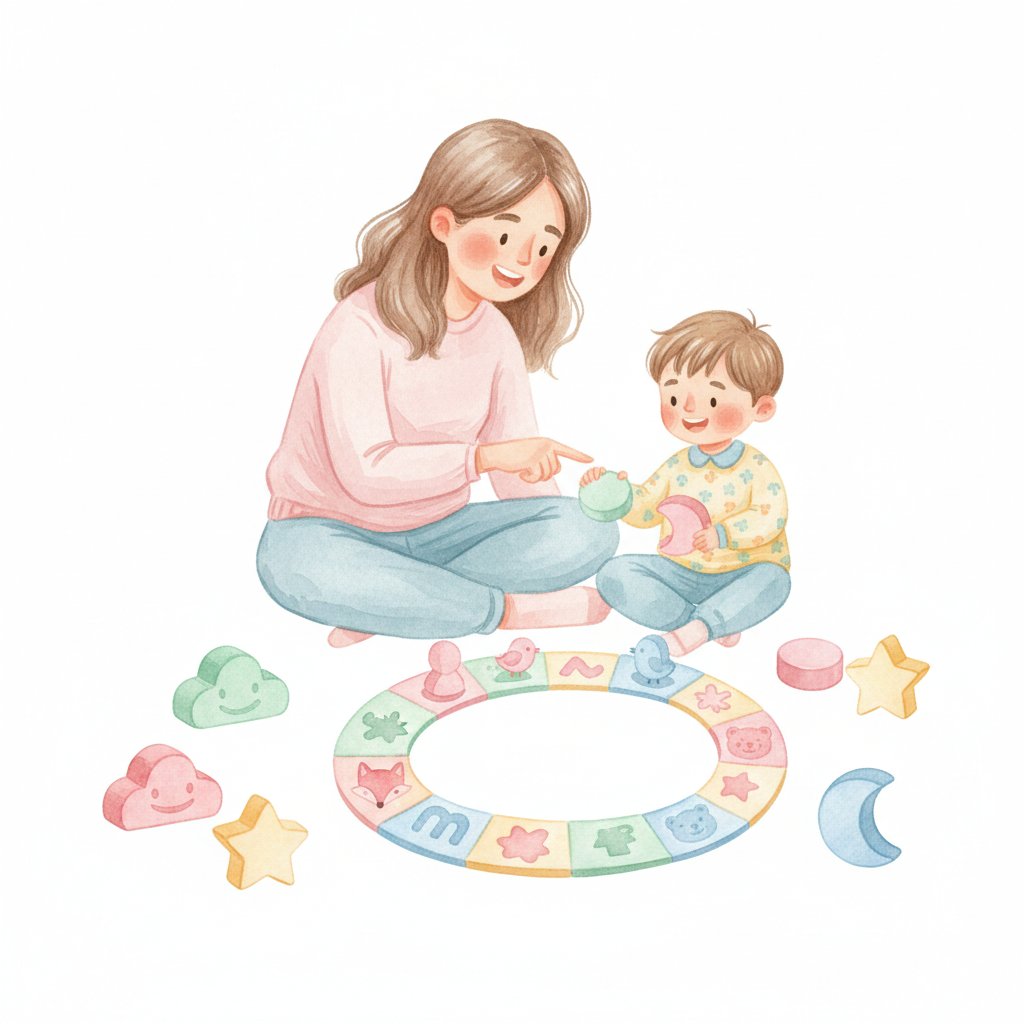
Print a simple path-style board with CVC word squares. Players roll a dice, move their piece, and read the word they land on. Correct reading earns an extra turn. This format is endlessly adaptable — swap the word list for each vowel sound.

2. Sound-Building Card Game
Use letter cards (consonants and short vowels separately). Players draw cards and try to build real CVC words. Keep a "word bank" mat in the centre to record successful builds. This teaches blending and segmenting simultaneously.

3. CVC Picture Match
Cards with CVC pictures on one set and words on another. Players flip pairs trying to match the picture to the word. Start with one vowel family (e.g., all "-at" words) and expand as confidence grows.

4. Roll-and-Read CVC Mats
A simple mat with columns for each short vowel. Players roll a dice to select a column, then read a word from that column. Track progress by highlighting words read correctly. Great for independent practice or literacy centers.

5. CVC Word Sliders
Strips with a picture at one end and a sliding letter window. Children slide the window to reveal one letter at a time, blending the sounds together. These are particularly effective for children who struggle to hold all three sounds in working memory.

6. Short Vowel Sorting Game
Cards with pictures representing different short vowel sounds. Children sort cards into vowel-specific piles or mats. Add a competitive element by racing against a timer or another player.

7. CVC Word Family Houses
Printable "houses" for each word family (-at house, -ig house, -op house). Children add word cards to the correct house, reinforcing the pattern that changing the first letter creates new words within the same family.

Consonant Blend Games (1st Grade)

Once CVC words are secure, children are ready for consonant blends — two or three consonants together where each sound is pronounced, like "bl," "st," and "nd." These patterns appear constantly in children's reading and writing.
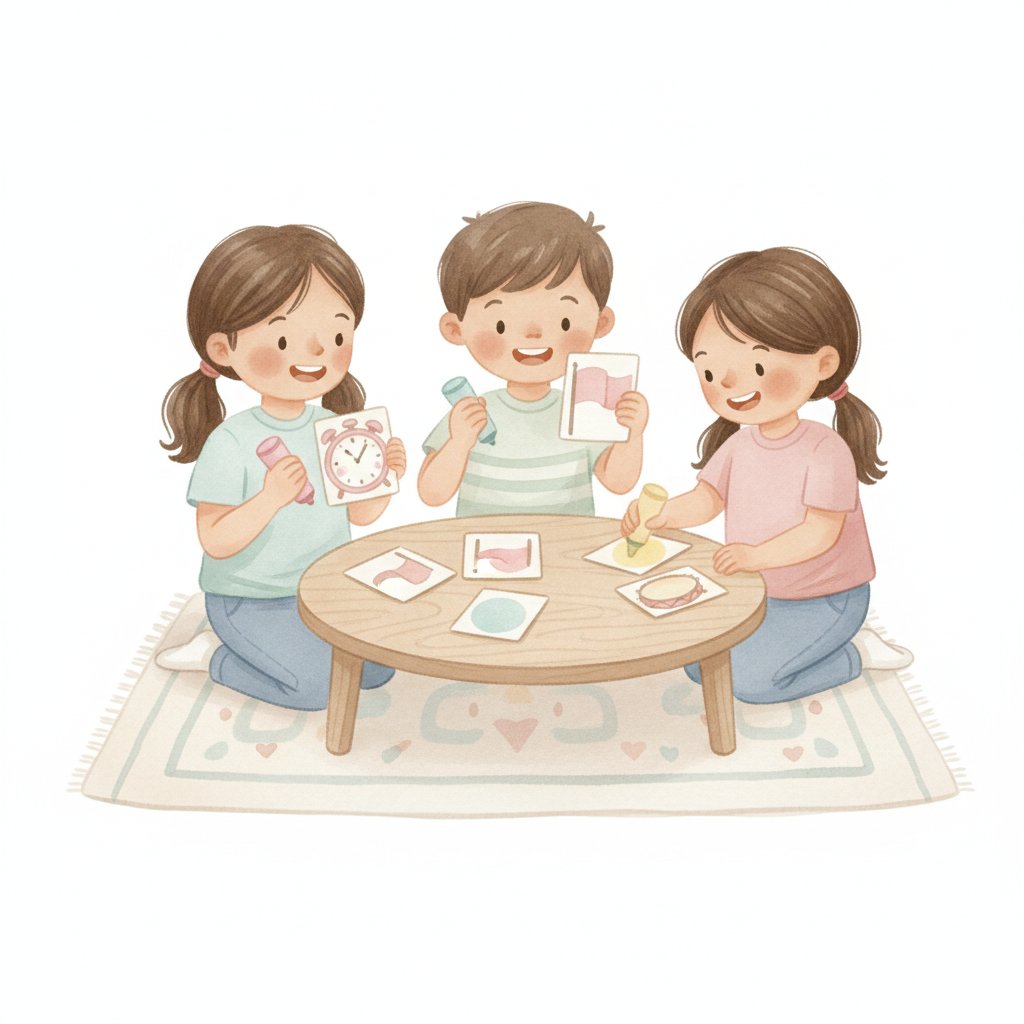
8. Blend Bingo
Create bingo cards with blend pictures (clock, flag, slide, drum). The caller says the word and players identify the beginning blend. First to fill a row wins. This game builds automatic blend recognition in a format children already love.

9. Blend Board Game
Similar to the CVC board game but with blend words on each square. Include a mix of initial blends (bl-, st-, tr-) and ending blends (-nd, -st, -lk) to give balanced practice.

10. Blend Word Builder
Cards with blend beginnings (bl-, cr-, fl-) and word endings (-ack, -ip, -op). Players combine cards to build real words, discarding nonsense combinations. This develops analytical phonics skills and vocabulary simultaneously.

11. Blend Match-Up Puzzles
Two-piece puzzle cards where one piece has the blend and the other has the rest of the word plus a picture. Children connect the pieces and read the complete word. Self-correcting format makes it ideal for independent centers.

12. Blend Four-in-a-Row
A grid game where players take turns reading blend words and covering squares. First to get four in a row wins. Quick to play, easy to differentiate by swapping word cards.

Digraph and Vowel Team Games (1st–2nd Grade)

Digraphs (sh, ch, th, wh, ph) and vowel teams (ai, ea, oa, ee, etc.) represent the next layer of phonics complexity. Children learn that some letter combinations create entirely new sounds.
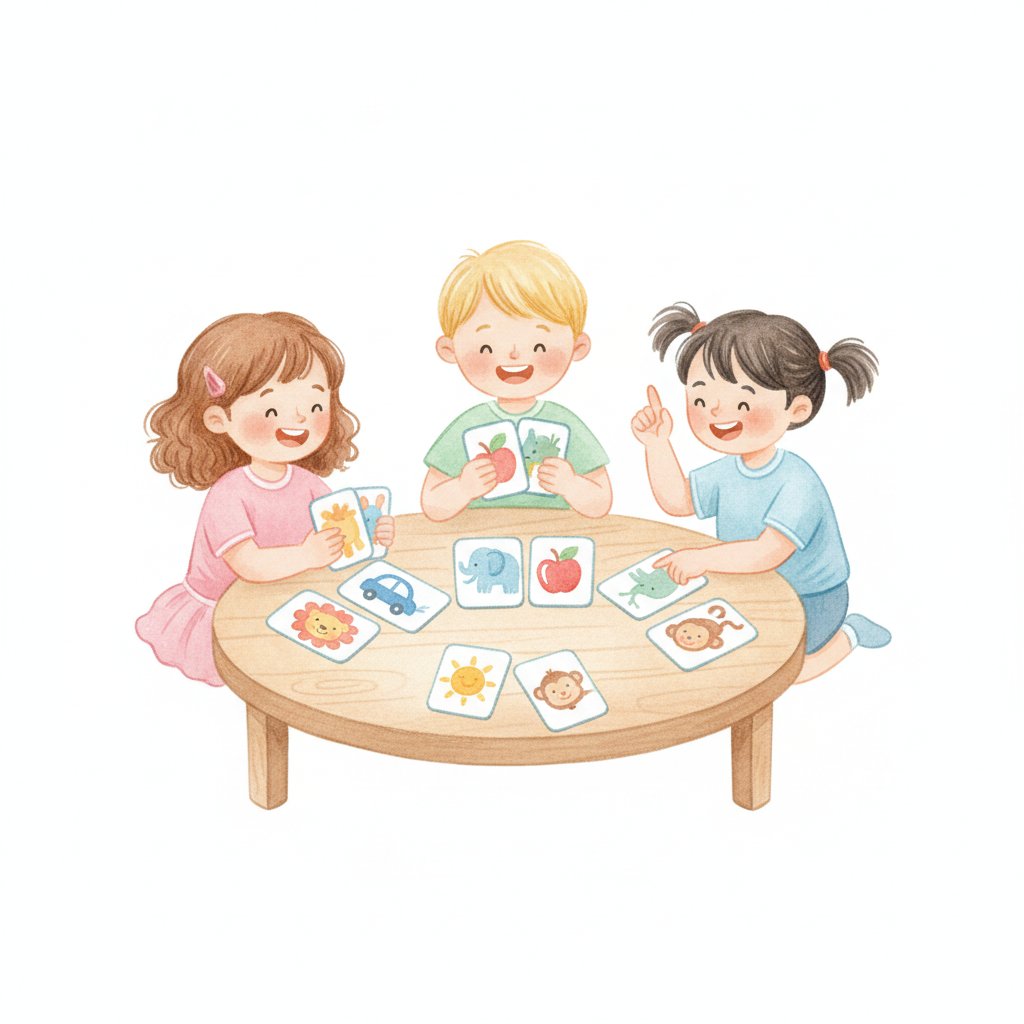
13. Digraph Go Fish
Played like traditional Go Fish but with digraph word cards. "Do you have 'ship'?" — "No, go fish!" Children practise reading and saying digraph words repeatedly throughout the game without it feeling like drill work.

14. Digraph Sorting Mats
Four sorting mats (sh, ch, th, wh) and a deck of picture cards. Children say each word, identify the digraph, and sort accordingly. Add a writing component by having children spell the words on a recording sheet.

15. Magic E Board Game
A path game featuring CVC words that transform when you add "magic e" (cap → cape, kit → kite). Landing on a "magic wand" space means adding the e and reading the new word. This visual demonstration of the silent-e rule is powerful for conceptual understanding.

16. Vowel Team Race
A track-style board with vowel team words along the path. Players read each word they pass. Correct reading moves them forward; incorrect answers mean staying put. The competitive racing element keeps energy high.

17. Vowel Team Memory Match
Pairs of cards with the same vowel team pattern (rain/train, boat/goat, seat/beat). Children flip two cards, read both words, and keep the pair if they match. Reinforces pattern recognition across multiple examples.

18. Read-and-Sort Long Vowel Mats
Sorting mats for each long vowel spelling pattern (a_e, ai, ay for long a; e_e, ea, ee for long e, etc.). Word cards get sorted onto the correct mat. This tackles the complexity of multiple spellings for the same sound.

19. Sentence Building with Phonics Words
Word cards from all the phonics patterns covered so far, plus high-frequency words. Children draw cards and build silly sentences. Reading their own creations motivates even reluctant readers.

20. Phonics Review Board Game
A culminating game covering CVC words, blends, digraphs, and vowel teams all on one board. Perfect for end-of-unit review or ongoing maintenance. Colour-code sections by skill level so you can easily differentiate.

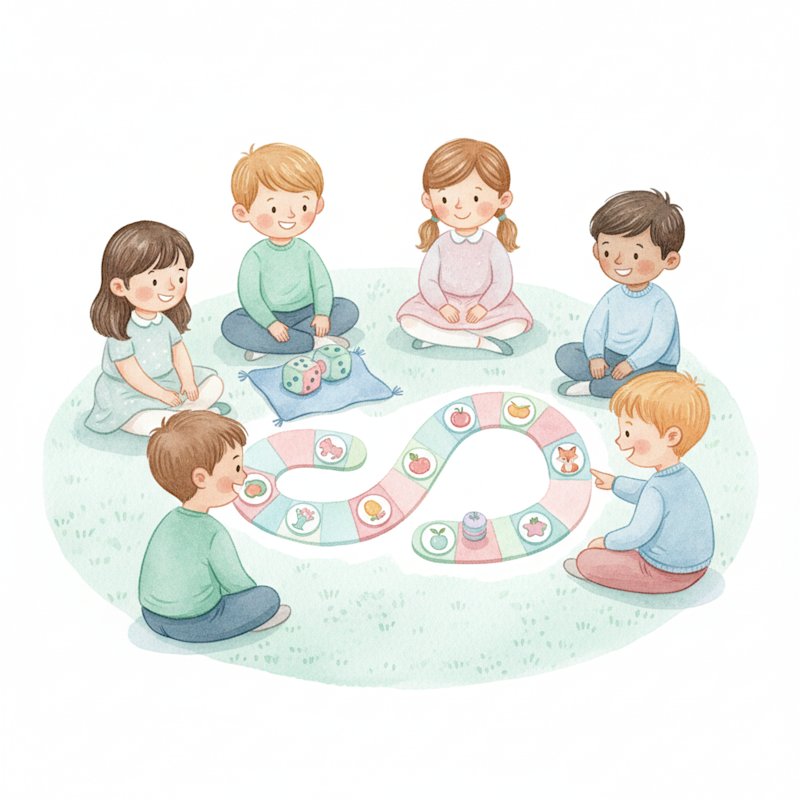
How to Set Up a Phonics Games Station

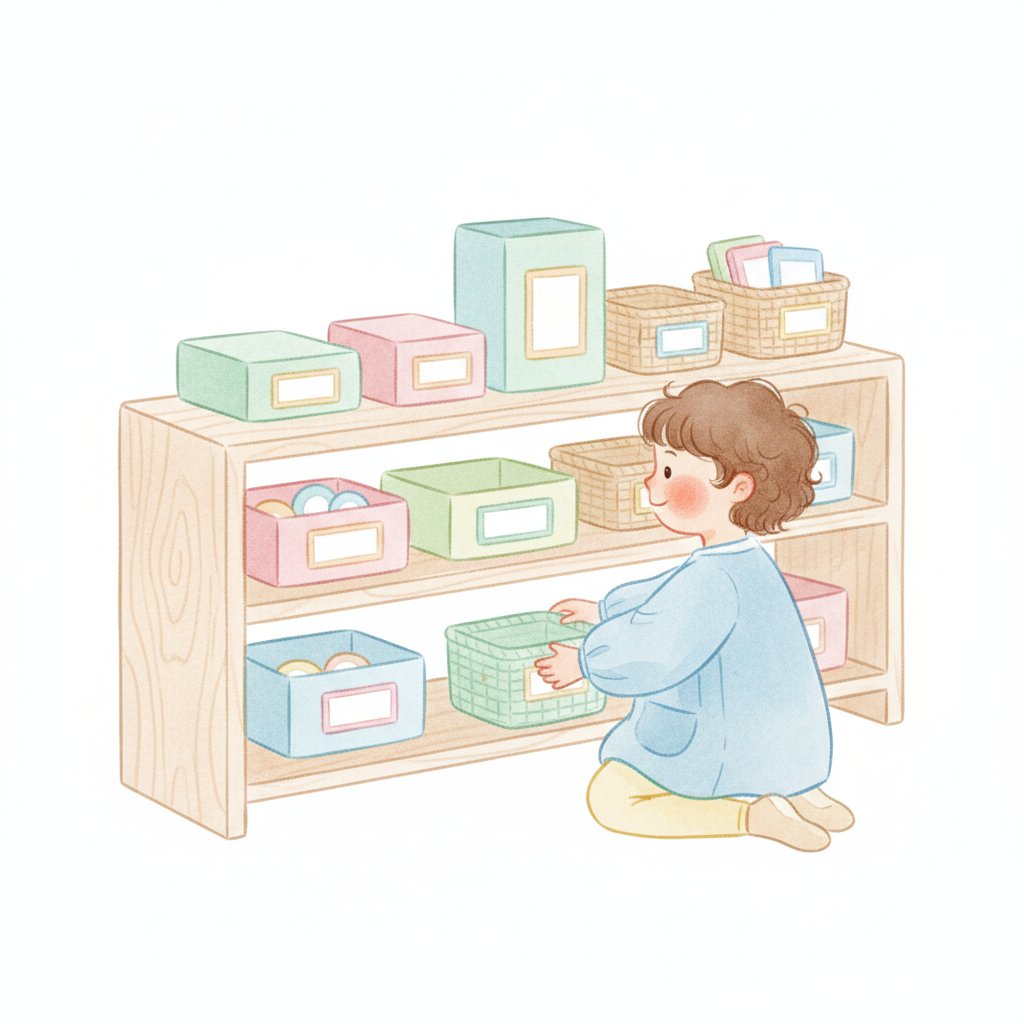
A dedicated phonics station keeps materials organised and makes game time seamless.

Materials You'll Need

  • Cardstock (200 gsm or heavier) for printing game boards and cards
  • Laminator and pouches for durability — laminated games last years
  • Storage boxes or zip bags labelled by skill level
  • Dice, counters, and dry-erase markers as game supplies
  • A tray or shelf at children's height for independent access

Organisation System

Label storage by skill level rather than grade level — children progress at different rates and the "kindergarten" label can discourage older children who need foundational practice. Use colour coding: green for CVC games, blue for blends, orange for digraphs and vowel teams.

Keep a simple checkout system — a clothespin with each child's name clipped to the bag of the game they're using. This builds responsibility and helps you track which games get the most (and least) use.

Time Management

Most phonics games play in 5–10 minutes, making them perfect for literacy center rotations. Aim for 2–3 game sessions per week alongside direct phonics instruction. Consistency matters more than duration — ten minutes daily beats an hour once a week.

Creative Ways to Use Phonics Printables

Printables don't have to stay flat on a table. Here are ways to add movement, sensory input, and creativity to phonics practice.

Sensory Bin Integration

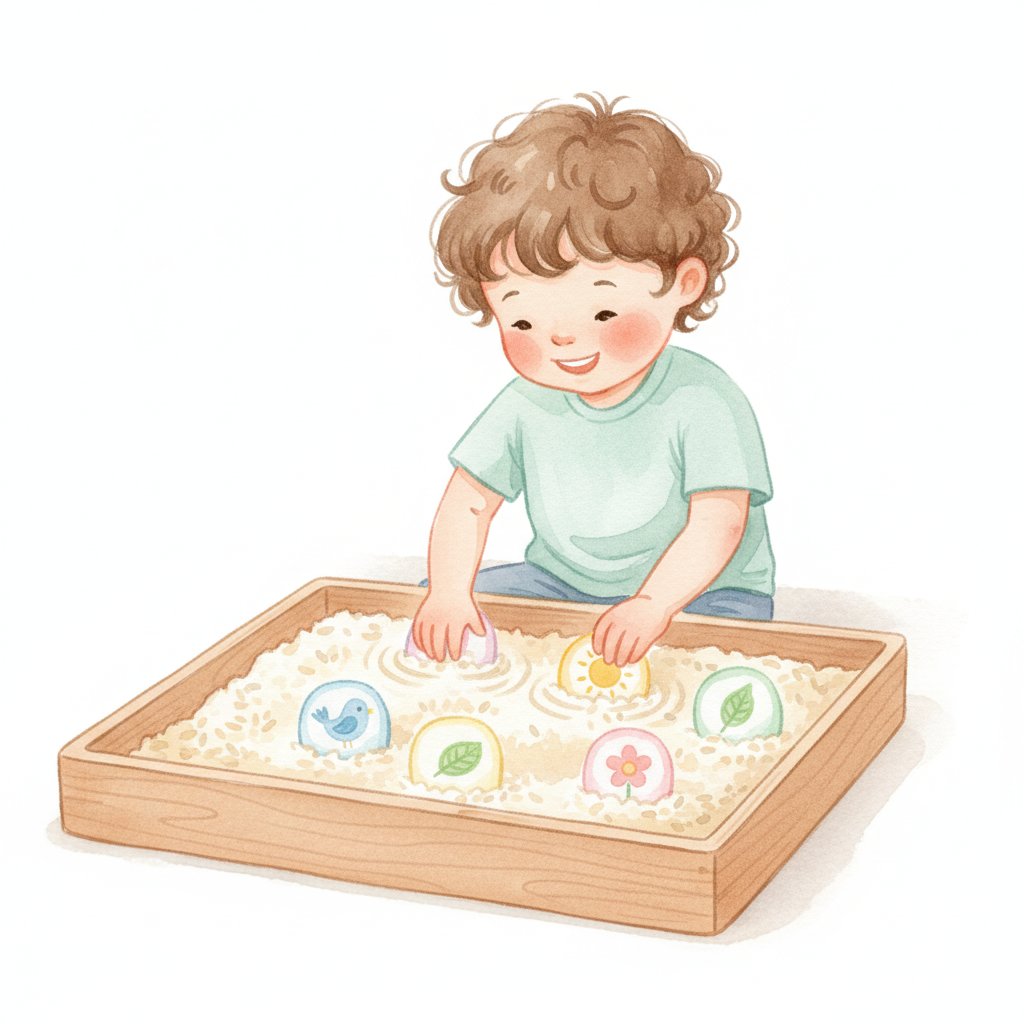
Bury phonics cards in a sensory bin filled with rice, dried beans, or kinetic sand. Children dig for cards, read the words they find, and sort them into categories. The tactile experience strengthens memory encoding and keeps wiggly learners engaged.

Phonics Scavenger Hunt

Hide word cards around the room. Children find cards, read the words, and write them on a recording sheet. Add a challenge by requiring them to find all words from one word family before moving to the next.

Art-Connected Phonics

After playing a phonics game, have children illustrate the words they've learned. Drawing a "ship" reinforces the "sh" digraph far more effectively than tracing letters on a worksheet. Display the artwork alongside the phonics pattern for ongoing visual reinforcement. Our Alphabet Monster Flashcards pair beautifully with this approach — children can create their own monster characters for each new phonics pattern they learn.

Movement Games

Place word cards in a line across the floor. Children hop from card to card, reading each word they land on. Or try "Phonics Freeze Dance" — play music, children dance, when the music stops they grab the nearest card and read the word aloud.

Play-Dough Stamping

Children press letter stamps into Play-Dough to build phonics words from the games. The resistive hand strengthening is a bonus fine-motor benefit. This works particularly well for children who need a hands-on alternative to writing.

Tips for Parents: Supporting Phonics at Home

You don't need a teaching degree to support your child's phonics development at home. These simple strategies make a real difference.

Keep It Short and Positive

Five to ten minutes of game play is plenty for young children. End each session while your child is still enjoying it — they'll be eager to play again tomorrow. Never use phonics practice as a punishment or a chore. The goal is to build positive associations with reading.

Model Mistakes

When you misread a word during a game, say "Oops, let me try that again" and sound it out. Seeing that adults make mistakes too reduces anxiety and normalises the trial-and-error process that is essential to learning.

Connect to Real Reading

After playing phonics games, share a book together and point out the patterns you've been practising. "Look, this word has 'sh' just like in our game!" This bridge between isolated practice and real-world reading accelerates transfer.

Use What You Have

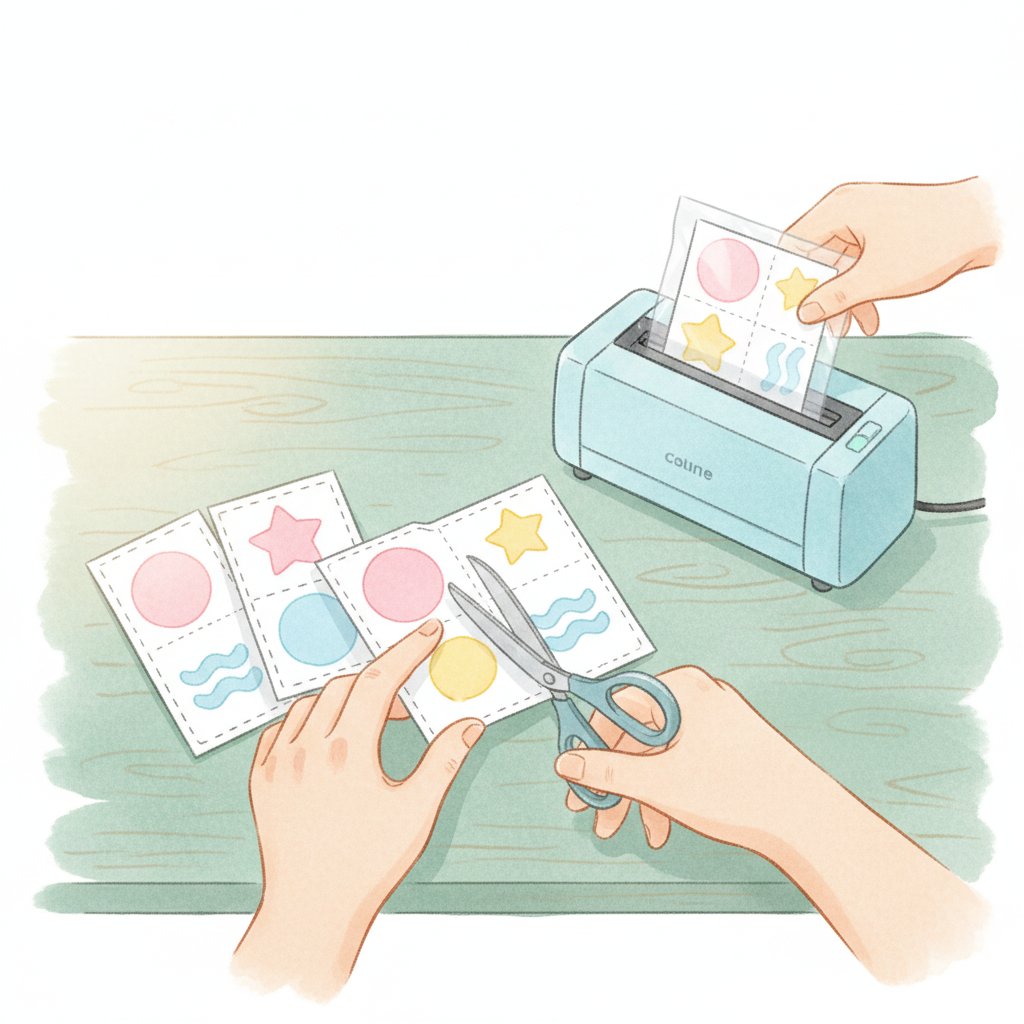
Don't feel pressured to buy expensive phonics kits. Our printable flashcards and learning cards give you everything you need to get started. Print on cardstock, spend five minutes cutting, and you're ready to play.

Celebrate Progress

Keep a simple word wall or sticker chart showing words your child has mastered. Visual evidence of growth motivates children far more than praise alone. Celebrate milestones — the first CVC word read independently, the first blend recognised without prompting, the first full sentence decoded.

Printing and Preparing Your Games

Set your printer to high quality for text-heavy game cards. Standard quality is fine for picture-based games. Always do a test print of one page first to check alignment and colour before printing a full set.

Durability Tips

  • Laminate game boards and cards for classroom use — they'll survive hundreds of rounds of play
  • Use cardstock (200–250 gsm) as a minimum for any component children handle
  • Round the corners of cards with a corner punch to prevent poking and improve shuffling
  • Store in zip bags with the game name and skill level written on the outside

Scaling and Adapting

Most printable games are designed at A4 or US Letter size. You can print two pages per sheet to create a travel-size version, or enlarge to A3 for group play on a table. Adjust word lists and difficulty by editing the printable files before printing — this is the advantage of digital resources over pre-printed kits.

Frequently Asked Questions

What phonics skills should kindergarteners know?

By the end of kindergarten, children should recognise all uppercase and lowercase letters, know the most common sound for each letter, and be able to read simple CVC words (consonant-vowel-consonant patterns like "cat," "mop," "sit"). Some kindergarteners will also begin working with simple consonant blends.

How do I know which skill level to start with?

If your child can consistently identify letter sounds, start with CVC word games. If they read CVC words fluently, move to blends. If blends are secure, introduce digraphs and vowel teams. When in doubt, start one level below what you think — confidence builds faster than skill, and you can always move up quickly.

How do I print and prepare the games?

Print on cardstock at high quality. Laminate for durability if you plan to use the games repeatedly. Cut apart cards, gather simple supplies (dice, counters), and store in labelled bags. Most games can be prepped in under ten minutes.

Can I use these in my classroom?

Yes. All free printable phonics games listed here are designed for personal and classroom use. Print as many copies as you need for your students. Please direct other teachers to the original source rather than distributing copies directly.

How often should children play phonics games?

Two to three sessions per week of 5–10 minutes each is ideal for reinforcing phonics skills. Consistency matters more than duration. Daily short sessions are more effective than one long weekly session.

What if my child struggles with a particular game?

Reduce the number of cards or word options to make the game more manageable. Play cooperatively rather than competitively. Model the thinking process aloud: "I see s-h-i-p, that starts with 'sh' like in 'shell.'" If frustration persists, drop back to an easier skill level and build confidence before trying again.

Start Playing and Learning Today

Free printable phonics games give you a research-backed, budget-friendly way to build strong readers. By organising games by skill level — CVC words for kindergarten, consonant blends for first grade, and digraphs and vowel teams for second grade — you ensure every child practices exactly what they need.

Print a few games, set up your phonics station, and watch what happens when learning to read feels like play. The games in this guide cover every major phonics pattern your K-2 learners will encounter, and the printable format means you can start right now — no shopping, no shipping, no waiting.

Looking for more resources to support early literacy? Explore our Alphabet Monster Flashcards for letter-sound practice, browse our Flashcards and Learning Cards collection for additional printable activities, or check out our complete classroom poster guide for visual learning supports that complement your phonics instruction.