Articles7 min read

The Bench That Built a Friendship

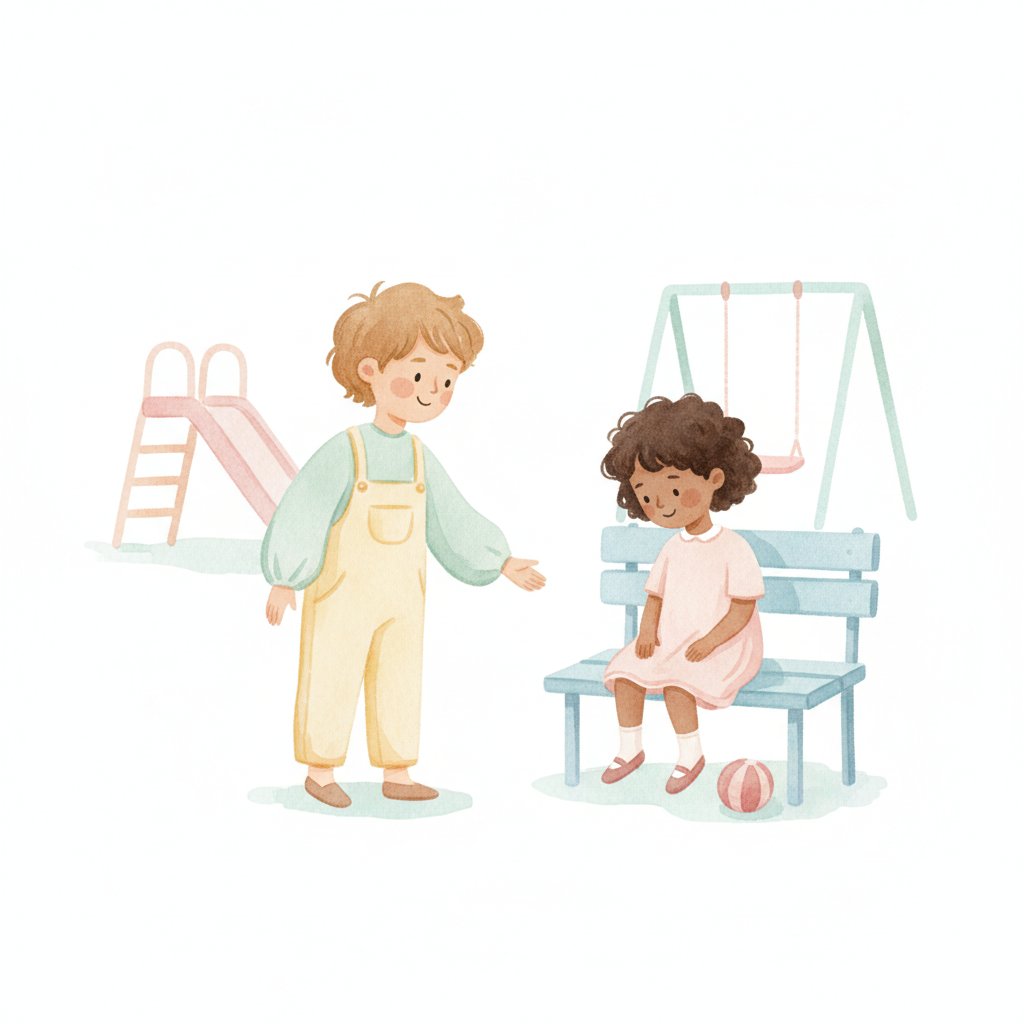
At our preschool, we had a "buddy bench" on the playground — if you didn't have anyone to play with, you sat on the bench and someone would come invite you to play. One day, new student Aiden sat on the bench. Without any adult prompting, four-year-old Luna walked over and said: "Do you want to play dinosaurs? I'm the T-Rex and you can be the Triceratops." They played every day after that. I realized that friendship isn't a skill children just pick up — it's a skill they need to be TAUGHT. Luna knew how to invite, include, and share because her parents had practiced those skills with her at home.

According to research published in the Journal of Early Childhood Research, preschoolers who receive explicit friendship instruction show 40% more prosocial behavior and 30% fewer peer conflicts than children in settings without friendship curriculum. Making friends is not just about being friendly — it involves specific, teachable skills: approaching, inviting, sharing, turn-taking, resolving conflicts, and repairing relationships after disagreements.
This guide covers 20+ friendship activities for ages 3-6. Pair it with our social skills guide for cooperative play and our kindness guide for empathy activities.
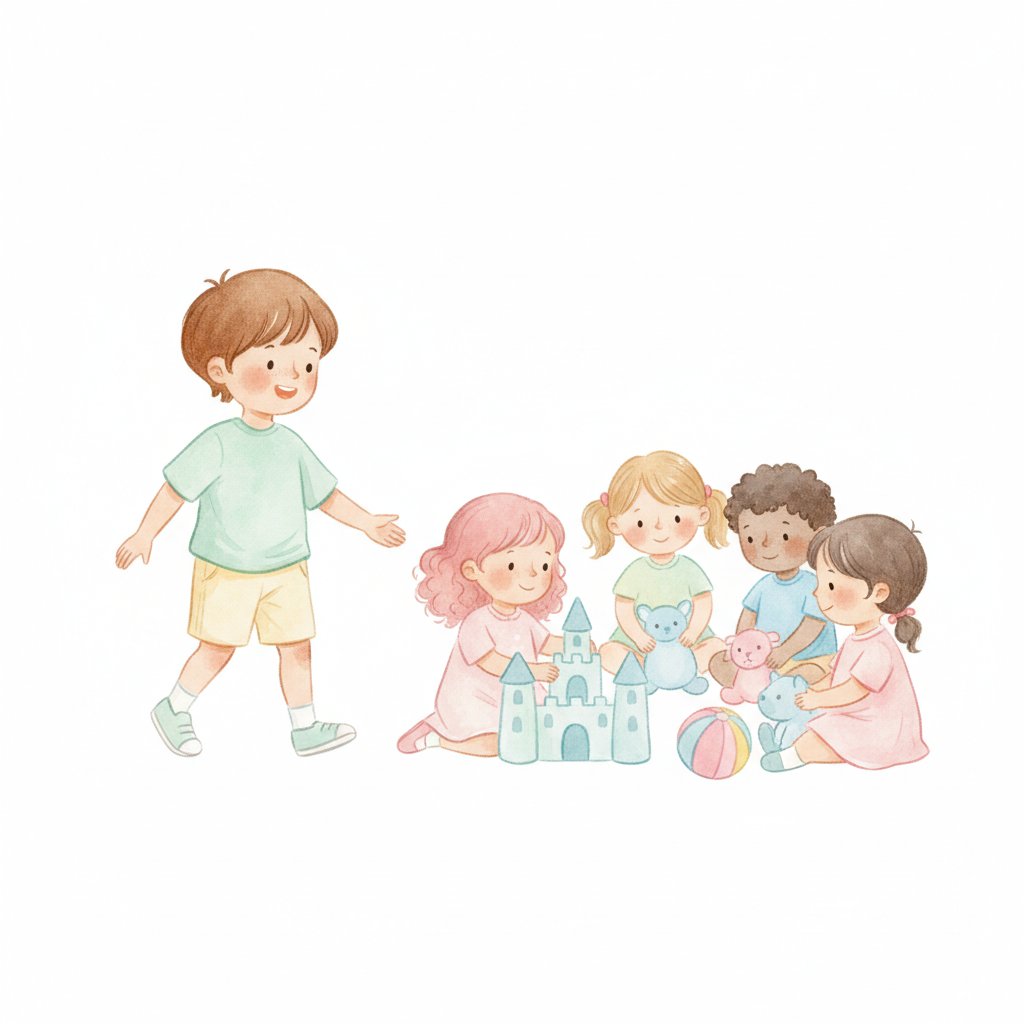
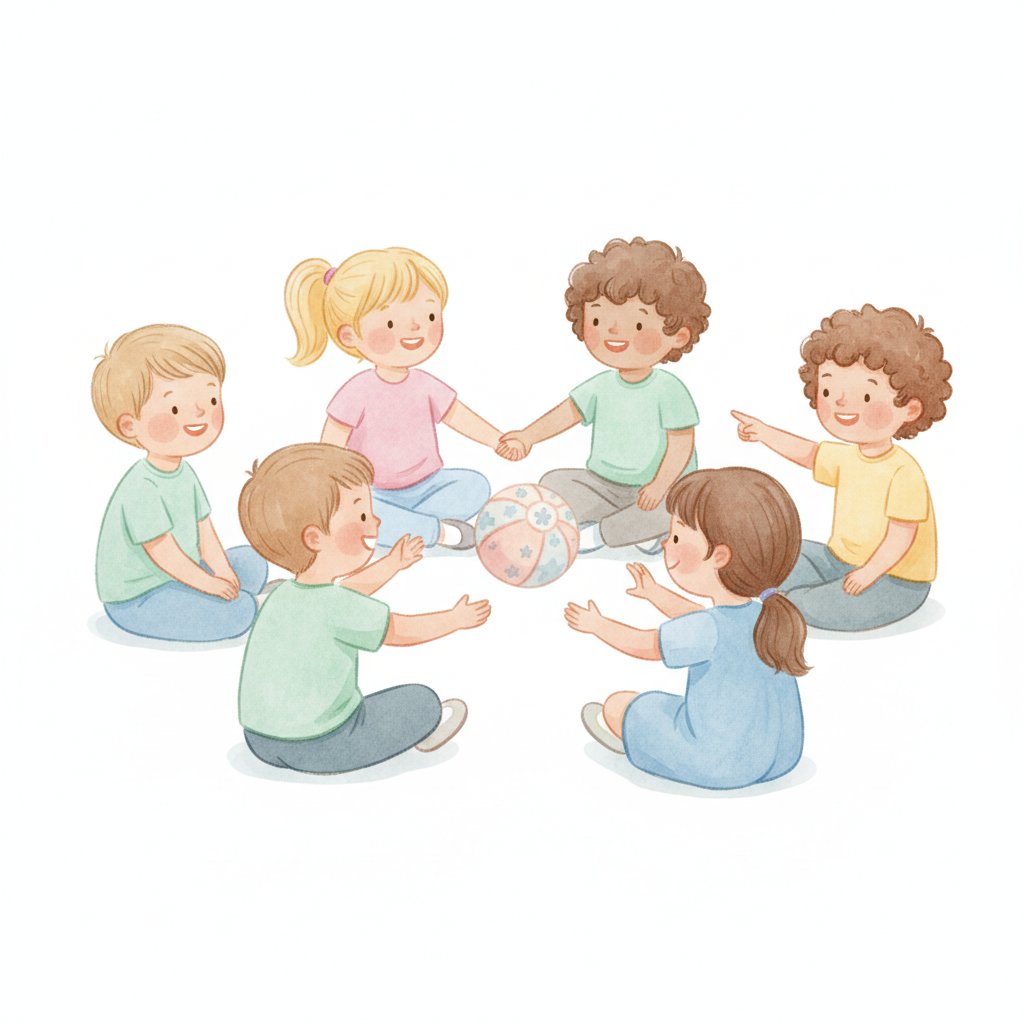
Making Friends Activities (Ages 3-6)

1. The friendship recipe
Materials: Chart paper, markers.

What to do: "What ingredients make a good friend?" Write children's answers: "Sharing! Listening! Being kind! Playing fair! Saying sorry!" Create a friendship recipe: "Take one cup of sharing, add two scoops of listening, stir in lots of kindness, and bake with smiles!" Display the recipe in the classroom. The activity makes the abstract concept of friendship concrete. For more social skills, see our social skills guide.

Why it works: Children understand friendship as a feeling long before they understand it as a set of behaviors. The recipe translates the feeling into specific actions they can practice: "Today I'm going to add a scoop of listening."

2. "Can I play?" practice
What to do: Teach the magic question: "Can I play?" Practice approaching a group: "Walk up. Make eye contact. Say 'Can I play?' in a friendly voice." Role-play both sides: sometimes your child asks, sometimes they are the group being asked. "When someone asks to play, what do we say? YES! Everyone can play!" For more role-play, see our dramatic play guide.

3. Name learning game
What to do: Sit in a circle. "Throw the ball to someone and say their name! If you don't know their name, ask: 'What's your name?'" Play until everyone knows everyone. Extend: "Now say their name AND one thing you like about them! 'Sofia, I like your drawing!'" For more name activities, see our name recognition guide.

4. Friendship interview
What to do: Pair children. "Ask your partner 3 questions: What's your favorite color? What do you like to play? What makes you happy?" Then introduce their partner to the group: "This is James! His favorite color is blue and he likes to play trucks!" The interview teaches asking, listening, and remembering. For more listening, see our listening guide.

5. Buddy system
What to do: Assign buddy pairs for activities: "Today your buddy is the person standing next to you. Buddies help each other, share materials, and make sure nobody is left out." Rotate buddies regularly so children connect with different peers. For more group activities, see our group games guide.

When friends have feelings: emotional literacy for friendship
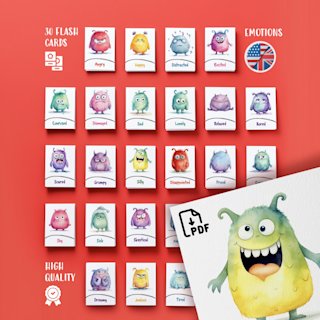
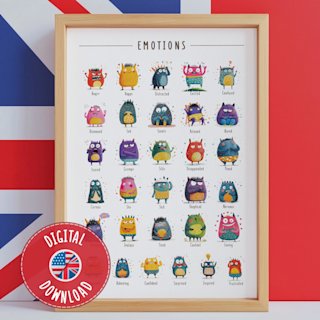
Our Emotions Monster Feelings Flashcards help children read their friends' emotions: 'Look at Leo's face — he looks like the SAD monster. What happened? Someone took his toy. What can you do to help?' Children who can identify emotions in others make better friends. They notice when a friend is sad and offer comfort. They notice when a friend is frustrated and offer help. 12 emotion monsters, 12 friendship skills, 12 opportunities to connect.

Sharing and Turn-Taking Activities (Ages 3-6)

6. Timer turn-taking
Materials: Visual timer.

What to do: "You get the truck for 3 minutes. When the timer beeps, it's your friend's turn." Use a visual timer so children can SEE the time passing. "Look — the red is almost gone! Almost your friend's turn." The timer removes the adult as the enforcer — the TIMER decides, which feels fair. For more sharing, see our social skills guide.

7. Trade game
What to do: "If you want something someone else has, you can TRADE. Offer them something they might want: 'Can I trade my block for your car?'" Practice trading with toys. "Trading is how friends share — you both get something you want!" For more problem-solving, see our problem-solving guide.

8. Cooperative art
Materials: Large paper, crayons.

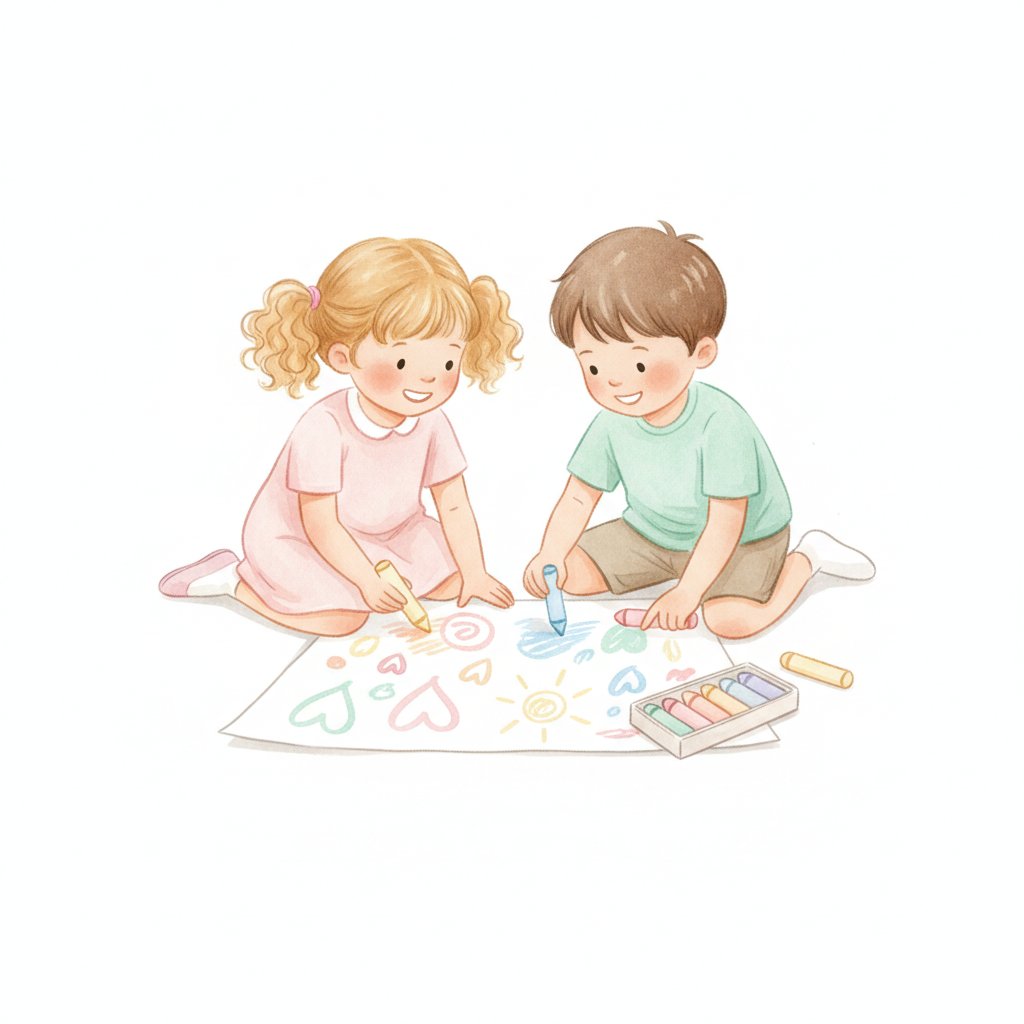
What to do: Two children share one piece of paper: "You draw on this half, your friend draws on that half. Now connect your drawings! Make a story together!" The shared canvas requires negotiation and cooperation. For more art, see our art guide.

9. "We" projects
What to do: Give pairs tasks that require cooperation: "Move this box together — you hold one side and your partner holds the other." "Build this tower together — you put the bottom blocks and your partner puts the top ones." The shared goal teaches that teamwork accomplishes what individuals cannot. For more building, see our block guide.

10. Sharing circle
What to do: Each child brings one item to share with the group: "This is my favorite book. I'm sharing it today. Who wants to look at it?" The structured sharing teaches generosity without the pressure of being asked to give something up spontaneously.

Morning greetings build friendship foundations
Our Morning Routine Visual Schedule Cards include a greeting step that builds social connections: 'Say good morning to a friend! Look at their eyes. Say their name. Give a high-five or a wave.' The daily practice teaches children that greeting people by name is how friendships START. Children who greet each other every morning feel connected before the first activity begins. Routine plus social skill equals classroom community.

Conflict Resolution and Repair (Ages 3-6)

11. The apology of action
What to do: Teach that saying sorry is step one, but FIXING is step two: "If you knock over someone's tower, say 'I'm sorry' AND help rebuild it. If you take a toy, say 'I'm sorry' AND give it back." The apology of action teaches that words alone don't repair — behavior does. For more self-regulation, see our self-regulation guide.

Why it works: Many children learn to say "sorry" as a magic word that erases the offense, then repeat the behavior. The apology of action connects the words to the repair: "Sorry means I'll try not to do it again, AND I'll fix what I did." This is how real friendships sustain through conflict.

12. Turtle technique
What to do: Teach a self-calming strategy: "When you're mad, be a TURTLE. Go into your shell (tuck your chin, cross your arms, close your eyes). Take 3 deep breaths. Come out when you're calm. THEN talk about it." The technique gives children a physical action for a big emotion. For more calming, see our quiet time guide.

13. Peace table
Materials: Small table with two chairs, a "talking piece."

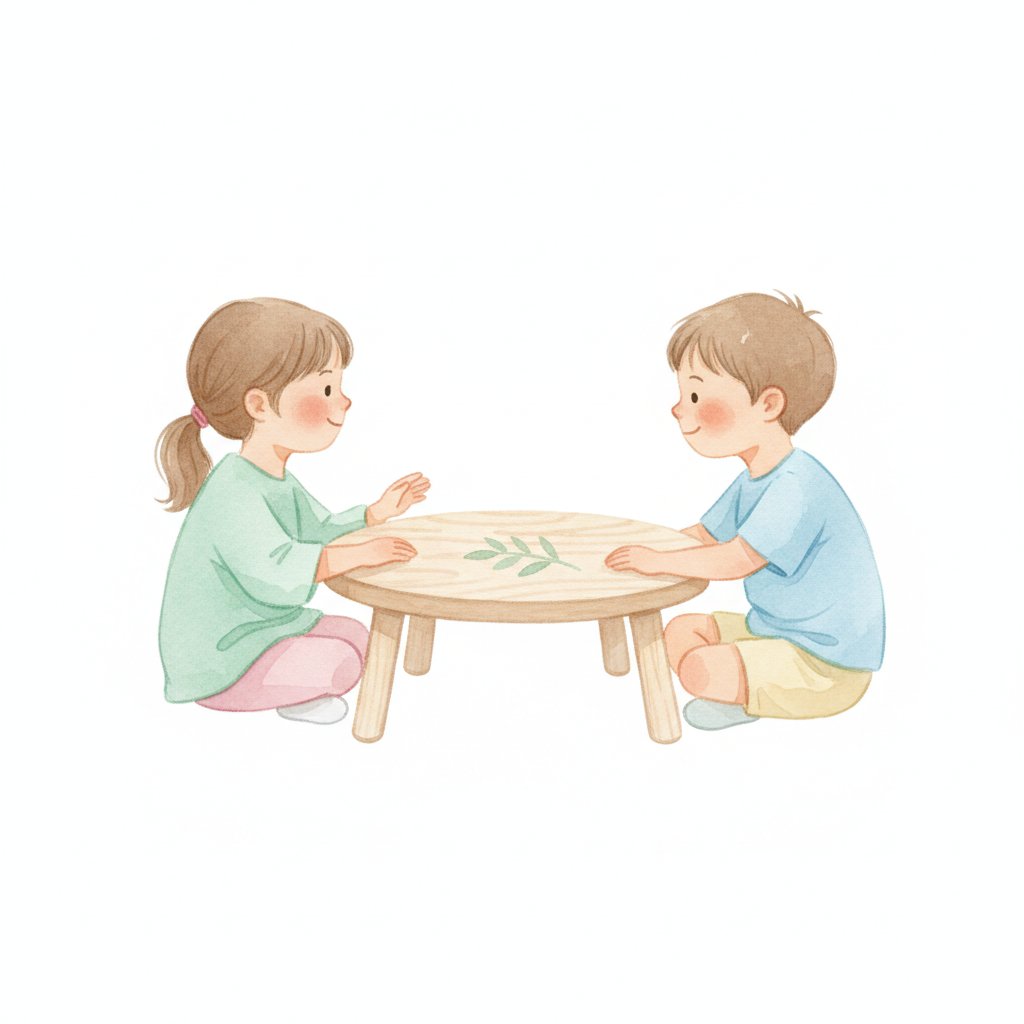
What to do: When two children have a conflict, they go to the peace table: "Whoever has the talking piece gets to speak. The other person listens. Then switch." Teach the script: "I felt _ when you _. I wish you would ___." The peace table teaches conflict resolution as a structured process.

14. Feeling thermometer
Materials: Drawing of a thermometer with zones: green (calm), yellow (annoyed), red (angry).

What to do: "Check your thermometer. Are you in the green, yellow, or red? If you're in the red, you need to cool down before you can solve the problem. What helps you cool down?" The visual tool teaches emotional self-awareness. For more emotional literacy, see our feelings guide.

15. Friendship repair stories
Materials: Books about friendship conflicts.

What to do: Read stories where friends have conflicts and resolve them: "In this story, the friends got mad at each other. What did they do to fix it? They talked about it, said sorry, and played again. Friends can get mad AND still be friends. The fixing is what makes the friendship strong."

Friendship Crafts and Keepsakes (Ages 3-6)

16. Friendship bracelets
Materials: Beads, string.

What to do: "Make a bracelet for a friend! Choose colors THEY like. Put the beads in a pattern: red, blue, red, blue." The craft teaches thinking about someone else's preferences, patterning, and fine motor skills. For more patterns, see our pattern guide.

17. Handprint friendship wreath
Materials: Paper, paint, scissors.

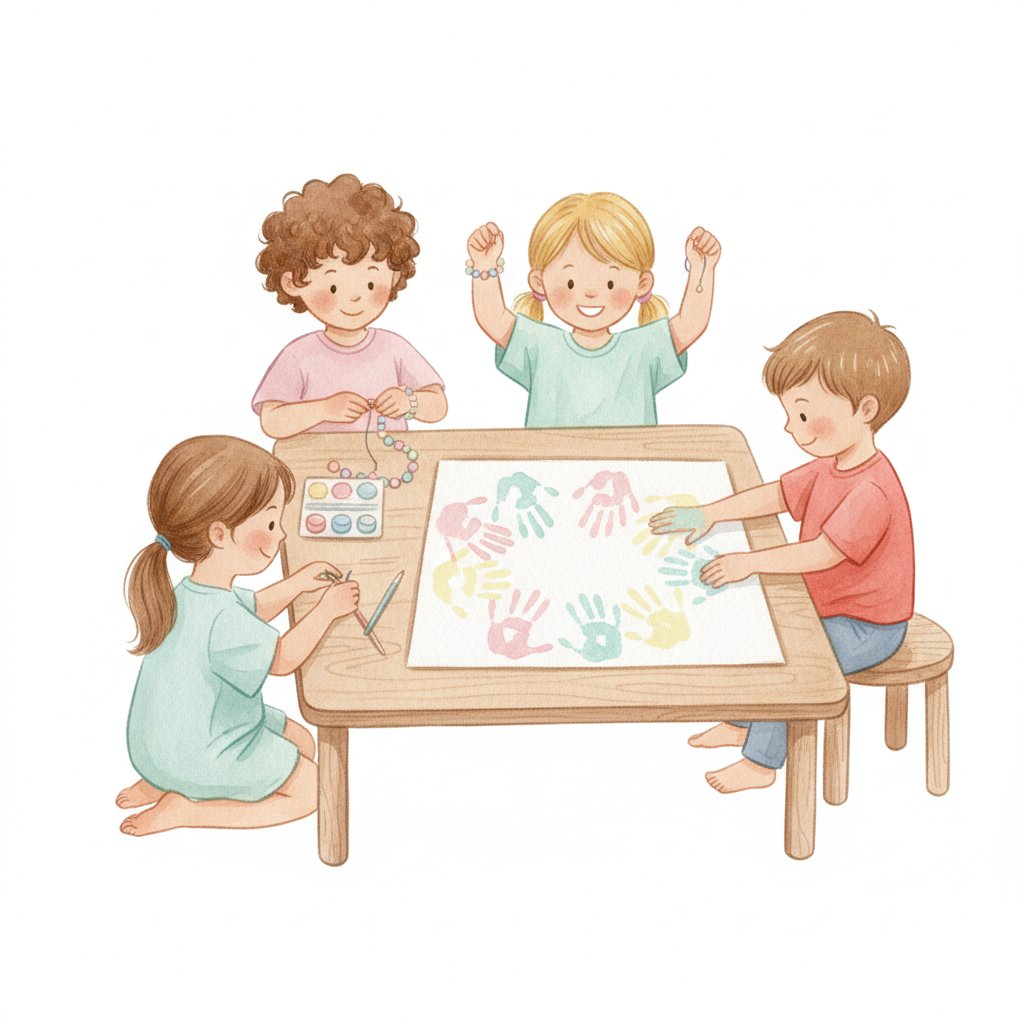
What to do: Each child makes a handprint. Arrange all handprints in a circle: "All our hands together make a friendship wreath! Every hand is different — just like every friend is different — and together they make something beautiful."

18. Friendship portrait exchange
Materials: Paper, crayons.

What to do: "Draw a picture of your friend! What do they look like? What do they like to do?" Children draw each other and exchange portraits. The activity teaches careful observation and appreciation of another person. For more drawing, see our writing guide.

19. Compliment chain
Materials: Paper strips, markers.

What to do: Write compliments on strips and link them into a chain: "Sofia is good at sharing. James makes me laugh. Luna is a good listener." The chain grows as children add compliments. The visual display shows that kind words connect us. For more kindness, see our kindness guide.

20. Friendship book
Materials: Paper, photos, crayons.

What to do: Create a class friendship book: a page for each child with their photo, name, and favorite things. "This is our friendship book! When someone is new, they can read it to learn about everyone." The book creates belonging and helps new children integrate. For more name writing, see our name recognition guide.

Learning friend names letter by letter
Our Alphabet Monster Flashcards become a friendship tool: 'What letter does YOUR name start with? J! Let's find the J monster! Now let's find all the letters in James: J-A-M-E-S!' Children learn the alphabet fastest when it connects to people they care about. Every friend's name is a spelling lesson. Every letter has a person attached to it. The flashcards transform abstract letters into a social activity — which is exactly how preschoolers learn best: together.
1.My preschooler says they don't have any friends. What should I do?
Take it seriously but don't panic. Ask specific questions: "What happened at school today? Who did you sit next to? What did you play?" Sometimes "no friends" means "my best friend was absent today." Teach one friendship skill at a time: "Today, let's practice asking 'Can I play?'" Talk to the teacher to get the full picture. Most preschoolers develop friendships in bursts — they'll have a best friend one week and play alone the next, and both are normal.
2.How do I help my child who is shy about making friends?
Start with parallel play (playing beside someone without interacting) before expecting cooperative play. Arrange one-on-one playdates rather than group settings. Practice friendship scripts at home: "Hi, I'm [name]. Can I play?" Give them specific conversation starters: "Ask them what their favorite animal is." Celebrate small wins: "You said hi to someone new today — that was brave!"
3.What if my child's best friend is a bad influence?
At ages 3-6, "bad influence" usually means a child who is still developing impulse control, not a morally corrupt person. Focus on teaching YOUR child decision-making: "When Leo knocked the blocks, did that feel right to you? What would YOU have done?" Don't ban the friendship — use it as a teaching opportunity. If the friend's behavior is truly harmful (hitting, bullying), talk to the teacher about supervision.
4.How many friends does a preschooler need?
One. Research consistently shows that having ONE good friend is the strongest predictor of social-emotional health in early childhood. Quality matters far more than quantity. A preschooler with one trusted playmate is better off than a preschooler with ten surface-level acquaintances. Don't worry about popularity — worry about connection.