The Snack Graph That Started a Conversation
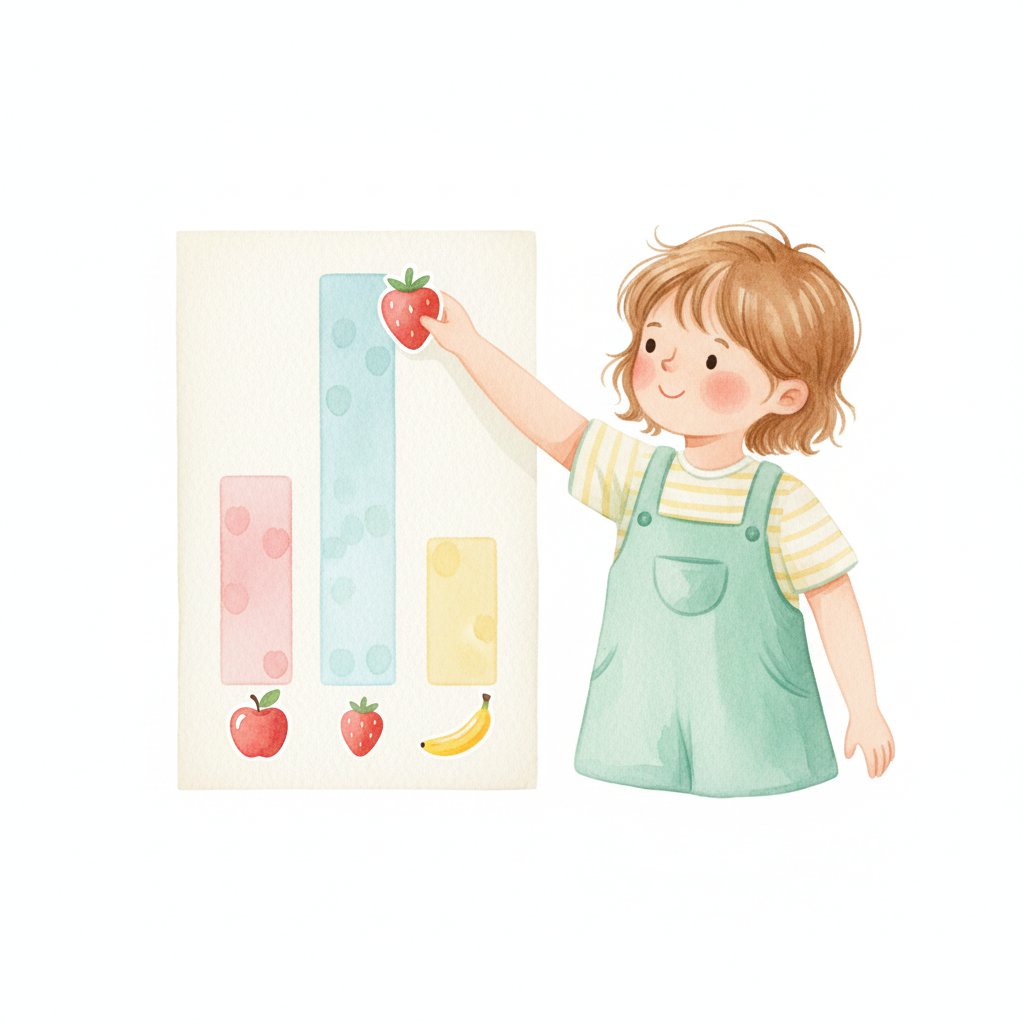
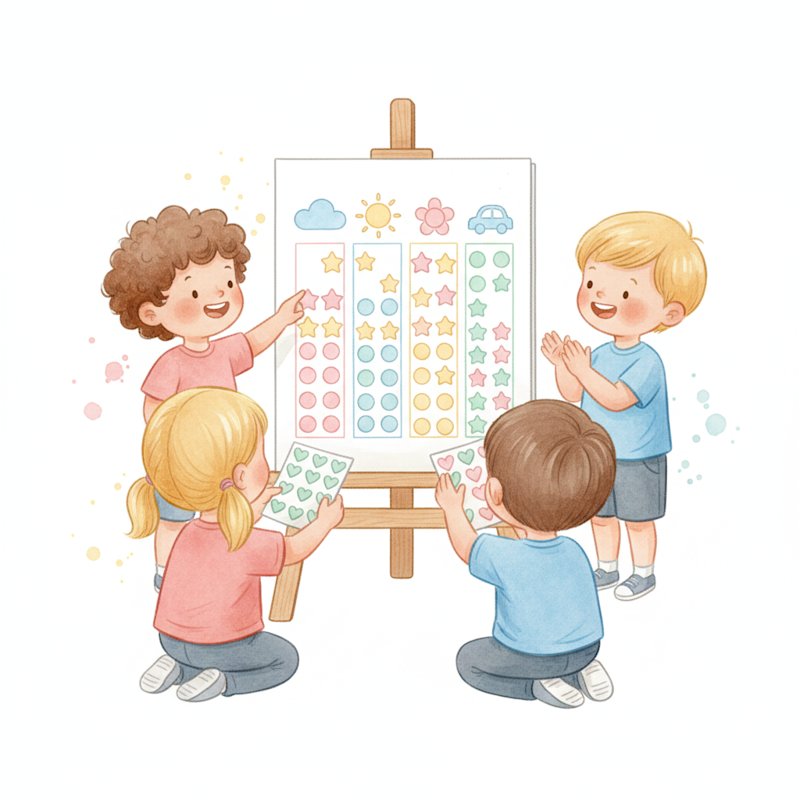
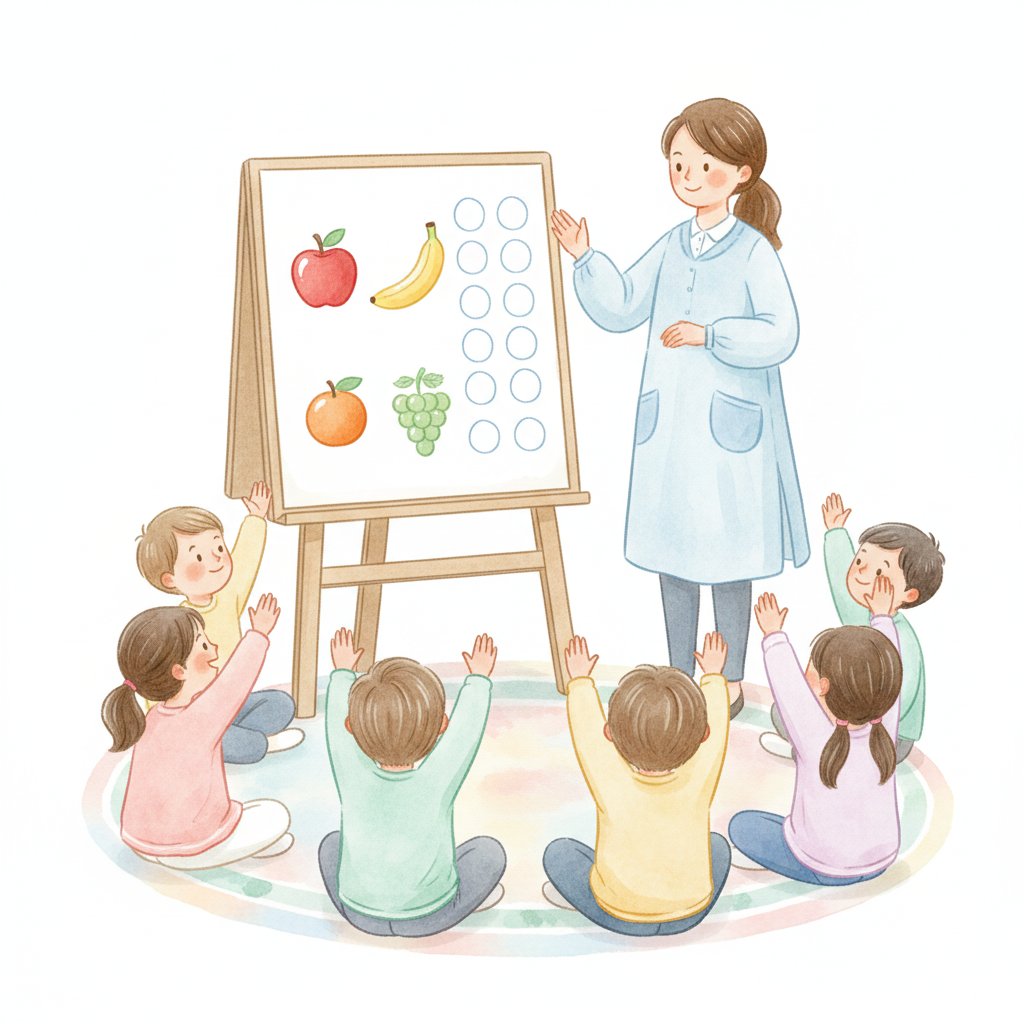
"Raise your hand if you like apples." Eight hands. "Bananas?" Six hands. "Grapes?" Ten hands. I drew three columns on chart paper and put a sticker for each hand. The children stared at the growing columns. "GRAPES has the most!" Leo shouted. "How do you know?" I asked. He pointed: "It's the TALLEST." Then Mia said, "Apples has MORE than bananas. I can see it goes higher." In that moment, seven four-year-olds understood that DATA tells a story, and GRAPHS are how you see it. They started graphing everything: favorite colors, shoe types, pets, eye color, how they got to school. Every graph started a CONVERSATION — because data without discussion is just marks on paper, but data WITH discussion is THINKING.
According to the National Council of Teachers of Mathematics, data activities teach categorization, counting, comparison (more, less, most, fewest), representation (using symbols for real things), and interpretation (reading conclusions from data). These are foundational math skills that children use throughout school and life.
This guide covers 20+ graphing and data activities for ages 3-6. Pair it with our number guide for counting and our sorting guide for categorization.