Articles7 min read

The Tower That Fell Down Seven Times

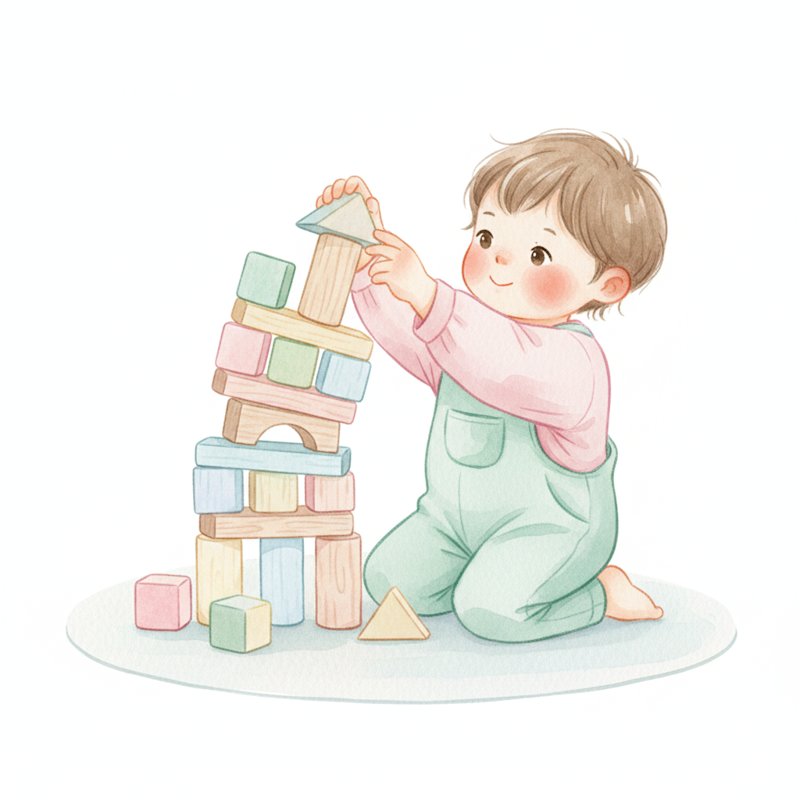
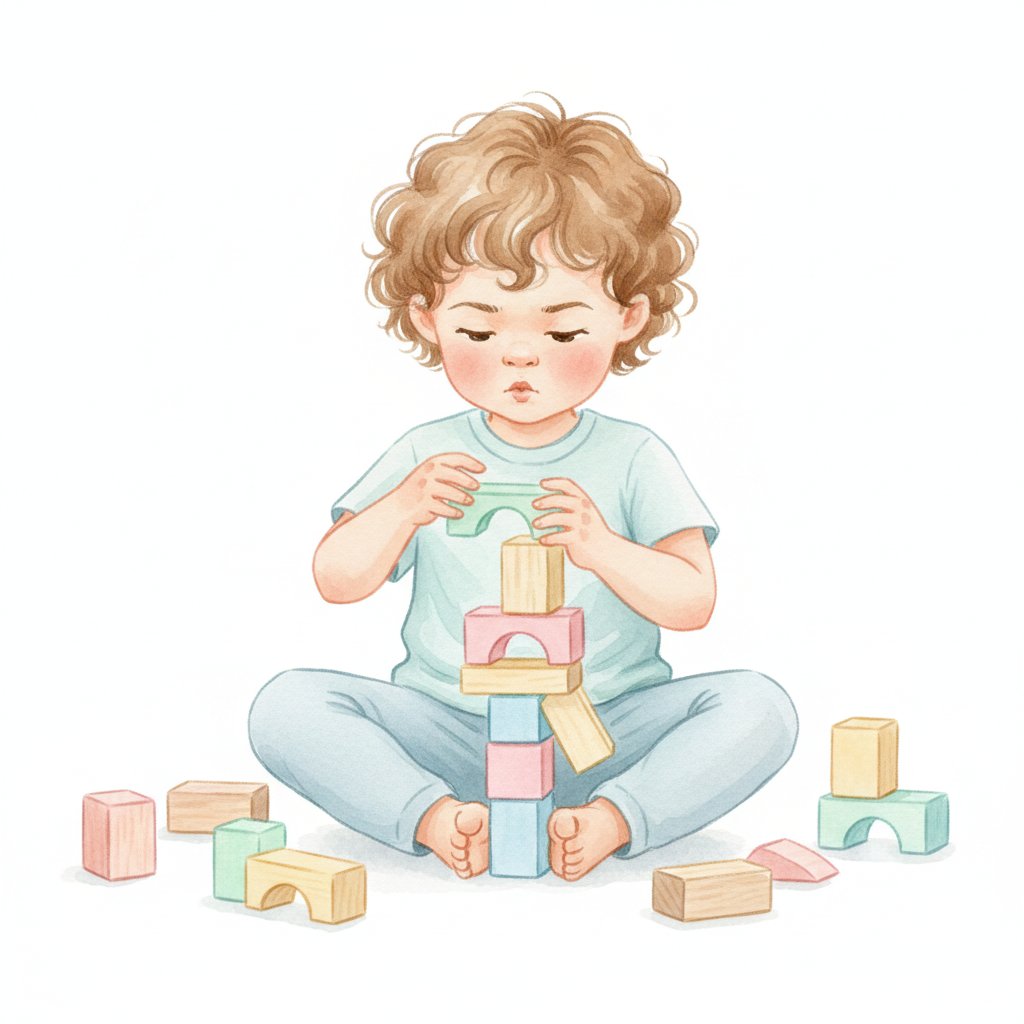
Four-year-old Lucas was building a block tower. It fell. He rebuilt. It fell again. He rebuilt. On the seventh attempt, he placed the top block and it STAYED. He jumped up: "I DID IT! I DID IT EVEN THOUGH IT KEPT FALLING!" I asked him: "How did you get it to stay?" He thought: "I put the BIG blocks on the BOTTOM. The first time I put little ones on the bottom and they tipped over." Lucas just described the essence of growth mindset: I failed, I learned from the failure, I changed my approach, I succeeded. He wasn't born knowing this — he LEARNED it through seven fallen towers. Growth mindset is the belief that abilities develop through effort, not talent. And it starts in preschool.

According to researcher Carol Dweck, children with a growth mindset outperform those with a fixed mindset by 20-30% on academic measures. The key difference? Children with growth mindset see failure as information ("what can I learn?"), not as judgment ("I'm not smart"). This single belief affects every area of learning.
This guide covers 20+ growth mindset activities for ages 3-6. Pair it with our self-confidence guide for self-esteem and our problem-solving guide for critical thinking.
Effort Praise and Trying Hard (Ages 3-6)

1. Process praise practice
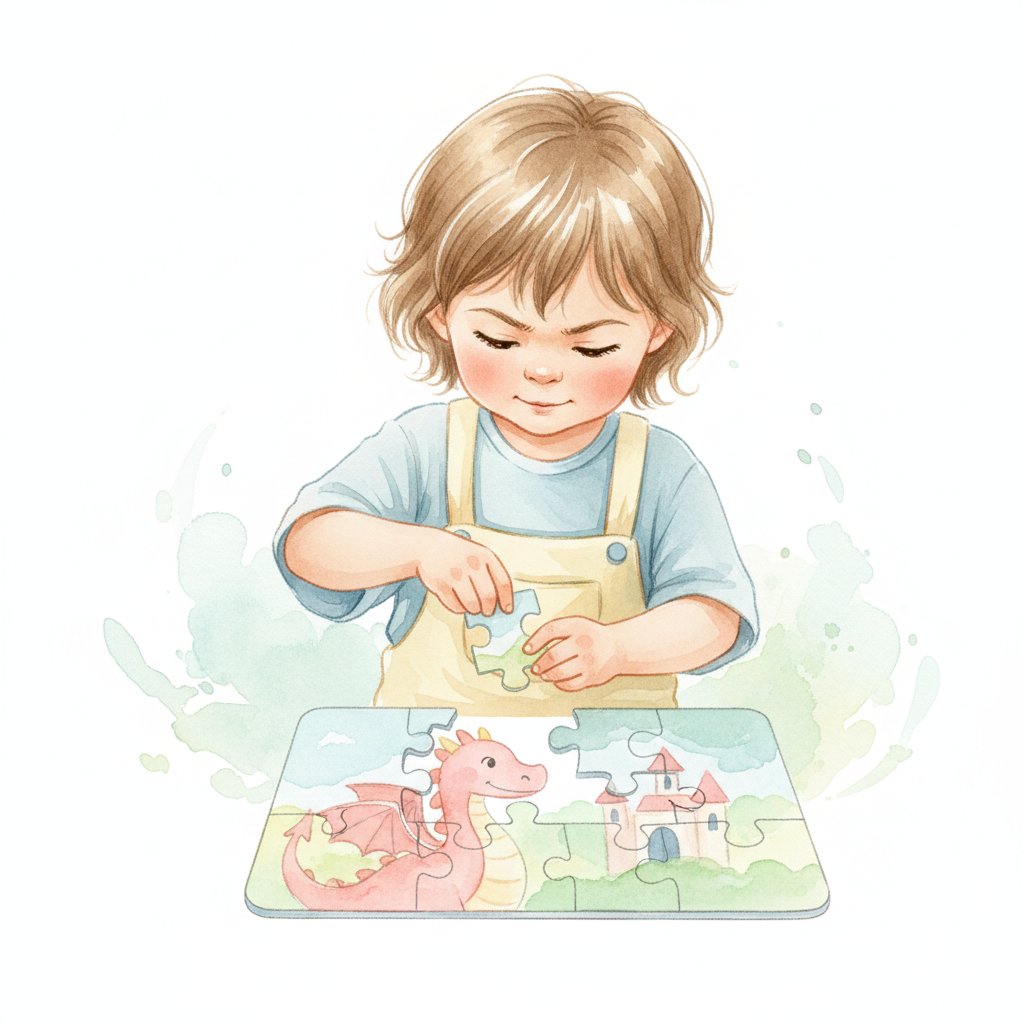
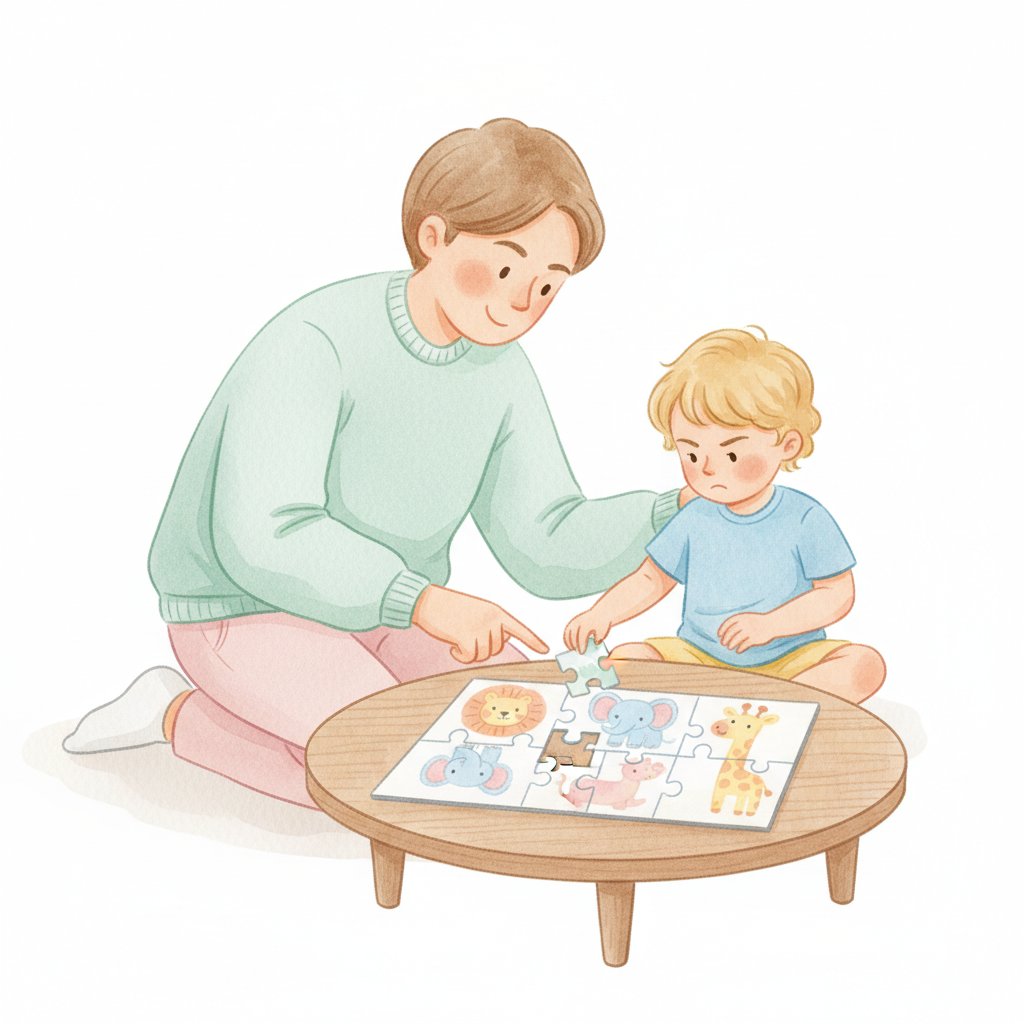
What to do: Instead of "You're so smart!" try: "You worked SO HARD on that puzzle! You didn't give up!" Instead of "You're a great artist!" try: "You kept trying different colors until it looked just right!" The SPECIFIC praise for effort — not talent — teaches children that EFFORT matters more than being "smart." For more positive reinforcement, see our classroom management guide.

Why it works: Dweck's research shows that children praised for effort choose harder challenges 80% of the time. Children praised for being "smart" choose easier challenges — because they fear failing and losing the "smart" label. Process praise doesn't feel different in the moment, but it creates dramatically different outcomes over time.

2. "Not yet" chart
Materials: Chart with children's names.

What to do: When a child says "I can't do it!" respond: "You can't do it YET!" Add the skill to the chart: "Writing my name — NOT YET!" When they achieve it, move it to the "I CAN!" column. The chart makes growth visible. For more writing, see our writing guide.

3. Effort jar
Materials: Jar, pom-poms.

What to do: "Every time you try something hard — even if it doesn't work — put a pom-pom in the jar! Trying hard DESERVES a pom-pom, whether you succeed or not!" The jar rewards EFFORT, not outcomes. When the jar is full, celebrate: "We tried hard SO MANY TIMES!"

4. Try again stories
What to do: Tell stories of famous try-again moments: "A bird tries to fly and falls. It tries AGAIN. And AGAIN. And finally it FLIES! The first pancake is always lumpy. The second one is better. The third one is PERFECT." The stories normalize failure as part of learning. For more storytelling, see our storytelling guide.

5. The power of "YET"
What to do: "Let's practice saying 'yet'! 'I can't tie my shoes... YET!' 'I can't write my name... YET!' 'I can't count to 100... YET!' YET means you're learning and you'll get there!" The three-letter word reframes inability as in-progress. For more counting, see our number guide.

Morning routines start the growth mindset day
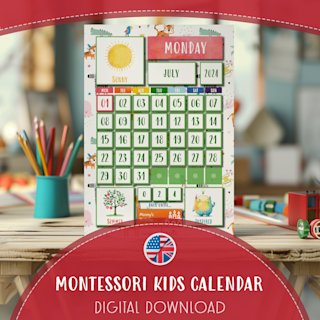
Our Morning Routine Visual Schedule Cards include growth mindset moments: 'Today I will try something new. Today I will not give up. Today I will learn from my mistakes.' The morning routine isn't just about getting dressed and eating breakfast — it is about setting an INTENTION to grow. When children start the day with growth mindset words, they carry that attitude into every challenge. 'I can't build that tower... YET. But I'm going to try!' Morning routine becomes morning mindset.

Learning From Mistakes (Ages 3-6)

6. Beautiful oops
Materials: Paper with accidental spills, tears, or scribbles.

What to do: "You spilled paint on your paper? Let's see... that blob could be a CLOUD! Or a MONSTER! Or a PUDDLE!" Transform mistakes into art. The activity teaches that errors are creative opportunities. For more art, see our art guide.

7. Mistake share circle
What to do: At circle time: "What mistake did you make today? What did you learn from it?" Model it: "I made a mistake today — I forgot to bring the markers! I learned to check my bag BEFORE I leave home." The sharing normalizes mistakes for everyone. For more circle time, see our circle time guide.

8. Inventor stories
What to do: "Did you know Play-Doh was a MISTAKE? Someone was trying to make wallpaper cleaner and accidentally made something children love to play with! Potato chips were a MISTAKE too — a chef got annoyed and sliced potatoes paper thin!" The stories teach that mistakes can lead to amazing discoveries. For more science, see our science guide.

9. Try a different way
Materials: A challenging puzzle or task.

What to do: "That didn't work? Try a DIFFERENT way! Turn the piece. Look at it from a new angle. Ask a friend for help." Teach 3 strategies: (1) try again, (2) try differently, (3) ask for help. The strategies give children a PLAN when they're stuck. For more problem-solving, see our problem-solving guide.

10. "My mistake taught me" journal
Materials: Simple journal.

What to do: "Draw a mistake you made and what you learned. 'I dropped the jar and it broke. I learned to carry things with TWO HANDS.'" The journal makes learning from mistakes a daily practice. For more writing, see our writing guide.

Every letter learned is a growth mindset victory
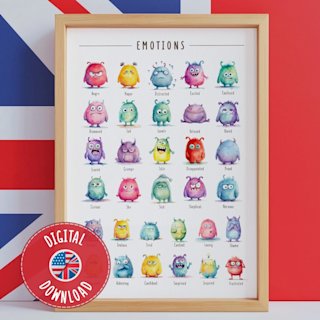
Our Alphabet Monster Flashcards are a perfect growth mindset tool: 'Last week you didn't know what Q looked like. Now you do! You couldn't write your name... YET. Now you can write the first letter! You couldn't say the sound for Z... YET. Now ZZZZZ comes out every time!' Learning 26 letters is 26 growth mindset moments. Each new letter proves: I couldn't do it before, I practiced, now I can. That is growth mindset in action. 26 letters, 26 victories, 26 proofs that trying works.

Challenge and Persistence Activities (Ages 3-6)

11. Hard puzzle challenge
Materials: A puzzle that's slightly too hard.

What to do: "This puzzle is HARD. It's supposed to be hard! If it was easy, your brain wouldn't grow. Try. Stuck? Try differently. Still stuck? Ask for a hint." The challenge teaches that HARD is where growth happens. For more puzzles, see our problem-solving guide.

12. The long project
Materials: A multi-day project (large painting, big block city, complex craft).

What to do: "This project will take THREE DAYS. We won't finish today — and that's OK! Some things take time." The long project teaches sustained effort and patience. For more patience, see our self-regulation guide.

13. Balance challenge
Materials: Balance beam (tape on floor), increasingly difficult balance tasks.

What to do: "Walk the line! Easy? Now walk it with a book on your head! Easy? Walk it BACKWARD! Easy? Walk it on tiptoes!" Each increase in difficulty teaches that challenges can be adjusted. For more movement, see our gross motor guide.

14. Learning something new
What to do: "Choose something you can't do YET. It could be: button a shirt, write your name, tie shoes, hop on one foot. Practice every day for one week. Let's see how much better you get!" The week-long practice teaches that growth comes from repetition over time.

15. Team challenge
What to do: "Work together to build the tallest tower you can! If it falls, build it again differently. You have 10 minutes!" The team challenge teaches that persistence is easier with friends. For more teamwork, see our group games guide.

Growth Mindset Extensions (Ages 3-6)

16. Fixed vs. growth mindset sorting
Materials: Two columns: "Fixed" and "Growth."

What to do: Sort phrases: "I can't do this" (FIXED) vs. "I can't do this YET" (GROWTH). "This is too hard" (FIXED) vs. "This is hard — my brain is growing!" (GROWTH). "Mistakes are bad" (FIXED) vs. "Mistakes help me learn" (GROWTH). The sorting makes the difference concrete. For more sorting, see our sorting guide.

17. Brain grow song
What to do: Sing: "When I try and try and try, my brain grows BIG, oh my oh my! When I fail and try again, my brain grows BIGGER than big, amen!" The song teaches neuroplasticity in preschool language. For more songs, see our music guide.

18. "I used to think... now I know"
What to do: "I used to think I couldn't paint. Now I know I can paint BEAUTIFULLY because I practiced!" Children share their own growth moments. The reflection makes growth visible through before/after comparison.

19. Challenge choice
What to do: "Choose your challenge! Easy: 5-piece puzzle. Medium: 10-piece puzzle. Hard: 20-piece puzzle. Which will you choose?" Teach that CHOOSING a challenge is brave. "You chose the HARD one? Your brain is going to GROW today!" For more choice activities, see our self-confidence guide.

20. Growth mindset book basket
What to do: Fill a basket with growth mindset books: The Dot, Ish, The Most Magnificent Thing, Giraffes Can't Dance, The Girl Who Never Made Mistakes. Read one each day and discuss: "What was hard for the character? How did they handle it? What did they learn?" The books show growth mindset through stories children love.

Put growth mindset on the wall where children see it daily
Our Educational Posters for Kids include growth mindset messages visible every day: 'Mistakes mean you are LEARNING. Challenges make your brain STRONGER. You can do hard things. Practice makes PROGRESS.' When children see these messages on the wall at home or in class, the words become part of their inner voice. Instead of 'I can't do it,' they hear 'I can't do it YET.' Eight posters, eight growth mindset reminders, 365 days of reinforcement. The wall teaches even when you are not talking.
1.Can preschoolers really understand growth mindset?
Yes — they understand the CONCEPT even if they can't say "growth mindset." A four-year-old who says "I'll try again!" or "This is hard but I can do it!" is demonstrating growth mindset. The key is translating the abstract concept into concrete language: "Your brain is like a muscle — it gets stronger when you try hard things." Children understand growing (they grow themselves!) and they understand strong (they see muscles). "Brain strong" makes growth mindset concrete.
2.What is the difference between praise and encouragement?
Praise judges the result: "Good job! You're so smart!" Encouragement notices the process: "You worked really hard on that! I saw you try three different ways!" Praise creates dependence on external approval. Encouragement builds internal motivation. The shift is simple: describe what you SAW the child DO, rather than judging what they ARE. "I noticed you kept trying even when it was frustrating" teaches more than "Good girl."
3.What if my child gets upset when they fail?
Frustration is NORMAL and actually GOOD — it means the child is at the edge of their ability, which is where growth happens. Validate the feeling: "It IS frustrating when things don't work! I get frustrated too." Then redirect: "What could you try differently?" Don't rescue them immediately — wait to see if they can problem-solve. If they're truly overwhelmed, offer a scaffold: "Would you like a hint, or do you want to try one more time on your own?"
4.How do I model growth mindset as a parent or teacher?
Narrate your own learning: "I'm trying to learn to knit and I keep making mistakes! But I'm going to keep practicing because I want to get better." Let children see you struggle, fail, and try again. Avoid saying "I'm bad at math" or "I can't draw" in front of children — model "I'm still learning to draw" or "Math is hard for me — YET." Children learn more from what they see you do than what they hear you say.