Articles7 min read

The Hand-Washing Song That Actually Worked

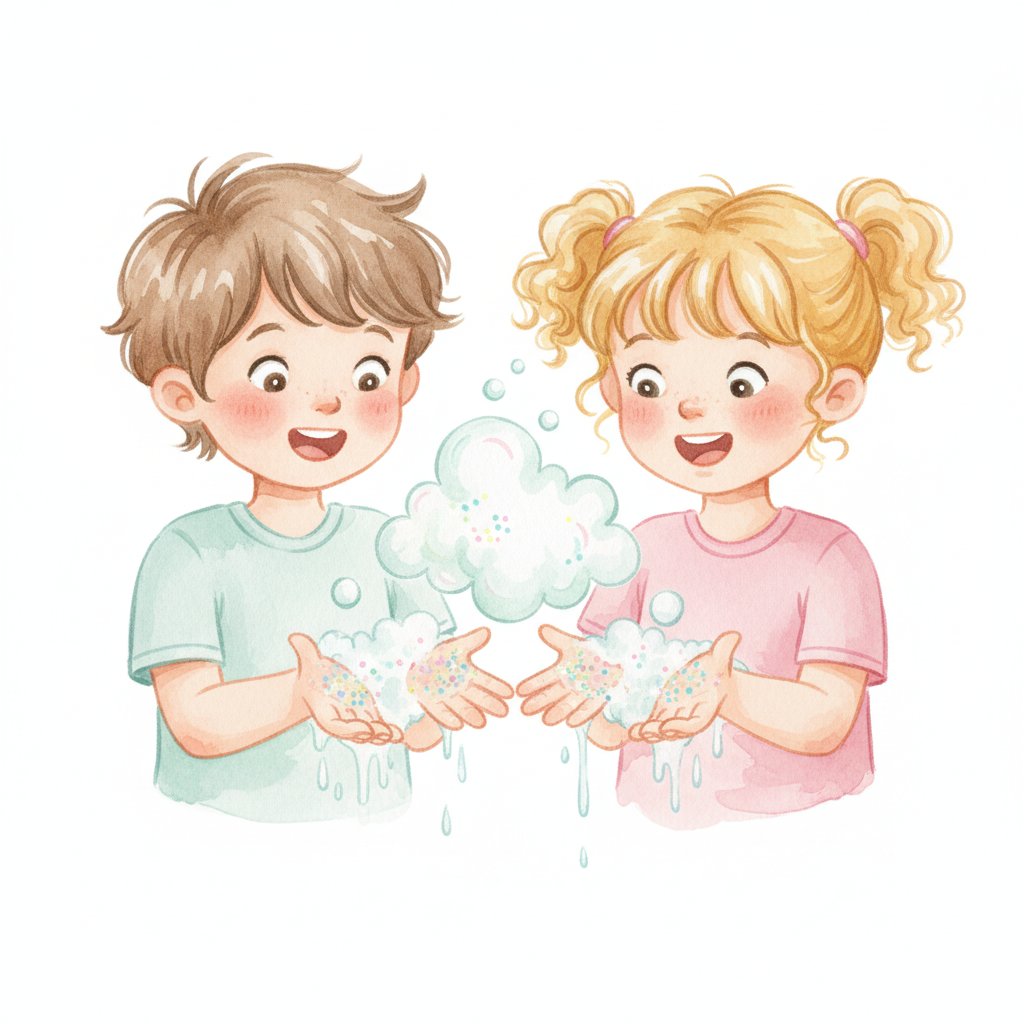
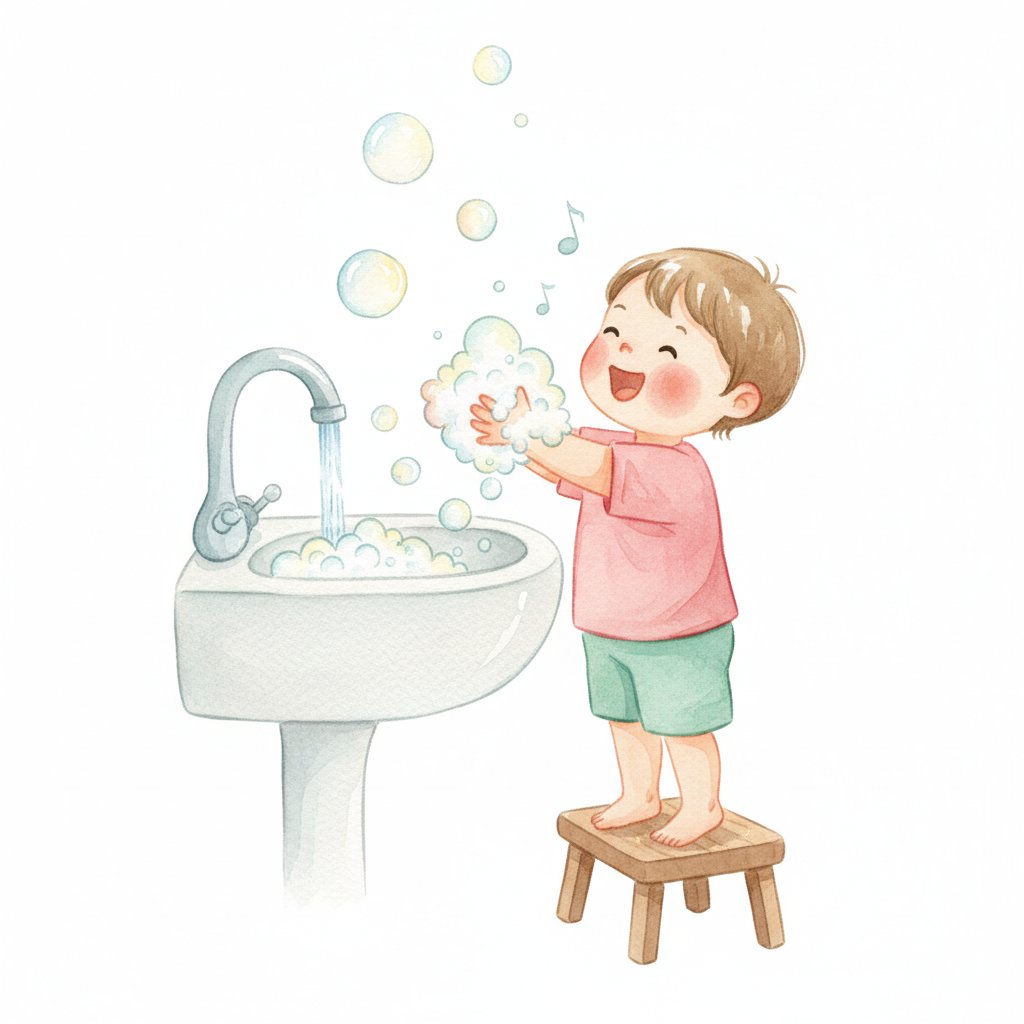
For six months I said "wash your hands" approximately 4,000 times. For six months my daughter ran her hands under cold water for two seconds and called it done. Then I taught her a 20-second hand-washing song. Something clicked. She sang the song, scrubbed for the whole duration, and beamed with pride. "I washed all the germs away, Mama!" The problem wasn't that she didn't WANT clean hands — it was that "wash your hands" was too abstract. The song made it concrete, timed, and fun.

According to the CDC, proper hand washing prevents about 20% of respiratory infections and 30% of diarrhea-related sicknesses. Teaching hygiene early — when children are forming lifelong habits — is one of the highest-impact health interventions possible. And the best way to teach it is through play, not lectures.
This guide covers 20+ health and hygiene activities for ages 3-6, organized by topic: hand washing, dental care, healthy eating, exercise, and body awareness. Pair it with our body parts guide for anatomy learning and our morning routine guide for daily habit-building.

Hand Washing Activities (Ages 3-6)

1. The glitter germ experiment
Materials: Glitter lotion or cooking oil + glitter.

What to do: Rub glitter lotion on children's hands. "These are pretend germs. Try to wash them off with just water." (Glitter stays.) "Now try with soap." (Glitter comes off with scrubbing.) The visual makes the invisible (germs and soap's effect) tangible.

Why it works: Children can't see germs, so hand washing feels pointless. Glitter germs make the cause (germs on hands) and the solution (soap + scrubbing) visible and memorable. For more science experiments, see our science guide.

2. The 20-second song
What to do: Teach children to wash hands for 20 seconds by singing: (1) "Happy Birthday" twice, (2) The ABC Song once, (3) A made-up hand-washing song. The song gives a concrete duration instead of an abstract instruction. For more songs, see our music guide.

3. Hand-washing steps sequencing
Materials: Picture cards showing hand-washing steps.

What to do: Children put hand-washing picture cards in order: turn on water, wet hands, get soap, scrub palms, scrub backs, scrub between fingers, rinse, dry. The sequencing activity teaches the complete routine. Post the cards above the sink. For more sequencing, see our following directions guide.

4. "Catch the sneeze" demonstration
Materials: Spray bottle with water, paper.

What to do: Spray water (representing a sneeze) toward paper from different distances. "This is how far germs travel when we sneeze! That's why we sneeze into our elbow." The visual demonstration makes the case for elbow-sneezing more compelling than any lecture.

5. Soap vs. no-soap comparison
Materials: Two bowls of water, pepper flakes.

What to do: Sprinkle pepper on water in both bowls. Dip a finger in one bowl — pepper sticks. Dip a soapy finger in the other — pepper scatters away. "The soap makes the germs run away!" The dramatic visual demonstrates why soap matters.

Know your body, take care of your body
Our Human Body Poster for Kids teaches children what's INSIDE their body — and why it matters to take care of it. 'This is your heart. It pumps blood. Exercise makes your heart strong! These are your lungs. They help you breathe. That's why we cover our mouth when we cough — to protect our lungs!' When children understand WHY hygiene matters (not just WHAT to do), they're more motivated to do it. Anatomy awareness is health awareness.

Dental Health Activities (Ages 3-6)

6. The egg experiment
Materials: Hard-boiled egg, dark soda or juice, toothbrush, toothpaste.

What to do: Soak a hard-boiled egg in dark soda overnight. The shell stains brown. "This is what happens to our teeth when we drink lots of juice and don't brush." Children brush the egg with toothpaste — the stain comes off. The visual makes dental hygiene's purpose clear.

Why it works: "Brush your teeth or you'll get cavities" is abstract to a 4-year-old. An egg turning brown and then being cleaned by brushing is concrete, visual, and memorable. For more body learning, see our body parts guide.

7. Two-minute brush-along
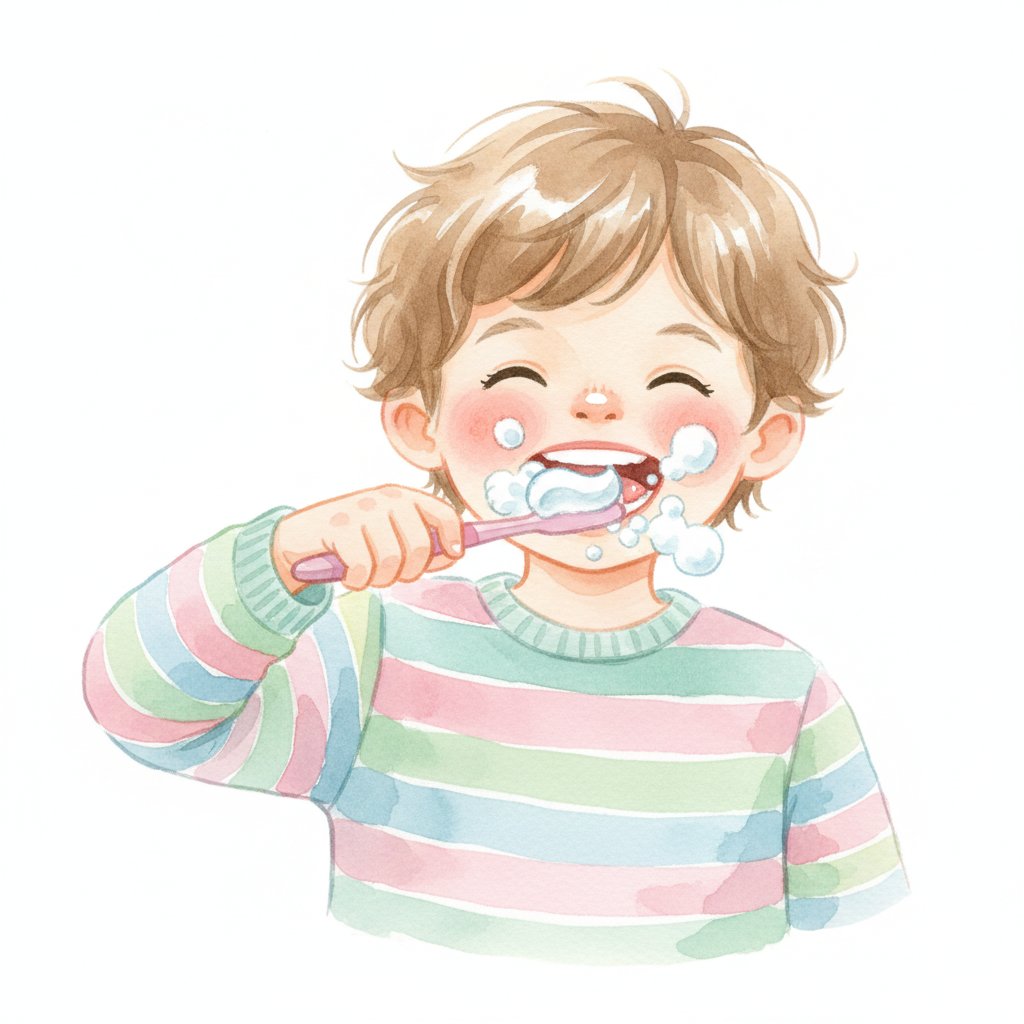
What to do: Play a two-minute song while children brush. "Brush until the song ends!" The music makes the duration feel like fun rather than a chore. Many toothbrush apps have built-in timers with animations.

8. "Feed the healthy tooth" sorting
Materials: Pictures of foods (some tooth-healthy, some not).

What to do: Children sort food pictures into "healthy for teeth" and "not healthy for teeth" categories. "Cheese, water, apples — healthy! Candy, soda, sticky fruit snacks — not healthy!" The sorting teaches which foods support dental health. For more sorting, see our sorting guide.

9. Giant mouth brush
Materials: Large paper mouth drawn with teeth, large toothbrush (made from cardboard).

What to do: Children "brush" the giant teeth with the cardboard toothbrush, practicing the motion: small circles on each tooth, front and back. The oversized props make the technique visible and fun.

10. Tooth fairy letter
What to do: Children write (or dictate) a letter to the tooth fairy about how they take care of their teeth. "Dear Tooth Fairy, I brush twice a day. I eat healthy food. My teeth are strong!" The letter frames dental care as an achievement worth reporting. For more writing, see our writing guide.

Morning routine cards include hygiene steps
Our Morning Routine Visual Schedule Cards embed hygiene into the daily sequence: 'First I use the bathroom. Then I wash my hands. Then I brush my teeth. Then I get dressed.' The hygiene steps aren't separate nagging moments — they're just part of the routine, sandwiched between other tasks children already do. When brushing teeth is 'step 3 of the morning plan,' it stops being a battle. It's just what we do.

Healthy Eating and Exercise Activities (Ages 3-6)

11. Food group sorting
Materials: Food pictures or play food, five category mats (fruits, vegetables, grains, protein, dairy).

What to do: Children sort foods into groups. "Is a carrot a fruit or a vegetable? What group does chicken go in?" The sorting teaches food categories and the concept of eating from all groups. For more sorting, see our sorting guide.

12. "Eat a rainbow" challenge
What to do: Children try to eat foods of different colors each day: red (tomato), orange (carrot), yellow (banana), green (broccoli), blue (blueberry), purple (grape). Make a rainbow chart — children add a sticker for each color eaten. For more color fun, see our color guide.

13. Taste test adventure
Materials: Small samples of new healthy foods.

What to do: Children try small bites of new foods and rate them: "Yum! / Okay / No thank you." The rule: you have to TRY one bite, but you don't have to finish. The low-pressure exposure reduces food neophobia over time. For more sensory experiences, see our sensory guide.

14. Animal movement exercise
What to do: Children move like animals: bear crawl, crab walk, frog jump, snake slither, penguin waddle. "Can you bear-crawl across the room? Now crab-walk back!" The animal theme makes exercise playful rather than regimented. For more movement, see our gross motor guide.

15. Heart rate discovery
What to do: Children sit quietly and feel their chest or wrist pulse. "That's your heart beating! Now let's run for one minute. Feel it now — it's faster!" The before-and-after comparison teaches the connection between exercise and heart health. For more body learning, see our body parts guide.

Sleep Routines and Body Awareness (Ages 3-6)

16. Bedtime routine chart
Materials: Visual bedtime routine cards.

What to do: Create a bedtime routine: bath, pajamas, brush teeth, story, song, sleep. Children check off each step. The predictability helps children wind down and reduces bedtime resistance. For more routines, see our morning routine guide.

17. "Why do we sleep?" discussion
What to do: Teach children that sleep is when the body grows and the brain learns: "When you sleep, your body gets taller and your brain puts all the things you learned today into your memory. That's why you need 10-11 hours of sleep!" The explanation makes sleep feel important, not punitive.

18. Body part health map
Materials: Large outline of a body on paper.

What to do: Children add health habits to body parts: draw a toothbrush by the mouth, running shoes by the feet, a pillow by the head, soap by the hands, a carrot by the stomach. The visual map connects body parts to the actions that keep them healthy.

19. "What makes my body feel good/bad" chart
What to do: Create a two-column chart. Children dictate what makes their body feel good (sleep, healthy food, running, water) and what makes it feel bad (too much candy, no sleep, too much screen time). The self-awareness activity connects choices to consequences.

20. Doctor/nurse dramatic play
Materials: Toy doctor kit, stuffed animals.

What to do: Children play doctor, giving checkups to stuffed animals. "Let me listen to your heart. Open wide — let me see your teeth. Have you been eating healthy food?" The role-play teaches health vocabulary and normalizes doctor visits. For more dramatic play, see our dramatic play guide.

Weather awareness IS health awareness
Our Weather Flashcards teach children to dress for the weather — a practical health skill: 'It's SUNNY today — we need sunscreen and a hat! It's RAINY — we need a raincoat and boots! It's SNOWY — we need a warm coat and gloves!' Each weather card connects to a health action. Children learn that taking care of their body means paying attention to their environment. 12 weather conditions, 12 health decisions.
1.How do I teach hand washing to a child who resists it?
Make it sensory and fun, not a command. Add food coloring to the soap. Use foaming soap (children love the texture). Put a toy at the bottom of the sink they can only see when they scrub long enough to clear the bubbles. Sing a favorite song. The key: hand washing has to be MORE interesting than whatever they were doing before. If it's boring, they'll rush.
2.When should children start brushing their own teeth?
Children can START brushing independently around age 3, but an adult should finish the job until age 7-8. The rule: "You brush first, then I brush." Children develop the fine motor coordination for thorough brushing around age 7-8. Before that, they miss surfaces. Make it a shared activity, not a solo one.
3.How do I handle a picky eater without making it a power struggle?
Follow the Division of Responsibility: the adult decides WHAT food is offered and WHEN. The child decides WHETHER to eat and HOW MUCH. No pressure, no bribes, no separate meals. Offer at least one "safe" food (something they usually eat) alongside new foods. It takes 10-15 exposures before a child accepts a new food. The goal is long-term healthy eating, not winning today's meal battle.
4.Should I teach preschoolers about germs, or is that too scary?
Teach about germs in an empowering, not frightening, way. Focus on what children CAN do (wash hands, cover coughs) rather than what germs CAN do (make you sick). Use the language of protection: "Germs are tiny things that can make us sick. But we have SUPERPOWERS to fight them: soap, water, and scrubbing!" Frame hygiene as power, not fear.