Articles6 min read

The Valentine Who Changed Our Classroom

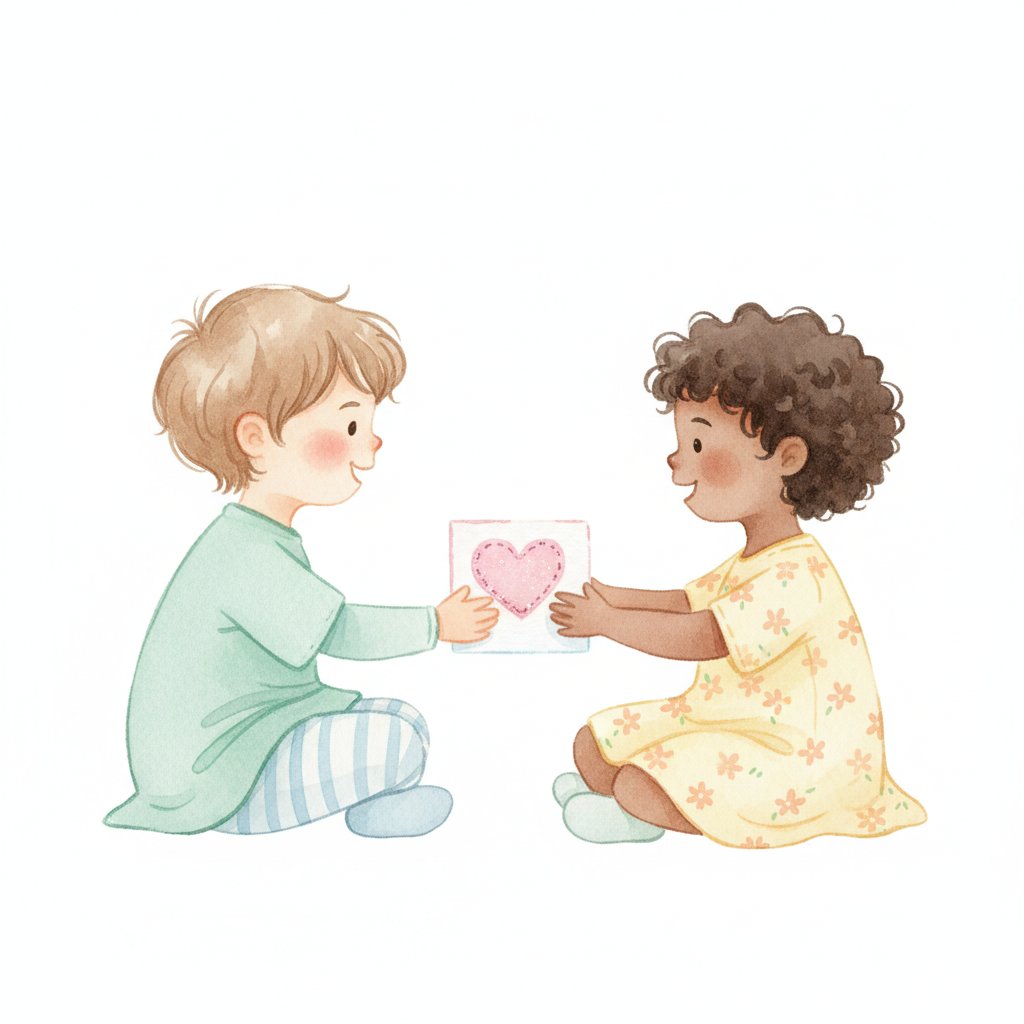
One February, I set out paper hearts and crayons for a simple Valentine craft. Four-year-old Maya made a card for every single child in the class — 18 cards, each with the recipient's name and a drawing of something they loved. For James, she drew a dinosaur. For Sofia, a flower. For Tyler, a truck. When I asked why, she said: "Because everyone should feel special on Valentine's Day." That moment taught me that holidays aren't just fun — they're opportunities to teach empathy, generosity, and community.

According to research from the Harvard Graduate School of Education, children who participate in holiday traditions develop stronger family bonds, better cultural identity, and more robust social-emotional skills. Holidays create shared memories, teach cultural values, and provide natural opportunities for learning across all domains — math (counting, patterns), literacy (stories, writing), science (seasons, materials), and social skills (giving, sharing, gratitude).
This guide covers 20+ holiday activities for ages 3-6 across the major holidays. Pair it with our seasonal guide for year-round nature activities and our family activities guide for family traditions.
Christmas Activities (Ages 3-6)

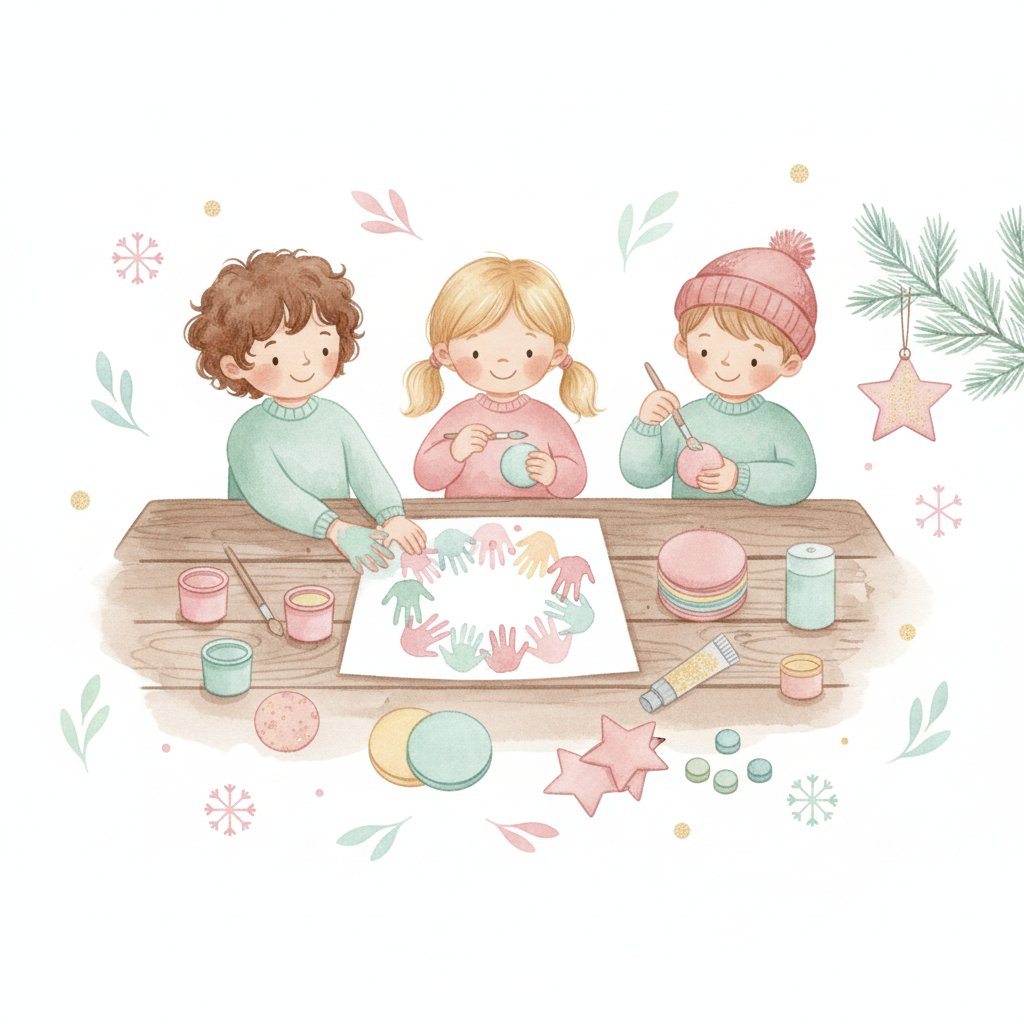
1. Handprint wreath
Materials: Green paint, paper, red pom-poms.

What to do: Trace and cut handprints on green paper. Arrange them in a circle to form a wreath. Add red pom-poms as berries. Count the handprints: "How many hands did we use? Let's count!" The craft combines art, counting, and fine motor practice. For more art, see our art guide.

2. Reindeer counting game
Materials: Reindeer cutouts, red stickers.

What to do: "Santa has 9 reindeer! Let's put a red nose on each one as we count: 1, 2, 3..." Extend: "If 3 reindeer are sick, how many can still fly? 9 minus 3 equals 6!" The game uses Christmas context for addition and subtraction. For more counting, see our number guide.

3. Ornament pattern strings
Materials: Colored paper circles, yarn.

What to do: String ornaments in patterns: "Red, green, red, green — what comes next?" Try harder patterns: "Red, red, green, red, red, green..." The patterning teaches early math through a holiday craft. For more patterns, see our pattern guide.

4. Gingerbread shape house
Materials: Graham crackers, frosting, candy.

What to do: Build gingerbread houses and name the shapes: "The roof is a TRIANGLE. The walls are RECTANGLES. The door is a SQUARE." The building combines geometry, spatial reasoning, and delicious fun. For more shapes, see our shape guide.

5. Christmas story sequencing
Materials: Story pictures.

What to do: Read "The Night Before Christmas" or similar. Then children sequence picture cards: "What happened FIRST? What happened NEXT? What happened LAST?" The sequencing teaches narrative comprehension and temporal ordering. For more storytelling, see our storytelling guide.

Holiday mornings that start with structure, not chaos
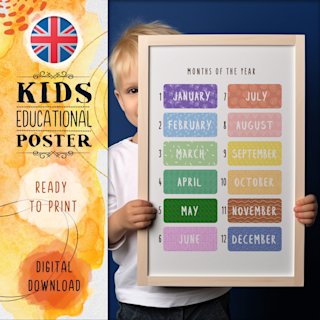
Our Morning Routine Visual Schedule Cards are a lifesaver during holiday season chaos: wake up, bathroom, get dressed, eat breakfast, brush teeth — THEN open presents, THEN eat holiday breakfast, THEN visit family. The cards create a calm sequence so children know what to expect. Holiday excitement is wonderful, but structure makes it manageable. The routine holds even when the schedule shifts. Post the cards, follow the steps, enjoy the magic.

Halloween Activities (Ages 3-6)

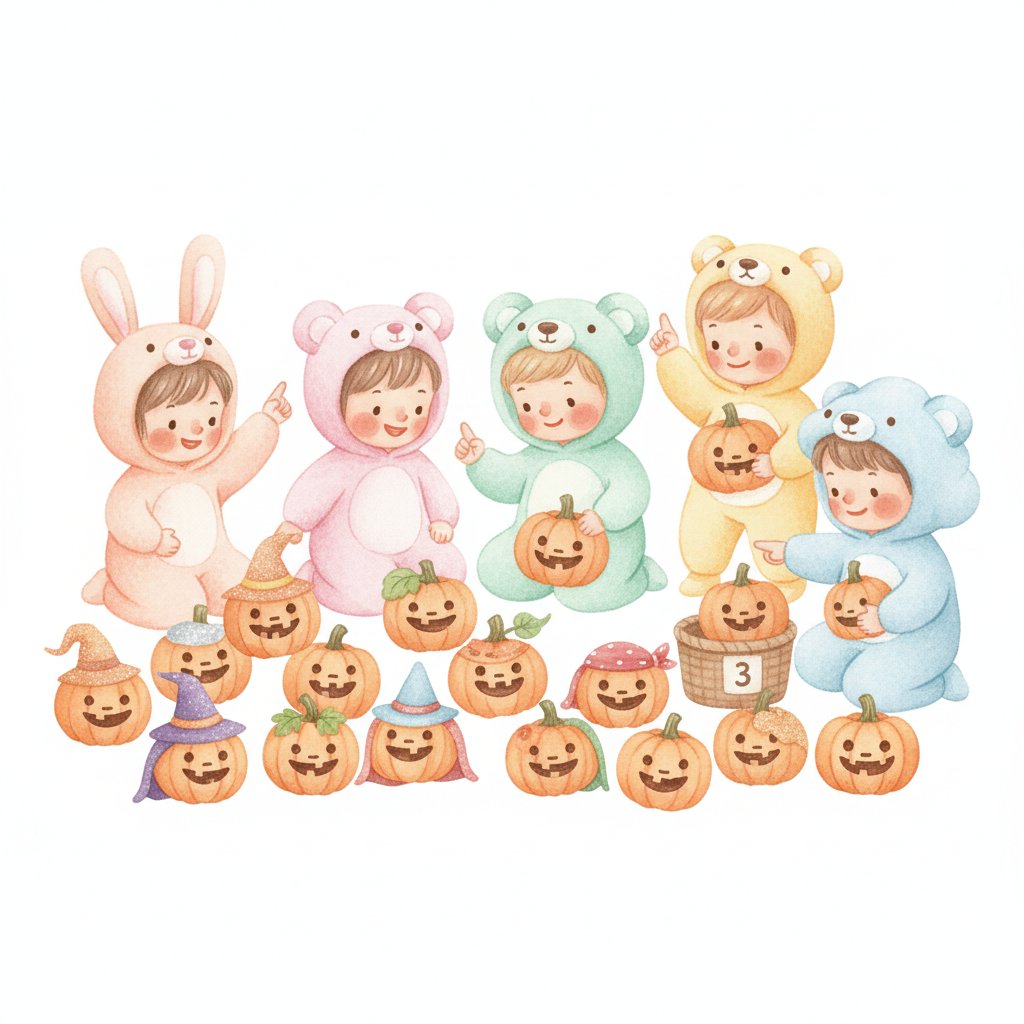
6. Pumpkin sorting and counting
Materials: Mini pumpkins or pumpkin cutouts in various sizes and colors.

What to do: Sort pumpkins by size: "Big, medium, small!" Count them: "How many orange pumpkins? How many white ones?" Order by size: "Smallest to biggest!" The sorting combines classification, counting, and seriation. For more sorting, see our sorting guide.

7. Sensory Halloween bin
Materials: Bin filled with dried beans, plastic spiders, small pumpkins, scoops.

What to do: Children dig through the bin to find hidden items: "Find 5 spiders! Find 3 pumpkins!" The sensory play builds tactile tolerance, counting, and fine motor skills. For more sensory, see our sensory guide.

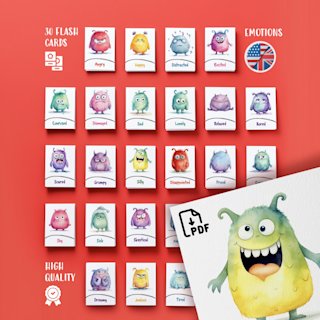
8. Monster feelings match
Materials: Monster drawings with different expressions.

What to do: "This monster looks HAPPY. This one looks SCARED. This one looks ANGRY. Can you make the same face?" The activity uses the Halloween theme to teach emotional literacy. For more emotions, see our feelings guide.

9. Spider web weaving
Materials: Paper plate with notches cut around the edge, yarn.

What to do: Children weave yarn through the notches to create a spider web pattern: "Over, under, over, under." The weaving develops fine motor control and pattern awareness. For more fine motor, see our fine motor guide.

10. Costume prediction and description
What to do: Before Halloween: "What are you going to be? What does your costume look like?" After: "Tell me about your costume! What can your character DO?" The conversation teaches descriptive language and prediction. For more dramatic play, see our dramatic play guide.

Every holiday has a season
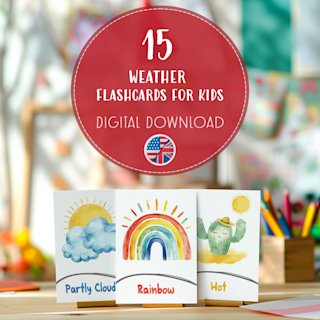
Our Weather Flashcards connect holidays to their seasons: CHRISTMAS is in WINTER — cold and snowy. HALLOWEEN is in FALL — cool and crispy. EASTER is in SPRING — rainy and warm. JULY 4TH is in SUMMER — hot and sunny. 'What season is YOUR favorite holiday in? What is the weather like?' The cards teach seasonal awareness, weather vocabulary, and calendar concepts — all through the lens of holidays children already love. 12 weather types, 12 seasonal connections, 12 aha moments.

Thanksgiving Activities (Ages 3-6)

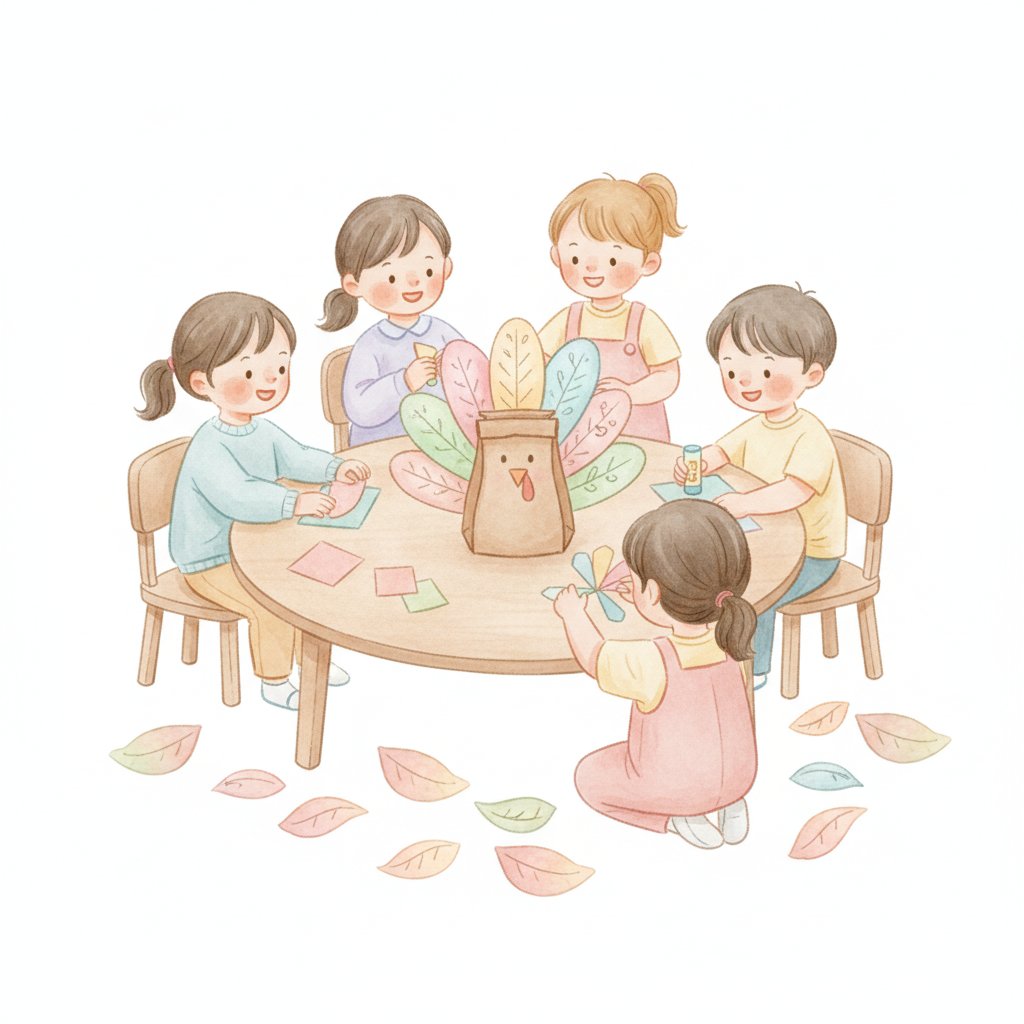
11. Thankful turkey feathers
Materials: Turkey body cutout, paper feathers.

What to do: Each child writes (or dictates) something they're thankful for on a feather: "I'm thankful for my family. I'm thankful for my dog. I'm thankful for mac and cheese!" Attach feathers to the turkey. The activity teaches gratitude through a concrete craft. For more kindness, see our kindness guide.

12. Thanksgiving feast planning
What to do: Plan a classroom feast: "What foods should we have? Let's make a list! How many people are coming? How many plates do we need?" The planning teaches list-making, counting, and community. For more cooking, see our cooking guide.

13. Harvest sorting
Materials: Pictures or real items: corn, squash, apples, pumpkins, leaves.

What to do: Sort by color: "Orange, red, yellow, green!" Sort by type: "Vegetables, fruits, leaves!" The sorting teaches classification through seasonal items. For more sorting, see our sorting guide.

14. Family hand tree
Materials: Paper, markers, paint.

What to do: Trace each family member's hand on paper. Arrange as leaves on a painted tree: "Our family tree! Each hand is someone we love and are thankful for." The tree creates a family gratitude display.

15. Cornmeal sensory bin
Materials: Bin with cornmeal, scoops, cups, small figures.

What to do: Children scoop, pour, and bury: "Fill the cup! Dump it out! How many scoops to fill the big container?" The sensory play uses a Thanksgiving-appropriate material for math and fine motor practice. For more sensory, see our sensory guide.

Valentine and Easter Activities (Ages 3-6)

16. Heart sorting by size
Materials: Paper hearts in small, medium, large.

What to do: Sort hearts by size, then count: "How many small hearts? How many medium? How many large?" Create patterns: "Small, medium, large, small, medium, large..." The activity uses the Valentine shape for math learning. For more patterns, see our pattern guide.

17. Friendship card writing
Materials: Paper, crayons, stickers.

What to do: Children make cards for classmates: "Write your friend's name on the front. Draw something they like. Write 'FROM' and your name." The card writing teaches name writing, empathy, and friendship. For more writing, see our writing guide.

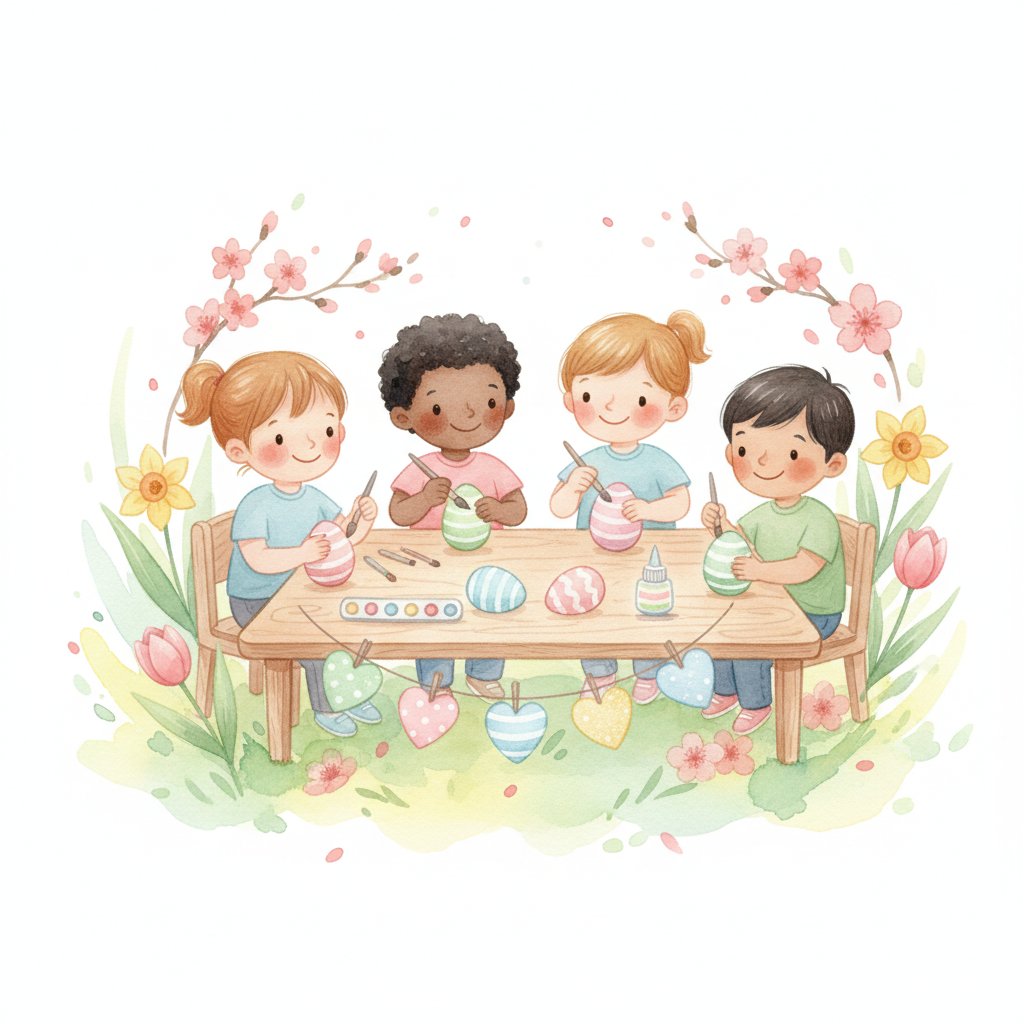
18. Easter egg math hunt
Materials: Plastic eggs with numbers inside.

What to do: Hide eggs. Children find them, open them, and read the number inside: "You found the egg with 5! Can you do 5 jumps? Can you find 5 things in the room?" The hunt combines physical activity, number recognition, and counting. For more counting, see our number guide.

19. Egg pattern coloring
Materials: Egg outlines, crayons.

What to do: "Color a pattern on your egg: stripe, dot, stripe, dot!" Children create patterns on egg shapes. Compare: "Your egg has AB stripes! Yours has ABC dots!" For more patterns, see our pattern guide.

20. Spring senses walk
What to do: After Easter, take a spring walk: "What do you SEE? Flowers! What do you HEAR? Birds! What do you SMELL? Fresh grass! What do you FEEL? Warm sun!" The walk connects Easter to spring and teaches sensory observation. For more outdoor play, see our outdoor guide.

Holiday shapes are everywhere
Our Shapes Flashcards become a holiday scavenger hunt: 'A CIRCLE like an ornament! A TRIANGLE like a Christmas tree! A STAR like the one on top! A HEART like a Valentine! An OVAL like an Easter egg!' Every holiday is full of shapes — children just need someone to point them out. Post the flashcards and challenge your preschooler: find 3 circles at Christmas, 3 triangles at Halloween, 3 hearts at Valentine. Shapes plus holidays equals motivated learning.
1.How do I handle holidays in a diverse classroom?
Acknowledge multiple holidays: "Some families celebrate Christmas, some celebrate Hanukkah, some celebrate Kwanzaa, and some celebrate none of them — and that's okay! We're learning about all of them." Invite families to share their traditions. Focus on universal themes (gratitude, generosity, family, light) that connect holidays across cultures.
2.Are holiday activities too chaotic for a preschool classroom?
They can be — but only if you try to do too much at once. Choose 2-3 focused activities per holiday rather than 10 overwhelming ones. Keep the same routine structure; swap one activity for a holiday version. "Instead of regular sensory bin, we have a Halloween sensory bin." The routine stays, the content shifts. Structure contains the excitement.
3.How can I make holiday activities educational, not just fun?
Every craft has math (count, pattern, sort). Every holiday has a story (sequencing, vocabulary). Every celebration has social learning (gratitude, giving, cooperation). Ask yourself: "What skill am I teaching through this activity?" If the answer is nothing, add a learning layer: count the candy, sequence the story, write the names, sort the decorations.
4.What about families who don't celebrate certain holidays?
Communicate ahead of time: "Next week we'll be learning about Halloween traditions. If your family doesn't celebrate, please let me know and I'll provide an alternative activity." Have non-holiday options available. Frame activities as learning ABOUT a holiday rather than celebrating it. Most families are comfortable with educational approaches even if they don't celebrate the holiday at home.