Teaching Tips
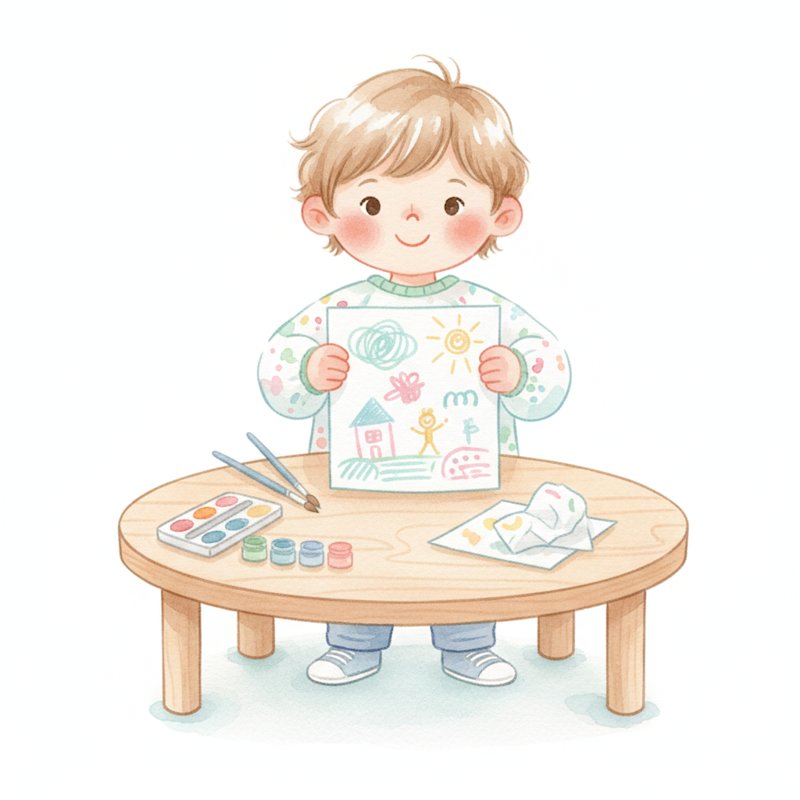
Accept all forms of writing. Drawing, scribbling, invented spelling, dictated words, and conventional writing are all valid. Praise the effort and the ideas, not the spelling. "You wrote about your dog! I love how you drew his long ears!"
Don't correct spelling on creative writing. When children write "I LIK MY DG," they've communicated a complete thought. Correcting it teaches them that writing is about getting it "right" rather than expressing ideas. Save spelling instruction for dedicated phonics time.
Write every day, even if it's just one sentence. Consistency matters more than quantity. A child who writes one sentence every day for a year will be a stronger writer than one who writes a page once a month.
Model writing yourself. Write in front of children. Think aloud: "I want to write about my weekend. I went to the park. Let me sound out 'park' — P-A-R-K." Children learn by watching you struggle and succeed.
Read their writing back to them. When a child finishes writing, read it back: "You wrote 'I love my mom because she plays with me.' That's a beautiful sentence." This validates their work and reinforces the connection between spoken and written language.
Frequently Asked Questions
How long should kindergarteners write each day?
10–15 minutes of focused writing time is plenty. Add informal writing (signing in, labelling drawings, writing names on artwork) throughout the day and most kindergarteners get 20–30 minutes of writing practice daily without it feeling like a lesson.
What if a child refuses to write?
Start with drawing. All writing begins with drawing. Once a child is comfortable drawing a response, gradually add "Tell me about your picture. Can you write the word for [object they drew]?" Gentle progression, never force.
Should kindergarteners use lined or unlined paper?
Both. Unlined paper for creative writing (focus on ideas). Lined paper with large spacing for handwriting practice (focus on letter formation). The distinction matters — different tools for different goals.
How do I assess kindergarten writing?
Use a simple portfolio system. Collect one writing sample per week (dated). At the end of each month, compare samples. Look for growth in: detail in drawings, use of letters/words, letter formation, spacing, and idea complexity. Don't use rubrics or grades — kindergarten writing assessment should be about growth, not scores.