Articles7 min read

The Day a Four-Year-Old Taught Me About Kindness
I was having a terrible morning — rushing, frustrated, snapping at my daughter over her slow shoes. At drop-off, she handed her teacher a crumpled piece of paper. The teacher unfolded it, smiled, and showed me: my daughter had drawn a picture of me with a big sad face and written (scribbled) "Mommy sad." Under it, the teacher had written: "Aurora noticed someone she loves was unhappy and wanted to help."

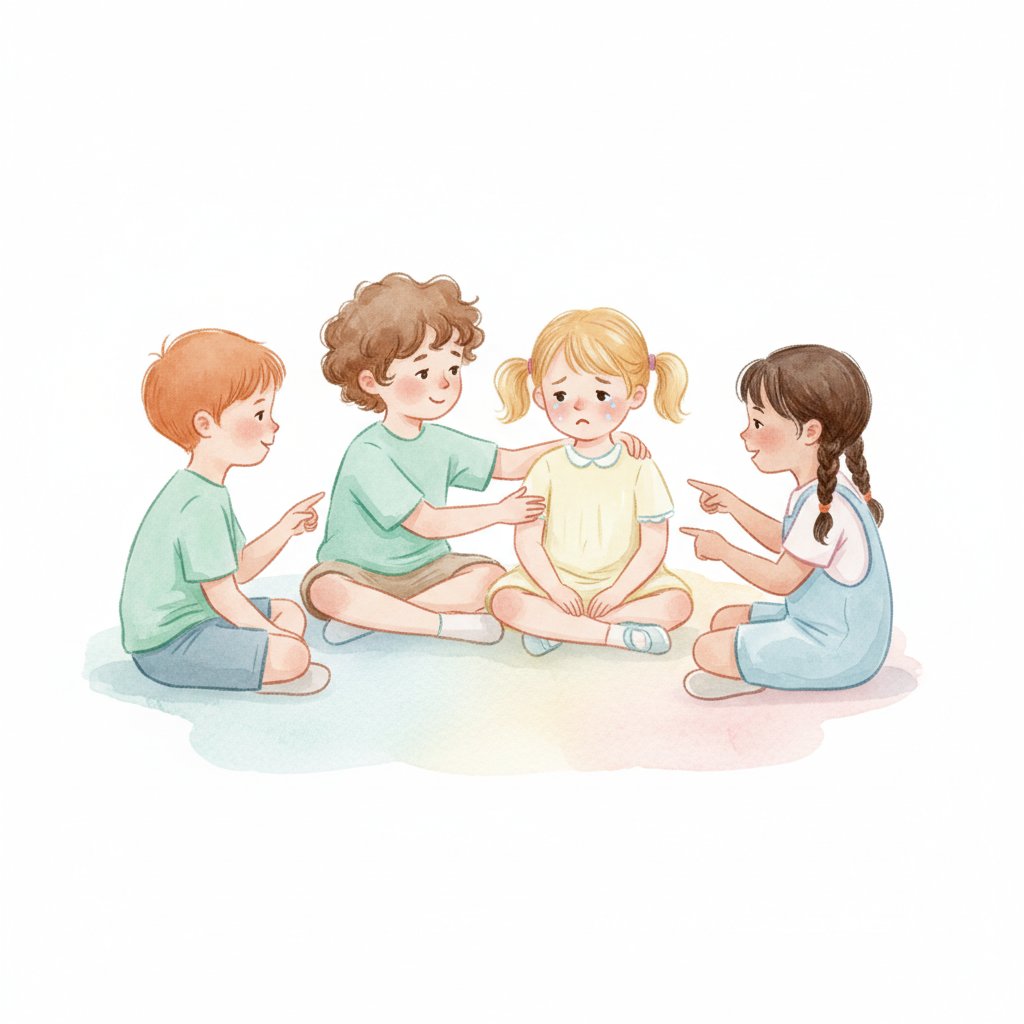
That's kindness at age four: noticing that someone is unhappy and wanting to do something about it. It's not grand gestures or sacrifice. It's attention + empathy + action. And it's a skill that can be nurtured or neglected.

According to research from the Making Caring Common project at Harvard, children are born with the capacity for empathy, but kindness must be actively cultivated. Without intentional teaching, children default to self-interest — not because they're selfish, but because their own needs are loudest. Kindness activities teach children to turn down the volume on self and tune in to others.

This guide covers 20+ kindness activities for ages 3-6, organized by type: empathy building, caring actions, friendship skills, and community kindness. Pair it with our feelings activities for emotional vocabulary and our social skills guide for cooperation skills.
Empathy Building Activities (Ages 3-5)

1. Feelings detective
What to do: Children become "feelings detectives" who notice how others feel. "Look at your friend's face. How do you think they feel? What clues tell you that?" Children practice reading facial expressions, body language, and tone of voice.

Why it works: Empathy starts with observation. Before children can care about someone's feelings, they need to NOTICE them. Making it a "detective" game gives the skill a playful framework. For more emotional awareness, see our feelings guide.

2. Walk in their shoes
What to do: Present simple scenarios and ask: "How would YOU feel?" "Your friend dropped their ice cream. How would you feel if that was you?" "A new child joined your class and doesn't know anyone. How would you feel?" The perspective-taking builds empathy muscles.

3. Story character check-ins
What to do: While reading books, pause and ask: "How do you think the character feels right now? Why?" "What would make the character feel better?" Connecting to fictional characters is a safe way to practice empathy before applying it to real people. For more storytelling, see our storytelling guide.

4. Mirror faces
What to do: Pairs of children face each other. One makes a facial expression (happy, sad, angry, surprised), the other mirrors it exactly. "Match your partner's face. Can you feel what they're feeling?" The physical mirroring creates an embodied empathy experience.

5. "I noticed" circle
What to do: At circle time, each child shares something they noticed about someone else: "I noticed Leo was sad at snack time." "I noticed Maya helped clean up." The practice of noticing others shifts attention outward. For more circle time ideas, see our circle time guide.

Empathy starts with emotional literacy
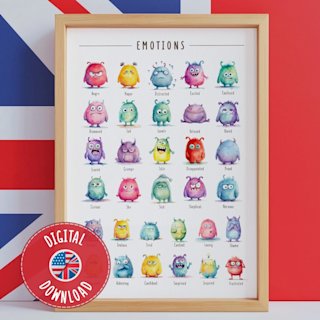
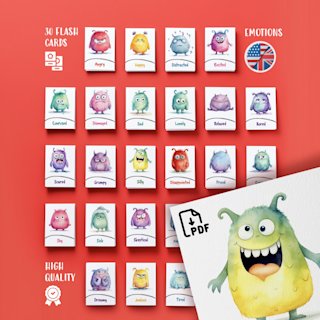
Our Emotions Monster Feelings Flashcards are empathy's foundation: before a child can care that their friend is sad, they need to recognize what sadness looks like. 'Your friend's face looks like THIS monster. How do you think they feel?' 12 emotion monsters, 12 opportunities to practice perspective-taking. The child who can name 12 emotions is the child who can empathize with 12 feelings.

Caring Actions (Ages 3-6)

6. Kindness jar
Materials: Large jar, paper hearts or stars.

What to do: When a child does something kind, write it on a heart and add it to the jar. "Sophie shared her crayons — that's a heart!" "Jamal helped his friend up — that's a heart!" Read the hearts at the end of each week. Children see their kindness accumulating.

Why it works: Like the token jar for manners, the kindness jar makes invisible kindness visible. Children are motivated by seeing tangible evidence of their good deeds. The jar also helps teachers notice and name kind behavior — which reinforces it.

7. "How can I help?" job chart
Materials: Job chart with helping roles.

What to do: Assign daily helping jobs: door holder, snack helper, line caboose, tissue distributor. Rotate jobs so everyone serves. The structure ensures every child practices helping regularly. For more routine practice, see our morning routine tools.

8. Band-Aid station
Materials: Band-Aids, a designated caring station.

What to do: Children can access the Band-Aid station to help friends (and themselves) when hurt. "Your friend scraped their knee? You can get them a Band-Aid." The small act of caring for someone's physical hurt teaches the bigger lesson of caring for emotional hurt.

9. Get-well cards
Materials: Paper, crayons, stickers.

What to do: When a classmate or teacher is sick, the class makes get-well cards. "Let's make something that will make them smile." Children practice caring for someone who isn't present — extending kindness beyond the immediate environment. For more card-making, see our writing guide.

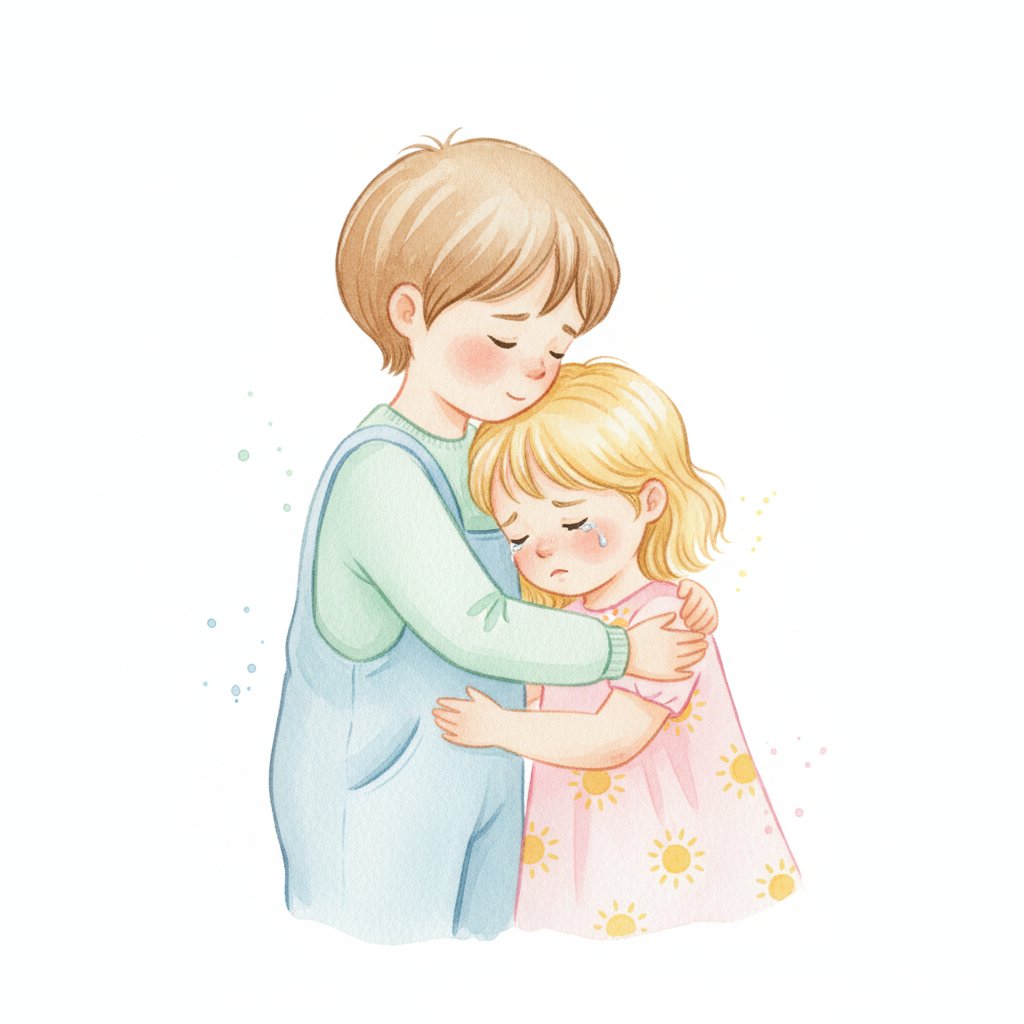
10. Comfort corner helper
What to do: Designate a "comfort corner helper" each day — a child whose job is to check on anyone who seems sad, lonely, or hurt. "Are you okay? Do you want a hug? Can I sit with you?" Children learn that comforting others is a responsibility we share.

Friendship Activities (Ages 4-6)

11. Friendship bracelet exchange
Materials: Pipe cleaners, beads.

What to do: Children make a simple bracelet for a friend. "Choose colors your friend would like. String them carefully. Give it to them and say 'I made this for you because you're my friend.'" The making is fine motor practice; the giving is kindness practice.

12. Compliment web
Materials: Ball of yarn.

What to do: Children sit in a circle. One child holds the yarn, gives a compliment to someone across the circle, and rolls the ball to them while holding onto their end. That child gives a compliment and passes the ball. A "web" of yarn forms — a visual representation of how compliments connect us.

Why it works: The web shows children that kindness is connecting — every compliment creates a visible link between two people. The final web is a tangible reminder that the group is connected by kind words. For more group activities, see our circle time guide.

13. Play date planning
What to do: Children plan a play activity for a friend. "What does your friend like to do? What would make them happy? Let's plan something they'd enjoy." Planning around someone else's preferences requires perspective-taking.

14. Friendship recipe book
Materials: Paper, markers.

What to do: As a class, create "recipes for friendship": "A good friend listens + shares + helps + says kind words=friendship!" Children illustrate each ingredient. The book makes friendship concrete. For more social skills, see our social skills guide.

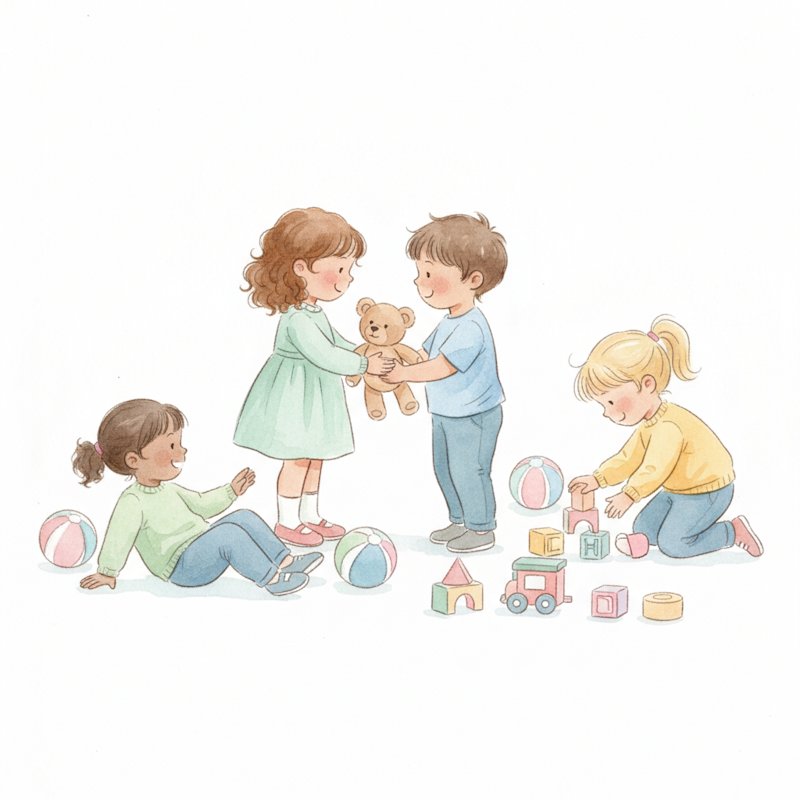
15. New friend welcome
What to do: When a new child joins the class, the group creates a welcome: a banner, a special greeting, a "buddy" who shows them around. The active welcome teaches children that inclusion is a kindness they can choose.

Caring starts with the animals we love
Our Farm Animals Flashcards spark conversations about caring: 'Farmers take care of their animals. How do they show they care? They feed them, keep them warm, give them shelter.' Children extend the concept: 'How do we take care of OUR friends? We share, we help, we are kind.' 12 animals, 12 opportunities to talk about caring for living things.

Community Kindness Projects (Ages 4-6)

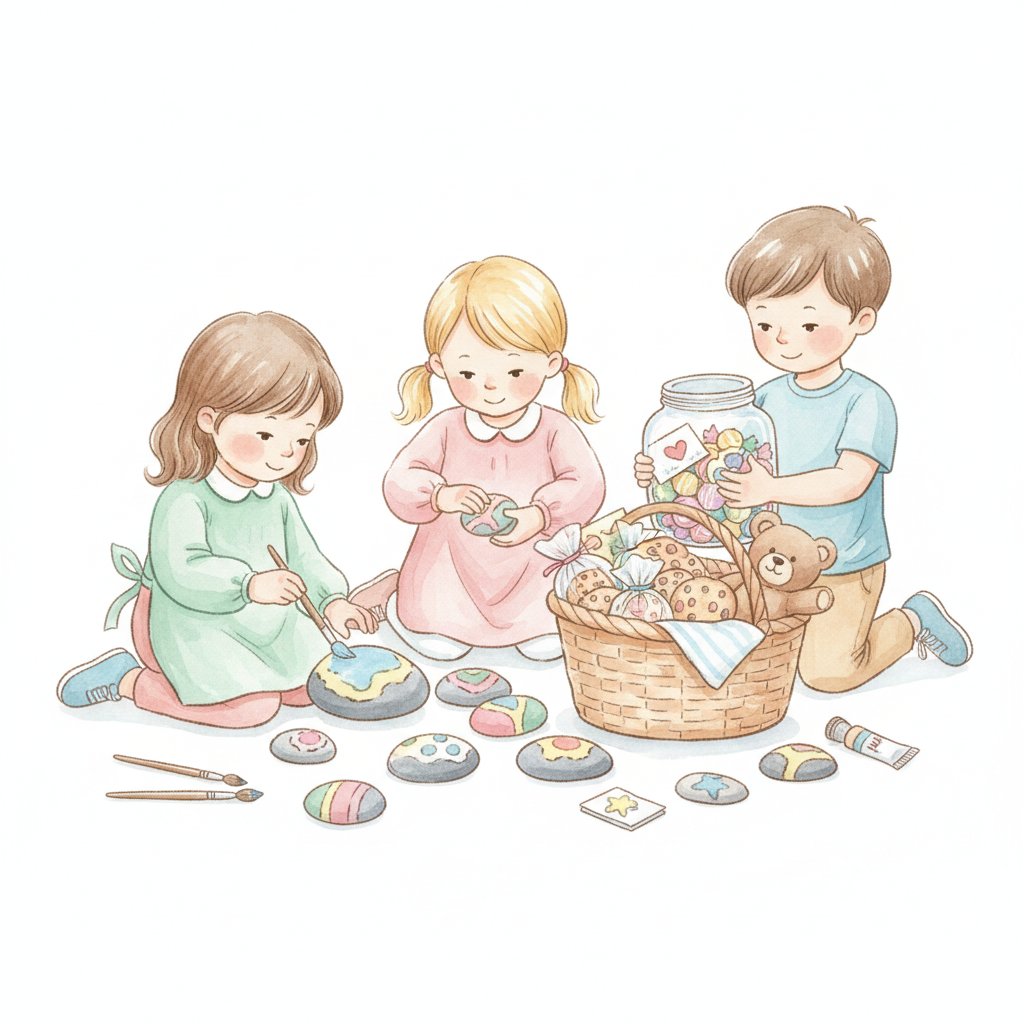
16. Kindness rock garden
Materials: Smooth rocks, paint, paintbrushes.

What to do: Children paint kindness messages or pictures on rocks. "Paint something that would make someone smile." Place the rocks around the school or neighborhood for others to find. The anonymous kindness teaches that giving doesn't require recognition.

Why it works: The rocks extend kindness beyond the classroom to the wider community. Children experience the joy of giving without seeing the recipient's reaction — a more advanced form of generosity. For more creative projects, see our art activities guide.

17. Thank-you project for school staff
What to do: Children make thank-you pictures for the custodian, cafeteria workers, bus driver, and office staff. "Who helps our school run? What would they like to hear?" Children learn that kindness extends to everyone who contributes, not just the people they see daily.

18. Neighborhood clean-up
Materials: Bags, gloves (child-sized).

What to do: Children pick up litter around the school or playground. "We're taking care of our space because we care about our community." The physical act of caring for a shared environment teaches environmental kindness.

19. Food drive collection
Materials: Collection box, flyers.

What to do: Organize a simple food drive. Children help decorate the collection box, make flyers, and sort donations. "Some families don't have enough food. We can share ours." The activity connects kindness to real community needs. For more sharing activities, see our sorting guide.

20. Kindness chain
Materials: Paper strips, stapler or tape.

What to do: Each act of kindness earns a paper strip added to a chain. "We helped a friend — add a link! We shared — add a link!" The chain grows around the room, becoming a physical record of the class's collective kindness. The visual impact of a long chain is powerful — "Look how much kindness we've shown!"

These hands are for helping
Our Human Body Poster teaches children about their hands — the hands they use to help, hug, high-five, and hold. 'Your hands have 27 bones each! That's a lot of bones for building, sharing, and caring.' When children understand their bodies, they understand their capacity for kindness. Anatomy lessons meet character education.
1.Can you really teach kindness to a three-year-old?
Yes, but it looks different than kindness in older children. A three-year-old's kindness is concrete and immediate: sharing a snack, patting a crying friend's back, handing someone a toy. Abstract kindness (donating to charity, standing up for someone being bullied) develops later. Start with concrete acts and build up. The foundation of noticing others' feelings and wanting to help is in place by age 3.
2.My child is kind to me but not to other children. Is that normal?
Very normal. Children show kindness first to primary caregivers because those relationships are most secure. Kindness to peers requires more social confidence and emotional regulation. Practice peer kindness through structured activities (the games in this guide) and provide lots of positive feedback when you see kind peer interactions. The peer kindness will grow as social skills develop.
3.Should I reward kind behavior?
Acknowledge, don't reward. "I noticed you helped your friend — that was really kind" is more effective than a sticker or treat. External rewards for kindness can backfire — children start being kind for the reward rather than for the intrinsic satisfaction. Specific, genuine acknowledgment ("You noticed Maria was sad and you sat with her") teaches children that their kind actions are seen and valued.
4.How do I handle it when my child is unkind?
Address the behavior, not the child. Instead of "You're being mean," try "That was unkind. Grabbing hurts. What could you do differently?" Teach the alternative behavior, rehearse it, and move on. Avoid lecturing — a 30-second correction + practice is more effective than a 5-minute lecture. For more behavior guidance, see our [self-regulation guide](/articles/self-regulation-activities-preschoolers-impulse-control-guide).