Articles9 min read

The Letter That Changed Our Morning Routine
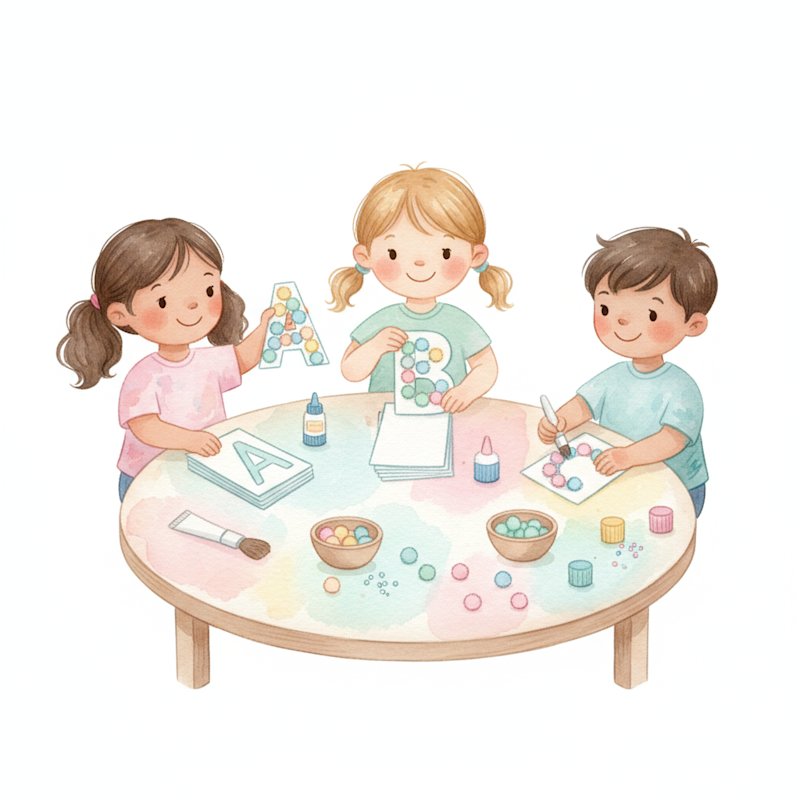
Week 1 was A. I cut out a giant letter A from red construction paper and taped it to the kitchen wall. "This is A!" My three-year-old looked at it, said "A!" and went back to her cereal. But by Wednesday, she was finding A's everywhere — on the cereal box, on the stop sign, on her brother's homework. "There's A!" she'd yell. By Friday, she was tracing A in finger paint and gluing apple pictures around the wall letter. Week 2 was B. She found B on the banana, the book, the bathtub.

That's the power of Letter of the Week: one letter, seven days, total immersion. By focusing on a single letter for a full week, children develop deep, durable letter knowledge — not just recognition but sound association, formation, and application. Research from the National Institute for Literacy shows that systematic, sequential letter instruction produces stronger alphabet knowledge than incidental exposure alone.

This guide provides a complete 26-week Letter of the Week curriculum for ages 3-5, with activities for each day of the week. It works at home and in the classroom. Pair it with our alphabet flashcards guide for card-based reinforcement and our phonics activities for sound-letter connections.
Why Letter of the Week Works

The problem with teaching all 26 letters at once: Children get overwhelmed. When every letter is new, none stands out. Letter of the Week solves this by giving each letter a full week of attention — seeing it, hearing it, tracing it, finding it, eating it, crafting it. By the end of the week, that letter is a friend, not a stranger.

What research says: A meta-analysis published in the Review of Educational Research found that systematic, explicit alphabet instruction — teaching letters in a planned sequence with repeated exposure — produces significantly better letter-name and letter-sound knowledge than "letter-rich environments" alone. Children need more than exposure; they need focused practice.

The weekly rhythm:

DayFocusActivity Type
MondayIntroduceDisplay the letter, teach its name and sound, read a book
TuesdayFind itLetter hunt around the room/house, finding the letter in books
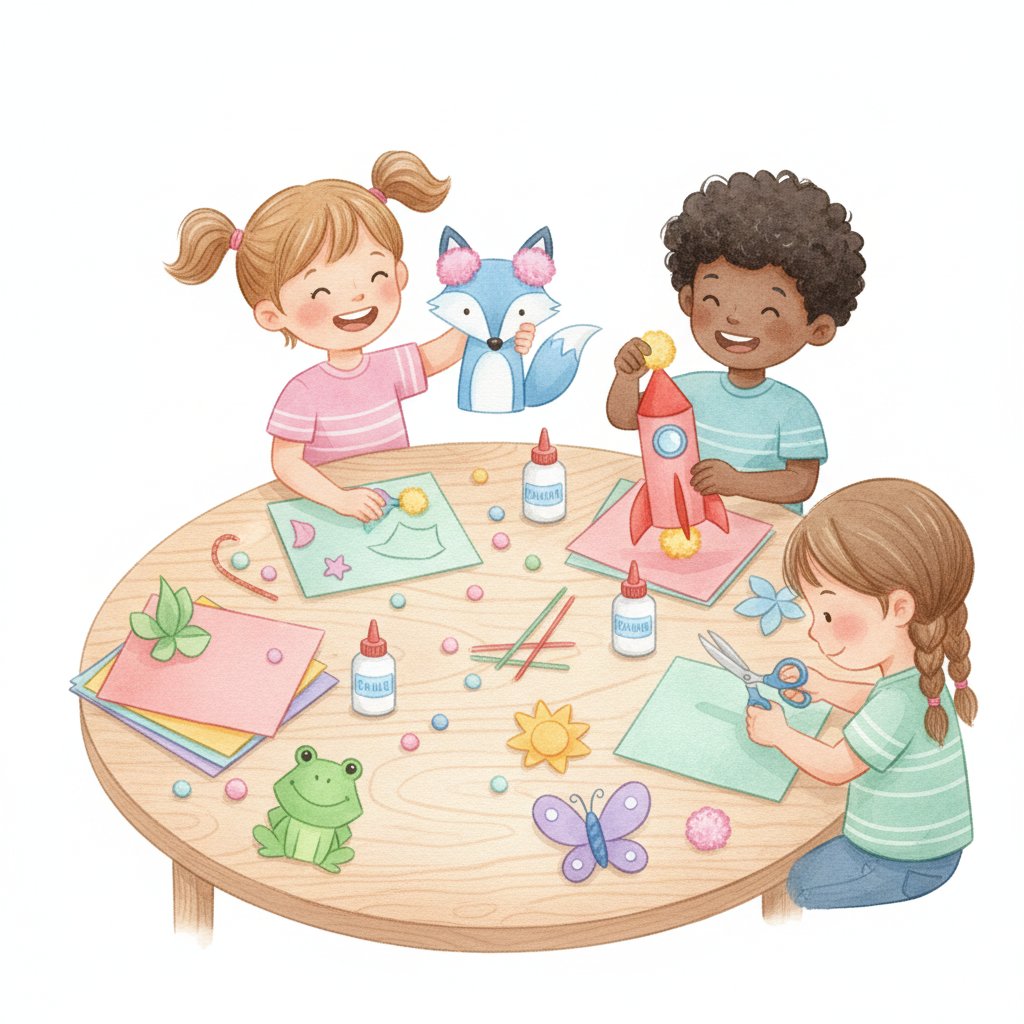
WednesdayMake itCraft or sensory activity forming the letter
ThursdayWrite itTracing, writing in sensory materials (sand, salt, shaving cream)
FridayCelebrateShow-and-tell, review, letter-themed snack

Which order to teach the letters? There are two common approaches:

  1. Alphabetical order (A, B, C...) — intuitive for parents, but starts with low-utility letters. A and B are useful; X and Z come late.
  2. High-frequency first (S, A, T, P, I, N...) — teaches the most-used letters first, allowing children to build words sooner. This is the approach used by most phonics programs.

This guide uses high-frequency order because it lets children start reading simple words (sat, pat, pin, tin) by Week 4.

Week-by-Week Structure (First 8 Weeks)

Week 1: Letter S

  • Monday: Introduce S. "S says /s/ like a snake." Display a giant S. Read a book with S words (Snake, Seal, Spider).
  • Tuesday: S hunt. Find S's in books, on signs, on food packaging. How many can you find in 5 minutes?
  • Wednesday: S craft. Glue dry spaghetti onto an S shape. "Your S is made of S-paghetti!"
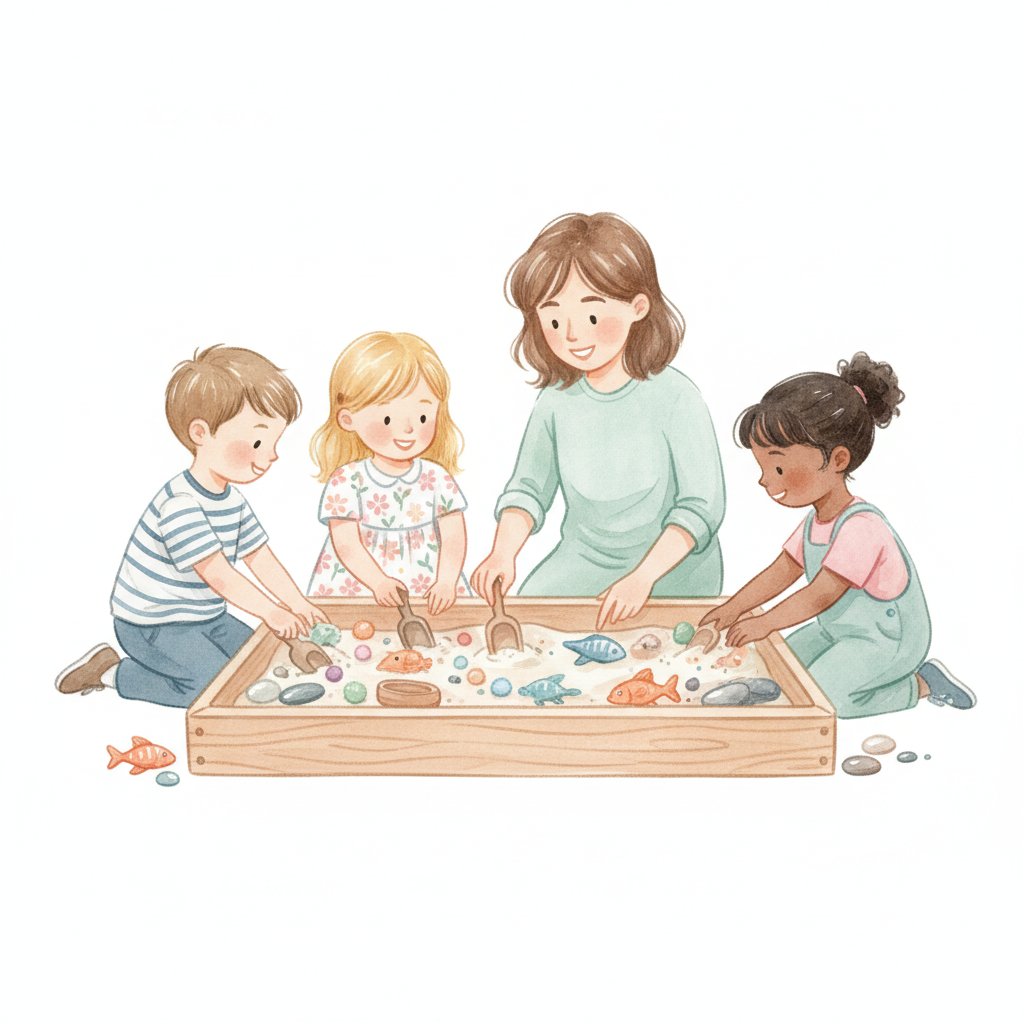
  • Thursday: Write S in salt, sand, or shaving cream. Trace with finger, then pencil.
  • Friday: S snack (strawberries, string cheese). Show-and-tell something that starts with S.

Week 2: Letter A

  • Monday: Introduce A. "A says /a/ like apple and /ay/ like ape." A has two sounds!
  • Tuesday: A hunt. Find A's on the alphabet poster, in books, on license plates outside.
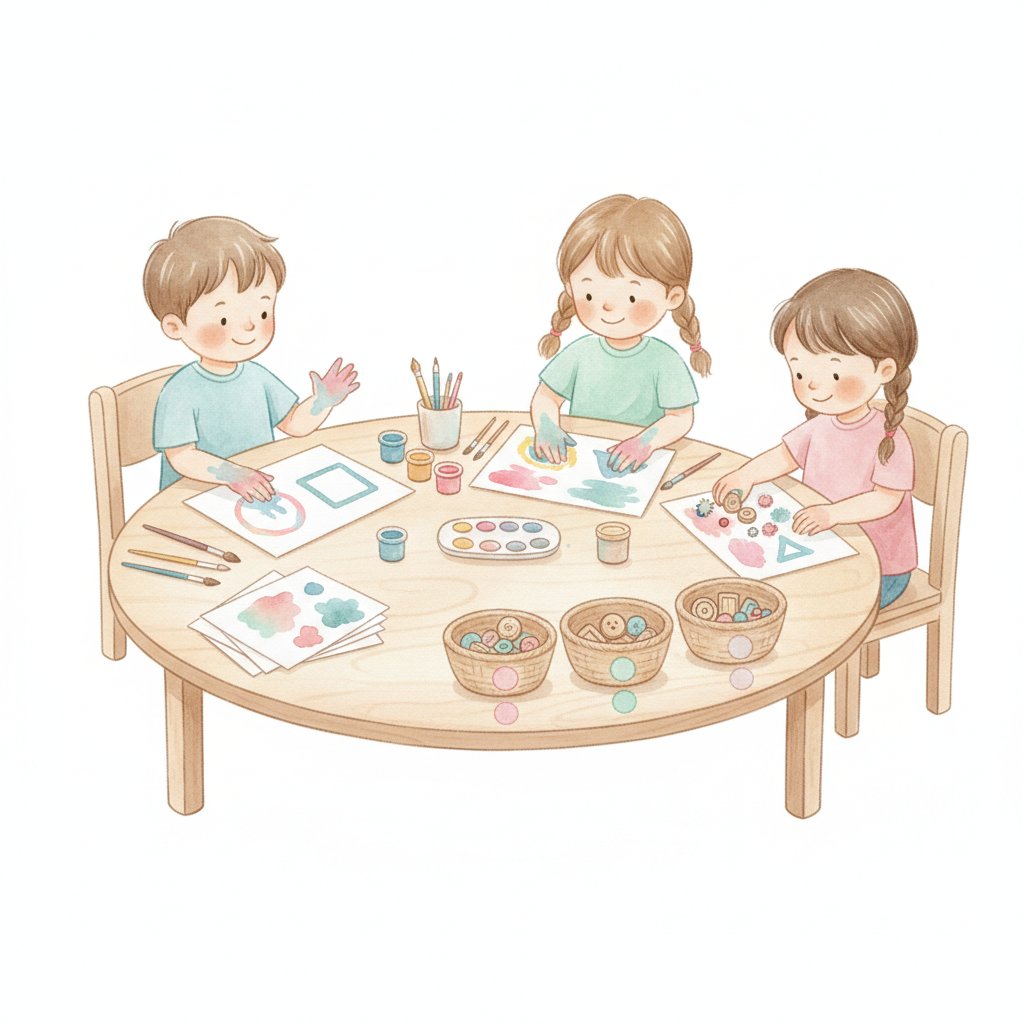
  • Wednesday: A craft. Apple stamping — cut an apple in half, dip in paint, stamp onto paper in an A shape.
  • Thursday: Write A in finger paint. Trace the triangle shape: "Down, down, across."
  • Friday: A snack (apple slices, animal crackers). Review S and A together: "S-A... that spells 'as'!"

Week 3: Letter T

  • Monday: Introduce T. "T says /t/ like a ticking clock. T-t-t-t."
  • Tuesday: T hunt. T is on the STOP sign, on the telephone, on the table.
  • Wednesday: T craft. Glue toothpicks into a T shape. "T is for toothpick and T is for tree."
  • Thursday: Write T with sidewalk chalk outside. Big T's, little t's.
  • Friday: T snack (toast, tea). Build words: S-A-T="sat." Your child just read their first word!

Week 4: Letter P

  • Build words: pat, tap, sat, sap, at, as
  • P craft: potato stamping (P is for potato!)
  • P snack: popcorn, peaches, pretzels
  • By Friday, children can read 6+ words using S, A, T, P

Week 5: Letter I

  • Build words: pit, sit, tip, sip, it, is
  • I craft: ice painting (freeze colored water, paint with ice cubes)
  • I snack: ice cream, raisins (simpler)

Week 6: Letter N

  • Build words: pin, tin, pan, tan, ant, nap
  • N craft: noodle necklace (string penne onto yarn in an N shape)
  • N snack: noodles, nuts

Week 7: Letter M

  • Build words: man, map, mat, pat, pin, pan
  • M craft: marshmallow stamping (dip marshmallows in paint, stamp M)
  • M snack: muffins, mango

Week 8: Letter D

  • Build words: and, din, dip, mad, did, dad
  • D craft: dot painting (use cotton swabs to dot-paint a D)
  • D snack: donut holes, dates

For the remaining 18 letters, follow the same weekly structure. The full high-frequency sequence is: S, A, T, P, I, N, M, D, G, O, C, K, E, U, R, H, B, F, L, J, V, W, X, Y, Z, Q.

Your Letter of the Week display starts here
Our Alphabet Monster Flashcards give each letter a character — a friendly monster whose name starts with that letter. Tape one card to the wall each Monday as your Letter of the Week anchor. 'This is M-Monster! His name starts with M!' Children connect the letter to a character they remember.
Letter-themed animal activities for every week
Our Farm Animals Flashcards pair perfectly with Letter of the Week: F is for Farm, C is for Cow, P is for Pig, D is for Duck, G is for Goat, S is for Sheep. When you reach that letter, pull out the matching card and make it part of the week's animal vocabulary.
Weather + Letter of the Week: W is for Weather, S is for Sun, R is for Rain
Our Weather Flashcards connect to multiple Letter of the Week themes: W (weather), S (sun, snow, storm), R (rain, rainbow), C (cloudy, cold), W (windy). When the letter of the week matches a weather word, pull out the card and make a cross-curricular connection.

Craft Ideas for Every Letter

Each letter gets a themed craft that reinforces both the letter shape and its sound:

LetterCraft IdeaSound Connection
AApple stamping/a/ for apple
BBubble wrap printing/b/ for bubble
CCotton ball collage/c/ for cotton
DDot painting with cotton swabs/d/ for dot
EEgg carton sculpture/e/ for egg
FFeather gluing/f/ for feather
GGlitter letter/g/ for glitter
HHandprint art/h/ for hand
IIce cube painting/i/ for ice
JJelly bean gluing/j/ for jelly
KKey rubbing (place keys under paper, rub crayon)/k/ for key
LLeaf pressing/l/ for leaf
MMarshmallow stamping/m/ for marshmallow
NNoodle gluing/n/ for noodle
OOrange print (half orange dipped in paint)/o/ for orange
PPotato stamping/p/ for potato
QQ-tip painting/q/ for Q-tip
RRibbon weaving/r/ for ribbon
SSpaghetti gluing/s/ for spaghetti
TToothpick construction/t/ for toothpick
UUmbrella craft (half circle + pipe cleaner handle)/u/ for umbrella
VVegetable printing/v/ for vegetable
WWatercolor resist (draw W in crayon, paint over)/w/ for watercolor
XX-ray hand (white paint on black paper)/x/ for X-ray
YYarn wrapping/y/ for yarn
ZZigzag scissor cutting/z/ for zigzag

For more craft ideas, see our scissor skills activities.

Books and Songs for Each Letter

Books by Letter (Top Picks)

S: "The Very Hungry Caterpillar" (Sun, Saturday, Stomachache), "Swimmy" by Leo Lionni
A: "Animals Should Definitely Not Wear Clothing" by Judi Barrett
T: "The Tiger Who Came to Tea" by Judith Kerr, "Tickle Monster"
P: "The Pigeon Needs a Bath" by Mo Willems, "Pete the Cat"
I: "Inch by Inch" by Leo Lionni
N: "No, David!" by David Shannon, "The Napping House"
M: "If You Give a Mouse a Cookie" by Laura Numeroff
D: "Dragons Love Tacos" by Adam Rubin

Songs by Letter

Use familiar tunes with letter-themed lyrics:

S: "Slippery Fish" — /s/ /s/ /s/ the slippery fish
A: "The Ants Go Marching" — /a/ /a/ /a/ the ants go marching
T: "Twinkle Twinkle" — T-t-t-t twinkle little star
P: "Popcorn Popping" — P-p-p-p popcorn popping

The key is repeating the target sound prominently in the song. Children learn sounds through repetition and music faster than through direct instruction alone.

For more reading activities, see our beginning reading activities for kids.

Tracking Progress

Letter Knowledge Checklist

By the end of 26 weeks, children should be able to:

  • Name all 26 uppercase letters when shown randomly
  • Name all 26 lowercase letters when shown randomly
  • Produce the common sound for each letter
  • Write most uppercase letters independently
  • Recognize letters in environmental print (signs, labels, books)

Quick assessment: Flash one letter at a time. Can the child name it? Can they give its sound? Can they think of a word that starts with it? Track progress weekly.

When to Worry

Talk to your pediatrician or a reading specialist if your child:

  • Cannot name any letters by age 4
  • Cannot recognize the letters in their own name by age 4
  • Cannot produce sounds for most letters by age 5
  • Confuses letters that look very different (not just b/d or p/q)

Early intervention for letter knowledge difficulties is highly effective.

Frequently Asked Questions

Should I teach uppercase or lowercase first?

Teach uppercase first — they're easier to distinguish visually (fewer confusions like b/d/p/q) and easier to write (more straight lines, fewer curves). Introduce lowercase in the second pass, around age 4-5. Most environmental print (STOP, EXIT, ENTER) uses uppercase, so children see them more.

What if my child already knows some letters?

Skip the letters they know solidly (can name, sound, and write) and spend more time on the ones they don't. The weekly structure is a guide, not a prison. Some children zoom through 3-4 letters per week; others need 2 weeks per letter. Follow the child.

Can I do this in a preschool classroom?

Absolutely — this is how many preschool curricula are structured. Display the Letter of the Week prominently. Send home a weekly letter note to parents: "This week we're learning S! Look for S's at home!" Send home the craft instructions for weekend reinforcement.

For more preschool curriculum ideas, see our kindergarten readiness checklist and STEM activities.