Articles8 min read

The Magic Word That Actually Taught My Daughter Manners
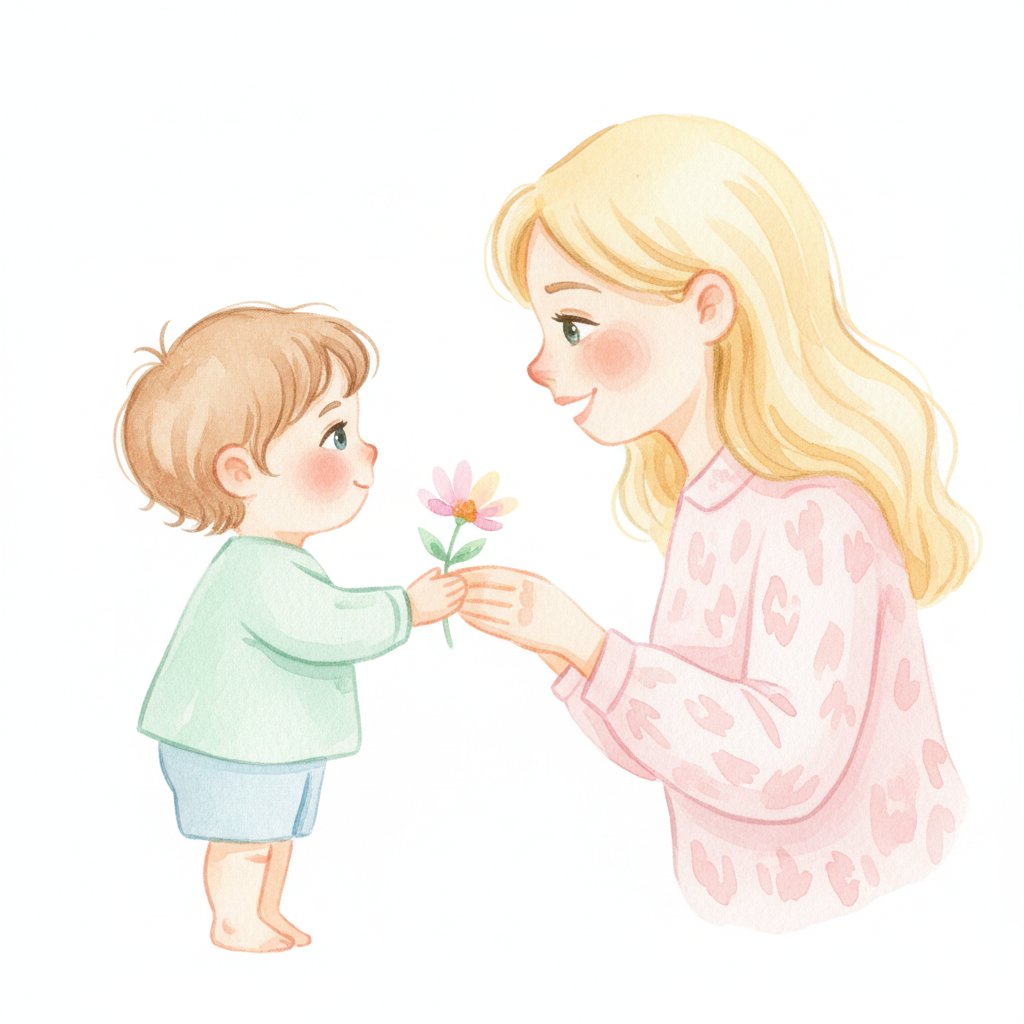
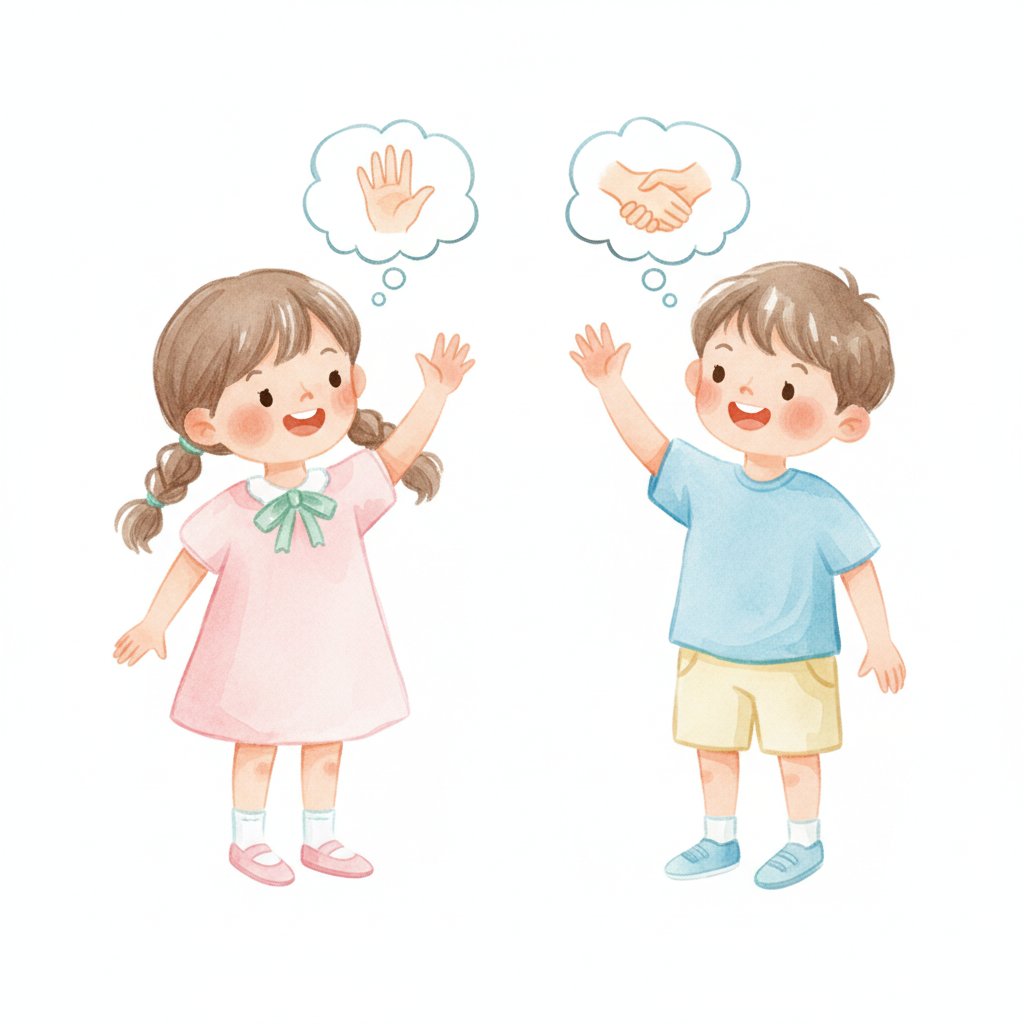
I spent months prompting: "What do you say? Say please. Say thank you." My daughter repeated the words robotically, no eye contact, no meaning. Then her teacher introduced "magic word" tokens: every time a child used a polite word genuinely, they got a token to add to a jar. When the jar was full, the class got a popcorn party. Within a week, my daughter was saying please and thank you with eye contact and a smile — because the tokens made manners visible, and the jar made the collective impact clear.

Here's what I learned: manners aren't taught by nagging. They're taught by (1) making the invisible visible, (2) practicing in low-stakes contexts, and (3) connecting polite behavior to real outcomes. "Please" isn't a magic word because adults say so — it's magic because people are more likely to help you when you ask kindly.

According to research published in the Journal of School Psychology, children who receive explicit social skills instruction — including manners and polite behavior — demonstrate significantly better peer relationships, teacher relationships, and classroom behavior.

This guide covers 20+ manners activities for ages 3-6, organized by skill: polite words, sharing and generosity, table manners, and kindness. Pair it with our social skills guide for broader social-emotional learning and our feelings activities for emotional awareness.
When Do Children Learn Manners? A Developmental Guide

Ages 2-3: Children can mimic polite words without understanding them. They may say "thank you" after receiving something, but it's imitation, not gratitude. Model consistently — the understanding comes later.

Ages 3-4: Children begin to understand that polite words affect other people's behavior. "When I say please, Mom is more likely to say yes." The cause-effect is emerging. They can use please, thank you, and sorry with prompting.

Ages 4-5: Children use polite words more independently. They understand that manners are social conventions — "this is how we do things." They can wait for a turn, ask before taking, and use indoor voices with reminders.

Ages 5-6: Children use manners in most social situations. They can introduce themselves, say excuse me, write thank-you notes (with help), and notice when others are being rude or kind.

Manners SkillEmergingDevelopingMastered
Please/thank you2-33-44-5
Waiting turn345
Asking before taking345
Table manners basics3-445
Apologizing3-44-55-6
Kindness without prompting456

Key principle: Children learn manners from what they SEE, not what they HEAR. If adults say please and thank you to children, children say please and thank you to adults. If adults interrupt, children interrupt. If adults are kind to service workers, children are kind to service workers. Modeling is 90% of teaching.

Manners start with empathy: how does my behavior affect you?
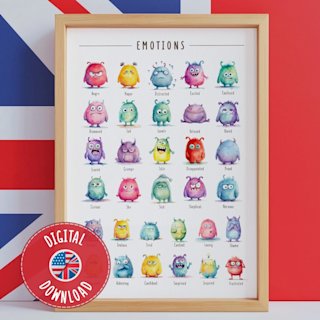
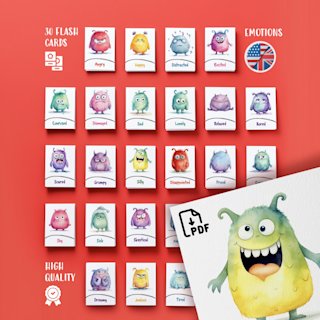
Our Emotions Monster Feelings Flashcards teach the empathy that underlies all manners: 'When someone says thank you, how does that feel? Show me the monster.' Happy monster! 'When someone grabs without asking, how does that feel?' Sad monster! Manners aren't rules — they're empathy in action. 12 emotions, 12 reasons to be kind.

Polite Words Activities (Ages 3-5)

1. Magic word token jar
Materials: Token jar, tokens (buttons, gems, pom-poms).

What to do: Every time a child uses a polite word genuinely (please, thank you, excuse me, you're welcome), they add a token to the jar. When the jar is full, the class celebrates. The jar makes the collective impact of manners visible.

Why it works: Abstract concepts (politeness) become concrete (tokens in a jar). Children SEE their kind words accumulating. The group celebration reinforces that manners benefit everyone.

2. Puppet please and thank you
Materials: Puppets.

What to do: Two puppets interact: one is polite, one is rude. "Can I have the block?" (grabs) vs. "May I please have the block?" Children discuss: "Which puppet would you rather play with? Why?" The contrast makes the impact of manners clear. For more puppet activities, see our dramatic play guide.

3. Polite restaurant
Materials: Play food, dishes, table, menus.

What to do: Set up a restaurant dramatic play area. Children take turns being servers and customers. The server greets: "Welcome! May I help you?" The customer orders: "I would like soup, please." The server delivers: "Here's your soup." Customer: "Thank you!" The role-play context makes manners natural, not forced.

4. Manners matching game
Materials: Cards with situations on one set and polite responses on another.

What to do: Match situations to responses: "Someone gives you a gift" → "Thank you!" "You need help" → "Can you help me, please?" "You bump into someone" → "Excuse me!" For more matching games, see our matching guide.

5. "What would you say?" circle time
What to do: Present scenarios at circle time: "Your friend shares their snack. What would you say?" "You accidentally step on someone's foot. What would you say?" Children practice the exact words. For more circle time ideas, see our circle time guide.

Sharing and Generosity Activities (Ages 3-6)

6. The giving tree
Materials: A paper tree on the wall, paper leaves.

What to do: Children earn leaves by doing kind acts: sharing a toy, helping a friend, giving a compliment. "I saw Maya share her crayons — that's a leaf on our giving tree!" The tree grows as kindness grows.

7. Compliment circle
What to do: At circle time, each child gives a compliment to the person next to them: "I like your shirt. You're good at building. You made me laugh." Receiving compliments gracefully ("Thank you!") is also a manners skill.

Why it works: Giving compliments requires noticing others — shifting attention from self to other. Receiving compliments requires graceful acceptance (not deflecting: "No I'm not!"). Both are social skills that develop through practice. For more group activities, see our circle time guide.

8. Shared snack duty
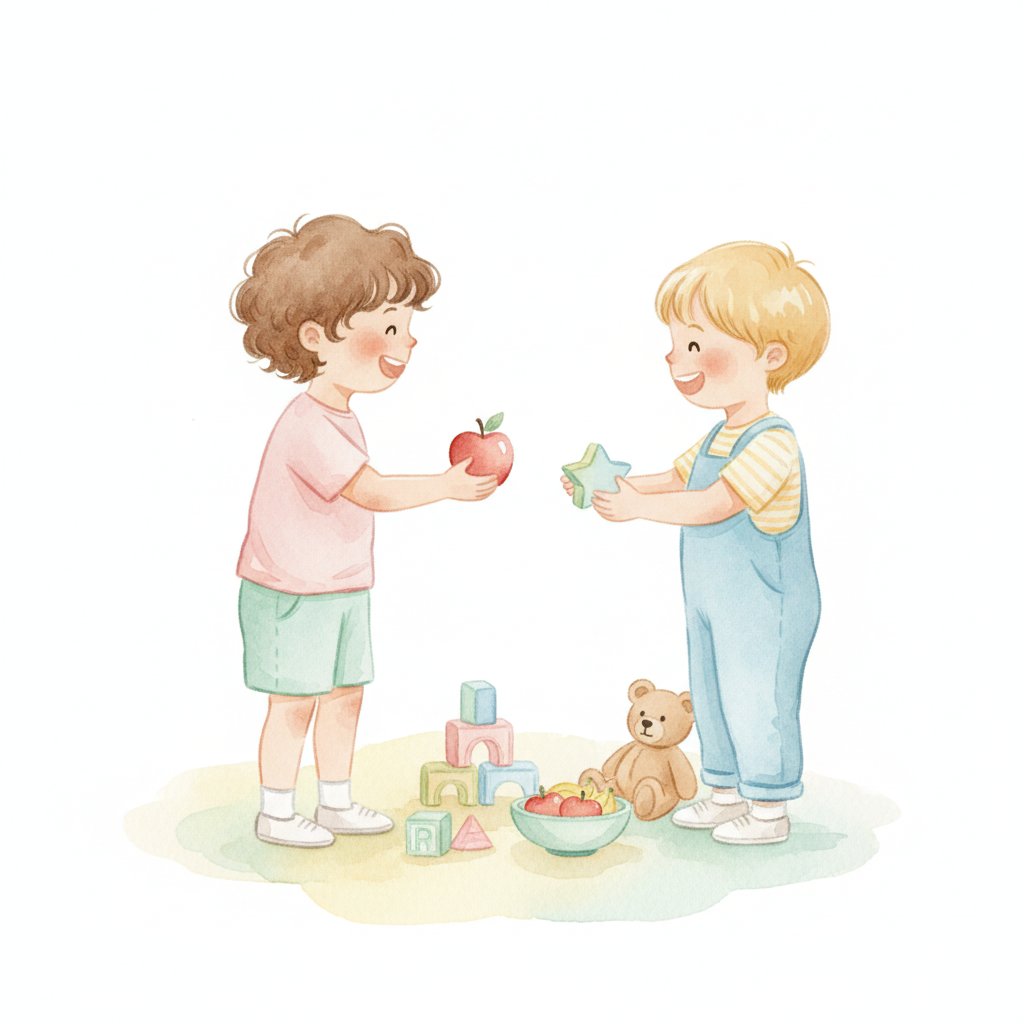
What to do: Children take turns bringing snack for the whole group. The snack-bringer practices generosity ("I brought these for everyone"). The snack-receivers practice gratitude ("Thank you for the snack"). Both sides of the exchange are manners.

9. Kindness calendar
Materials: Calendar with a daily kindness challenge.

What to do: Each day has a kindness challenge: "Monday: Say something kind to a friend. Tuesday: Help someone. Wednesday: Share something." Children check off completed challenges. The structure makes kindness a daily habit.

10. Thank-you note practice
Materials: Paper, crayons, stickers.

What to do: After receiving a gift or a kindness, children draw a thank-you picture. Dictate the words for them: "Dear Grandma, thank you for the book. I love the dinosaurs." The practice of expressing gratitude in writing teaches that thank you isn't just verbal — it's a written tradition. For more writing practice, see our writing guide.

Good mornings start with good manners
Our Morning Routine Visual Schedule Cards include built-in manners practice: 'Greet your teacher. Say good morning. Hang up your backpack quietly.' Each step is a mini etiquette lesson. Greeting people by name. Using an indoor voice. Following the sequence without being asked. A child who follows a morning routine independently is a child who practices manners automatically.

Table Manners and Conversation Activities (Ages 4-6)

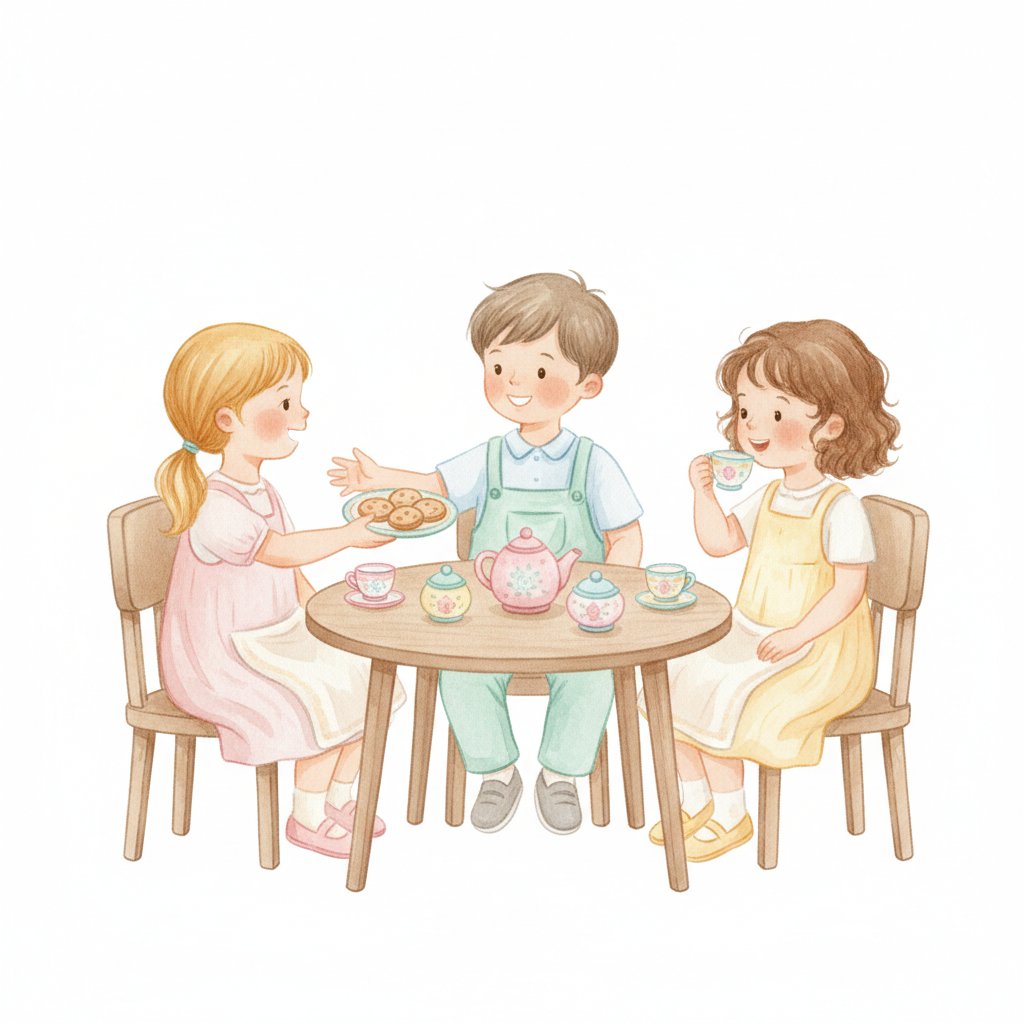
11. Tea party practice
Materials: Tea set, snacks, tablecloth.

What to do: Host a "fancy tea party" where children practice table manners: napkin on lap, using utensils, chewing with mouth closed, asking to pass items ("Please pass the cookies"), saying excuse me when leaving the table. The play context makes practice feel special, not corrective.

Why it works: Table manners are best taught in play contexts, not during actual meals when children are hungry and less receptive. The tea party is low-stakes — mistakes are part of the game.

12. Conversation turn-taking
What to do: Use a "talking object" (a special stone or stick). Only the person holding the object may speak. Children practice waiting for their turn to talk, not interrupting, and listening to the speaker.

13. Telephone manners
Materials: Play phones.

What to do: Children practice phone conversations: "Hello, this is [name]. May I speak to [friend]?" "Thank you, goodbye." Phone manners require a specific set of polite behaviors that children only learn through practice.

14. Guest and host role-play
What to do: Children practice being guests and hosts. Guest: "Thank you for having me. This is a nice home." Host: "Welcome! Can I get you something?" The role-play teaches situational manners — different settings have different rules. For more role-play, see our dramatic play guide.

15. "Excuse me" interrupt practice
What to do: Teach children to interrupt politely: Place a hand on the adult's arm, wait for acknowledgment, then say "Excuse me..." Practice this in non-urgent situations so the technique is available when it's actually needed.

Kindness Challenges (Ages 4-6)

16. Secret kindness agent
What to do: Each child draws the name of a classmate and becomes their "secret kindness agent" for the day. They do kind things for that person anonymously: leaving a nice note, sharing a toy, helping with a task. At the end of the day, agents reveal themselves.

Why it works: Secret kindness shifts the focus from "being seen being nice" to "being nice because it feels good." Children discover that giving kindness is rewarding in itself. For more social activities, see our social skills guide.

17. Kindness jar stories
Materials: Jar, paper strips.

What to do: When children notice someone being kind, they write (or dictate) what happened on a paper strip and put it in the jar. "Sophie helped me zip my coat." At the end of the week, read the strips. The jar becomes a collection of evidence that kindness is happening everywhere.

18. Random acts of kindness day
What to do: Dedicate a day to random acts of kindness: hold the door for someone, pick up trash, give a compliment, share a snack, help a teacher. Track the acts on a poster: "10 kind things we did today!"

19. Apology of action
What to do: Teach children that a real apology includes action: "I'm sorry I knocked over your tower. Let me help you build it again." Practice the three parts: (1) Name what you did, (2) Say you're sorry, (3) Offer to fix it. For more emotional skills, see our self-regulation guide.

20. Manners book
Materials: Paper, binding materials.

What to do: As a class, create a "Manners Book." Each page shows a manners rule illustrated by children: "We say please when we ask for something." "We say thank you when we receive something." "We wait our turn." "We use kind words." Read the book regularly and add new pages as new manners are learned. For more literacy activities, see our alphabet guide.

Taking turns with shapes: geometry meets manners
Our Shapes Flashcards are perfect for turn-taking practice: 'Pick a card, name the shape, then pass the stack to the next friend. Say the shape word, then say please when you ask for your turn.' Shape identification + polite requesting + patient waiting=three skills in one simple card game. Manners are woven into every activity when you make it intentional.
1.Should I force my child to say please and thank you?
Prompt, don't force. "What do you say?" with a pause gives the child the opportunity to remember and use the word themselves. If they don't, model it: "I'd say thank you." Forcing "Say thank you!" turns manners into obedience, not empathy. The goal is children who say please because they understand it works better, not because they're afraid of being nagged.
2.How do I handle it when other people's children are rude to me?
Model the behavior you want to see. Respond politely regardless of how you were treated. If a child is rude to you and their parent doesn't correct it, you can gently say: "I'd be happy to help when you ask nicely." This sets a boundary without shaming the child. Your own child is watching how you handle rudeness — that's the real lesson.
3.My child is polite at home but rude at school. Why?
Different contexts require different skills. School has more social complexity: more children, more noise, more competition for attention. The manners that work at home (one-on-one with a parent) may not yet transfer to a group setting. Talk to the teacher about what specific manners are challenging. Practice those specific situations at home through role-play.
4.At what age should children write thank-you notes?
Children can start "writing" thank-you notes at age 3 by drawing a picture while an adult writes the words. By 4-5, children can sign their name to a note an adult writes. By 5-6, children can write simple thank-you notes themselves ("Thank you for the truck. I love it."). The practice matters more than perfection — a scribbled note from a 3-year-old is a real thank-you note.