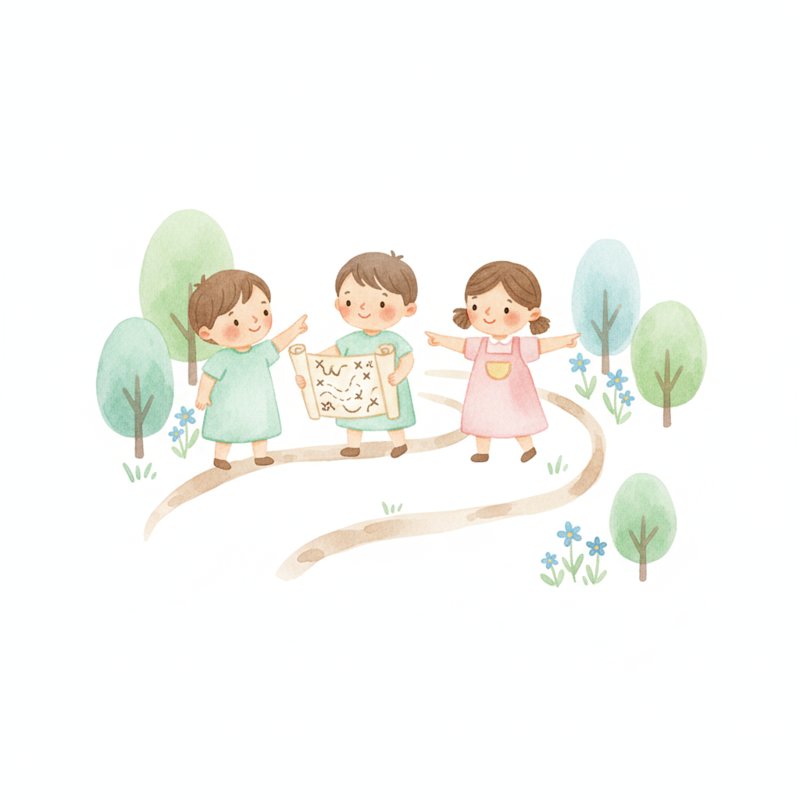
The Treasure Map That Taught Left From Right
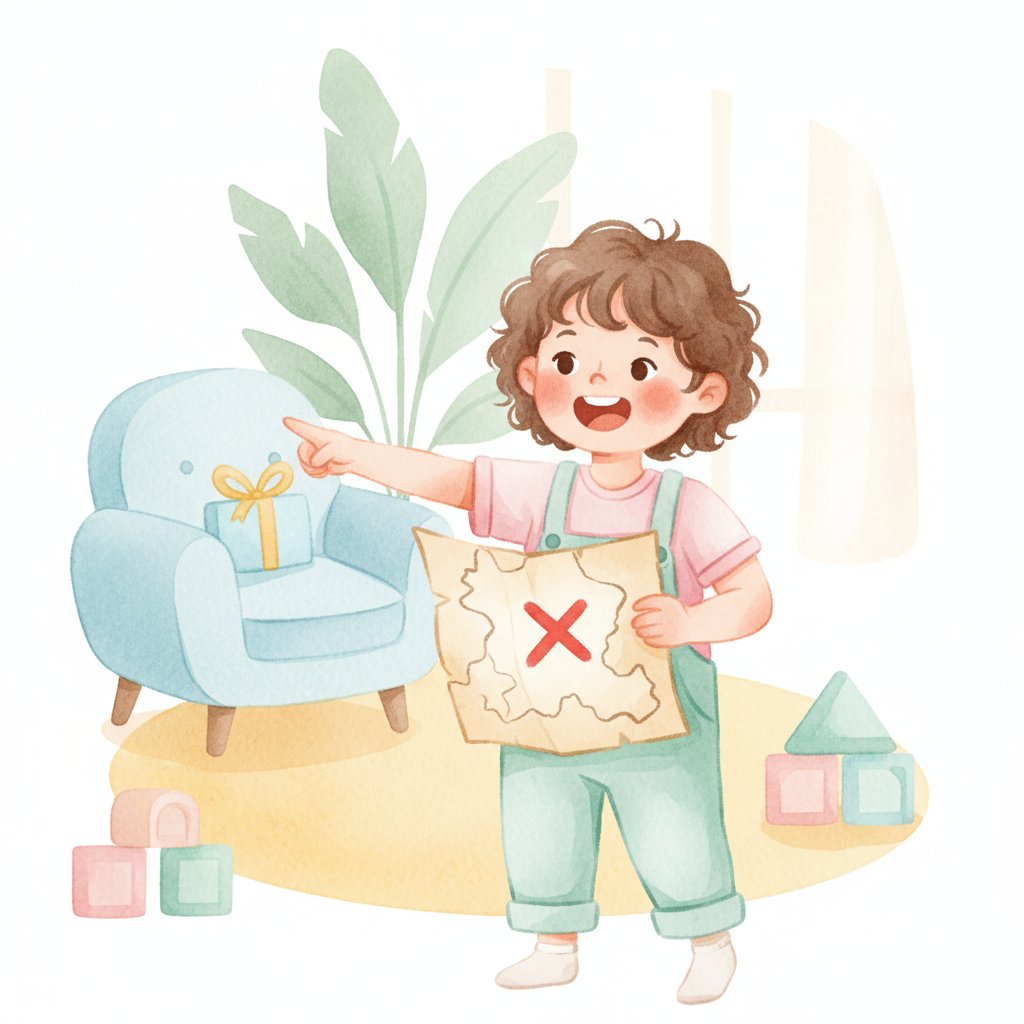
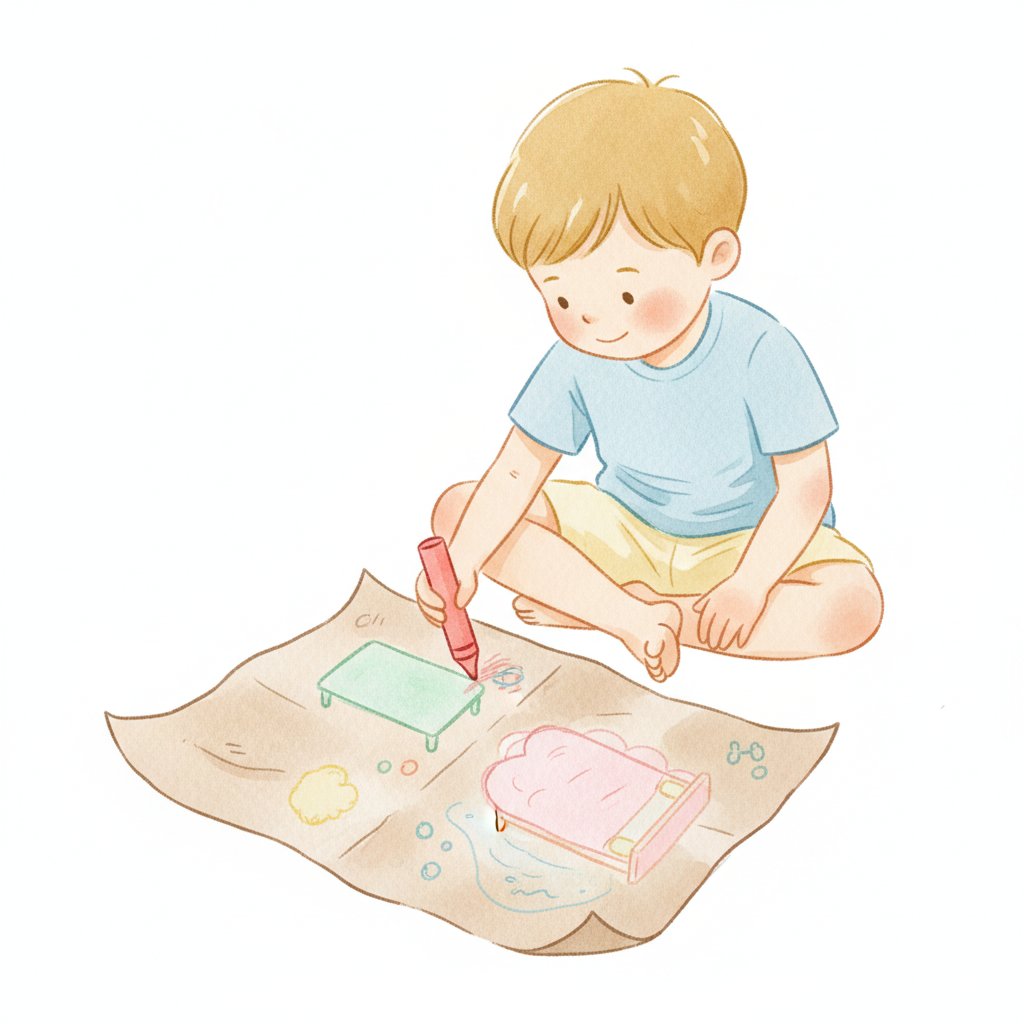
I drew a simple map of our classroom on a piece of brown paper, crumpled it to make it look old, and marked an X in red crayon. "This is a TREASURE MAP. The X marks where I hid a surprise. Can you follow the map to find it?" Five-year-old Emma stared at the map, then at the room. "That's the bookshelf... and that's the table... so the X is... BEHIND the blocks!" She ran to the block corner and found a small box of stickers. "I FOUND IT! The map WORKED!" Then she made her OWN map and hid treasure for her friend. In 20 minutes, she had learned to read symbols, understand scale (the bookshelf on the map was the bookshelf in the room), and navigate using a 2D representation of 3D space. Maps are one of the most powerful spatial thinking tools — and preschoolers are ready for them.
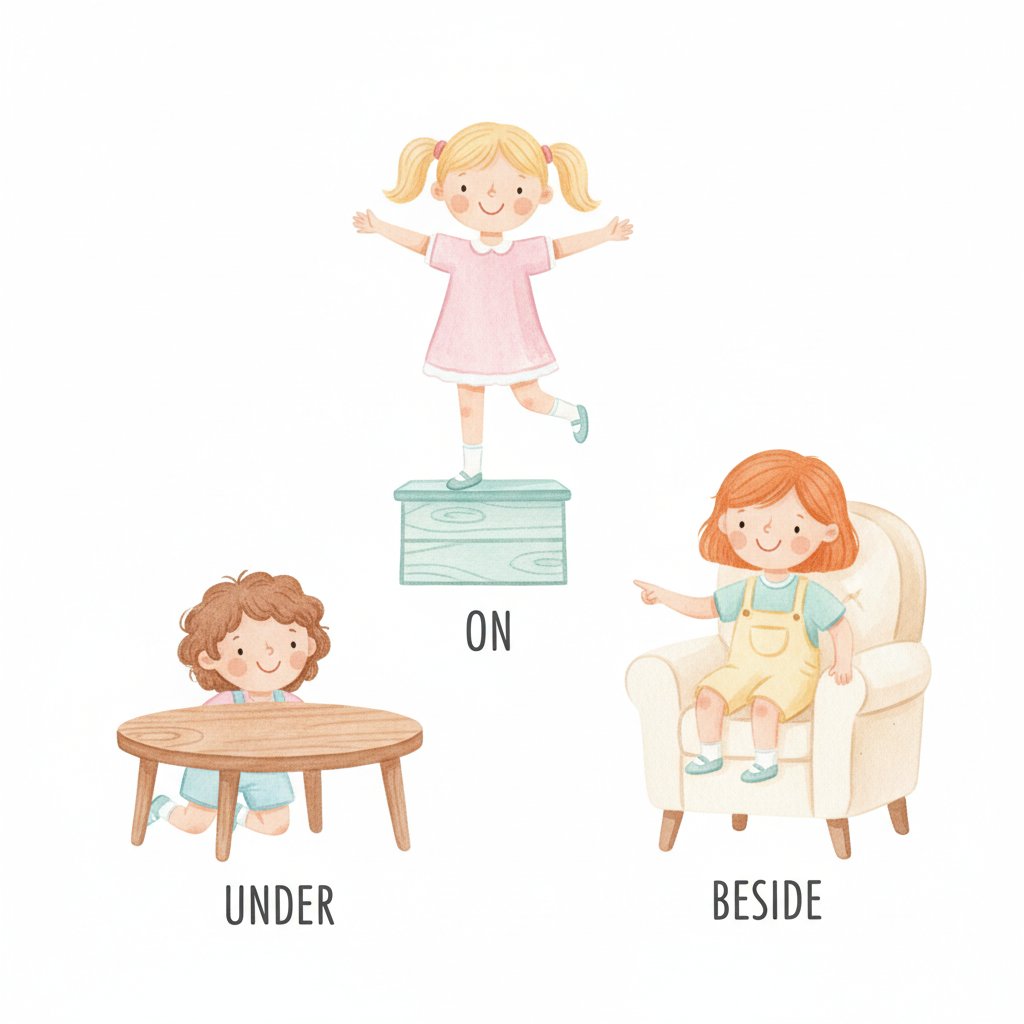
According to the National Association for the Education of Young Children, spatial activities develop geometric reasoning, position vocabulary (above, below, beside, between), symbolic thinking (a dot on a map represents a real object), navigation skills, and the foundations of mathematical thinking about space.
This guide covers 20+ map and spatial activities for ages 3-6. Pair it with our following directions guide for more direction activities and our shape guide for geometry foundations.