Articles6 min read

How Many Hands Long Is a Table?
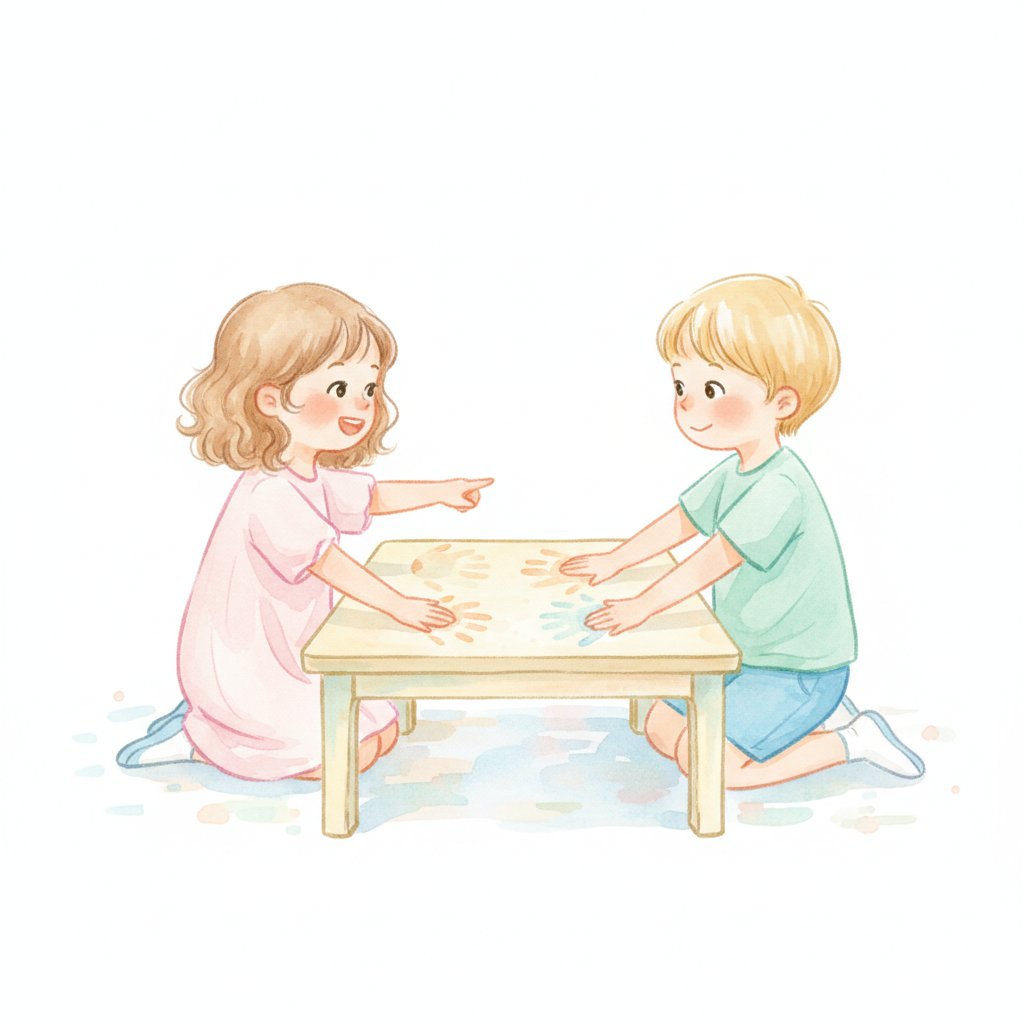
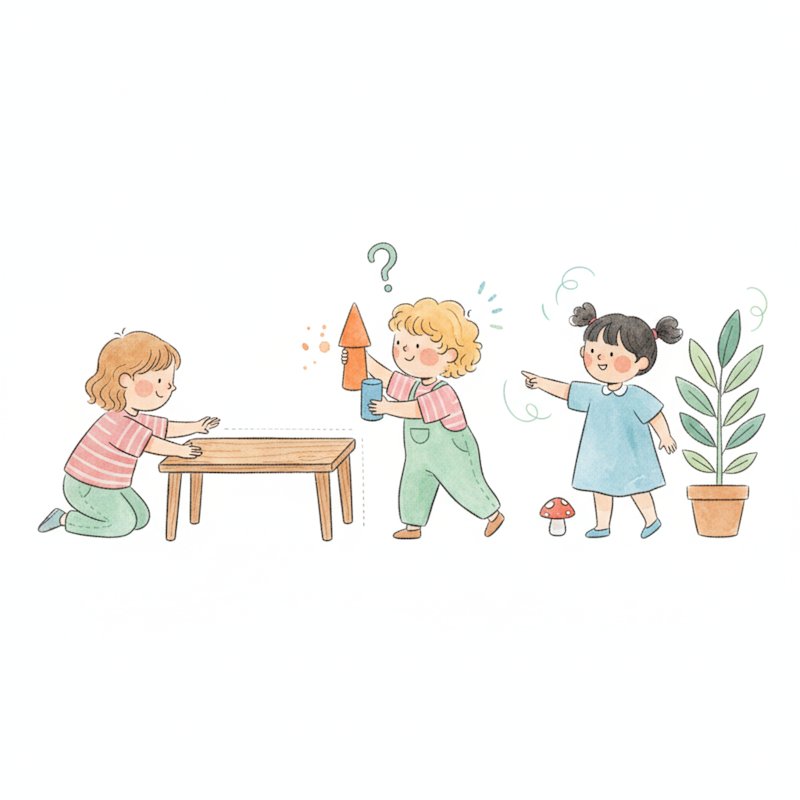
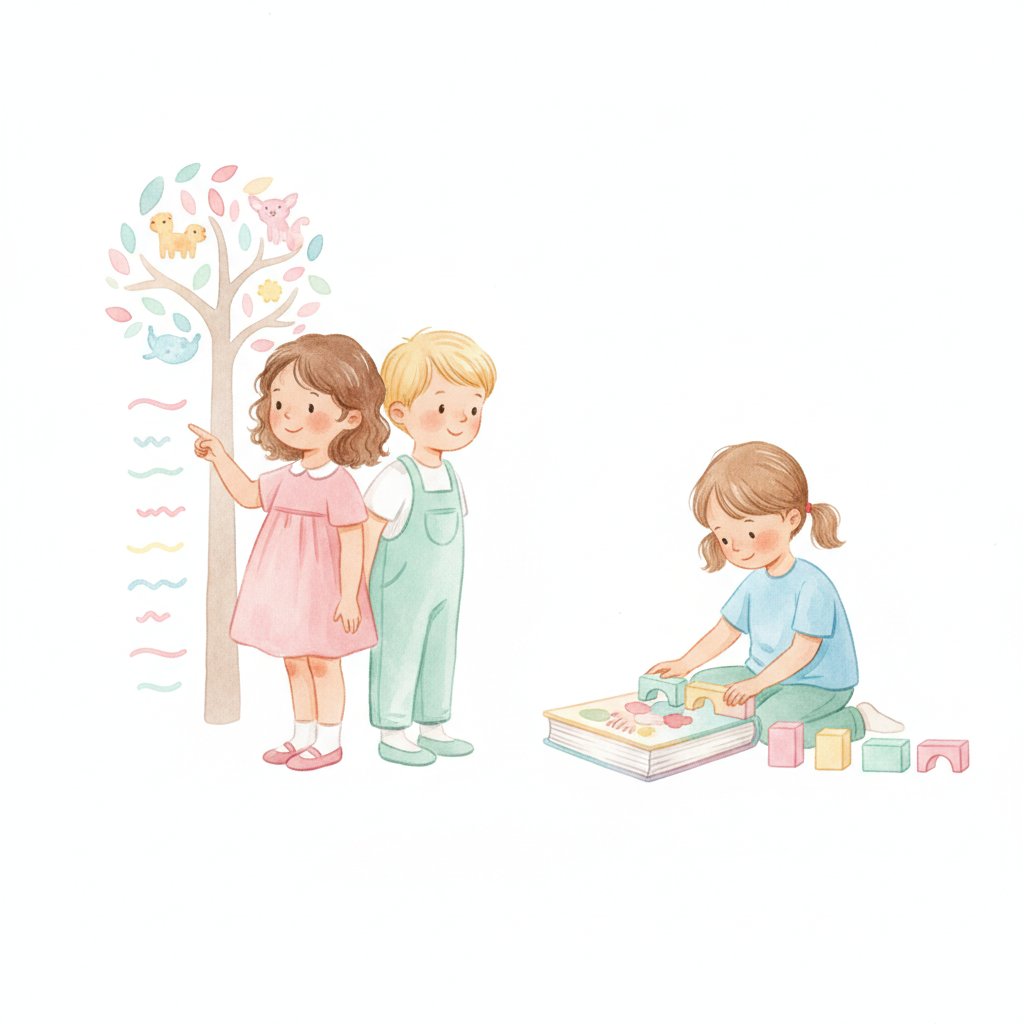
"How long is this table?" I asked. Five-year-old Marcus put his hand down, then moved it, then moved it again. "SIX hands!" he announced. Then Sofia put HER hand down. "EIGHT hands!" Wait — how can the same table be six hands AND eight hands? "Your hands are BIGGER than mine," Sofia said. "So it takes FEWER of yours." In that moment, she understood the core concept of measurement: the UNIT matters. A table measured in Marcus-hands is different from a table measured in Sofia-hands. That is why grown-ups invented STANDARD units like inches — so everyone gets the same answer. But for preschoolers, NONSTANDARD units are the perfect entry point: hands, blocks, shoes, steps, paperclips. Anything can be a measuring tool.

According to the National Council of Teachers of Mathematics, measurement activities teach comparison vocabulary (longer, shorter, heavier, lighter), one-to-one correspondence, estimation skills, number sense, and spatial reasoning. Measurement is one of the most PRACTICAL math skills — children use it every day.

This guide covers 20+ measurement activities for ages 3-6. Pair it with our number guide for more math and our science guide for more exploration.
Length and Height Activities (Ages 3-6)

1. Block measuring
Materials: Unit blocks, objects to measure.

What to do: "How many blocks long is this book? Line them up end-to-end. Count: 1, 2, 3, 4! The book is 4 blocks long. Now measure the pencil: 1, 2! The pencil is 2 blocks long. Which is LONGER?" The block measuring teaches nonstandard measurement. For more blocks, see our block guide.

Why it works: Nonstandard measurement is perfect for preschoolers because it connects measurement to COUNTING — a skill they already have. "How many blocks long?" is really "Count the blocks." The measuring happens through counting, which makes it accessible and fun. Later, when standard units (inches, centimeters) are introduced, the CONCEPT of measuring is already familiar.

2. Hand measuring
Materials: Hands.

What to do: "How many hands long is the table? The rug? Your friend? Measure everything with your hands!" The hand measuring teaches that different-sized units give different results.

3. Shoe measuring
Materials: Shoes.

What to do: "Take off your shoe. How many shoes long is the hallway? Walk heel-to-toe and count: 1, 2, 3... 12 shoes! Now measure with DAD's shoe: 1, 2, 3... 8 shoes!" The shoe measuring teaches that bigger units need fewer counts. For more counting, see our number guide.

4. String measuring
Materials: Yarn or string, scissors.

What to do: "Cut a piece of string as long as your arm. Now compare: is your leg longer or shorter than your arm? Your torso? Your head?" The string measuring teaches body proportion and comparison. For more body, see our body parts guide.

5. Height chart
Materials: Paper strip on the wall, markers.

What to do: "Stand against the wall. Mark how tall you are! Write your name and the date. Come back every month and mark again. Are you growing?" The height chart teaches growth tracking and time. For more time, see our days of the week guide.

Every shape can be measured
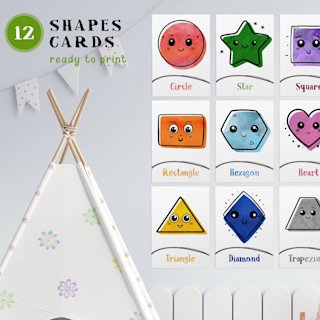
Our Shapes Flashcards turn measurement into shape exploration: 'Measure the RECTANGLE card with paperclips: the LONG side is 6 clips, the SHORT side is 4 clips. Measure the SQUARE card: both sides are 5 clips! Measure the TRIANGLE: the bottom is 7 clips and the sides are 6 clips each.' Children discover that rectangles have different-length sides, squares have equal sides, and triangles have three sides that might all be different. The flashcards are the objects AND the lesson. Measuring shapes teaches geometry THROUGH measurement and measurement THROUGH geometry. Twelve shapes, infinite measuring possibilities.

Weight and Balance Activities (Ages 3-6)

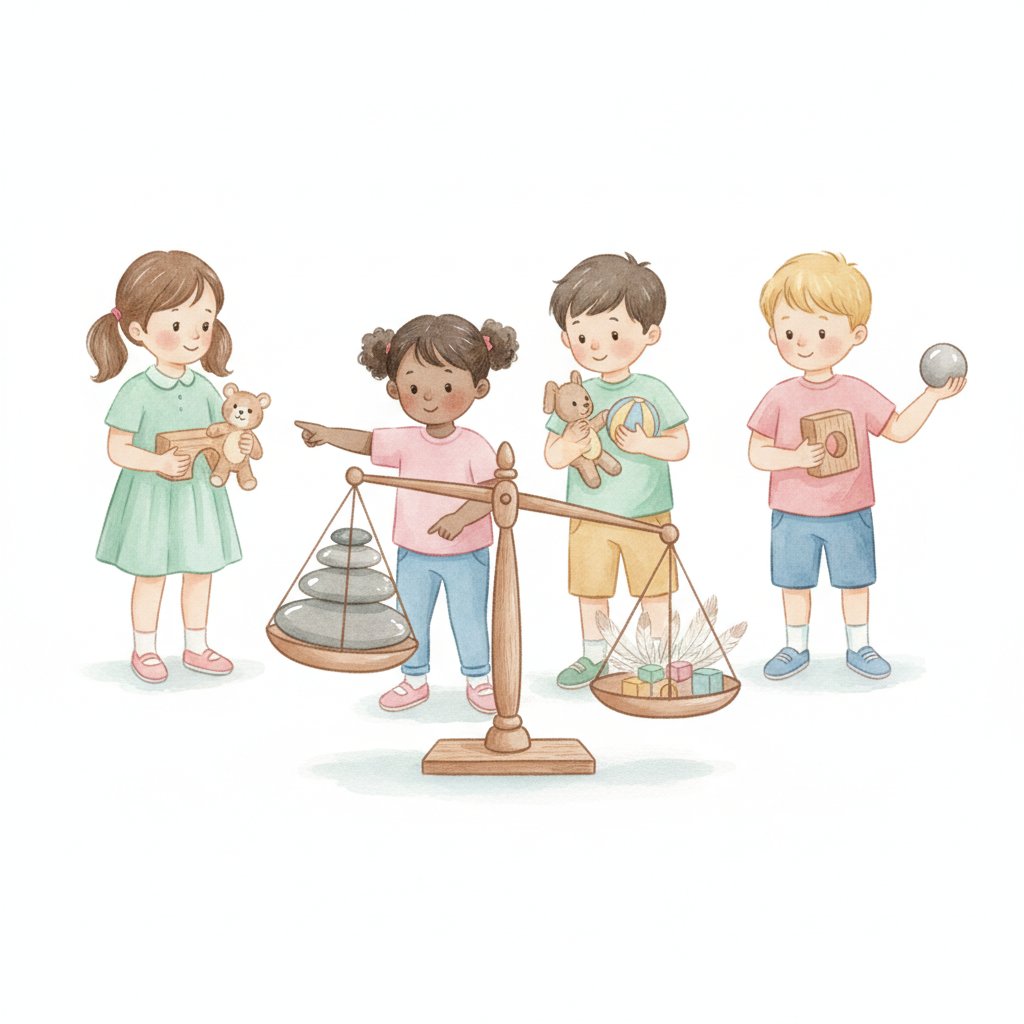
6. Balance scale
Materials: Coat hanger, two cups, string.

What to do: "Put a block in one cup and a crayon in the other. Which side goes DOWN? The heavy side! Which is HEAVIER?" The balance scale teaches weight comparison through a visual tool. For more science, see our science guide.

7. Hand balance
Materials: Various objects.

What to do: "Hold one thing in each hand. Which feels HEAVIER? The rock or the cotton ball? The book or the feather?" The hand balance teaches weight estimation through body sensing.

8. Heavy and light sort
Materials: Collection of objects, two bins labeled HEAVY and LIGHT.

What to do: "Hold each object. Sort it: HEAVY or LIGHT? How do you know? It pushes DOWN on your hand." The sorting teaches classification by weight. For more sorting, see our sorting guide.

9. Guess the weight
Materials: Objects, balance scale.

What to do: "Before you test, GUESS: which is heavier — the apple or the orange? Write your prediction. Now test. Were you right?" The guessing teaches estimation and hypothesis testing. For more science, see our science guide.

10. Equal weight challenge
Materials: Balance scale, small objects.

What to do: "Make both sides EQUAL! How many crayons balance one block? How many cotton balls balance one marker?" The challenge teaches equivalence and addition concepts. For more math, see our number guide.

Farm animals come in every size
Our Farm Animals Flashcards become a measurement lesson: 'Line up the farm animals from SMALLEST to BIGGEST: chicken, duck, cat, dog, goat, pig, sheep, cow, horse! The horse is the HEAVIEST. The chicken is the LIGHTEST. The cow weighs about 1,500 pounds. The cat weighs about 10 pounds. How many cats would balance one cow? About 150!' The flashcards teach size ordering, weight vocabulary (heavier, lighter, heaviest, lightest), and even estimation. Children line up the animals physically, comparing sizes with their hands. 12 animals, 12 sizes, one measurement lesson.

Capacity and Volume Activities (Ages 3-6)

11. Cup filling
Materials: Various containers, sand or water, measuring cups.

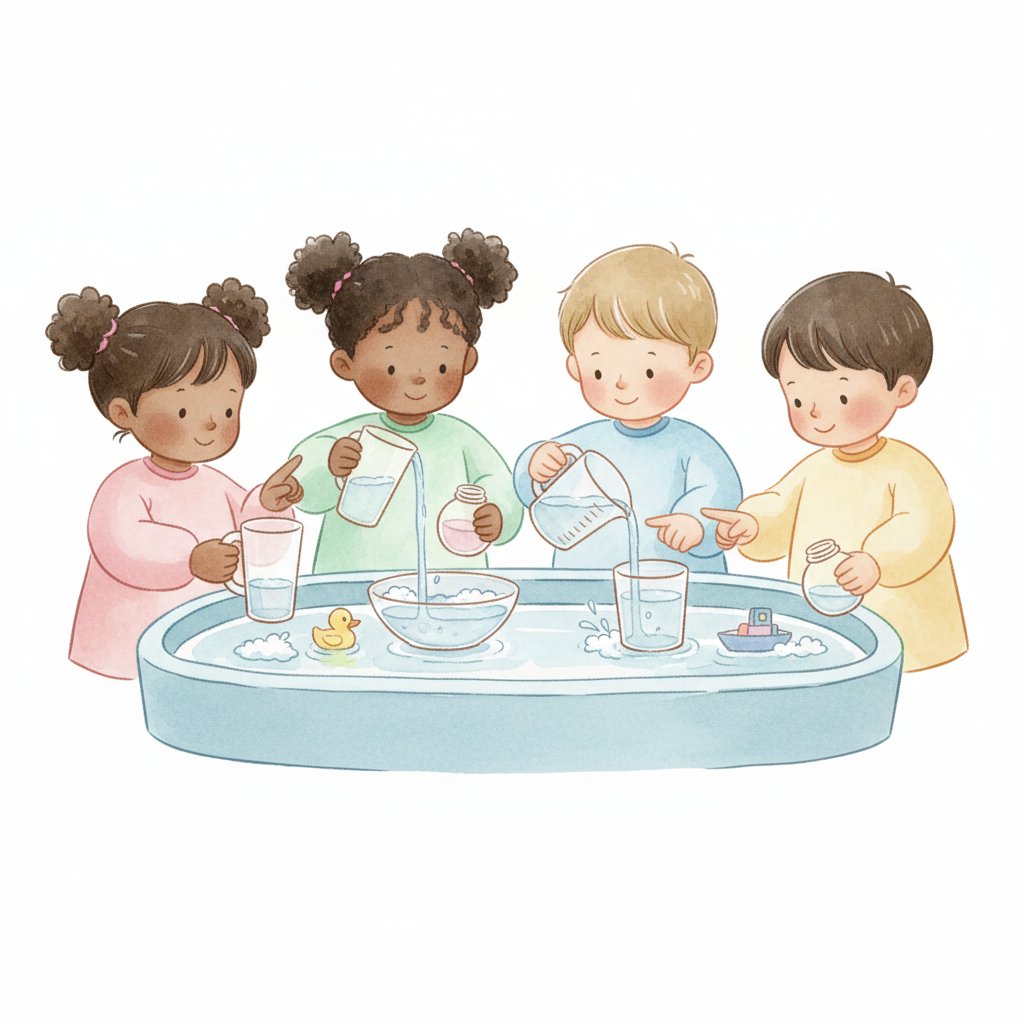
What to do: "How many cups of water fill this bowl? Count: 1, 2, 3, 4, 5! Now try this jug: 1, 2, 3... 8! The jug holds MORE." The filling teaches volume and capacity. For more water play, see our bath guide.

12. Container comparison
Materials: Tall thin container, short wide container.

What to do: "Which holds MORE — the tall one or the wide one? Pour water from one to the other. SURPRISE — they hold the SAME amount!" The comparison teaches that height alone doesn't determine volume.

13. Spoon filling
Materials: Large spoon, small spoon, bowl.

What to do: "Fill the bowl with the BIG spoon: 1, 2, 3, 4, 5 scoops. Now fill it with the SMALL spoon: 1, 2, 3, 4, 5, 6, 7, 8, 9, 10 scoops! Why more? The small spoon holds LESS each time." The spoon filling teaches that smaller tools need more scoops.

14. Empty, half, full
Materials: Clear cups, water.

What to do: "Fill the cup to EMPTY (nothing). Now HALF (middle). Now FULL (to the top). Which is MOST? Which is LEAST?" The levels teach volume vocabulary. For more math vocabulary, see our opposites guide.

15. Pouring practice
Materials: Pitcher, cups of different sizes.

What to do: "Pour from the pitcher into each cup. Does the SAME amount of water fill all of them? No — big cups have room left, small cups overflow!" The pouring teaches fine motor AND capacity comparison. For more fine motor, see our fine motor guide.

More Measurement Activities (Ages 3-6)

16. Temperature feeling
Materials: Three bowls — hot (warm, not scalding), cold, room temperature.

What to do: "Touch each bowl. HOT, COLD, or WARM? Sort them from coldest to warmest." The feeling teaches temperature vocabulary and ordering. For more senses, see our five senses guide.

17. Time estimation
Materials: Timer.

What to do: "How long is ONE MINUTE? Stand up. Close your eyes. Sit down when you think a minute is up. Who was closest?" The estimation teaches time perception. For more time, see our days guide.

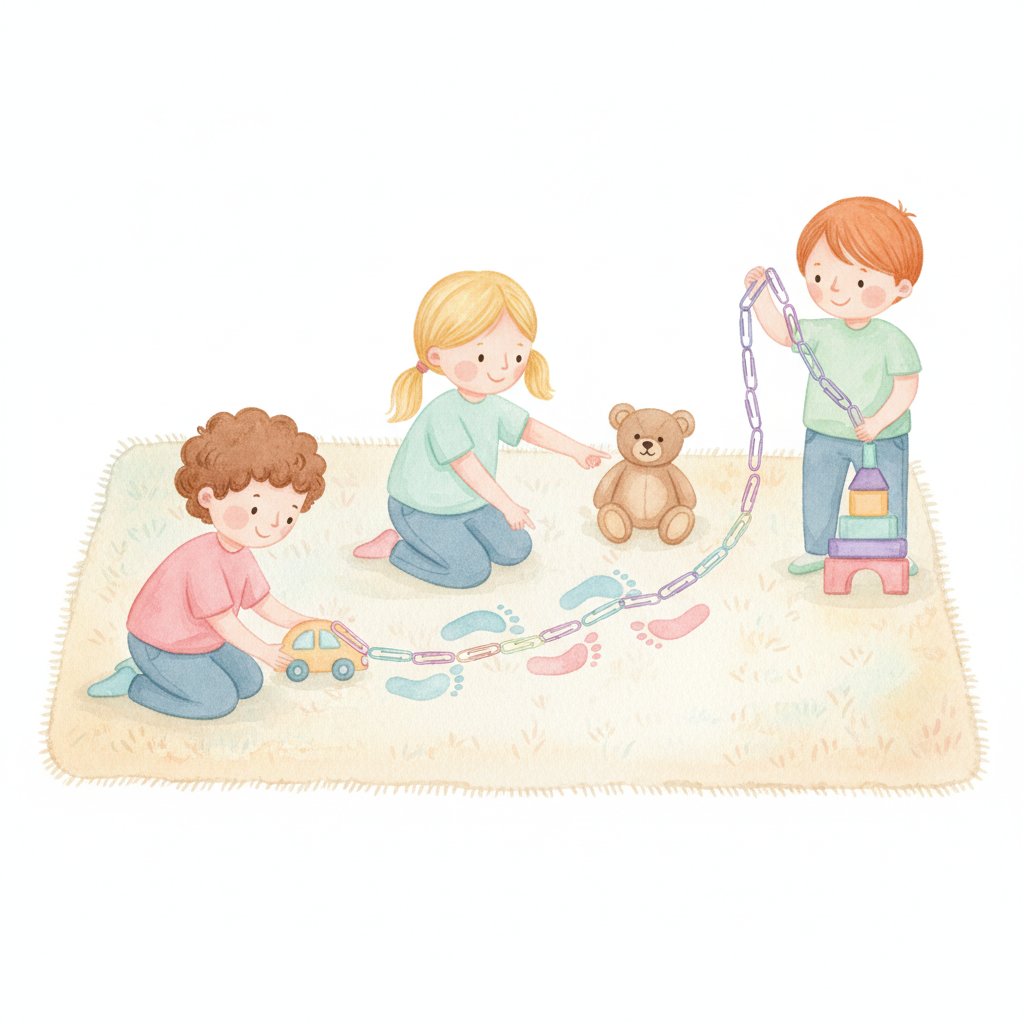
18. Measuring with paperclips
Materials: Paperclips, objects.

What to do: "Link paperclips into a chain. How many paperclips long is your pencil? Your book? Your desk?" The paperclip chain teaches standard-ish nonstandard measurement.

19. Footprint measuring
Materials: Paper, scissors.

What to do: "Trace your foot and cut it out. How many of YOUR feet fit across the rug? Now trace Mom's foot. How many of MOM's feet? Which needs more?" The footprint measuring teaches unit comparison. For more comparing, see our opposites guide.

20. Measurement hunt
What to do: "Find something LONGER than your arm. Find something SHORTER than your hand. Find something HEAVIER than a crayon. Find something LIGHTER than a book. Find something WIDER than your shoulders." The hunt teaches measurement vocabulary in context. For more scavenging, see our outdoor guide.

Measurement is everywhere on the wall
Our Educational Posters for Kids are FULL of measurement: 'The Solar System poster shows planet DISTANCES — some are CLOSE and some are FAR. The Human Body poster shows organ SIZES — your heart is the SIZE of your fist. The periodic table shows element WEIGHTS — some atoms are HEAVY and some are LIGHT.' Each poster becomes a measurement reference wall. Children point and compare: 'Jupiter is BIGGER than Earth! Your brain weighs more than your heart! Hydrogen is LIGHTER than iron!' The posters teach that measurement isn't just math class — it's how we understand the world. Eight posters, hundreds of measurements.
1.Should I use rulers with preschoolers?
Not initially. Start with nonstandard units (blocks, hands, shoes, paperclips) because they connect measurement to COUNTING — a skill preschoolers already have. Rulers introduce number lines and fractional units which are too abstract for most 3-4 year olds. Around age 5-6, introduce rulers alongside nonstandard measurement: "The book is 4 blocks long AND 12 inches long. Let's see how they compare!" The ruler becomes a SPECIAL standardized unit, not a replacement.
2.What measurement vocabulary should I teach?
Start with comparison words: big/small, long/short, tall/short, heavy/light, wide/narrow, thick/thin, full/empty, hot/cold, fast/slow. Then add comparative forms: bigger, smaller, longer, shorter, heavier, lighter. Finally, superlatives: biggest, smallest, longest, shortest, heaviest, lightest. Use these words CONSTANTLY during activities. "Which block is LONGER? Which container is FULLER? Which animal is HEAVIER?" Vocabulary grows through repetition in context.
3.How does measurement connect to other math skills?
Measurement connects to nearly every math concept: (1) COUNTING — "how many blocks long?" requires counting. (2) COMPARISON — heavier, lighter, longer, shorter are comparative concepts. (3) ESTIMATION — guessing before measuring builds number sense. (4) DATA — recording measurements creates graphs and charts. (5) GEOMETRY — measuring shapes teaches perimeter and area concepts. (6) FRACTIONS — "half full" introduces fractional thinking. Measurement is the most CROSS-CUTTING math domain.
4.Can measurement activities be done without special materials?
Absolutely. Every measurement activity in this guide uses everyday materials: hands, shoes, blocks, cups, water, string, paperclips, and objects from around the room. No rulers, scales, or measuring cups required for nonstandard measurement. The BEST measuring tools are children's own bodies — their hands, feet, arms, and steps. This also teaches that measurement is about COMPARISON, not special equipment.