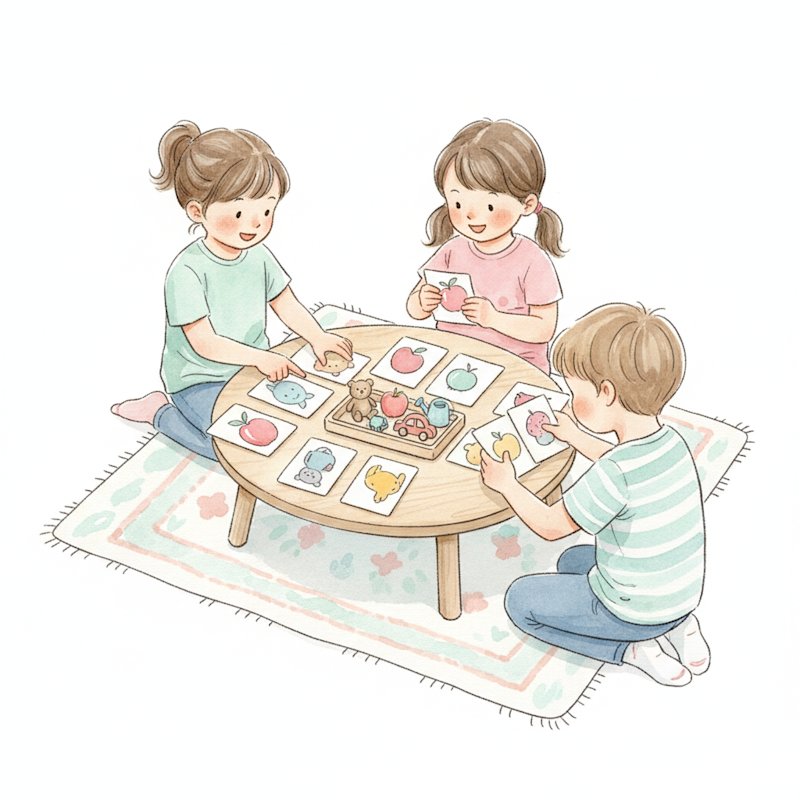
The Tray Game That Shocked Me
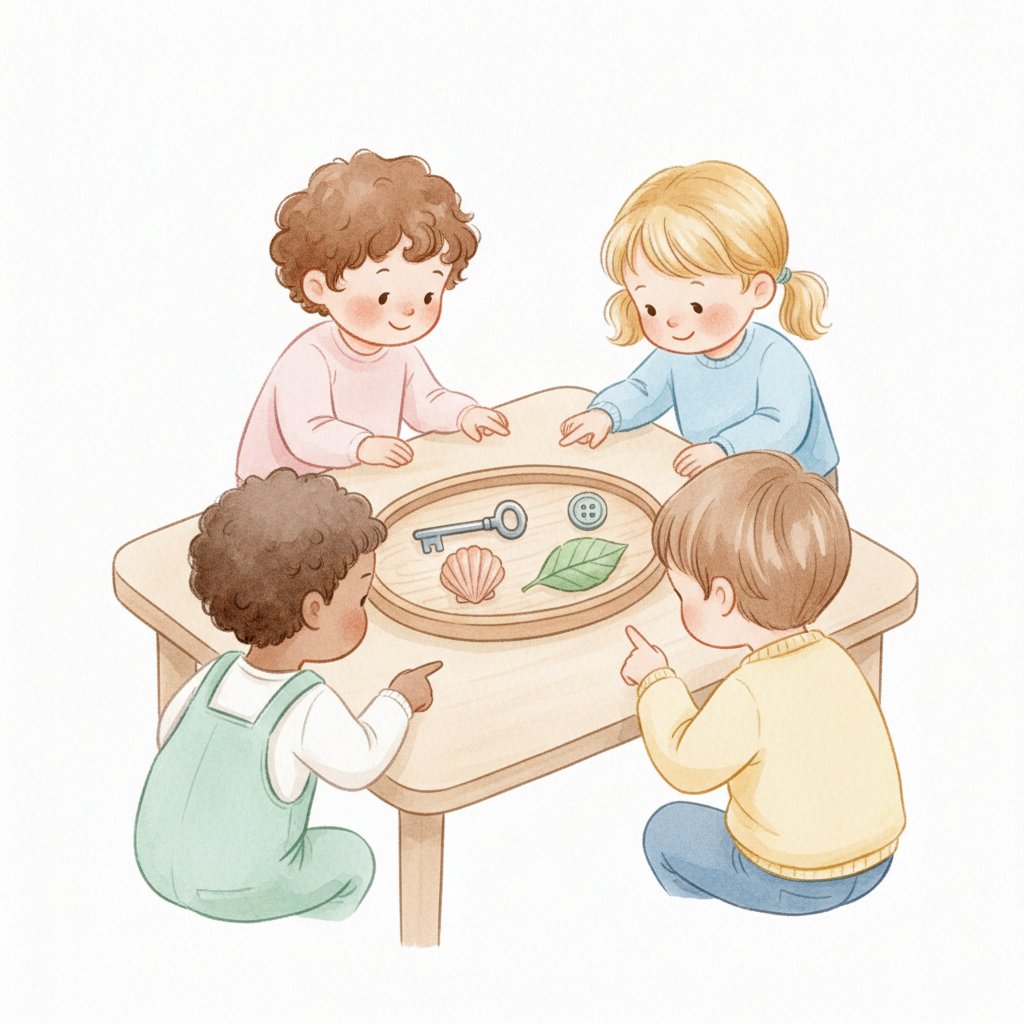
I placed 10 objects on a tray: a key, a button, a coin, a shell, a feather, a crayon, a leaf, a rock, a ring, and a marble. I gave the class 30 seconds to look. Then I covered the tray and asked: "What was on it?" Four-year-old Sofia named all 10 items — in order. A five-year-old named 8. The adults in the room averaged 6. I realized that young children's memory capacity is far stronger than we assume — they just need the right exercises to develop it. Memory is not a fixed trait; it's a SKILL that grows with practice.
According to research in the Journal of Experimental Child Psychology, working memory at ages 3-6 is the single strongest predictor of later academic achievement — stronger than IQ. Children with strong working memory learn to read faster, solve math problems more easily, and follow multi-step directions better. The good news: memory is trainable, and the training is FUN.
This guide covers 20+ memory and concentration activities for ages 3-6. Pair it with our matching games guide for visual memory and our listening guide for auditory memory.