Articles7 min read

The Word That Changed Everything

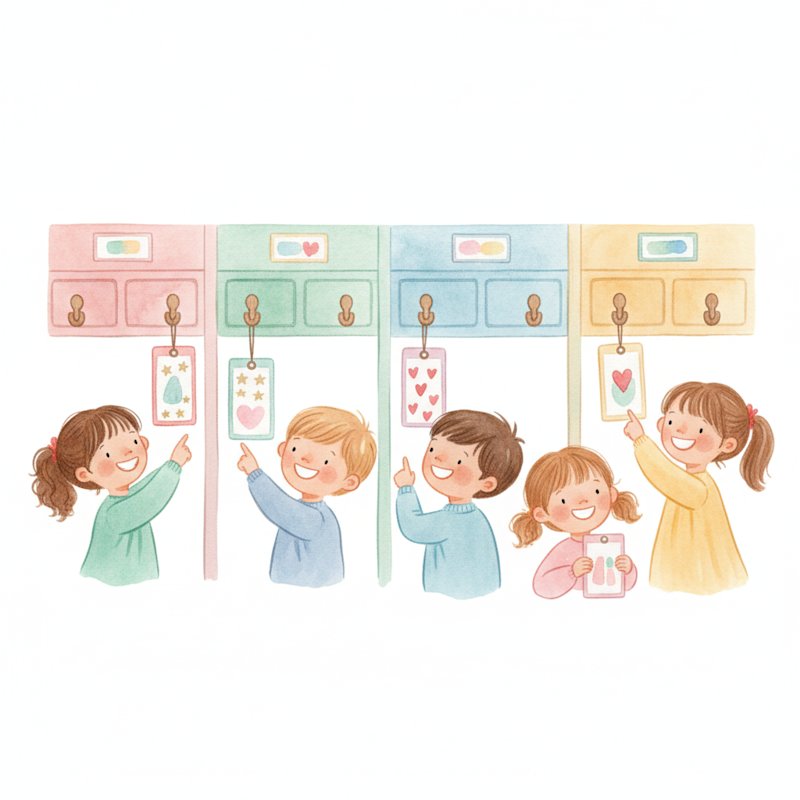
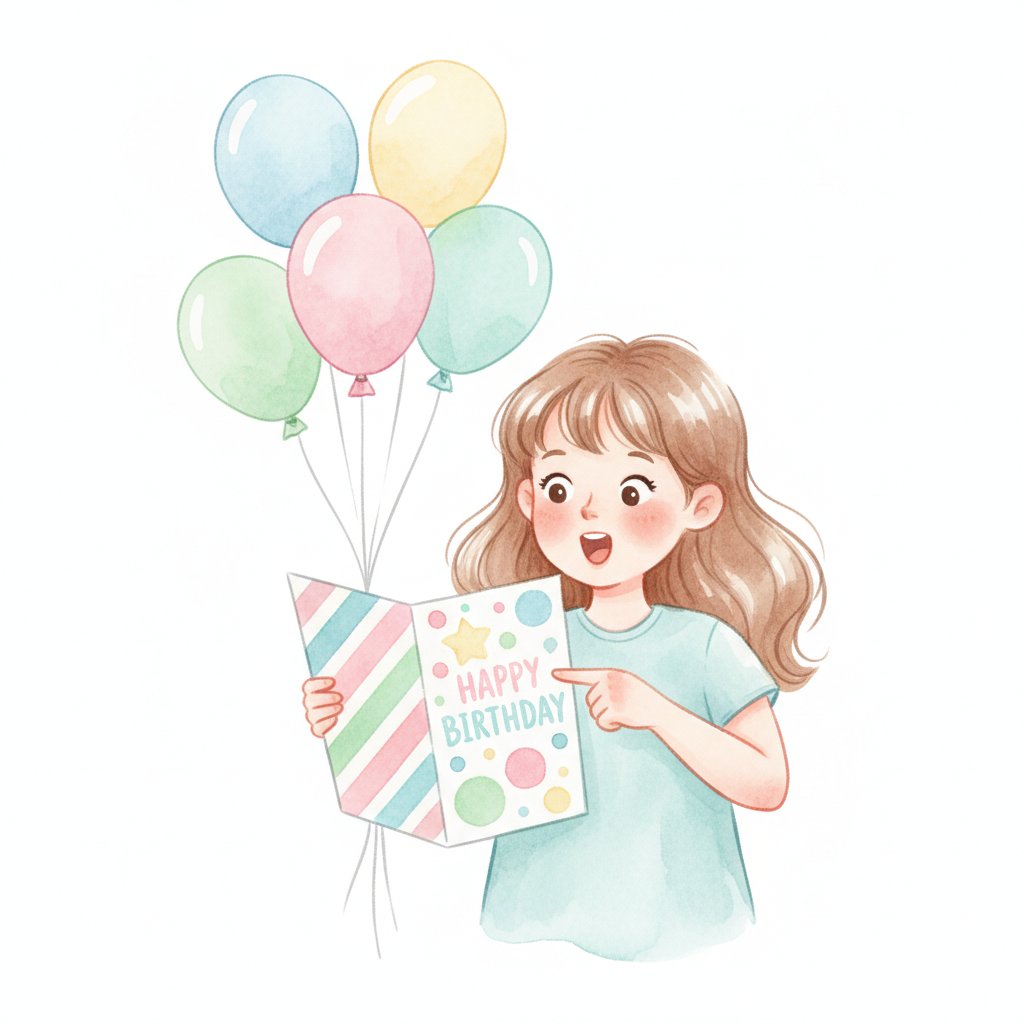
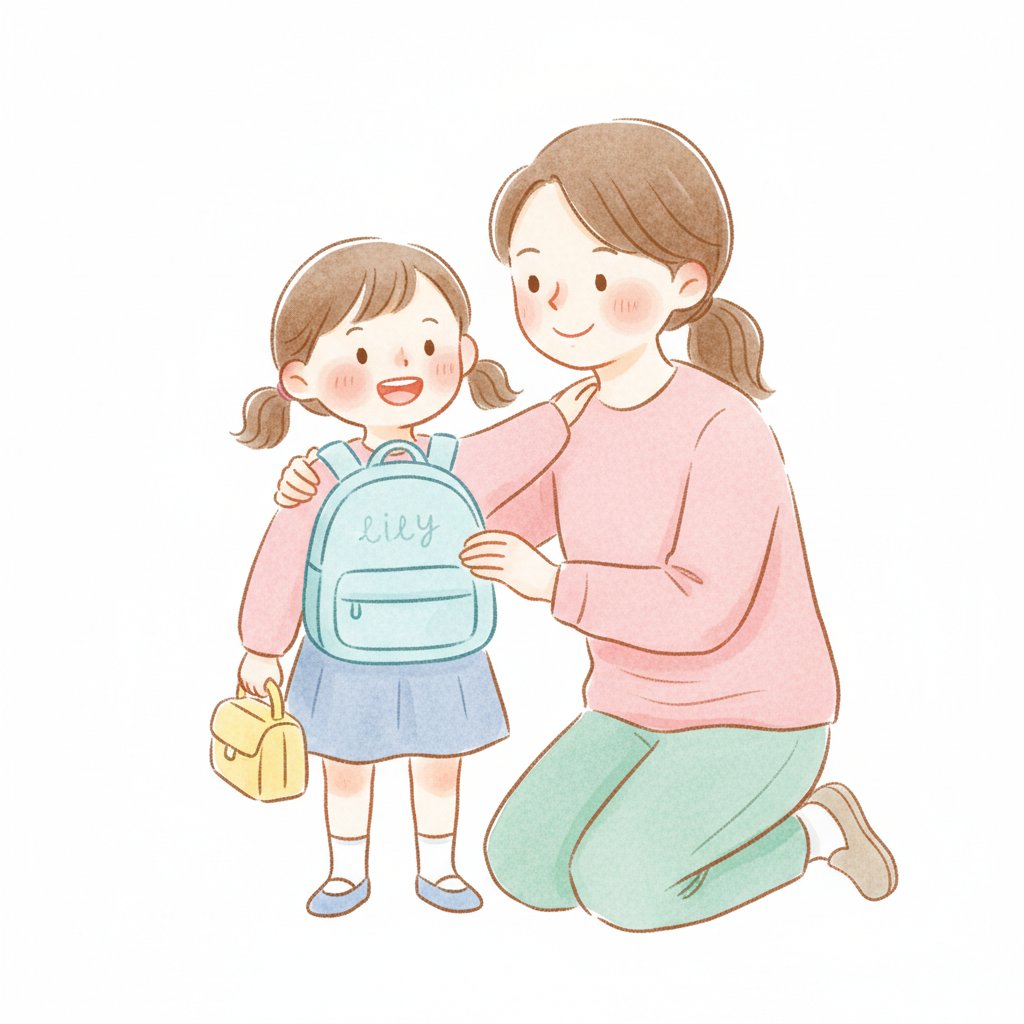
The first word my daughter recognized wasn't "cat" or "dog" or "mom." It was her own name. She spotted it on a birthday card — "Happy Birthday, SOPHIE" — and her face lit up. "That says SOPHIE! That's ME!" From that moment, she saw her name everywhere: on her backpack, on her cubby, on drawings. And each sighting was a reading victory.

A child's name is the most powerful literacy tool in early childhood. According to research by Trelease, children learn to recognize and write their own name before any other word — and the letters in their name become the letters they learn first. A child named "OLIVER" learns O, L, I, V, E, and R naturally because those letters mean something personal.
This guide covers 20+ name recognition activities for ages 3-6, from finding your name to writing it independently. Each activity uses the child's name as the vehicle for letter learning. Pair it with our name writing practice for focused writing instruction and our alphabet flashcards for letter-of-the-week connections.
Why Names Are the Gateway to Reading

The personal connection: Children learn what matters to them first. Their name is their identity — the label that says "this is who I am." When a letter appears in their name, it has personal significance. An "A" isn't just a symbol — it's the first letter of "AMAYA," and Amaya is important.

Research evidence: Studies show that children can recognize the letters in their own name 3-6 months before they reliably recognize other letters. A child named "BEN" knows B, E, and N before he knows A, C, or D — not because those letters are easier, but because they're personally meaningful.

The name-to-reading pathway:

StepWhat HappensTime Frame
1. RecognitionChild spots their name among othersAge 3-4
2. IdentificationChild can point to their name when askedAge 3-4
3. CopyingChild copies their name from a modelAge 4-5
4. Independent writingChild writes name from memoryAge 4-6
5. Letter transferChild recognizes name letters in other wordsAge 5-6

The letter transfer step is critical. When "EMMA" learns that the M in her name is the same M in "MOM," "MOON," and "MORE," she's connecting letters across contexts — the foundation of reading. For more letter activities, see our letter of the week guide.

Isolate the letters in your name with flashcards
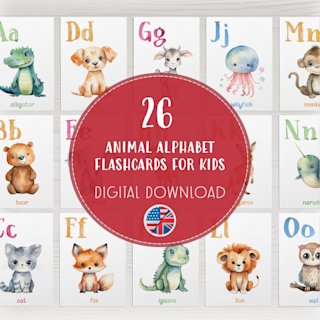
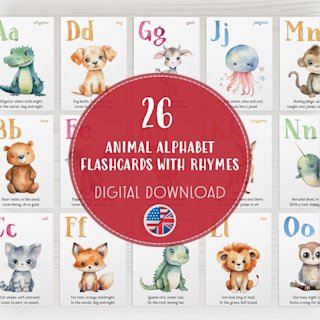
Our Alphabet Monster Flashcards let children pull out just the letters in their name: 'Find the A... find the L... find the I...' Each letter has a monster character, so children learn letters as friends — 'My name starts with A-monster!' 26 flashcards, infinite name activities.

Finding Your Name Activities (Ages 3-4)

1. Name cubby labels
Setup: Write each child's name clearly on their cubby, chair, and belongings. Use the same font and formatting consistently.

What to do: This isn't an "activity" — it's an environment. When a child sees their name on their cubby every day, they learn to recognize it through repeated exposure. This is environmental print at its most personal.

2. Name hunt
Materials: Cards with children's names written clearly.

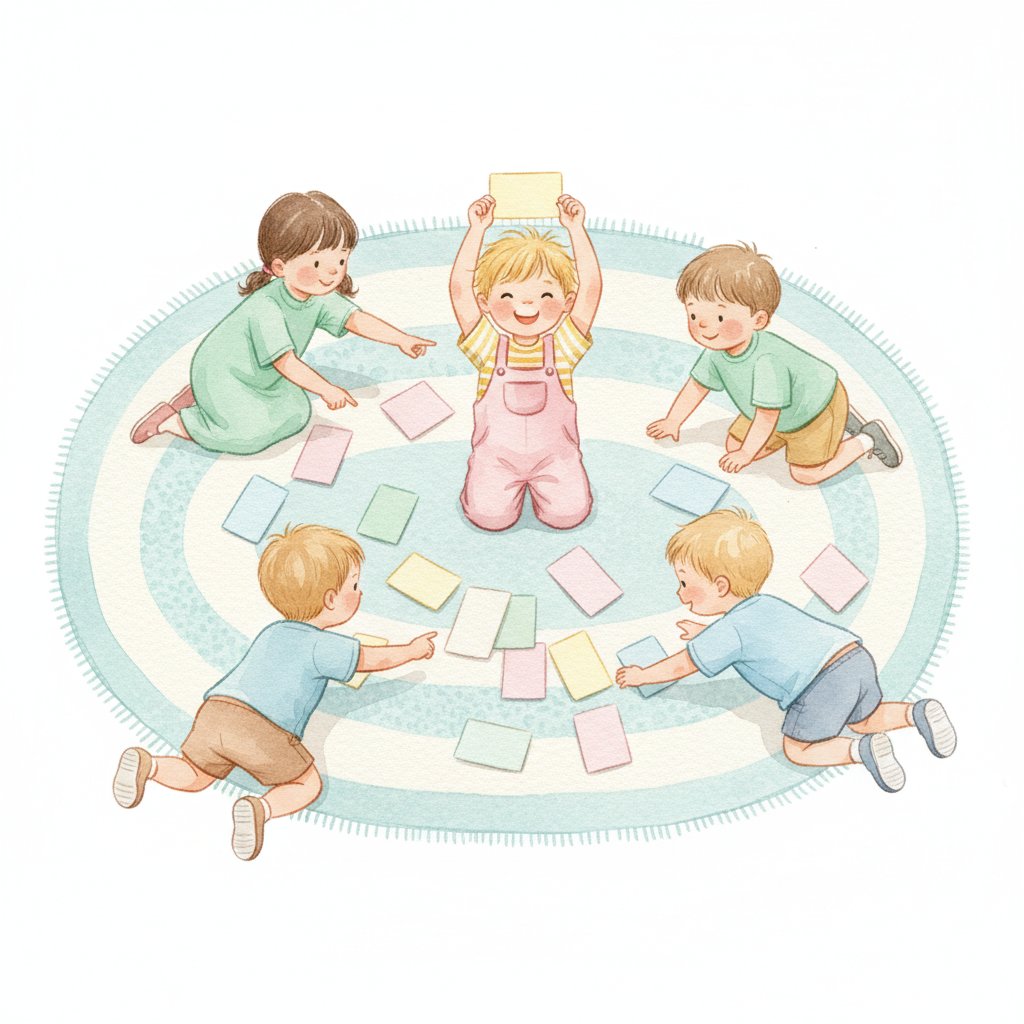
What to do: Scatter name cards around the room. "Find your name and bring it to circle!" Children search for their name among all the names. This teaches visual discrimination — scanning for familiar letter patterns among unfamiliar ones.

Extend it: Can they find a friend's name? "Can you find the name that starts with the same letter as yours?"

3. Sign-in at the door
Materials: Name cards in a pocket chart by the door.

What to do: Each morning, children find their name card and move it from "At Home" to "At School." This daily ritual builds name recognition through repetition without any formal instruction.

4. Name matching with photos
Materials: Cards with children's photos, separate cards with their names.

What to do: Children match the photo to the correct name. For younger children, start with just 3-4 children. For older children, match all names in the class.

Why it works: Photo-to-name matching teaches that written names represent real people — the symbolic function of print.

5. Play dough name stamping
Materials: Play dough, letter stamps (magnetic letters work too).

What to do: Children flatten play dough and stamp the letters of their name in order. The tactile experience reinforces letter shapes and sequence.

Name Letter Activities (Ages 4-5)

6. Letter hunt in the name
Materials: Letter tiles or magnetic letters, name card.

What to do: Give children a mixed set of letters. They find and arrange only the letters in their name, in order. "A-L-I-C-E. That spells ALICE."

Extend it: After finding their own name letters, find a friend's. "Can you spell MASON's name? What letters do you need?" This teaches that the same letters are used in different combinations to make different words.

7. Name sort by first letter
Materials: Name cards for all children in the class.

What to do: Children sort names by first letter: all the A-names together, all the B-names, etc. This teaches alphabetical thinking and initial sound recognition.

Why it works: Sorting names by first letter teaches that words can be organized by shared features — a fundamental literacy and organizational skill.

8. Name pattern blocks
Materials: Small squares of paper with one letter of the child's name on each, glue, large paper.

What to do: Children glue letter squares in order to spell their name. Then decorate around it. The result is personalized name art.

9. Name bingo
Materials: Bingo cards with letters from children's names, letter caller cards.

What to do: Call letters. Children mark letters on their card. First to complete their entire name shouts "NAME BINGO!"

Why it works: Name bingo requires children to connect spoken letter names to written letter forms — the same skill used in phonics instruction.

10. "Whose name has this letter?"
Materials: Letter cards.

What to do: Hold up a letter: "Whose name has the letter S?" Children with S in their name stand up. "Whose name has M?" Different children stand.

Why it works: This activity teaches children to decompose names into individual letters and recognize that different names share letters. It's phonemic awareness with visual support.

Letter of the week meets name of the week
Our Letter of the Week activities pair perfectly with name recognition: when the letter of the week is 'S,' every child whose name starts with S is a VIP. 'Sofia, Sebastian, and Samuel — you're our letter S stars!' Personal relevance skyrockets when the letter is in YOUR name.

Name Writing Activities (Ages 4-6)

11. Highlighted name tracing
Materials: Paper, yellow highlighter, pencil.

What to do: Adult writes the child's name in yellow highlighter. Child traces over in pencil. The highlighter provides a visible guide that's easy to follow.

Progression: Highlighter → dotted lines → first letter only (rest dotted) → independent.

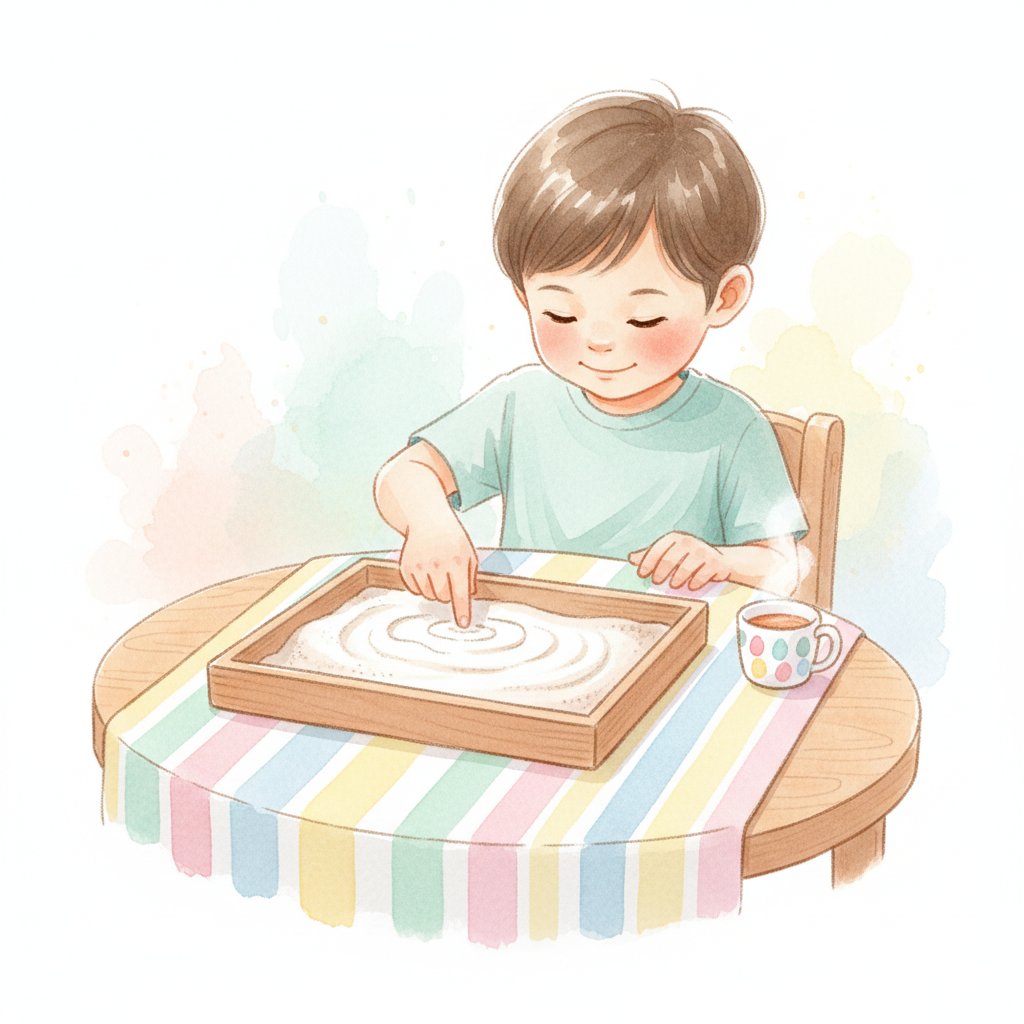
12. Salt tray name writing
Materials: Shallow tray, thin layer of salt, name card for reference.

What to do: Children write their name in the salt with their finger or a stylus. Shake to erase and try again.

Why it works: The sensory feedback of writing in salt strengthens motor memory. Children can practice 50 times without wasting paper or feeling "wrong" — shake and start over. For more sensory writing ideas, see our writing activities guide.

13. Dry erase name practice
Materials: Laminated name card, dry erase marker.

What to do: Children trace and write their name on the laminated card, erase, and repeat. The erasing is as satisfying as the writing.

Why it works: Repeated practice on the same card builds muscle memory. The ability to erase instantly reduces anxiety about mistakes.

14. Name writing in shaving cream
Materials: Shaving cream, table or tray.

What to do: Spread shaving cream on the table. Children write their name with their finger. The sensory experience is memorable — children who write in shaving cream remember the motor patterns.

15. Name tickets
Materials: Paper strips ("tickets"), markers.

What to do: Children write their name on a ticket every time they complete an activity: finished a puzzle → write name on a ticket. Finished art → write name on a ticket. At the end of the day, count tickets: "How many times did you write your name today?"

Why it works: Frequent, brief practice is more effective than one long session. Name tickets create natural writing opportunities throughout the day.

Name Games and Art (Ages 3-6)

16. Name puzzle
Materials: Card stock with the child's name written across it, scissors.

What to do: Write the child's name on a strip of card stock (one letter per section). Cut between letters. Children reassemble the puzzle in order.

Why it works: The puzzle format requires children to think about letter sequence — which letter comes first, second, third. It's sequencing with personal meaning.

17. Name rainbow
Materials: Paper, multiple colored crayons or markers.

What to do: Children write their name repeatedly, each time in a different color, creating a rainbow effect. The repetition builds muscle memory, and the result is beautiful.

18. Name crown
Materials: Sentence strip, markers, stickers.

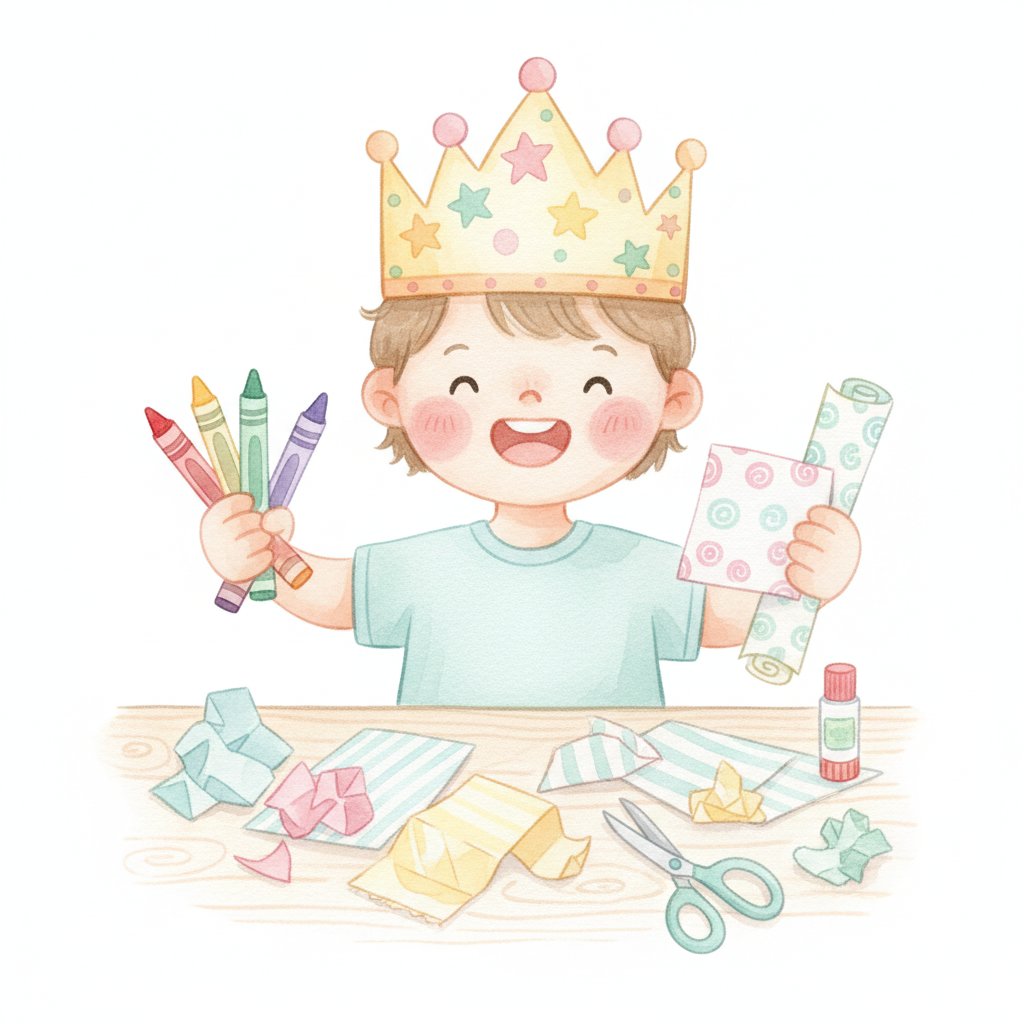
What to do: Children write their name on a sentence strip, decorate it, and wear it as a crown. "I am KING ETHAN!" or "I am QUEEN OLIVIA!" Name crowns make name-writing an act of identity, not a drill.

19. Body letters
What to do: Children try to form the letters of their name using their body. Stand straight for I, arms up for Y, curl into a ball for O. This full-body engagement creates memorable letter-shape experiences.

20. Name graphing
Materials: Name cards, large paper with columns.

What to do: Graph names by first letter, by length (how many letters), or by number of syllables. Count and compare: "How many names start with A? How many start with S? Which letter has the most names?" This is data analysis with personal relevance.

Alphabet posters: the name-letter reference wall
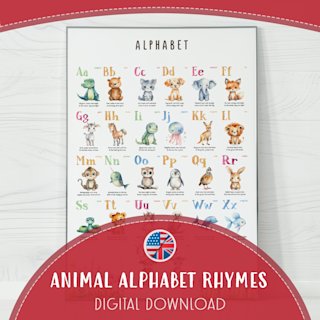
Our Alphabet Poster Set gives children a permanent reference for letter formation. When writing their name, children glance at the poster: 'A goes like this... L goes like this...' The poster turns every writing moment into an independent learning moment — no adult needed to model the letter.
1.Should children write their name in all caps or title case?
Teach title case (capital first letter, lowercase rest) from the start: "Sophie" not "SOPHIE." While all-caps is easier to write (all straight lines), children who learn all-caps must later unlearn it. Title case is harder initially but correct from day one. If a child is struggling, start with all-caps and transition to title case within a few months.
2.What if a child can't recognize their name by age 4?
Ensure the child's name is visible in their environment (cubby, chair, belongings). Add a photo next to the name for visual support. Practice name matching daily with just 2-3 names (theirs and a friend's). If after consistent practice the child still can't recognize their name by 4.5, discuss with their teacher or pediatrician.
3.Should I teach last names too?
First name first. Most children master first name recognition by age 4-5 and first name writing by age 5-6. Last name can be introduced once the first name is solid — typically late pre-K or kindergarten. Children with hyphenated or very long last names may need more time.
4.How do I handle children with very long or unusual names?
Long names (more than 6 letters) can be overwhelming. Start with a nickname or shortened version if the family approves. Unusual spellings should be taught exactly as written — never simplify or change the spelling. Every child deserves to learn THEIR name, correctly spelled.