Articles9 min read

The Moment My Daughter "Read" Her First Book

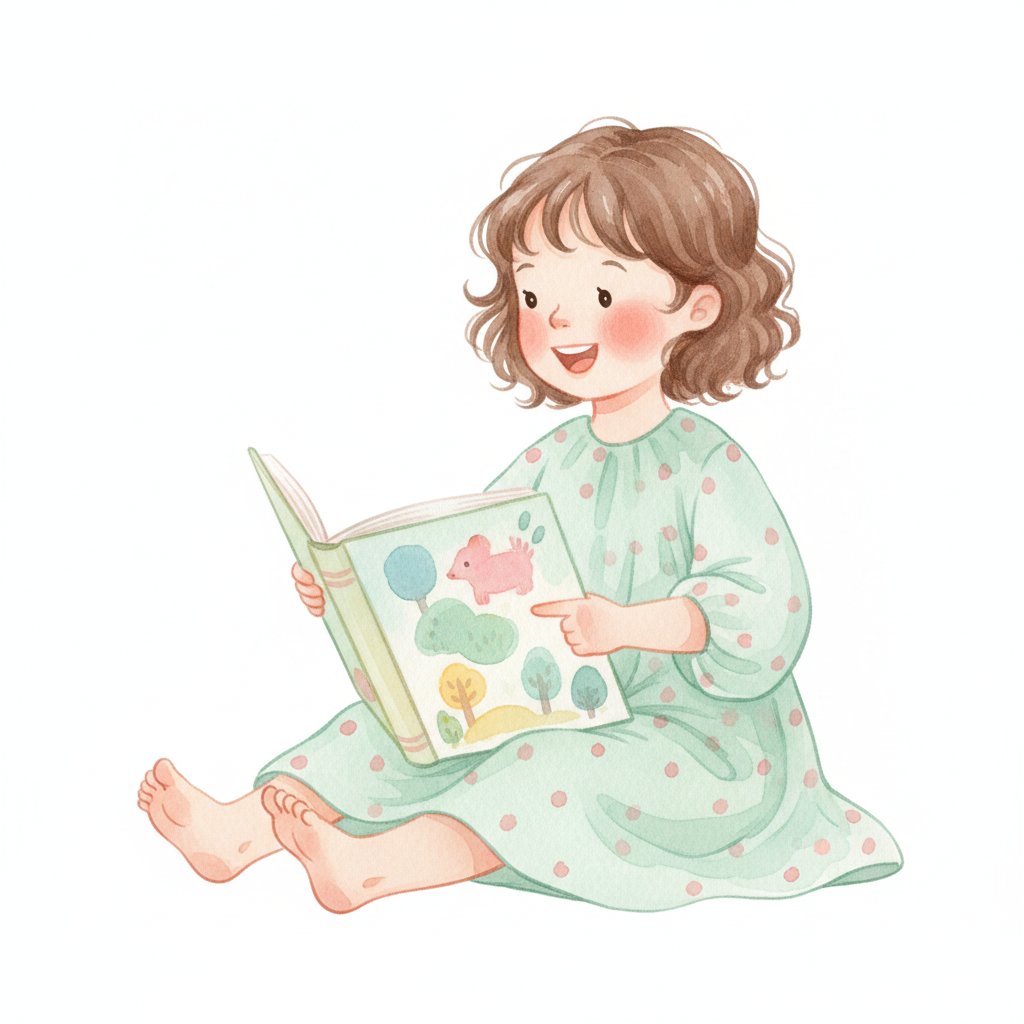
She was three. The book was a tattered copy of "The Itsy Bitsy Spider." She turned each page, reciting the rhyme from memory, pointing at the words as if she were reading them. She wasn't reading — she had memorized the text from dozens of repetitions. But she was doing something more important: she was learning that spoken words correspond to printed words, that pages turn left to right, and that books have a predictable structure. Nursery rhymes were her first reading teacher.

This scene plays out in every home and classroom where nursery rhymes are part of the routine. Research from the National Early Literacy Panel shows that phonological awareness — the ability to hear and manipulate the sounds in spoken language — is one of the strongest predictors of later reading success. Nursery rhymes are the most natural, enjoyable way to build this skill. Every rhyme, every clap, every silly song is a reading lesson disguised as play.

This guide covers 20+ nursery rhyme activities for ages 2-6 that go beyond simple recitation. Each activity extends a classic rhyme into sequencing, crafts, movement, vocabulary, and phonological awareness practice. Pair it with our phonics flashcard games for the sound-letter connection and our alphabet flashcards guide for letter recognition.

Why Nursery Rhymes Build Readers

Nursery rhymes develop six critical literacy skills simultaneously:

1. Phonological awareness — hearing rhymes (cat/hat), syllables (Hump-ty-Dump-ty), and beginning sounds (H/Humpty, D/Dumpty). Children who can hear rhymes at age 4 read more fluently at age 7.

2. Vocabulary — nursery rhymes contain words children rarely encounter in daily conversation: "fetched," "crown," "frightened," "muffin," "cupboard." Each rhyme introduces 5-10 new words.

3. Narrative skills — every rhyme tells a story with a beginning, middle, and end. Understanding story structure is a prerequisite for reading comprehension.

4. Print motivation — children who enjoy rhymes enjoy books. The pleasure of the rhyme transfers to the pleasure of reading.

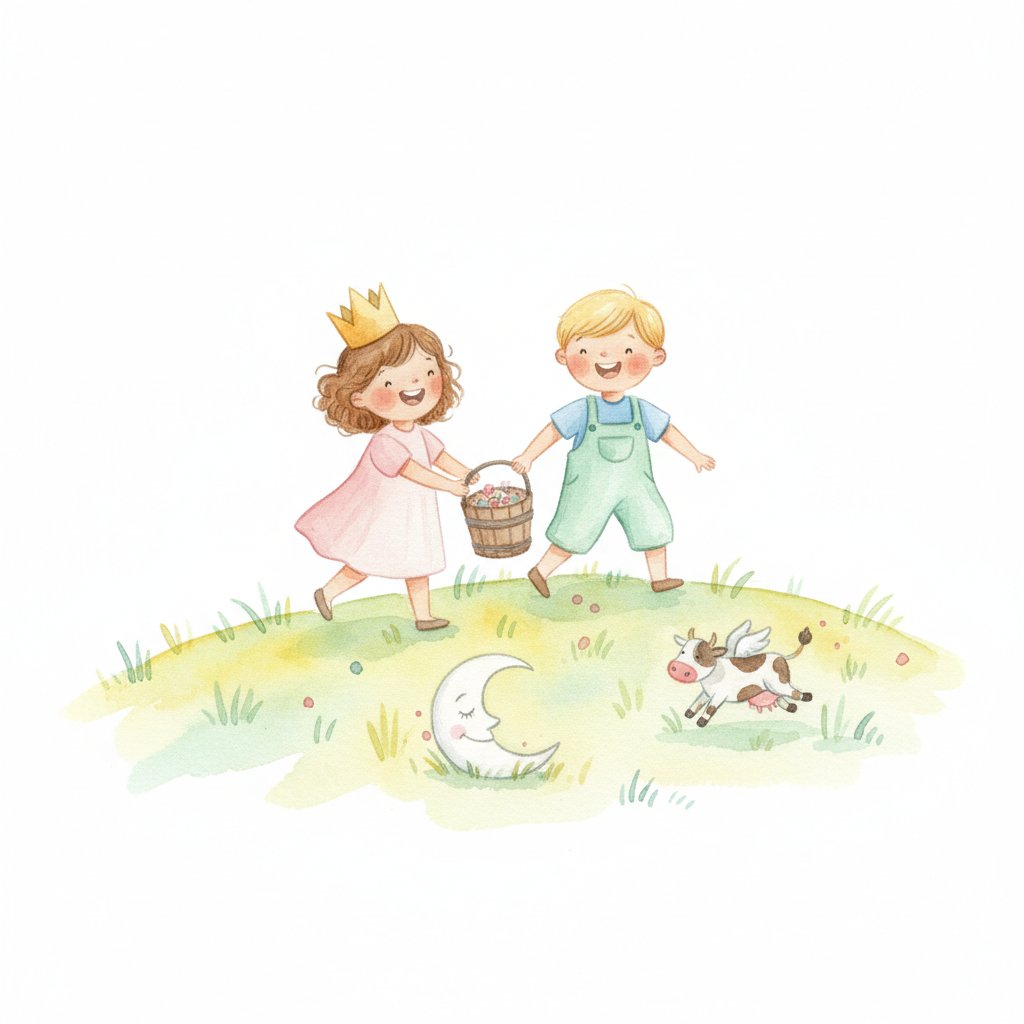
5. Background knowledge — "Jack and Jill" teaches hill/water/pail. "Hey Diddle Diddle" teaches moon/cow/dish. Rhymes build world knowledge in tiny, memorable packages.

6. Listening comprehension — following a rhyme requires sustained listening. This builds the attention span needed for read-alouds and, later, independent reading.

A British study found that children who know 8+ nursery rhymes by heart at age 4 score significantly higher on early reading assessments at age 5. The rhymes themselves become a reading scaffold.

Itsy Bitsy Spider Activities

1. Spider Climb Craft

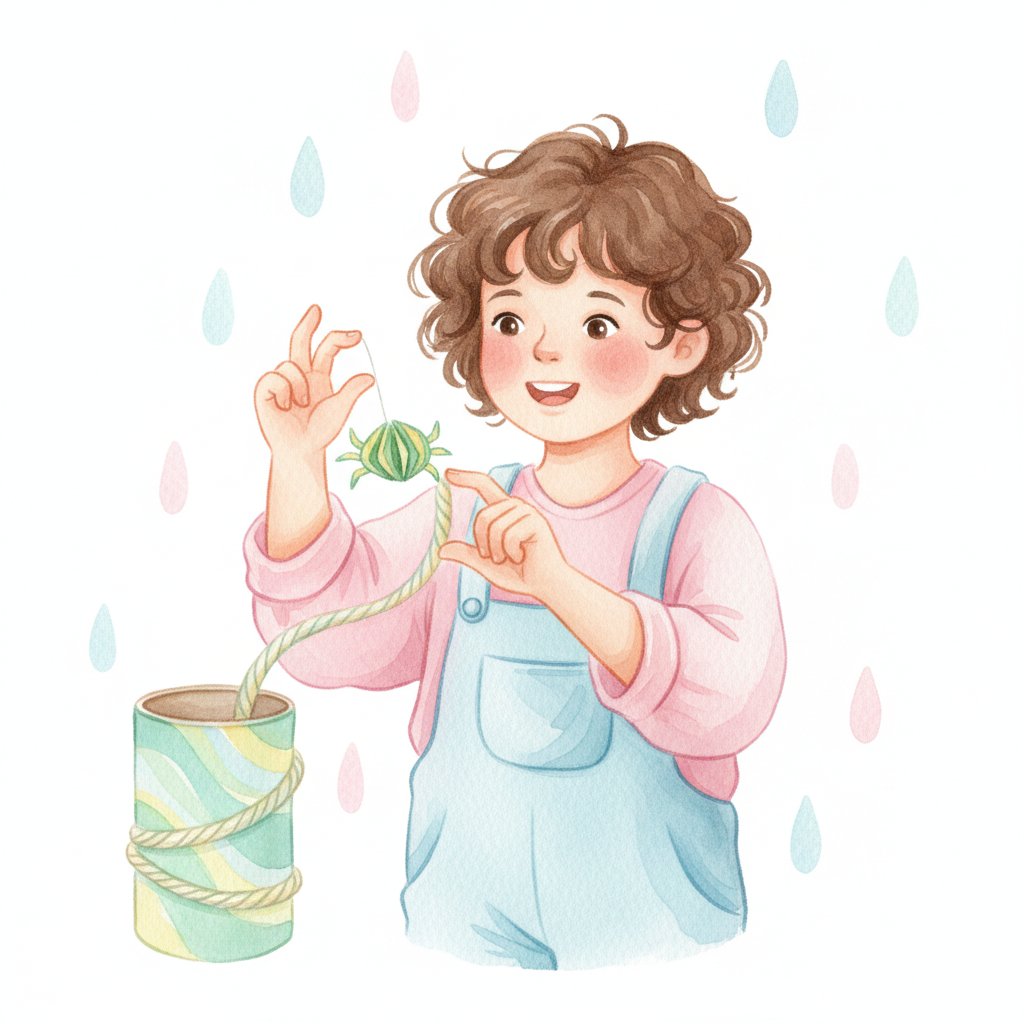
Make a spider from a small paper circle and pipe cleaner legs. Thread yarn through a paper tube (the "waterspout"). Children pull the yarn to make the spider climb up, then let it "wash down." Retell the rhyme while operating the craft.

Materials: Paper, pipe cleaners, paper towel tube, yarn
Time: 15 minutes to make, 5 minutes to play

2. Water Play Extension

Use a real waterspout: a PVC pipe or cardboard tube taped to a sensory bin. Children pour water down the spout while singing. Add a plastic spider. "Down came the rain and washed the spider out!" The sensory experience cements the vocabulary.

Materials: Tube, sensory bin, water, plastic spider
Time: 15 minutes

3. Spider Finger Play

Teach the classic hand motions: thumb-to-index-finger climbing, fingers raining, hand pushing (washing), sun arms circling. Children learn the motions before the words — the body teaches the language. Add new verses: "The itsy bitsy spider climbed up the kitchen wall..."

Materials: None
Time: 3-5 minutes

Humpty Dumpty Activities

4. Egg Shell Craft

Hard-boil eggs. Children draw Humpty Dumpty faces on them with markers. Recite the rhyme, then "drop" Humpty (tap the shell to crack it). Can they put him together again? Tape, bandages, glue — nothing works. "All the king's horses and all the king's men couldn't put Humpty together again." The activity teaches the meaning of the rhyme through experience.

Materials: Hard-boiled eggs, markers
Time: 10-15 minutes

5. Wall Building Challenge

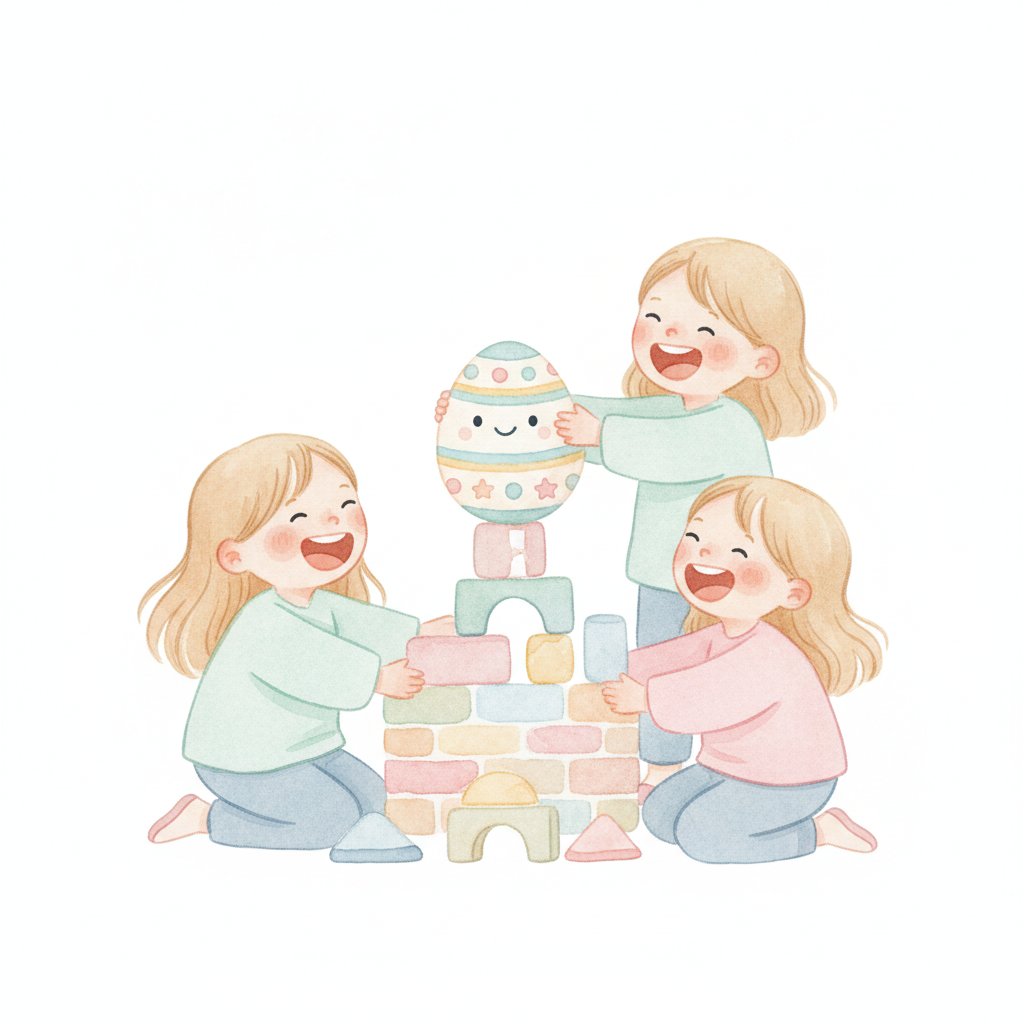
Build "walls" from blocks, Legos, or cardboard boxes. Place a toy figure (Humpty) on top. How high can you build before Humpty falls? Count the blocks. This is engineering disguised as nursery rhyme play.

Materials: Building blocks, small toy figure
Time: 15 minutes

6. Sequencing Cards

Create or print four cards: (1) Humpty sitting on the wall, (2) Humpty falling, (3) Humpty broken on the ground, (4) King's men looking sad. Children arrange in order. Sequencing is a core comprehension skill — this activity builds it with a familiar story.

Materials: Printed sequencing cards
Time: 5 minutes

For more sequencing practice, see our days of the week activities.

Jack and Jill Activities

7. Pail Relay Race

Set up a "hill" (a ramp or stacked cushions). Children take turns carrying a small pail of water (or cotton balls for indoor play) up the hill and back. "Jack fell down and broke his crown" — if they drop the pail, they sit down and the next child goes. Physical activity + rhyme recitation.

Materials: Small pails, cotton balls or water, ramp/cushions
Time: 10-15 minutes

8. Crown Making

"Broke his crown" — but what IS a crown? Make paper crowns with gem stickers. Children learn the word "crown" by making one. Wear them while reciting the rhyme.

Materials: Construction paper, tape, stickers
Time: 15 minutes

Hey Diddle Diddle Activities

9. Animal Sort

The rhyme mentions: cow, dog, cat, dish, spoon, moon. Sort them: real animals vs. not animals. Things that jump vs. things that don't. Things in the sky vs. things on the ground. One rhyme, multiple sorting activities.

Materials: Picture cards for each item
Time: 5-10 minutes

For more sorting ideas, see our sorting activities guide.

10. Jump Over the Moon

Place a paper moon on the floor. Children take turns jumping over it: "The cow jumped over the moon!" Measure how far each child jumps. This is gross motor play + vocabulary ("jumped," "over," "moon") + measurement (how far?).

Materials: Paper moon, measuring tape
Time: 10 minutes

Alphabet flashcards with built-in rhymes — letter learning meets phonological awareness
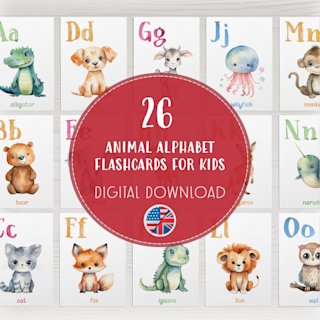
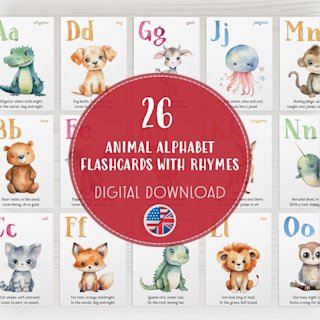
Our Animal Alphabet Flashcards pair each letter with an animal and a rhyme: 'A is for Alligator, snap snap snap! B is for Bear, with a fur-lined cap!' The rhymes make letters memorable and build the phonological awareness that predicts reading success. One deck covers all 26 letters with 26 mini nursery rhymes.
Feelings flashcards for 'when the bough breaks'
Nursery rhymes are full of emotions: Humpty is scared, Jack is hurt, the Itsy Bitsy Spider is determined. Our Feelings Poster Set helps children name the emotions behind the rhymes — building emotional vocabulary alongside literacy skills. 'How do you think Humpty felt when he fell?'
Match the animal, recite the rhyme — flashcard pairs for nursery rhyme time
Our Farm Animals Flashcards include the cow (Hey Diddle Diddle), the sheep (Baa Baa Black Sheep), and the pig (This Little Piggy). Match each animal to its rhyme, sort by which nursery rhymes they appear in, and build animal vocabulary through the stories children already love.

More Rhyme Extensions

11. Baa Baa Black Sheep — Wool Sensory Bin

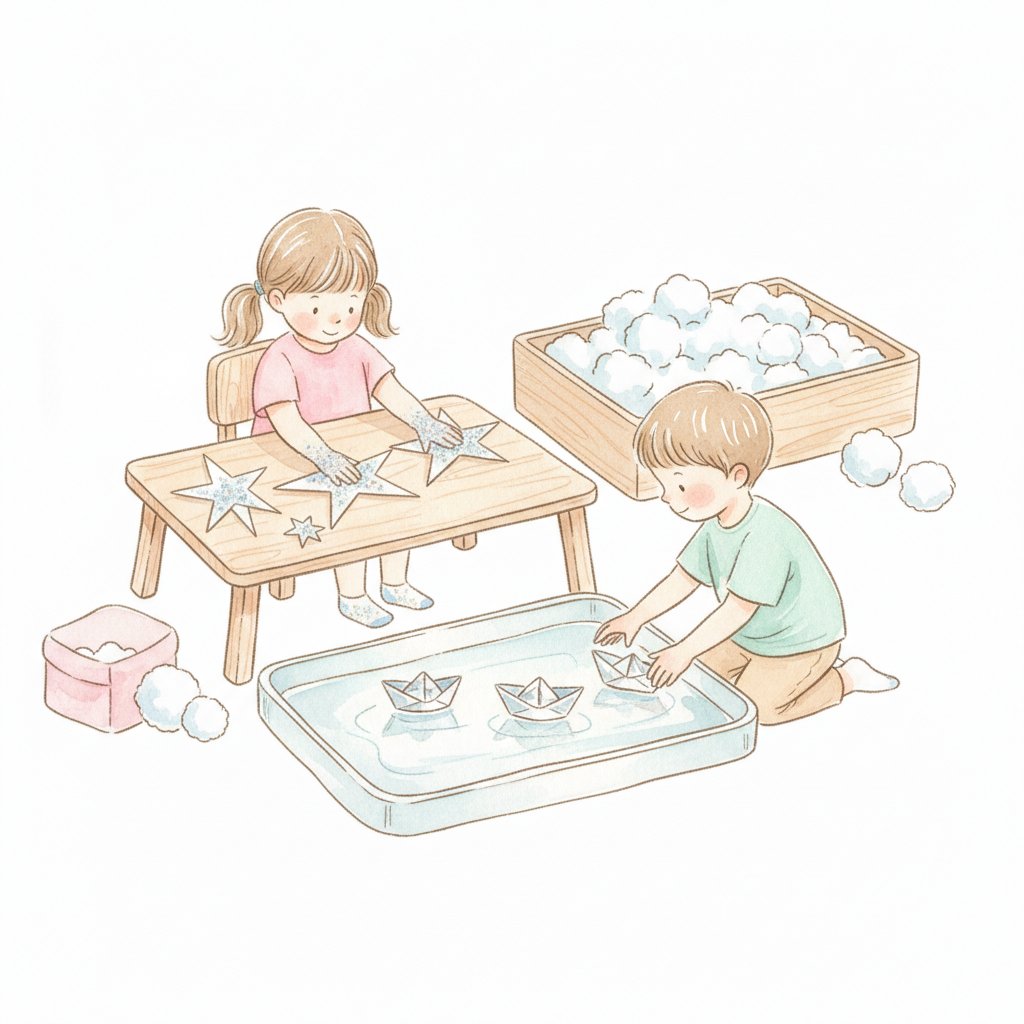
Fill a bin with cotton balls ("wool"). Hide small objects inside. Children dig through the wool, finding items and counting them: "Three bags full — one for the master, one for the dame, one for the little boy." Counting + sensory play + rhyme recitation.

Materials: Sensory bin, cotton balls, small hidden objects
Time: 15 minutes

12. Twinkle Twinkle — Star Craft

Cut star shapes from foil or yellow paper. Children decorate them with glitter, stickers, or markers. Tape to a dark paper "sky." Recite the rhyme while pointing at each star. Extend: "What else twinkles? What else is in the sky?"

Materials: Star cutouts, dark paper, decorating supplies
Time: 15 minutes

13. London Bridge — Building and Falling

Build bridges from blocks, Lincoln Logs, or cardboard. Test them: "London Bridge is falling down!" Push them over. Build again with a different design. Which bridge lasts longest? Engineering + rhymes.

Materials: Building materials
Time: 15 minutes

14. Row Row Row Your Boat — Real Boat Making

Make boats from aluminum foil, corks, or paper. Float them in a water table or bathtub. "Row, row, row your boat..." Which boat floats longest? Which sinks first? Science + rhymes.

Materials: Foil, corks, paper, water table
Time: 15 minutes

15. Ring Around the Rosie — Movement Circle

The classic group game. Hold hands, walk in a circle, "Ashes, ashes, we all fall down!" The falling is the fun part. Extend with new verses: "The cows are in the meadow, eating buttercups!" Movement + social play + rhymes.

Materials: None (group activity)
Time: 5 minutes

Phonological Awareness Extensions (Ages 3+)

16. Rhyme Replacement

Change the rhyming words: "Itsy Bitsy Spider climbed up the CHAIR. Down came the rain and washed it WHERE?" Children supply new rhymes. The sillier the better. This teaches that rhyming is about sound, not meaning.

Time: 5 minutes

17. Rhyme or Not?

Say two words: "Cat... Hat. Do these rhyme? YES." "Cat... Dog. Do these rhyme? NO." Children vote with thumbs up or down. Start easy, then use near-rhymes: "Cat... Cap. Rhyme or not?" Near-rhymes teach children to listen carefully.

Time: 3-5 minutes

18. Clap the Syllables

"Hump-ty-Dump-ty. Let's clap it!" Hump (clap) ty (clap) Dump (clap) ty (clap). Four claps, four syllables. Count the syllables in character names: Jack (1), Jill (1), Humpty (2), Dumpty (2), Mary (2), Contrary (3). Syllable counting is a phonological awareness skill that directly supports decoding.

Time: 3-5 minutes

19. Missing Word

"Hickory Dickory DOCK, the mouse ran up the..." Pause. Children fill in: "CLOCK!" Removing the last word forces children to listen actively and recall from memory. Increase difficulty by removing words from the middle.

Time: 3-5 minutes

For more phonological awareness activities, see our beginning reading activities and phonics worksheets guide.

20. Create Your Own Rhyme

"Let's make up a new nursery rhyme! There was a little _ who sat on a _." Children fill in rhyming pairs: cat/mat, dog/log, bug/rug. Creating rhymes is harder than identifying them — it's the highest level of phonological awareness before reading begins.

Time: 5-10 minutes

Tips for Teaching Nursery Rhymes
For Parents

Start with 5-6 rhymes and learn them deeply. Don't try to teach 20 rhymes at once. Pick 5-6 classics, repeat them daily for a month, and let children truly know them by heart. Deep knowledge of a few rhymes builds stronger phonological awareness than shallow exposure to many.

The best nursery rhyme time is bedtime. Rhymes are calming, rhythmic, and predictable — perfect for the transition to sleep. Make 2-3 rhymes part of the bedtime routine. Our morning routine visual schedule can include a "rhyme time" card.

Don't worry about meaning right away. "All the king's horses and all the king's men" makes no sense to a 2-year-old. That's fine. The sound pattern comes first; the meaning comes later. Children learn the rhythm before the semantics, and that's developmentally appropriate.

For Classroom Teachers

Nursery rhyme of the week:

  • Monday: Introduce the rhyme (teacher models, children echo)
  • Tuesday: Add motions or actions
  • Wednesday: Extension activity (craft, sequencing, sorting)
  • Thursday: Phonological awareness focus (rhyming, syllables, missing words)
  • Friday: Performance (children recite independently)

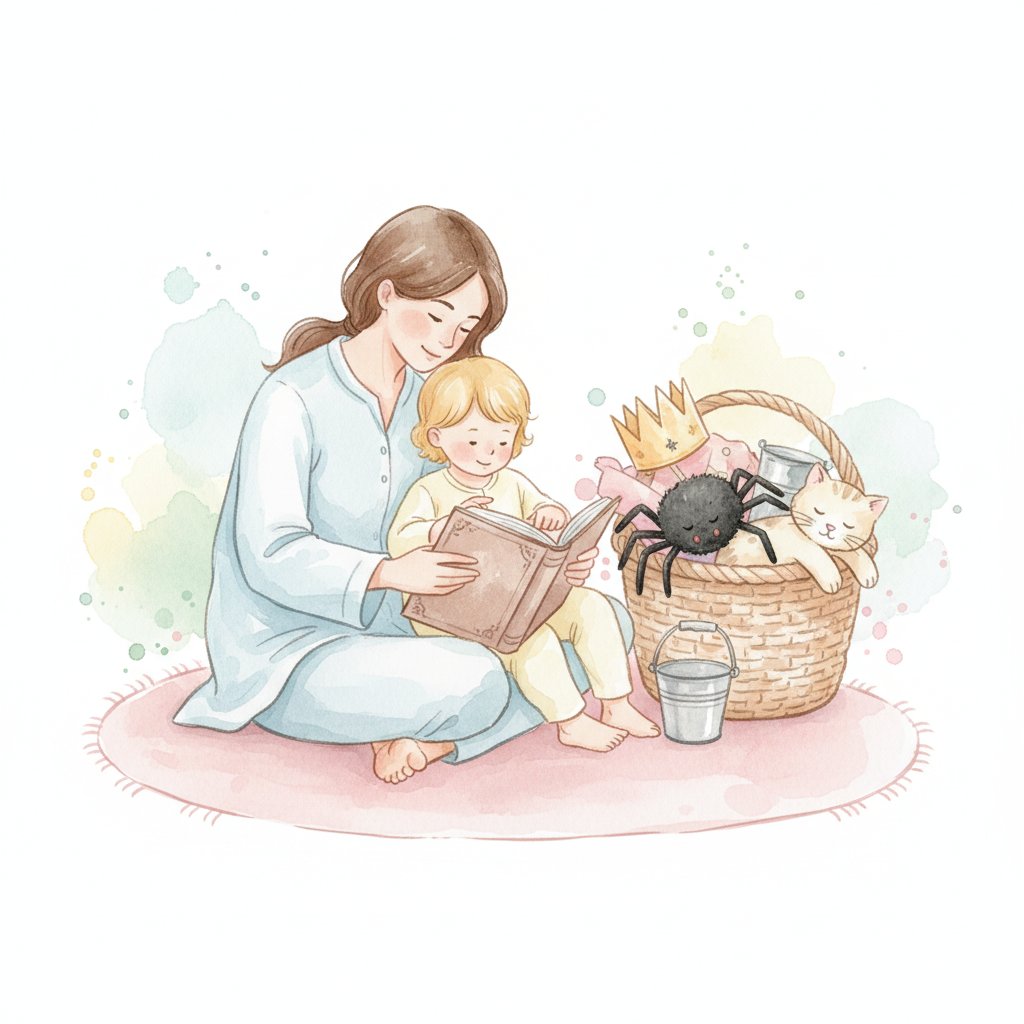
Nursery rhyme center: Keep a basket with rhyme props — a plastic spider, a paper crown, a small pail, a toy cat and fiddle. Children choose props and act out rhymes independently. Prop play deepens comprehension and builds narrative skills.

For more classroom ideas, see our circle time activities and classroom decor ideas.

Frequently Asked Questions

What age should children start learning nursery rhymes?

From birth. Babies respond to rhythm and repetition long before they understand words. By 6 months, many babies calm when they hear familiar rhymes. By 12-18 months, they try to join in. By 2-3, they can recite simple rhymes independently.

Which nursery rhymes should I teach first?

Start with simple, action-oriented rhymes:

  1. Itsy Bitsy Spider (hand motions)
  2. Twinkle Twinkle Little Star (hand motions)
  3. Row Row Row Your Boat (rocking motion)
  4. Ring Around the Rosie (group movement)
  5. Humpty Dumpty (dramatic falling)

These five cover the most common phonological patterns and are the easiest to memorize.

Are nursery rhymes still relevant?

Absolutely. Some rhymes have outdated elements, but the phonological benefits are timeless. The rhythm, rhyme, repetition, and vocabulary are the same literacy builders they've always been. Modern alternatives (songs, raps, chants) work too — the key is rhyme and rhythm.

How do nursery rhymes help with reading?

Three ways: (1) Phonological awareness — hearing and manipulating sounds, the #1 predictor of reading success. (2) Vocabulary — rhymes introduce rare words. (3) Print concepts — rhymes show that spoken language has structure (beginning/middle/end, rhythm, pauses) that maps onto print.

For more early literacy support, explore our letter recognition activities and sight word activities.