Big and Small, Fast and Slow: How Opposites Build Vocabulary
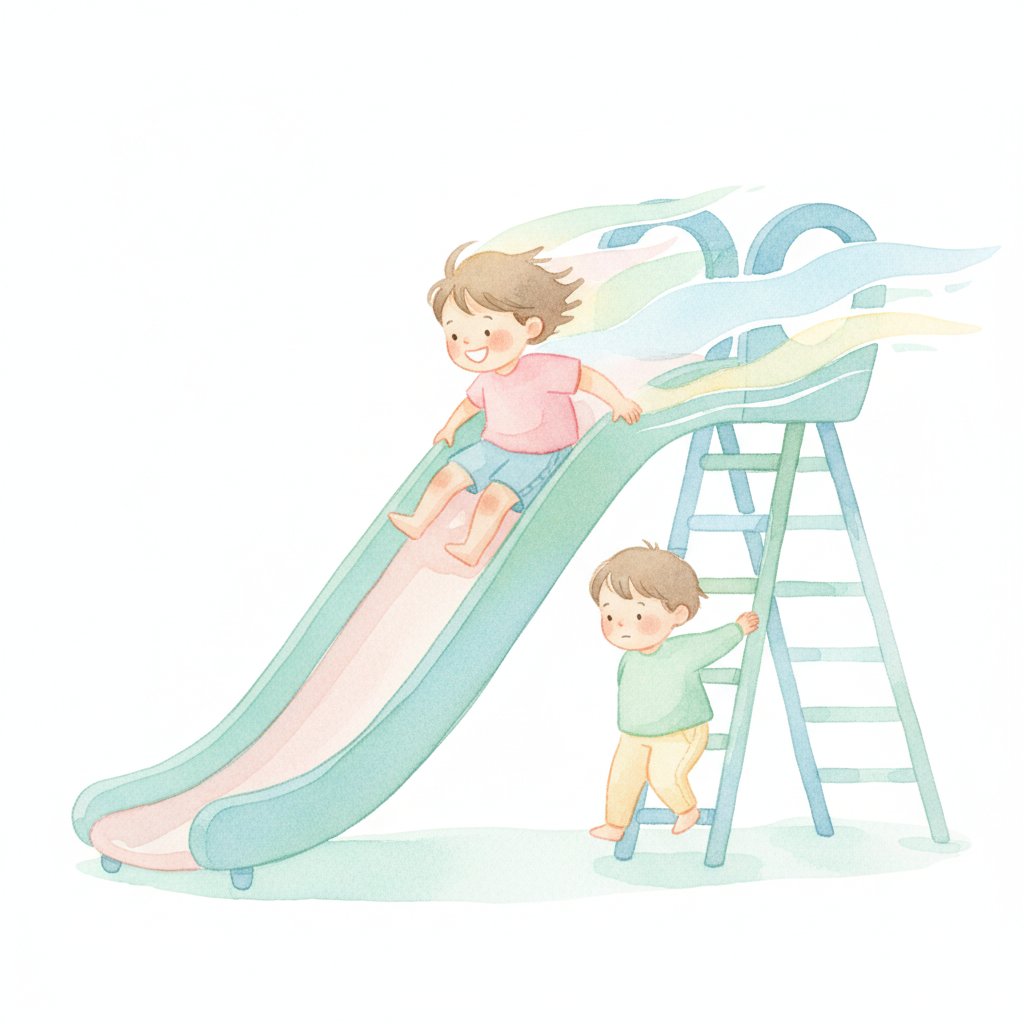
My three-year-old stood at the top of the slide. "I'm going to go FAST!" She slid down. Then she climbed back up. "Now I'm going to go SLOW." She inched down millimeter by millimeter, grinning the entire time. She had just discovered opposites — not through a worksheet, but through her body.
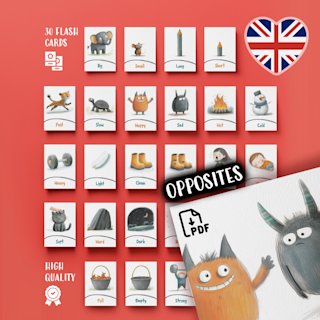
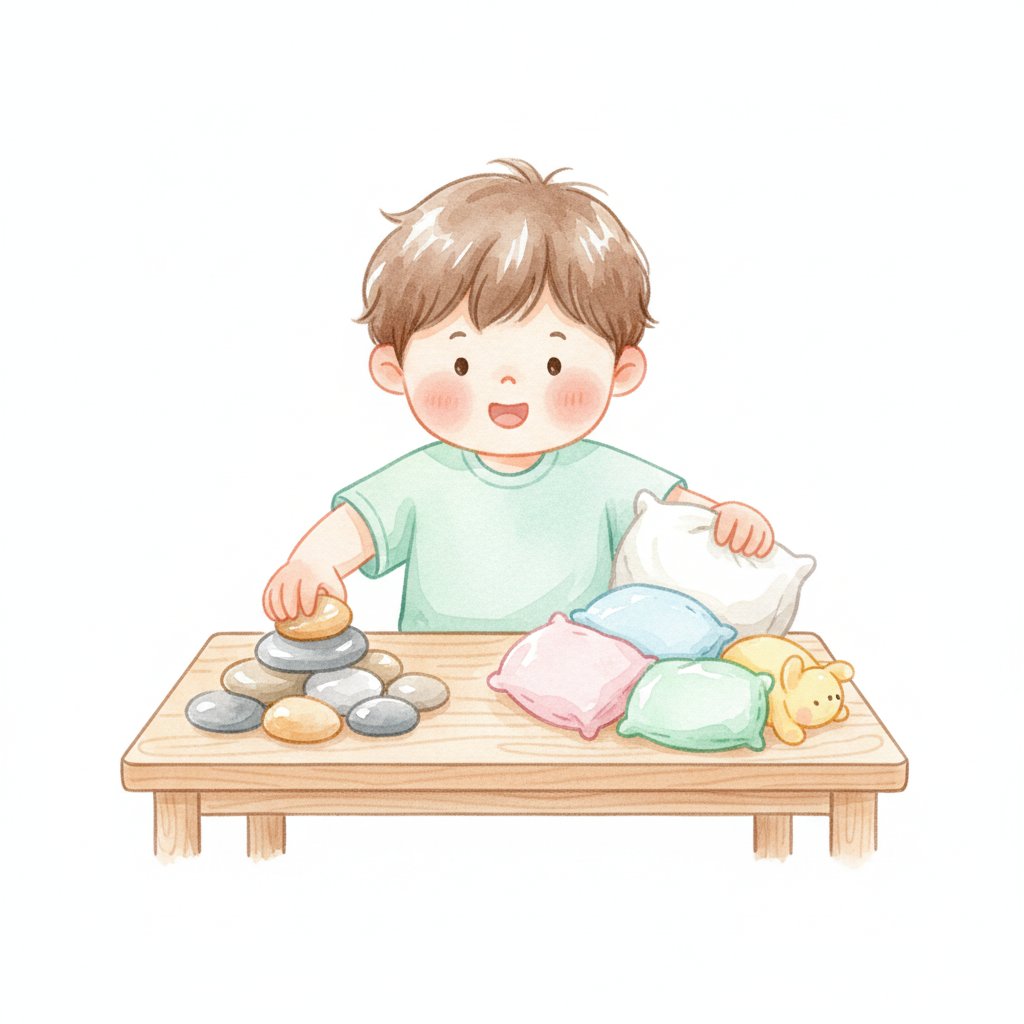
Opposites are one of the first abstract concepts children learn. Understanding that things can be big OR small, hot OR cold, loud OR quiet requires comparing two states and recognizing them as endpoints on a spectrum. This comparative thinking is foundational for vocabulary development, critical thinking, and early math (greater than / less than).
According to research published in Child Development, children who learn words in contrasting pairs (big/small, hot/cold) learn them 40% faster than children who learn the same words in isolation. The brain encodes paired concepts together — learning "big" actually helps the brain learn "small."
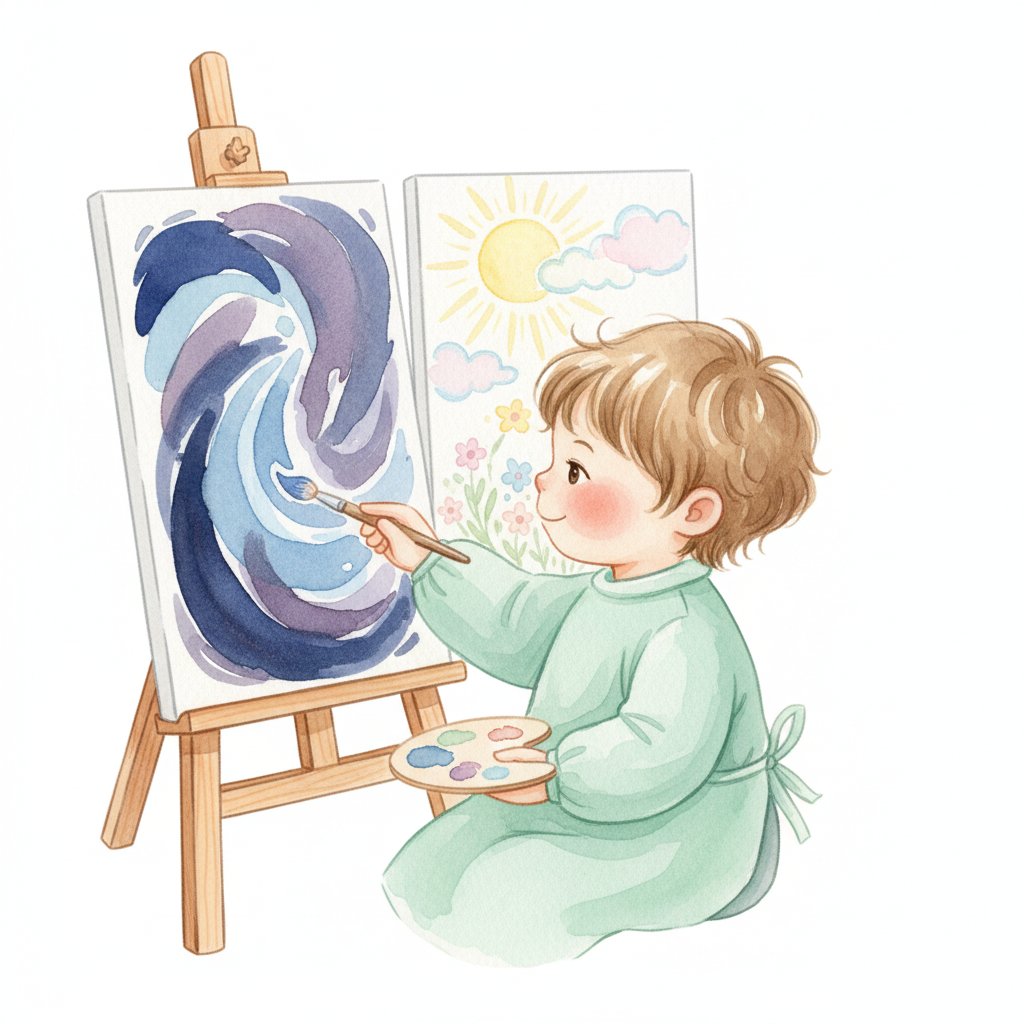
This guide covers 20+ opposite activities for ages 3-6, organized by approach: movement, sorting, art, books, and everyday routines. Pair it with our vocabulary activities for broader language development and our sorting activities for classification practice.