The Heavy/Light Line That Taught Physics
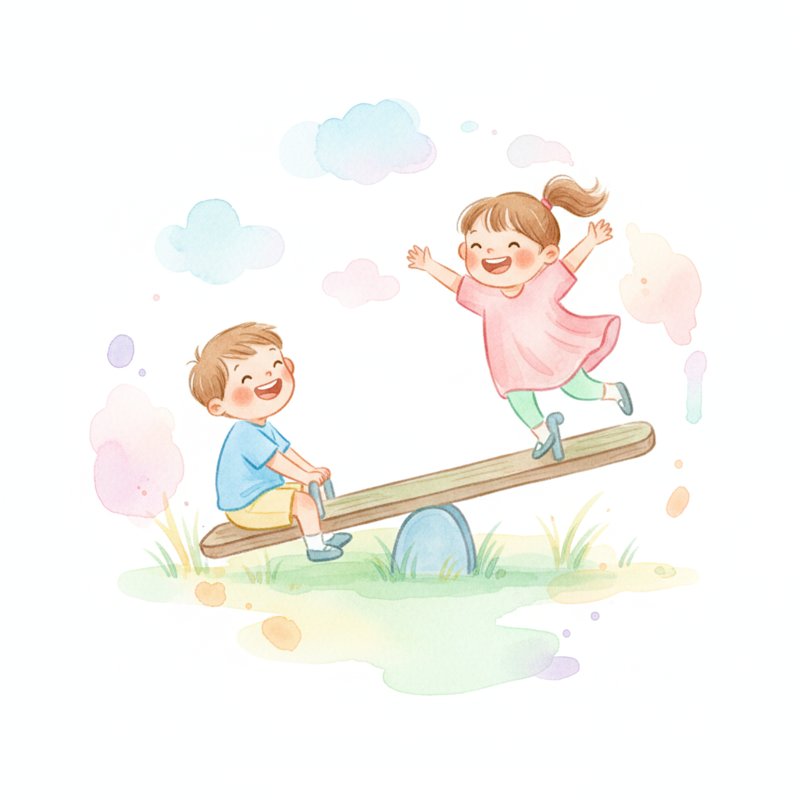
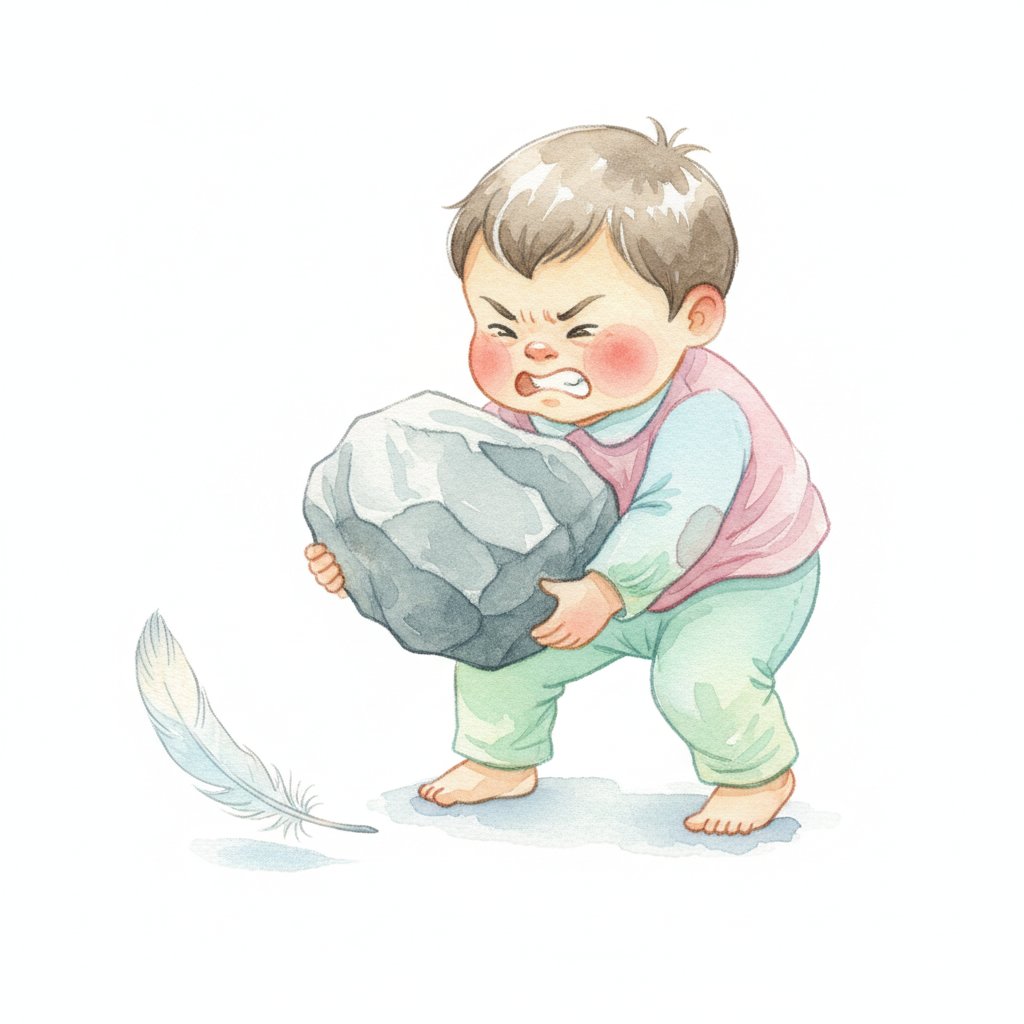
I drew a line on the floor with tape and placed a basket of objects beside it. "Heavy things go on THIS side, light things go on THAT side." Children picked up each object, hefted it, and made their decision. A rock: HEAVY. A feather: LIGHT. A shoe: HEAVY. A crayon: LIGHT. Then came the debate: "Is a book heavy or light?" "HEAVY!" "No, I can hold it with one hand — it's LIGHT!" The disagreement was the best part — because it meant children were THINKING about the concept, not just sorting mindlessly. Opposites aren't just vocabulary — they're the foundation of critical thinking. Understanding "heavy" requires understanding "light." You can't have one without the other.
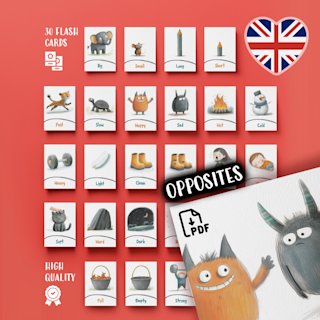
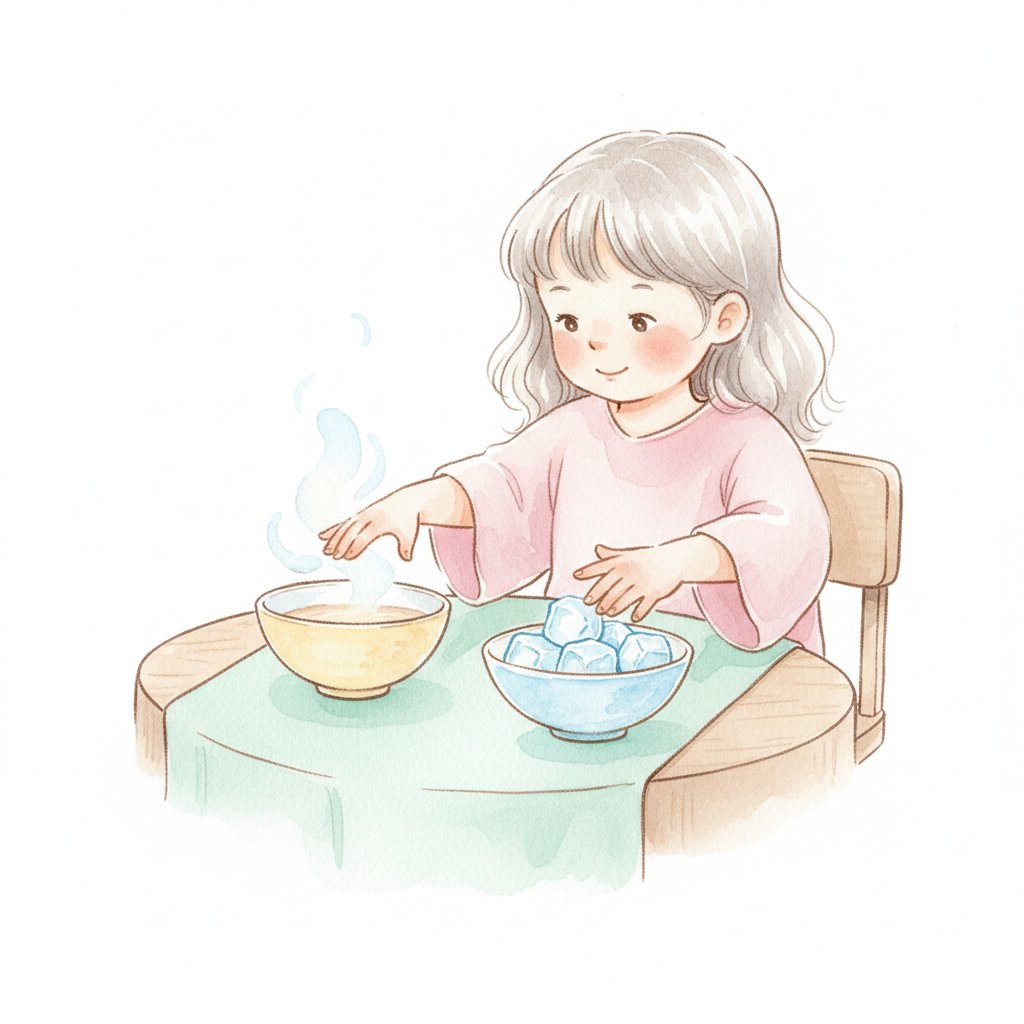
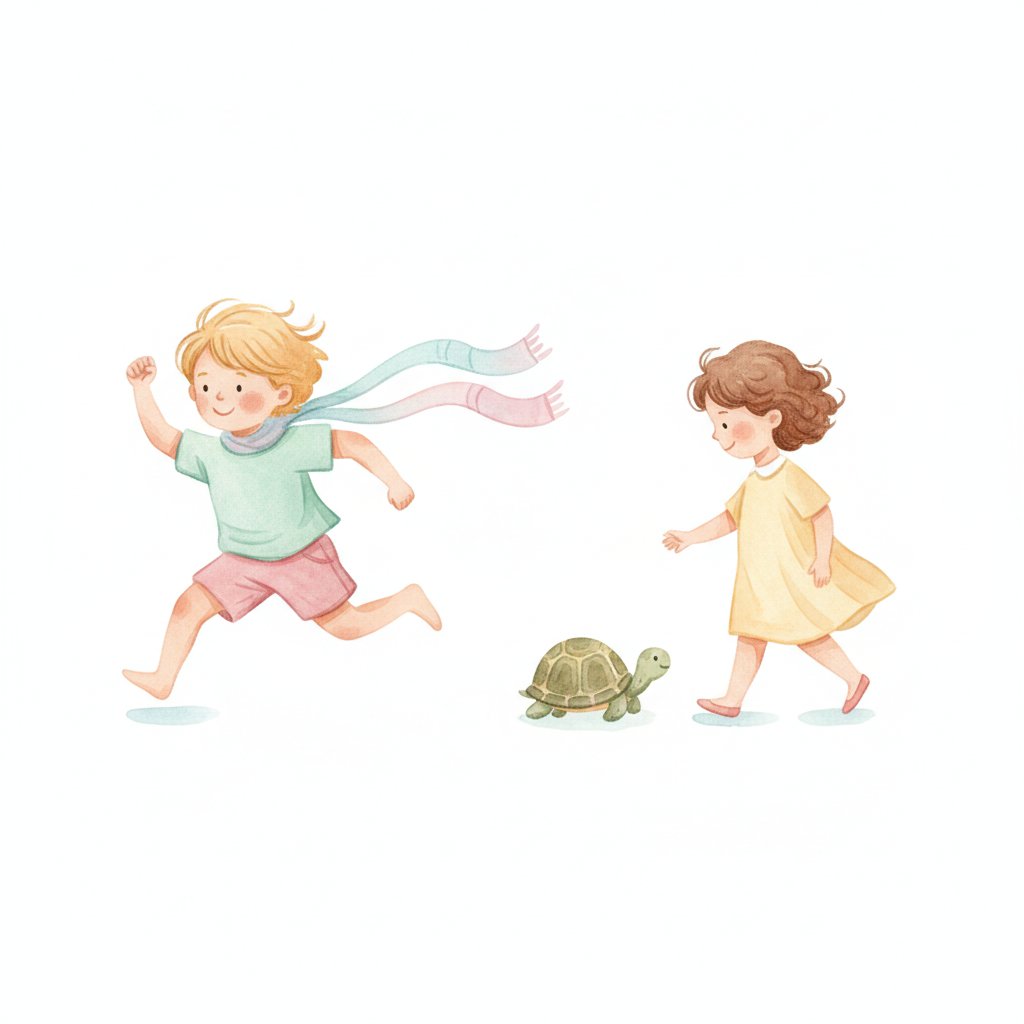
Research in cognitive development shows that learning opposites strengthens categorical thinking, comparative reasoning, and vocabulary depth. Each opposite pair creates a mental framework: hot/cold, big/small, loud/quiet, up/down, fast/slow. These frameworks organize children's understanding of the entire world.
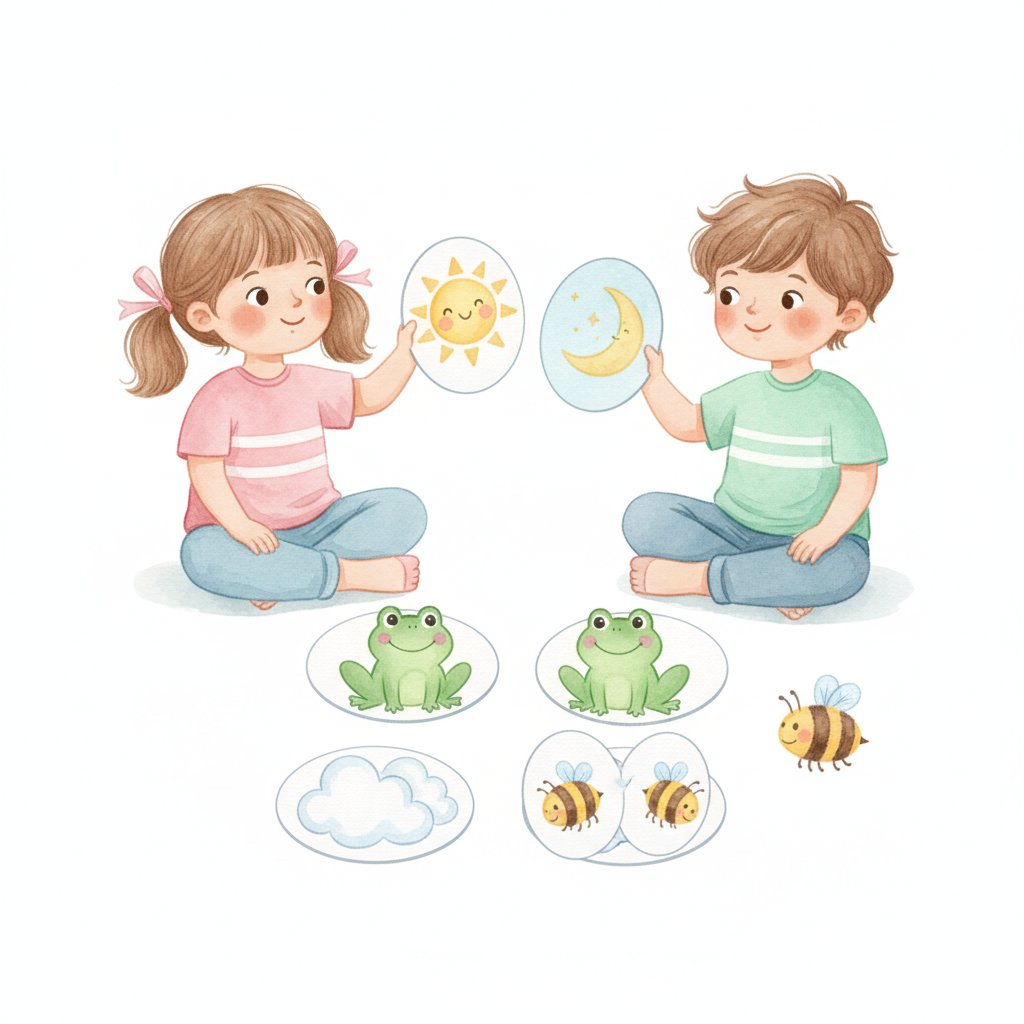
This guide covers 20+ opposites and contrast activities for ages 3-6. Pair it with our antonyms guide for more opposite word activities and our sorting guide for classification practice.