Articles7 min read

Is There a Doctor in the House — for Animals?

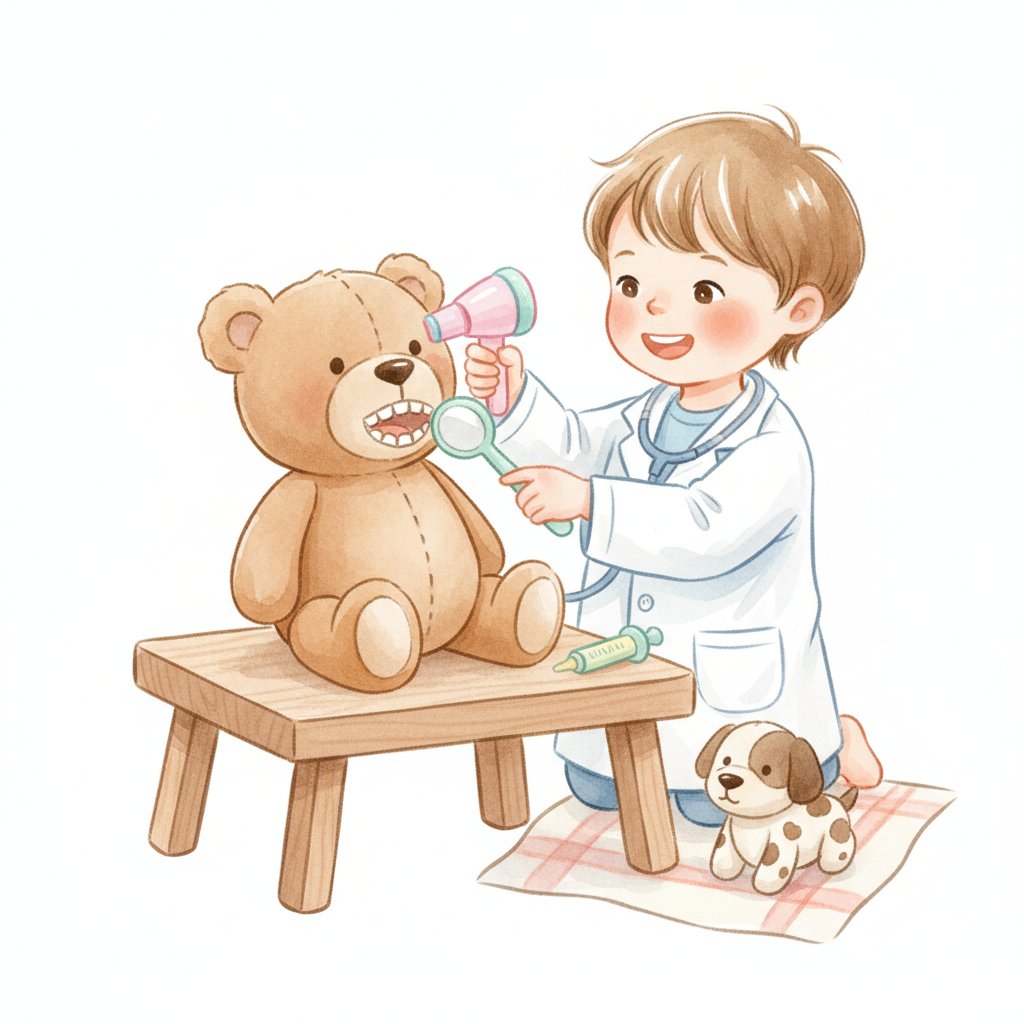
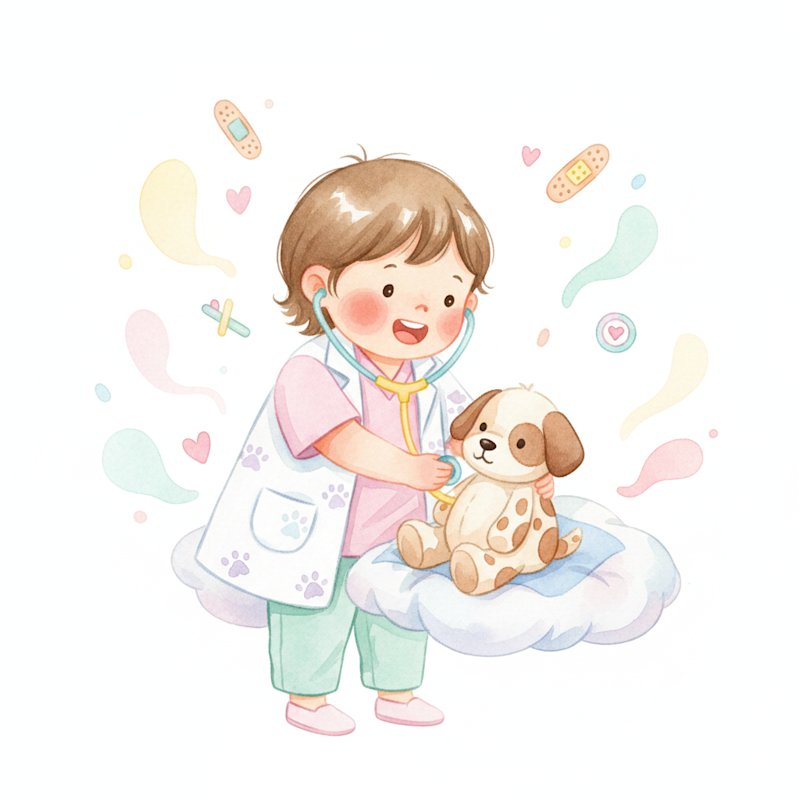
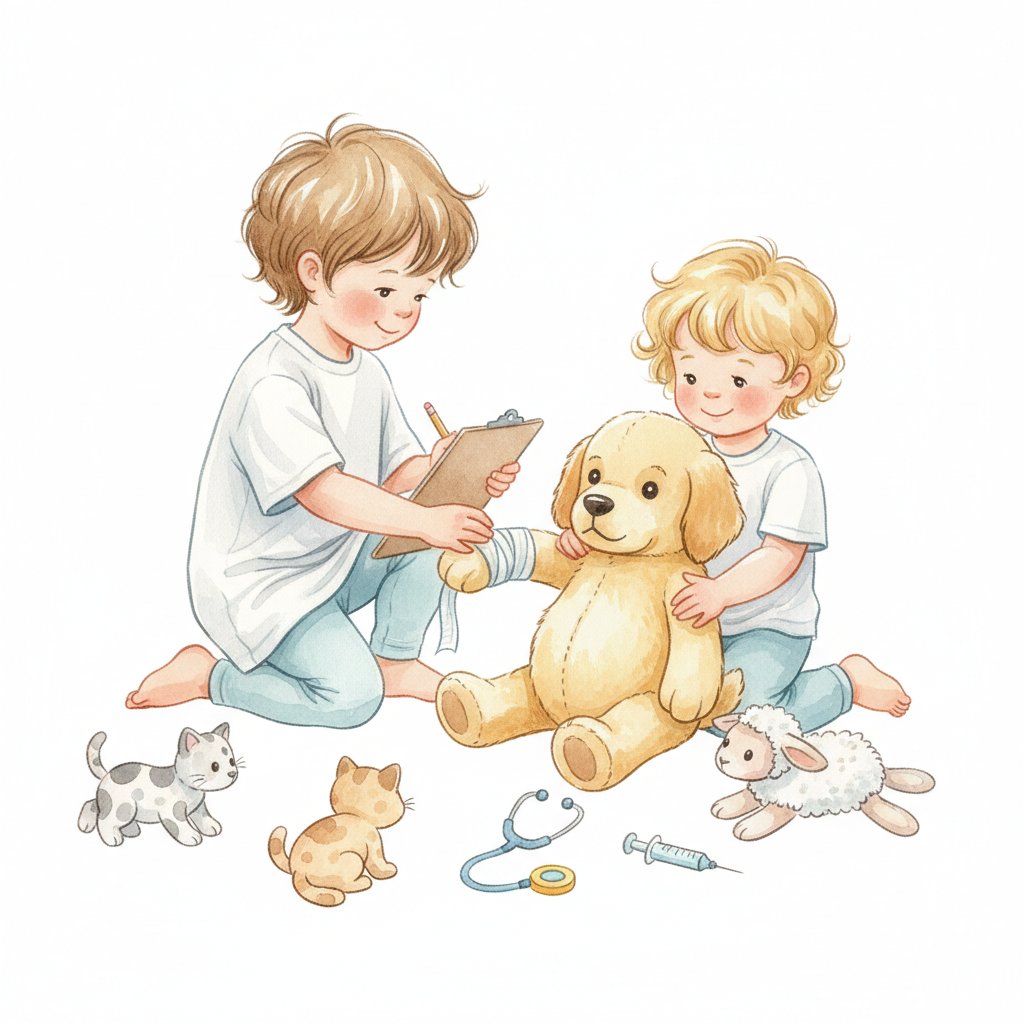
"NEXT patient!" called five-year-old Olivia, adjusting her toy stethoscope and consulting the clipboard. A four-year-old walked in carrying a stuffed golden retriever with a bandage wrapped around its paw. "What seems to be the problem?" Olivia asked professionally. "He hurt his paw playing at the park," said the owner. "Let me take a look." Olivia examined the paw carefully. "It is not broken, but it needs a NEW bandage and REST. No running for three days. Give him his medicine every morning after breakfast." She wrapped a fresh bandage, handed over a prescription (a sticker on a notecard), and added: "He also needs his SHOTS. Has he had his check-up this year?" By the time the appointment ended, Olivia had practiced empathy, listening, following a procedure, writing (the prescription), and speaking professionally. She thought she was playing vet. She was actually practicing every skill a real veterinarian uses — scaled down to preschool size.

According to the American Veterinary Medical Association, veterinary-themed play develops empathy for animals, understanding of health and wellness, responsibility through caretaking, sequencing through medical procedures, and communication through the doctor-patient interaction. Children who practice caring for animals develop stronger prosocial behavior.
This guide covers 20+ pet care and vet activities for ages 3-6. Pair it with our animals guide for animal science and our health guide for human health connections.
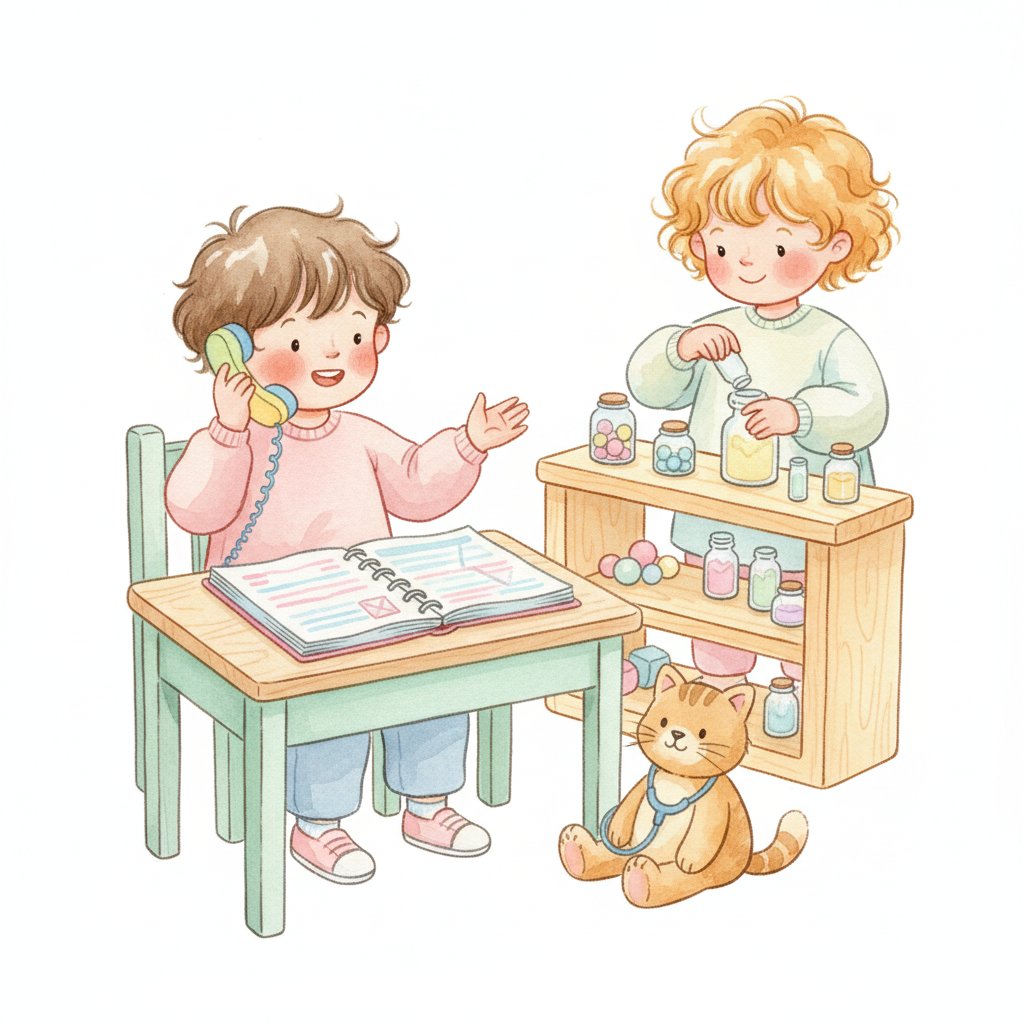
Setting Up the Vet Clinic (Ages 3-6)

1. Waiting room
Materials: Chairs, magazines, sign-in sheet.

What to do: "Set up the waiting room: chairs for the pet owners, a sign-in sheet (NAME and PET NAME), and some animal magazines. The receptionist says: 'The doctor will see you shortly!'" The waiting room teaches organizational skills and print awareness. For more dramatic play, see our pretend play guide.

Why it works: Pet care activities work because most children either HAVE a pet or WANT one. The desire to care for an animal is INNATE — children naturally nurture stuffed animals, feed pretend pets, and worry when an animal is hurt. This natural empathy makes vet and pet care play deeply engaging. The vet clinic teaches SEQUENCING: sign in, wait, see the doctor, get examined, receive treatment, pay, go home. It teaches EMPATHY: how does the animal feel? Is it scared? Does it hurt? It teaches RESPONSIBILITY: pets need food, water, exercise, grooming, and doctor visits. Every child wants to be the hero who helps the animal, and every role in the clinic gives them that opportunity.

2. Exam room
Materials: Table, toy stethoscope, toy thermometer, bandages.

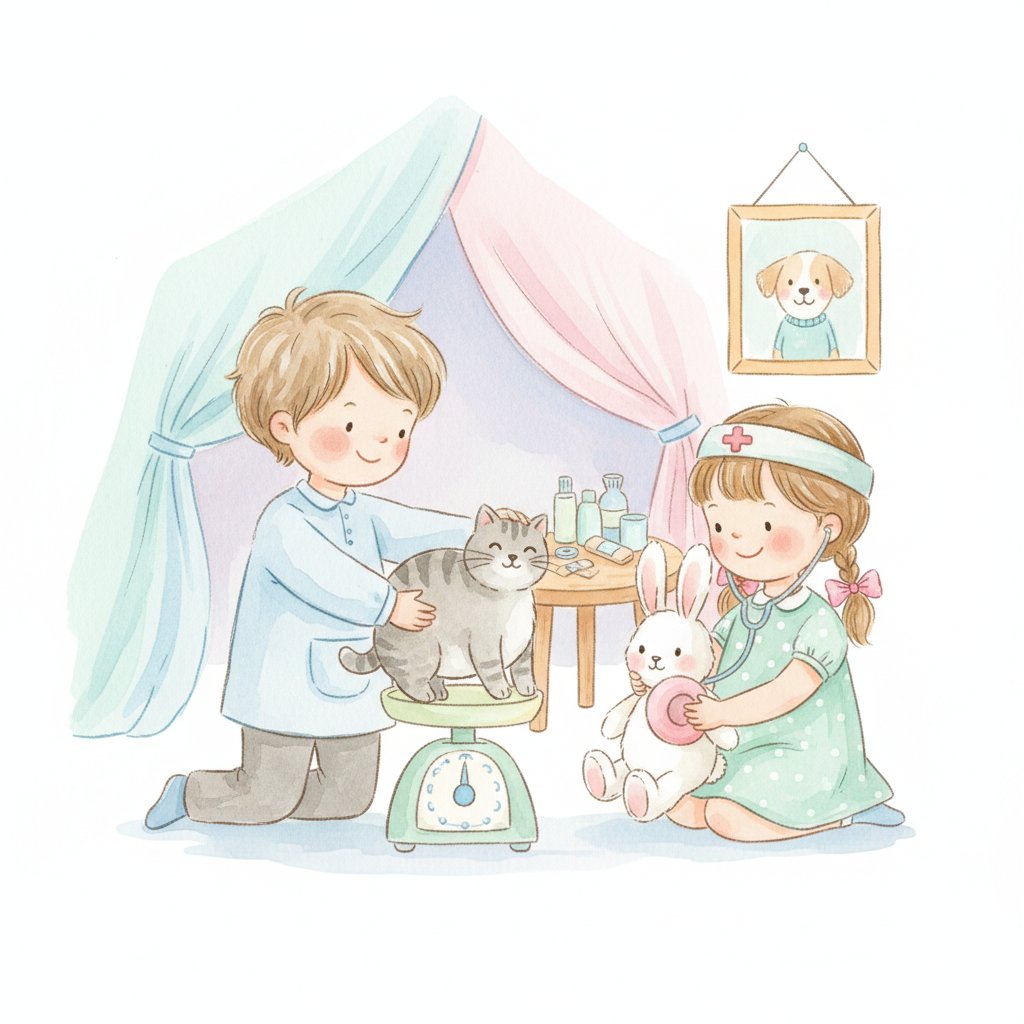
What to do: "The exam room has everything the vet needs: stethoscope for listening to the heart, thermometer for taking temperature, bandages for cuts, and a scale for weighing the patient. The vet examines each pet from HEAD to TAIL." The exam room teaches body parts and health procedures. For more body parts, see our body guide.

3. Reception desk
Materials: Desk, phone, appointment book, play money.

What to do: "The receptionist answers the phone: 'Thank you for calling the Pet Care Clinic. What is your pet's name? What is the problem? OK, your appointment is at 10:00.' Write it in the book!" The reception desk teaches phone skills and scheduling. For more communication, see our conversation guide.

4. Pharmacy station
Materials: Small bottles, labels, stickers.

What to do: "The vet writes a PRESCRIPTION. The pharmacist fills it: put a sticker on the bottle that says 'Give one spoonful every morning.' The medicine is grape juice (pretend)!" The pharmacy teaches following instructions and symbolic representation. For more sequencing, see our routine guide.

5. Grooming station
Materials: Brushes, combs, towels, plastic tub.

What to do: "The groomer BRUSHES the fur, WASHES the pet in the tub, DRIES with a towel, and TRIMS the nails (with pretend clippers). Every pet needs grooming to stay HEALTHY and HAPPY!" The grooming station teaches self-care parallels. For more hygiene, see our health guide.

Which farm animals make good pets?
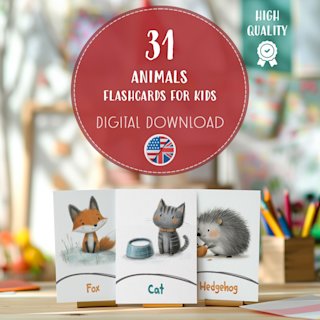
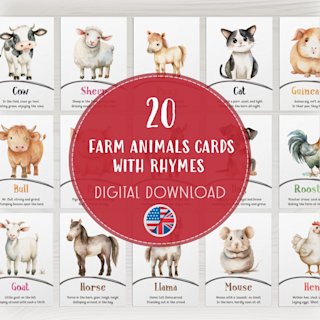
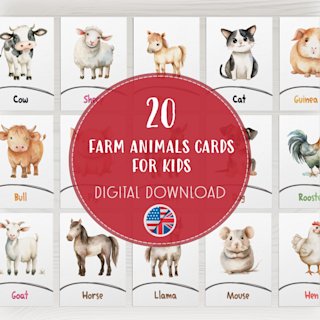
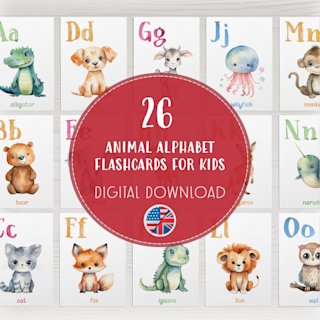
Our Farm Animals Flashcards become a pet suitability sort: 'Can you keep a CHICKEN as a pet? YES — people keep chickens in backyards for eggs! Can you keep a COW as a pet? NOT REALLY — they need too much space and food. Can you keep a RABBIT? YES — rabbits are popular house pets! Can you keep a GOAT? MAYBE — some people have pet goats!' Sort the cards: MAKES A GOOD PET vs. TOO BIG FOR A HOUSE. Discuss: 'What makes an animal a good pet? Size, temperament, how easy it is to feed, how much space it needs.' The flashcards teach that the difference between a FARM animal and a PET is about PRACTICALITY, not the animal itself. Same creature, different context. Twelve animals, two categories, one lesson about making responsible choices.

Pet Care Activities (Ages 3-6)

6. Pet feeding schedule
Materials: Chart with pictures of foods, clock.

What to do: "Pets eat at the SAME TIME every day. Breakfast at 8:00, lunch at 12:00, dinner at 5:00. Set the clock and feed the pet when the hand points to the right number." The feeding schedule teaches time concepts and routine. For more routines, see our routine guide.

7. Pet walking
Materials: Stuffed animals on leashes (yarn).

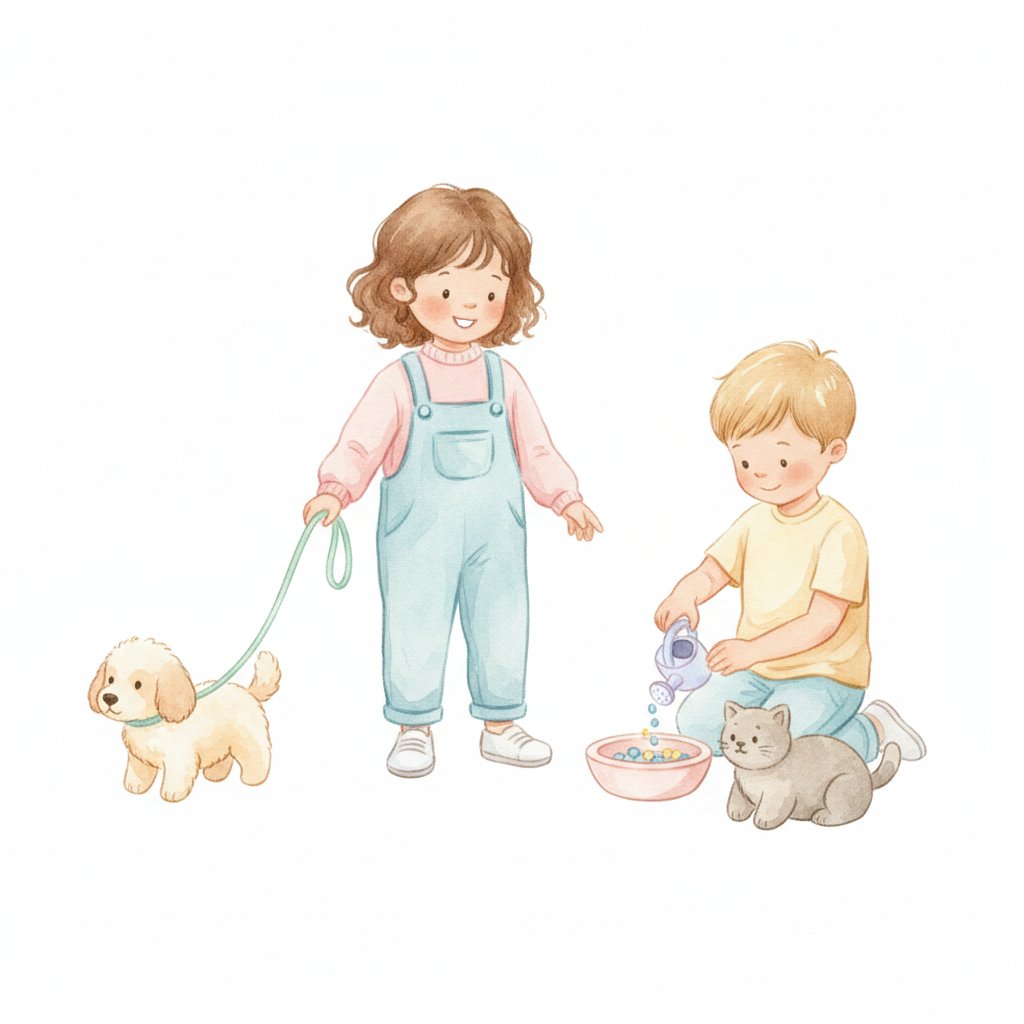
What to do: "Walk your pet around the room. Dogs need EXERCISE every day — at least two walks! Count your steps: 1, 2, 3... how many steps does it take to walk around the room?" The pet walking teaches physical activity and counting. For more counting, see our number guide.

8. Pet bed making
Materials: Cardboard box, fabric, cotton balls.

What to do: "Every pet needs a BED. Line the box with soft fabric and cotton balls. Make it COZY. Where should it go? Not near the door — drafts! Not near the food — that's the dining area!" The pet bed teaches spatial reasoning and comfort awareness. For more spatial, see our map guide.

9. Pet training school
Materials: Treats (counters or stickers), stuffed animals.

What to do: "Teach your pet a TRICK: sit, shake, roll over. Use treats as rewards. Every time the pet does the trick, give ONE treat and say 'Good pet!' How many tries does it take?" The training school teaches patience, repetition, and positive reinforcement. For more patience, see our self-regulation guide.

10. Pet adoption center
Materials: Stuffed animals, adoption certificates.

What to do: "Welcome to the Pet Adoption Center! Pick a pet. Fill out the ADOPTION CERTIFICATE: your name, the pet's name, and a promise to take care of it. Sign your name!" The adoption center teaches commitment and form-filling. For more community roles, see our community helpers guide.

How does your pet feel?
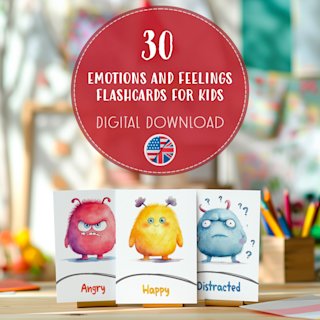
Our Emotions Flashcards become pet emotion cards: 'Your dog is HAPPY — wagging tail, bouncing, wanting to play. Your cat is SCARED — hiding under the bed, ears flat. Your rabbit is ANGRY — thumping its foot, flattening its ears. Your bird is SAD — not singing, sitting quietly at the bottom of the cage.' Children pick an emotion card and act out how their pet behaves. Then they decide: 'What does the pet NEED right now?' The happy dog needs PLAY. The scared cat needs a SAFE SPACE. The angry rabbit needs to be LEFT ALONE. The sad bird needs COMPANY. The flashcards teach that animals have FEELINGS just like people — and that part of being a good pet owner is READING those feelings and responding with care. Twelve emotions, twelve animal responses, one lesson in empathy.

Vet Role-Play Activities (Ages 3-6)

11. Health check-up
Materials: Stuffed animals, doctor kit.

What to do: "Bring your pet for a CHECK-UP. The vet listens to the heart, looks in the ears, checks the teeth, feels the tummy, and checks the eyes. Is everything OK? Write the results on the chart." The check-up teaches systematic examination. For more body parts, see our body guide.

12. X-ray station
Materials: Black paper, white chalk, animal x-ray pictures.

What to do: "Look at the X-ray — can you see the BONES? Draw an x-ray of your pet's leg: one long bone (femur), one shorter bone (tibia), and tiny bones in the paw. That is what is INSIDE your pet!" The x-ray station teaches skeletal anatomy. For more science, see our science guide.

13. Surgery center
Materials: Stuffed animals with Velcro openings, toy instruments.

What to do: "The pet needs surgery: a torn stuffing (open the Velcro, add cotton, close it). The vet puts on GLOVES, uses FORCEPS, and stitches (ties a string). The patient is RECOVERING!" The surgery center teaches fine motor and procedural thinking. For more fine motor, see our fine motor guide.

14. Dental care
Materials: Large model of teeth (clay or paper), toothbrush.

What to do: "Pets need DENTAL CARE too! Brush the model teeth. Count the teeth: dogs have 42 teeth, cats have 30. How many do YOU have?" The dental care teaches oral health. For more teeth, see our dental guide.

15. Pet first aid kit
Materials: Box, bandages, gauze, pretend antiseptic.

What to do: "Make a FIRST AID KIT for your pet: bandages for cuts, gauze for wrapping, antiseptic for cleaning. Label each item. Keep it where you can find it in an EMERGENCY!" The first aid kit teaches emergency preparedness. For more safety, see our safety guide.

More Pet Activities (Ages 3-6)

16. Pet supply store
Materials: Toy food, collars, leashes, play money.

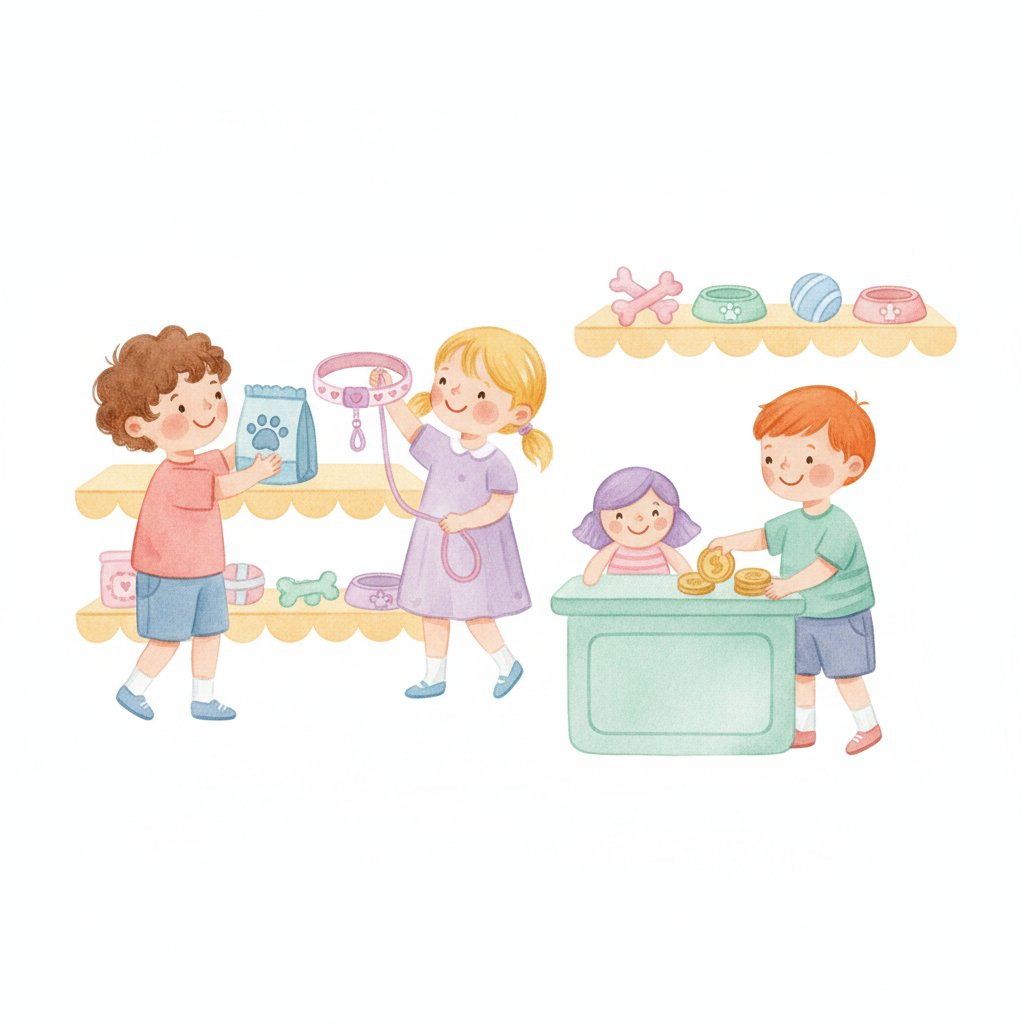
What to do: "Welcome to the Pet Store! Dog food is $2, cat food is $1, a collar is $3, a leash is $2. You have $5. What can you BUY for your new pet?" The pet store teaches budgeting and decision-making. For more money, see our money guide.

17. Pet journal
Materials: Notebook, crayons.

What to do: "Keep a PET JOURNAL: draw your pet every day. Write what it ate, how it played, and how it felt. Today my pet ate breakfast, played ball, and took a nap. It was a HAPPY day!" The pet journal teaches daily recording and reflection. For more writing, see our writing guide.

18. Pet comparison chart
Materials: Chart paper, markers.

What to do: "Compare pets: DOGS bark, CATS meow, FISH swim, BIRDS fly. Dogs need walks, cats need litter boxes, fish need tanks, birds need cages. Which pet is right for YOU?" The comparison chart teaches organizing information. For more comparing, see our opposite guide.

19. Pet safety rules
Materials: Paper, markers.

What to do: "Write the PET SAFETY RULES: always ask before touching someone's pet, be GENTLE, don't grab, don't put your face near an animal you don't know, and NEVER run from a dog — stand STILL." The safety rules teach safety awareness. For more safety, see our safety guide.

20. Pet thank-you card
Materials: Paper, crayons.

What to do: "Your pet helps YOU feel happy and loved. Make a THANK-YOU card for your pet: draw a picture of you together and write 'I love you!' Even pretend pets deserve thanks!" The thank-you card teaches gratitude. For more gratitude, see our manners guide.

Your morning routine AND your pet's morning routine
Our Morning Routine Visual Schedule Cards become a parallel schedule: 'YOUR morning: wake up, brush teeth, get dressed, eat breakfast. YOUR PET'S morning: wake up, go outside, eat breakfast, get fresh water, play.' Place your routine cards on the LEFT and the pet's routine cards on the RIGHT. They happen AT THE SAME TIME. 'When YOU brush your teeth, your pet eats breakfast. When YOU get dressed, your pet goes outside. When YOU eat breakfast, your pet gets fresh water.' The cards teach that responsible pet owners care for their pets AS PART of their own daily routine — not as an afterthought. Pet care is not EXTRA work; it is part of the MORNING, just like brushing your teeth. Eight routine steps, one parallel schedule, one lesson in daily responsibility.
1.How do I handle children who don't have pets at home?
Every child can participate: (1) CLASSROOM PET — a stuffed animal that every child helps care for on rotation. (2) IMAGINARY PET — children who don't have pets can adopt a pretend one and care for it the same way. (3) SHARED PET — children who have pets can bring photos and tell the class about their care routine. (4) COMMUNITY PETS — arrange a visit from a therapy dog, a classmate's guinea pig, or the school's fish tank. The activity is about LEARNING RESPONSIBILITY, not owning an animal. Every child can practice empathy and caretaking with a stuffed animal just as well as with a real one.
2.Is the surgery activity too scary for young children?
Keep it LIGHT and PLAYFUL: (1) Use STUFFED animals with Velcro openings — no blood, no needles, no real medical tools. (2) The 'surgery' is adding COTTON stuffing to a thin stuffed animal. (3) Use PLAY instruments: plastic tongs, string for 'stitches,' and stickers for 'medicine.' (4) Frame it positively: 'The vet is HELPING the pet feel BETTER!' (5) Let children opt out — some may prefer to be the receptionist or the pet owner instead. The goal is to teach that doctors (human and animal) HELP, not to simulate real surgery. Keep it gentle, fun, and empowering.
3.What academic skills does the vet clinic teach?
The vet clinic is a CROSS-CURRICULAR learning center: (1) SCIENCE — body parts, health, hygiene, animal biology. (2) MATH — counting pets, measuring medicine, weighing animals, making change at the cash register. (3) LITERACY — writing prescriptions, reading charts, filling out forms, labeling supplies. (4) SOCIAL SKILLS — greeting patients, listening to concerns, showing empathy, communicating treatment plans. (5) FINE MOTOR — wrapping bandages, using tweezers, writing. (6) SEQUENCING — check-in, exam, diagnosis, treatment, follow-up. One dramatic play center covers six subject areas naturally.
4.Can I connect pet activities to real-world experiences?
Absolutely: (1) VET VISIT — invite a real veterinarian or vet tech to visit the classroom with equipment. (2) SHELTER VISIT — arrange a field trip to an animal shelter to see how they care for homeless pets. (3) THERAPY DOG — many organizations bring therapy dogs to schools. Children learn how animals HELP people. (4) PET FOOD DRIVE — collect pet food for a local shelter. This teaches community service. (5) RESPONSIBILITY CHART — children with real pets at home can bring their actual pet care routines to share. Every activity can connect to something happening in your community.