Articles7 min read

The Class Hamster That Taught Responsibility

When our preschool got a class hamster named Cookie, I expected children to enjoy watching him. What I didn't expect was how Cookie would transform the classroom. Children who couldn't sit still for circle time sat motionless while Cookie ate. Children who struggled with empathy gently reminded each other: "Be quiet — Cookie is sleeping!" The weekly "hamster helper" job became the most coveted role. Children learned responsibility not because I taught it, but because a small creature needed them.

According to the American Humane Society, children who interact with animals show higher empathy scores, better emotional regulation, and stronger responsibility habits than peers without animal exposure. Animals teach children to consider another being's needs — which is the foundation of empathy, responsibility, and scientific observation.
This guide covers 20+ animal activities for ages 3-6, organized by type: pet care, animal science, habitat exploration, and animal-themed learning. Pair it with our science experiments guide for more science and our farm animals guide for classification activities.
Pet Care Activities (Ages 3-6)

1. Pet care routine chart
Materials: Paper, markers, pictures.

What to do: Create a visual chart showing pet care tasks: feed, give water, brush, walk, clean cage/tank, play. Assign tasks by day. "Monday you give fresh water. Tuesday you help measure food." The chart teaches that pets need DAILY care — not just when we feel like it. For more routine charts, see our morning routine guide.

Why it works: Caring for a pet teaches responsibility in a way that no lecture can. The food bowl is empty — the pet is hungry. The water is dirty — the pet needs clean water. The cause and effect is visible and immediate, which makes the responsibility concrete rather than abstract.

2. Veterinarian dramatic play
Materials: Stuffed animals, doctor kit, clipboard.

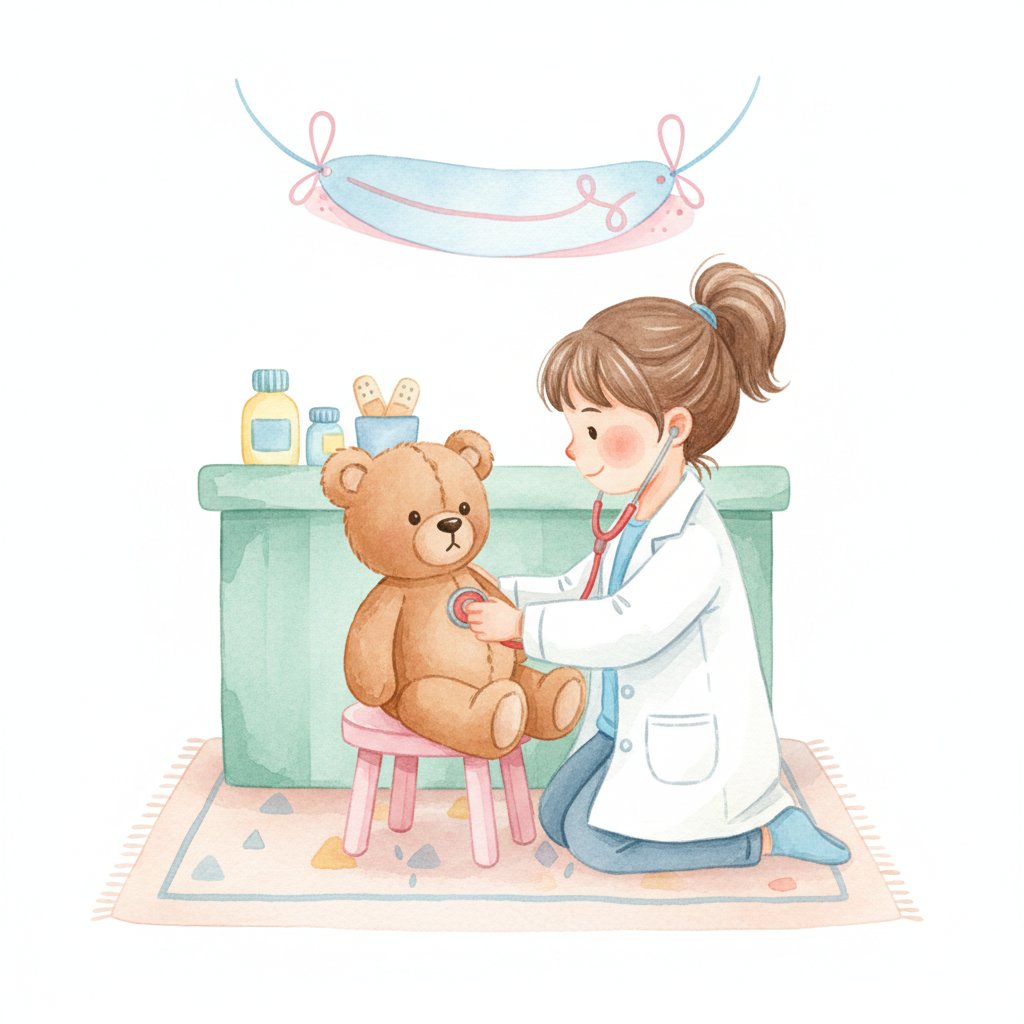
What to do: Set up a vet clinic. Children bring their stuffed animals for check-ups: "What seems to be the problem? Let me listen to your heart. You need medicine — take it twice a day!" The role-play teaches empathy (caring for a sick animal) and reduces fear of real vet visits. For more dramatic play, see our dramatic play guide.

3. Pet needs vs. wants sorting
Materials: Pictures of pet items.

What to do: Children sort: "Does a dog NEED a leash or just WANT one? NEED — it keeps them safe. Does a cat NEED a sparkly collar or just WANT one? WANT — it's fun but not necessary." The sorting teaches needs vs. wants through a pet context. For more sorting, see our sorting guide.

4. Gentle hands practice
What to do: "Animals have feelings just like us. When we touch them, we use GENTLE hands." Practice with stuffed animals first: stroke softly, hold carefully. Then with real animals (if available): "One finger gently on the cat's back. See how she purrs? That means she likes it." For more body awareness, see our body parts guide.

5. Animal empathy scenarios
What to do: Present scenarios: "The dog is hiding under the bed during a thunderstorm. How do you think he feels? What could you do to help?" The scenarios build perspective-taking — children practice considering an animal's experience. For more empathy, see our kindness guide.

Farm animal flashcards: your animal classification starter kit
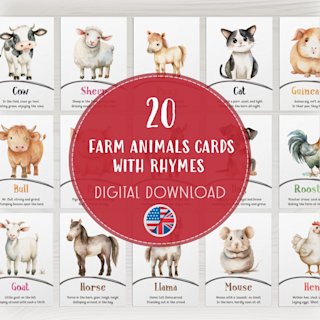
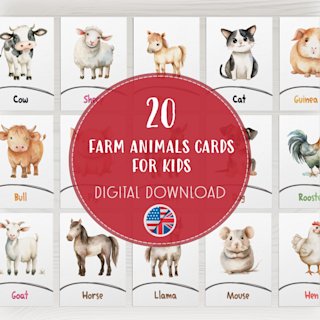
Our Farm Animals Flashcards introduce 12 farm animals with clear, labeled images: cow, pig, chicken, horse, sheep, duck, and more. Use them for classification: 'Which animals give us food? Which animals help with work? Which animals have feathers? Which have fur? Which have four legs? Which have two?' One set of cards, infinite sorting rules. Each sort teaches a different biological concept — habitat, covering, diet, domestication. 12 animals, 12 vocabulary words, dozens of science conversations.

Animal Science Activities (Ages 3-6)

6. Animal movement sort
Materials: Animal pictures.

What to do: Children sort animals by how they move: "Fly, swim, walk, hop, crawl." Then children ACT OUT each movement: "Fly like a bird! Swim like a fish! Hop like a rabbit! Crawl like a turtle!" The movement game teaches animal characteristics through body experience. For more movement, see our gross motor guide.

7. Animal baby matching
Materials: Pictures of adult and baby animals.

What to do: Match adults to babies: "This is a cow. Her baby is a CALF. This is a horse. Her baby is a FOAL. This is a duck. Her baby is a DUCKLING." The matching teaches vocabulary and life cycles. For more matching, see our matching guide.

8. Animal coverings investigation
Materials: Fur, feathers, scales pictures or samples (fake).

What to do: Children touch and describe: "Fur feels SOFT and WARM. Feathers feel LIGHT and SMOOTH. Scales feel DRY and BUMPY." Sort animals by covering: "Which animals have fur? Which have feathers? Which have scales?" The sensory activity teaches animal classification. For more sensory play, see our sensory guide.

9. Nocturnal vs. diurnal sorting
Materials: Animal pictures.

What to do: "Some animals are awake during the DAY — like us! Some are awake at NIGHT. Owls, bats, raccoons=NIGHT animals. Dogs, birds, butterflies=DAY animals." The sorting introduces biological rhythms and adaptation. For more opposites, see our opposites guide.

10. Animal sound bingo
Materials: Animal pictures, sound recordings.

What to do: Play animal sounds. Children find the matching picture. "Moo! Which animal makes that sound? The cow!" Extend: "Does a cow say moo in every language? In Spanish, cows say mu! In French, cows say meuh!" The game teaches listening skills and cultural awareness. For more listening, see our listening guide.

Safari animals: explore a different continent
Our Safari Animals Art Activity Pack introduces children to African wildlife: elephant, lion, giraffe, zebra, hippo, and more. 'These animals live in Africa — far away across the ocean! The elephant is the BIGGEST land animal. The giraffe is the TALLEST. The cheetah is the FASTEST.' Each animal becomes an art project AND a geography lesson AND a measurement comparison. Where do these animals live? What do they eat? How are they different from farm animals? One pack, three continents of learning.

Habitat Exploration Activities (Ages 3-6)

11. Habitat matching game
Materials: Animal and habitat pictures.

What to do: Match animals to habitats: "Polar bear → ice/snow. Camel → desert. Fish → ocean. Monkey → jungle. Rabbit → meadow." The matching teaches that animals live in specific environments that meet their needs. For more matching, see our matching guide.

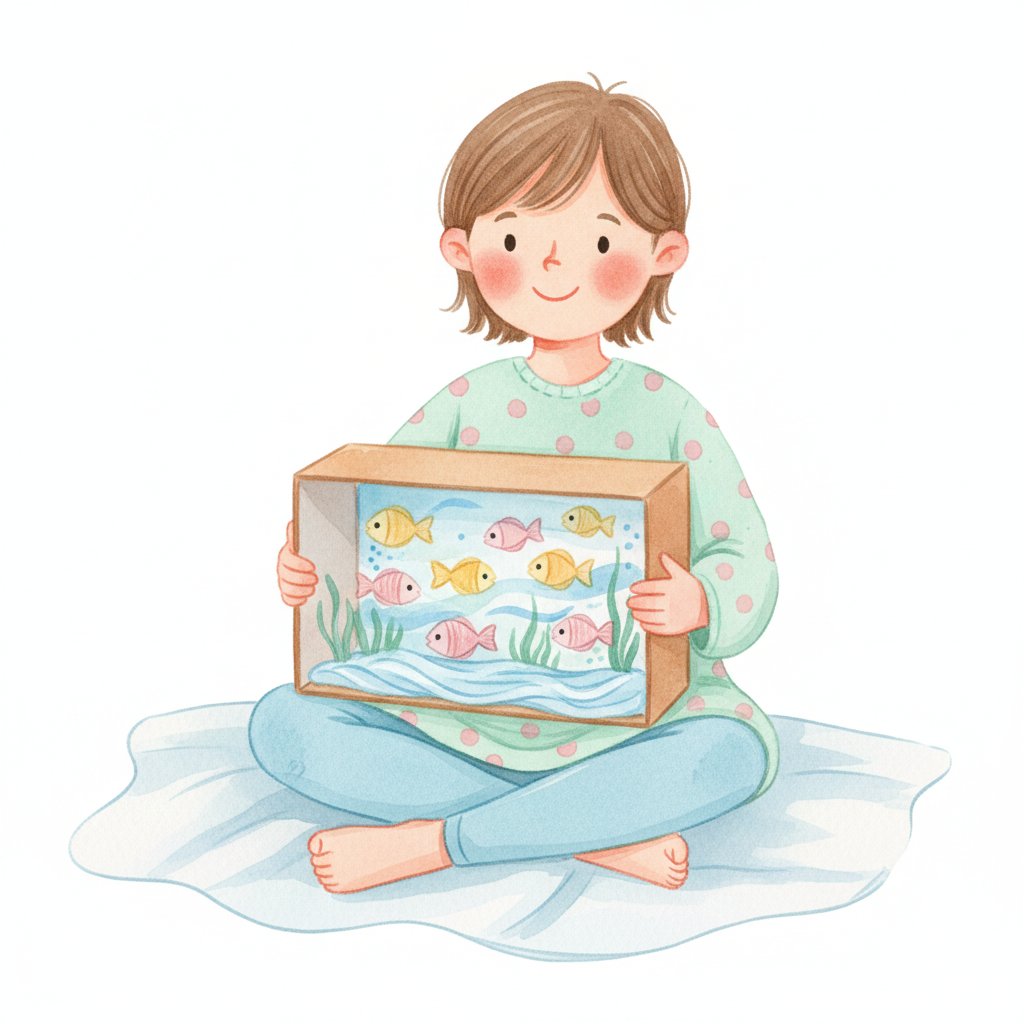
12. Build a habitat diorama
Materials: Shoe box, art supplies, animal figures.

What to do: Choose a habitat and create it in a box: ocean (blue cellophane, sand, fish), forest (brown paper trees, moss, deer), desert (yellow sand, rocks, lizard). "What does this animal need in its home? Food, water, shelter, space." The building teaches habitat components through construction. For more building, see our block activities guide.

13. Local wildlife walk
Materials: Magnifying glass, binoculars (toy).

What to do: Walk outside and look for animals: birds, squirrels, insects, worms, spiders. "What animals live near US? Birds build nests in trees. Squirrels live in holes. Worms live underground." The walk teaches that wildlife is everywhere — not just in faraway habitats. For more outdoor play, see our outdoor play guide.

14. Food chain introduction
What to do: Use simple examples: "Plants grow from sun and rain. Caterpillars eat plants. Birds eat caterpillars. Everything is connected!" Act it out with children playing each role. The activity introduces ecology at the most basic level.

15. Hibernation and migration
What to do: "In winter, some animals SLEEP all winter — that's hibernation! Bears do that. Some animals TRAVEL to warmer places — that's migration! Birds do that." Act out both: curl up and sleep (hibernate) or fly around the room (migrate). For more seasonal learning, see our seasonal guide.

Animal-Themed Learning Extensions (Ages 3-6)

16. Animal alphabet
What to do: Create an animal for each letter: A-alligator, B-bear, C-cat, D-dog... "Can you think of an animal for every letter?" The alphabet activity combines letter learning with animal vocabulary. For more alphabet work, see our alphabet guide.

17. Animal counting stories
What to do: Create counting stories: "3 elephants at the water hole. 2 more came. How many now? 1 left. How many are left?" The stories make addition and subtraction meaningful through animal narratives. For more counting, see our number guide.

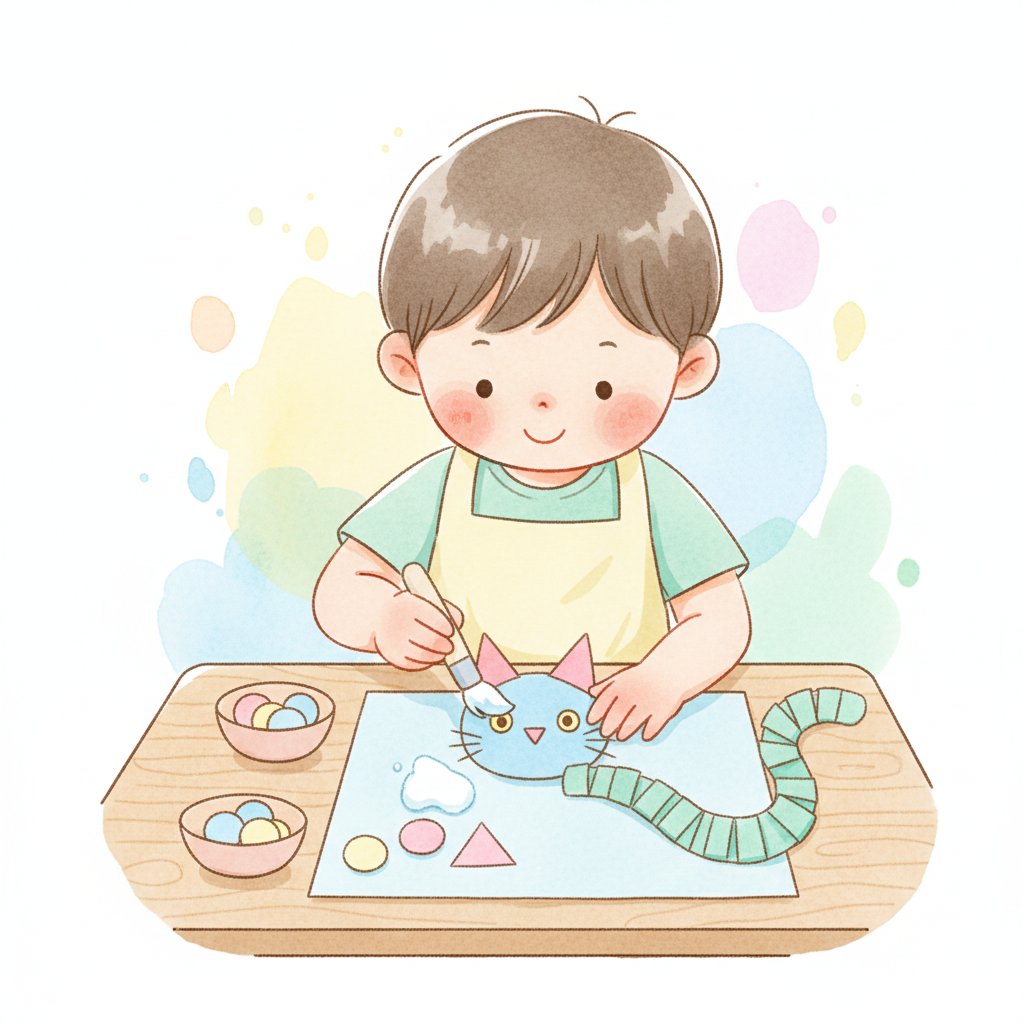
18. Animal shape art
Materials: Paper shapes, glue.

What to do: Children create animals from geometric shapes: "A circle for the head, a rectangle for the body, triangles for ears, small circles for eyes." The activity combines shape recognition with creativity. For more shapes, see our shape guide.

19. Animal pattern recognition
What to do: "Tigers have STRIPES. Zebras have STRIPES too — but black and white! Leopards have SPOTS. Giraffes have BLOTCHES. No two patterns are exactly the same!" Children draw animal patterns and compare them. For more patterns, see our pattern guide.

20. Animal storytelling circle
What to do: Start a story: "Once there was a little turtle who was afraid of the water..." Each child adds a sentence. The collaborative storytelling teaches narrative skills through an animal theme that keeps everyone engaged. For more storytelling, see our storytelling guide.

Ocean animals: dive into aquatic habitats
Our Ocean Animals Watercolor Art Activity Pack brings aquatic habitats to your art table: paint a clownfish and learn about coral reefs. Paint a sea turtle and learn about ocean migration. Paint a jellyfish and learn about deep-sea creatures. 'These animals live in the OCEAN habitat — salt water, waves, and kelp forests. How is the ocean different from the forest? From the desert? From your backyard?' Each painting is a habitat lesson. Art plus science equals deep understanding.
1.Can I do pet activities without having a real pet?
Yes! Use stuffed animals, videos, books, and community resources. Visit a pet store, a farm, or a friend who has a pet. Use webcams to observe animals at zoos and aquariums. The EMPATHY and RESPONSIBILITY lessons work just as well with pretend pets — the key is the care routine, not the live animal.
2.What is the best first pet for a preschooler?
A goldfish or hermit crab is ideal for ages 3-4 — simple daily care (feeding) with minimal risk. Ages 4-5 can handle a guinea pig or hamster with supervision. Ages 5-6 may be ready for a cat or dog WITH heavy parent involvement. The pet should be family pet with the child as a helper, not the sole caretaker. No preschooler should be responsible for an animal's survival.
3.How do I teach animal safety to a child who is afraid of animals?
Start with distance: watch animals on video, then through a window, then from across a room. Never force contact. Model calm behavior around animals. Read books about friendly animals. When the child is ready, try touching a calm, leashed dog with one finger on the back. The child sets the pace — always.
4.How do animal activities support academic learning?
Animals are the perfect cross-curricular topic: biology (life cycles, habitats, classification), math (counting, sorting, measuring), literacy (animal vocabulary, stories, non-fiction), art (drawing, painting, sculpting), and social skills (empathy, responsibility, cooperation). One animal theme can anchor an entire week of learning across every domain.