Articles7 min read

The Best Assessment Looks Like Play

I used to think assessment meant sitting a child down with a clipboard and running through a checklist: "Can you count to ten? Can you hop on one foot? Can you write your name?" It was stressful for them and awkward for me. Then I learned that every time a child counts blocks while building a tower, they're demonstrating math skills. Every time they negotiate with a peer, they're demonstrating social skills. Every time they navigate the playground, they're demonstrating motor skills.

According to the National Association for the Education of Young Children (NAEYC), effective early childhood assessment is ongoing, informal, and embedded in daily activities — not a separate testing event. Play-based assessment is more accurate, less stressful, and more useful for informing instruction than formal testing for this age group.
This guide covers 20+ preschool assessment activities for ages 3-6, organized by developmental domain: cognitive, language, social-emotional, and physical. These activities double as learning experiences — the assessment IS the instruction. Pair it with our science guide for cognitive assessment and our fine motor guide for physical assessment.
Cognitive Development Assessment Activities (Ages 3-6)

1. Block tower challenge
Materials: Wooden blocks.

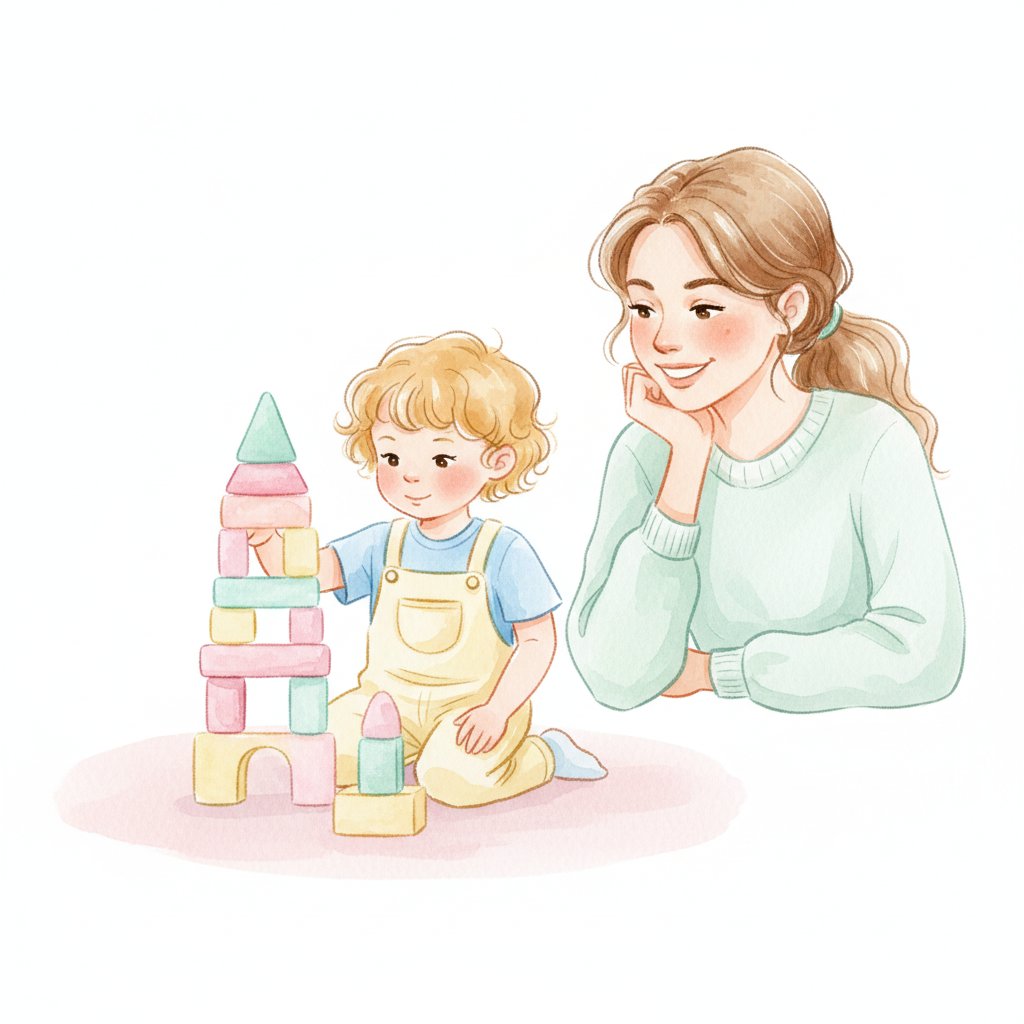
What to do: "How tall can you make a tower?" Observe: Do they plan before building or build randomly? Do they use larger blocks at the bottom? Do they problem-solve when it wobbles? How do they react when it falls? The activity reveals spatial reasoning, problem-solving, persistence, and emotional regulation. For more building ideas, see our block activities guide.

What it reveals: Planning ability, spatial reasoning, fine motor control, frustration tolerance, persistence. A child who plans (big blocks first), adjusts (when it wobbles), and persists (rebuilds after falling) is showing strong cognitive and executive function skills.

2. Pattern completion
Materials: Colored objects (blocks, beads, crayons).

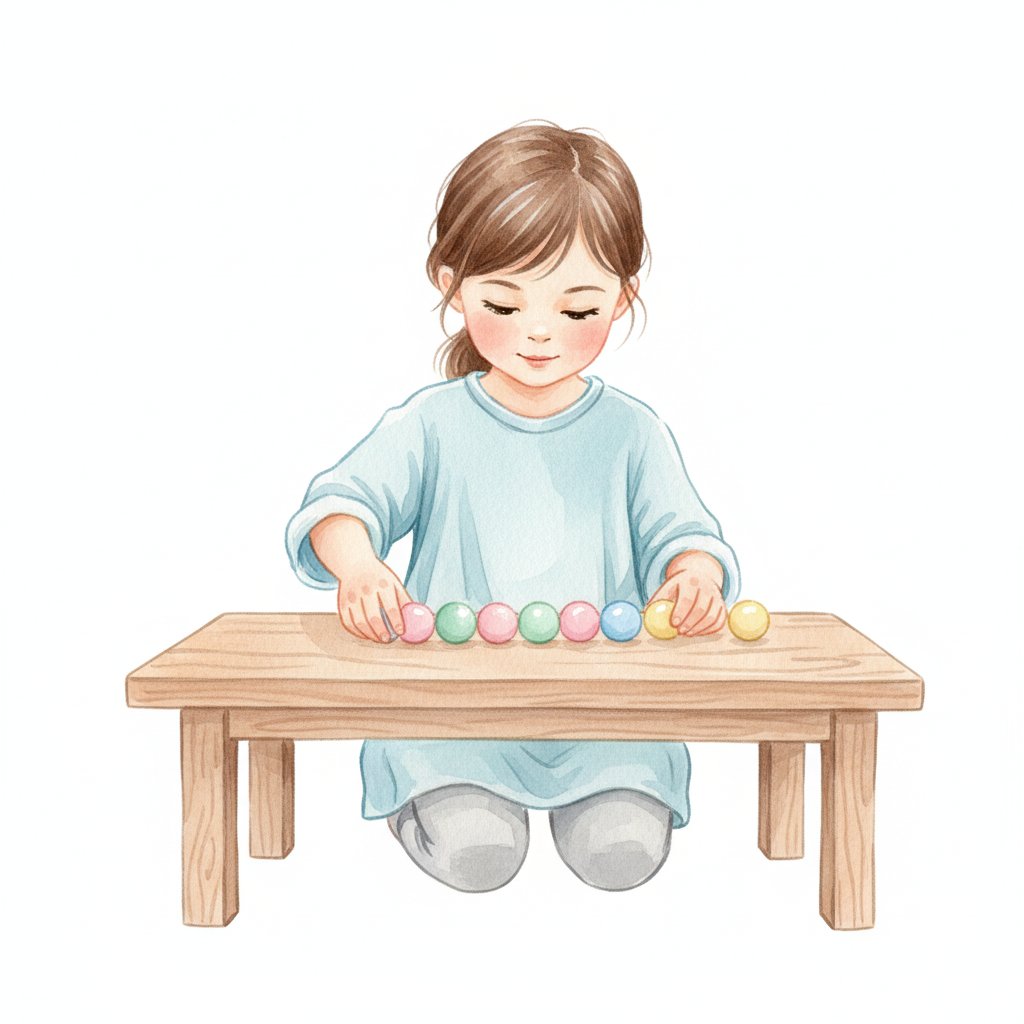
What to do: Start a pattern: "Red, blue, red, blue, red... what comes next?" Try different patterns: AB, AABB, ABC. Observe: Can they continue simple patterns? Complex ones? Can they create their own? For more patterns, see our pattern guide.

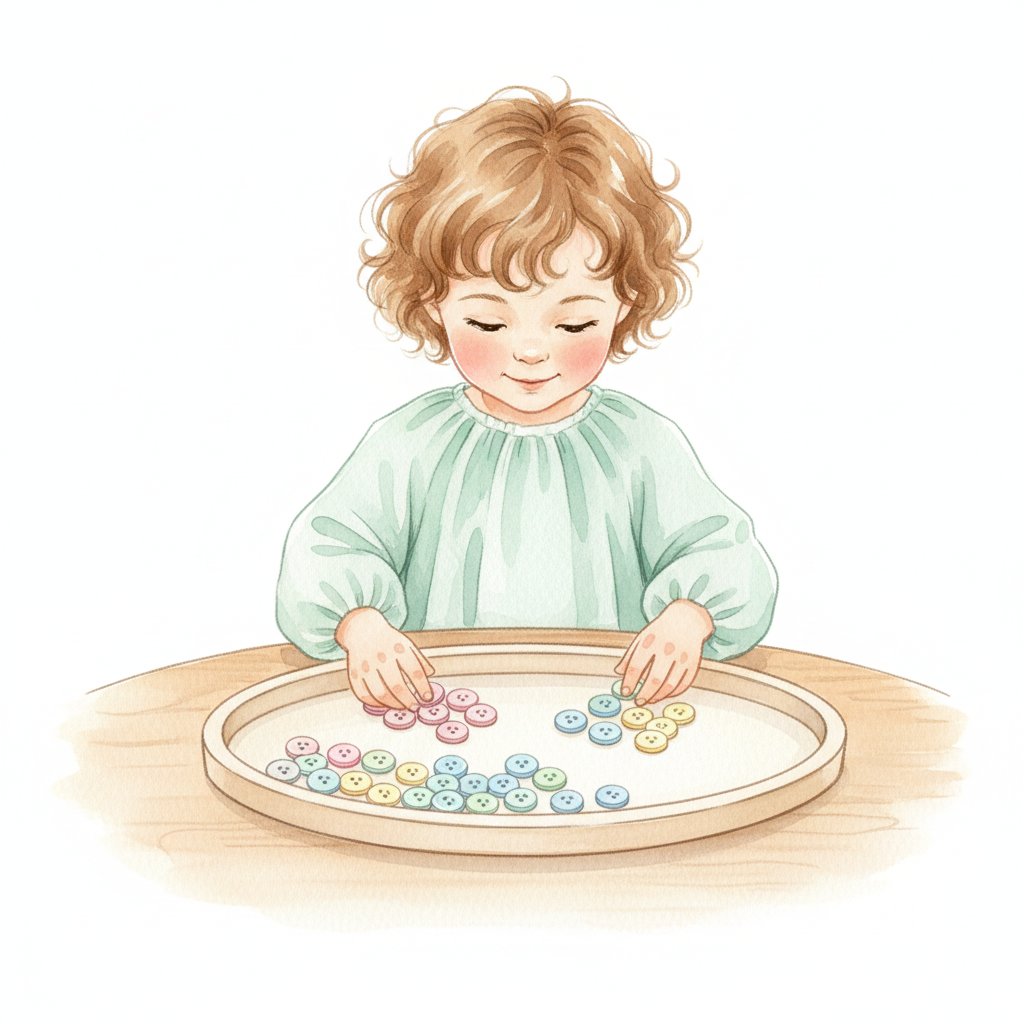
3. Sorting assessment
Materials: Mixed objects (buttons, shapes, animals).

What to do: "Sort these however you want." Observe: Do they sort by color? Shape? Size? Type? Can they explain their sorting rule? Can they re-sort by a different rule? "Now can you sort them a different way?" For more sorting, see our sorting guide.

4. Memory game observation
Materials: Memory matching cards.

What to do: Play a memory game. Observe: Do they use a strategy (checking the same area)? Do they remember locations? How many turns can they sustain attention? Do they get frustrated or stay engaged? The game reveals working memory, attention, and emotional regulation.

5. Counting in context
What to do: Count real things throughout the day: "How many crackers are on your plate? How many children are here today? How many red blocks did you use?" Observe: Can they count accurately to 5? 10? 20? Do they use one-to-one correspondence (pointing to each item once)? Do they understand that the last number said is the total? For more counting, see our number guide.

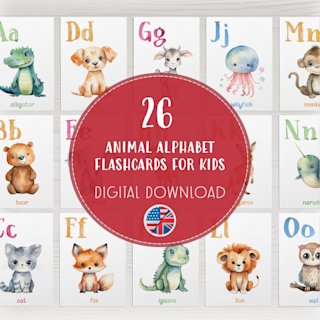
Flashcard check: informal literacy screening disguised as a game
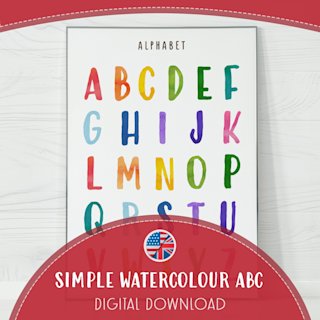
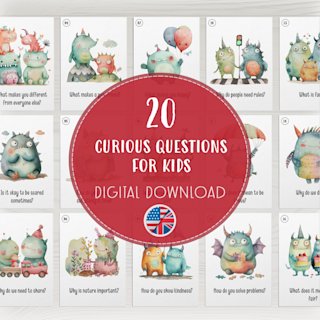
Our Alphabet Monster Flashcards become a quick literacy check: spread the cards face up and ask, 'Can you find the letter your name starts with? Can you find the M for Mom? Can you put the letters in order from A to Z?' Watch which letters they know instantly, which they hesitate on, and which they don't recognize. No pressure, no clipboard, no testing — just a card game that happens to reveal letter recognition, letter-sound knowledge, and alphabetical order. Assessment through play.

Language Development Assessment Activities (Ages 3-6)

6. Story retelling
Materials: A short picture book.

What to do: Read a story once. Close the book. "Can you tell me what happened in the story?" Observe: Do they recall the beginning, middle, and end? Do they include key details? Do they use complete sentences? Do they use any vocabulary from the book? The retelling reveals comprehension, sequencing, vocabulary, and narrative skills. For more storytelling, see our storytelling guide.

What it reveals: Listening comprehension, sequencing ability, vocabulary retention, sentence complexity, narrative structure. A child who includes beginning/middle/end, uses story vocabulary, and speaks in complete sentences is showing age-appropriate language development.

7. Picture description
Materials: Detailed pictures (from books or printed).

What to do: Show a picture. "Tell me everything you see in this picture." Observe: Do they label objects only ("dog, ball, tree") or describe actions ("the dog is chasing the ball")? Do they make inferences ("the boy looks sad")? Do they use complex sentences?

8. Following multi-step directions
What to do: Give increasingly complex directions: "Touch your head." "Touch your head, then your knees." "Touch your head, clap your hands, then touch your knees." Observe: How many steps can they follow? Do they ask for repetition? Do they self-correct? For more direction activities, see our following directions guide.

9. Rhyme recognition
What to do: "I'm going to say two words. Tell me if they rhyme: cat-hat. Do they rhyme? Dog-tree. Do they rhyme?" Observe: Can they identify rhyming pairs? Can they produce a rhyme ("tell me a word that rhymes with cat")? For more rhyming, see our rhyming guide.

10. Conversation sample
What to do: Have a natural conversation about a topic the child loves. Record (with permission) or take notes. Later, analyze: average sentence length, vocabulary diversity, grammar usage, topic maintenance, turn-taking. The natural conversation is the most authentic language sample.

Feelings check: social-emotional screening in 5 minutes
Our Emotions Monster Feelings Flashcards become a social-emotional screening tool: spread the cards and ask, 'Which monster shows how you usually feel at school? Which monster shows how you feel when someone takes your toy? Which monster shows how you feel when you're with your family?' Children who can identify and label emotions across contexts are developing strong emotional intelligence. Children who struggle to match emotions to situations may benefit from additional social-emotional support. 12 monsters, 12 data points, zero stress.

Social-Emotional Assessment Activities (Ages 3-6)

11. Peer play observation
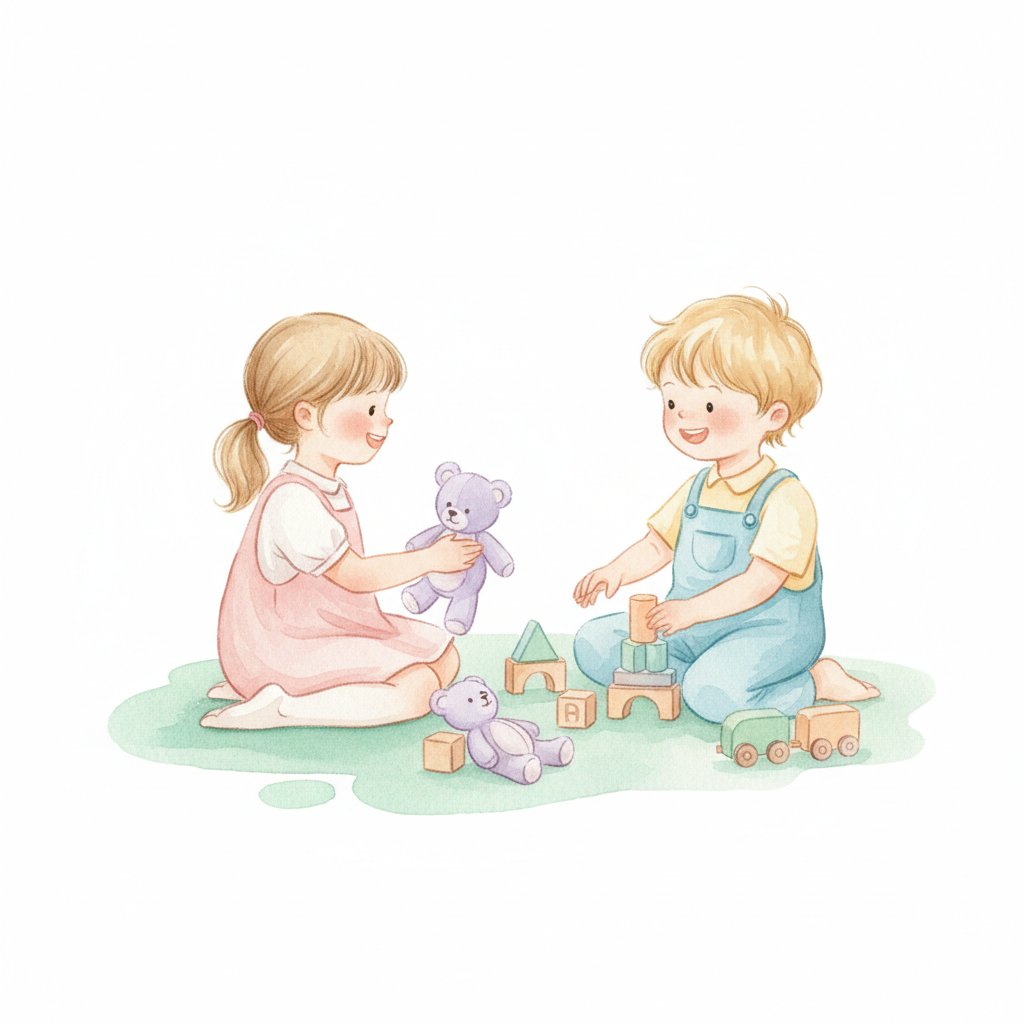
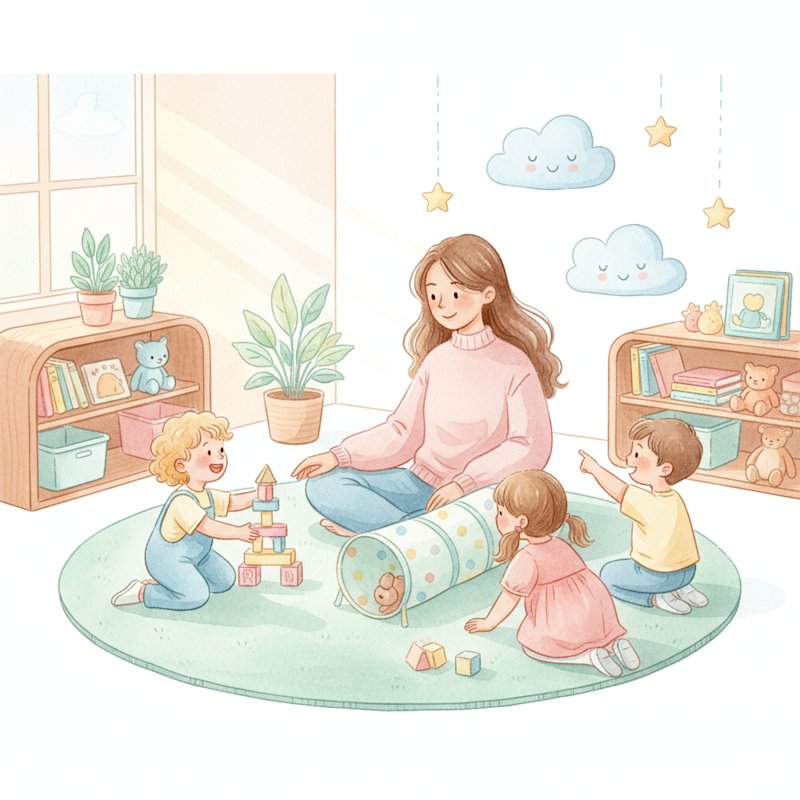
What to do: Watch children play together (without intervening unless safety is at risk). Observe: Do they initiate interactions? Do they share? How do they enter an existing play group? How do they handle conflict? Do they show empathy? The unstructured observation reveals more about social skills than any checklist. For more social activities, see our social skills guide.

What it reveals: Social initiation, sharing and turn-taking, conflict resolution, empathy, cooperative play level (parallel, associative, cooperative). A child who enters play groups by asking "can I play?", shares materials, and resolves conflicts with words is showing strong social development.

12. Frustration tolerance task
Materials: A moderately challenging puzzle (slightly above their level).

What to do: Present the puzzle. "Let's see if you can do this!" Observe: How do they approach it? How long before they get frustrated? What do they do when frustrated (give up, ask for help, try a different strategy)? The puzzle reveals executive function, persistence, and emotional regulation. For more self-regulation, see our self-regulation guide.

13. Empathy scenario discussion
What to do: Present scenarios: "Maria dropped her ice cream. How do you think Maria feels? What could you do to help?" Observe: Can they identify others' emotions? Can they suggest appropriate responses? The discussion reveals perspective-taking and empathy development. For more kindness activities, see our kindness guide.

14. Self-help skills checklist
What to do: Observe daily routines: Can they put on their coat? Open their lunch? Use the bathroom independently? Wash hands properly? Clean up after themselves? Record what they can do independently, with help, and not yet. The checklist tracks functional independence. For more independence, see our preschool transition guide.

15. Choice-making observation
What to do: Offer choices throughout the day: "Would you like crayons or markers? The red block or the blue? The book or the puzzle?" Observe: Do they make choices confidently? Do they change their mind? Do they accept the choice they made? The observations reveal decision-making and self-awareness.

Physical Development Assessment Activities (Ages 3-6)

16. Balance beam walk
Materials: Line of tape on the floor (or low balance beam).

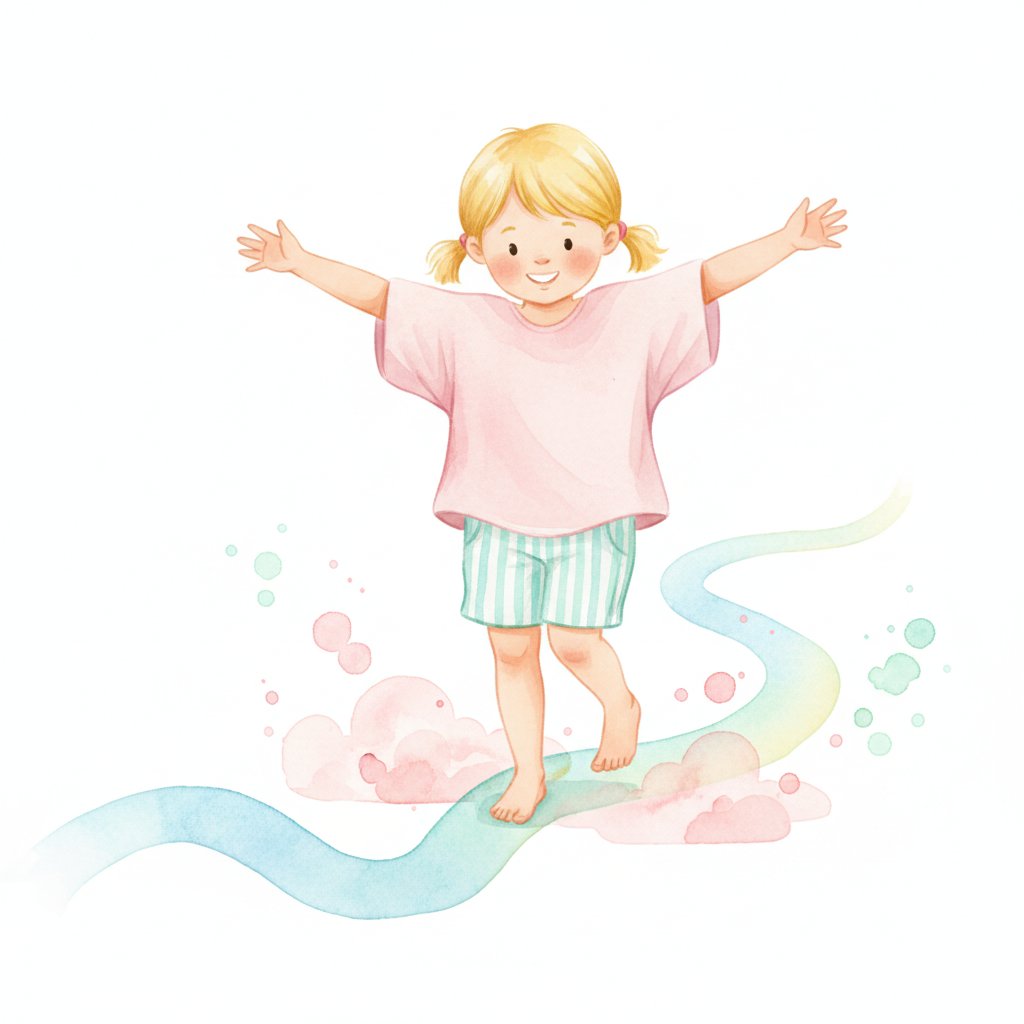
What to do: "Walk on the line — put one foot in front of the other!" Observe: Can they walk heel-to-toe on the line? Do they lose balance? Can they do it backwards? The balance assessment reveals gross motor coordination and vestibular processing. For more movement, see our gross motor guide.

17. Cutting assessment
Materials: Paper with lines, scissors.

What to do: Draw straight, curved, and zigzag lines. "Cut on the lines!" Observe: Do they hold scissors correctly (thumb up, one finger in each hole)? Can they follow a straight line? A curved line? Do they rotate the paper or their hand? The cutting reveals fine motor control and bilateral coordination. For more cutting, see our scissor skills guide.

18. Name writing sample
Materials: Paper, pencil.

What to do: "Write your name!" Observe: Which hand do they use? Do they use a standard or fisted grip? Are letters recognizable? Are they in order? Is the size appropriate? Collect monthly samples to track progress. For more writing, see our writing guide.

19. Ball skills assessment
Materials: Ball.

What to do: "Can you catch the ball? Can you throw it to me? Can you kick it?" Try different sizes. Observe: Do they track the ball visually? Do they use two hands to catch? Can they throw with direction? The assessment reveals eye-hand coordination, bilateral coordination, and motor planning.

20. Drawing assessment
Materials: Paper, crayons.

What to do: "Draw a picture of a person." Observe: How many body parts are included? Is there a head, body, arms, legs, facial features? Is the figure recognizable? Developmentally, 3-year-olds draw a head with limbs; 4-year-olds add a body; 5-year-olds add details like fingers and clothing. For more art, see our art activities guide.

Posters as milestone markers
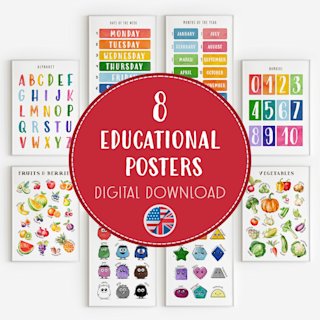
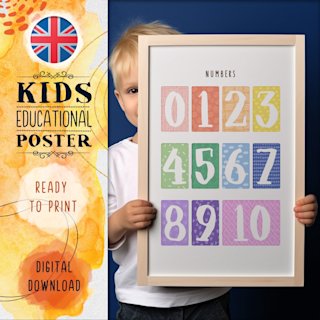
Our 8 Educational Posters double as informal assessment tools: 'Can you point to the letter your name starts with on the alphabet poster? Can you count the planets on the solar system poster? Can you name the shapes on the shapes poster?' Each poster becomes a skill check. The posters stay on the wall all year — children point to things they know in September, and different things in May. The progression IS the assessment. Eight posters, dozens of skills, visible growth over time.
1.How do I assess without making children feel tested?
Never say "I'm testing you." Instead, frame everything as a game or activity: "Let's play a counting game!" "Can you help me with this puzzle?" "Tell me about your drawing!" Children perform best when they're relaxed and engaged. The best assessment data comes from activities where the child doesn't know they're being assessed.
2.What should I do if a child seems behind in a developmental area?
Document your observations with specific examples. Share concerns with parents using positive language: "I've noticed that Maria is still developing her pencil grip — here's what I'm seeing and here's what we're doing to support her." If concerns persist, recommend a professional developmental screening. Early intervention is most effective when started early.
3.How often should I do informal assessments?
Ongoing — not as events but as habits. Observe during daily activities, take quick notes, collect work samples monthly. Do a more structured observation quarterly to track progress. The key is consistency: a few minutes of daily observation provides more useful data than an annual formal assessment.
4.Should I share assessment results with the preschooler?
Share celebration, not evaluation: "You wrote your name! Last month you wrote three letters and now you wrote all five! You're getting better because you practiced!" Children should experience assessment as growth, not judgment. Never say "you scored low" or "you need to improve." Instead: "You're still learning this — and that's okay. Let's practice together."