Articles17 min read

Preschool Lesson Plans: Free Printable Weekly Guide

Plan your preschool week with free printable lesson plans organised by theme — literacy, maths, fine motor, sensory play, and circle time activities for ages 3–5.

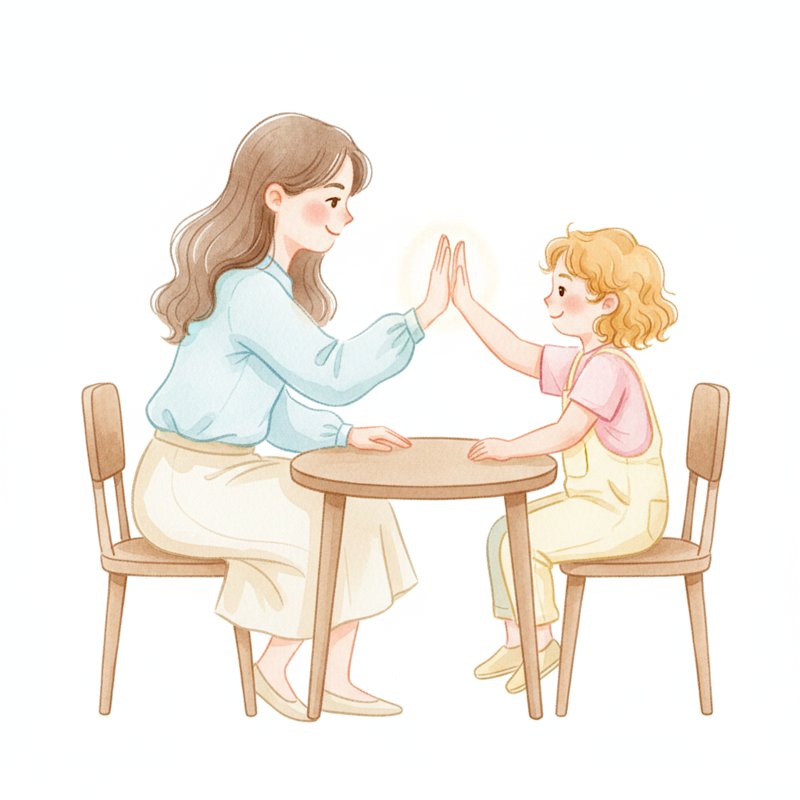
Watercolor illustration of a teacher and child sharing a high-five at a desk

Preschool Lesson Plans: Free Printable Weekly Guide

Planning activities for preschoolers can feel overwhelming. You know they need a mix of literacy, maths, fine motor, sensory play, and social skills — but fitting all of that into a coherent weekly plan takes more time than the actual teaching. And when you search for "preschool lesson plans," you get either expensive curriculum packages or scattered Pinterest pins that don't add up to a real plan.

Free printable preschool lesson plans solve this by giving you a structured weekly template that covers all developmental areas while leaving room for flexibility. The best lesson plans for this age group aren't rigid scripts — they're frameworks that balance teacher-led activities with child-led exploration, and they're built around themes that give the week coherence without requiring hours of prep.

This guide provides free printable lesson plan templates for preschool (ages 3–5), organised into weekly themes. Each theme includes activities for circle time, literacy, maths, fine motor, gross motor, sensory, and creative play. You'll also find a blank weekly template you can customise, plus tips for adapting plans to different group sizes, attention spans, and developmental levels.

If you're building a resource collection for your preschool classroom or homeschool, our free handwriting practice sheets and STEM challenge cards slot naturally into the literacy and maths blocks of any weekly plan.
Printable resources that make planning easier
Our printable flashcards, posters, and activity packs give you instant access to classroom-tested materials. Print today, use tomorrow. No prep required — just download, print, and play.

What Makes a Good Preschool Lesson Plan?

A preschool lesson plan isn't a detailed script — it's a flexible roadmap. The best plans share a few key characteristics that make them useful without being rigid.

Developmentally Appropriate

Activities should match what 3–5-year-olds can actually do, not what looks impressive on paper. A "letter of the week" worksheet where children trace a single letter is appropriate. Expecting them to write full words is not. Good plans account for the wide developmental range in any preschool group by offering variations — a simpler version for younger children and an extension for those who are ready.

Balanced Across Domains

Each week should touch on all developmental areas: language and literacy, maths and numeracy, fine motor, gross motor, social-emotional, and creative arts. You don't need every domain every day, but over a week, each area should get meaningful attention.

Theme-Based (but Not Theme-Trapped)

Themes give the week coherence and make activities feel connected rather than random. But a good theme doesn't force every activity into the theme. If the theme is "ocean" and the maths activity works better with counting bears than fish counters, use the bears. The theme should serve engagement, not restrict learning.

Flexible Timing

Preschool attention spans are short and unpredictable. A 15-minute circle time might last 5 minutes or 25, depending on the group's mood. Good lesson plans build in flexibility — core activities, backup activities, and a sense of what can be cut without losing the week's learning goals.

Low-Prep, High-Impact

The best lesson plans use materials you already have or can gather in five minutes. If an activity requires cutting 30 laminated cards the night before, it won't happen consistently. Activities that use blocks, paper, crayons, playdough, and natural materials are sustainable; activities that require specialised supplies are not.

Ready-to-use learning activities — download and go
Skip the planning. Our educational printables are designed by teachers and tested with real kids. Alphabet cards, emotion posters, number activities — all ready to download and use immediately.

Weekly Lesson Plan Template

Here's a framework for a preschool week that balances all developmental areas. Each day follows the same structure, which gives children the predictability they need while allowing activities to change.

Daily Structure

Time BlockDurationActivity TypeDescription
Morning welcome15 minCircle timeGreeting, calendar, weather, daily preview
Movement15 minGross motorSongs with actions, dancing, movement game
Focused activity 120 minLiteracy or mathsTeacher-led small group activity
Free play30 minChild-ledSensory, dramatic play, construction
Snack15 minSocialShared snack, conversation
Focused activity 220 minFine motor or creativeArt, cutting, playdough, writing
Outdoor play30 minGross motorRunning, climbing, nature exploration
Story time15 minLiteracyRead-aloud with discussion
Closing circle10 minReflectionWhat did we learn? Preview tomorrow

This structure works for both classroom and homeschool settings. Homeschooling parents can shorten some blocks and extend others based on their child's attention span.

Weekly Planning Grid

Plan across the week to ensure domain coverage:

MondayTuesdayWednesdayThursdayFriday
Circle timeTheme introSong + storyGuest or videoReview themeTheme wrap-up
Focused 1 (Lit/Maths)LiteracyMathsLiteracyMathsCombined
Focused 2 (Motor/Art)Fine motorCreative artSensoryFine motorCreative art
StoryTheme bookRhyming bookNon-fictionTheme bookChild choice

This grid ensures that literacy and maths each get two focused sessions per week, fine motor gets two, creative art gets two, and sensory play gets one. The story time slot uses a mix of fiction, non-fiction, and poetry.

Theme 1: All About Me (Week 1)

The "All About Me" theme is the classic first theme of any preschool year. It helps children learn about themselves and each other, builds a sense of belonging, and covers every developmental area naturally.

Circle Time Activities

Name game. Children sit in a circle. Roll a ball to a child and say their name: "Hello, [name]!" The child rolls it back and says the teacher's name. Gradually add favourite things: "I'm Maya and I like dinosaurs."

Body parts song. Sing "Head, Shoulders, Knees, and Toes" with increasing speed. Then reverse it: "Toes, Knees, Shoulders, Head." Children love the challenge.

Emotions check-in. Use our feelings flashcards or simple emoji cards. Each child picks the face that matches how they feel and places it on a feelings chart. This builds emotional vocabulary and gives you insight into the group's mood.

Literacy Activities

Name tracing. Write each child's name in large letters on a sheet. Children trace their name with a finger, then with a crayon. For younger children, write the name in yellow highlighter and have them trace over it. Our free handwriting practice sheets include name-tracing templates you can customise.

My favourite book. Each child brings (or chooses) their favourite book. During circle time, they show the cover and say one thing they like about it. This is public speaking practice disguised as sharing.

Initial sound sort. Children sort picture cards by their initial sound. "M for Maya, monkey, moon" — connecting the sound to the child's name makes it personal and memorable.

Maths Activities

How many letters in your name? Children count the letters in their name and build a tower with that many blocks. Compare towers: "Maya has 4 letters, Alexander has 9." This combines counting, comparison, and personal identity.

Eye colour graph. Create a simple bar graph showing eye colours in the class. Each child adds their sticker to the correct column. Count and compare results together.

Height chart. Measure each child and mark their height on a growth chart. Compare: "Who is taller? Who is shorter?" Use non-standard units: "You are 4 blocks tall."

Fine Motor and Creative Activities

Self-portrait. Children draw themselves using a mirror as reference. Provide skin-tone crayons, yarn for hair, and fabric scraps for clothes. Display the portraits together as a class gallery.

Handprint art. Paint each child's hand and press it onto paper. Turn the handprint into an animal, tree, or flower with additional drawing. Children love seeing their unique handprint.

Playdough faces. Children use playdough to create faces on paper plates. Provide googly eyes, beads, and pipe cleaners for features. This is a fine motor activity with an emotional literacy component: children can make happy, sad, or silly faces.

Theme 2: Animals (Week 2)

Animals are a guaranteed hit with preschoolers. This theme covers habitats, classification, life cycles, and animal sounds while hitting every developmental area.

Circle Time Activities

Animal sound guessing game. Play or make an animal sound. Children guess the animal. Progress from easy (cow, cat, dog) to harder (owl, cricket, whale).

Animal movement. Call out an animal and children move like it: "Slither like a snake! Hop like a rabbit! Stomp like an elephant!" This is both gross motor and listening practice.

Habitat sorting. Show pictures of animals and ask: "Does this animal live in the ocean, the jungle, or on a farm?" Use a simple three-column chart on the whiteboard.

Literacy Activities

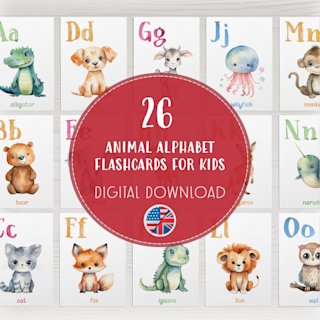
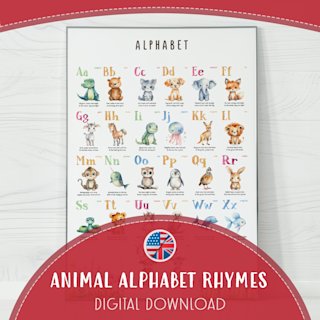
Animal alphabet. Assign one animal to each letter: A for alligator, B for bear, C for cat. Children create an alphabet wall with one picture per letter. Our Alphabet Monster Flashcards complement this activity with ready-made letter cards featuring playful monsters.

Animal story sequencing. Read a simple animal story (e.g., "The Very Hungry Caterpillar"). Children put picture cards from the story in order. Retelling a story in sequence is a key early comprehension skill.

Animal vocabulary. Introduce 5–8 animal-related words each day: habitat, predator, nocturnal, herbivore. Use pictures and simple definitions. Children love learning "big words" — it makes them feel knowledgeable.

Maths Activities

Animal counting. Place toy animals in a basket. Children sort by type, then count each group. "How many lions? How many elephants? Which group has more?"

Animal pattern. Create AB patterns with animal pictures: bear, rabbit, bear, rabbit. Children extend the pattern and create their own. For advanced children, introduce ABB or ABC patterns.

Animal size ordering. Pictures of animals in different sizes. Children line them up from smallest to biggest. Use comparative language: "The mouse is smaller than the cat."

Fine Motor and Creative Activities

Paper plate animals. Children transform paper plates into animal faces using paint, construction paper, googly eyes, and glue. Lions with yarn manes, frogs with party-blower tongues, owls with cupcake-liner eyes.

Animal footprint painting. Dip toy animal feet in paint and walk them across paper. Compare the prints: "The elephant leaves a big round print. The bird leaves tiny marks."

Feed the animal. Create a box with an animal face and a cut-out mouth. Children use tongs or tweezers to "feed" the animal (pom-poms, dry pasta, beans). This builds the pincer grasp essential for writing.

Theme 3: Seasons and Weather (Week 3)

The seasons and weather theme connects learning to the natural world children experience every day. It naturally incorporates science, maths (counting, graphing), literacy (weather vocabulary), and art.

Circle Time Activities

Weather reporter. Each day, one child is the "weather reporter." They look outside, describe the weather, and place the correct weather card on the calendar board. Our weather flashcards work perfectly for this role.

Season sorting. Show pictures of seasonal activities (swimming, snowman building, leaf jumping, flower planting). Children sort them into spring, summer, autumn, and winter.

What to wear. Show a weather condition and ask: "If it's raining and cold, what should we wear?" Children suggest appropriate clothing items.

Literacy Activities

Weather journal. Children draw a picture of today's weather and "write" (or dictate) one sentence about it. Over the week, they build a mini weather journal. This is early science writing combined with drawing and dictation.

Season poems. Read simple poems about each season. Children learn one poem by heart through repetition over the week. Memorising poetry builds vocabulary, rhythm awareness, and confidence.

Weather word wall. Add weather-related words to the classroom word wall: sunny, cloudy, rainy, windy, snowy, foggy, stormy, rainbow. Refer to the wall during discussions and writing activities.

Maths Activities

Weather graph. Each day, children add a sticker to the weather graph (sunny, cloudy, rainy, etc.). At the end of the week, count and compare: "How many sunny days? How many rainy days? Which had the most?"

Temperature tracking. Use a simple outdoor thermometer. Children check and record the temperature each day (with help reading the numbers). Compare: "Today is warmer than yesterday."

Raindrop counting. Cut-out raindrop shapes with numbers on them. Children put the raindrops in order from 1 to 10, or match raindrops to numbered clouds.

Fine Motor and Creative Activities

Four-season tree. Children create one tree that shows all four seasons — spring blossoms on one branch, summer leaves on another, autumn colours on the third, and bare branches with snow for winter. This is a multi-day project that builds planning and sustained attention.

Rain maker instrument. Fill a cardboard tube with rice, beans, and crumpled foil. Seal the ends and decorate. When tipped slowly, it sounds like rain. This craft doubles as a music activity.

Cloud dough. Mix flour and baby oil (8:1 ratio) to create a moldable "cloud dough." Children shape clouds, snowmen, and weather scenes. The texture is unique and highly engaging.

Theme 4: Community Helpers (Week 4)

The community helpers theme teaches children about the people who keep their neighbourhood running — firefighters, doctors, teachers, postal workers, shopkeepers, and more. It naturally leads to dramatic play, vocabulary building, and social studies concepts.

Circle Time Activities

Who am I? Describe a community helper without naming them: "I wear a uniform, I drive a big red truck, and I put out fires." Children guess the profession.

Tool matching. Show pictures of tools and props (stethoscope, hose, letter, cash register). Children match each tool to the community helper who uses it.

When I grow up. Each child shares what they want to be when they grow up. Record answers on a chart. Revisit at the end of the year — some answers change, some don't!

Literacy Activities

Thank-you letters. Children draw pictures or dictate thank-you notes to a community helper (the school crossing guard, the post office, the local fire station). This is authentic writing with a real audience, which is far more motivating than worksheets.

Helper vocabulary. Introduce key vocabulary: hospital, fire station, post office, bakery, surgery, delivery. Connect each word to the helper and their workplace. Use pictures and, where possible, real objects (a real envelope, a real bandage).

Role-play scripts. Create simple scripts for dramatic play: "Hello, how can I help you? / My cat is stuck in a tree! / Don't worry, we'll send a firefighter right away." Children practise taking turns, staying in character, and using helper vocabulary in context.

Maths Activities

Helper graph. "Which community helper would you most like to be?" Children vote by placing a sticker on the graph. Count, compare, and discuss results.

Sorting by location. Pictures of community helpers and their workplaces. Children match each helper to where they work: doctor → hospital, baker → bakery, teacher → school.

Counting supplies. Set up a "doctor's surgery" counting station: 10 plasters, 8 cotton balls, 5 bandages. Children count and record each supply. This is counting practice in a meaningful context.

Dramatic Play and Creative Activities

Dramatic play areas. Rotate the dramatic play area throughout the week:

  • Monday–Tuesday: Doctor's surgery (plasters, toy stethoscope, clipboards)
  • Wednesday: Post office (envelopes, stamps, mail bag, letter box)
  • Thursday–Friday: Shop (play food, baskets, cash register, price tags)

Community helper hats. Children make simple hats for different helpers: a fire hat from red construction paper, a nurse hat from white paper, a police hat from blue paper. They wear them during dramatic play and circle time.

Build a town. Using blocks, cardboard boxes, and art supplies, children build a simplified town with key buildings (school, fire station, hospital, shop). This is a collaborative, multi-day project that combines construction, planning, and social negotiation.

Adapting Lesson Plans for Different Settings

Lesson plans aren't one-size-fits-all. Here's how to adapt the weekly templates for your specific situation.

For Homeschool (1–2 Children)

Homeschooling preschoolers is more intimate and flexible than a classroom setting:

  • Shorten focused activities to 10–15 minutes — one-on-one attention is more concentrated than group instruction
  • Extend free play — a homeschooled child gets more self-directed time than a classroom child, and that's fine
  • Use daily life as curriculum — cooking is maths and science; grocery shopping is vocabulary and classification; tidying up is categorisation and sequencing
  • Combine ages — if you have a toddler and a preschooler, do circle time together but offer different activity levels for focused work

For Mixed-Age Groups

In settings with 3–6-year-olds together, offer the same activity at multiple levels:

  • Literacy: Younger children trace letters; older children write words
  • Maths: Younger children count to 5; older children solve simple addition
  • Art: Younger children explore materials freely; older children follow a multi-step project

The circle time and story components can be shared. The differentiation happens in the focused activity blocks.

For Children with Additional Needs

  • Provide visual schedules alongside lesson plans so children know what's coming
  • Offer sensory alternatives (fidget tools, weighted lap pads) during circle time
  • Reduce verbal instructions and add visual demonstration
  • Allow flexible participation — a child who won't join circle time might engage from a nearby seat
  • Use first-then boards for transitions between activities

For Short Days (Half-Day Programmes)

If you only have 2–3 hours:

  • Keep circle time to 10 minutes
  • Choose one focused activity per day (rotate literacy/maths/motor across the week)
  • Prioritise free play — it's where the deepest learning happens
  • Read a story at transition points rather than as a separate block

Tips for Planning Less and Teaching More

The biggest trap in preschool planning is spending more time preparing activities than doing them. Here are strategies to keep planning efficient.

Batch Plan Once a Month

Don't plan week by week. Sit down once a month and outline four themes with one activity per domain per theme. That's roughly 24 activities for the month. You can always swap or add, but having the skeleton planned means you're never starting from scratch.

Reuse Activities with Variations

Counting bears can become counting farm animals, counting seashells, counting autumn leaves. The skill is the same; the theme changes the engagement. Build a bank of 10–15 versatile activities that you can adapt to any theme with a quick material swap.

Use a Materials List

For each theme, create a one-page materials list. Check it the day before. If you don't have a material, swap the activity rather than making a late-night shop run. The best activities use what's already in your cupboard.

Follow the Children's Lead

If the children are obsessed with dinosaurs during "ocean" week, pivot. The best teaching moments come from children's interests, not your plan. A flexible plan allows you to chase their curiosity without losing the week's learning goals.

Don't Plan Every Minute

Preschool children need unstructured play time. Plan the focused activities and circle time, then let free play, outdoor time, and transitions happen organically. Over-planned days feel rigid and leave no room for the spontaneous learning that makes preschool magical.

Frequently Asked Questions

Do I need a formal curriculum for preschool?

Not necessarily. Many excellent preschool programmes are built from thematic lesson plans like the ones in this guide, supplemented with a structured approach to literacy and maths. The key is ensuring coverage of all developmental areas over each week, not following a published curriculum to the letter.

How many themes should I plan per year?

Most preschool programmes use 20–30 themes across a school year, with each theme lasting 1–2 weeks. Four to six themes per term is typical. Popular themes include: all about me, family, community helpers, animals, seasons, transportation, space, holidays, food, and ocean.

What if an activity isn't working?

Stop it. Move on to the next thing. There's no value in forcing an activity that children aren't engaging with. File it away and try a different approach next time. Preschool teaching is responsive — you adapt in real time, not after the fact.

How much time should preschoolers spend on structured activities?

For 3-year-olds, no more than 20–30 minutes total per day of teacher-led activities. For 4–5-year-olds, 30–45 minutes. The rest of the day should be play-based: free play, outdoor time, meals, and transitions. Play is the primary learning vehicle at this age.

Can I use these plans for a home daycare?

Yes. The weekly templates and themed activities work well for home daycare settings. Adapt the group activities for your group size, and use the mixed-age tips if you have a range of developmental levels. The free-play blocks are especially valuable in home daycare because they allow you to attend to individual children while others play independently.

How do I assess learning with lesson plans?

Use informal observation, not testing. Keep a notebook or clipboard nearby during activities and jot down what you notice: "Maya counted to 8 independently," "Jamal held his pencil with a tripod grip," "Sofia shared blocks without prompting." Over time, these observations create a picture of each child's development without the stress of formal assessment.

Start Planning Your Preschool Week

Free printable preschool lesson plans give you the structure without the stress. Start with one weekly theme — pick whichever theme matches your children's current interest — and follow the daily rhythm of circle time, focused activities, free play, and story time. You don't need elaborate materials or hours of prep. You need a clear plan, a few good activities, and the flexibility to follow the children's lead when something more interesting than your plan comes along.

For more printable resources that slot into any weekly plan, explore our STEM challenge cards for maths and science blocks, our free handwriting practice sheets for literacy and fine motor time, and our Alphabet Monster Flashcards for letter recognition activities. Each resource is designed to be used independently or as part of a structured lesson plan — no prep required beyond printing.

Bring these activities to life with our printable packs
Every resource in our collection is designed for busy parents and teachers. Clear instructions, engaging visuals, and instant PDF downloads. Pick what you need, print, and start learning.