Articles7 min read

The Drop-Off That Broke My Heart (and Then Got Better)

The first day of preschool, my daughter clung to my leg like a barnacle. The teacher gently peeled her off and said, "She'll be fine in five minutes." She wasn't. She cried for 45 minutes. I cried in the parking lot for longer. But by week three, she was RUNNING into the classroom, barely saying goodbye. The difference wasn't the school — it was the preparation we'd done at home.

According to the National Center for Early Development and Learning, children who participate in structured preschool-preparation activities show 40% fewer separation anxiety behaviors and 60% faster adjustment to classroom routines. The key isn't academic preparation — it's social, emotional, and routine preparation.
This guide covers 20+ preschool transition activities for ages 2-4, organized by readiness skill: independence, separation, social skills, routines, and emotional preparation. Pair it with our self-regulation guide for emotional foundations and our social skills guide for peer interaction.
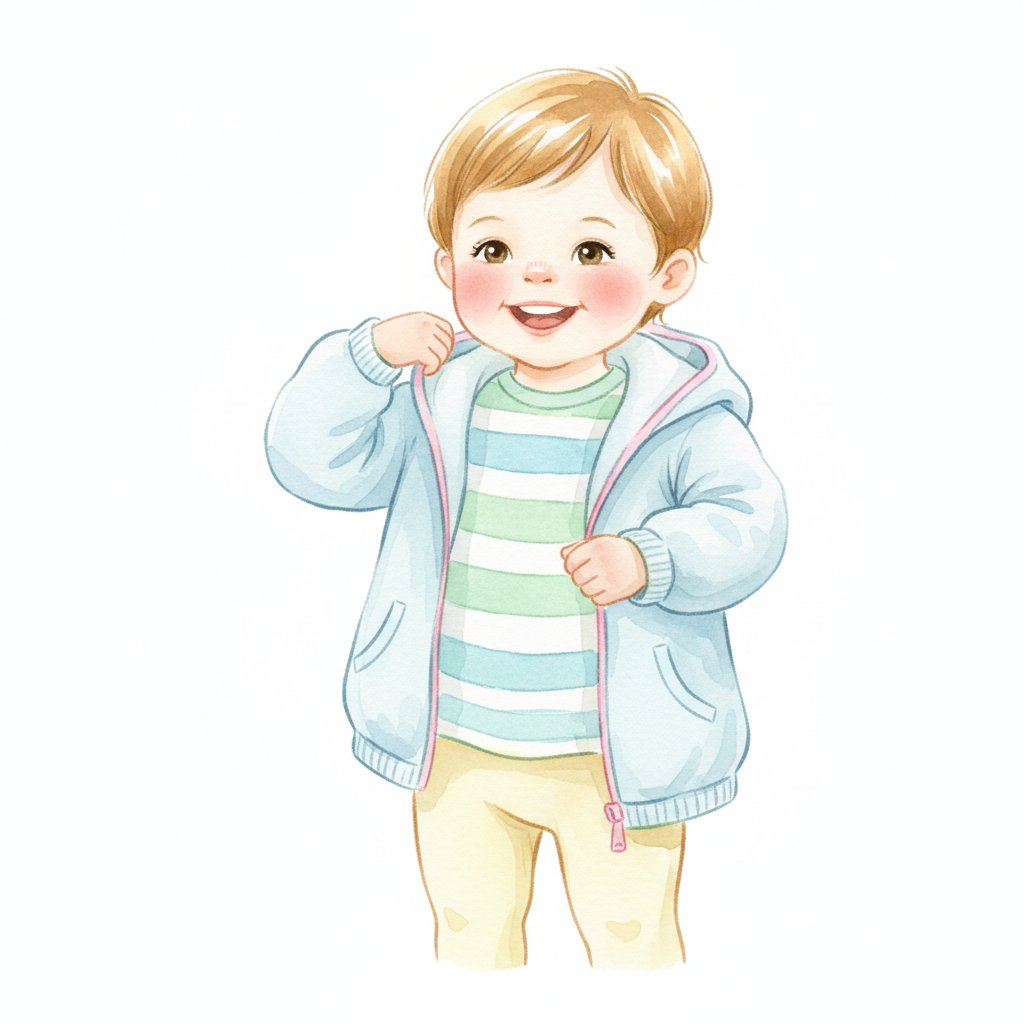

Building Independence Before Preschool (Ages 2-4)

1. "I can do it myself" challenge
What to do: Identify 5 things your child will need to do at preschool independently: put on a coat, open a lunch box, use the bathroom, wash hands, put on shoes. Practice each one daily. "You put your coat on BY YOURSELF! You're ready for preschool!" The specific skills build both competence AND confidence.

Why it works: Preschool teachers report that the #1 predictor of a smooth transition is NOT academic knowledge — it's self-help skills. A child who can put on their own coat, open their own snack, and use the bathroom independently feels capable and in control. A child who needs help with everything feels helpless and anxious.

2. Practice lunch box opening
Materials: Lunch box, containers, snack.

What to do: Let your child practice opening and closing their lunch box, containers, and water bottle. Many preschoolers can't open the containers their parents pack, which creates frustration at mealtime. Practice at home first.

3. Bathroom independence routine
What to do: Practice the full bathroom routine: close door, use toilet, wipe, flush, wash hands, dry hands. Many preschools require bathroom independence (or near-independence). Practice the SEQUENCE, not just the individual skills.

4. Coat and shoe flip
What to do: Teach the "preschool flip" for putting on a coat: lay the coat on the floor with the tag near the child's feet. Child puts arms in sleeves and flips the coat over their head. Practice until it's automatic. For shoes, start with velcro, not laces.

5. Clean-up practice
What to do: Set a timer for 2 minutes: "Clean-up time! Can you put away all the blocks before the timer goes off?" Preschool requires group clean-up, so practice the skill at home. Sing a clean-up song while you work. For more transition ideas, see our transition activities guide.

The morning routine IS preschool preparation
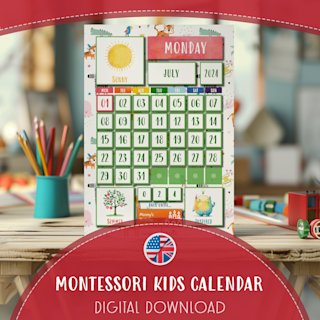
Our Morning Routine Visual Schedule Cards prepare toddlers for the preschool morning: wake up, bathroom, get dressed, eat breakfast, brush teeth, get backpack, go! Post the cards where your child can see them. Each morning, your child follows the schedule independently — exactly like they will at preschool. The cards teach that mornings have a sequence, independence feels good, and visual guides help you remember what to do next. Preschool-ready mornings start at home.

Separation Anxiety Strategies (Ages 2-4)

6. Goodbye ritual
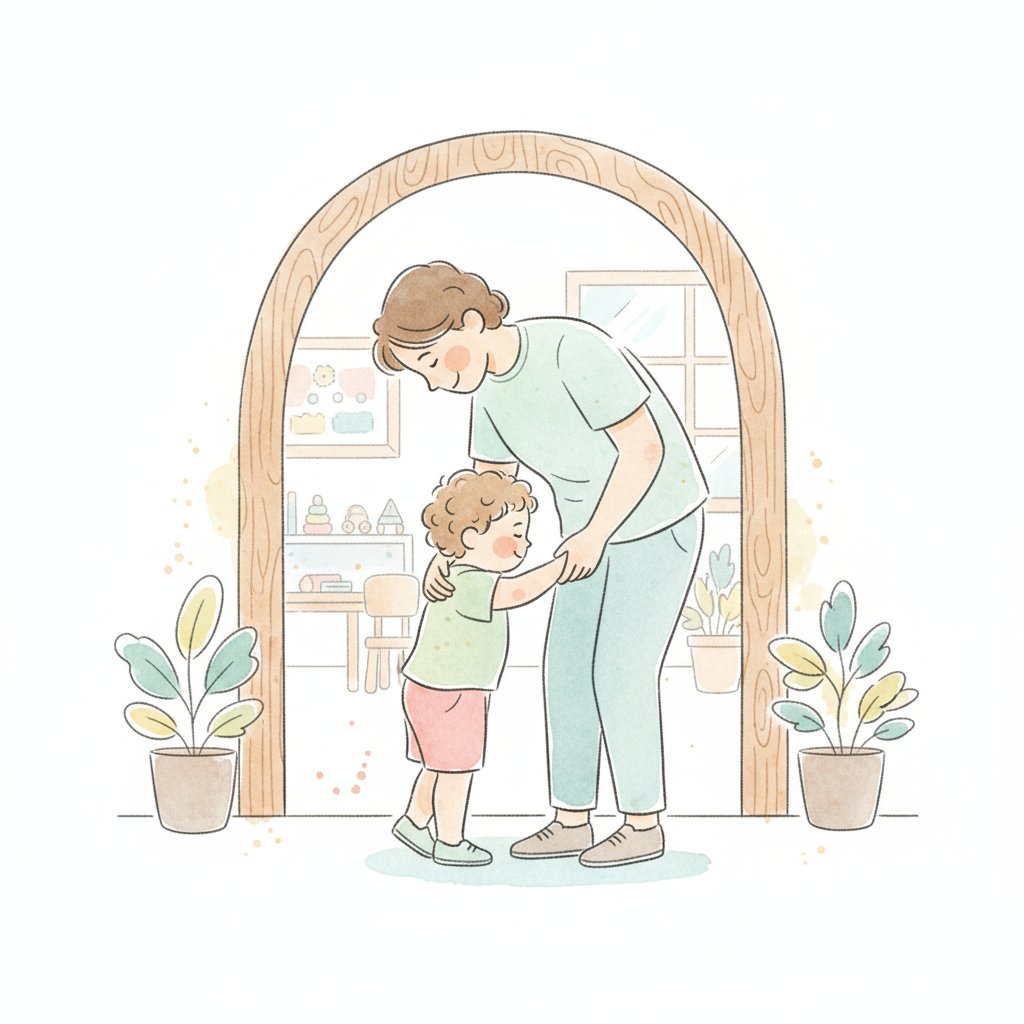
What to do: Create a special goodbye ritual: a secret handshake, a kiss on each cheek and one on the nose, a special phrase ("See you later, alligator!"). Use it EVERY time you leave, not just at preschool. The ritual provides predictability — your child knows exactly what happens before you go, which reduces anxiety.

Why it works: Separation anxiety peaks when children don't know WHAT will happen. The ritual creates a predictable goodbye sequence that signals: (1) I'm leaving, (2) I love you, (3) I will come back. The consistency of the ritual becomes the consistency of the reassurance.

7. "I'll be back when..."
What to do: Always tell your child when you'll return in terms they understand: "I'll be back after snack time." "I'll be back when you finish playing outside." The concrete time marker gives them something to look forward to.

8. Practice separations
What to do: Before preschool starts, practice short separations: leave your child with a grandparent for 30 minutes, then an hour, then a morning. Each successful separation builds the trust that you always come back. Increase the duration gradually.

9. Transitional object
Materials: A small comfort item from home.

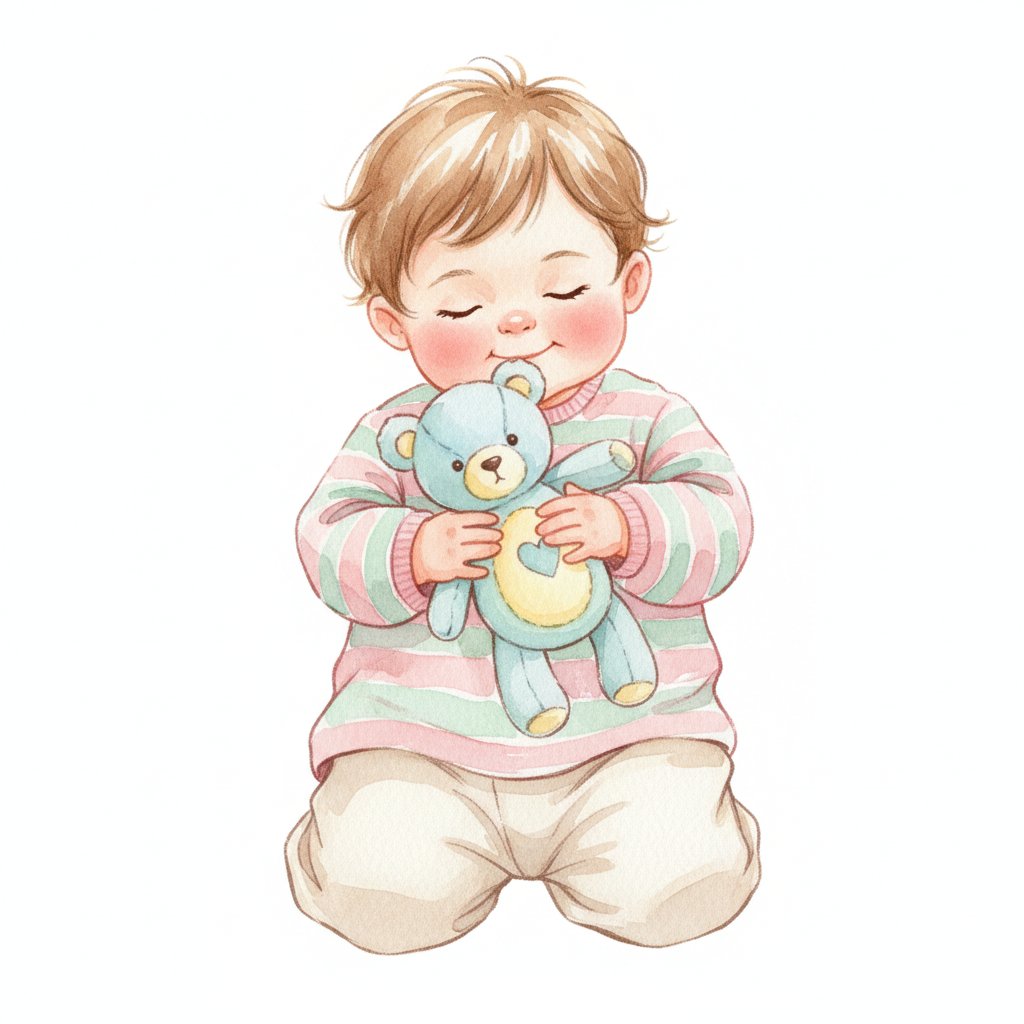
What to do: Let your child bring something from home: a small stuffed animal, a family photo, a special keychain. The object provides a bridge between home and school. "When you miss me, hold your bear." Many preschools allow a comfort item during the first weeks.

10. "Kissing hand"
What to do: Read "The Kissing Hand" by Audrey Penn. Before drop-off, kiss your child's palm and close their fingers over it. "I put a kiss in your hand. Whenever you miss me, press your hand to your cheek and feel my kiss." The story provides a concrete strategy for managing missing.

Name the feeling, tame the feeling
Our Emotions Monster Feelings Flashcards help toddlers name the big feelings that come with starting preschool: 'Which monster looks like how you feel? The SCARED monster? The SAD monster? It's okay to feel scared. Starting something new IS scary. But the BRAVE monster is inside you too.' 12 emotions, 12 conversations, one bridge from overwhelming feelings to manageable ones. Emotional vocabulary is the first tool of emotional regulation.

Social Preparation Activities (Ages 2-4)

11. Playdate practice
What to do: Arrange short playdates (1-2 hours) with other children before preschool starts. Practice sharing, taking turns, and solving minor conflicts. "Your friend wants a turn with the truck. What could you do?" For more social skills, see our social skills guide.

12. "Circle time" at home
What to do: Practice circle time at home: sit criss-cross, listen to a story, sing a song, take turns talking. "At preschool, you'll sit in a circle with your friends. Let's practice!" The home rehearsal removes the novelty so the real thing feels familiar.

13. Taking turns games
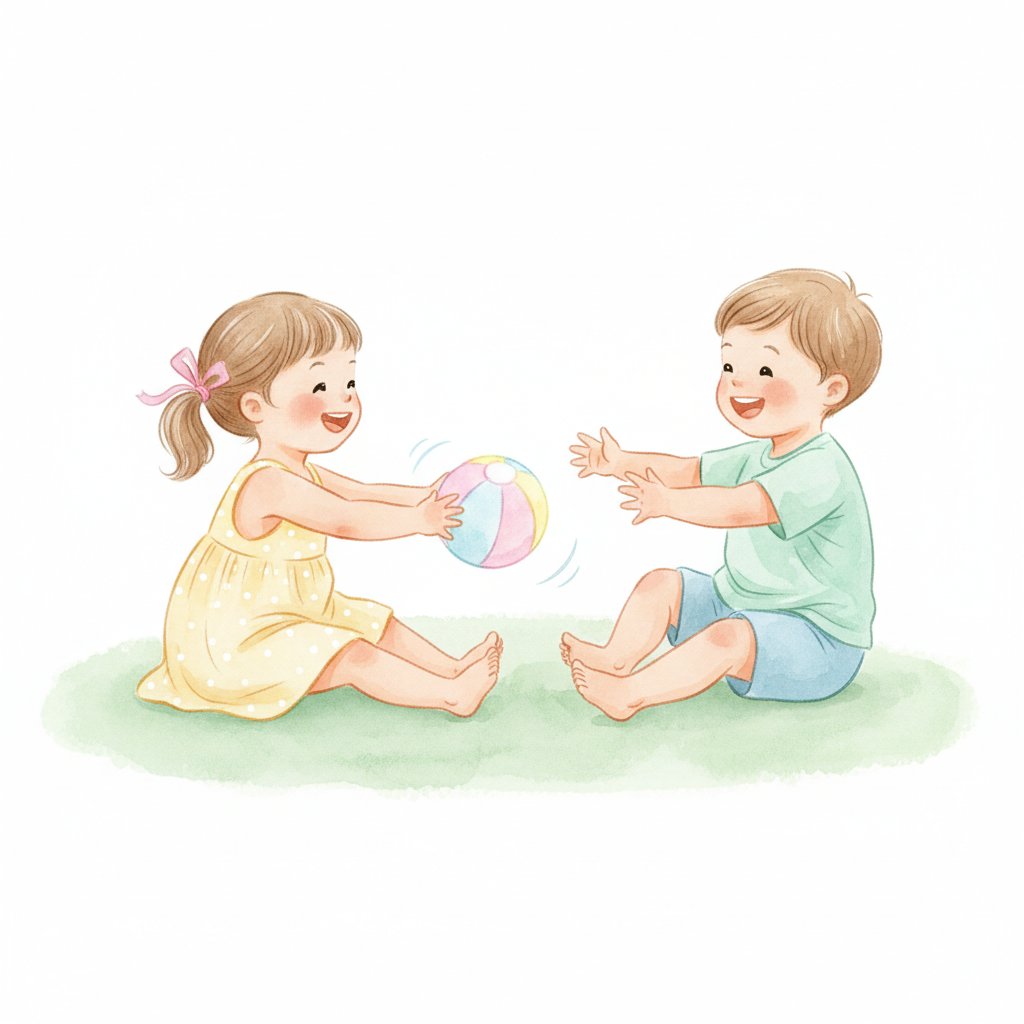
What to do: Play simple turn-taking games: roll a ball back and forth, take turns adding blocks to a tower, pass a stuffed animal around. "My turn. Your turn. My turn. Your turn." The rhythm of turn-taking is a foundational social skill. For more cooperative play, see our group games guide.

14. "What would you do?" social scenarios
What to do: Present social scenarios: "What would you do if someone took your toy? What would you do if you wanted to play with someone?" Children practice responses at home where they feel safe, so the responses are available when they need them at school.

15. Name practice
What to do: Help your child recognize and (if possible) write their first name. "At preschool, your name will be on your cubby, your work, and your things. Let's learn what it looks like!" Even recognizing their name (without writing it) gives children a sense of belonging. For more name activities, see our name recognition guide.

Emotional Preparation (Ages 3-4)

16. Preschool pretend play
Materials: Stuffed animals, doll furniture.

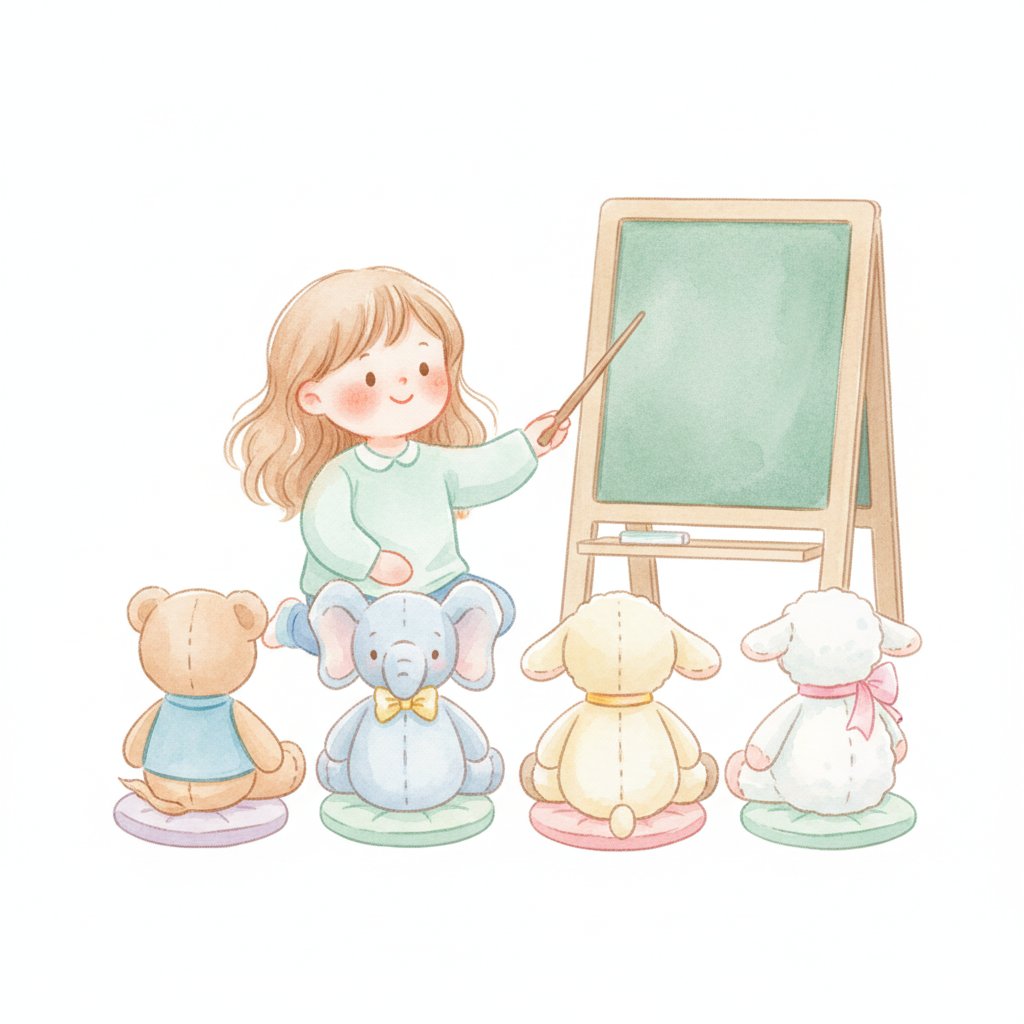
What to do: Play "preschool" at home with stuffed animals as students. Your child is the teacher (or a student). "Okay, bear, it's circle time! Sit criss-cross! Now we're going to have snack — raise your hand if you want juice!" The role-play gives children control over the preschool experience and lets them work through anxieties in a safe context. For more dramatic play, see our dramatic play guide.

Why it works: Pretend play is children's natural way of processing new experiences. When they "play preschool," they're rehearsing the routines, practicing the language, and resolving their fears through the safety of make-believe. The more they play it, the more familiar the real thing becomes.

17. Read preschool books
Materials: Books about starting preschool.

What to do: Read books about preschool: "The Kissing Hand," "Llama Llama Misses Mama," "Maisy Goes to Preschool," "The Night Before Preschool." After reading: "How did the character feel? Have you ever felt that way? What helped them feel better?" For more reading ideas, see our storytelling guide.

18. Visit the school (multiple times)
What to do: Visit the preschool building and playground before the first day. Walk through the classroom if possible. Point out specific things: "This is where you'll eat snack! This is the bathroom! This is the cubby where you'll put your backpack!" The familiarity reduces first-day overwhelm.

19. "Brave and scared at the same time"
What to do: Teach children that you can feel two things at once: "You can be scared AND brave at the same time. Being brave doesn't mean you're not scared. It means you try even though you're scared." The reframing normalizes fear and redefines courage.

20. Celebration countdown
Materials: Paper chain with numbered links.

What to do: Create a countdown chain for the days before preschool starts. Each day, remove one link and do one preparation activity. "Five days until preschool! Today we practice opening your lunch box!" The countdown builds excitement and provides a concrete visual of time passing. For more time concepts, see our days of the week guide.

Days of the week: when is preschool day?
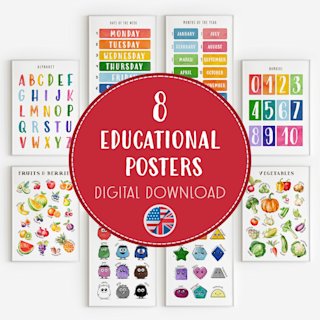
Our Days of the Week Poster helps toddlers understand their weekly schedule: 'Monday — preschool! Tuesday — home with Grammy! Wednesday — preschool! Thursday — library! Friday — preschool!' Post the poster at your child's eye level and review it each morning. Children who know what day it is and what's happening feel more in control. Predictable weeks reduce anxiety. Seven days, made meaningful.
1.How long does it take for a toddler to adjust to preschool?
Typically 2-4 weeks for the tears to stop and 4-8 weeks for full comfort. Some children adjust in days; others take months. Both are normal. The adjustment period is shorter when children have been prepared with independence skills, separation practice, and familiar routines. If your child is still crying at drop-off after 6-8 weeks, talk to the teacher about a modified drop-off plan.
2.Should I stay in the classroom on the first day?
Follow the school's policy. Most preschools prefer a quick, confident goodbye over lingering. When parents stay, children get the message "this place isn't safe without me." When parents leave confidently, children get the message "this place is safe — my parent trusts it." Make the goodbye warm but brief. The longer you stay, the harder the eventual departure.
3.My child regressed after starting preschool. Is that normal?
Very normal. Regression (bedwetting, clinginess, tantrums, baby talk) is a common response to the emotional demands of a new environment. Your child is using all their self-regulation energy at school and has none left at home. Be patient, maintain routines, offer extra cuddles, and avoid punishing regression. It will pass as the child adjusts.
4.What if my child doesn't want to go to preschool?
Validate the feeling, maintain the expectation: "I hear that you don't want to go. Sometimes I don't want to go to work either. But we go because it's important, and sometimes we have fun once we get there." Don't negotiate about whether they go — negotiate about how they feel about going. "You can be sad about going AND go to preschool. Both can be true."