Articles8 min read

Printable Spring Crafts for Kids: Fine Motor Skills Development

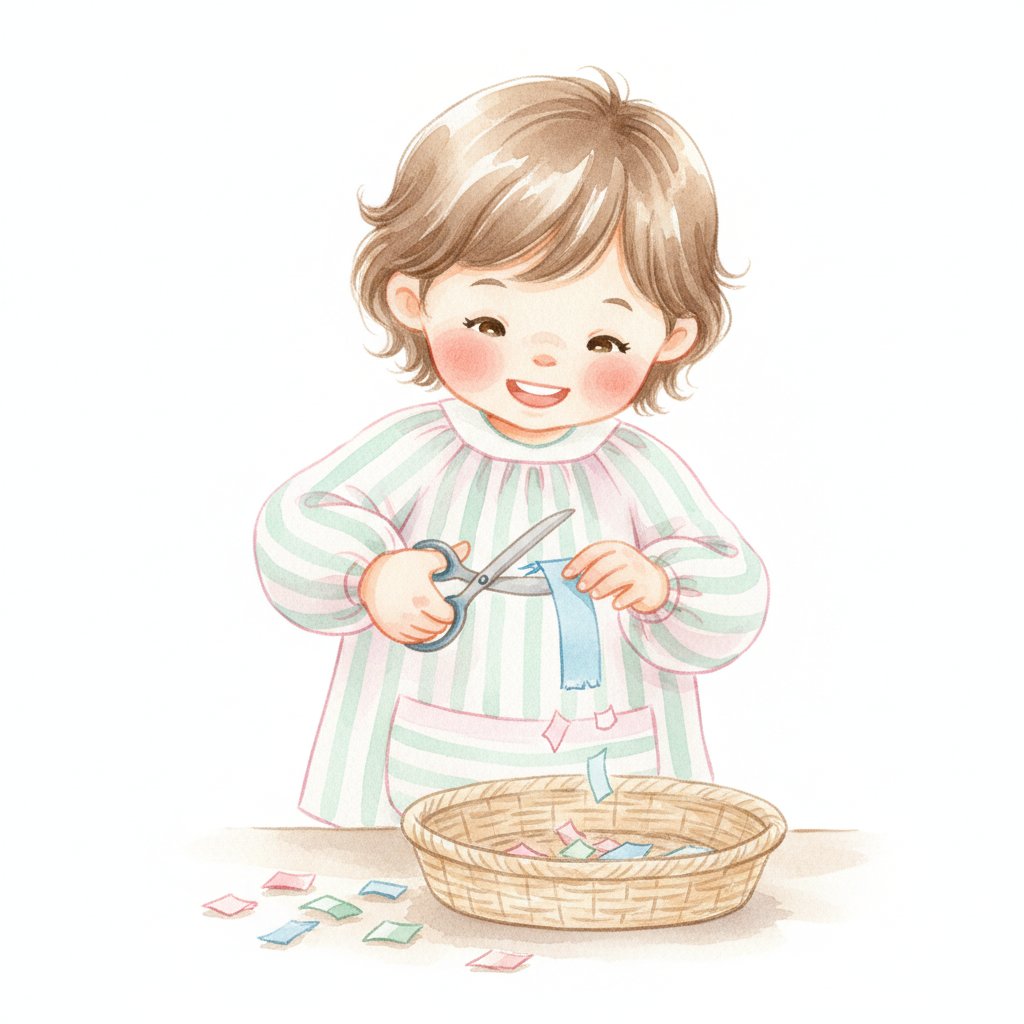
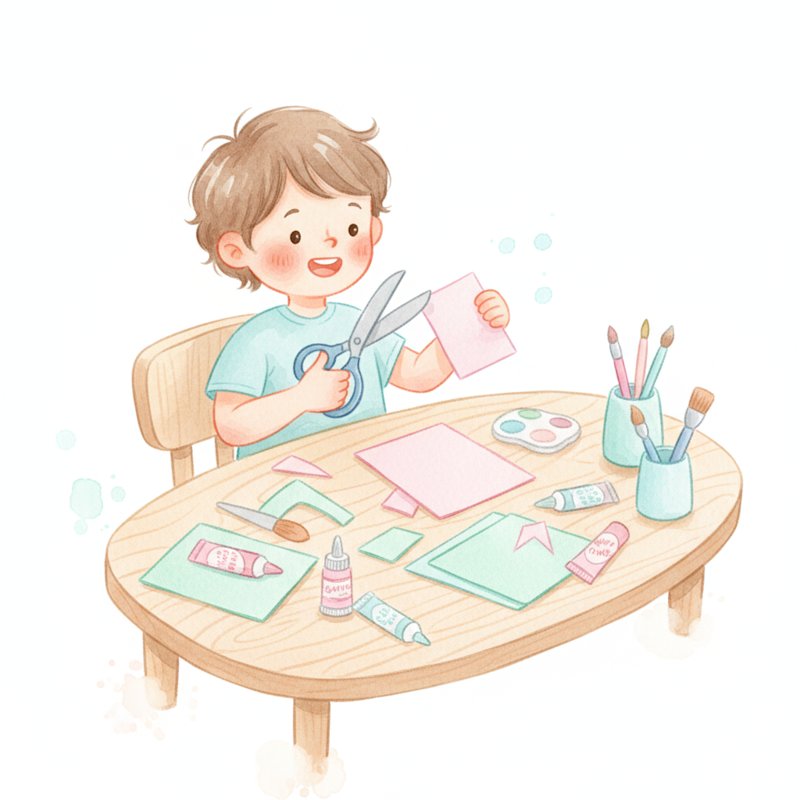
Watercolor illustration of a happy child cutting colorful paper with safety scissors at a craft table

Why Spring Crafts Build Fine Motor Skills

Last April, I set up a simple flower-cutting station for my daughter's preschool co-op. Within twenty minutes, fifteen three-year-olds were snipping, gluing, and threading — and every single one was building the hand strength and coordination they'll need for writing. The seasonal theme made it feel like play, not therapy. That's the magic of spring crafts: they sneak serious developmental work into activities kids already want to do.

Fine motor skills — the small, precise movements of hands and fingers — develop through repetition. According to the American Occupational Therapy Association, children need daily practice with grasping, pinching, cutting, and threading to build the neural pathways that support handwriting, buttoning, and self-feeding. Spring-themed printable crafts give kids that practice in a format that feels seasonal and exciting.

For a broader look at how these skills develop over time, check back for our upcoming guide to fine motor skills activities for kids. And if you're planning year-round activities, our seasonal activities for preschoolers guide (coming soon) will cover spring, summer, fall, and winter learning ideas.


Ready-made printable activities — no prep required
Our educational printables are designed by teachers and tested in real classrooms. Download, print, and start building fine motor skills in minutes. Flashcards, posters, and activity packs for every season.

Age-Appropriate Skill Progression

Not every spring craft is right for every age. Here's how to match the activity to your child's developmental stage:

Ages 2-3 (Toddlers): Focus on tearing, crumbling, and sticking. These motions build the pincer grasp and hand strength without requiring scissor skills. Think tissue paper flowers, sticker gardens, and crumbled paper chicks.

Ages 3-4 (Preschool): Introduce snipping with safety scissors, lacing cards, and tracing along thick lines. Children this age are developing bilateral coordination — using both hands together. Spring lacing cards (butterfly shapes work well) are perfect.

Ages 4-5 (Pre-K): Progress to cutting along curves, folding along lines, and more complex assembly. Multi-step crafts like paper flower bouquets require sequencing and sustained attention alongside fine motor control.

Ages 5-6 (Kindergarten): Introduce detailed cutting, weaving, and writing elements. Spring-themed worksheets with tracing paths, cut-and-paste scenes, and pattern completion challenge their growing precision.

If your child struggles with scissors, our scissor skills cutting practice guide breaks down the progression from snipping to complex cuts.

Preschooler snipping a paper strip into a basket with safety scissors

Craft 1: Flower Garden Cutting and Pasting

Skills targeted: Scissor use, bilateral coordination, spatial planning

Materials: Printable flower and stem templates (draw simple flowers with 2-inch stems), child-safe scissors, glue stick, green construction paper, a paper plate or cardstock base.

What I observed: When I first tried this with my daughter's class, I made the mistake of giving everyone the same pre-cut flowers. The children finished in two minutes and were bored. The next time, I gave them the templates to cut out themselves. Engagement tripled. The uneven cuts made each garden unique — and every child was building scissor skills without realizing it.

Steps:

  1. Print flower templates with thick outlines (quarter-inch lines are easiest for beginners)
  2. Have children cut along the flower outlines — encourage them to stay near the line, not on it
  3. Cut green paper strips for stems (straight cuts=easiest)
  4. Glue stems onto the base first, then flowers on top
  5. Add leaves by cutting teardrop shapes from green scraps

Adaptation: For younger kids (2-3), skip the cutting. Let them tear paper into petal shapes and glue them down. Tearing builds hand strength in a different but equally valuable way. For a structured cutting progression, check back for our upcoming scissor skills activities for preschool kids guide.

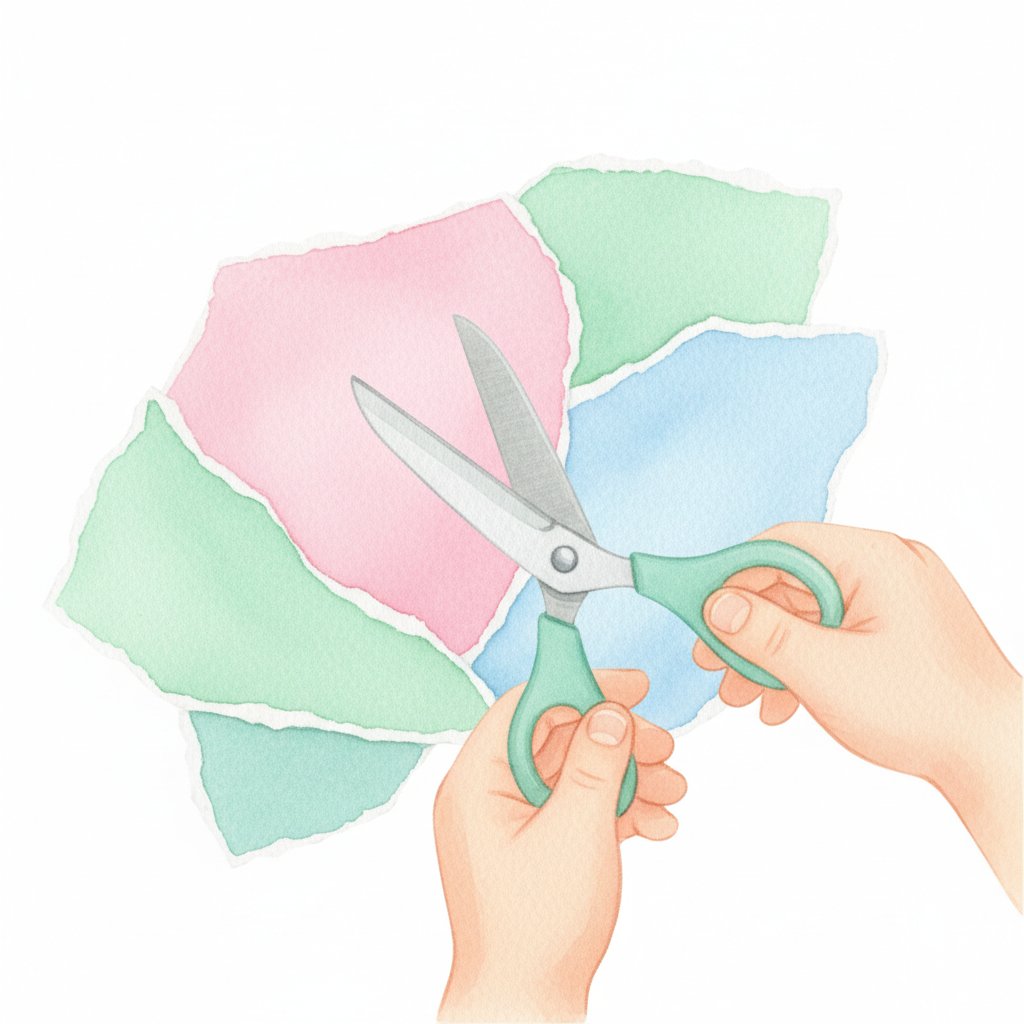
Close-up of small hands holding safety scissors correctly over craft paper

Craft 2: Butterfly Wing Lacing Cards

Skills targeted: Pincer grasp, hand-eye coordination, patience

Materials: Printable butterfly outlines on cardstock, hole punch, yarn or shoelaces, tape (to wrap yarn ends for easier threading).

What I observed: I made lacing cards for a rainy spring day activity. My four-year-old struggled with the first two holes, then found a rhythm. By hole six, she was threading independently and humming to herself. Occupational therapists call this "self-regulation through repetitive motion" — I call it a quiet thirty minutes.

Steps:

  1. Print butterfly templates on heavy cardstock (regular paper tears)
  2. Cut out the butterflies and punch holes around the wing edges, spaced about one inch apart
  3. Wrap tape around yarn ends to create a "needle" for easier threading
  4. Show the in-and-out motion: up through one hole, down through the next
  5. For older kids, try alternating colors of yarn or creating patterns

Why it works: Lacing requires the pincer grasp (thumb and index finger) which is the same grip used for holding a pencil. Each stitch also requires planning — which hole comes next? — building executive function alongside motor skills.

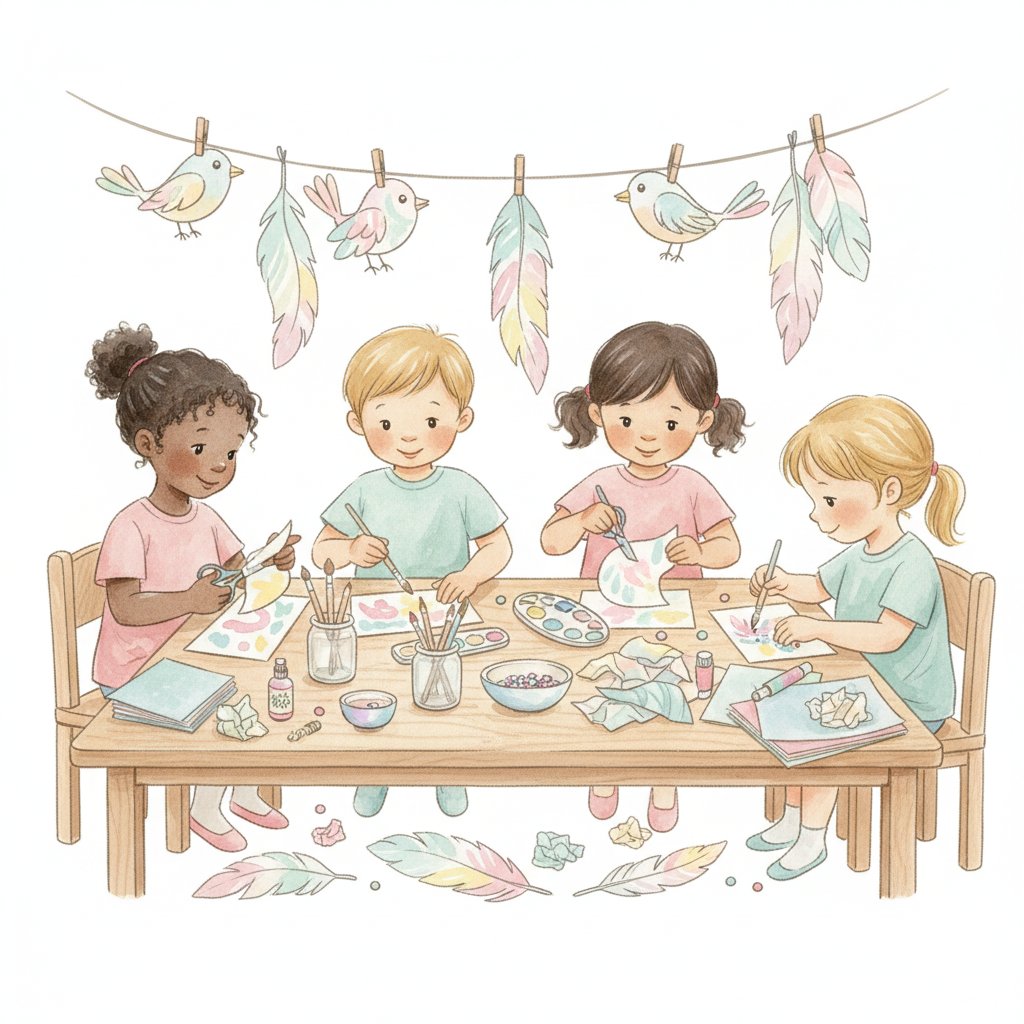
Children crafting colorful paper birds at an art table

Colors, shapes, and seasons — printable learning packs
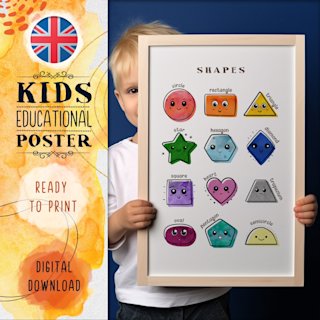
Build fine motor skills while teaching color recognition, shape identification, and seasonal vocabulary. Our monster-themed color flashcards and shapes posters make learning visual and fun.

Craft 3: Rainbow Fine Motor Tracing

Skills targeted: Pencil grip, line tracing, color sequencing

Materials: Printable rainbow templates with dashed lines, crayons or thick markers in rainbow colors.

Steps:

  1. Print templates with dashed rainbow arcs — thick dashes for beginners, thin for older kids
  2. Have children trace each arc with the matching color (red on the outer arc, violet on the inner)
  3. Encourage them to stay on the dashed line, not outside it
  4. For added challenge, have them draw small items at the rainbow's ends (a pot, flowers, a sun)

What I observed: Tracing is deceptively simple. When my daughter first tried it at age three, her crayon wandered everywhere. By age four, she could follow the dashes. The difference wasn't just practice — it was that her hand muscles had grown strong enough to control the crayon. That's fine motor development in action, and spring-themed tracing sheets make it feel like art, not drills.

Craft 4: Spring Button Tree Activity

Skills targeted: Pincer grasp, counting, one-to-one correspondence

Materials: Printable tree trunk template, small buttons in spring colors (pink, yellow, green, white), white glue or tacky glue.

Steps:

  1. Print the tree template — a simple trunk with bare branches
  2. Place a dot of glue where each "blossom" should go
  3. Have your child pick up buttons one at a time and press them onto the glue dots
  4. Count the buttons as you go: "One pink blossom, two pink blossoms..."

Why buttons matter: Picking up small, flat buttons requires a refined pincer grasp — the same grip needed for holding a pencil correctly. The activity also builds counting skills and color recognition. For more counting activities, check back for our upcoming number recognition activities for preschoolers guide.

Child painting colorful strokes at an easel

Craft 5: Chick Paper Tearing and Collage

Skills targeted: Bilateral coordination, finger strength, creative expression

Materials: Printable chick outline, yellow tissue paper or construction paper, orange paper for beak and feet, glue stick, googly eyes (optional).

Steps:

  1. Print the chick outline on cardstock
  2. Have your child tear yellow paper into small pieces (quarter-inch size is ideal)
  3. Glue the torn pieces inside the chick outline, filling the shape
  4. Cut (or tear) an orange triangle for the beak and two strips for feet
  5. Add googly eyes or draw eyes with a marker

What I observed: Paper tearing is one of the best fine motor activities for young children, yet it's often overlooked. My preschooler group last spring spent fifteen minutes just tearing the paper — longer than the gluing. The bilateral coordination required (holding with one hand, tearing with the other) directly translates to skills like holding paper while cutting with scissors.

For more activities that build hand strength through creative play, see our art activities for preschoolers and check back for our upcoming playdough activities for fine motor development guide.

Children making a torn paper collage with glue

Weather and seasons learning for spring craft days
Pair your spring fine motor crafts with our weather flashcards and seasonal printables. Kids learn vocabulary while their hands get stronger. Instant download, print at home.

Classroom and Home Adaptations

In the classroom: Set up craft stations with materials pre-sorted by skill level. Label each station with the target skill: "Cutting Station," "Tracing Station," "Lacing Station." Rotate groups every 10-15 minutes. This works well for mixed-age groups because each station can have materials at different difficulty levels.

At home: Keep a "spring craft basket" stocked with printable templates, safety scissors, glue sticks, yarn, and buttons. Pull it out during rainy spring days or as a calm-down activity after outdoor play. Having materials ready removes the friction that stops many parents from doing crafts.

For children with motor delays: Use adaptive scissors (spring-loaded that reopen automatically), thick-handled tools, and larger materials. An occupational therapist can recommend specific adaptations. The key is matching the challenge to the child's current ability — not their age.

Child freely exploring art materials at a little art table

Low-Prep and No-Supply Alternatives

No printer? No problem. Here are five fine motor spring activities that need zero supplies:

1. Finger Flower Tracing: Trace flower shapes in the air with your index finger. The isolation of finger movement builds dexterity.

2. Spring Sign Language: Learn the signs for "flower," "rain," "sun," and "butterfly." Making distinct hand shapes strengthens finger isolation.

3. Invisible Rainbow Drawing: Pretend to draw a rainbow in the air. Extend arms fully and make large sweeping arcs — this builds shoulder stability, which is the foundation for fine motor control.

4. Flower Petal Count: Hold up fingers on one hand and have your child count them, then make that many "petals" by spreading their fingers wide and closing them. Repeated opening and closing builds hand arch strength.

5. Rain Drop Finger Tap: Tap each finger to the thumb in sequence (index, middle, ring, pinky), pretending each tap is a raindrop. This builds finger individuation — the ability to move each finger independently.

For structured activities you can print, check back for our upcoming free printable coloring pages and kindergarten readiness checklist guides.

Frequently Asked Questions

What age should kids start spring crafts?
Simple crafts like paper tearing and sticker activities work from age 2. Cutting with scissors typically starts around age 3 with safety scissors and close supervision.

How do I know if a craft is developmentally appropriate?
If your child gets frustrated within the first minute, the craft is too hard. If they complete it without any effort, it's too easy. The sweet spot is when they need to concentrate but can finish with minimal help.

Can crafts replace occupational therapy?
No. Crafts are a great supplement for typically developing children, but they don't replace professional therapy for children with diagnosed motor delays. Always follow your occupational therapist's recommendations.

How many crafts per week should we do?
Aim for 3-5 short craft sessions (10-15 minutes each) per week. Consistency matters more than duration. Daily short practice builds skills faster than occasional long sessions.

What if my child doesn't like crafts?
Fine motor development happens through many activities — building with blocks, playing with playdough, picking up small objects. Check back for our upcoming toddler activities guide for more alternatives.