Articles8 min read

The Day My Daughter Solved a Problem I Didn't Know She Had

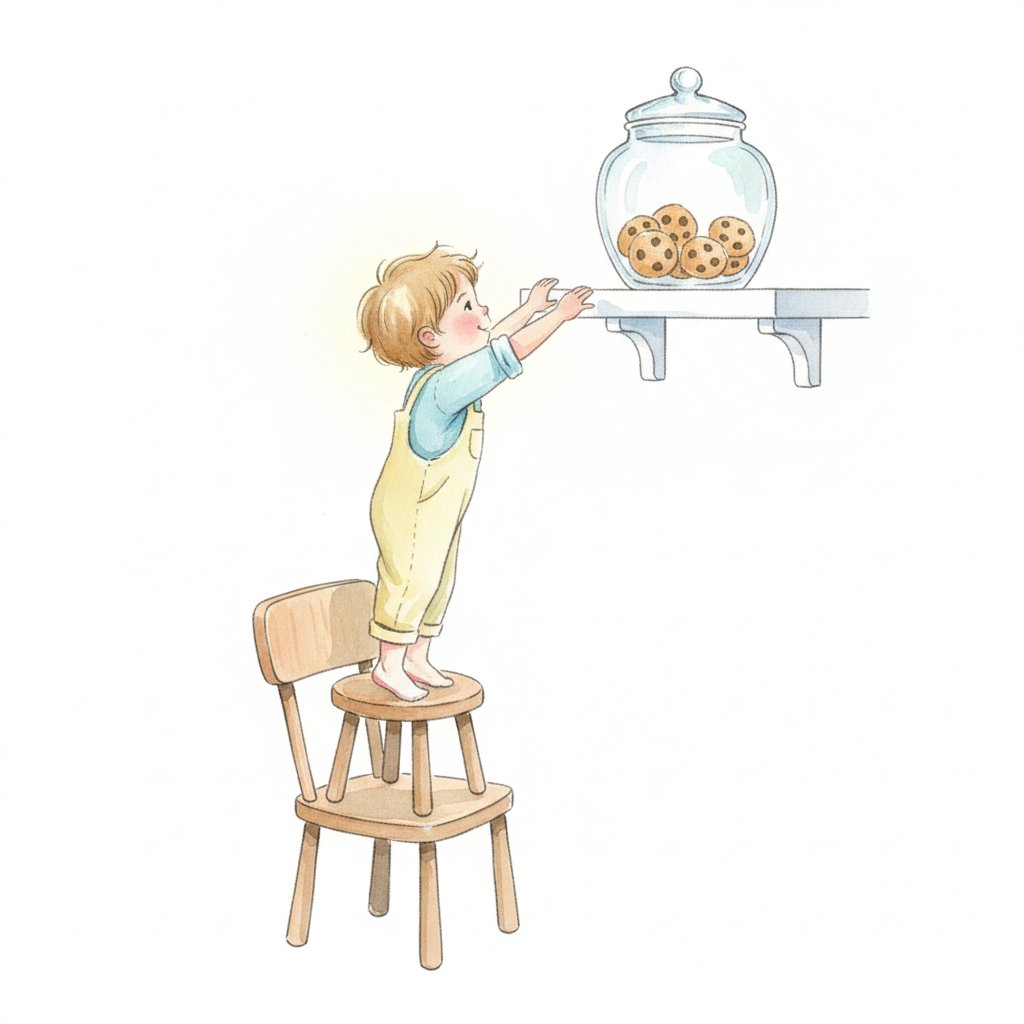
My four-year-old wanted to reach a cookie jar on a high shelf. Instead of asking for help (her usual approach), she dragged a chair to the counter, put a stool on the chair, and climbed up. I froze — it was dangerous and brilliant. She'd identified a problem (can't reach), generated a solution (stack things), tested it, and achieved her goal. She'd also created a new problem (a wobbly tower), which I solved by saying "Let me help — that's not safe."

Problem-solving is the meta-skill — the one that makes all other skills useful. According to research from the Partnership for 21st Century Learning, critical thinking and problem-solving are the top skills employers look for, yet they're rarely taught explicitly in early childhood. Most preschool activities teach WHAT to think (letters, numbers, colors), not HOW to think (analyze, strategize, evaluate).
This guide covers 20+ problem-solving activities for ages 3-6, organized by type: logical reasoning, engineering challenges, open-ended problems, and cause-and-effect exploration. Pair it with our puzzle activities for spatial reasoning and our science experiments for scientific thinking.
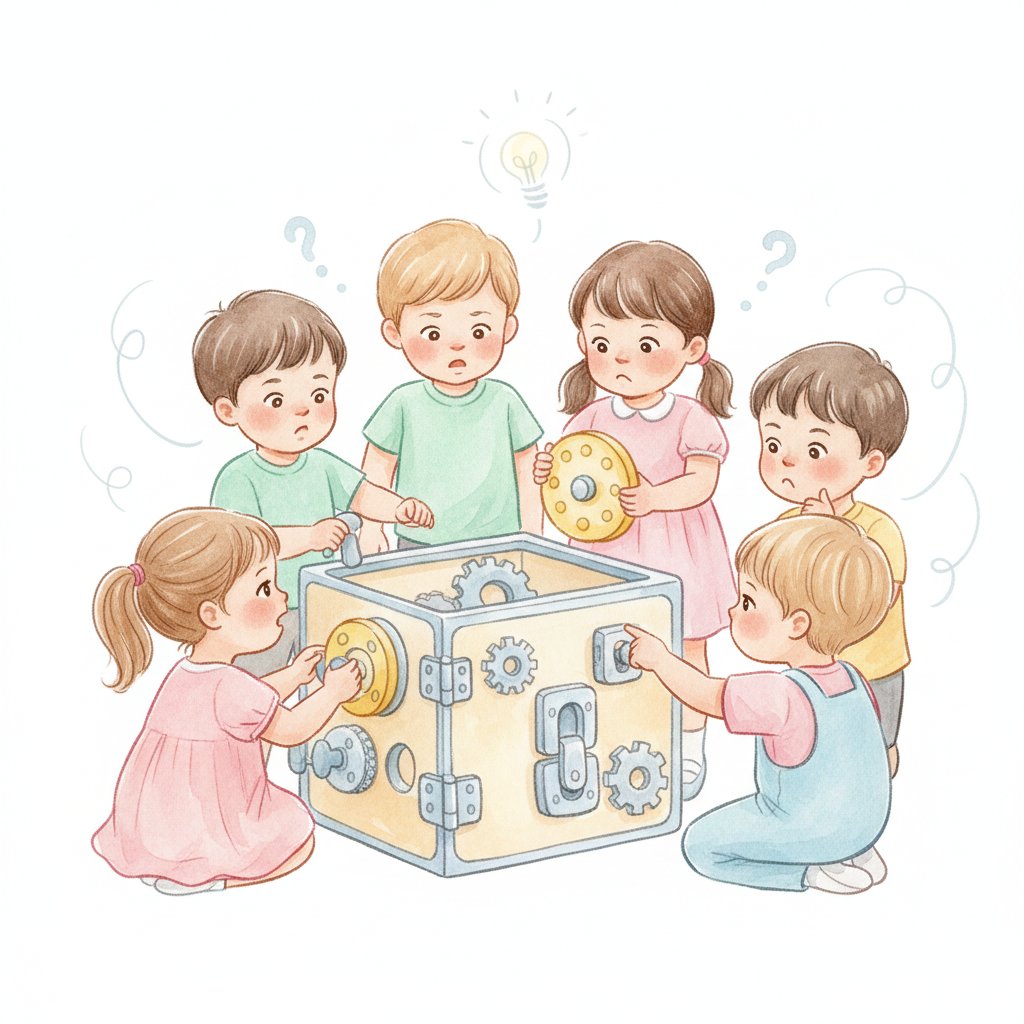
What Problem-Solving Looks Like at Ages 3-6

Ages 2-3: Trial and error. The child tries random actions until something works. They push, pull, bang, and taste everything. There's no strategy — just persistence. This IS problem-solving at the sensory-motor level.

Ages 3-4: Beginning to use tools. "I need to reach that" → looks for something to stand on. Can solve simple physical problems (open a container, get an object from under furniture) with one strategy. Gets frustrated when the first strategy fails.

Ages 4-5: Multiple strategies. "That didn't work. I'll try something else." Can generate 2-3 solutions and choose among them. Begins to ask for help strategically (not as a first resort but after trying independently). Can solve social problems with prompting: "He took my toy" → "What could you do?"

Ages 5-6: Planning before acting. "First I'll do this, then that." Can anticipate problems ("That tower might fall") and prevent them. Can evaluate solutions after the fact: "That worked because..." or "Next time I should..."

Problem-Solving SkillAge EmergingWhat It Looks Like
Trial and error2Tries everything until something works
Tool use3Uses objects to solve physical problems
Multiple strategies4"I'll try another way"
Asking for help3-4Seeks assistance after trying
Planning ahead5"First I'll do X, then Y"
Evaluating solutions5-6"That worked because..."
Social problem-solving4-5"What could I do about this?"

Key principle: Don't solve problems FOR children. Solve problems WITH them. The difference between "Let me fix that" and "What could we try?" is the difference between dependence and critical thinking. For more on this mindset, see our science experiments guide.

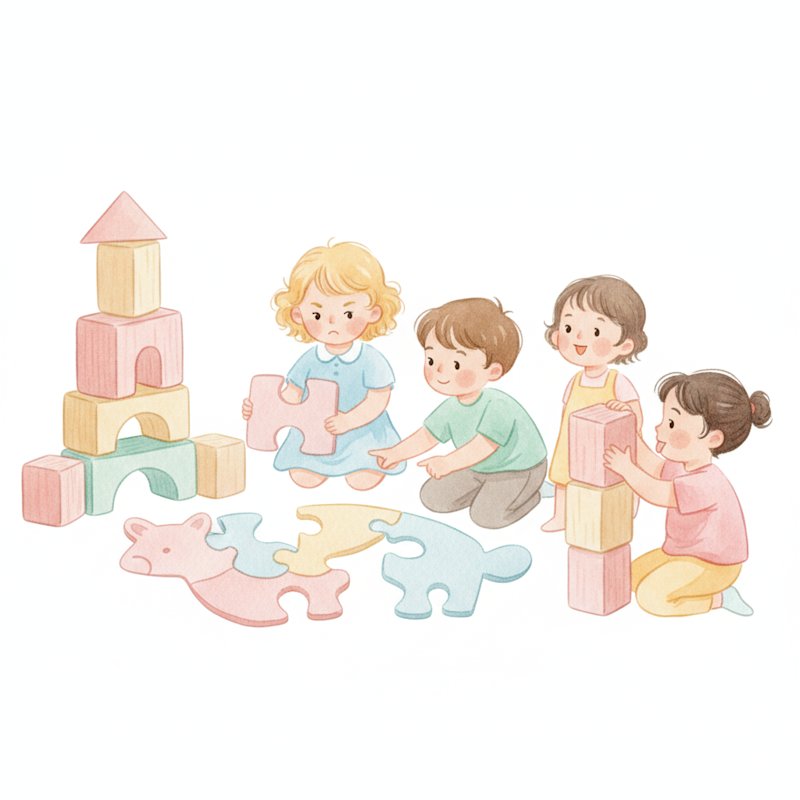
Every puzzle piece is a tiny problem
Our Alphabet Monster Flashcards become a puzzle-solving challenge: 'I'm thinking of a monster whose name starts with the same sound as SUN. Which monster is it?' The child must analyze the clue, scan the cards, match the sound, and identify the monster. Each riddle is a micro problem with a satisfying solution. 26 monsters, 26 riddles, 26 problems solved.

Logical Reasoning Activities (Ages 3-6)

1. What doesn't belong?
Materials: Groups of objects or pictures where one doesn't fit.

What to do: Present groups: "Apple, banana, carrot, orange. Which doesn't belong?" (Carrot — it's a vegetable). "Shoe, sock, hat, glove. Which doesn't belong?" (Hat — it goes on your head). Children explain their reasoning: "Carrot doesn't belong because it's not a fruit."

Why it works: Classification requires analyzing attributes (color, shape, category, function) and identifying which item breaks the pattern. The EXPLANATION matters more than the answer — verbalizing reasoning builds metacognition (thinking about thinking). For more classification work, see our sorting guide.

2. If-then chains
What to do: Build logical chains aloud: "If it rains, then the ground gets wet. If the ground gets wet, then the worms come out. If the worms come out, then the birds eat." Children create their own chains: "If I eat all my dinner, then I get dessert. If I get dessert, then..."

3. Guess my rule
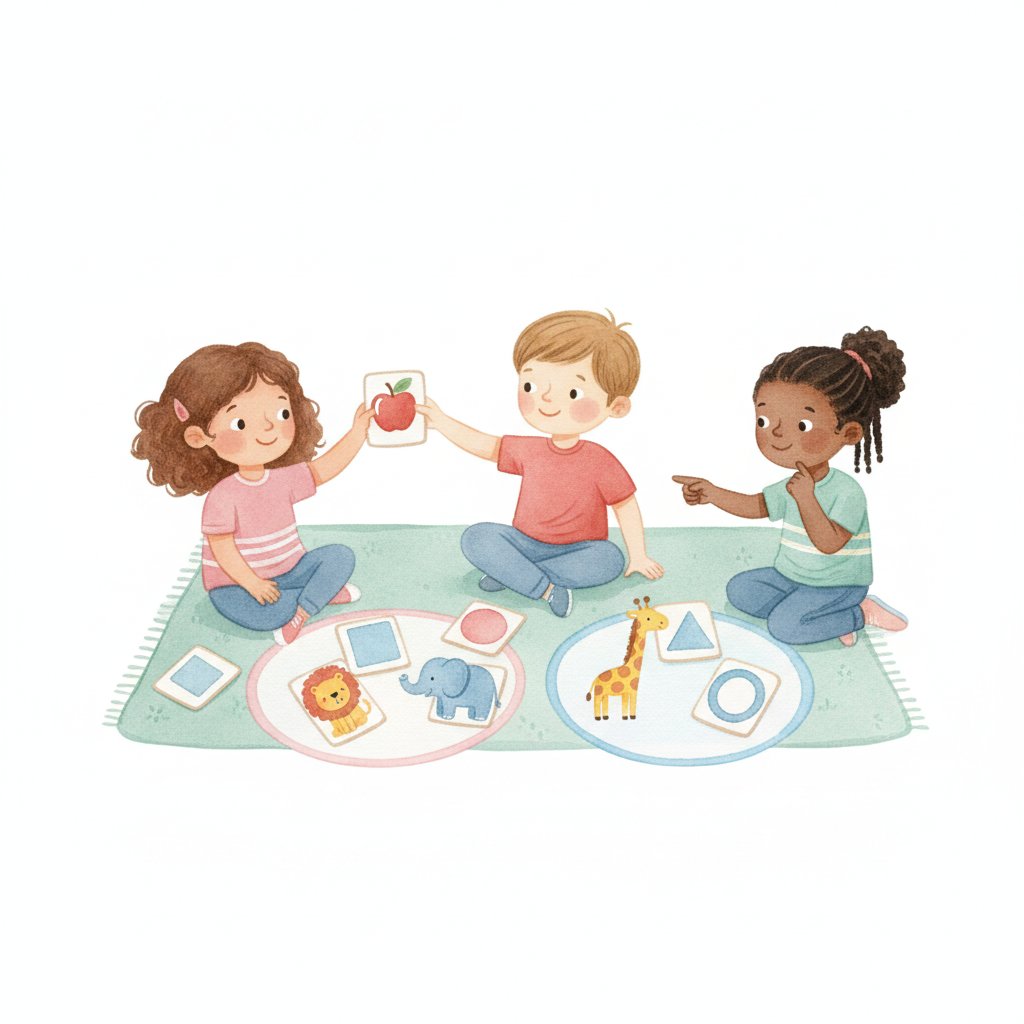
What to do: Sort objects into two groups by a secret rule (color, shape, size). Children try to figure out the rule by asking: "Is it because they're all red?" The game teaches hypothesis testing — children propose a rule, test it against new evidence, and revise.

4. Which comes next?
Materials: Pattern cards or objects.

What to do: Set up a pattern: red, blue, red, blue, red... "What comes next?" Start with AB patterns, progress to ABC and AABB. The prediction requires recognizing the rule governing the sequence. For more patterns, see our pattern guide.

5. Same and different
What to do: Hold up two objects. "What's the SAME about these? What's DIFFERENT?" The comparison requires analyzing multiple attributes simultaneously. "They're both red. But this one is big and this one is small." For more comparing, see our opposites guide.

Engineering Challenges (Ages 4-6)

6. Tallest tower challenge
Materials: Blocks, measuring tape or ruler.

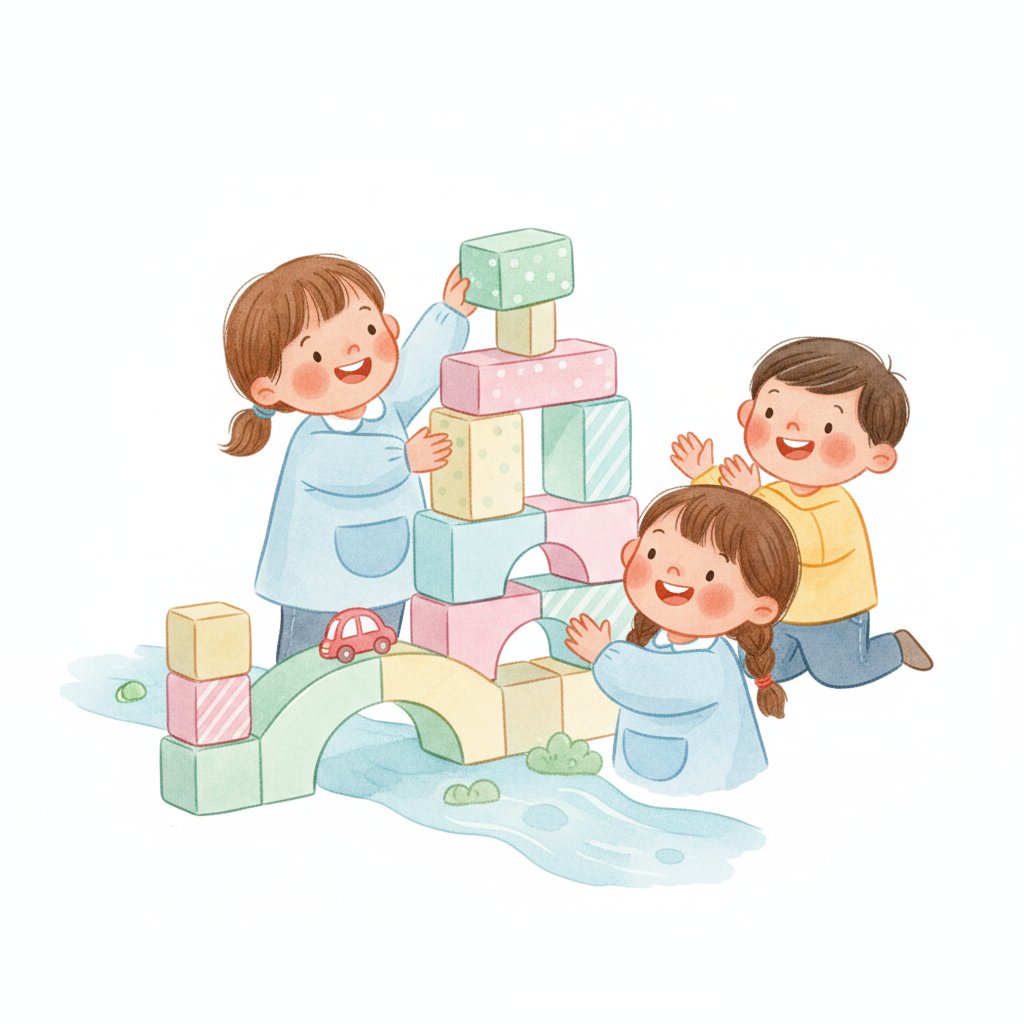
What to do: "Build the tallest tower you can. When it falls, try again. Can you make it taller this time?" Children experiment with base width, block selection, and stacking technique. Each collapse is DATA — "What made it fall? What can you change?"

Why it works: Engineering challenges teach the design cycle: imagine → build → test → revise. The "failure" (tower falling) is essential — it provides the information needed for the next iteration. Children who learn to see failure as data, not defeat, become persistent problem-solvers. For more building, see our block activities guide.

7. Bridge for a toy car
Materials: Blocks, cardboard, paper, tape.

What to do: "Two chairs are a 'river.' Build a bridge that a toy car can drive across without falling." Children design, build, test, and revise. Some bridges collapse; some are too narrow; some are too steep. Each failure teaches something.

8. Protect the egg (simplified)
Materials: Hard-boiled egg, various materials (cotton, paper, foam, tape).

What to do: "Wrap this egg so it doesn't break when dropped from knee height." Children choose materials, wrap the egg, and test. If it breaks: "What would you do differently?" (Use a hard-boiled egg to avoid mess — the learning is the same.)

9. Water moving challenge
Materials: Containers, funnels, tubes, cups, water (in a bin).

What to do: "Move water from this container to that container WITHOUT pouring directly." Children figure out how to use tubes, funnels, and cups to redirect water. The challenge has multiple solutions — and spills are just data. For more water play, see our sensory guide.

10. Maze building
Materials: Blocks, tape, or chalk.

What to do: Children design a maze on the floor (with tape or chalk) or with blocks. Then a friend tries to navigate it. "Is it solvable? Can anyone get stuck? How could you make it harder?" For more spatial challenges, see our puzzle guide.

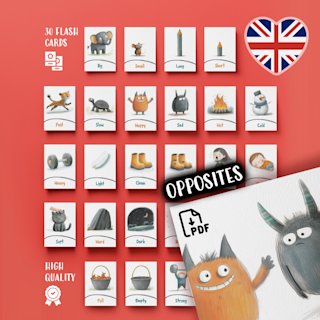
Color flashcards + logic=instant problem solving
Our Colors Flashcards become logic games: 'Sort ALL the cards into two groups — warm colors and cool colors. Now sort them into light and dark. Now sort them by which ones remind you of food.' Each sorting rule is a different problem. The same 11 cards yield infinite challenges when the RULE changes. Children practice flexible thinking — the same information, organized differently.

Open-Ended Problems (Ages 3-6)

11. The "how many ways" challenge
Materials: One object (a paper cup, a cardboard box, a stick).

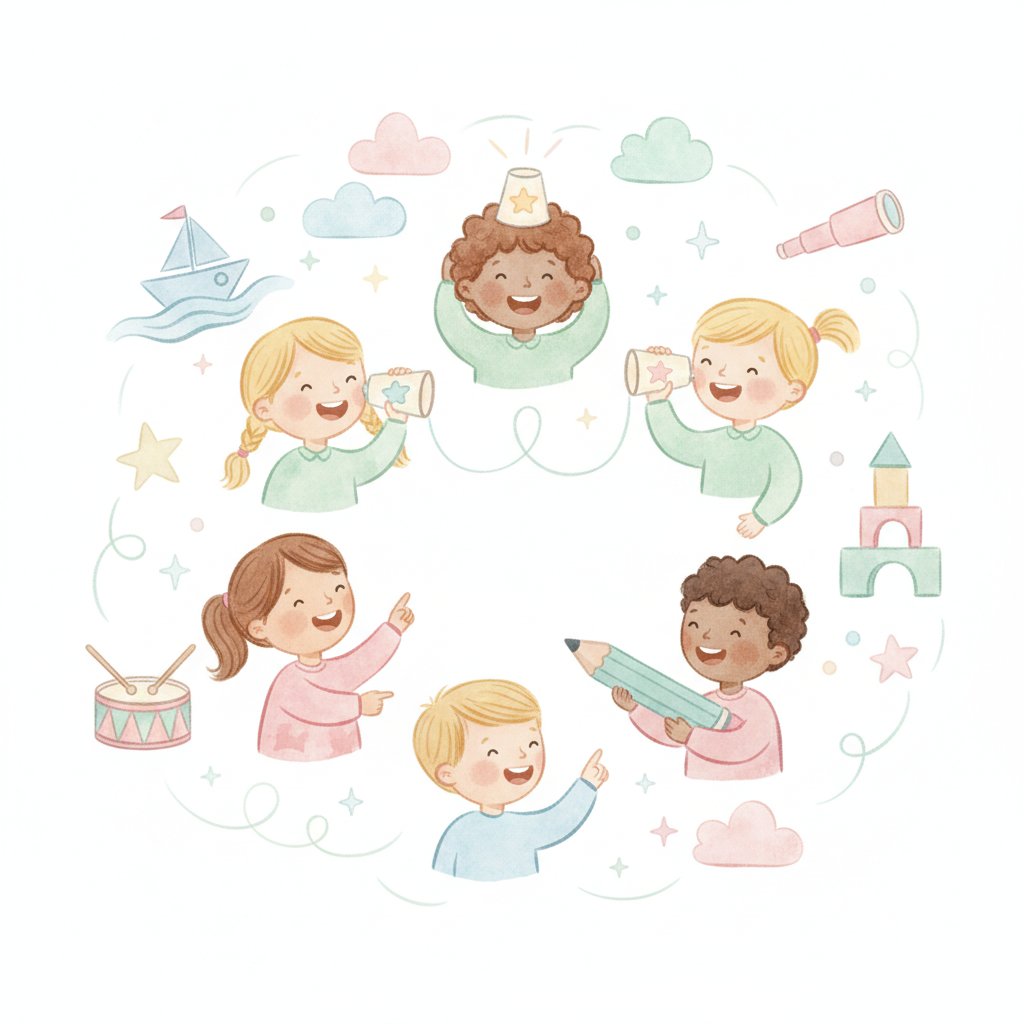
What to do: "How many DIFFERENT ways can you use this cup?" Children brainstorm: drink from it, stack it, wear it as a hat, make a phone, grow a plant, hold crayons, scoop sand, make music... Count the ideas. More ideas=better divergent thinking. For more divergent thinking, see our imagination guide.

12. The "what would happen if" experiment
What to do: Pose hypotheticals: "What would happen if it rained jellybeans?" "What would happen if dogs could talk?" "What would happen if you were invisible for a day?" Children imagine consequences — the chain of effects from one change. The further they go, the more complex the reasoning.

13. Two solutions required
What to do: Present a problem and require TWO different solutions. "Your friend is crying because they dropped their ice cream. Solution 1? Solution 2?" The requirement forces children past the first obvious answer to generate alternatives. For more social problem-solving, see our social skills guide.

14. Fix it station
Materials: "Broken" items (a box with a hole, a torn book, a toy with a missing piece).

What to do: "This is broken. How can we fix it?" Children propose solutions: tape, glue, replace, redesign. Some fixes work, some don't — and that's the lesson. Real problems have multiple solutions and some are better than others.

15. The optimization challenge
What to do: After children solve a problem, ask: "Can you solve it FASTER? Can you solve it using FEWER materials? Can you solve it a DIFFERENT way?" Optimization (making a good solution better) is advanced problem-solving.

Cause-and-Effect Activities (Ages 3-6)

16. Chain reaction machine
Materials: Dominoes, blocks, balls, ramps.

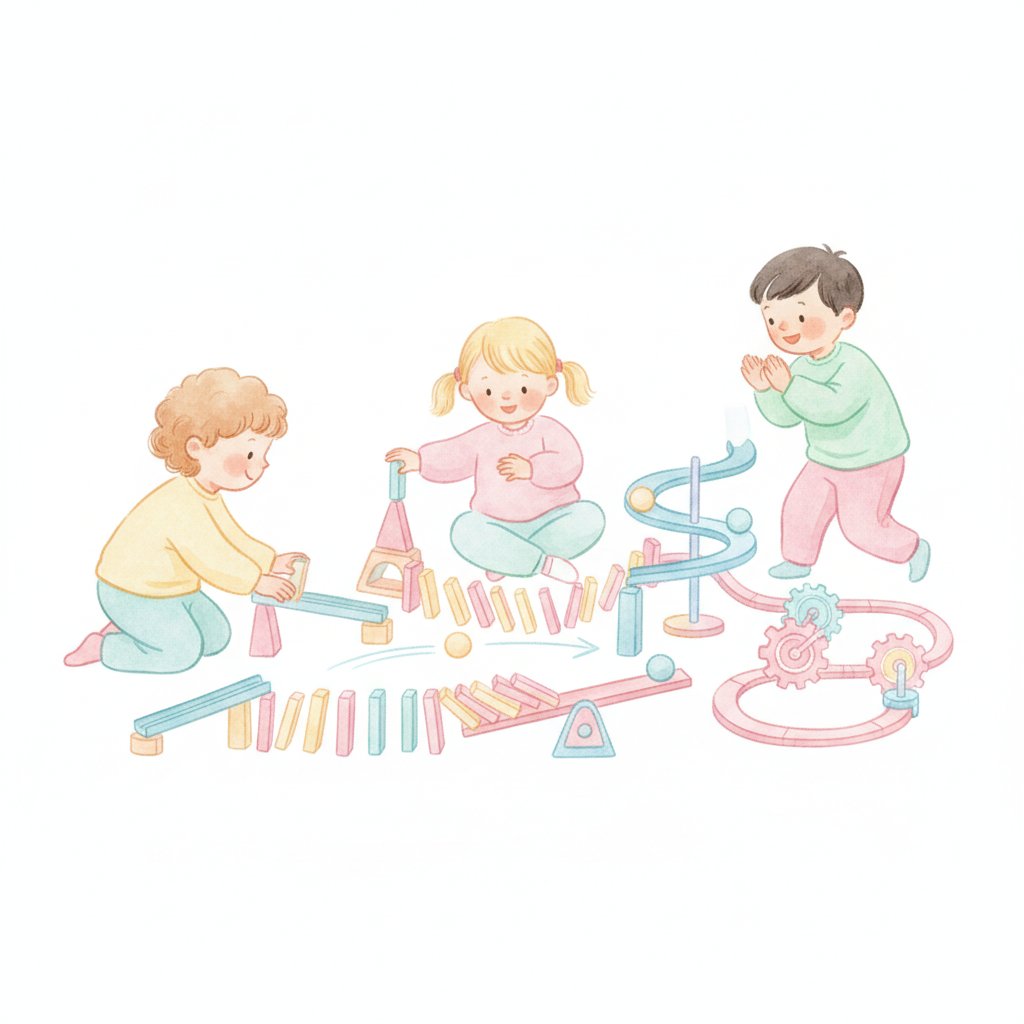
What to do: Children build a Rube Goldberg-style chain reaction: a ball rolls down a ramp, hits dominoes, which knock over a block, which releases a toy. The chain requires understanding that each action CAUSES the next. For more physics fun, see our science experiments.

Why it works: Chain reactions make cause-and-effect visible and dramatic. Children see that one small action can produce a big result — and they learn to think about consequences. "If I push THIS, then THAT will happen."

17. Sink or float predictions
Materials: Water bin, various objects.

What to do: Before placing each object in water, children predict: "Will this sink or float? Why?" After testing: "Were you right? What made it sink/float?" The predict-test-evaluate cycle is scientific thinking. For more prediction activities, see our weather guide.

18. What made that sound?
Materials: Objects hidden behind a screen, noisemakers.

What to do: Make a sound behind the screen. "What do you think made that sound? Why?" Children hypothesize based on auditory evidence, then check. For more listening activities, see our listening guide.

19. Plant growth experiment
Materials: Seeds, soil, water, two containers.

What to do: Plant seeds in two containers. Water one, don't water the other. "What do you think will happen?" Children observe over days and weeks: the watered plant grows, the dry one doesn't. The controlled experiment teaches that specific actions (watering) cause specific results (growth).

20. "Because" chain stories
What to do: Build stories where each sentence starts with "because": "I was late. Because I couldn't find my shoes. Because the dog hid them. Because he thought it was a game. Because he's a silly puppy." Children practice tracing causes back through a chain. For more storytelling, see our storytelling guide.

Farm animals are a classification goldmine
Our Farm Animals Flashcards become instant logic problems: 'Sort the animals by number of legs. Now sort by where they live (barn vs. pond). Now sort by what they give us (milk, eggs, wool).' Each sorting rule tests a different attribute. Children learn that the same animal can belong to multiple categories depending on the rule — a foundational logic concept. 12 animals, infinite classification challenges.
1.Should I let my child struggle with a problem or help immediately?
Let them struggle PRODUCTIVELY. If they're frustrated but still trying, wait. If they're shutting down (crying, giving up, saying "I can't"), offer a scaffold: "What have you tried so far? What could you try next?" The goal is productive struggle — hard enough to grow, easy enough to succeed with effort. The zone of proximal development: they can't do it alone YET, but they can do it with a small hint.
2.How do I teach problem-solving without creating frustration?
Start with problems that have MULTIPLE correct solutions (open-ended building, creative art, "how many ways can you..."). There's no single right answer, so there's no failure. Gradually introduce problems with one best solution (puzzles, logic games) once children are comfortable with the problem-solving PROCESS. Confidence comes before competence.
3.My child gives up immediately when something is hard. What should I do?
Teach the word "yet." "You can't do it... YET." Model persistence aloud: "This is hard for me too. I'm going to try again. There — I did it!" Normalize difficulty: "Hard things are how our brains grow." Start with brief challenges (30 seconds) and gradually increase duration. Celebrate EFFORT, not just success: "You kept trying even when it was frustrating — that's what problem-solvers do."
4.Are puzzles enough for problem-solving, or do I need more?
Puzzles are one TYPE of problem-solving (spatial reasoning). Children also need: logical reasoning (if-then thinking), engineering challenges (design-build-test), social problem-solving (conflict resolution), and creative problem-solving (multiple solutions to open-ended problems). A balanced problem-solving diet includes all five types. Think of puzzles as one food group — important but not sufficient alone.