The Puzzle That Took 45 Minutes (And Why That Was Perfect)
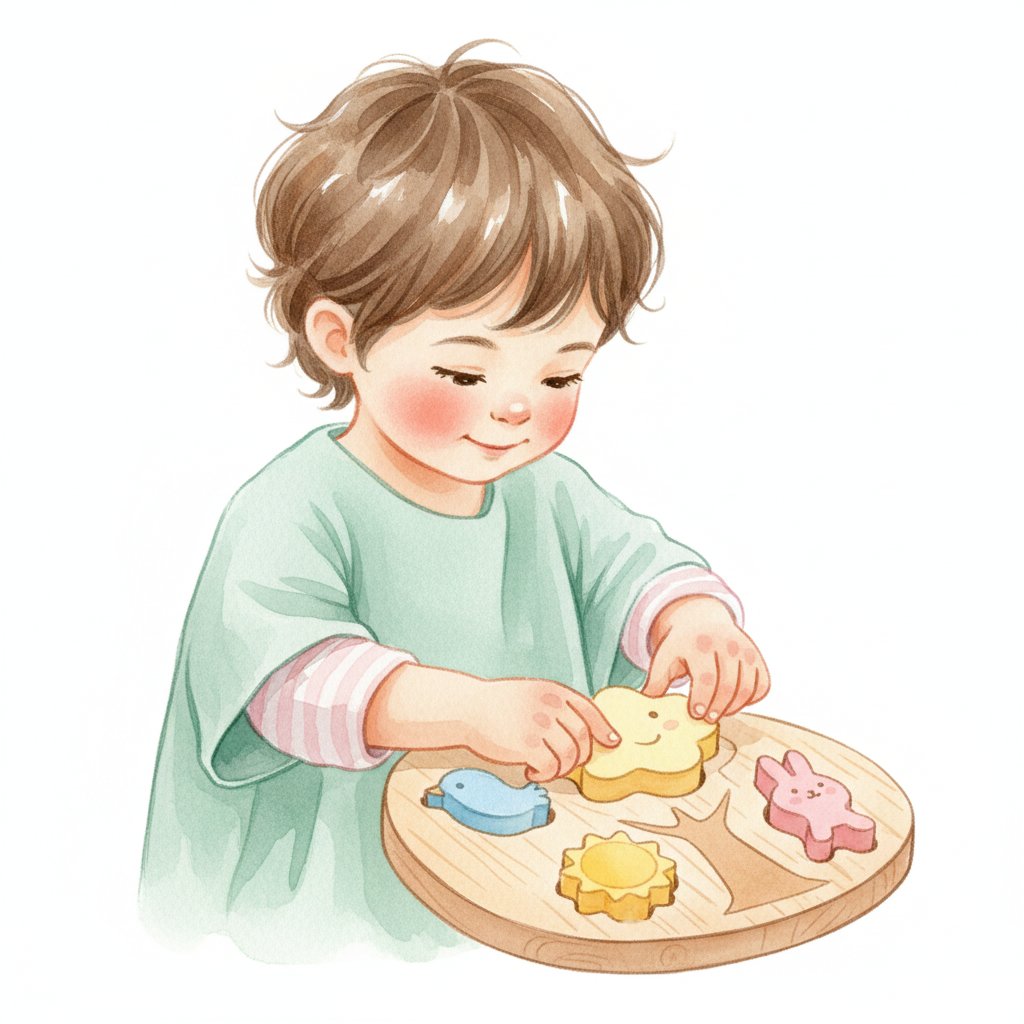
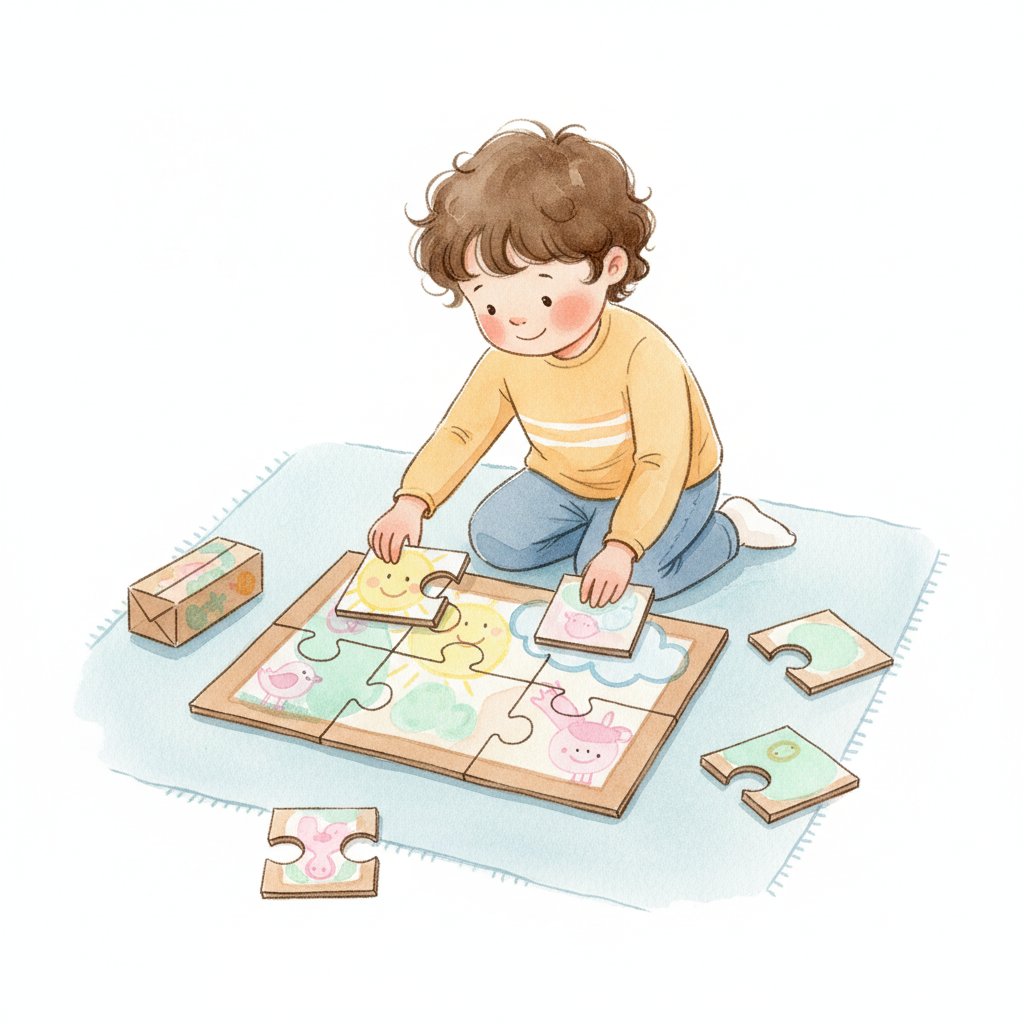
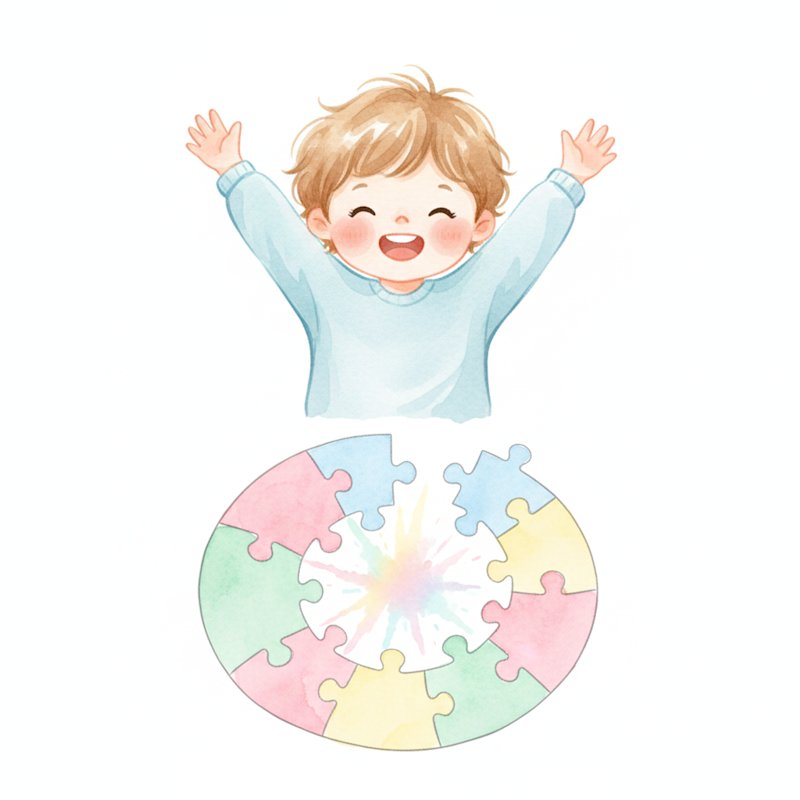
My four-year-old sat with a 24-piece jigsaw puzzle for 45 minutes. She tried pieces upside down. She flipped them. She tested edges against edges, corners against corners. She got frustrated twice — once she threw a piece across the room — but each time she came back. When she placed the final piece, she leaped up and screamed "I DID IT!" like she'd won the lottery.
That 45-minute struggle was one of the most valuable learning experiences of her year. Puzzles develop spatial reasoning, working memory, problem-solving strategies, and — critically — the ability to persist through frustration. According to research from the University of Chicago, children who play with puzzles between ages 2 and 4 develop stronger spatial skills, which predict later success in science, technology, engineering, and mathematics.
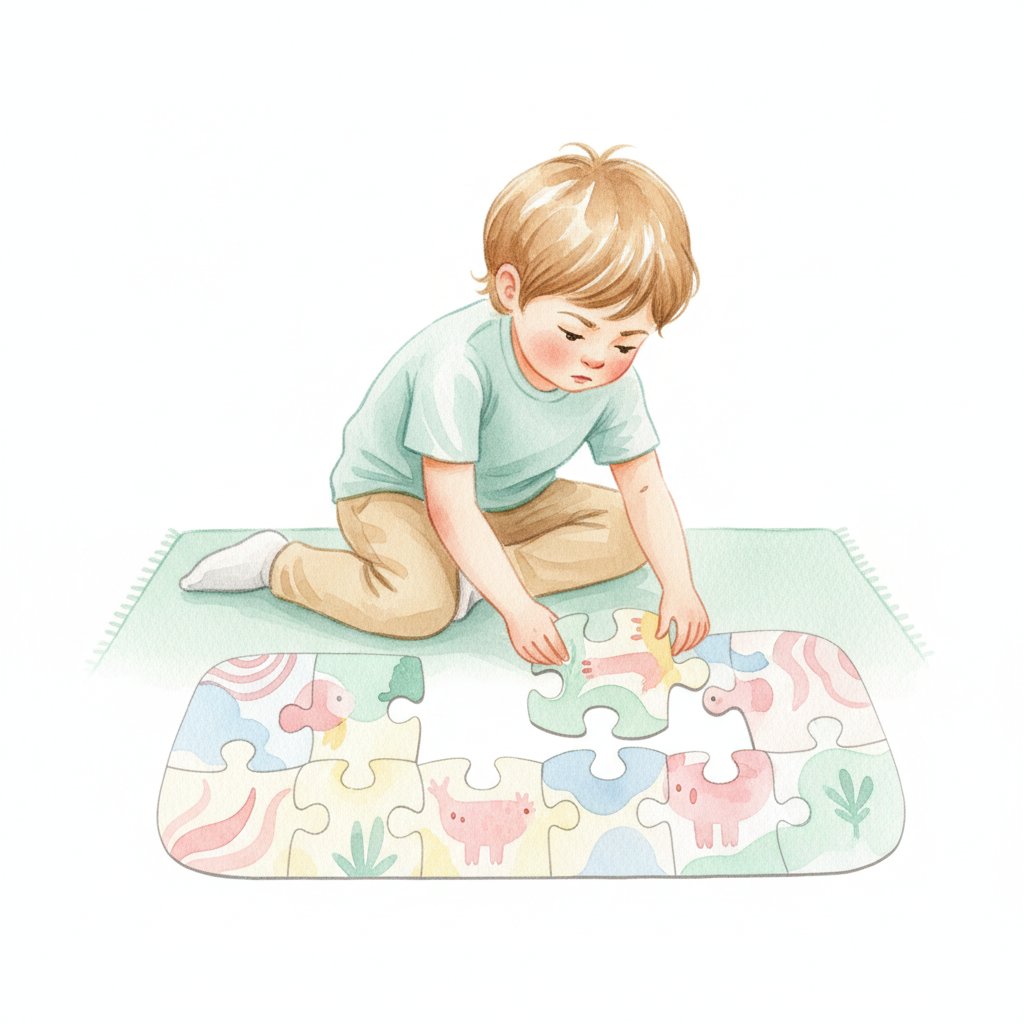
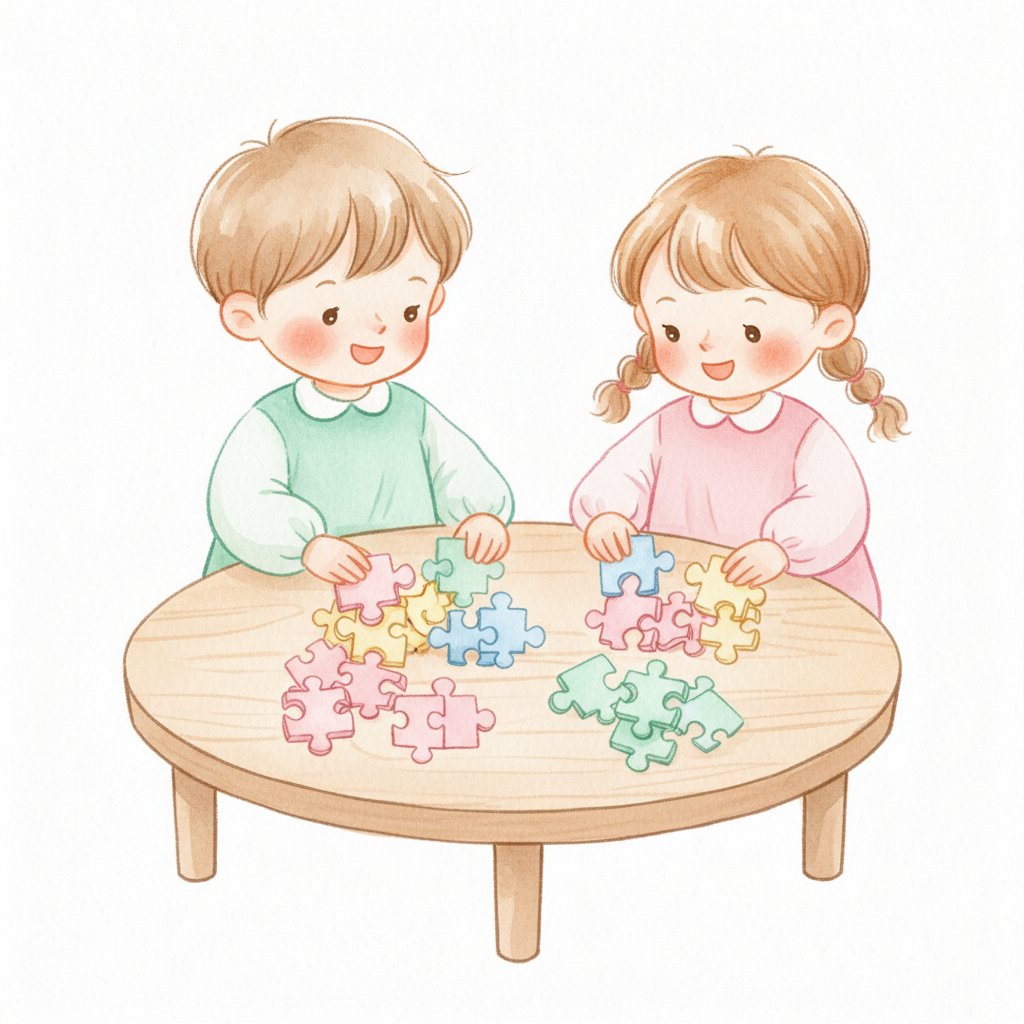
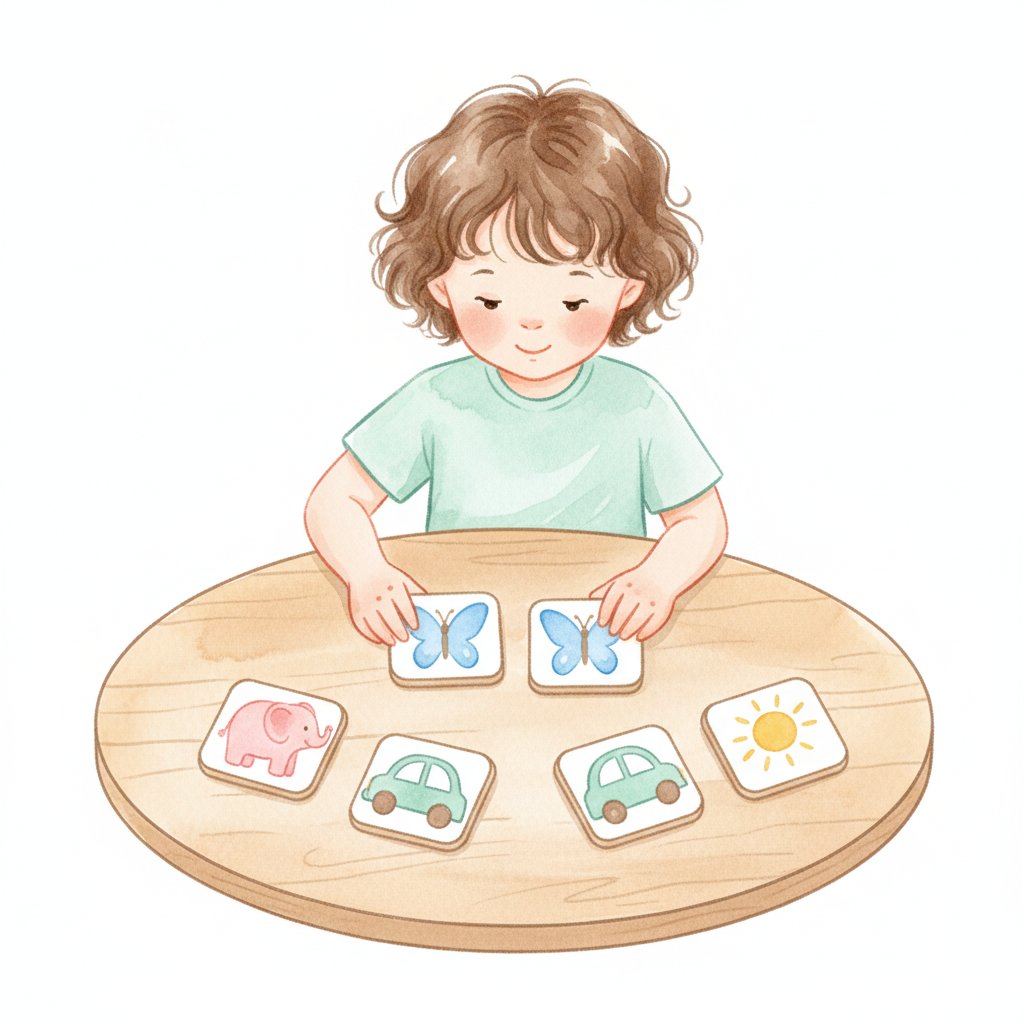
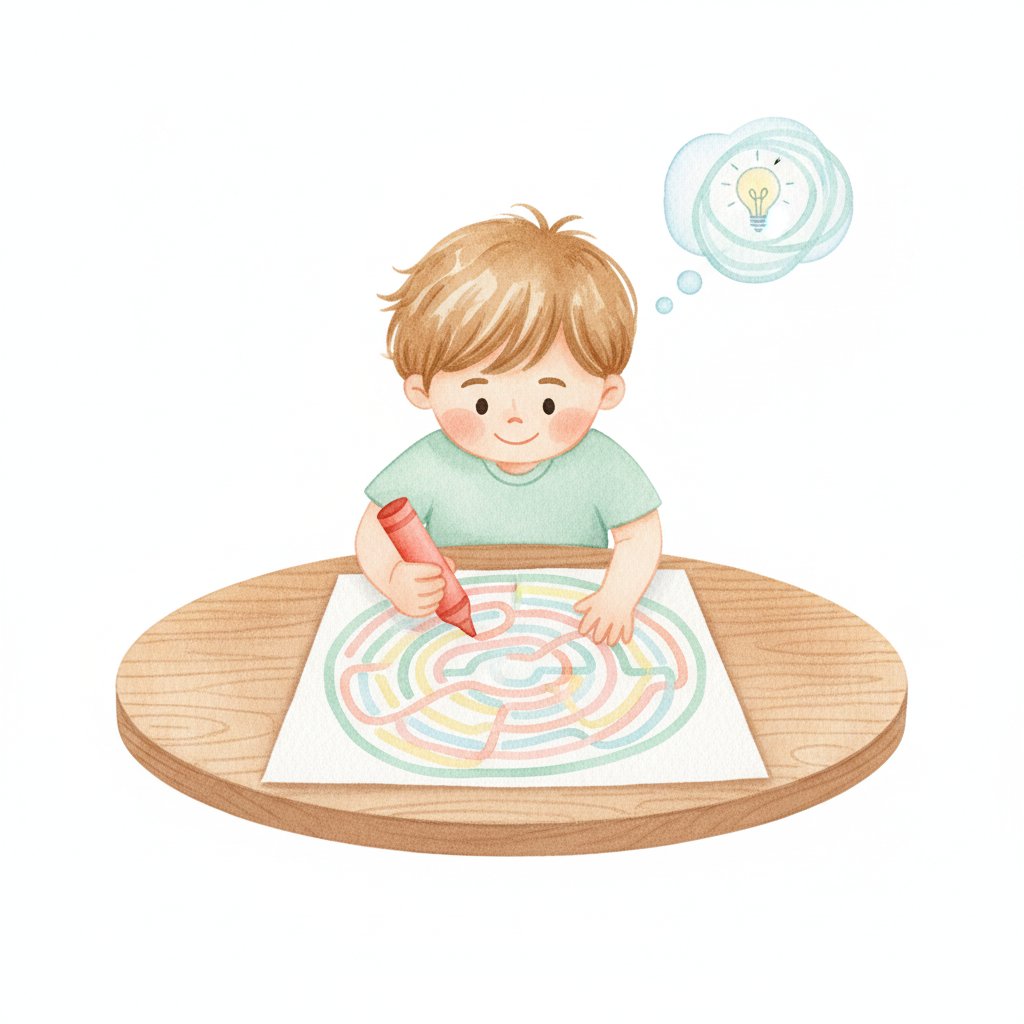
This guide covers 20+ puzzle activities for ages 3-6, organized by skill: jigsaw puzzles for spatial reasoning, matching puzzles for visual discrimination, pattern puzzles for logical thinking, and creative puzzle-making activities. Pair it with our matching games for visual discrimination practice and our sorting activities for categorization skills.