The Calm Down Corner That Stopped the Meltdowns
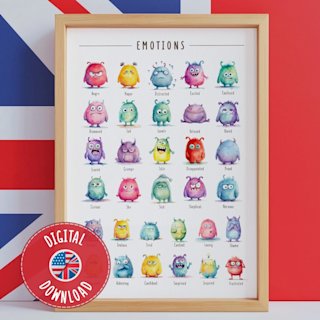
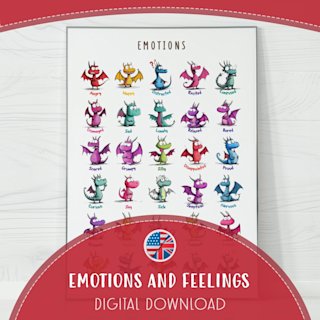
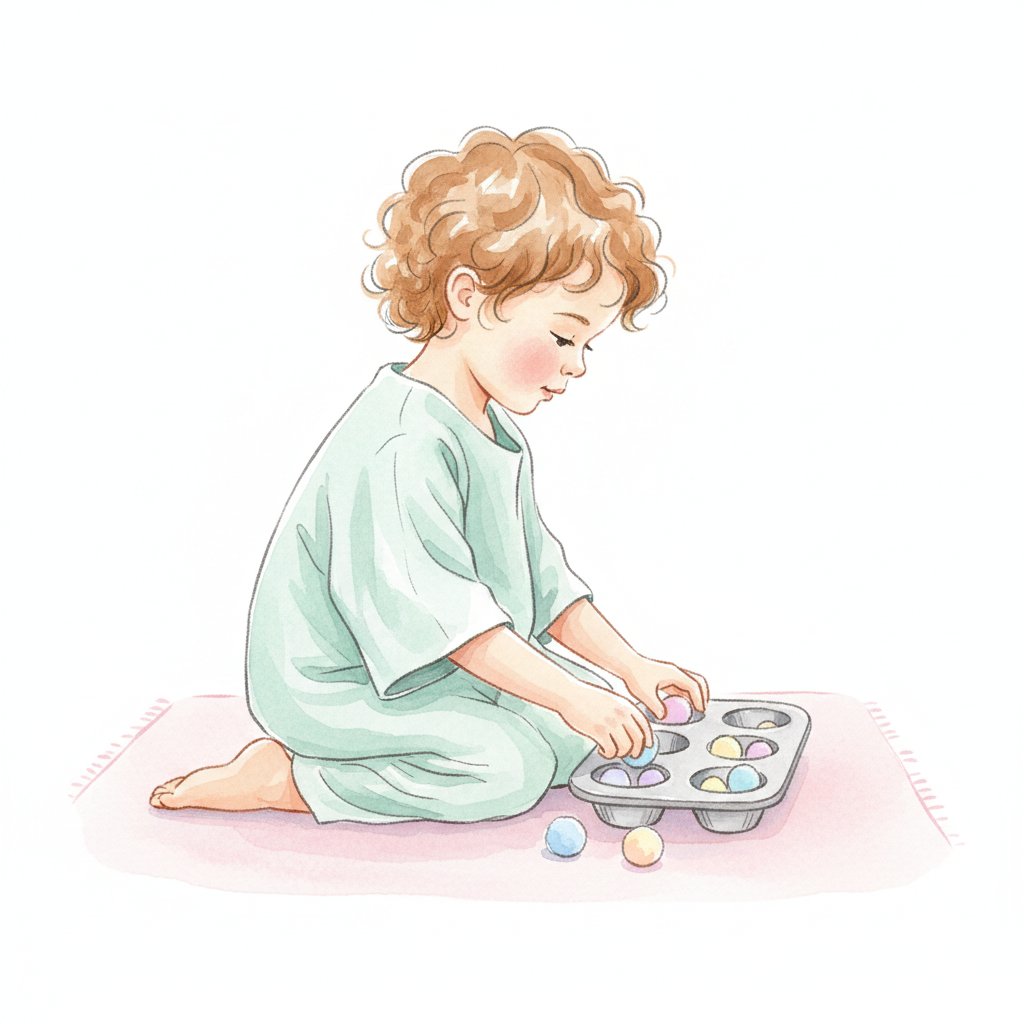
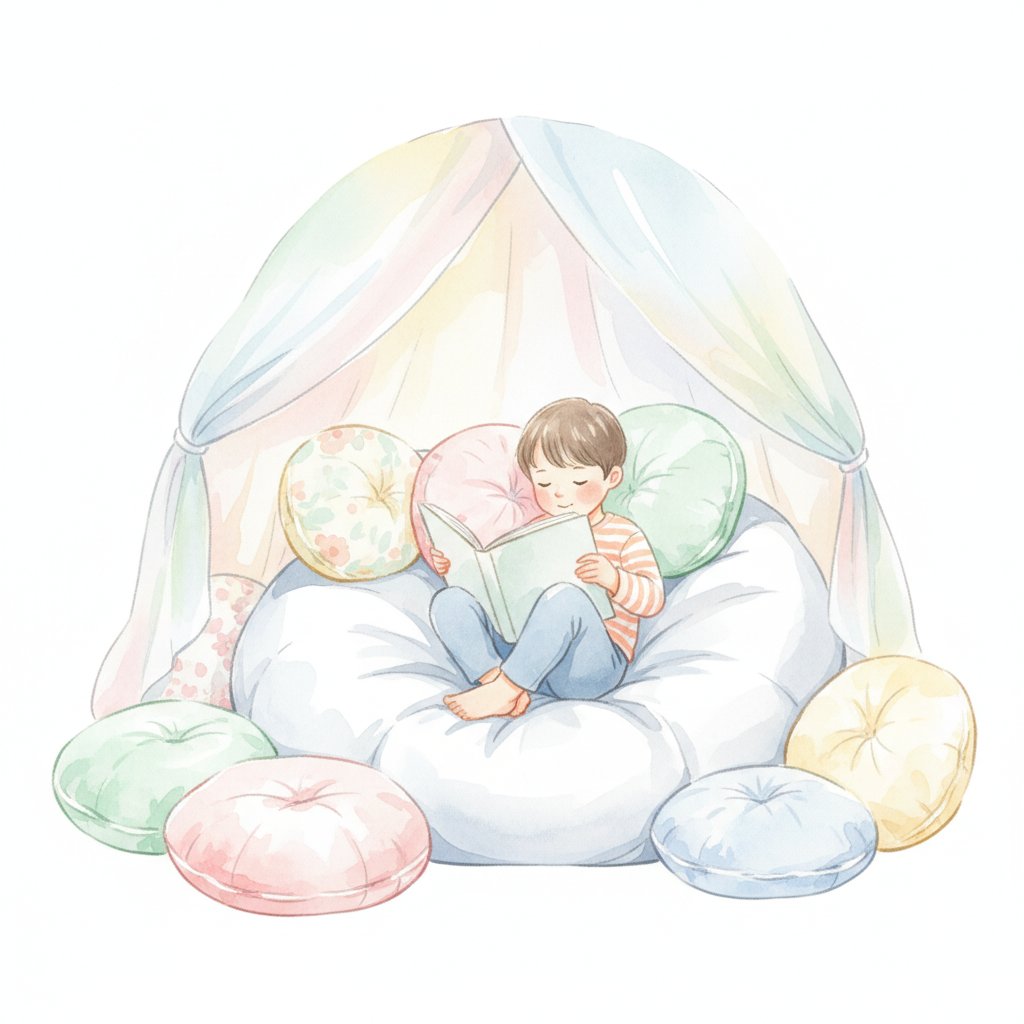
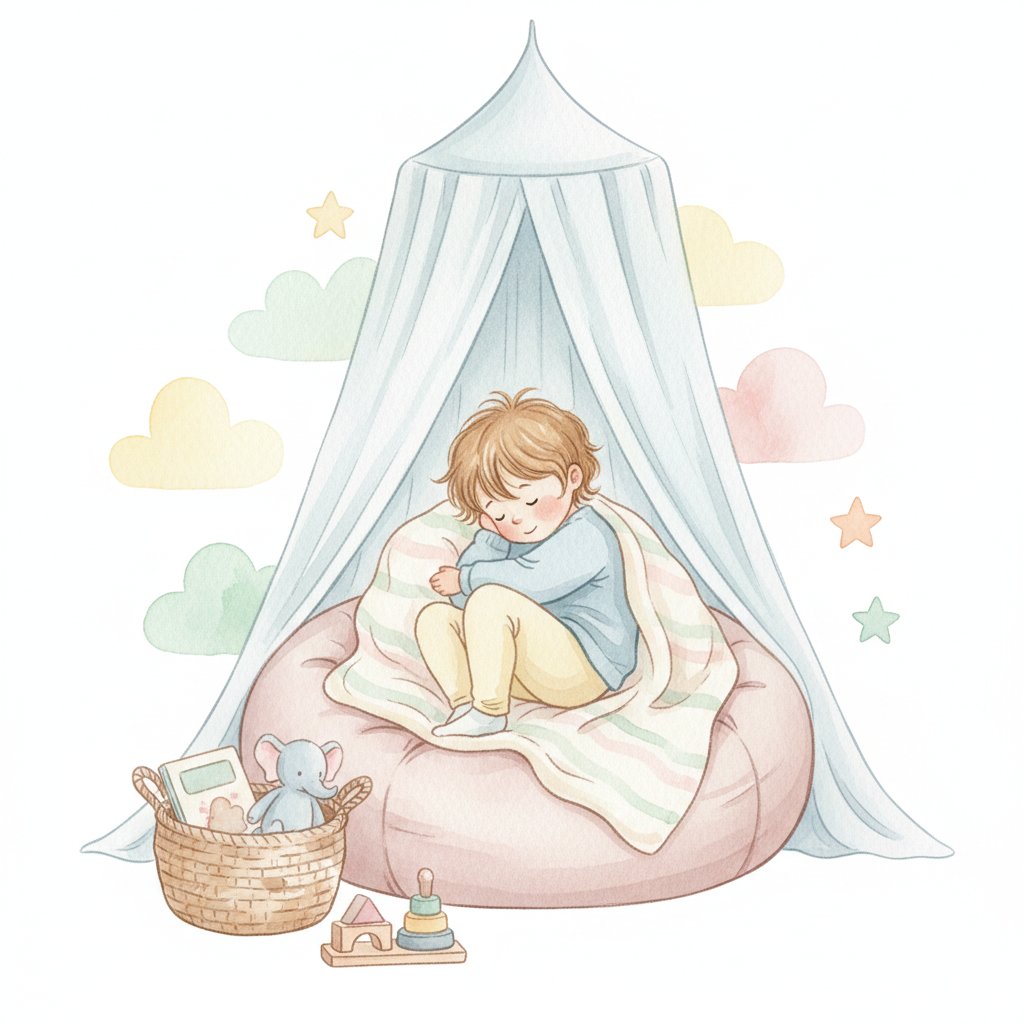
My four-year-old had two speeds: full throttle and meltdown. There was no middle. After the third tantrum of the morning (because the banana broke in half, because the wrong cup was offered, because breathing existed), I set up a corner of the living room with a soft blanket, a basket of quiet activities, and a feelings chart. "This is your quiet space," I told her. "When you feel like you're going to explode, come here first."
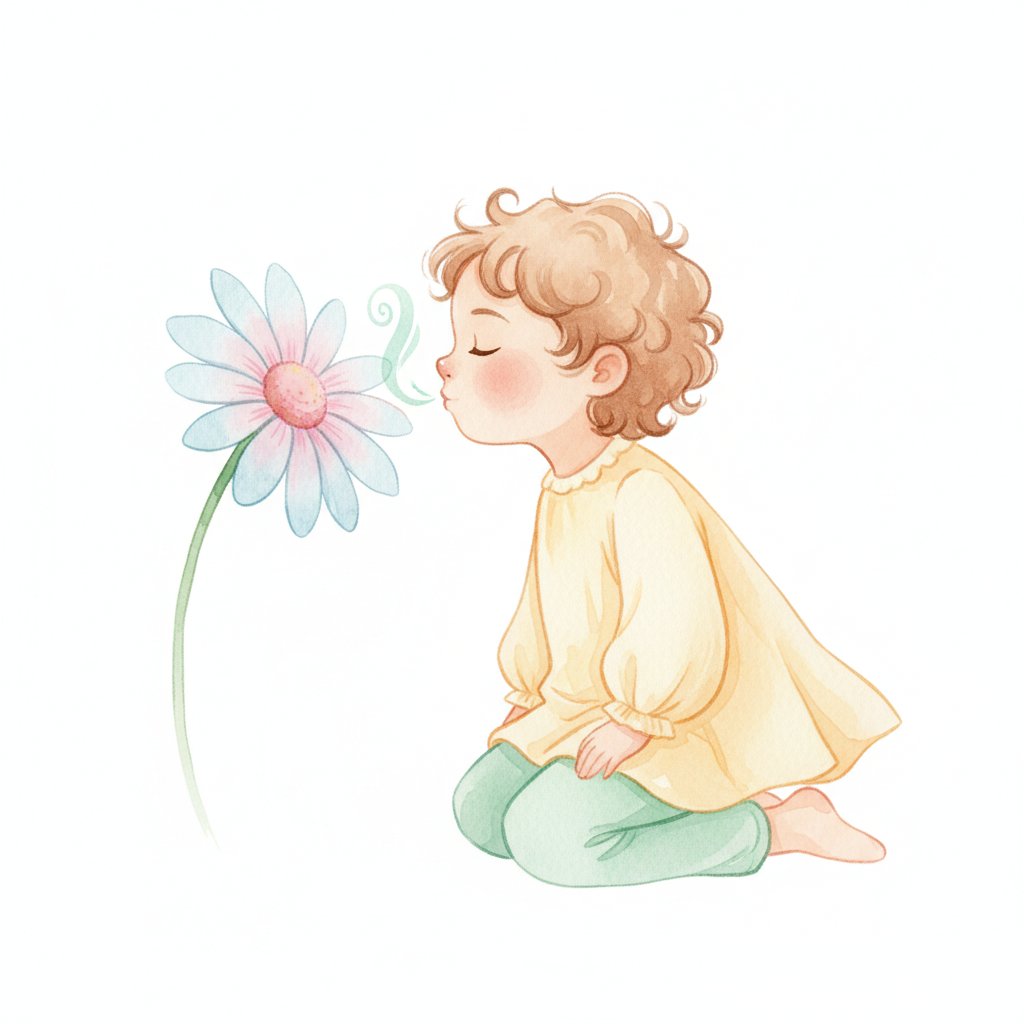
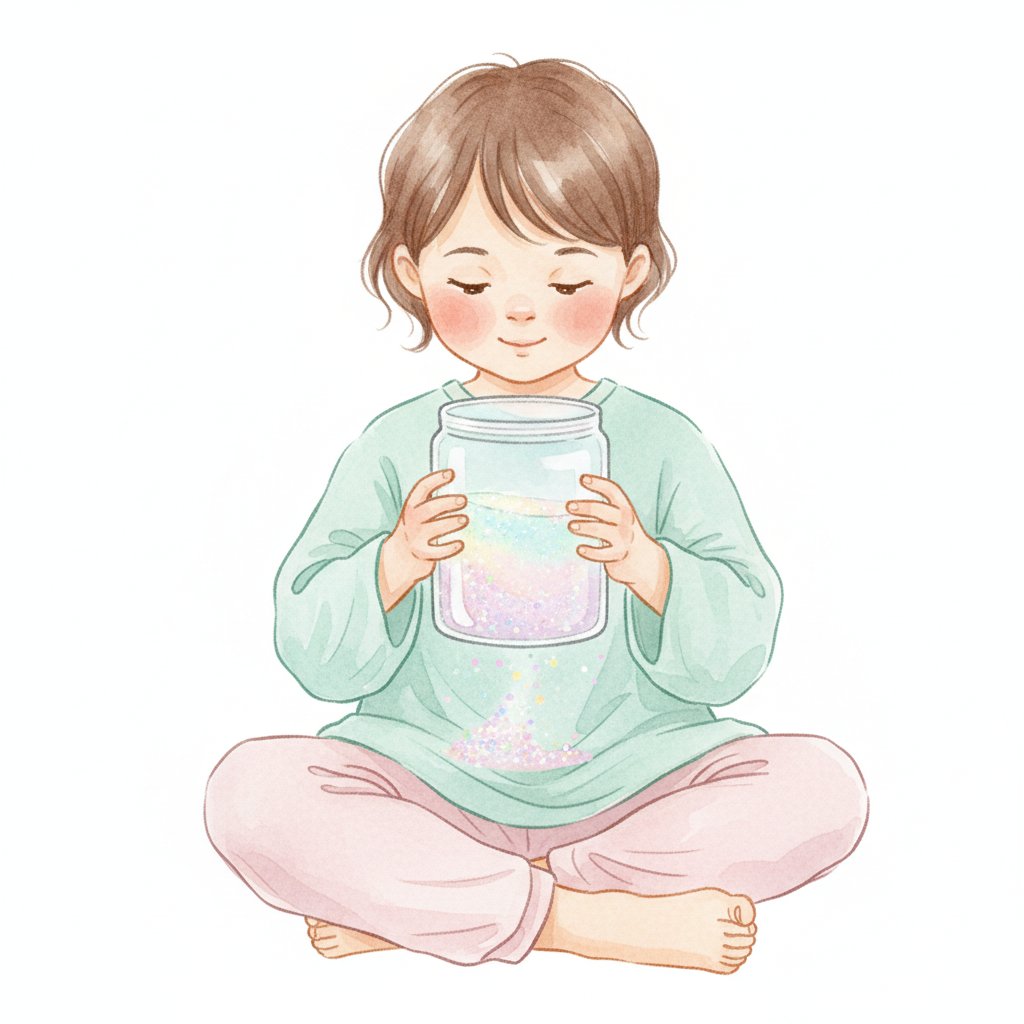
The first week, she went to the corner three times — each time after I gently guided her there. The second week, she went on her own twice. By the third week, I watched her stomp toward the corner, grab a calm down jar, shake it furiously, and watch the glitter settle. Her breathing slowed. She came back to the kitchen and said, "I'm ready to try again."
That's self-regulation. Not a personality trait — a skill. And like all skills, it develops with practice.
Research from Yale's Center for Emotional Intelligence shows that children who learn self-regulation strategies in preschool have better academic outcomes, stronger social relationships, and fewer behavioral problems through elementary school. Quiet time activities aren't just "keeping kids busy" — they're building the brain's ability to pause, regulate, and respond rather than react.
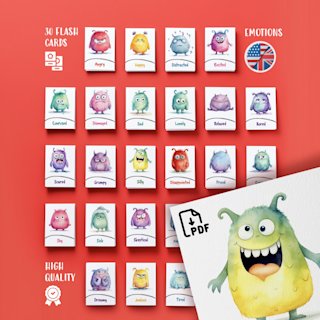
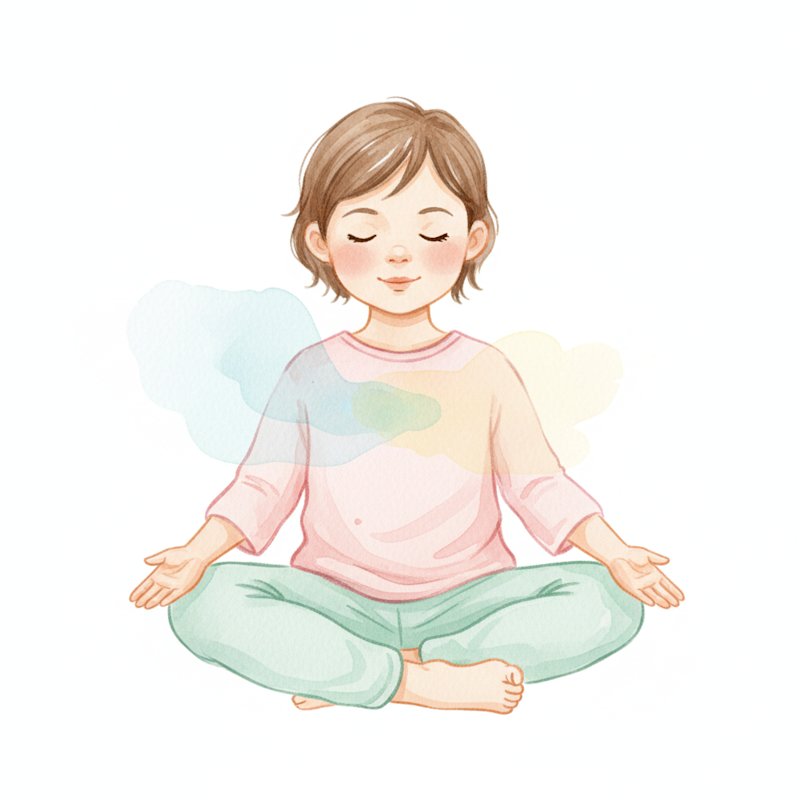
This guide covers 20+ quiet time and calm down activities for ages 2-6, including breathing exercises, sensory tools, independent play bins, and transition strategies. Pair it with our feelings chart activities for emotion vocabulary and our sensory play ideas for tactile regulation.