Articles6 min read

The Moment My Daughter Became a Recycling Police Officer

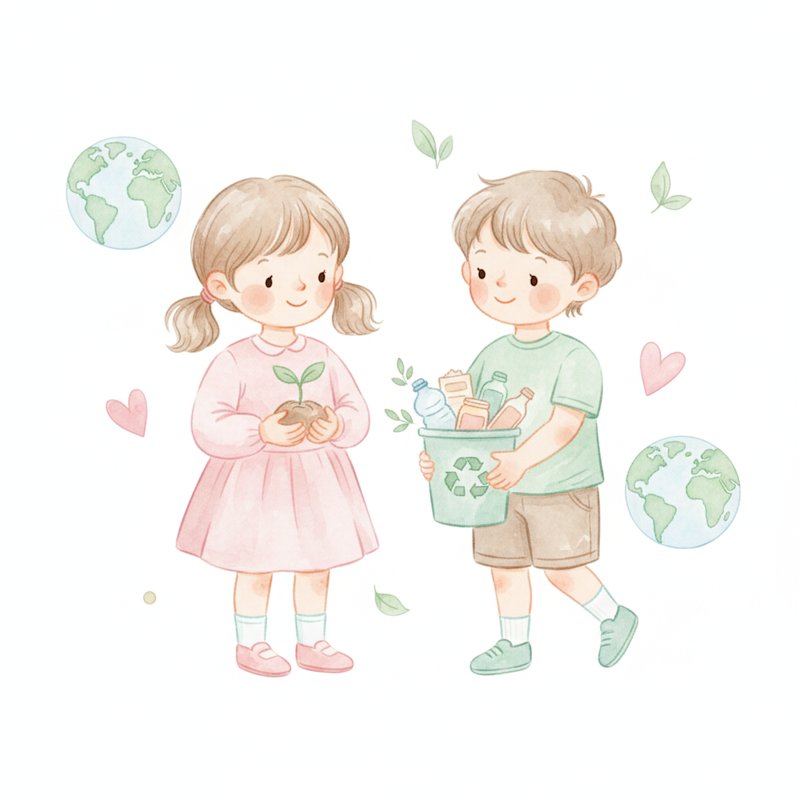
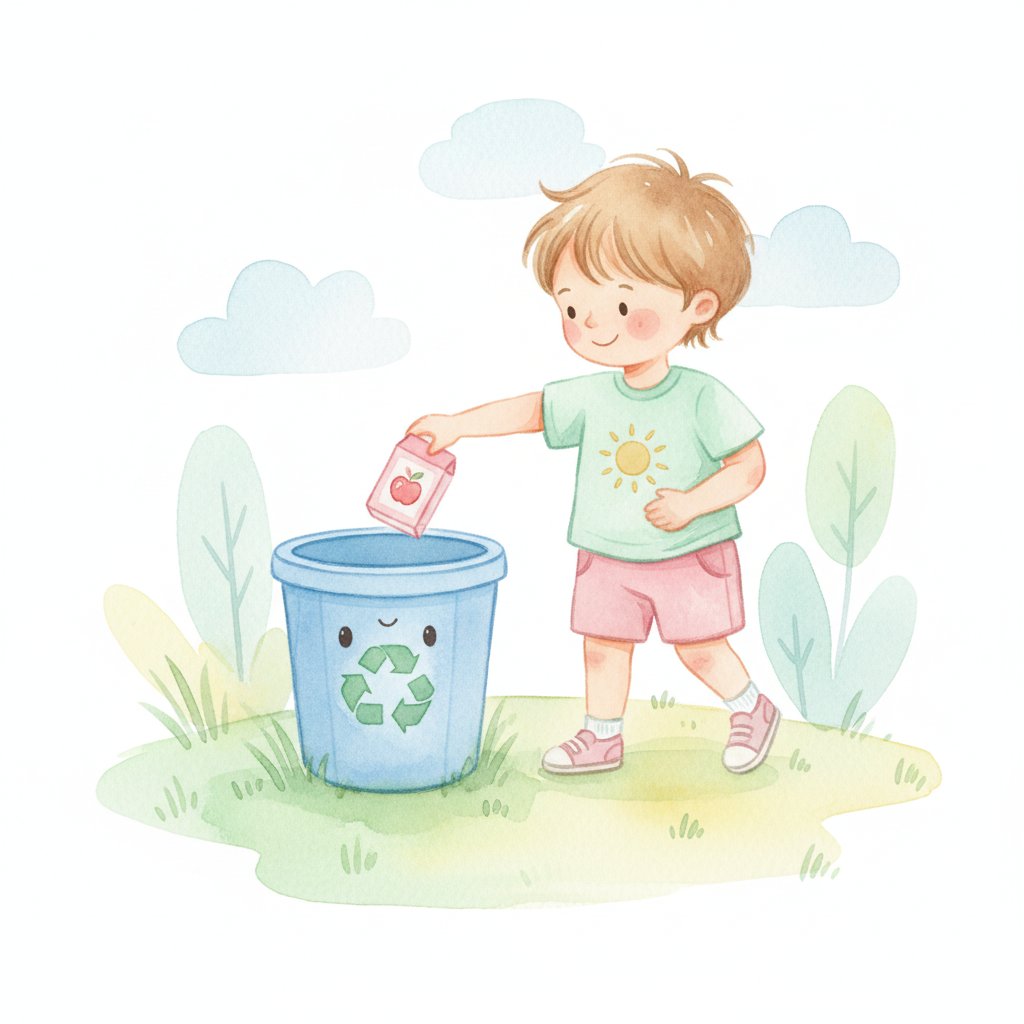
We were at the park. I threw a juice box in the regular trash. My four-year-old picked it out, walked to the blue bin, and dropped it in. "Mama, that's RECYCLABLE. It has the triangle symbol." Then she turned to a stranger nearby: "Excuse me, is your bottle recyclable?" I was mortified. And proud. In equal measure. She had learned the recycling symbol, understood its meaning, and felt COMPELLED to act on it. That is environmental stewardship in its purest form: a child who sees something wrong and fixes it, not because a teacher told her to, but because she genuinely believes the earth needs her help.

According to the North American Association for Environmental Education, early environmental education builds lifelong stewardship attitudes, improves science understanding, and develops critical thinking about cause and effect. Children who learn to care for the earth at ages 3-6 are significantly more likely to maintain pro-environmental behaviors into adulthood.
This guide covers 20+ recycling and earth care activities for ages 3-6. Pair it with our Earth Day guide for seasonal activities and our science guide for more experiments.
Recycling Sorting Activities (Ages 3-6)

1. Recycling bin sort
Materials: Clean recyclables (bottles, cans, paper, cardboard), labeled bins.

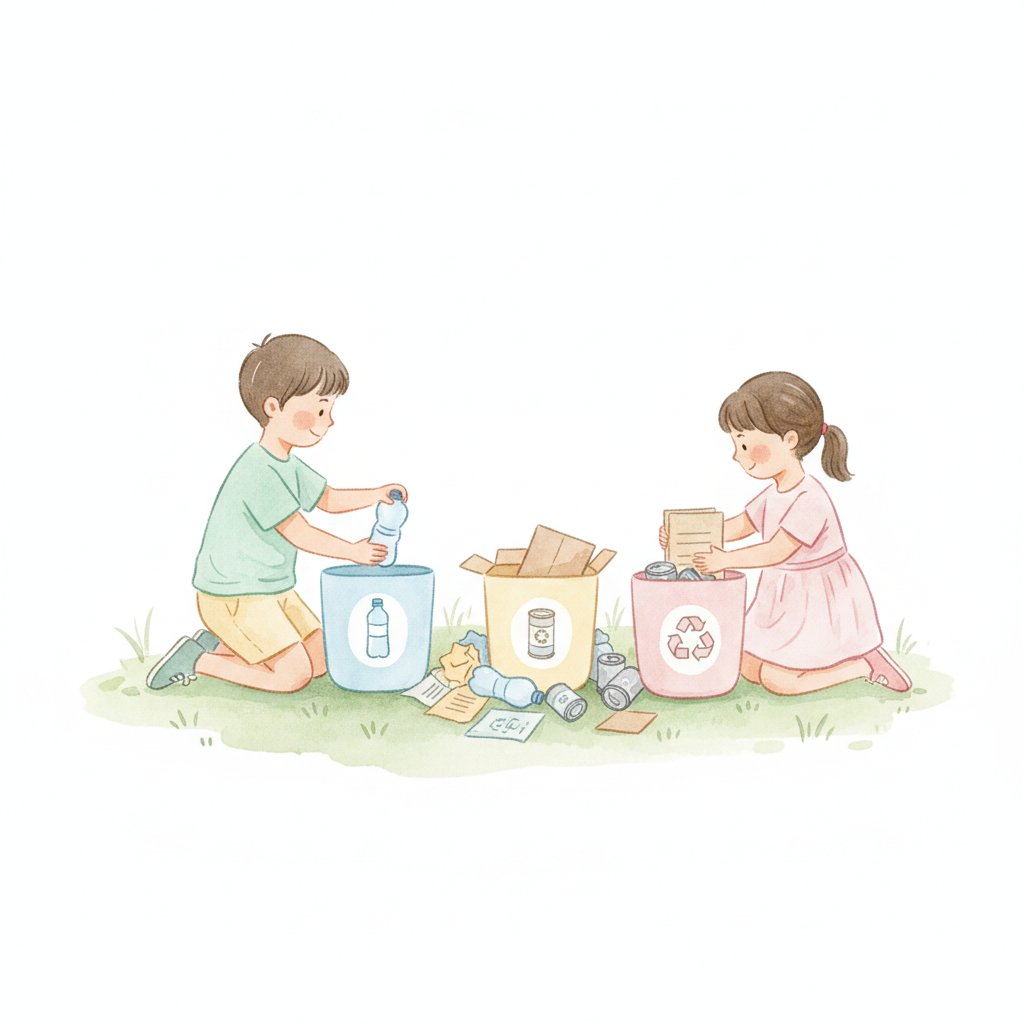
What to do: "Sort the items into the right bins: PAPER goes with paper. PLASTIC goes with plastic. METAL goes with metal. GLASS goes with glass." The sorting teaches categorization — a core math skill. For more sorting, see our sorting guide.

Why it works: Recycling sorting is REAL-WORLD categorization. Children aren't sorting abstract shapes on a worksheet — they're sorting items from their actual lives. This makes the learning authentic and memorable. "This bottle is plastic because it's light and you can squeeze it. This can is metal because it's heavy and rigid."

2. Recycling symbol hunt
Materials: Clean containers with recycling symbols.

What to do: "Find the triangle symbol! It means this item can be recycled. Check each item: does it have the triangle?" The symbol hunt teaches visual scanning and symbol recognition. For more symbols, see our shape guide.

3. Magnetic vs. non-magnetic
Materials: Magnet, clean cans, plastic bottles, paper clips, coins.

What to do: "Which items stick to the magnet? The METAL ones! That's one way to tell if something is metal for recycling." The magnetism test teaches material properties through physical investigation. For more science, see our science guide.

4. Paper making
Materials: Scrap paper, blender, screen, water.

What to do: "We're going to turn OLD paper into NEW paper! Tear the paper into tiny pieces. Blend with water. Pour onto the screen. Press flat. Let it dry!" The paper making teaches the recycling PROCESS: old becomes new. For more art, see our art guide.

5. Trash vs. recycle relay
Materials: Clean items, two bins.

What to do: "Ready, set, SORT! Pick up an item and run to the right bin — TRASH or RECYCLE? Go!" The relay combines physical movement with cognitive sorting. For more movement, see our gross motor guide.

Protecting animal habitats starts with understanding them
Our Safari Animals Art Activity Pack connects recycling to wildlife: 'When we recycle plastic, it doesn't end up in the ocean where sea turtles eat it. When we recycle paper, fewer trees are cut down — trees where birds build nests and monkeys swing. When we reduce waste, there is less trash in the savanna where elephants and giraffes roam.' After painting their safari animals, children understand WHY recycling matters — because animals need clean habitats. Art becomes advocacy. Painting becomes protection. One activity pack, two lessons: love animals AND protect their homes.

Upcycled Art Projects (Ages 3-6)

6. Cardboard box city
Materials: Clean cardboard boxes of various sizes.

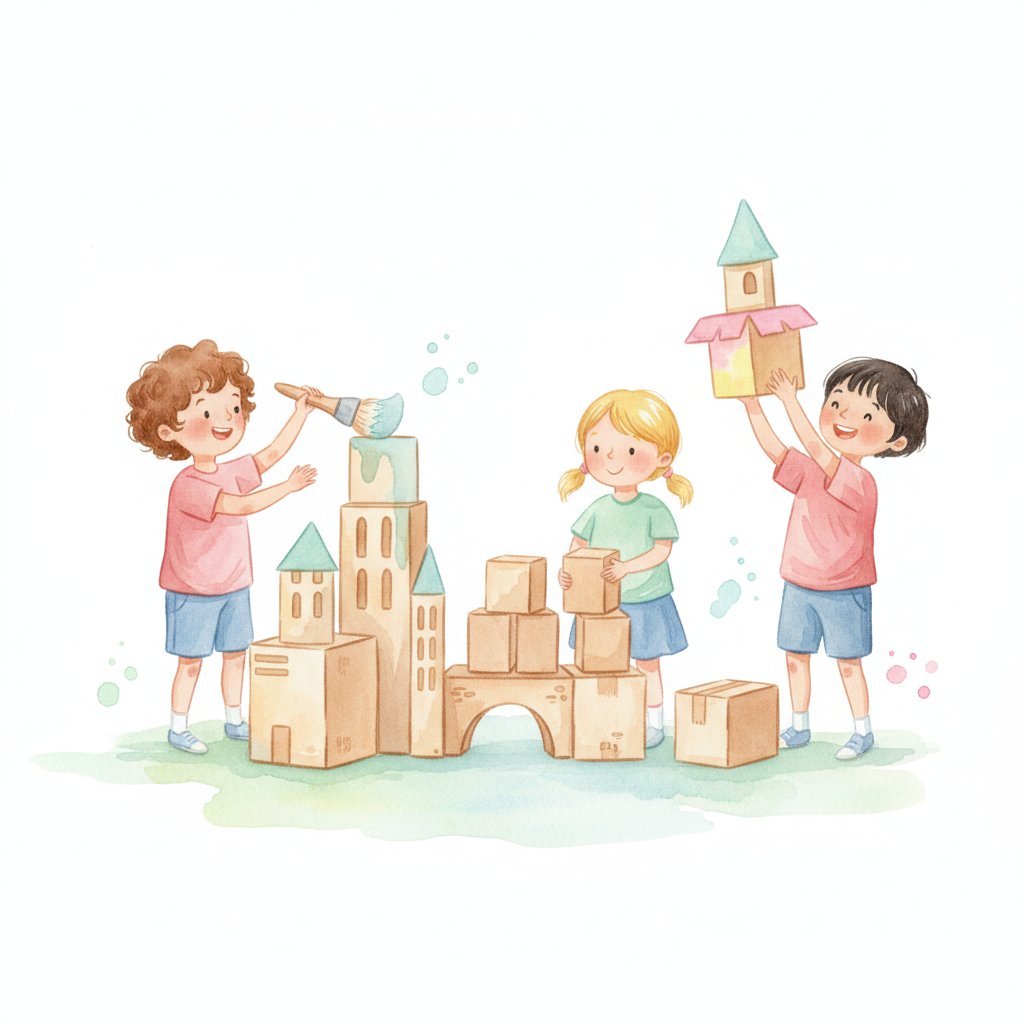
What to do: "Build a city from boxes! This big box is a HOUSE. This tall one is a TOWER. This flat one is a ROAD. Paint them and arrange your city!" The building teaches 3D construction from recycled materials. For more building, see our block guide.

7. Bottle planter
Materials: Clean plastic bottle, soil, seeds.

What to do: "Cut the bottle in half. Fill with soil. Plant a seed. Water it. Watch it GROW!" The planter teaches that "trash" can become something useful. For more plants, see our science guide.

8. Tin can wind chime
Materials: Clean tin cans, string, beads.

What to do: "Decorate the cans. Tie them together with string. Hang outside and listen to the WIND make music!" The wind chime teaches that recycled materials create beauty and function.

9. Magazine collage
Materials: Old magazines, glue, paper.

What to do: "Cut pictures from old magazines. Make a collage of things you LOVE about the earth: trees, animals, oceans, flowers, sunshine!" The collage teaches creative reuse. For more art, see our art guide.

10. Egg carton caterpillars
Materials: Cardboard egg carton, paint, pipe cleaners.

What to do: "Cut a row of cups from the carton. Paint it. Add antenna and legs. It's a caterpillar! What does a caterpillar become? A BUTTERFLY!" The craft teaches life cycles through recycled art. For more insects, see our insects guide.

Ocean animals need clean water
Our Ocean Animals Watercolor Art Activity Pack makes plastic pollution personal: 'When plastic bags get into the ocean, sea turtles think they are JELLYFISH and eat them. When six-pack rings aren't cut, fish get tangled in them. When bottles aren't recycled, they break into tiny pieces that whales swallow.' After painting their ocean animals — the whale, the dolphin, the seahorse, the jellyfish — children understand that their recycling choices directly affect these creatures. Art creates empathy. Empathy creates action. One art pack, one ocean, zero tolerance for plastic waste.

Water and Energy Conservation (Ages 3-6)

11. Water saving experiment
Materials: Two cups, timer.

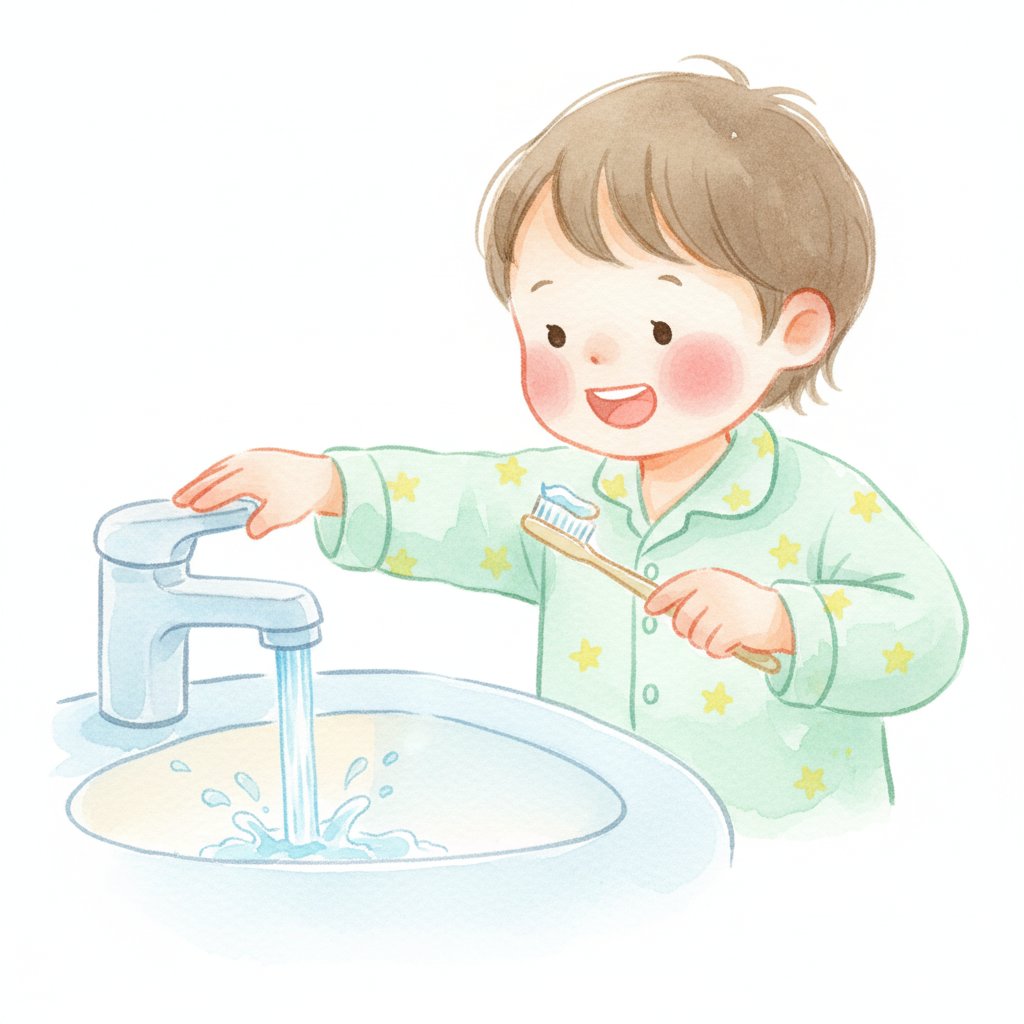
What to do: "Turn on the faucet and put a cup under it for 10 seconds. How much water? Now turn it to a TRICKLE for 10 seconds. How much LESS water? The difference is water you SAVE by turning off the tap while brushing teeth!" The experiment makes conservation visible and measurable.

12. Light switch monitors
Materials: None.

What to do: "Your job is LIGHT MONITOR! Walk around the room and check: are any lights on that don't need to be? Turn them OFF! Every light we turn off saves ENERGY!" The monitoring teaches responsibility and energy awareness.

13. Rainwater collector
Materials: Container outside.

What to do: "Put a container outside when it rains. After the rain, measure how much water fell! We can use this water for PLANTS instead of tap water." The collection teaches water cycle and conservation. For more weather, see our weather guide.

14. Composting for kids
Materials: Compost bin or outdoor pile.

What to do: "Fruit peels, vegetable scraps, and leaves go in the COMPOST, not the trash. The worms and bugs will eat them and turn them into SOIL for our garden!" The composting teaches decomposition and natural cycles.

15. Nature walk cleanup
Materials: Bags, gloves.

What to do: "Walk through the park and pick up any trash. SORT it: recyclable or garbage? How many pieces did we collect?" The cleanup teaches community responsibility. For more outdoor play, see our outdoor play guide.

Earth Care Learning Extensions (Ages 3-6)

16. Earth promise chart
Materials: Paper, markers.

What to do: "Make a promise to the earth: I will turn off lights. I will recycle. I will use less water. I will pick up trash. Draw a picture for each promise!" The chart teaches commitment and personal responsibility.

17. Reduce, reuse, recycle song
What to do: "Reduce, reuse, recycle, recycle, recycle! Reduce, reuse, recycle — that's what we should do! Use less paper, use less water, turn off lights and pick up trash!" The song teaches the three R's through music. For more songs, see our music guide.

18. Natural vs. man-made sort
Materials: Pictures of natural and man-made items.

What to do: "Sort these pictures: which are from NATURE (leaf, rock, feather, shell)? Which are made by PEOPLE (plastic bottle, paper, metal can, glass jar)?" The sorting teaches material awareness. For more sorting, see our sorting guide.

19. Tree bark rubbing
Materials: Paper, crayons.

What to do: "Hold paper against a tree trunk. Rub the crayon sideways over it. Look — the tree's PATTERN appears! Every tree has different bark." The rubbing teaches observation and appreciation of nature's details.

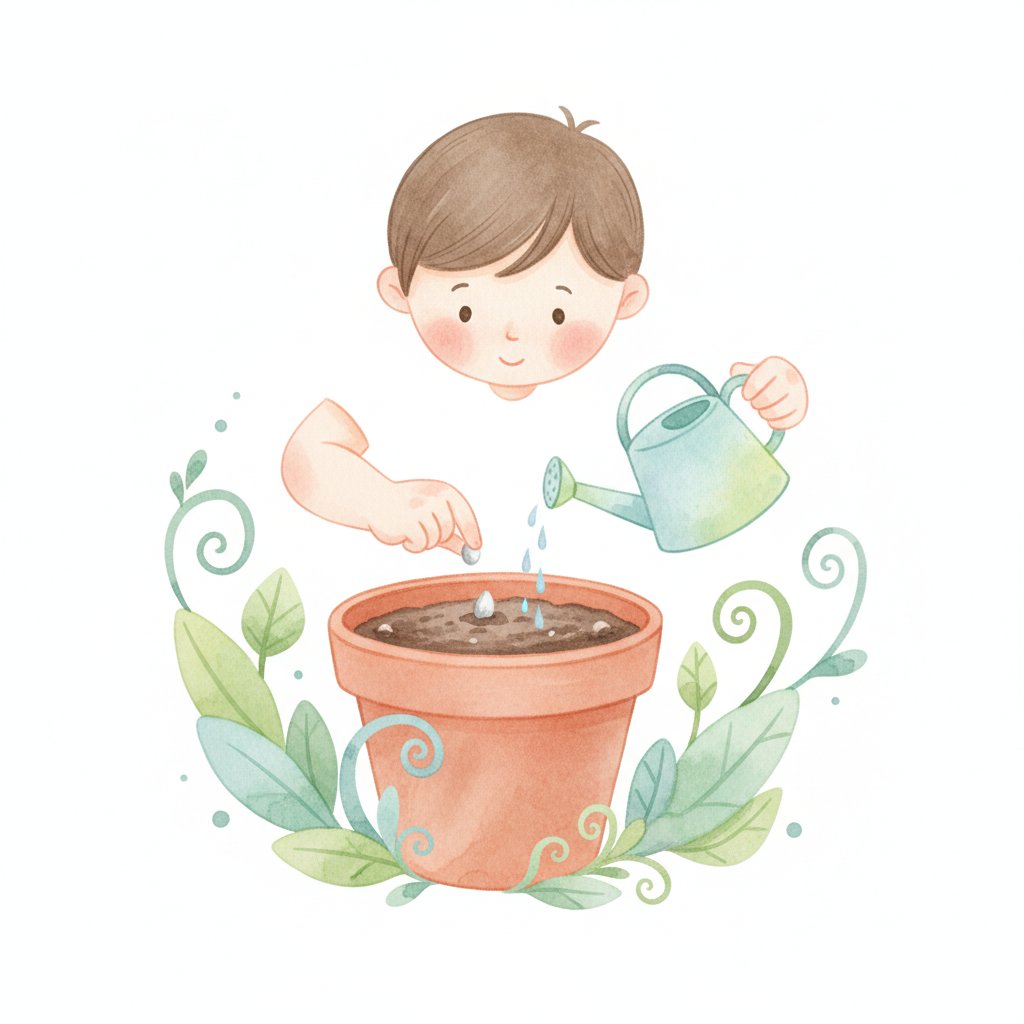
20. Plant a seed, grow a promise
Materials: Pot, soil, seed.

What to do: "Plant this seed. Water it every day. Watch it grow. When you care for something small, it becomes something big. That is what caring for the earth is like!" The planting teaches long-term care and patience. For more science, see our science guide.

Farm animals share our land
Our Farm Animals Flashcards connect land stewardship to animals children know: 'Cows eat GRASS. If the grass is covered in trash, cows can't eat. Chickens scratch in DIRT. If the dirt has chemicals, chickens get sick. Pigs roll in CLEAN mud. If the water is polluted, the mud isn't safe.' Farm animals depend on healthy land, clean water, and fresh air — just like we do. The flashcards teach 12 farm animals AND the land they share with us. When children love farm animals, they want to protect the land those animals need.
1.Is recycling too complex for preschoolers?
Not at all — preschoolers are natural sorters. Start simple: paper goes here, plastic goes there. Use visual labels (pictures of items on each bin). Practice with clean, safe items. Over time, introduce categories: "This plastic bottle has a 1 inside the triangle — it goes in recycling. This plastic bag doesn't have a number — it goes in trash." Build complexity gradually. The key is making it hands-on: let them physically sort, not just watch.
2.How do I explain WHY recycling matters?
Use concrete, age-appropriate language: "When we recycle paper, we save TREES. Trees give us oxygen to breathe and homes for birds. When we recycle plastic, it doesn't end up in the ocean where fish and turtles might eat it. When we recycle metal, we use less energy than making new metal from rocks." Connect each action to something the child cares about: trees, animals, fish, or clean parks.
3.What about composting with preschoolers?
Composting is perfect for preschoolers because it is VISIBLE science: "We put banana peels in the bin. Worms eat them. The worms make soil. The soil helps plants grow. We eat the plants." The full cycle! Start with a small indoor vermicomposting bin (worm bin) so children can observe the process. Use fruit and vegetable scraps only — no meat, dairy, or oils. The worms do the teaching.
4.How can I make earth care a daily habit?
Integrate it into existing routines: "Before you throw something away, check — can it be recycled?" Make it a child's JOB: "You are the recycling helper this week. Check the bins and make sure everything is in the right place." Celebrate earth-friendly choices: "You turned off the water while brushing your teeth! You just saved 4 gallons of water!" Consistent, daily practice turns choices into habits.